


General Insurance Blogs, Articles & Updates by - Magma Insurance
Have us call you
- RENEW YOUR POLICY
- BUY NEW POLICY

GENERAL INSURANCE BLOG
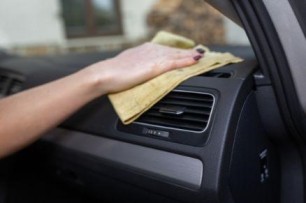
Best ways to clean the dashboard of the car along with its internal components
Owning a car promises exciting and thrilling adventures. Whether going on long road trips, making impromptu plans to meet up with your friends, or simply driving around the town while playing music, these are just a few of the benefits of owning a car. Every car owner wants to keep a well-maintained vehicle with glowing interiors and dashboard.
But how can you maintain a shiny car dashboard? The dashboard has nooks and corners that can quickly accumulate dust particles. Many of us eat inside the car, making it susceptible to spills and oil stains.
In this article, we will take a look at a few ways in which you can ensure the cleanliness of your dashboard.
1. Dusting:
One of the easiest yet most efficient ways of cleaning the dashboard is by dusting it regularly. Spare five minutes of your time to wipe down the entire dashboard with a dry cloth before leaving your vehicle. This will help reduce the build-up of dirt and dust and help in easy cleaning every time. You can also use a tiny brush with soft bristles to reach the crevices and folds that are not easily accessible by hand.
2. Vacuum:
Using vacuum cleaners once every month is another good way of ensuring clean dashboards. Vacuum cleaners help pick up tiny dust particles within the vents and buttons. This also increases the efficiency of ducts and helps with faster cooling when you turn on the air conditioner.
3. Cleaning solution:
Using a cleaning solution on the dashboard helps get rid of any greasiness. Spray some cleaning solution onto the surface of the dashboard and clean it thoroughly. Once done, use a damp cloth to wipe down the parts to avoid staining. Follow this up with a dry cloth to get rid of any residue. Remember to do this in small batches to ensure that the solution does not dry and leaves any patches on the surface.
4. Sanitise:
Since the dashboard is the most accessed part of the car, sanitising the drawers, buttons, steering, etc., is a good idea. Even if you are the only person using the vehicle, it is good to sanitise the area to prevent germs and bacteria.
5. Take special care of the infotainment unit:
Everyone inside the car often uses the infotainment unit. Use screen wipes and a microfiber cloth for best results. Microfiber can pull up dirt without causing any harm to the screen. Avoid using chemicals directly as you will constantly be touching the unit and are susceptible to being in contact with the same. Using harsh chemicals can also lead to damage to the anti-glare coatings on the console.
These are a few ways in which you can clean the dashboard. Proper cleanliness ensures good health for you and your co-passengers. Clean and stain-free interiors make a statement and provide credibility to the excellent maintenance of the vehicle.
If your interiors are neglected too often, you might need to change the unit entirely, which can be expensive. Add value to your car by investing in an insurance plan with a good motor insurance company. Getting the best deal on an insurance policy can be beneficial for you, in the long run, to stay stress-free regarding the expenses associated with your car.
Click HERE to know more about motor insurance company.
Disclaimer: The information provided above is for illustrative purposes only. To get more details, please refer to policy wordings and prospectus before purchasing a policy.

Here's the list of seven surprisingly strange things that can be covered by home insurance
We all know the importance of investing in home insurance. It covers the cost of repair work and modifications in case of damages. However, there are various aspects of home insurance that you might not be aware of.
Let's look at some surprisingly strange things that might be covered under your home insurance.
1. Space debris:
Damage to your property caused by meteors, airplanes, rockets, satellites, etc., is covered under home insurance. The risk from these is listed as environmental hazards. Space debris includes both man-made things and naturally occurring objects.
Any damage caused by this debris to the structure and the homeowners' belongings is covered under home insurance. If you get injured on the premises of your house, the insurer is liable to provide you cover for all the medical expenses you incurred during your treatment.
2. Damage from plane and vehicle crash:
A plane crash in housing areas can lead to severe property damage and injuries. Other instances of crashes are when cars swerve off-road and crash into the house. Damages and injuries resulting from these crashes are also covered under the home insurance policy.
Under these circumstances, the party that caused the crash is liable to make monetary compensations for the damages incurred. If, however, their payout is limited, then your insurer steps in and pays for the rest of the expenses.
3. Damage due to civil disorder:
Any explosion, bombing, etc., arising from civil commotion can lead to property damage and vandalism. These situations lead to severe expenses and maintenance work due to heavy destruction. Property damage arising from fire, broken windows, etc., are also a few instances. If you are unable to reside inside your home due to these conditions, your insurer will cover additional living expenses such as hotel bills, meals, etc.
4. Floods and other natural disasters:
Due to increasing global warming, there has been a severe increase in natural disasters. Any damage incurred during these disasters is also covered under home insurance. Note that most insurers do not cover these, so look for insurance policies that include these factors.
5. Upgrades:
Any upgrades or modifications made due to new regulations from the local government are covered under home insurance. Opting for ordinance coverage is an excellent way to ensure that your insurer handles these expenses. Under this feature, the insurance company is liable to pay you the cost of overhauling a home or building to comply with the up-to-date building codes.
6. Identity theft:
Identity theft is a massive problem across the globe, and many fraudulent activities occur because of this. Insurance providers cover the cost of all the expenses, from legal fees to the reapplication of loans.
Insurance providers are there to help and support you in case of emergencies and other mishaps. Spending ample time on research and reading through the policy papers to ensure that you are choosing the best home insurance will help you in the long run.
Click HERE to know more about home insurance.
Disclaimer: The information provided above is for illustrative purposes only. To get more details, please refer to policy wordings and prospectus before purchasing a policy.
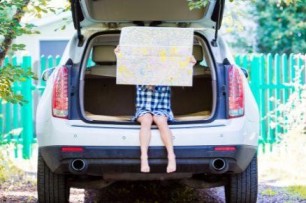
Know more about different ways to handle the weird mood swings of kids while travelling
Although travelling with kids is fun, it can also be challenging at times. Children are difficult to control and have to be constantly looked after no matter where you are. While parenting is blissful, it can be stressful during travel.
You need to ensure that you carry enough supplies for the trip, pack your essentials, and anticipate everything your kids might require during the journey. It also depends on their age, as younger kids need more attention than those old enough to carry their bags and take care of themselves.
Kids can get iffy while traveling for multiple reasons, including an unfamiliar atmosphere, too many people, deviation from the routine, and much more. But how to handle it when they get all worked up? This blog will answer that for you. By the end, you will know more about the different ways to handle your kid's mood swings while travelling.
1. Keep small toys handy:
You can distract your kids with their favourite portable toys. This will give them a sense of familiarity and allow them to have fun and stay unaffected by the crowd or the unfamiliar surroundings around them.
2. Food breaks:
Try to give your child quick snacks on the go like chocolates, biscuits, chips, or other food items they like. Giving them food and water breaks keeps their stomach full and can even help them drift off to sleep for the rest of the journey. This would keep the kids stress-free during the trip and be helpful for the parents.
3. Cartoons and shows:
Entertainment is always a saviour when it comes to calming kids during travelling. You can download their favourite shows and cartoons before heading for the trip. This will keep them occupied, and they won't be much bothered about their surroundings.
4. Activities can help:
Parents can pack different supplies for some exciting activities that the kids can indulge in. This will serve as a learning purpose while also keeping them busy. You can carry crayons, pencils, papers, board games, tokens and dice, comics, storybooks, etc., for the children to keep themselves occupied with. These pastime pursuits will engage them and enrich their knowledge while keeping their mood swings at bay.
Another easy way is to give your kids a gaming console to keep them occupied and have a relaxing trip. Next, carry travelling essentials for kids, pack their backpacks, and give them the responsibility to handle them if they are old enough. If you are travelling with a newborn, carry their diapers, warm water, milk, and a sipper.
These are some tips and tricks that parents can use to help their kids stay calm while travelling. Often children might get sick on trips, bringing you and your children into unprecedented situations. It is crucial to invest in an insurance plan to stay stress-free and protect yourself and your kids against any health-related emergencies or other unforeseen mishaps. You can check out all the available options and easily buy an insurance policy online.
Click HERE to know more about how you can buy insurance policy online.
Disclaimer: The information provided above is for illustrative purposes only. To get more details, please refer to policy wordings and prospectus before purchasing a policy.
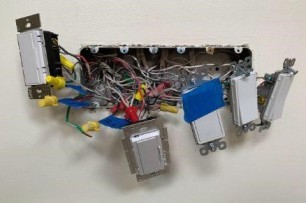
A guide to change the old wiring in your house
Upgrading electrical wiring makes an old home more secure, modernised, and habitable. This kind of renovation is easier in a recently acquired property than in an older one. Unless you have prior expertise with electrical construction, do not try to change wires on your own.
Most people instantly think of the costs and clutter involving the job. Your strategy is determined by your budget, capacity to reach the walls, ceiling, crawlspace, and the amount of rework permitted.
To clear the confusion, below are the typical steps involved in changing the wiring of a house.
1. Planning:
The better you prepare for the rewiring, the easier the procedure will be. A precise design will assist you in locating and projecting the circuits in a manner that will retain the drywall in place. A thorough layout of the existing circuitry and a precise sketch of the internal components may minimise chaos and disturbance.
2. Working prep:
This step prepares the space for the new wiring. It marks a clear route for supplying the new wire to the outlets. If you opt to undertake the prep work, clearing debris around your house's electrical outlets is crucial to ensure quick access.
3. Calculating the number of circuits:
Many times, outdated wiring may not have enough circuits to meet the energy needs of contemporary appliances, lights, and electronics. Before you begin, you must first plan your trajectories. Conduct a study on housing circuits to aid in layout planning, or contact an electrician as a consultant.
4. Remove the drywall and rewire:
The removal step consists of ripping out and taking off the old wire. Because old wiring is often stapled to the structure, it is impossible to simply take the cables out of the wall. After ensuring that the electricity has been turned off, you may cut the wire and remove the visible portion, leaving the buried cable within the division.
Some wires are placed in more accessible areas and can be taken out quickly. You can tape the new wire to the old ones, pull the old wiring out, and let the new line fall into its spot and take effect.
5. Replace:
Replacement of main and sub-panels is one of the essential steps to changing the old wiring in your house. Also, ensure that you check the condition of the panel. If it's old or does not have circuit breakers in place of fuses, it is better to replace them to prevent further damage. Replacing the panels would also require changing the wiring of your entire house. Try to find a professional electrician to accomplish this task.
Some other steps to change the old wiring in your house include:
• Taking permits from the local authorities (even if you are a homeowner).
• Hiring a good electrician.
• Identifying the access points.
• Having the right tools to complete the work and taking stringent measures to ensure everyone's safety.
It is essential that the rewiring be done correctly and by skilled specialists. If not done properly, the wires might get nicked and lead to short circuits. Furthermore, if the panel and junction boxes are not connected, it might create radiation, negatively affecting your health and even hampering the condition of your house.
Your house is your safe space. It is where you and your family live and create memories. Hence, it is essential to safeguard your home. Invest in a robust home insurance plan and protect your home from unexpected hazards. You can review the available insurance plans and purchase the best home insurance policy in India that offers you great benefits at a reasonable premium.
To get the best home insurance policy in India, click HERE.
Disclaimer: The information provided above is for illustrative purposes only. To get more details, please refer to policy wordings and prospectus before purchasing a policy.