


General Insurance Blogs, Articles & Updates by - Magma Insurance
Have us call you
- RENEW YOUR POLICY
- BUY NEW POLICY

GENERAL INSURANCE BLOG

Does making modifications in your Car affect your Car insurance?
Everyone dreams of purchasing a car in life. Reasons can be numerous; after all, having your car has several benefits. You can visit any place at any time at your convenience. You will no longer feel constrained in your life; cars have made the world a smaller place. That's not all, as owning a car is a status symbol too. People feel more secure and enjoy more private trips in their car.
But owning a car makes you liable to all the extra liabilities that come with it. Your car may get severely damaged in an accident; theft is always a threat; moreover, if you own a car you are also liable to damages caused to it by pedestrians and property. Hence it is important that you have car insurance that covers all these liabilities. You can buy car insurance online within a few minutes. It will make you feel more secure in case of any mishap. But will making modifications in your car affect your car insurance in any way?
More or less, every modification will affect your insurance, increasing the insurance premiums. When arriving at the new quotation insurance companies generally look at two factors risk of theft and risk of an accident. If you have an entirely cosmetic modification, it will increase the value of the car hence increasing its risk of theft. If you are making modifications that affect the performance of the car, it will increase the risk of an accident. These modifications severely affect your car insurance:-
- Engine modification- Engine modifications tend to increase performance and acceleration of the car. This tends to increase the risk of an accident.
- Brakes and Suspension - Overall, control of the car lies in the breaks. Modifying brakes or suspension will affect the overall performance of the car.
- Car Interior - Modifying the car interior is purely a cosmetic change to the car. It would not affect performance. However, it will increase the value of the car and will increase the risk of theft.
- Paint Job - Getting a paint job on your car may end up completely changing how your car looks. Getting decals and vinyl on the car will also change the look of the car. This may make the car more desirable, increasing the risk of theft.
- Rim Job and Wheel Modifications - Mostly wheel modifications and rim jobs are cosmetic effects and do not have severe effects on the performance. Some modifications might change road performance too.
- Change in the Engine - Engine is the heart of the car and a major aspect in calculating the car insurance premium. Getting engine changed can have a severe effect on your premium.
It is important to notify your insurance company whenever any modification or alteration has been made. Not notifying your insurance company may revoke your insurance policy and any coverage will be declared void. Modifying a car generally increases its value. This makes car insurance even more important as you stand to lose more in case of any unforeseen event. If you do not yet have one, you can buy car insurance online. Living in constant worry of losing your car is not worth it. Getting your car insured with a comprehensive policy is a step forward towards a worry-free future.
How to claim car insurance after your accident in India?
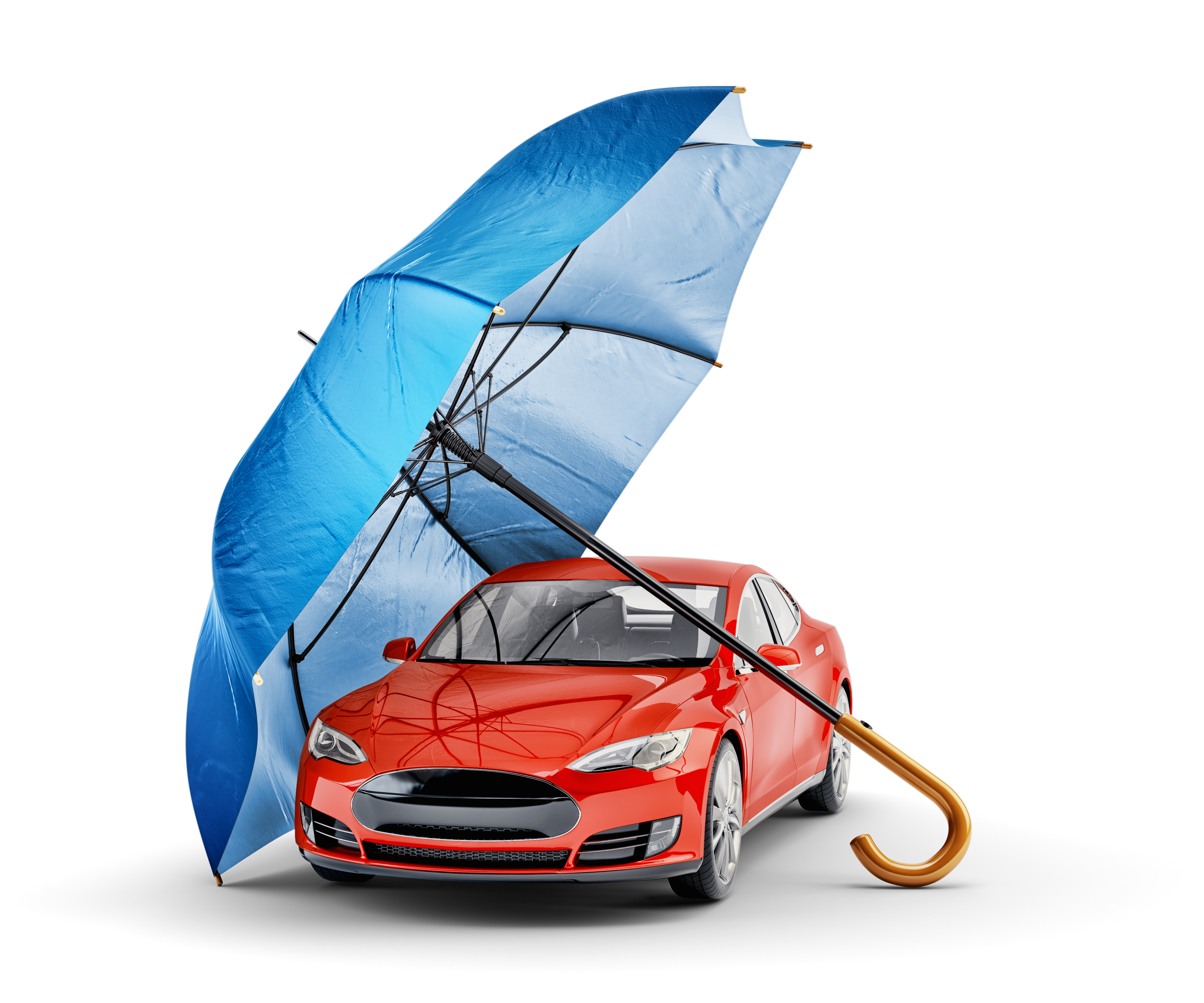
While driving a car is a pleasure, a misfortunate incident can spoil everything. A tree falling over your car, water entering mechanical parts during rains and floods, road accidents, etc. are all incidents that do not come with any prior warning. Accidents happen in our daily life, and when a car is involved, it becomes a very costly affair. This is one of the reasons to have the best personal accident insurance policy in india.
Car insurance ensures that during any unfortunate accident, you will be able to ride the difficult waves created in your life with ease. Insurance policies usually cover damage to cars, pedestrians, and property. To claim car insurance after an accident, there are some dos and don'ts that you must keep in mind: -
Do's: -
- The insurance company must be immediately notified when the accident occurs. They must be provided with a general description of how things happened, damage to the car, and surroundings.
- File an FIR. Without an FIR, you cannot raise a claim. The police must be intimated about the accident and the FIR copy must be obtained.
- Taking photos of the scene can help further your cause and can later be submitted as valid proof for claim settlement.
- Make a note of any witnesses near the accident scene. Ask them for their contact details along with their address. The witnesses can help in the future in shedding light on the occurrence.
- To raise the claim with insurer proper documents, need to be submitted to them. Documents include a soft copy of - the FIR, claim form duly filled and signed by yourself, your insurance policy, car registration certificate, driving license, receipt of other expenses incurred, and medical receipt in case of injuries.
- Contact a lawyer if you can, as they can provide legal advice over the entire matter and help you get the appropriate claim amount.
Don'ts: -
- Do not hide facts from your insurer. You must notify them of the entire events to the best of your knowledge. If the surveyor finds discrepancies in your claim, entire coverage might be deemed void.
- Don't move away from the accident scene. Doing so without the insurer's permission can delay the claim process. Some insurers even provide tow and pickup services. Repair work must not be done without the approval of the insurer,
- Do not settle for third party settlements to avoid FIR. Without FIR, you cannot raise a claim with your insurance company.
- Don't sign settlement papers without legal counsel. If you believe the settlement provided is not enough, you can raise the issue with your insurer to obtain a better settlement.
Car accidents are sorrowful events that often lead to major damage and trauma, in worst cases, death. It is necessary to follow good traffic etiquette and rules. Car accidents can often leave a permanent mark on you. The financial burden after the accident is too much to bear for a single person. It is of utmost importance to have the best personal accident insurance policy in India. Having the best personal accident insurance policy in India will ensure that in the perilous time after the accident, you would not be financially burdened. It will provide you with financial security in what might be one of the difficult times in your life. Drive safely.

These should be your Fitness Goals in 2020
As the new year rolls in, it is time to begin setting down goals for the year, or New Year’s resolutions as we call them. It is at the beginning of the year that you make sure to stick to your goals and try to make positive changes in your life. Whether it is waking up early, travelling to someplace new, meeting new people or keeping away from technology, most of these goals become close to non-existent as January comes to an end.
However, of the most common goals for the New Year, is to become fit and healthy, shouldn’t cease to become important but must be maintained throughout the year and beyond, to have a long and healthy life. So this is what your fitness goals for 2020 should look like: -
Even though you probably hear everyone say this all the time, one of the most crucial practices which you must adopt immediately is drinking a lot of water. Water is, without a doubt, responsible for most bodily functions. In order to remain healthy, it is necessary to consume a considerable amount of water every day. Dehydration can cause serious urinary infections or kidney stones.
- Exercise regularly but in moderation. Do not overdo it the first time you begin a workout. Start slow and ease into a harder regimen. If you begin with rigorous exercise, you can severely injure yourself. Also, make sure to do it the proper way as exercising the wrong way could cause a lot of damage. For instance, if you use weights, lift with your legs and not your back, or you could end up dislocating your disks or worse.
- If you aren’t one for high-intensity workouts or weight training, a great way to get some exercise is by doing yoga. Not only does it allow you to stretch and work your body, but it is also a great way to learn how to concentrate better. It is an excellent way to relax your mind and be at peace. Yoga is great for both the body and mind.
- While you must ensure your body gets regular exercise and movement, it isn’t enough. You must maintain a proper diet and eat different kinds of food for a regular intake of all the necessary nutrients. Do not neglect any food category, and to make sure that you consume foods specific to your body’s needs, you could consult with a nutritionist. Make it a habit to eat the right quantities at the right time and avoid snacking on junk food at odd hours of the day.
- As a human, your body is prone to illnesses and injuries and thus, it is crucial to have health insurance. There are many different kinds in the market, and it is your responsibility to choose the best health insurance policy in India, to avoid any hassles when you need any kind of relief.
We only have one body, and we must take really good care of it. Whether it is eating nutritious food, exercising regularly and correctly, sleeping on time or finding a company that offers the best health insurance policy in India, how you choose to remain fit and take care of your health is up to you.

How to Reduce Car Pollution Level During Smog Season?
One of the most serious problems in today’s date is pollution, whether it is air, water, noise or otherwise. Air pollution has led to an increase in health issues and has become an issue that needs to be resolved at the earliest. A major contributor to it is car pollution. There are thousands and thousands of cars on the streets at any given point of time, and they emit smoke and other harmful gases which have only added to the pollution, and the situation only gets worse when there is already smog in the atmosphere due to other air pollutants. As a responsible citizen, and more so as a human, here are some ways you can help reduce the car pollution levels during smog season:
- Try to Warm up Your Car in Advance: During the winters, when the smog is the worst, cars take slightly longer to start, especially if it is a few years old and runs on diesel, so it is advisable that you warm it up a few minutes before you actually have to leave. This way, the car does not consume too much fuel, does not emit high quantities of smoke or gas and thus, helps reduce the pollution a little.
- Turn Off the Engine When the Car Isn’t Moving: It is a very common tip, yet many people do not follow it. When you are at a red light or have pulled over to the side for a short period, make sure to turn off the engine or at least the air conditioning since it puts more pressure on the engine, which in turn burns more fuel. The more you save fuel, the less pollution you cause.
- Do Not Skip on Maintenance: A car is an investment, and you must take care of it. Irrespective of whether you experience a breakdown or not, make sure to take it to the workshop regularly to get the issues fixed. If you continue to drive your car despite there being something wrong with it, it will consume larger quantities of fuel and will thus cause more air pollution. Also, make sure that you do subscribe to private car insurance in india for protection against any losses caused to the car.
- Make Sure to Get A Pollution Check: Every couple of months, take your car to get a pollution check done, so you know its level of emissions and can understand if it does adhere to the pollution regulations. With an increase in the level of air pollution, the government has made is mandatory to get a Pollution Under Control Certificate which states that your car is not releasing a high amount of smoke or gas and is thus, allowed to be driven around.
- Choose to Travel Via Public Transport: One of the best options is to leave your car behind and to take a means of public transport instead, such as the bus or the metro/local train. Indeed, this option might not always be the most comfortable, but it goes a long way in reducing the level of pollution since there are fewer cars on the roads.
- With the way things have escalated in terms of the pollution, it is imperative that you keep certain habits in check to not contribute to it any further. The way people take private car insurance
in India very seriously, they must also take environmental concerns equally seriously.

How to Start Your Career in Life or Health Insurance?
If you are someone that derives pleasure out of helping others, then there are a multitude of jobs out there for you in almost every field. You can choose to become a lawyer, a doctor, a psychologist, an animal rights activist, a teacher or professor, an insurance agent etc. The last profession has become increasingly popular in recent years, with many people becoming health or life insurance agents, to be specific. As a health/life insurance agent, the main aspect of your job is to help people figure out the best policy such as best health insurance in india for parents , one that suits their needs as well as situation the best. By doing this, you would be helping people secure their lives, finances as well as prepare well for the future. However, if you have just decided to become an agent, here are some ways you can actually begin your career in the health/life insurance industry: -
- Do Not Give Up: Perhaps the most important point of all is to not give up easily. The insurance industry is highly competitive and is constantly growing. There are numerous companies and agents out there that are trying to attract clients. When you begin working as a health/life insurance agent, it will not be the easiest to convince people to buy the policies you offer, but you must not quit just because of a few failures. It will take time to finally start getting multiple clients.
- Obtain Your License: A non-negotiable requirement when becoming an insurance agent is to obtain the license to begin working. The license is generally granted by the state where you reside, and to get it, you need to pay a certain amount of money, complete a training course and clear an examination. Without having earned the license, you will not be legally permitted to work as a health/life insurance agent.
- Educational Requirements: While becoming a health/life insurance does not require you to have a certain degree, it is necessary for you to have cleared high school and preferably done an undergraduate course (earned a Bachelor’s degree). It is not mandatory to have information regarding illnesses or medicine in general, but it is a bonus if you can explain certain medical conditions or terms to potential buyers. Once you have obtained your license, you will most probably have to go through training where you apply for a job.
- You Must Develop Your Marketing Skills: This does not necessarily mean that you need to undertake a marketing course, but you should be able to sell the policy to clients. A major part of your job as an insurance agent is to get people to buy the health/life insurance policy. You must be well aware of the details pertaining to the policy so you can explain everything properly to customers and convince them.
Health or life insurance is a necessity in life since it helps cover the costs for any unforeseen illnesses, injuries, or accidents, and so you must have one, not only for yourself but for your entire family. If you already have your own insurance, also make sure to choose the best health insurance in India for parents, so that you can be assured of the fact that everything will be covered when the need arises.
Tips to Help You Maintain Your Bike Better
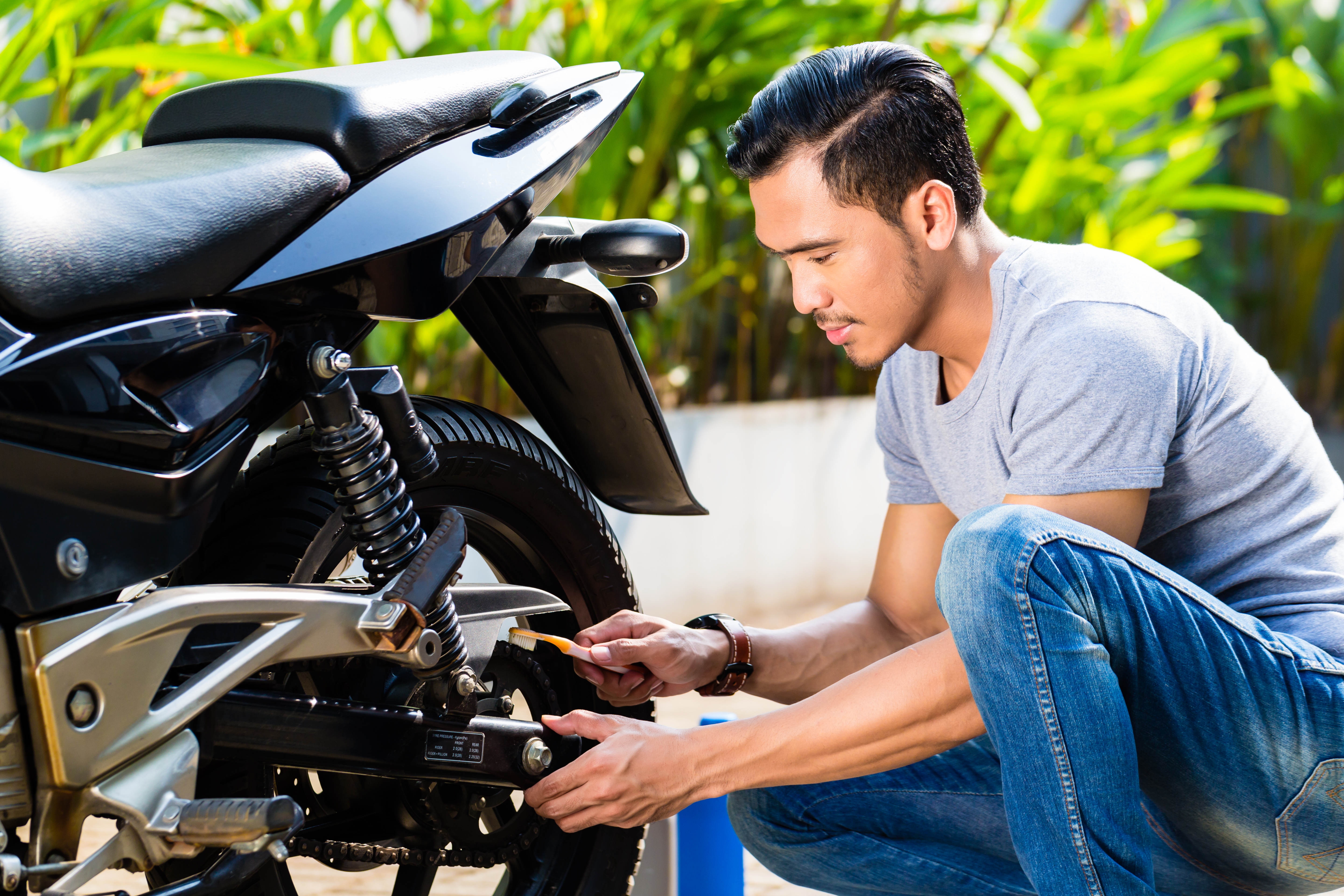
There are many people who decide against buying a car, especially since it can be quite expensive to purchase as well as maintain, and instead opt for a motorbike. Bikes are much easier to fit in smaller spaces and offer the possibility of going a bit faster, something which excites many. However, just like any other vehicle, you need to make sure to take good care of it, which includes buying bike insurance online in india . Here are some tips to help you maintain your bike better: -
- Keep the Tyres Inflated at All Times: Bikes do not offer the same kind of protection as cars, and thus it is much more important for you to take all the necessary safety measures, one of which is keeping your bike tyres inflated. In case they aren’t or start to lose air while you are driving it, it could lead to a serious accident and thus, you must check your tyres regularly and have them filled up if needed.
- Do Not Forget to Lubricate: Regularly, try and change the oil since that helps to prevent the engine as well as gears from getting extremely worn out, which could lead to them not working properly. Besides causing trouble in starting up, not oiling the said parts could lead to further damage and could make it nearly impossible to drive the bike. Therefore, buy the lubricant which is specific to your bike and oil any metal parts.
- Check to See if the Wheels are Fine: Quite often, an older bike can start having problems with its wheels, wherein they become slightly loose, and thus it becomes difficult to maintain proper direction and you also run the risk of the bike sliding. In case you see that your wheels are a bit loose, or not as sturdy and solid, immediately take the bike to the workshop to get fixed so you avoid accidents.
- Regular Servicing: Just like every other vehicle, your bike too needs to be taken regularly to the workshop to get serviced. Whether you are experiencing problems with it or not, taking it to get checked up is always a good option since it can help detect any possible issues as well, such as with the engine, tyres or the brakes. It is always better to have the problem taken care of at an earlier stage than to go and get it fixed once it becomes serious.
- Adjust the Clutch: You need to make sure that you adjust the clutch just right; tighten or loosen it such that it suits you the best. In case you tighten it too much, it might slip out of your hands and will also lead to an increase in fuel consumption.
- Owning a bike is comparatively easier than a car, especially in terms of finances, but that does not mean it does not need to be taken care of. It is still an investment and so, you need to follow a certain set of practices to ensure that your bike remains in the best condition possible. A great way to avoid having to spend a huge amount on repairing any damages is to insure the bike. Buying marine cargo insurance policy bike insurance online in India has become quite a simple process.

A Comprehensive Health Insurance Checklist
The health of you and your family is something that cannot be traded. You must make sure in all walks of life that it is well taken care of, and that if something falls stray, you have good health insurance to back things up.
If you are looking to buy health insurance in India for your parents, then you should put special effort into choosing a policy which caters to the need of growing age — a policy which has an extended cover period at reasonable rates.
Here is a checklist that you can follow to make sure that you make the best out of your health insurance.
Claim settlement rate
One of the deciding factors that you should look at while buying a health insurance policy is the claim settlement rate. The higher the claim settlement rate of a company, the quicker is the process of payout. A higher settlement rate also means that the insurance provider is doing a good job with administering the policy so that no hindrances come at bay when the insured individuals decide to make a claim.
Hospitalization expenses
Medical fees, especially the pre and post hospitalization expenses, can leave you sweating. It would be best if you opted for health insurance which covers your entire hospitalization cost for free. A good insurance policy should pay for your visit to the doctor, prescribed medicines, surgeries, hospitalization costs, and follow up investigations.
Network of hospitals
Accidents and ailments can happen anytime, anywhere. Thus, you should opt for a policy that has a wide network of partner hospitals, so that you or your family can be treated anytime, anywhere, without having to move to a different place. More importantly. All of this should be free of cost. Having accessibility to good hospitals can not only save you time but also save you much money which you might have to shell out with travelling.
Support for daycare
To claim your health insurance, you should be hospitalized for at least 24 hours. However, there are several cases that do not require hospitalization. All they need is daycare — someone to take care of you while you are bedridden, perhaps at home, or even going around with a disease such as cataracts and neurological problems where you are still quite functional, if not completely. To have this covered, opt for a policy that provides maximum daycare support.
If you are looking for good Health Insurance In India For Parents, or yourself, then Magma HDI could be your one-stop option. It has a wide range of insurance premiums to choose from and comes with features such as 24x7 claim assistance and cashless hospitalization across a network of more than 4,100 hospitals.

Deductibles you should be aware of in your health insurance plan
Health insurance plans are much needed as they provide you with a sense of protection against the various odds in life. If you are trying to get the Best Health Insurance In India For Parents, or other members in your family, then you should look at a plan which offers extended cover at low premium rates.
There are several ways through which you can save on your health insurance premiums as well, and one of such approaches is opting for the right deductibles.
Insurance deductibles are the money that you receive during the course of your insurance before the claim period. Having a better understanding of the deductibles can help you save quite a bit on your insurance policy.
Type of deductibles and what they mean
Health insurance policies in India come with two types of deductibles: voluntary and compulsory. However, in international markets, other deductibles come into force. Below are the various types of deductibles that are applied to health insurances.
Compulsory deductibles: : These types of deductibles are made mandatory by the Indian government for the benefit of the customer. These are fixed sums that an insurance company pays to the insured while they make a claim.
Voluntary deductible: Suggestive of the name, voluntary deductibles are opted by the insured at the time of purchasing insurance. This helps them bring down the cost of the insurance premium.
Comprehensive deductibles: Comprehensive deductibles come into play and are applied across covers. They keep on adding up until the time you have paid the total amount under the agreements of your policy.
Non-comprehensive deductibles: These deductibles are applicable to certain kinds of cover. It requires you only to pay a certain sum of money while you claim your policy.
Cumulative deductible: Cumulative deductibles are applicable in a family health insurance plan. They come into force when all the members included the insurance plan have made the payments to fulfil the net payable amount.
Choosing a deductible
While it may be tempting to choose a higher insurance deductible, it might not always be the safest bet. It would be best if you thought of long-term before choosing a deductible. If you feel that the cost of your premiums are too much to meet the insurance deductibles, then it is a wiser option to choose a plan which has a lower premium
It is also advisable that you read your policy documents carefully to understand how deductibles work in a context. However, if you still have trouble understand specific terms and how deductibles work, then you can always contact your insurance provider. They will give you a broader context of the deductibles that can be applied to your health insurance policy.
While opting for health insurance, you should always choose one which fits the needs of you and your family the best. Magma HDI is one of the best health insurance in India as it offers protection against critical illness and a 24x7 claim policy. It also comes with cashless hospitalization across more than 4,100 hospitals, which makes it an ideal choice for first-time insurance buyers.
Hi there! 👋 Need help with a policy, claim, or renewal? Chat with us instantly on WhatsApp.
Start chat →