


General Insurance Blogs, Articles & Updates by - Magma Insurance
Have us call you
- RENEW YOUR POLICY
- BUY NEW POLICY

GENERAL INSURANCE BLOG

Six tips to have a better vision and healthy eyes
The world has gone digital, and given the current technologies coming in, there is absolutely no doubt that the digital era is here to stay. Everything in our work and personal lives is getting digitised by the moment. This indicates that our dependency on “screens” is going to rise. But how does that impact your vision?
Your eyes are your window to the world. It is one of the primary sensory organs which plays an integral role in your life. Unfortunately, the increase in the use of gadgets harms our vision. Your eyes are your window to the world. It is one of the primary sensory organs which plays an integral role in your life. Unfortunately, the increase in the use of gadgets harms our vision. Like a sound mind helps makes in a good body, healthy eyes sustain a healthy body.
But how to take care of your eyes in this world of soaring screen times? The following tips are beneficial for you to imbibe in your lifestyle to maintain a perfect 6/6 vision.
1. Your diet should be well-balanced:
The health of your eyes depends a lot on your food habits. The healthier food you consume, the better. Omega-3 fatty acids, lutein, zeaxanthin, zinc, and vitamins C and E enriched diet can fend off degenerative eye diseases like cataracts and Age-Related Macular degeneration (AMD). These nutritional constituents are necessary to maintain ocular surfaces. In addition, vitamin A for children is essential.
Make sure your diet contains the following foods:
• Fresh fruits and green leafy vegetables
• Berries
• In case you’re a non-vegetarian, then salmon, tuna, and other oily fish
• Lentils, eggs, beans
• Citrus fruits
• Seeds and nuts
2. Sun protection:
The ultraviolet rays from the sun have been proven to be harmful to the eyes. These rays can cause cataracts and Age-Related Macular degeneration (AMD), pterygia, and eye tumors. Avoid looking at the sun directly with naked eyes. Ensure that you wear the right sunglasses which protect you from UV-A and UV-B radiation.
3. Say no to smoking:
There’s no argument against the fact that smoking is bad for your health. It damages your respiratory systems and eventually deteriorates your whole body. There is sufficient data that proves that smoking increases the risk of AMD and cataracts exponentially. It also dries up your eyes, making it lose vision gradually.
4. Safety goggles:
To prevent any eye injuries, you must wear safety goggles whenever required. It doesn’t matter where you are; if your work deals with chemicals or airborne materials, you must ensure that you’re wearing your safety goggles. The same goes if you’re handling sensitive equipment or fireworks. Sports injuries can also cause eye damage. So you must wear a helmet and protective goggles.
5. Keep an eye on screen time:
Sitting in front of a screen can cause many eye issues, including headaches, strain, blurred vision, dryness, etc. Wear glasses or lenses, according to your power. Take breaks between your work. Increasing font size, adjusting the brightness, and lubricating eye drops are other ways to protect your eyes.
6. Regular checkups: Visit your eye doctor regularly for comprehensive examinations. If the doctor picks up anything during the checkup, you can eradicate the problem in the very early stages by proper treatment. This ensures that your eyes stay healthy in the long run.
Understand the vitality of having a good vision and healthy eyes before the situation slips out of hand. Follow the above tips and practice a few eye exercises to keep the blood flow constant in the eyes.
Now that we’ve discussed the tips to have better vision, another wise option to take care of your eyes and overall health is to buy health insurance, especially for the elderly of the family. So, browse through the several options and purchase health insurance in India for parents, which caters to their needs and enjoy life without any worries.
Click HERE to know more about health insurance in India for parents.
Disclaimer: The information provided above is for illustrative purposes only. To get more details, please refer to policy wordings and prospectus before purchasing a policy.

Seven best gardening tips for beginners to have a perfect garden
The past couple of years saw an increasing trend of people inculcating gardening in their daily lives. As people were locked down as the pandemic peaked, having a little plant companion was the best way to stay cheerful during challenging times. Having greens around not only enhances the house's beauty but also purifies the air and supplies oxygen.
While taking care of plants might initially seem daunting, gardening can become therapeutic once you know all the little knick-knacks. Today we will look at the tips and tricks that will help you start your gardening journey.
1. Start small:
Setting up your garden need not be expensive. Use the take-out boxes and old paint boxes lying around your house to pot new plants. You can find the seeds/saplings and the soil at dirt-cheap prices in your nearby nursery. Or you can even use the seeds from the groceries in your very own kitchen.
2. Succulents:
They can survive extreme weather conditions and require almost zero maintenance. They only need direct sunlight for at least 3-4 hours a day and water once a week. Since they are used to surviving in low moisture conditions, you can breathe easy, knowing your plant won't die.
3. Own your kitchen garden:
Having a kitchen garden gives you the positive reinforcement you need. Plants like tomato, ginger, garlic, and gourds do not take up much of your time. You can invest in the soil and see the returns. Using your homegrown vegetables and herbs will be the best reward you deserve.
4. Prepare your compost:
All you need to do is separate your kitchen waste and put it into a pot explicitly kept for this purpose. Then, mix the waste and soil every once in a while to ensure the soil takes up all the nutrients from the waste. This way, you will have your compost ready! Mix this while preparing your pot for new plants.
6. Preventing insects and mealybugs:
As a beginner, you might face challenges while buying insecticides. Making your insecticide solution at home can be an option for you. Adding 3 ml shampoo to one litre of water in a spraying pump and spraying it under the leaves is an excellent way to get rid of mealybugs.
Using diluted rice water is also an effective solution to get rid of tiny insect infestation on your plants. These home remedies are more efficient and cost-effective than the other chemicals.
7. Tools for beginners:
Tools are used to toss the soil, remove weeds and cut out any infected leaf. These can be done with any readily available tools in our homes. But if you must invest in your gardening toolkit, then spades, gloves, and pruning scissors are required in the beginning. Later, you can add forked trowels, garden forks, etcetera, when you build your garden further.
Since most of us are beginners, we should be careful when dealing with soil and tools. Chances are we might be susceptible to infections and Paronychia. They are mostly treated at home, but at times you might need to get yourself proper medications for the same. Getting a personal accident insurance policy would help you rest assured in case of any such mishaps. Planting and gardening can add value to your life, and having a safety net in the form of personal accident insurance only adds value to your experiences. Here's to hoping that this list is just the right motivation to start your gardening journey.
For more details on personal accident insurance policy, click HERE .
Disclaimer: The information provided above is for illustrative purposes only. To get more details, please refer to policy wordings and prospectus before purchasing a policy.

Tips to reduce high beam glare problem while driving at night
Clear vision is critical for safe driving because it accounts for over 90% of our driving reaction time. Unfortunately, our eyesight changes dramatically at night, and we lose a significant amount of depth perception, colour vision, and peripheral vision. After dusk, the glare of oncoming traffic obstructs our eyesight even more.
As a result of this momentary blindness, accidents are bound to occur. Here, we bring some handy tips to reduce high beam glare problems while driving at night. However, remember that investing in a motor insurance policy is of utmost importance for all vehicle owners as it provides total protection against physical damage or loss due to natural or artificial disasters. Therefore, before stepping out, check your online motor insurance renewal and keep your documents in order.
Now, check these helpful tips to reduce high beam glare problems while driving at night.
1. Anti-glare glasses:
Examine your vision regularly. Ask your optician about no-glare corrective lenses if you wear prescription glasses. Check your glasses for scratches, which can exacerbate glare. Also, exposure to glare while day driving can hamper your vision at night. Wear polarised sunglasses throughout the day to protect your eyes and lower the possibilities of vision impairment while driving at night.
2. Spotless windshields and other glass surfaces:
During the day, a dirty windshield may not be apparent, but it might produce glare at night. Refraction of light and distorted vision on the road can occur due to the glass's streaks. Clean the inside of the windshield, as plastic compounds can accumulate on the glass over time. Remove the filth and oxidised rubber from the edge of the wiper blades with a paper towel and windshield washer fluid to help keep streaks at bay.
3. Position the car mirrors:
The placement of a car's mirrors can help control the intense glare and avoid blind spots to get an accurate judgement of vehicles approaching from both sides. Change the "night" setting on your rearview mirror with the lever on the mirror. Cars' lights will still be visible behind you, but they will be much dimmer.
4. Don't look straight, look right:
Avoid being blinded by high beams that hit you square in the face by looking down the right side of the road. Concentrate on the lane's edge or the painted edge line until the automobile passes. At hilltops, at curves, and crossroads, be mindful of oncoming vehicles' unexpected bursts of light.
5. Take a break:
If you're driving at night for an extended amount of time, take frequent stops. Taking a break relieves fatigue and allows your eyes to recover.
6. Be conscious:
Take basic precautions to avoid blinding other motorists. To begin, make careful use of your high beams. Use your low headlights most of the time and high beams only when essential. Slow down and make sure you have control of your vehicle if another driver uses high beams and fails to dim the lights as you approach.
These tips can assist in driving in the dark without being blinded by other vehicles' headlights. Shield your car with online motor insurance renewal against any such automobile accidents.
Click HERE to do your online motor insurance renewal in easy steps.
Disclaimer: The information provided above is for illustrative purposes only. To get more details, please refer to policy wordings and prospectus before purchasing a policy.

Understand the importance of ABS in bikes and how it works
Today, it's no longer necessary to use drum brakes on commuter bikes. As technology has advanced, they've become unnecessary for the two-wheelers. Drum brakes operate by squeezing shoes against a lining in the drum itself; this causes friction and stops your bike. They become less effective as they heat up, so they're not ideal for biking over long distances.
To stay safe while biking, it's essential to have a bike with an anti-lock braking system. If your bike doesn't have ABS, you're putting yourself in danger. With cars, it's been a safety feature for years. And now, bike riders can enjoy the security of it too. However, safety is incomplete without ideal two-wheeler insurance that provides the best damage cover. Make the buying process hassle-free by opting for two-wheeler insurance online. Browse through numerous options, and then buy one that fits your needs.
What is ABS, and how does it work?
An anti-locking braking system (ABS) is a system that helps you avoid skidding on slippery surfaces, with its ability to stop wheels from locking up. It's a great way to add safety to your bike journeys.
ABS is the latest generation of motorcycle braking systems. It can avoid the sudden locking of wheels in all types of road conditions and terrains. ABS is a safety system that forces fluid through a circuit of valves and pipes to prevent the wheel from locking up while braking in hazardous conditions.
Importance of ABS in Bikes
Your car's brakes should always be at peak performance, whether you have ABS or not. There are several benefits of having ABS, the main ones being:
• The advanced traction control technology is effective because it improves traction on the road. That's why you can now find it in new auto models. It also helps you avoid slipping and sliding.
• Anti-lock braking systems are essential for slowing down in every type of weather. For example, these systems are crucial when the road is wet after a rainstorm. They prevent wheel lockups by pumping brake fluid to the brakes to control the speed of your bike. These systems can save lives because they allow riders to stay in control of their bikes.
• An excellent anti-lock braking system will increase the resale value of your bike. However, remember that ABS is standard on most modern cars or bikes, so not having one could lower the potential resale value of the vehicle.
• Anti-lock brakes are an investment that can reduce the risk of accidents. So, if you have ABS installed on your vehicle, you might get better insurance rates. Check your 2 wheeler insurance online policy for your bike with ABS.
The government made the Anti-Lock Braking System mandatory for all four and two-wheelers manufactured in the country. This is an important step towards improving road safety for commuters and lowering road accidents. With the Anti-Lock Braking System, your safety and riding experience certainly gains significance.
Click HERE to buy the best 2 wheeler insurance online.
Disclaimer: The information provided above is for illustrative purposes only. To get more details, please refer to policy wordings and prospectus before purchasing a policy.

Why is two-factor authentication important to assure additional safety
Two Factor Verification (2FA) is recognized by many names, such as two-step authentication, two-step verification, and even multi-factor authentication (MFA). In simple terms, to get access to an app, platform, or network, the end-users must ascertain their identities using two forms of IDs. One is their password, and the other factor can be anything, an OTP, biometric scan, a security question, etc.
2FA adds an extra degree of security by safeguarding user IDs and preventing cybercriminals from accessing online resources. Cyber attackers have to confront an additional barrier to access with 2FA in place. Even if hackers know a user's password, they must guess the second factor, which might be challenging based on the authentication factor allowed.
In today's post, we'll go over how this technology protects individuals and organisations from people with malicious intents out in this world headed for Metaverse.
1. Looking beyond passwords:
Generally, offices use single-factor authentication (username & password) to grant access to their services. However, these procedures are insufficient to protect users nowadays.
This is due to users often not adhering to best practices when setting a password. Although strong password rules may help companies reduce these habits, other offenses, such as writing down passwords, using the same passwords across various accounts, or discussing passwords with others, are common challenges at the workplace.
This is where 2FA comes in. It is tough to bypass a second authentication stage as it generally involves biometrics (which can't be faked), TOTPs (Time-bound and ever-changing), etc.
2. An efficient way to fight phish based attacks:
Phishing is a form of cyber assault in which people with malicious intentions send a bogus email that mines for sensitive data. It is one of the top web hazards confronting businesses today.
Phishing emails seem to be sent by respectable organisations and often invite people to log in to their social network, bank, or business accounts. Unfortunately, many consumers are duped by the nature of these emails and input their credentials, giving their passwords and access to sensitive information to hackers.
Let's say you have fallen for the phishing trap, and the hacker has your password. They will try to log in to your account and fail because the second layer of authentication will be waiting for them. One wrong attempt on the second stage will prompt you about a possible breach. You can immediately reset the passwords.
3. A single compromised account might be the tip of the iceberg:
If the same password or its variants are used for multiple accounts, the hacker may acquire access to all of them. Since a typical user handles over 80+ accounts on average, there's a potential risk the hacker will access other credentials. They may steal critical information from inside and even sell the hacked credentials.
If hackers manage to crack into your account and try to work their way to other accounts, they will not be able to get in.
In the future, companies plan to include Geolocation, device type, time of day to assist if a user should be authenticated or restricted. Furthermore, behavioural indicators can be discreetly tracked in real-time to enable continuous authentication. These are things for the future, though. Use the 2FA technology available to secure your online identity from hackers.
Another great weapon to add to your arsenal is public liability insurance. It covers you against identity theft, cyber extortion, unauthorised transactions, and numerous other cyber hazards. In today’s technologically equipped world, your life can be on a digital marketplace in just a few clicks, even ensuring system security is made easy online. Compare different public liability insurance prices and select a plan that matches your requirements without being too heavy on your pockets. Trust us; it is well worth it.
Consider checking the public liability insurance prices HERE.
Disclaimer: The information provided above is for illustrative purposes only. To get more details, please refer to policy wordings and prospectus before purchasing a policy.

Try these seven tips to safeguard your devices from spammers and hackers
We utilise the internet in almost every aspect of our lives, looking for information, shopping, banking, online learning, playing games, and communicating with family and friends via social media. The data transferred over the internet could include banking and other financial records and medical information—all of which we desire to keep private. However, if the device is not protected, it may lead to malicious activities.
Hackers can access your most sensitive information with their vicious mindset. Consider purchasing a public liability insurance policy to protect the commercial business from various first and third-party liabilities. Here are seven suggestions to help you protect your office computers and other mobile devices from malicious intruders.
1. Antivirus:
Antivirus software protects your computer from malicious code or malware that could cause your operating system to malfunction. Get security solutions that support numerous technologies if your operating system didn't come pre-installed with it.
2. Use private Wi-Fi:
Avoid using public Wi-Fi on your device to prevent threat actors from gaining access to your device and downloading private files. Most public Wi-Fi hotspots don't encrypt data, so your connection to the Wi-Fi is visible to others. This poses a major threat to your device.
3. Complex password:
Obtaining a set of login and password combos from one source and trying those same combinations elsewhere is one of the easiest ways for hackers to get information. Therefore, the most important strategy to prevent network breaches is to use complex safe passwords.
4. Two-factor authentication:
Passwords are the first line of defense against cybercrime but adding a second layer of protection increases security. Many websites allow you to use two-factor authentication, which increases safety by asking you to verify your identity using at least two separate approaches.
5. Avoid spam mails:
Phishing attacks are when hackers send messages that appear to be authentic to deceive you into giving personal information. Always be wary of such emails from unknown senders, and never click on links or open attachments in them.
6. Substantiate app permission:
When you install an application, it will most likely ask for access to several of the device's most important features, including the camera, email, contact list, photo gallery, and location. If any of those features appear fishy, then disallow.
7. Be up-to-date:
Smartphone makers and app developers issue software updates regularly, which frequently contain security enhancements. So make sure your smartphone's software is up to date to avoid the risks of breaches.
You can protect your PCs and network from security breaches by using a combination of security technologies and best practices. The internet is a treasure trove of data and connections. If you use it with caution, you'll have a fantastic and safe time.
In today's dynamic business world, no matter how strong your corporate structure is, it is subject to a range of risks. As a result, it's a good idea to get public liability insurance policy to cover your needs and counter the damages caused by attacks due to vulnerabilities.
To look for the public liability insurance policy, click HERE!
Disclaimer: The information provided above is for illustrative purposes only. To get more details, please refer to policy wordings and prospectus before purchasing a policy.

Trekking solo or with a group? Let's clear the air of confusion
"The best view arrives after the hardest trek," and there is no denying that. The beautiful valleys, the breath of fresh air, the stunning views are just a few of the many rewards you get at the end of a trek. We have heard about the experiences of avid trekkers, and each of them, without fail, has mentioned that everyone should go trekking at least once in their lifetime.
Trends show that more and more people are leaning towards new outdoor experiences, and trekking is something they want to enjoy. While choosing a destination isn't challenging, zeroing in on the other aspects of your travel becomes essential. One crucial question is whether to travel solo or in groups. Today we will try to shed light on both of these to help you make an informed decision before your next trip.
Why travel solo?
People have often associated trekking with catharsis. They enjoy the peace, quiet, and sometimes the mini-adventures that come with it. Navigating through unknown roads, climbing treacherous terrains, cooking your food, and enjoying your solitude is what any travel enthusiast dreams of. This means that you are fully responsible for everything that happens during that trek, and the experience is unique to you.
Another vital aspect is that since you are the sole proprietor of your journey, every decision made and every skill used comes from your judgement. This is an incredible way of learning your strengths and making yourself confident for future solo trips. The added benefit of going solo is that you set your milestones.
You aren't worried about being left behind, you don't have to race to the top to ensure you get the ideal spot for your tent, and you don't have to depend on other people's time. Instead, you get to explore like a wanderer.
Why travel in a group?
Shared knowledge is the best knowledge. When you travel in a group, there is a chance you might meet skilled travellers. Travelling with them helps you gain better insights into immersive experiences, and more often than not, they have tips and tricks to help you in your journey to the top.
There is a zeal associated with travelling in groups, where people constantly support each other and share new stories. There is a powerful sense of euphoria when you stand together, looking at the beautiful view from the top with each other. In addition, there is a distribution of responsibilities, some help in pitching the tent, some help in lighting the fire, and others help with the cooking process.
Travelling in a group ensures the safety of everyone, and in case of injury, there is always someone to help you. And by the end of your expedition, you make many new friends with whom you share fond memories.
These are some of the benefits of travelling solo and in a group. Treks can be a wonderful experience if done right, and in a country like India, there are a plethora of options that you can explore. Some groups conduct annual treks. Signing up with one can be an excellent start to your trek experience.
Keep in mind that your safety is of utmost priority no matter how you travel. So carry a first aid kit, visit your doctor for a checkup, and don't forget to buy general insurance online to get exciting deals and protect yourself from landing into unnecessary trouble.
Click HERE to buy general insurance online.
Disclaimer: The information provided above is for illustrative purposes only. To get more details, please refer to policy wordings and prospectus before purchasing a policy.
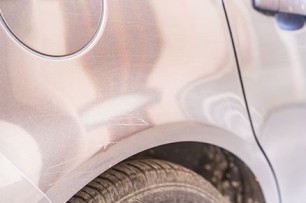
Let's talk about car fenders and how they are distinct from regular bumpers
As a car owner or enthusiast, it's prudent to educate yourself about vehicle parts. The most confusing of them are fenders and bumpers that keep your car safe. You may have heard the term "fender-bender" from drivers when they get into a car accident and wondered, "What does it mean?" Fender and bumper damages refer to physical damages to your cars, such as dents. If you have recently bought a new car, this article will help you understand the difference between these terms.
However, before diving into fender vs. bumper issues in detail, we advise you to buy new car insurance to ensure your vehicle gets adequate protection against accidental damages and a hassle-free repair and servicing.
What is a car fender?
The fender has been a part of automobiles for a long time now. It is the part of the car that covers the wheels. The section where the fender goes is popularly called the "quarter panel." The quarter panel is the rounded corner of the car that protects the wheels.
In older vehicles, the fender used to be more pronounced. Whereas nowadays, with the modernisation of the structural design of cars, fenders have taken a flatter shape, complementing the car's frame.
Car fenders are an essential accessory for your car, as they play a crucial role in keeping the vehicle and its occupants safe. As the car moves, the tires grab and throw anything that comes in its path, such as small rocks, mud, water, etc. Fenders provide resistance against wind and roadside debris while protecting surrounding areas and nearby people from projectiles from your tyres.
What is a car bumper?
A car bumper has a "bumping" function, which means it acts as a protective perimeter to the body of your car and prevents other objects or vehicles from impacting it. In simple words, it reduces the impact of a collision by absorbing minor shocks. You can find bumpers in two places in your car, one in the front and another in the back.
Car bumpers may not prove very beneficial in protecting your vehicle from high-speed crashes, but they are quite valuable for safety during minor accidents. They also serve to protect pedestrians from severe injury in case of a collision.
Just like fenders, bumpers have also reduced in their size. Previously, they were mainly used for decorative purposes, and people came up with new stylistic designs. However, they have gained quite much attention in the automobile industry in recent years. They are no longer considered decorative items but essential for safety purposes. The effectiveness of rear and front bumpers has saved the lives of numerous car accident victims.
Several car owners struggle to understand the parts of their vehicle, making it challenging to communicate with the mechanics about car troubles. However, educating yourself about them can make all the difference when it comes to the proper maintenance of your vehicle.
Similarly, think of investing in the security of your car and buying new car insurance to ease the concerns that can empty your pockets and leave you frustrated. Understand your role as a responsible owner and do whatever is necessary to keep your four-wheeled companion safe.
Click HERE to buy new car insurance with the best benefits.
Disclaimer: The information provided above is for illustrative purposes only. To get more details, please refer to policy wordings and prospectus before purchasing a policy.
Hi there! 👋 Need help with a policy, claim, or renewal? Chat with us instantly on WhatsApp.
Start chat →