


General Insurance Blogs, Articles & Updates by - Magma Insurance
Have us call you
- RENEW YOUR POLICY
- BUY NEW POLICY

GENERAL INSURANCE BLOG

Complete guide to choose the best flooring for your home
While building your home or renovating your existing apartment, design, furniture, wallpapers, paints, etc., are just some of the many things you need to consider. However, one of the lesser talked about things is the house's flooring. Choosing a floor involves various factors such as climate, the people, pet and child friendly etc. Having an interior designer can significantly help you in selecting the right fit for you.
Sometimes, even the best flooring can show defects due to various climatic and other factors, and you might need to change your flooring after a while. This is when your insurer plays a significant role. Your insurance provider will take care of the extra expense that you have incurred in the process of revamping your floors due to the damage. Keeping these things in mind, opting for the best home insurance in India should be your first step to building your dream home.
Today, we will be looking at a complete guide that will help you choose the best floors for your home.
1. Lifestyle:
Depending on the lifestyle of your family members, your flooring preference will change. e.g., if you live with older people, you might want to look for floors that provide some friction and prevent the cold. Hence, choosing a floor that serves functionality and style is essential. If you are a pet parent, you might want to opt for textured floors to ensure that your pet’s joints and muscles remain in proper health.
2. Durability:
Quite literally, your house stands on your floor. Hence, it is essential to opt for durable floors. Paying a slightly higher price for quality material ensures that your floor stands the test of time and sustains all the pressure.
3. Weather conditions:
Weather conditions are the driving factors in flooring selection. You need to keep your house warm. It is wise to invest in wooden floors and add carpets to ensure your floor remains warm throughout. Marble flooring is a smart option for hot or warm places as it retains the cold temperature during the night and keeps your house cool.
4. Colour theme:
While we discuss the floors' functionality and cost-benefits, choosing a floor that goes well with your house's colour and the theme is also important. An interior designer can suggest the latest trends and flooring patterns that add value to the interiors of your house.
5. Maintenance:
Opting for fancy flooring and sticking to a theme is just the first step in ensuring the longevity of your floors. It is also essential to go for options that are easy to maintain. Floors such as quarry tile, carpet tile, epoxy flooring are all examples of durable yet low maintenance flooring. The only thing these floors require is daily sweeping and deep cleaning once a month. On the contrary, high maintenance flooring requires regular upkeep and intense cleaning to avoid discolouring and scratches.
The floor is what holds your room together, so choosing the right floor can make or break the look of your room. The above discussed are a few points that you can look out for before selecting the best flooring options for yourself.
Compare the prices in the market to make sure that you are getting the best quality products for your home. Another good option would be investing in the best home insurance in India to safeguard your home against unforeseen circumstances. Remember, your floor selection is about balancing your requirements with your style. Use the internet and look out for various brochures and more ideas online.
Click HERE to know about the best home insurance in India.
Disclaimer: The information provided above is for illustrative purposes only. To get more details, please refer to policy wordings and prospectus before purchasing a policy.
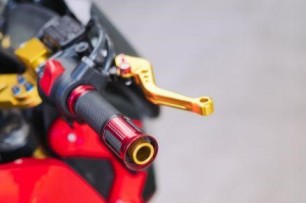
These are a few ways you can detect bad clutch problems in your bike
Riding a motorbike with smooth-shifting gears gives you a sense of pleasure that no other thing can. The feeling of downshifting into a curve, soaring your RPMs, then switching back into high and rushing down the straightaway is unmatched.
But when the quality of your clutch starts deteriorating, it no longer grips as usual or allows you to smooth down and upshift. If you take too much time to assess a bad clutch, it might leave you stranded during a ride. While the rest of the crew enjoy the journey, you will have to spend extra time repairing or replacing it.
However, knowing the signs of a damaged clutch will help you repair the appropriate pieces before you're left stranded.
In today's post, we'll discuss ways to assess if your clutch is on its way to being damaged. Read along to know how you can avoid costly repairs before it's too late.
1. Slipping of clutch:
The clutch slipping indicates that it has already begun to wear down. You may sense a lag or a slight jerk when your bike starts picking up. The RPM starts to increase faster than it should. If any of these occur, your bike's clutch is worn out, and it's time to get it repaired.
2. Sticking of clutch:
Your bike's clutch will start to stick if there is a malfunction or oil-induced dirt in the springs. It can either stick in or out depending on when the event occurs. The clutch parts will cling together as you change gears resulting in a low-power transmission. A sticky clutch might be mistaken for a general bike problem, so be extra cautious and get it diagnosed.
3. Hard to shift gears:
If your clutch wire is loose or the clutch gap is compressed, the bike will not accelerate because you won't be able to shift gears. When parking your bike, it's best to keep it in neutral, although some people leave it in first gear. So if you ever experience a slack in shifting gears, visit the mechanic.
Tip: To minimise clutch dislocation and overheating, always start your bike in neutral. Overheating the metal components causes them to expand, lowering the spacing distance. However, the clutch relies on friction to transfer power, so oil the parts regularly to avoid overheating.
4. Sharp metallic noise:
If you've recently noticed a strange sound emanating from your bike and it becomes louder as the days pass, it might be your clutch asking for attention.
5. Burning smell:
A burning odour may signal a clutch problem, which you should not neglect. If a mechanical noise accompanies the smell, you should have the clutch pad checked out as soon as possible to avoid any more damage.
These are some ways you can detect a problem with your clutch system. Make sure you always park your bike on neutral. Oil the clutch system periodically, but don't put too much oil. Never use the clutch as the braking alternative unless it's very needful, like in case of brake failures.
While you ensure your clutch pad, insure your bike as well, it will help you in case of mechanic visits for your clutch repairs and avoid additional expenses. Purchase bike insurance online and add value to your two-wheeler with the benefits of comprehensive coverage.
Click HERE to get the best bike insurance online right now.
Disclaimer: The information provided above is for illustrative purposes only. To get more details, please refer to policy wordings and prospectus before purchasing a policy.

Tips to renew the vehicle fitness certificate of your old two-wheeler
As two-wheelers turn old, their performance and the quality of their internal parts start to deteriorate. Significantly, the engine gets severely affected, which leads to more fuel consumption and harmful emissions. Such two-wheelers are then considered not fit to ride.
If you own an old two-wheeler and wish to ride it on Indian roads legally, then you need to have a fitness certificate for it. The Government of India has made the renewal of fitness certificates convenient by introducing the 'Parivahan Sewa portal' that operates entirely online.
Applying online is a hassle-free process as you only need to fill out a form and submit all the required documents to your local Regional Transport Office (RTO) for verification.
In today's post, we will take you through the step-by-step process of renewing your two-wheeler's fitness certificate online:
1. Go to the official VAHAN website. Begin the renewal process by going to 'Online Services' and selecting 'Vehicle Related Services.'
2. After that, choose your state. Next, click on 'Application for Fitness Certificate' and enter your bike's registration number and chassis number.
3. Following that, generate an OTP using your registered phone number. Enter the one-time password (OTP) that you received on your phone to proceed with the process.
4. Go to the 'Payment' option and complete the transaction to start the renewal fee transfer.
5. After completing these procedures, take the appropriate documentation to your local RTO to complete the two-wheeler fitness renewal process. Officials at the RTO will perform a fitness test on your bike and verify your documents to complete the process.
Steps to renew fitness certificate of two-wheeler offline.
Here is how you can acquire a fitness certificate for your bike offline:
1. Visit the local RTO
2. Fill out an application for a fitness certificate renewal
3. After that, attach the required documents to the application
4. To finish the procedure, pay the RTO the renewal fee for your bike fitness certificate
The officers will review your submitted documents and schedule an appointment for your bike's inspection. You must arrive at the designated centre on time. Here, your two-wheeler will be thoroughly investigated, and if it qualifies the desired parameters, you will be issued the fitness certificate for your bike.
Note: Although the renewal process is the same for both two and four-wheelers, the fee differs for both types of vehicles.
Complete list of documents you will require:
• Tax token
• Registration certificate
• Vehicle permit
• Pollution Under Control Certificate or PUCC
• Valid two-wheeler insurance policy papers
• Passport size photo
According to the Motor Vehicles Act of 1989, a vehicle's registration is only acceptable if a valid Vehicle Fitness Certificate accompanies it. Commercial and private automobiles are required by law to have a fitness certificate. Failing to submit a fitness certificate carries a punishment of Rs. 100. For consecutive violations, the fine is increased to Rs. 300. If you don't have a valid fitness certificate, you'll be fined between Rs. 2,000 to 5,000.
The law also mandates two wheeler insurance India. Failing to have both these documents can lead to hefty fines. Save yourself from the trouble and get the fitness certificate and insurance today. You can only enjoy riding your two-wheeler if you keep the required documents up-to-date and avoid landing yourself in any unwanted trouble.
Click HERE to buy the best two wheeler insurance India.
Disclaimer: The information provided above is for illustrative purposes only. To get more details, please refer to policy wordings and prospectus before purchasing a policy.
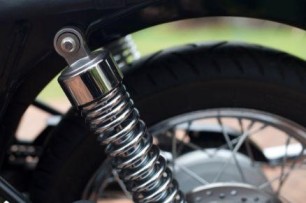
What are the signs that show suspension problems in bikes
As a bike owner, you know that your vehicle requires routine maintenance, tyre replacements and bike insurance renewal. But how often do you consider your vehicle's suspension? Your suspension system works hard to make your ride comfortable by smoothing out bumps in the road and keeping the wheels on the ground. Bike owners often overlook that part when it comes to repairs. But how can you know if there's a problem with your bike's suspension?
Here are some of the most common signs of suspension issues. Keep in mind that these are extreme instances, and your suspension system may be subtler. It all depends on the bike's handling.
1. Unreasonable bumpiness:
The primary function of suspension is to facilitate a smooth and comfortable ride, even on bumpy roads. If you start to feel every bump in the road, it's a clear sign that your shock absorbers are failing and should be replaced. Conducting a bounce test can help you check the efficiency of the absorbers. Do this by placing your entire weight on the back of your motorcycle. Release the vehicle and count how many times it bounces. If it bounces more than three times, there is an issue with your suspension.
2. Thud or rattle from suspension:
In most cases, your shock absorbers should be almost noiseless when in use. It's a concern if it starts making more noise than usual. The seal separating the damping oil from the pressurised nitrogen charge may be broken, resulting in a noise during compression and rebound. A knocking noise is even more concerning since it indicates that something inside the shock collides with something it shouldn't. If you continue to ride it, the damage will be consequential - and costly to repair.
3. Oil leak:
Oil coming from the air seals or adjusters is the first sign of an oil leak, but it usually leads to a lack of damping soon after. As the oil accumulates dirt, it may create a horrible black sludge accumulating around the end of the shock shaft. If you notice this, it's only a matter of time before your shock is damaged.
4. Lack of damping:
Even the most mechanically uncaring riders should be aware of this, but that isn't often the case. You might find it difficult to control your bike while riding. Check if the rebound and compression damping settings are still working correctly. If they don't seem to be making a difference, it's time to get it checked out.
These are some of the most prevalent suspension issues. Regularly check your suspension system, do some maintenance or replace parts if required. Neglecting your bike's suspension problems can adversely affect its performance and functioning. It can also impact the rider's physical wellbeing due to jerks that gradually result in back pain and other health issues.
Besides regular maintenance, bike insurance is both a legal requirement and a wise investment. It protects you from losses that may occur due to an accident or theft, and it can even cover the expenses involved in your bike's repair and servicing.
Click HERE to buy the best bike insurance that fits your needs.
Disclaimer: The information provided above is for illustrative purposes only. To get more details, please refer to policy wordings and prospectus before purchasing a policy.

Snake bite: Seven immediate actions you need to take
No matter how prepared you are or how well planned your life is, there is always something that catches you by surprise. You could be out on a trek, visiting a wildlife sanctuary, or just simply walking in your garden when you spot a snake, and while your first instinct may be to run, it is said that snakes do not attack unless they feel threatened.
So staying calm and avoiding movement might be the best option you have. However, if you find yourself in a situation involving a snake bite, these are the few things that you could follow to ensure your or the victim's safety.
1. Staying calm:
This might seem like a banal comment during emergencies, but staying calm ensures that your heart is not pumping blood vigorously. Panicking leads to faster circulation, which means it will spread the venom.
2. Restrict movement:
This step is crucial, as the passage of the venom is not directly associated with blood flow. The venom flows through your lymph, which only moves when you do. So any calls that you need to make for the ambulance should be done by somebody else.
3. Pressure immobilization:
Bandage firmly, 'above' the area of the bite. Use a piece of cloth if a bandage is not available. Roll it around the lymph till whatever place it can reach. Now splint the affected area to keep it still. Use any stick, rolled-up layers of paper, etc., to support.
4. Do not wash the wound:
Washing the area gets rid of the venom that the doctors can use to identify the species of snake. Therefore, it is advised to leave the affected area as-is for the benefit of the doctors.
5. Rush to the nearest hospital:
The only remedy to a venomous snake bite is to get an anti-venom as soon as possible. Rush to the nearest medical facility to ensure that timely medication is provided before the patient's condition turns critical.
6. Keep the victim warm:
It is crucial to keep the patient warm and calm to keep their blood pressure under control. However, no caffeine or alcohol should be given. In addition, any food or beverage, including water, should not be provided since it will slow their metabolism.
7. No ice packs and self-medication:
Research shows that using an ice pack on snake bites is harmful and can add to your problems. Avoid the inspection and cleaning of the wound, and avoid using medicines that you might use for regular cuts and wounds. Don't take any action without proper knowledge. The hospital staff are trained to attend to the wound, the venom, and the medication for every circumstance.
Sticking to the steps mentioned above will buy the patient some time before the anti-venom can be injected. As mentioned, a snake bite can create a sense of panic and fear, but maintaining your calm and taking the first aid measures ensures that you have sufficient time before reaching the doctor or medical facility.
Life is full of surprises, some good and some bad. Being prepared always helps, which is why you should invest in good health insurance. With a plethora of options available in the market, you can sit back and not worry about the unnecessary expenses you might face in case of such emergencies.
Click HERE to find out more about health insurance plans that you can invest in.
Disclaimer: The information provided above is for illustrative purposes only. To get more details, please refer to policy wordings and prospectus before purchasing a policy.

World Cancer Day: Ten self-help tips to quit smoking
Tobacco use is both a physical and mental addiction. This deadly habit has affected a vast population worldwide. Nowadays, smoking and chewing tobacco observe no age as the majority of the youth are trapped under the negative influence of excessive tobacco use, which becomes irresistible and difficult to quit.
Nicotine delivers a transient high. To quit smoking, you must prohibit both the addiction and the associated behaviours and routines. With the correct assistance and quitting strategy, smokers can overcome their habit even if they've tried and failed previously.
We're all aware of the harm caused by smoking and how it isn't easy to quit. When you stop getting your tobacco dose regularly, your body goes through physical withdrawal symptoms.
Following are ten tips that will guide you to quit smoking in no time.
1. Make a quitting strategy:
Following the "no puff" criterion is always beneficial. Consider challenging situations and prepare your moves. Promise yourself not to smoke and stick to this until the cravings pass.
2. Observe when you require a smoke:
Identify the times when your cravings are at peak and avoid those situations. Instead, engage yourself during this time to keep you from giving in.
3. Get going:
Exercising is a known way to reduce addiction. For example, a simple 5-minute walk or stretch helps your brain to release anti-craving hormones that further reduces cravings.
4. Maintaining proper hydration:
It's an excellent idea to keep track of what you drink, just as you do with what you eat. While it is necessary to drink enough water, certain beverages are not suggested since they encourage smoking.
5. Apply relaxing methods:
Relaxation methods, such as deep breathing exercises, muscular relaxation, yoga, massage, listening to calming music, or visualisation, may help take the edge off.
6. Keep your mouth engaged:
Whenever you feel the urge to smoke a cigarette, munch on some snacks. And remember, you don't always have to snack on junk food; snacks can be healthy too. You can even eat chewing gum to keep your mouth engaged and avoid cravings.
7. Think about your diet:
Some meals, especially meat, make cigarettes more enjoyable. Others, such as cheese, fruit, and vegetables, make the smoke less desirable. So rather than your typical steak or burger, try having veggies instead.
8. Get some help in quitting:
If you have people around you who wish to quit smoking, offer them to stop together. Your local ‘quit smoking club’ may also assist you. With professional guidance and advice, you're four times more likely to succeed in quitting.
9. Keep a positive attitude:
You may have tried and failed to stop smoking in the past, but don't let that discourage you. Instead, consider what your history has taught you and how you want to do things differently this time.
10. Reassure yourself of the advantages:
Remember the benefits of quitting, such as better health and relations, healthy resistance mechanisms, etc. Also, keep in mind that every time you fight a cigarette urge, you're one step closer to becoming smoke-free.
It's never too late to undo something. So, let this World Cancer Day motivate you to quit smoking and walk towards healthy living. Smoking might give you pleasure for a couple of minutes, but it takes away more than you realise. Not to mention the severe illness and ailments that come with it. So, make the wise decision to just give it up.
Besides quitting smoking, buying health insurance can be crucial to living a healthy and long life. Take account and responsibility for your health, and don't hide any information from your insurance company regarding your smoking or drinking habits. Be true to yourself and give all accurate details to get the best benefits of your health insurance at the time of need.
To buy health insurance, click HERE.
Disclaimer: The information provided above is for illustrative purposes only. To get more details, please refer to policy wordings and prospectus before purchasing a policy.
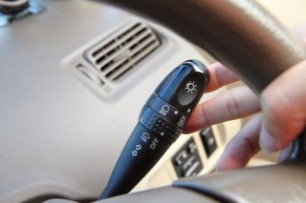
Car Indicators: A comprehensive guide to know more about them
Cars have multiple indicators, all with specific functionalities. These indicators play a significant role in keeping you and your car safe, especially while driving. They exhibit deceleration, assist in showing the vehicle's change in direction and make the car's functionalities accessible. They help avoid collisions with other vehicles, thus protecting you from accidents and damages.
We need to understand car indicators in a better way. Let us discuss car indicators structurally, functionally, and common mistakes that can endanger you.
1. The structure of indicators:
Whether attached at the side, front, or rear of your vehicle, the car indicators on the exterior provide information to other people on the road via signals, thus maintaining a safe distance with other cars and pedestrians. These indicators are responsible for ensuring safety on the road.
Usually, a car's signal light consists of three parts assembled together-bulb holder, housing, and cover lens.
• The housing consists of moulded reflectors.
• The bulb holder places one or more light sources relative to the optical system of the light.
• The cover lens is in charge of the light distribution through patterned structures.
2. The functioning of indicators:
The rear light consists of several functions which work on the same brightness level during the day, fog, or night. But thanks to the Adaptive Signal System, the signal lights in the rear combination lamp can adapt to the weather conditions individually. The light intensity can be varied according to the weather and the visibility conditions.
More LEDs light up with more significant displays. Different braking signals meet their requirements in other ways, such as increased brightness or flash frequency, ensuring convenience.
3. Handling the indicators:
Pulse Width Modulation (PWM) controls the light sources in many vehicles. It has many advantages, one of which is using the same bulbs for different functions. This also increases the service life of the bulbs.
Note: The manufacturer's information and specifications should be strictly complied with while replacing the bulbs in the signal lights. An incorrect bulb replacement can create an issue regarding the light intensity.
4. The faults:
A faulty indicator signal light can be snuffed out before it becomes dangerous. Without a signal, or failing to use your turn signal while turning or changing lanes can cause confusion between you and the other vehicles. It can further lead to severe accidental circumstances.
Improper use of high beams or glare can cause poor visibility of the vehicles coming in your direction, resulting in collisions leading to severe damages. Avoid driving without headlights at night and use high beams only when there is light traffic or absolutely no cars on the road.
Now that we have discussed car indicators in detail, a wise option would be to understand how unprecedented circumstances can endanger your car's safety and efficiency. To further protect your vehicle, you can research multiple insurance options that provide all possible features required by you. And once you finalise, buy motor insurance online to avoid all the outdoors hassle and add value to your valuable possession.
Click HERE to know more about how you can buy motor insurance online
Disclaimer: The information provided above is for illustrative purposes only. To get more details, please refer to policy wordings and prospectus before purchasing a policy.

The best tips to ride a two-wheeler with an attached sidecar
Riding a two-wheeler with an attached sidecar is a rarity these days. However, this combination is a classic. Besides giving your two-wheeler a quirky look, attaching a sidecar increases efficiency and enhances the functionalities of your vehicle. But a two-wheeler with an attached sidecar comes with its own challenges.
Adding a sidecar makes your vehicle transition from a two-wheeler to a three-wheeler. So, it would be best to adapt to the dynamics and difficulties of riding a three-wheeler to prevent road accidents and ensure safety.
Let’s discuss the best tips to ride a two-wheeler with an attached sidecar to help you overcome the obstacles you might face:
1. Although it is challenging to drive in a straight path as the wheels are fitted in three odd planes, keep a firm grip on the handlebars and put the required effort to ride in a straight line. You will need to constantly pull the handlebars and manoeuvre them accordingly to avoid any collisions on the road.
2. A bike with an attached sidecar moves differently when turned. In case of a left turn, permit the wheel on the rear end to spin slower than the sidecar wheel as you release the throttle. This will help you control the vehicle better.
In case of a right turn, allow the wheel on the rear end to spin faster than the sidecar’s wheel as you open the throttle. All in all, modulating the throttle will help you achieve better control of your two-wheeler.
3. Your sidecar has brakes. To use the front brake, you need to use the right-hand lever on your bike. If the sidecar has brakes on the rear end, you can use the right foot lever. To stop your motorcycle, you need to apply both brakes. In case of an emergency, apply the front brake.
4. Many sidecars have the provision of a steering wheel and an option to switch to the two-wheel-drive model. But make sure that you only use the two-wheel-drive function in emergencies (for example, if your motorcycle is stuck on a loose or slippery surface). Engaging the two-wheel-drive on a firm surface causes both sidecar’s and bike’s wheels to spin at the same speed, thus creating a risk of disbalancing the vehicle while making a turn.
5. Practice makes you perfect. The same applies when you learn the dynamics of riding a two-wheeler with an attached sidecar. Practising regularly in a safe environment with and without a pillion rider will help you learn efficiently. Take things at your own pace, don’t rush, and see the positive outcomes.
Sidecars ensure convenience and even allow families to spend quality time together. Now that we’ve shared the best tips to ride a two-wheeler with an attached sidecar, it is a wise thought to think about how to keep your two-wheeler safe on the roads. Along with taking good care of your bike, purchasing a bike insurance is your solution to safeguard your bike from unprecedented damages.
Click HERE to know more about bike insurance.
Disclaimer: The information provided above is for illustrative purposes only. To get more details, please refer to policy wordings and prospectus before purchasing a policy.