


General Insurance Blogs, Articles & Updates by - Magma Insurance
Have us call you
- RENEW YOUR POLICY
- BUY NEW POLICY

GENERAL INSURANCE BLOG
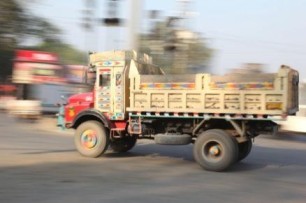
Implement these tips to ensure the safety of truck drivers by minimizing accidents
Driving trucks is considered to be a dangerous job in many countries. It requires more strength, focus, and training to drive a massive vehicle. Most trucks have more than six tyres, whereas large trucks can have eighteen wheels and more. Truck drivers have to be very cautious operating such heavy machinery with material weighing tons. They need to be careful on a busy road with smaller-sized vehicles around.
Trucks are an integral part of the transportation and logistics teams. They help move various supplies around several industries and within different sets of factories within a single sector.
In such scenarios, the training of truck drivers becomes essential. By training them about the rules and safety measures, you protect them and avoid the risk of accidents and subsequent medical costs and insurance claims. But what are specific pointers for truck drivers that they should follow strictly?
This blog will discuss all the measures they can take. Implement these tips to ensure the safety of truck drivers by minimising accidents.
1. Stay patient:
While driving such a giant vehicle, truck drivers need to ensure that they are calm, relaxed, and attentive. Even the tiniest anger or frustration can distract drivers who can have severe accidental consequences and potentially cause heavy damage to the truck, other vehicles, and people on the road. Drivers must avoid any road rage behaviour and mindset even when cut off or honked by other drivers on the road.
2. Seatbelts are a must:
Wearing your seatbelt is a universal rule for all four-wheelers and above. Trucks bear no difference here. It is even more necessary since trucks are enormous, and maintaining balance, sudden jerks, close calls with other vehicles, and poor road conditions can be tricky for a driver. You can lose momentum and control of your body during such sudden movements and putting your driving at risk.
3. Be on the lookout for blind spots:
Blind spots can make your life challenging as a truck driver. It is often difficult to see the positioning of other cars, and the side view and rearview mirrors might not be of a huge help due to the height and captured visibility. Hence, while driving the truck, it is suggested that they leave a gap around the corners. Keep a watch manually while changing lanes to avoid the risk of blind spots.
4. Use signals correctly:
It is crucial to know what each signal means and how it would impact you and other vehicles on the road while moving. Give the proper indication so that the car around you knows which direction you might be turning. Leaving the other drivers on the road hanging and anticipating your next move can cause dangerous collisions and accidents.
Other tips include carrying a bag of spare essentials for emergencies, avoiding alcohol before and while driving, having spare parts and tools handy, not using cell phones or any other gadgets while driving, etc. These measures are quite common and essential to implement earnestly.
That’s a wrap on how you can implement these tips to ensure the safety of truck drivers by minimising accidents. It is equally important to take care of your truck since it encounters different terrains, and long distances can cause wear and tear of the tyres and damage other parts. For such sudden circumstances, motor insurance will safeguard your vehicle. You can explore your options and buy motor insurance online to provide firm protection to the big machine.
Click HERE to know more about how you can buy motor insurance online.
Disclaimer: The information provided above is for illustrative purposes only. To get more details, please refer to policy wordings and prospectus before purchasing a policy.

Let us know more about 'Act of God' insurance and their clauses
The events that are not under any human's control, cannot be predicted, and are bound to happen, are called an "act of God." The unavoidable destruction caused by natural disasters, including earthquakes, floods, cyclones, volcanic eruptions, asteroid collisions, etc., are considered "act of God". One cannot estimate these vast events, and occurrences cannot be counted at their time of happening. They happen, and humankind must bear the passive consequences of such active events.
Did you know that insurance covers damages due to “act of God” events? Let's learn more about the chronology of events and decisions taken by the government and other companies and help you become more knowledgeable about insurance and its clauses.
1. What exactly is the "Act of God" insurance?
This insurance covers damages and losses done due to incidents that come under the act of God. But if there is any harm or damage done to the property due to human ignorance and negligence, family dispute, etc., you will not be reimbursed and covered through the act of God insurance.
2. Is the "Act of God" coverage the same everywhere?
A lot of similar events are covered in the act of God insurance. The similarity is relatively high. But certain events might be an odd one out in a policy and is not included for other circumstances. You need to keep yourself up to date with the clauses, terms, conditions, prices, renewal rates, exceptions, etc.
3. Do you need to assess your insured properties and assets?
You need to evaluate your properties, assets, etc., that are insured. It is essential to assess the risks of those possessions and chart out the potential risks that can happen under God's name. This will help you clarify the dangers and negative possibilities and how you could recover from them using the liabilities that come under the act of God insurance. These risk evaluations will help you reap the benefits and help spread awareness about the act of good insurance and its pros and cons.
Another important clause is the extreme climate conditions you need to be aware of. You must purchase the act of God insurance for third-party protection and security of your properties, etc., against all unavoidable dangers. The policy is eligible for termination if the authorities observe any inconsistencies, negligence, zero remorse, and rectification of mistakes. Examine the policy in detail and watch for any hidden clause and terms and conditions that might devoid you of the "Act of God" insurance benefits. You need to present the proof of these events to claim your insurance and reap the benefits that come along with it. Also remember, insurance companies may limit the coverage for acts of God under some specific terms and conditions.
Apart from the "Act of God" events that you might or might not see coming, you need to take care of the risks which can make you liable/responsible for inevitable mishaps (e.g., a machinery accident in your factory causing injuries to the workers). You need to purchase public liability insurance in India to cover such alarming accidents. Explore your options and determine which insurance plan suits you and your business's needs.
Click HERE to know more about the best public liability insurance in India.
Disclaimer: The information provided above is for illustrative purposes only. To get more details, please refer to policy wordings and prospectus before purchasing a policy.
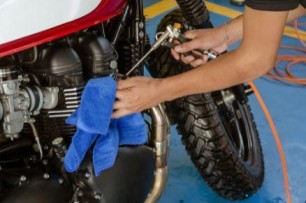
These good habits can increase the longevity of your two-wheeler
As a bike owner, you enjoy all the perks that come with it. Whether going to the nearest grocery store to get your monthly supplies or taking an impromptu long trip, one can not deny the many benefits of owning a two-wheeler. But as with great power comes great responsibility. Having a bike also means dedicated time to take care of it. So, it is your responsibility to keep your bike moving and functioning.
Irrespective of how often you drive your two-wheelers, it is susceptible to daily wear and tear. It is, however, possible to increase the longevity of bikes to some extent.
In this article, we will take a look at a few ways in which you can increase the longevity of your two-wheeler. Extending a bike’s life is not a very challenging task. You need to be slightly attentive to the signs indicating any faults and provide regular upkeep without constantly worrying about maintaining it.
1. Regular servicing:
Regular servicing ensures that the bike performs optimally. Your service cycle depends on how old your bike is. Speak to an expert and understand the servicing cycle for your two-wheelers. Things such as changing engine oil, ensuring proper functionality of brakes, checking for corrosion are a few things to note during the next servicing.
2. Riding habits:
The lack of coordination between the clutch and gear affects the bike’s performance in the long run. This puts an unnecessary load on the engine if done constantly. Giving ample time to yourself to understand gear shift and the bike's speed will help you perform better on the road.
3. Manage the load:
Overburdening the bike during long road trips can have dire effects on the vehicle. You must balance out excessive workload with regular maintenance. However, if you overload the bike with minimal aftercare, the bike is bound to break down eventually.
4. Keep it clean:
Maintaining your bike through regular cleaning can help you increase the functionality of your two-wheeler. Use soaps specifically meant for your bikes to wash with water and a cloth. Always wipe the bike thoroughly after every wash. After driving through rains or dirty tracks, wipe down your bike to avoid dust and dirt accumulation to avoid corrosion.
Dust and dirt can affect the engine’s functionality and spoil the paint job on the vehicle. A dirty bike is more susceptible to various problems such as rusting that can impact its overall performance.
5. Take note of minor changes and problems:
Usually, vehicles produce different sounds or low-performance levels as an indicator for various problems that are likely to arise. Do not neglect the problems, immediately take your two-wheeler to the service centre and get it checked thoroughly.
These were a few things to keep in mind if you want to ensure a long life for your two-wheelers. Sometimes no matter what you do, your bikes can still cause troubles and might need extensive servicing and change in parts. All changes said and done can come out to be pretty expensive.
It is a wise option to invest in 2 wheeler insurance to cover the damages, cost involved in repairs, and replacement of parts. Buying an ideal 2 wheeler insurance is also a good habit of increasing the longevity of your two-wheeler and can be beneficial for it to cover more distances.
Click HERE to know more about 2 wheeler insurance.
Disclaimer: The information provided above is for illustrative purposes only. To get more details, please refer to policy wordings and prospectus before purchasing a policy.

These can be the probable reasons for your bike failing to start
It can be highly frustrating for any rider to turn the key in the ignition, and the vehicle fails to start. There are several reasons for your bike giving way and facing trouble starting smoothly. While a motorcycle's design is simple to understand, it can be challenging to point out the reasons for these ignition issues. However, knowing about the possible reasons causing these issues is essential in maintaining your vehicle and fixing these problems.
You may consider the extreme winter season to be the main reason your bike fails to start, but there are several more. While you can always rely on bike insurance for critical problems, you can read the points below to learn the probable reasons for the two-wheeler failing to start.
1. The battery is weak or dead:
Some two-wheelers are designed to start using an electric self-start. Their motor is dependent on the battery. If this motorcycle does not start when you press the self-start button, it could be because the battery did not transfer a sufficient charge to kickstart the motor.
A weak or dead battery cannot provide this high voltage to the engine, and therefore, the electric self-start won't be operational. In this case, you may have to call a mechanic to either recharge or replace your bike's battery.
2. Too cold:
This frozen state of the bike is caused mainly due to extreme cold weather conditions. Combustion doesn't occur correctly as the gasoline in the vehicle doesn't evaporate when mixed with air. There might be ice build-up that is causing the malfunction. You can use a space heater directly on the engine for 15-20 mins to get your motor running.
3. The fuel tank vent is clogged:
Since the fuel tank vent in most motorcycles is too narrow, it becomes inconvenient to supply fuel to the intake system consistently. The vent can get clogged due to no regular maintenance and cleaning, and the fuel supply gets restricted. If you find yourself stuck in this mess, try to unclog the duct with a thin pin or get it cleaned.
4. Blocking intake or exhaust:
A blocked airbox or a blocked muffler exit may be another significant reason your bike won’t start easily. The motorcycle’s mechanism is dependent on the intake and exhaust system, and your bike will give away if it is restricted or clogged for some reason. Get it checked by a professional as soon as possible to avoid further damage.
5. The clutch does not engage properly:
The clutch lever needs to be correctly pulled to start your bike successfully. Often, problems can occur in the ignition when the clutch does not engage correctly. Try again by bringing your transmission into neutral and then starting the bike. Sometimes, riders turn off their bike while in gear and forget to put it back into neutral. You must set your bike into neutral and start again.
6. Problems with the spark plug wire:
A loose or cracked spark plug wire can also cause your bike to fail to start. Constant heating of the engine will eventually deteriorate the material of the wires in the motorcycle over time. Places with extreme weather conditions can be a catalyst in the cracking of the spark plug wire. If you find any cracks or slits in your bike's wires, replace them to avoid any issues.
These are a few likely reasons why your bike may fail to start. While investing in a reliable bike insurance plan can secure your vehicle by covering the expenses involved in the garage repairs, it is essential to know about the issues that could arise with your two-wheeler. Being aware and getting to the root of every problem can avoid future losses.
Click HERE to buy a comprehensive bike insurance plan for your new bike.
Disclaimer: The information provided above is for illustrative purposes only. To get more details, please refer to policy wordings and prospectus before purchasing a policy.

These important tips can make riding in the bright sunlight easy for new riders
We often hear people talk about the beautiful roads and the impeccable views that are part of road trips. Especially during winters, we listen to riders talk about taking their bikes out to enjoy the sun's warmth above them. And, summer brings exciting travel plans to exotic destinations.
However, before setting for a bike ride on a sunny day and making your trip experiential and worthwhile, consider the following tips.
1. Sunglasses or tinted visors:
If the sun is glaring right at you from the opposite direction, it becomes challenging for the riders to see the road ahead and the fellow drivers on the road. Getting a pair of sunglasses ensures that your vision is not tempered and you have a clear view of everything on the road.
If you are someone who does not fancy wearing a sunglass, opting for a tinted visor is a great alternative. Tinted visors can double up as sunglasses and a face shield to prevent your skin from burning directly under the sun.
2. Wear appropriate gear:
If you are traversing through long stretches of roads, it is best to wear a bright-coloured vest. This will ensure that the person coming from the opposite side notices you, thus preventing a collision.
Another thing to note is that driving through harsh conditions will require you to wear anti-abrasion and impact-resistant gears. Opt for gears with mesh panelling to help you remain cool but protected against extreme heat.
3. Carry water:
Driving under the sun can cause dehydration and exhaustion. Take pit stops in the middle to drink water and rest. It is extremely important to maintain your body’s water levels. As you start sweating, your body will lose water. This can lead to heat-related illnesses. Do not forget to carry electrolytes for added benefits.
4. Vent the helmet:
Venting the helmet can help in cooling down immensely in hot weather. While riding, keep the vents open to dissipate the heat and allow air to sleek in for freshness.
5. Wear gloves:
The gloves will act as a barrier between your palm and the accelerator to avoid sweating and reduce the risk of accidents. They even protect your skin from direct sunlight, preventing the palm skin's tanning.
6. Apply sunscreen:
Ensure to lather your skin with enough sunscreen to protect the exposed body parts. Use sweat and water-resistant ones with at least SPF 30 rating.
7. The 12-3 rule:
Unless absolutely necessary, skip the riding in the peak hours between 12:00 noon and 3:00 pm. As this is the hottest period of the day, it is best to take a break. You could use this time to grab your lunch and restock your energy and water supplies.
These are a few tips that you can follow to make your drives easy and less tiring. However, if you feel dizzy or lightheaded, your body could be overheating. This could lead to heat strokes and can be fatal. Under such circumstances, it is best to pull over and rest under the shade or in an airconditioned restaurant or supermarket.
Long road trips can be exhausting for you and your bike. Take a day off to relax and drop your bike off at the nearest service station for a quick check-up before you set out on your next trip. Add value to the whole experience by investing in bike insurance to sit back and not worry about the expenses you might face later.
Click HERE to know more about bike insurance.
Disclaimer: The information provided above is for illustrative purposes only. To get more details, please refer to policy wordings and prospectus before purchasing a policy.

Try these six remedies to treat food poisoning at home and get instant relief
Trying various foods is always tempting but can also cause food poisoning or other stomach related problems. We experiment with new foods and cuisines but often overlook the consequences.
Food poisoning is mainly caused by bacteria, viruses, and parasites in food. Symptoms include vomiting, diarrhoea, nausea, abdominal discomfort, fever, etc. Food poisoning is accompanied by a stomach infection that makes your body lose more water than usual. Drinking plenty of fluids and avoiding solid foods is the first line of defence. As innocuous as it may appear, food poisoning can become life-threatening if not handled promptly.
However, you can treat minor cases of food poisoning at home with a few common everyday items. Read more to know about these magic ingredients from your kitchen that will soothe your food poisoning.
1. Garlic cloves:
While the idea of gulping raw garlic may be unsettling, garlic is famous for its antibacterial, antiviral, and antimicrobial properties. These characteristics make it an excellent home remedy to combat food poisoning. Take a couple of cloves of garlic and chew on them. Afterwards, drink some warm water.
2. Ginger:
Ginger helps decrease the symptoms of food poisoning. Its anti-inflammatory properties soothe your stomach lining. Boil a cup of water with one scoop of grated ginger in it. Alternatively, you can directly eat ginger slices.
3. Cumin:
Cumin seeds, also known as jeera, provide immediate relief. Boiling one teaspoon of cumin seeds in water can cleanse your system. You can also combine it with one teaspoon of coriander juice and a pinch of salt. It stimulates the activity of digestive enzymes in your body, thereby improving digestion.
4. Lemon:
Lemons have anti-inflammatory, antiviral, and antibacterial qualities that fight the microorganisms causing food poisoning. Drink warm lemon juice and stay hydrated to reduce the pressure on your stomach.
5. Curd with fenugreek:
Curd contains beneficial bacteria that aid in the fight against other harmful bacteria in the body. Fenugreek seeds also have a high amount of soluble fibre, which absorb water and act as a lubricant, aiding in treating gastrointestinal discomfort. Consume one teaspoon of curd with one teaspoon of fenugreek seeds to ease your stomach.
6. Holy basil:
The best herb against food poisoning is holy basil or tulsi. This plant has many antibacterial characteristics that can help lessen the impact of food-borne diseases. For immediate relief from the symptoms of food poisoning, chew on a few fresh leaves that can be easily spotted in all Indian homes.
These are some tried and tested home cures that have proven to be effective through time. While some may notice a significant improvement in symptoms, others may not. In such circumstances, you must act quickly and seek medical assistance at the nearest health care facility.
It's always wise to plan for such unforeseen concerns by investing in health insurance. While you're taking these steps to cure food poisoning, your health insurance covers your medical bills in case of an emergency. Get one immediately from online health insurance companies and be secured by comprehensive coverage that can act as a strong safety net.
Click HERE to learn more about health insurance policy for you.
Disclaimer: The information provided above is for illustrative purposes only. To get more details, please refer to policy wordings and prospectus before purchasing a policy.
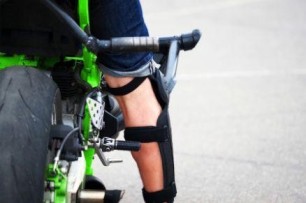
These are a few mistakes done by riders with short height
There is no denying that riding bikes is a dangerous sport. It requires a lot of focus, physical work, mental stability, and risk-taking ability. It is an expensive hobby or passion to take up. Professional riding bikes are costly, and the riding gears demand a heavy investment.
While no sport is supposed to discriminate between different attributes of the sportspersons, the short-heightened riders need to be a little careful while riding their bikes. It can be a bit difficult for them to control their bikes due to their short height. Short riders can make a few mistakes out of no will of their own but due to their physical features.
How would you identify the errors these riders are making? This blog will discuss those discrepancies caused by the riders.
1. Not paying attention to the gear:
It is alright if you do not want to purchase the most expensive biking gear available. But skipping out on paying attention to the gear, quality gloves, and boots could negatively affect your riding. Boots keep your feet in position, and the heels give you a certain height which would help you gain control of the handlebar and the bike in a better manner. Premium quality gloves would help you handle the control of your bike and avoid any slips of the gears, throttle, steering, and clutch, even on tricky and rocky terrains.
The gloves and the boots solve your height issues and give you better control of the bike. They help you avoid any accidents or compromise your safety. You would be more efficient and capable of managing the bike better and have a comfortable journey.
2. Not working on your driving skills:
Several riders with short height pay way too much attention to the hardware of the bikes. While it is essential to learn and have a detailed understanding of the features and the hardware that goes into building the bike and making it function properly, it is equally important to work on your driving skills.
Honing your skills would help you achieve better control in stressful situations and increase your response skills which would come in handy when you have a sudden decision to make while riding. You can focus on specific skills that would help you maximize your bike's output, not put your safety at risk and gain better access and control of the motorcycle, thus nullifying the issues that might come with having a short height.
3. Position your bike correctly:
Learn how to change your motorcycle positioning. If you have plans to lower it, think again. You will reduce the ground clearance, which will affect your ability to lean your bike correctly. This might also increase your chances of sudden falls and possibility of disbalance putting your safety and bike performance at risk.
Some other things you can take care of are leaning left while stopping, practicing with a good bike on which you can put your feet flat on the ground, etc.
That’s a wrap on the few mistakes made by short-height riders. While we discussed the specific type of riders here, such mishaps are not only limited to short-height riders. A bike can get severely damaged in all these scenarios, and the rider’s safety can be compromised. Get your bike insured to avoid such risks and cover the damages involved in sudden circumstances. You can explore your options, purchase two wheeler insurance online India, get the best premium with plethora of benefits, and stay financially stress-free.
Click HERE to know more about buying two wheeler insurance online India.
Disclaimer: The information provided above is for illustrative purposes only. To get more details, please refer to policy wordings and prospectus before purchasing a policy.
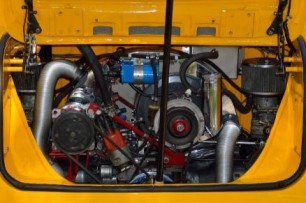
Which is a better option for buses: rear-engine or front-engine
We often see new models and designs of the buses plying in the neighbourhood. These buses with new technologies are not only designed to look aesthetically pleasing but also to support aerodynamic needs and the vehicle’s functionality.
Bus engines and their placements play a crucial role in the handling of the bus, its performance, and impacts the passenger experience. It is difficult to make a call as to which engine is better suited for the bus. Various characteristics factor into what kind is better, and we will look at them.
In this article today, we will discuss the pros and cons of rear and front engine buses so that you can have a detailed understanding of both options.
Benefits of the rear engine:
1. The rear engine does not block the centre or the front of the bus, thus making it easier for passengers to walk and aiding in the free flow of traffic.
2. Rear engine buses are comparatively lighter than front-engine buses.
3. The rear-engine buses have a quieter cabin due to the location of the engine at the rear. This gives a better driving experience for the drivers with less disturbance from the engine noise.
4. It aids in better visibility and comfort for the driver.
Disadvantages of the rear engine:
1. The engine takes up space in the back, thus providing lesser luggage space.
2. Rear engine buses are more expensive as compared to front engine buses.
3. Since the vehicle’s entire weight upon an uphill journey is concentrated on the back, it becomes difficult to traverse hilly roads.
Now, let's look at the merits and demerits of the front engine.
Benefits of front engine:
1. The weight of the bus is well balanced on all wheels.
2. The different parts of the bus, such as the engine, clutch, etc., are easily accessed for any repair or maintenance.
3. Better cooling since the radiator is attached to the front, and it gets a natural draft of air due to the forward movement of the bus.
4. There is more luggage space at the back of the bus.
Disadvantages of front engine:
1. Since the engine is in the front and amidst passengers, it can be loud for everyone.
2. Heat emanating from the engine makes driving inconvenient.
3. The horizontal steering becomes challenging to maneuver for drivers.
4. Reduced cabin space due to the presence of an engine in the cabin.
These are some of the benefits and disadvantages of each of these buses and their engine types. It is difficult to say which is better simply based on the positioning of the engines. Various other factors, such as fuel efficiency, driving comfort, the safety of people on-board, etc., are to be considered when investing in heavy-duty vehicles. This article solely focussed on the engine type to help you understand the different functionalities of said buses.
Even when investing in the best option available, you have to take care of your vehicle’s regular maintenance and upkeep. Keeping a tab of service cycles, investing in good motor insurance, and timely online motor insurance renewal is crucial for your vehicle’s longevity and efficient functionality. Hence, do not skip on these essential aspects of vehicle care.
Regular maintenance can help you extend the lifetime of your big machines. At the same time, motor insurance acts as a safety net to guard you against any expense that you might incur due to accidents, thefts, or other forms of damage.
Click HERE to know more about online motor insurance renewal.
Disclaimer: The information provided above is for illustrative purposes only. To get more details, please refer to policy wordings and prospectus before purchasing a policy.
Hi there! 👋 Need help with a policy, claim, or renewal? Chat with us instantly on WhatsApp.
Start chat →