


General Insurance Blogs, Articles & Updates by - Magma Insurance
Have us call you
- RENEW YOUR POLICY
- BUY NEW POLICY

GENERAL INSURANCE BLOG

Planning your first cruise trip? Here's all you need to know
Watching the beautiful horizon from the open deck is a mesmerising experience. Cruise trips seem elite and sound exciting. It is a paradise for ocean lovers. From solo ventures to family getaways, the cruise journeys welcome travellers to enjoy an unforgettable maritime holiday opportunity. Sailing couldn't have been more fun with several recreational activities, games, and cuisine organised onboard. Every moment on the ship reflects a beautiful memory to cherish forever!
Planning your first cruise trip can seem daunting without proper information about bookings, the right time to travel, the expenses, and much more.
This blog is your guide to understanding all the information you need to know before you board the ship. Carefully go through the pointers and chart all the requirements to plan a hassle-free cruise trip. Here’s all you need to know.
1. Timing is everything:
You need to figure out the right time to sail. Finalise your destinations and understand their sailing season. Look up the details of the touchpoints and the locations you wish to visit on the cruise company’s website or reservation site and research their sailing calendar.
2. Choosing the right cruise:
Different cruise liners provide you with various amenities and a range of activities to do while you’re on your sea voyage. Carefully look at different packages and determine which one fits your vacation goals and budget. Choosing the right cruise is important as they will take you on a journey to foreign countries and continents. Multiple onboard activities will keep you engaged throughout your travel.
3. Intent of travel is important:
Determining how and why you wish to take a cruise trip would be best. It is essential to determine your travel purpose as you will be out in the sea longer than expected. And when there are fewer locations to step down and explore and more sea exploration, things can get a little challenging due to the feeling of stagnation. Hence it is essential to figure out how confident and strongly willing you are to take a sea voyage.
4. Book the cruise:
While planning your first-ever cruise trip, you should book with someone trustworthy. Or some of your close contacts have already experienced their services and recommend them. Given the time of the journey and the heavy expenditure, you must ensure to do research regarding the company before you go ahead and book your tickets.
5. What should your itinerary look like:
Foremost finalise your budget and the location before you head out in search of the best cruise trips and their itineraries. Fixing your budget will help you narrow down your list of options and help you efficiently choose the suitable itinerary that covers all your expectations.
6. Choosing the perfect cabin:
You will have several options to pick from when you are finalising your cabin for the cruise journey. But how to choose the right cabin? If you’re easily seasick, looking for cabins with a sea view will not be advisable. You can choose higher or lower cabins according to your preferences, which do not face the sea but open your doorway into the activity area, making you feel more alive!
Certain other pointers like checking on your travel documents: your passports, visa, identity proof, tickets, etc., are paramount. Keep your health as the priority. Make all necessary preparations regarding the medications you might need beforehand to avoid the stress of getting sick when onboard.
While planning your first cruise trip can be stressful yet exciting, it is always helpful to be prepared for any travel or medical emergencies in advance. Unprecedented circumstances can result in panic situations while travelling. Don’t let health emergencies spoil your excitement of enjoying your first cruise trip.
We advise you to browse through Magma HDI’s general insurance plans and purchase the one which would cover your travel insurance in the best way possible. Purchase the best general insurance plan and sail carefree. Bon voyage!
Click HERE to know more about how general insurance plans can make your travel experience risk-free.
Disclaimer: The information provided above is for illustrative purposes only. To get more details, please refer to policy wordings and prospectus before purchasing a policy.

Wallpapers or Texture paints: Which is the best for your home walls
If you are buying a new house or renovating the existing one, having the perfect and attractive walls should be your focus. The most prominent part of your home is the walls. They capture many memories and provide a lot of scopes to try out new styles and give your home a refreshing touch.
Investing thought, time, and money in decorating the walls will turn your home into a more welcoming space. But how do you finalise the look of your walls? Would they look better with wallpapers, or would texture paints achieve the finish you attempted?
We will try to cover all your wall decor questions. Let's get started!
1. Types of texture paints:
Various forms of texture paints, including emulsions, distempers, etc., are available in the market. They can either be water or oil-based and are used for different purposes. You can use solid colours and texture paints to give your walls a bold look. Apply other techniques to create patterns and textures on your walls to give them a zing.
2. Wallpapers:
Wallpapers come with a variety of patterns and textures. Using the right tools and proper measurements, you can stick them on your walls. They come with a solid adhesive and are easy to paste. You can pick the wallpaper's designs as per your taste and the look you want to achieve for the walls.
Wallpapers and texture paint – how are they similar?
● Both are available with many options and shades
● Both have tailor-made options to match your usage and decor plans
● Both require some pre-preparation time to set things up
● Both help you achieve your decor goals
Wallpapers or texture paints: Which is the best for your home walls?
If you are starting from scratch (a blank wall), both wallpapers and texture paints require a similar time to set things up and get started. But removing any wallpaper or colour is a tedious job. After removing the previous coat, you must prepare the wall before pasting the wallpaper or starting with the primer for the texture paint.
Application of wallpaper takes less time as compared to texture paint. You need to apply at least two coats to achieve the texture and pattern you aim for, while it takes about twenty-four hours for the wallpaper to stick appropriately and achieve the best finish. Texture paints can take up to forty-eight hours or more.
Textured paints are your best bet in bathrooms and kitchens. High moisture does not gel well with adhesives. Hence, applying wallpaper in the bathroom and the kitchen would be a massive waste of resources, and there's a risk that it might come off or get wet and torn. Variations of textured paints can be used outdoors, while wallpapers are more appropriate for enriching the interiors.
You might need help from professionals during the application of wallpapers. Textured paints and wallpapers are both cost-effective, but wallpapers might get a bit expensive if you are looking for a specific design.
Now that we have discussed the significant aspects of the two options, you can make a decision. And while you are at it, consider protecting your home against unforeseen circumstances and tragedies. You would want your home to be safe from unexpected problems that take a massive toll on your finances and happiness.
Fret not! This is avoidable with the provision of purchasing home insurance. You can explore your options and buy the best home insurance in India which suits your needs. Carefully look at all the terms and conditions before finalising the deal. There are multiple home insurance options that can help you have the best premium and provide extended coverage.
Click HERE to know more about the best home insurance in India.
Disclaimer: The information provided above is for illustrative purposes only. To get more details, please refer to policy wordings and prospectus before purchasing a policy.

Let's understand how we can be caregivers for stroke patients
Have you ever been stuck in a health emergency due to a prolonged illness of someone in the family? If yes, you know how difficult it is to go through a tough time to wait for the total health recovery of the patient. It is also particularly challenging to take care of the patient on a daily basis. It requires a lot of willpower and patience to be a good caregiver to calm those in need.
You need to ensure that the patient follows a disciplined routine wherein he eats on time, gets good sleep, and takes medicines as prescribed. You also need to keep an eye on their symptoms, verify the reports and regularly monitor the patient’s condition.
Stroke patients are critical to handle. Their body becomes quite sensitive and vulnerable to any inconveniences. Hence, the caregivers of stroke patients need to take extra precautions to ensure that the patient stays mentally and physically healthy.
Wondering how you can take good care of stroke patients? This blog answers all your questions.
1. Exercise is the key:
It has been observed that most stroke patients face movement issues and find it difficult or incapable of moving their limbs. Their movement skills and capabilities get affected severely due to the stroke. As a caregiver, encourage stroke patients to indulge in exercises daily.
Design a quick workout routine for them and guide them to exercise in the right way to get the best results. This would help the patients regain their movement abilities and a speedy recovery.
2. Let them feel and reflect:
Instead of pushing the patient to be optimistic, it is essential to create a safe space for them. This space is an outlet for their emotions and a trusted source to avoid complete breakdowns. Having suffered through a traumatic experience and facing critical health issues is no joke.
The patients need to embrace their grief and express all their feelings without hesitation. An essential part of being a caregiver is to help the patient through their emotional process and help them get through all the challenges and hardships.
3. Encourage them to be independent:
Don’t create a help-seeking mindset in the patient. While they must have a safe space for letting out their emotions, it is also necessary that the patient is encouraged to help themselves instead of seeking support every time they need something.
As a caregiver, you must motivate your patient to feel independent. Doing things independently would give them a sense of achievement and motivation to carry out their work with more zeal and confidence.
4. Keep an eye on their condition:
A stroke is a severe ailment, and the treatment and recovery process involve a lot of heavy medications. Since the medicines help the body cope with certain major complications post-stroke, they are bound to have some alarming side effects.
As a caregiver, you need to educate yourself about all the medications, their probable side effects, and how they might affect the patients (which could also be due to pre-existing allergies and conditions). You need to inform the doctor about the same and observe the patient for any symptoms which might occur as side effects of the medicines.
A stroke can be a traumatic experience for the patient and his family. If not handled efficiently, strokes can turn out to be one of the worst nightmares. We discussed how intensive care could miraculously heal stroke patients, sometimes more than their treatments and medications.
Similarly, you need to take care of your health at all times as one cannot predict when such needs might arise, and you might find yourself in a difficult situation. To safeguard your and your family’s health, you must purchase the best health insurance in India that can offer the best coverage to the needs of your entire family.
Click HERE to know more about the benefits of health insurance in India.
Disclaimer: The information provided above is for illustrative purposes only. To get more details, please refer to policy wordings and prospectus before purchasing a policy.

Let's know about these incredible benefits of journaling you weren't aware of
How often do you feel frustrated and overwhelmed due to work pressure? Everyone deals with the chaos of life, but a little organisation does not hurt. Putting your thoughts in line can help you manage a significant chunk of your life without the intensity and pressure of things affecting you negatively.
Our previous generations faced a hard time and struggled a lot to keep all the fronts of life in order. But thankfully, the modern generation has taken up the concept of “self-love” and “self-care” seriously. And thanks to social media, people are now aware of why it is essential that you admire, love, and respect yourself in all facets of life. It helps boost your mental health and enables you to gain confidence to face all that life throws at you.
One of the most important aspects of organising your thoughts is “journaling.” Writing down your day and your reviews can give miraculous results. Penning down all that runs through your mind gives those abstract thoughts a proper structure. And now that you have a problem in hand, it becomes easier to find a solution. But there is more to journaling and its advantages. Let’s know about these incredible benefits of journaling you weren’t aware of.
1. Define your goals:
Jotting down your goals makes it real for your brain to grab the concept of accomplishing them. Your mind starts thinking about how you can achieve your goals. It further helps you to take a walk through all the possible processes you might have to go through to get the work done. It searches for resources and opportunities to help you attain your desired results.
2. Healing is a process:
Healing from traumatic experiences and emotional baggage is not accessible. But journaling can help you sort your feelings by giving them a form of a tangible problem statement. Once your brain sees your emotions on paper, it begins to put the pieces together to understand the actual issue. It gives you clarity compared to the clump of feelings with no beginning or endpoint.
3. Manage anxiety and stress:
Revisiting the most stressful occasions of your day by writing about them in detail gives you a certain sense of disentanglement and detachment. And once you detach yourself emotionally from the situation, you can see it from a rational point of view and analyse the whole scenario in pointers. This will help you improve your reactions and responses the next time you are stuck in similar situations.
4. Regaining confidence:
We all tend to lose confidence once in a while. Going through difficult situations creates insecurity, which takes time and effort to overcome. And at times, these insecurities quash your self-esteem to the point of no return. But journaling can help you escape this web of uncertainty.
You can write down all your accomplishments and how you managed to handle difficult situations on stressful occasions and never give up on yourself. These things act as a reminder of confidence and help you balance your emotions in the best way possible.
Other benefits of journaling include boosting mindfulness, improving your communication abilities and memory, providing a safe space as an outlet for emotions, etc.
In this blog, we saw how journaling could improve your mental health and help you keep your cool even in the most stressful situations. Similarly, it is essential to take care of your physical health too. Health emergencies usually come without warning. So, it is crucial to safeguard you and your family members in any unprecedented situations which can put your health at risk. You can explore your options and purchase health insurance that caters to your needs the best.
Click HERE to know more about health insurance and its benefits.
Disclaimer: The information provided above is for illustrative purposes only. To get more details, please refer to policy wordings and prospectus before purchasing a policy.

Here is the guide to planning the most exciting incentive trips for employees
The constant hustle of work-life can be overbearing and taxing for the employees. Planning an incentive trip is an effective way to appreciate your employees while also letting them know that you care for their health and wellbeing. But planning a trip for different people with a budget can be challenging. You have to keep their interests, choices, and health conditions in mind.
This article will look at some practical ways of planning incentive trips for your employees.
1. Understanding the budget:
The first checkbox to tick while organizing incentive tours is finalizing the budget. Having a clear picture of what you can do and where you can stay gives you an overview of planning the entire tour efficiently. You can find multiple hotel options with varying price points, thus making it easier for you to decide on factors such as food and living.
2. Understand what employees enjoy:
It can be a tedious task to attend to everyone’s needs. Hence, getting an idea of the likes and dislikes of others would help in making a balanced trip suitable for everyone. You can try conducting a survey for the employees. Choose viable tour options before handing out the survey forms so the employees can choose from the given options.
3. Duration of the trip:
Keeping in mind the budget and the number of people going on the trip, you must decide the duration of the trip. If you have a limited budget and plan to go to exotic destinations or expensive accommodations, consider limiting the number of days. However, if you are planning a trip to a place with a moderate hotel, you can extend the duration of the stay.
4. Choose a travel company:
Travel agencies are equipped with resources and know-how to plan all kinds of trips for you. Choosing a reliable travel agency can significantly reduce your time and stress. Before outsourcing the planning to a travel agency, verify their terms and conditions, cancellation policies, and, most importantly, their customer reviews. Good customer reviews ensure that you are entrusting the responsibilities to a genuine company.
Ask your travel agent for extra benefits or complimentary services as part of your package. Do not forget to sit down and have a detailed discussion on the itinerary and scope of various activities that the team can indulge in. Make sure that the accommodation has multiple recreational activities and food choices to suit the needs of everyone.
5. Do not go overboard with the planning:
Leave room for change and other opportunities. Give your employees the chance to make impromptu plans. This gives them a scope to bond with other employees and is also a great way to inculcate various team-building activities. Sometimes all that your employees need is a day’s rest. Leave sufficient time for people to unwind. Overdoing the activities and touring the place can be hectic and kill the retreat's entire purpose. Including a rest day in your travel itinerary is an excellent way to make it a relaxed tour.
Remember that planning a trip can be a huge responsibility and require a reasonable amount of time to reach a conclusive decision. Plan the trip well in advance to ensure no last-minute unavailability in bookings and accommodation.
While travelling with a big group, there are possibilities of missed flights, overbooked hotel situations, and other mismanagement of events. To skip these worries, look for general insurance plans to safeguard your employees against any extra expenses that you might incur during the trip. Dedicated research can tell you about all the good policies of general insurance India you can invest in.
Click HERE to know more about general insurance India.
Disclaimer: The information provided above is for illustrative purposes only. To get more details, please refer to policy wordings and prospectus before purchasing a policy.

Using alternative medicines? Here's what you need to know beforehand
We all have heard “health is wealth” a hundred times from our elders, haven’t we? And it is one hundred percent the quintessential truth. We all try to take care of our health by maintaining our physical and mental strength through yoga, exercise, and a balanced diet to add the perfect amount of nutrition. These factors influence the path towards your goal of a healthy body and mind. A slight health issue can delay your daily lifestyle, affect your wellbeing, and lower your confidence.
People in the olden days had the perfect routine which supported their bodies in every way possible. They had the cleanest air, food, and water for daily consumption. And they performed extensive physical activities throughout the day, which kept their body active and their blood pumping. Due to the hectic modern lifestyle, it has not been easy to obtain clean and pure resources to attain peak health in recent times.
Excessive pollution, global warming, and urbanization have also harmed humankind. While our lives have become more effortless, we are unfathomably dependent on technology to do a significant chunk of our daily chores, which has reduced the level of our physical and mental assignments, thus making us lazy and prone to diseases.
Nutritionists, dieticians, and doctors prescribe alternative medicines and supplements to ensure that our body receives the required amount of nutrients to build stronger immunity during severe medical emergencies like the covid-19 pandemic. Here’s what you need to know before using alternative medicines.
1. Connecting the mind and the body:
Medical practitioners recommend mind-body therapies to many patients to deal with various health issues. These therapies involve meditation, hypnosis, yoga, and tai chi. Meditation helps you develop focus, increase concentration, control anxiety and depression, reduce insomnia, etc. Yoga, tai chi, and hypnosis help you reduce stress, get sound sleep, treat back pain, manage weight, and boost your quality of life.
2. Nutritional supplements:
Many doctors prescribe certain standard nutritional supplements (vitamins, minerals, etc.) to ensure that their patients achieve the individual dietary requirements during the treatment of their respective medical conditions. Some commonly prescribed items include turmeric, ginger, primrose oil, castor oil, aloe vera, etc. They help in building a solid gut and immune system and treating various skin and heart issues.
3. Medicinal streams of treatment:
We all have heard about various medicinal treatments, which are considered alternatives to standard allopathy or western medicines. The ayurvedic system, homoeopathy, and naturopathy are the most popular alternatives with their own beliefs of procedures and treatment. Practitioners of Ayurveda strongly believe that just like our planet Earth, our body too is made up of the five essential elements: fire, water, earth, space, and air. The elements govern our bodily functions.
The Homeopathic system combined two theories that dictate that small doses are effective. And Naturopathy takes a traditional approach to treatments. These alternatives strongly recommend the usage of natural substances, medicines, and therapies which do not have any side effects on your body. They connect your body to nature and allow it to heal your ailments.
Other alternative medicine treatments include massages, acupressure, chiropractic techniques, therapeutic touch, etc.
While discussing various medicinal treatments and their alternatives is essential, it is equally important to understand how to safeguard your body in severe health emergencies, which usually come without warning. They can lead to excessive stress and unprecedented damage-financially, physically, and emotionally. To protect your and your loved ones’ health in sudden circumstances, you need to purchase health insurance. Opt for online health insurance to avoid the hassle of numerous procedures, submission of documents, and involvement of intermediaries.
Click HERE to know more about online health insurance.
Disclaimer: The information provided above is for illustrative purposes only. To get more details, please refer to policy wordings and prospectus before purchasing a policy.
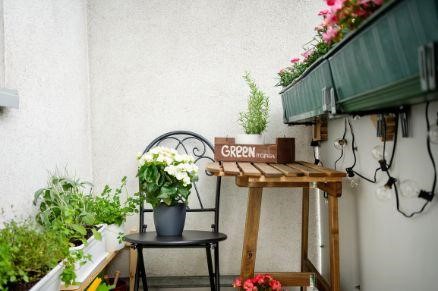
Here are a few ways you can use to make your balcony a cosy space
A cup of tea, a favourite book, and some music in the background while you feel the sprays of monsoon on your face. That’s what dreams are made for your casual & chic home. We all have unique ideas of our happy space and how we want to decorate them according to our tastes. Some of us are truly blessed with good aesthetic sense, while others have to depend heavily on the internet for ideas and inspiration.
After spending hours on various websites and choosing the best options, you create the perfect room for yourself. What about your balconies? This article will discuss some exciting and economical ways to revamp your balcony to make it the perfect cosy space for you to unwind.
1. Plants are the perfect backdrop:
Adding plants is one way to add colour and freshness to your balcony. You can opt for flowering or nonflowering plants depending on your choice. If you are a beginner, go for low-maintenance plants like the snake plant, money plant, spider grass, etc. You can also use different prints and colours on flowering pots to add more character to the balcony.
Artificial turf is a game-changer if you want more greens with minimum effort. Homeowners use these to give their balconies the feel of a miniature carpet garden that adds more comfort and cosiness to the entire space.
2. Sitting arrangements beyond ordinary:
Since your balcony is susceptible to rains and sun, one way to ensure the sitting area is not perishable by using metal chairs and tables. These bring a certain antique charm to your balcony without overbearing on your pocket. You can also add swings to make it more fun and quirkier. Adding rugs, floor pillows, and pouffes can make the space seem instantly cosy, and in the event of rain, you can quickly put them back inside.
3. Add lights for vibrant nights:
Adding tiny yellow lights and lanterns is probably the best way to make your balcony beautiful and warm for the evenings. You can further add scented candles if you have visitors, making it the perfect hangout spot for you and your guests. This way, you may even bring the romance right to your balconies and plan perfect dinner dates with your beloved or instead just indulge in your favourite pass time.
4. Textured wallpapers:
Using textured wallpapers can bring a new life to your balconies. Depending on the plants and other furniture used, you can either select a bright pop of colour or an understated neutral look. Wallpapers are a foolproof way to instantly elevate the interiors and add a certain elegance to the space.
5. Shade and privacy:
Most people do not spend time on their balconies because of a lack of privacy or unfavourable weather conditions. Use an awning or extended coverage to protect your balcony from direct sunlight or rains. Opting for a retractable or a folding roof is a choice that you must consider to change and alter the look of your balcony.
These are a few ways to turn your old balcony into a cosy living space. Remember to not go overboard with the decoration. A cluttered space kills the purpose of building a comfortable space for yourself. Talking to an interior designer or an architect can help you understand how you can modify the area without spending a lot of money.
Add value to your home and memories by investing in home insurance. Home insurance is a safety net for you and your family that will help you in case of any damages or losses. Along with beautification, you need to ensure your happy place's safety from mishaps like theft, fire breakout, etc.
Click HERE to learn more about home insurance plans.
Disclaimer: The information provided above is for illustrative purposes only. To get more details, please refer to policy wordings and prospectus before purchasing a policy.

Here are a few summer diseases you need to be careful of
With the summer months approaching, it's time to restock on our summer essentials, from sunscreens and deodorants to the quintessential cotton clothing. But having said that, it is imperative to remember that summer months also come with a plethora of diseases ranging anywhere from jaundice to heatstroke.
Due to increasing global warming, the temperature is constantly rising as high as fifty degrees Celsius. Summers can be extreme in certain parts of India, especially in the months of May and June.
In this article, we will take note of a few summer diseases that you need to be careful of and how to protect yourself from them.
1. Heatstroke:
Heatstroke has become common for people to feel extremely nauseous and experience severe headaches, cramps, and weakness. These are all symptoms indicative of heatstroke. Although these symptoms are often neglected and mistaken as lethargy, heatstroke can lead to coma and other severe health ailments.
Treating heatstroke focuses on cooling down the body by reducing the overall body temperature to keep it normal at all times. Maintaining the body temperature to ideal levels ensures a lesser risk of organ damage. Taking a cold bath will significantly help you in reducing your body temperature.
2. Jaundice:
Jaundice is another common summer disease that spreads through contaminated food and water consumption. The most common symptoms of jaundice are yellowing of the skin and the eyeball, loss of appetite, and dark-coloured urine.
If you notice the symptoms mentioned above, it is best to consult a doctor to get it checked immediately. Timely treatment is crucial to ensure optimal liver functioning and avoid any complications.
3. Food poisoning:
Food poisoning is an awful result of consuming contaminated, stale or toxic food and impure water. The symptoms include nausea, fever, cramps, weakness, and diarrhoea.
Mild cases of food poisoning can last up to three days and generally heal by themselves. However, to ensure faster recovery and regain strength, it is essential to stay hydrated. Drinking water and other liquids such as fresh fruit juices and tender coconut water help flush out the toxins in the body.
4. Sunburns:
The harsh sun is not healthy for humans. During the hot summer days, exposure to the sun for more extended periods can lead to redness in the skin, itchiness, or flaky skin. This can worsen, causing blisters and peeling off of the skin.
The best way to avoid sunburns is by using sunscreens and cotton clothing overalls. Sunscreen with SPF above 30 acts as a barrier between your skin and the UV rays in the atmosphere, whereas cotton clothes overalls are an excellent way to prevent sunlight from directly hitting the surface of your skin.
5. Chickenpox:
Red and small rashes all over the body and high temperature are symptoms of chickenpox. These red rashes are filled with fluids that eventually burst and spread throughout the body's surface. People with weak immune systems are susceptible to chickenpox. Chickenpox is highly contagious, and it spreads through droplets present in the environment of an infected person.
Chickenpox can last for up to 14 days, after which the symptoms die down slowly. Since the body tends to become extremely weak, it is advised to take ample amounts of rest to ensure a faster recovery.
These are a few common summer diseases that can take a toll on your happiness during vacation time. The summer is a favourite hosting ground amongst bacteria and viruses, being the most favourable weather condition for them to grow and spread. Proper hygiene and constant hydration are the simplest ways to keep these diseases at bay and spend your summertime peacefully enjoying with your loved ones.
If you feel dizzy or nauseous constantly, it is best to get yourself examined by a doctor who will be able to provide you with medicines or other remedies to combat the diseases. Do not forget to renew your health insurance to ensure that the tests and medicines do not burn a hole in your pocket and you are safeguarded against financial burdens.
Click HERE to know more about health insurance plans.
Disclaimer: The information provided above is for illustrative purposes only. To get more details, please refer to policy wordings and prospectus before purchasing a policy.
Hi there! 👋 Need help with a policy, claim, or renewal? Chat with us instantly on WhatsApp.
Start chat →