


General Insurance Blogs, Articles & Updates by - Magma Insurance
Have us call you
- RENEW YOUR POLICY
- BUY NEW POLICY

GENERAL INSURANCE BLOG

Here are the top three parts that can make your bike more fuel-efficient
With fuel prices skyrocketing now more than ever, it has become a rule of thumb to ensure that the vehicles you purchase or use, are fuel-efficient. Consumption of a limited amount of fuel can be an escape from burning a hole in your pocket. Plus, fuel-efficient vehicles help to reduce pollution and smog. So, making your vehicle fuel efficient can cause significant changes in your lifestyle, and you can contribute your part towards the biggest concerns of climate change.
Are you looking for suggestions for reducing your carbon footprint through less fuel consumption? Or do you wish to make your vehicle more fuel-efficient so you don’t burn through your savings?
This blog will discuss how you can achieve a more fuel-efficient vehicle using various techniques. Here are the top three parts that can make your bike more fuel-efficient. Let’s get started.
1. Give a rest to those breaks:
Your bike will consume less fuel and give you a better mileage if you unnecessarily avoid using brakes. Also, by preventing rash and aggressive driving, you save substantial fuel. Accelerating out of bounds and then hastily using the brakes will cause your vehicle to consume more fuel and power, thus diminishing the whole purpose of making your vehicle more fuel-efficient.
Always ensure you drive within the specified speed limit and abide by the traffic rules. This will not only help your bike stay in good condition but also prevent any accidents.
2. Be careful about the frequent gear change:
Along with the brakes, you must also ensure that you avoid changing the gears frequently and hastily. Driving at a constant speed will not only help you be safe on the road but will also consume less fuel, thus raising the fuel efficiency of your bike.
If you continuously operate your bike in the highest gears even when you don’t need it, it will lead to unnecessary fuel usage. Instead, always ensure that the operating gears are suitable for the road conditions you are driving in.
3. Take care of the tyres:
You must take care of the tyres to ensure that your two-wheeler consumes less fuel and maintains a good grip on the road. To take care of it, check if they are not underinflated. In the case of underinflated tyres, drag is created, increasing the friction, thus requiring more power and fuel to move the bike forward.
This unwanted drag can make it difficult for you to drive your vehicle. Properly inflated tyres reduce the drag, thus requiring a low power supply from the engine. This results in lesser fuel consumption.
Now, you need to keep an eye on the pressure and the amount of air-filled in the tyres. They must be inflated according to the default prescribed levels set by the bike manufacturer. Anything more or less than the mentioned limits can cause damage to the tyres and, in turn, the bikes.
Some other ways to make your bike more fuel-efficient include:
● proper maintenance of the bike and all its parts, using authentic and manufacturer-recommended spare parts in case of any damage
● driving safely and calmly
● purchasing the best fuel for your motorcycle
● check the air filters, and in case of any clogging, clean them
● regularly cleaning up your engine
We hope this blog provided valuable insights on making your bike fuel-efficient. Saving on fuel and spending extra during damages is not a wise thing to do. The best solution can be to purchase bike insurance to protect your bike against any damages, some of which might be sudden. Therefore, you must explore different options and buy the best bike insurance online to cater to your needs.
Click HERE to know more about purchasing bike insurance online.
Disclaimer: The information provided above is for illustrative purposes only. To get more details, please refer to policy wordings and prospectus before purchasing a policy.

Benefits of wearing orthopaedic shoes and quick tips for choosing the right ones
Just like any other part of your body, you must take care of your feet. Any ignorance can land you into severe issues such as extreme pain and discomfort while walking, hip problems, back problems, posture issues, hammertoe (pain issues in the joint of the middle toe), etc. The other common problem among women is metatarsalgia, a condition when the ball of your foot starts having pain and gets inflamed. This happens due to the constant use of high and tight heels.
Did you know there is a magical solution for all your feet problems? Orthopaedic shoes are one of the best options out there in terms of footwear. Orthopaedic shoes are made according to the doctor's advice and are accurate against foot problems. Foot troubles and conditions take quite a long time to heal; some might become critical if not taken care of initially. And orthotics are the best treatment that lasts longer and helps to heal. They act as a catalyst in your daily movement without any side effects.
Are you someone looking for more information on orthopaedic shoes? This blog will discuss the benefits of wearing orthopaedic shoes and quick tips for choosing the right ones. So, let's get started!
1. Boosts circulation:
Orthopaedic shoes are designed to improve circulation in the foot area instead of restricting the blood flow. The shoes help you adjust your feet, provide comfort, allow flexible movement, and improve the restricted blood flow. These shoes also provide immense relief from the pain in the nerves.
2. Improved support:
Suppose your shoes create discomfort while wearing or moving around. In that case, there is a considerable risk of severe foot problems like flat feet, metatarsalgia, and plantar fasciitis (pain in the heels due to flattening up of tissues that link the heel to the toes), etc.
These problems, if ignored, can go on to intensely affect your mobility and cause unbearable pain and discomfort. To avoid such grave health issues, wearing orthopaedic shoes provides an arch of support, proper padding, and cushioning for your heels.
3. Pain relaxers:
People who walk around ten thousand steps daily feel numbness and pain after a tiring day. Wearing orthopaedic shoes can help them ease into their routine and carry out their daily tasks effectively. It also prevents any redness and skin issues in the feet.
4. Say goodbye to the foot problems:
Orthopaedic shoes are your go-to solution against all kinds of foot problems like foot alignment, pain in the foot's arch, arch-related damages, etc. These problems can, over time, be corrected by the constant use of the right orthopaedic shoes. These shoes provide the best comfort, support, and cushioning to help your feet regain shape, alignment, and health.
While choosing the right orthopaedic shoes for your feet, do consult your doctors for the prioritising factors and dimensions required. Make sure to walk around in the shoes to analyse how the dynamics feel and be careful about the size. Buying the right size is very important. From formal to casual and stylish, there are multiple options of orthopaedic shoes.
That's a wrap on the benefits of wearing orthopaedic shoes and quick tips for choosing the right ones. As we talk about orthopaedic shoes and how they help keep your legs and feet in good health, it is wise to discuss health insurance for yourself and your parents. Specific problems come with age, and you must purchase the best health insurance in India for parents to ensure that they suffer no financial trouble as they grow older.
Click HERE to know more about purchasing the best health insurance in India for parents.
Disclaimer: The information provided above is for illustrative purposes only. To get more details, please refer to policy wordings and prospectus before purchasing a policy.

Best tips to check and maintain your car's suspension
The comfort and the ease of driving your new car are something that you always remember. However, with time, you start noticing small changes and don't feel the same comfort anymore. There could be many reasons for that. Wear and tear in the car seats, engine load, worn-out tyres, etc.
A car’s poor suspension could also be the reason for the growing discomfort. A fully functional suspension system ensures a smooth driving experience and keeps the vehicle under control. Over time the suspension system in the car experiences wear and tear and can take away from you a wholesome driving experience.
A suspension system comprises components such as wheels, tyres, springs, steering, etc. Different driving conditions govern these parts' longevity and wear off over time. To ensure that your car is working in proper condition, it is crucial to recognise any faults in the system and address them immediately to ensure safety while driving.
In this article, we discuss a few ways to check and maintain your car’s suspension.
1. Check air pressure:
Properly inflated tyres ensure that the chassis is protected from any damage. If they are not fully inflated, they can affect the vehicle's handling and performance. This can also be extremely dangerous when driving. To ensure that your tyre pressure is optimum, check it after driving every two thousand kilometres.
2. Wheel alignment:
Wheel alignment is another vital activity that ensures proper and risk-free driving conditions. The more challenging roads you take, the more likely your tyres are misaligned. Wheel alignment should be checked every two years or less, depending upon the kind of tracks you drive on. If you face difficulty while handling the steering or manoeuvring your vehicle, this indicates misaligned wheels.
3. Check power steering fluid:
If you enjoy the comfort of power steering or the hydraulic steering system, then maintaining and changing the fluids is part of your car’s regular maintenance. Check the level at least once a couple of months and replace it every three years. It is best to talk to a mechanic or refer to an owner’s guide to understand your car’s needs better.
4. Inspect shock absorbers:
If your car shudders or bounces abnormally when you drive, then these are indications of flawed shock absorbers. Make a visit to your nearest service centre to have the inspection of the shock absorbers. Ensure to get the shock absorbers checked after the first ten thousand kilometres and then annually. More challenging tracks and changing climates can cause wear and tear faster in the shock absorbers and might need to be changed sooner than mentioned above.
5. Accidents:
Slight irregularities can also affect the working of the chassis. If you have met an accident, hit a huge bump, or ran across a pothole, the chances are that some nuts and bolts could have disoriented from their original position. An inspection by a mechanic will help you rest assured and will not give you any trouble in the middle of the highway.
These are some ways to ensure that your car’s suspension works correctly. To avoid extra expenses or a complete breakdown, it is best to undergo regular servicing and check-ups for your vehicle. These services are a way of ensuring that every part of your vehicle is functioning effortlessly and efficiently.
Ignoring problems can lead to several damaged parts, which can be extremely dangerous when driving. Buy private car insurance India to ensure maximum safety and an amazing driving experience for your car. The right insurance boosts the longevity of your vehicle and undertakes expenses that might cost you a huge amount.
Click HERE to know more about private car insurance India.
Disclaimer: The information provided above is for illustrative purposes only. To get more details, please refer to policy wordings and prospectus before purchasing a policy.
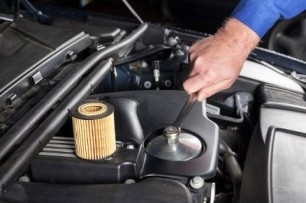
Complete guide on when to change car filters
The most commonly overlooked part of car servicing is changing the filters regularly. This task is a big mystery for many as to when is the right time to change a car filter and how to do it.
Timely change and maintenance of your car filters help optimise the motor parts' functionality and allow them to function efficiently. However, you need not be a mechanical whiz to notice the signs of when to change your car filters. This blog aims to help you understand the signs or hints your car gives indicating an immediate filter change.
1. Cabin filter:
A cabin filter is used to clean the inside of your car. This is done using air conditioning or heating vents. Clean air inside the vehicle is imperative for personal health and for preventing allergies and other respiratory problems. Unclean or damaged filters can block the airflow and cause visibility issues when defogging the windows.
Cabin filters must be changed every fifty thousand kilometres. Still, it is best to talk to an expert mechanic or consult the manual for recommended vehicle maintenance. If the air from the vents blows with less force or contains an unpleasant odour, your filters likely need to be changed.
2. Fuel filter:
The fuel filter helps keep dust, rust, and other impurities at bay. By removing the contaminants, this filter ensures the efficiency and performance of the engine. A clogged fuel filter can experience difficulty in the free flow of fuel, so the engine pumps harder than it needs to. It can lead to poor acceleration or a troubled start every time.
It is suggested that the fuel filters must be changed after fifty thousand kilometres. But these criteria often keep changing according to your vehicle's build and brand. If you start noticing decreased power, stalling, difficulty accelerating while going uphill, shuddering movements, and difficulty starting the engine, these are signs of a clogged fuel filter.
3. Air filter:
An air filter in the car is used to prevent insects, sand, debris, and other minute particles from entering the engine. Air filters ensure a good mixture of air and fuel to enhance the engine's performance. The cleaner the air in the engine, the more power the engine has. Good air filters also ensure better combustion, thus reducing fuel consumption. A clogged air filter leads to incomplete combustion and releases impure black smoke from the exhaust.
Air filters can be changed every twenty thousand kilometres. The interval can vary depending on the tracks you choose daily. You should reduce this interval if you drive on dirty or dusty tracks. Decreased mileage, strange noises, less power, black smoke, or strong fuel smell are symptoms of clogged air filters. You should rectify these issues immediately upon notice.
4. Oil filter:
The oil filter ensures continuous oil flow and removes dirt, impure oils, and metal particles in motor oil without hindering lubrication. All moving parts, such as the rods, shaft, etc., are protected from damage if the oil filter functions well. Change the oil filters between ten thousand kilometres to fifteen thousand kilometres.
Poor performance, metallic noises, and low oil pressure are some signs indicating a damaged oil filter.
We have discussed everything you need to know about the various car filters and their purpose. Proper maintenance and servicing are essential to keep your car in good condition. To ensure the financial coverage for your vehicle's care, always look for insurance options provided by the best car insurance company in India.
Click HERE to know more about the best car insurance company in India.
Disclaimer: The information provided above is for illustrative purposes only. To get more details, please refer to policy wordings and prospectus before purchasing a policy.

Here is the special diet to keep you fit this monsoon
India is a country of diversity. Be its languages, cultures, traditions, customs, food, beverages, clothes, etc., the country provides you with a wide range of flavours linking back to the history and development of the region over time. The food palette in our country changes every hundred kilometres. And adding to the list are seasons. For every season, there are particular dos and don’ts regarding food.
The onset of the monsoon season creates a soothing vibe. The luring downpour, clouds, gentle winds, and food make the monsoon a season of endless cheerful moments. Cravings for fritters and tea are synonymous with monsoons. While oily and fried food gets our taste buds, it is also essential to be mindful about what you eat, especially during the monsoons.
This blog will discuss the dietary restrictions you must maintain to ensure you don’t fall sick. Here is the special diet to keep you fit this monsoon.
1. Oily food is a strict no:
While we all enjoy pakoras with tea in the lovely monsoon drizzles, it is not suitable for your heart and digestive system. Consuming too much oil can make it difficult for your digestive system to break down into energy-providing carbohydrates.
The excess fat can eventually be deposited in your body and, over time, cause pressure on your nerves which helps in circulating the blood. This makes it difficult for your heart to supply blood to the whole body. It can lead to severe health and heart risks.
2. Say no to spicy food:
Just like oily food, spicy food is not very gut-friendly either. It can cause indigestion due to excessive spice consumption and lead to problems like acidity, stomach ache, burns, diarrhoea, etc. Spicy food can severely impact your metabolism, slowing down the stomach’s ability to absorb all the nutrients from the food you eat.
3. Confused about leafy vegetables:
Doctors, nutritionists, and dieticians spend their entire lifetime advising their patients and clients to consume leafy greens. But you should avoid them during the monsoons. Why? The leaf moisture can cause it to go wrong, and the humidity makes germ infestation much more convenient and accessible.
If consumed in such a state, it can have severe health consequences. Apart from this, all the pesticides and insecticides might also cause some trouble due to the rain. So, to sum up, avoid eating leafy greens in the rainy season. If you still wish to consume them, ensure to wash and boil them thoroughly before cooking.
4. Be watchful about water:
If you or someone in your family consume water directly from the tap or the borewell, STOP. It would be best if you were careful about the water you drink. And stay even more watchful during the rainy season as the water might get contaminated and become unfit for consumption.
Drinking contaminated water poses high chances of diarrhoea, stomach aches, typhoid, cholera, stomach infections, and much more. Install a proper and home-friendly water treatment plant to ensure that the water you and your loved ones consume is safe to drink.
Other dietary tips include consuming tons of fluids and tea with special spices and herbs to help with sweating and the enormous humidity levels, which can cause dehydration and loss of nutrients. Consume spices like cardamom, ginger, turmeric, and cinnamon to help boost your immunity levels and combat any health issues (for example, cold and flu). Eating freshly cooked foods is another way to ensure that your diet contains all the nutrition you need during the monsoons.
Follow these tips and keep a check on your health without falling sick or suffering from any health conditions. Younger individuals tend to recover quickly due to a high metabolism rate compared to the elderly. So, it would be wise for you to purchase the best health insurance in India for parents after browsing through all the available options in the market. Find the one which caters to your needs in the best ways. Keep your parents’ health a priority.
Click HERE to know more about the best health insurance in India for parents.
Disclaimer: The information provided above is for illustrative purposes only. To get more details, please refer to policy wordings and prospectus before purchasing a policy.

Here are a few top magazines you can follow if you're a sports car enthusiast
Who doesn't love cars? We all do. But then there is a different set of people who especially love the sporty and stylish category. What is so special about these sports cars apart from the speed and looks? Only sports car enthusiasts can describe their passion for this!
Are you someone who is looking to read more about sports cars? If yes, we've got you. In this blog, we have curated a list of magazines which would give you all the information about the world of elite sports cars, their history, latest developments, upcoming launches and their features and technology. Let's get started.
1. Autocar India:
Autocar India magazine is one of the oldest circulated car magazines in the world. The magazine talks all about cars, headlines of the world of cars, their new features, road tests and their results, used cars, new launches, upcoming models, and much more. The Autocar India magazine is the Indian edition of the British magazine about automobiles published by the Haymarket Media Group.
2. Car India:
Known as one of the most informative car magazines, Car India has everything a car lover needs to satisfy their curiosities. This magazine explores every nook and corner of the car manufacturing industry.
It brings you the details and the latest trends and developments in newer and older car models, information about cutting-edge technologies, innovation taking place in the automobile sector and much more. Get a subscription as soon as possible and quench your inner car fanatic's thirst with this great piece of content!
3. Auto Today:
Looking to choose between two cars but are confused? Don't worry. Auto Today magazine is going to solve all your problems. You've got all the information you need in this magazine- car reviews, comparisons in features, user reviews, testimonials, statements from car manufacturers and companies, advice, pointers to be careful about before buying your new car and a lot more.
You do not need to sit and browse through everything and strain your eyes. Get clear and compact information through the Auto Today magazine to help you make an informed decision.
4. Autocar Professional:
This magazine gets delivered fortnightly. The leading Indian Business to Business (B2B) magazine, Autocar Professional, talks about heavy and intricate details about cars. The magazine's content is calculated and compiled after extensive research in the automobile sector. If you enjoy learning about the minutest of details and are interested in the field of car analysis and study, Autocar Professional is the magazine you should opt for.
It identifies the patterns in manufacturing and other processes, making it a crucial resource for people keen on learning about automobiles. The magazine also contains insightful and crisp interviews, direct vehicle sales and accurate data regarding production and technologies. Want to see what goes on in the deeper end of the automobile sector? Subscribe to Autocar Professional magazine and get your brain motor churning.
Evo India, Overdrive magazine, Motoring World magazine, TransREporter, and Commercial Vehicle magazine are other renowned names sports enthusiasts can look into. These magazines give you quality information and the current developments, insights and analyses of different trends, performances, sales, etc.
Now that we have your attention and know that you love cars, it would be best to talk about taking care of your vehicle and safeguarding it against any damages in unprecedented circumstances. Just reading about cars, their models and features are not enough. If you own a car, invest your time and money in exploring various insurance options and purchase the best car insurance in India. Car insurance provides the perks of ensuring the safety of your vehicle and being assured of the expenses involved in its maintenance and repair.
Click HERE to know more about the benefits of the best car insurance in India.
Disclaimer: The information provided above is for illustrative purposes only. To get more details, please refer to policy wordings and prospectus before purchasing a policy.

Beginners guide to writing a fitness blog
Content marketing is at its peak with the fast-paced development and boom in the social media industry. Big and small businesses have invested a lot of capital in content creation and marketing. And one of the essential parts of the whole content and creative game is blogs. You will observe that every brand has a blog page on its website. These blogs are carefully curated and optimised to reach the target audience better. The content is about its brand, what it stands for, its products, the consumer benefits, the causes they support, etc.
The health and fitness sector has also seen immense growth in the number of people reading about different trends, health issues, diets and exercise. Health-focused brands ensure that their website stays flooded with content that enriches the customer experience and brings them the needed traffic. But what if you are just getting started in the health industry? Don't worry. We've got you.
This blog is a beginner's guide to writing a fitness blog. We will discuss the crucial factors you need to pay attention to and cover as you go ahead with your content. Let's get started.
1. Ambitions lead the way:
Before starting your fitness blog, you must determine what you want to achieve through your blog journey. There are several things one can achieve in the health and fitness industry. But it is vital to determine the value and impact you wish to create in your audience's life. Why and how your work will be different from others and what your mission and ultimate vision are some questions you need to analyse before you proceed.
2. Narrowing it down:
It is crucial to find your niche before getting started with your blog. Narrowing it down to what you want to solve through your content helps you find your niche. You can start with writing about important stuff your audience should know and would appreciate reading. But as you progress, you can circle it down to specific topics about fitness you would love to enlighten your readers on. This will help you in mastering that particular niche.
3. What's in a name:
If you think your blog name does not matter, you are wrong. In the infinity pool of current content, blog names matter a lot. If they are quirky and easy enough to catch someone's eye, they could interest your target audience in exploring your blogs. And, if they find your blogs interesting and valuable, they might suggest it to their contacts which would benefit you in bringing organic traffic to your website.
4. A domain is the main:
Now that you have figured out the starters for your blog, it is time to set up your website. But, you will require a domain before working on your website. You can either purchase a domain or use hosted sites on which you can pay a nominal fee and customise your websites the way you want. Self-hosting can be done through a blogging platform (for example - WordPress), and then you can pay the required fee to keep your content on the site.
5. Strategy is important:
Now that you are up and running with your website, it will be your priority to develop a content strategy to curate content for your blogs and market it according to the current trends. You will have to think and rethink your plan from time to time to keep pace with the content writing and marketing world.
That's a wrap on the beginner's guide to writing a fitness blog. While we are talking about health and fitness and how essential taking care of your body and mind is, especially in the current day and age. Your blogs can also discuss health insurance policy and spread awareness about its importance through your writing.
As many of us tend to forget how urgent and vital it is to look after health insurance policy renewal, spreading knowledge to others on crucial topics like health is a significant step in itself. Bring the above points into practice and create the best content that educates your readers with the "mantra" to a fitter lifestyle!
Click HERE to know more about health insurance policy renewal.
Disclaimer: The information provided above is for illustrative purposes only. To get more details, please refer to policy wordings and prospectus before purchasing a policy.

Ten best tips for female travellers to ensure safety while travelling
We all are aware of the saying “safety comes first”. And while travelling can provide you with the adventures and experiences of a lifetime, it is essential to ensure your safety during your trips. Having fun should not come at the cost of risking your safety. It would be best if you were watchful about several things while on the road to your destination. Always be mindful of the safety concerns and risks while planning your stay and an itinerary.
And when it comes to female travellers, there is no doubt that they need to be extra careful about their safety. Many travel groups are curated just for women so that they will feel safe and can travel without any looming fear or stress. Are you a female traveller taking your first solo trip or someone who is looking for specific safety tips and reminders?
This blog will discuss the best tips for female travellers to ensure safety while travelling. Let’s get started:
1. Be thorough with the online reviews of the hotels or homestays you might consider booking for your travel. If you find something fishy or if any review seems “too good to be true”, or if there are any “fake indications” in the study, refrain from booking a room in that particular hotel.
2. Go through the maps and existing itineraries of your travel route and destination. See what fits your budget, look for safety directions, and search for how people felt about that particular experience. And then make a decision.
3. Always keep your emergency contacts informed. Let them be aware of your location and stay calm if you land up in an unforeseen circumstance. Call for help in case of an emergency.
4. Keep the police’s number: 100 on the speed dial so you can use it if necessary.
5. Always keep pepper spray and other legal safety equipment you can use in times of distress. You must know how to use them and avoid being casual and playful about them.
6. Avoid visiting shady places you feel are not safe during the night time. Make sure to get acquainted with people and families in your hotel, so you do not feel alone. Get their contact details so you can use them in an emergency.
7. Learning the local language and a few important words will help you communicate with the locals in case you land up in a problematic situation. You should pick up commonly used terms to help you with the interaction.
8. Packing light is essential. This will help you in better planning and easy travel. Carrying excessive weight will be difficult for you while commuting from one place to another. You can ensure the safety of your valuables by leaving them in the hotel.
9. Learning self-defence for future trips would benefit you greatly in times of distress. It will also help you gain the confidence to travel alone.
10. You can opt for all women travel groups, public transport and staying facilities to ensure you are comfortable and feel safe throughout your trip.
These were some of the best tips for female travellers. Include them in your travel checklist to ensure your safety while not compromising on the fun. And while we are already talking about female safety during travel, it would be a wise option to talk about safeguarding yourself against unprecedented mishaps you might land up in through no fault of your own.
In this case, insurance helps. Make insurance a part of your travel essential. You can explore different personal accident insurance plans and research their benefits. You can purchase personal accident insurance online and stand a chance to get discounts with lower premiums and hassle-free buying procedures.
Click HERE to know more about different personal accident insurance plans.
Disclaimer: The information provided above is for illustrative purposes only. To get more details, please refer to policy wordings and prospectus before purchasing a policy.