


General Insurance Blogs, Articles & Updates by - Magma Insurance
Have us call you
- RENEW YOUR POLICY
- BUY NEW POLICY

GENERAL INSURANCE BLOG

Let’s understand the benefits and use of product liability insurance
Let's say you're a washing machine manufacturer. Due to some defect in the formulae of chemicals used in the hose pipe of your washing machine, it is more likely to burst. The product has already hit the shelves, and you're receiving massive backlash for the damaged goods and might be at risk of a few customers suing you. This event can potentially shut down your business as you don't have enough capital to pay for the legal fees. You are incurring huge losses now as you have to take down the products from the shelves.
The only way-out would be an insurance covering you against these unforeseeable liabilities. The insurance that is suitable for this situation is product liability insurance. Product liability insurance protects manufacturers, wholesale and distribution businesses, and retailers against claims that the product they have sold has caused harm to a customer, including either bodily or property damage.
This insurance is helpful for all kinds of businesses. Taking the above example of the washing machine, the company should be insured with this type of insurance. This is because when a lawsuit is launched, an enquiry is made on all the companies involved. Small businesses need it more than others because they usually don't have the capital to pay the customer and can quickly go bankrupt.
This blog explains why product liability insurance is a must for your company.
Coverage for design defects:
Design defects can bother customers long after the product has been manufactured and sold off. The customer, in most cases, can still sue the organisation which manufactures the product. Product liability reimburses you for the expenses incurred due to such design errors.
Coverage for manufacturing or production flaws:
The most crucial feature of product liability insurance is that it provides coverage for any manufacturing defects that might cause harm to a customer.
Protection against packaging concerns:
Sometimes the manufacturer does not provide an adequate warning on the product package, such as potential defects, instructions for properly using the product, or some allergenic substances. One example is how beverage companies have to warn if it is hot and not to be liable if the hot drink is spilled on a customer. Additionally, if there's some substance like peanuts or other common inflammatory substances in the product and it's not mentioned clearly, the manufacturer might be prosecuted. Product liability insurance provides coverage for all these situations.
Supplemental commercial general liability coverage:
Product liability policies generally work along with commercial general liability coverage to provide the company with insurance against such claims by customers.
There are several reasons to take product liability insurance as a business owner. But the payout certainly depends on which kind of policy you've chosen. The insurance cost depends on various factors, including your industry, the potential risks associated with that industry, your business's claim history, and the insurance company's policy limits. For example, getting cover for risky businesses like alcohol, tobacco, and contraceptives is challenging because of the high rate of lawsuits that are usually launched against them.
Insurance companies may charge you a higher premium for such kinds of businesses. It's always best to be insured to remain stress-free. Business owners should also invest in public liability insurance policy to provide the best coverage to third parties in the event of financial loss, injury or death due to an accident.
Click HERE to know more about public liability insurance policy.
Disclaimer: The information provided above is for illustrative purposes only. To get more details, please refer to policy wordings and prospectus before purchasing a policy.

The most common headache types and their remedies
Headaches are the most common but often ignored problem that people face. Having a headache can dampen your mood and affect your concentration levels. They can be different and range anywhere from moderate to excruciatingly painful. The treatments for headaches can differ depending on the type and intensity of the pain. Although most headaches can be cured with rest and over-the-counter medicines, it is best to consult a doctor if the pain persists.
If you suffer from headaches frequently, this article will be a complete guide to discussing the different types of headaches and their treatments.
1. Cluster headaches:
A cluster of short yet excruciating headaches is called cluster headaches. They tend to happen periodically over years or months, or days. These headaches occur due to an affected trigeminal nerve, responsible for sensations of pain and heat in the face. The pain is concentrated on one side of the face starting from the head and branching out to the eyes and jaws.
These headaches last only a couple of hours and can be treated with painkillers and other preventative medicines. If you tend to have these headaches often, it is best to talk to your doctor and get a prescription for preventive medications that you can always keep on you in case of emergencies.
2. Migraine headaches:
Migraine headaches can show symptoms differently for different people. Sensitivity to smell, light, and sound accompanied by nausea is one of the most common symptoms of migraine attacks. These headaches stem from the nervous system and can sometimes affect your eyesight for a temporary duration of time.
Other symptoms include blurred vision, tingling sensations, and numbness on one side of your body. Aspirin, caffeine, and ibuprofen are some of the common over-the-counter drugs that can help in the faster recovery of migraines. Some home remedies include resting in a dark, quiet room, an ice pack on the forehead, and ample fluid intake.
3. Tension headaches:
As the name suggests, tension headaches or stress headaches are caused by persistent stress. The symptoms are less complex as compared to migraine or cluster headaches. Uneasiness, mild pain in the temple, sleep deprivation, and fatigue are some of the common symptoms of tension headaches. Poor posture, overexertion, and emotional stress trigger this kind of headache. Painkillers and sufficient rest can help you cure the pain instantly. However, if you face the problem often, it is best to seek medical attention and get any tests done if the doctor recommends.
4. Thunderclap headaches:
This is one of those headaches that might need immediate medical attention and can cause fatalities if not taken care of. These shooting headaches, nausea, and vomiting can often result from internal bleeding in your brain. The pain develops rather suddenly and lasts for about five minutes. Suppose you experience severe shooting pains or experience a new kind of pain. In that case, it is best to talk to the doctor immediately, as these are often indications of an underlying fatal problem.
These are some of the most common kinds of headaches that you might come across. Remember that no matter what, if the pain lasts longer and you experience bouts of shooting pain, do not wait for the pain to worsen. Contact a doctor immediately and get the required medical attention. After a preliminary round of tests and diagnosis, the doctor might suggest surgeries as a solution.
Under these circumstances, the cost of treatment can be very expensive. To safeguard yourself against these expenses, you can opt for an affordable health insurance plan for yourself and your family. A quick search on the internet shows many affordable health insurance plans that you can choose from. Take ample rest, have your food on time, drink plenty of water, and do 10 minutes of exercise daily to avoid the majority of headaches.
Click HERE to know more about affordable health insurance plans.
Disclaimer: The information provided above is for illustrative purposes only. To get more details, please refer to policy wordings and prospectus before purchasing a policy.

What are the key differences between health insurance and medical insurance
Covid-19 has taught us the importance of having a strong immune system that takes care of our health adversities. Many people have been severely infected, hospitalised, landed in emergency rooms, or have faced the unfortunate loss of their dear ones. The pandemic hasn’t been contained. But people have gotten a lot more immune to the virus.
Plus, the vaccine has been proving extremely helpful in such dire times and aid in developing a shield in your body against the virus. And many of these patients have had the privilege of holding medical insurance, which helped them and their family members cover the cost of the treatment without focusing on financial matters.
There have been multiple occasions where we all have been confused between health and medical insurance. While these terms are closely related, the benefits and coverage of these insurance policies differ. Are you someone who is confused between the two? This blog discusses all such significant pointers which will help you understand and differentiate between the two. So, let’s get started.
What does health insurance entail?
Health insurance covers all hospital costs alongside the pre-hospitalisation and post-hospitalisation expenses. This expenditure includes costs of ambulances, treatments, etc. It is considered a comprehensive insurance policy that acts as a massive benefit for the policyholders and caters to their needs in a customised manner.
What does medical insurance entail?
Medical insurance has restricted privileges one can avail of. It is directed towards specific ailments and accidents which have been specified earlier. There is an absence of options that can provide add-on coverages like health insurance. Medical insurance depends on the amount insured. You can claim the medical insurance policies in two ways: cashless and reimbursement.
1. Cashless insurance Policy: Health insurance defines a set of hospitals under its policy. Upon getting treatment in that hospital under proper supervision, the policyholders do not have to pay a single penny. The patient can avail the cashless treatment option of their health insurance against their policy number, and the hospital works things out with the insurance company directly.
2. Reimbursement: A properly planned comprehensive health insurance policy covers pre-hospitalisation charges, including ambulance costs, tests from the specified hospital, etc. This pre-hospitalisation coverage lasts anywhere from thirty to sixty days, based on the type of health insurance plans you have opted for.
Key differences between health insurance and medical insurance:
1. Medical insurance plans are pretty tunnelled and work only regarding the specified ailments. There is no pre or post-hospitalisation coverage benefit in medical insurance plans. The patient is supposed to bear the transportation charges and other expenses.
2. Health insurance policies give you several add-on coverage options like critical illness, disabilities due to accidents, etc. At the same time, no such choices are available when purchasing medical insurance plans. The critical condition includes diseases like cancer, heart attacks, etc., which carry a grave danger to your health, and their treatments can burn through your bank accounts.
3. Health insurance plans are pretty flexible compared to medical insurance policies. They provide you with the scope of reduction of the policy period, insurance premium amount after a specific duration, etc.
We hope this information gives you a basic understanding of the two types of insurance and the benefits you can avail yourself of. Given the current climatic conditions, lifestyle, sleeping patterns, environmental changes, and several other factors, health issues come without warning.
As the world progresses for the better in terms of technology, humans have backtracked when it comes to healthy living. To avoid any financial distress during such hectic and unfortunate circumstances, you must browse through various health insurance plans in India and choose the one which would suit your needs in the best ways. Health is wealth, and there is no second opinion about this.
Click HERE to learn more about the benefits of different health insurance plans in India.
Disclaimer: The information provided above is for illustrative purposes only. To get more details, please refer to policy wordings and prospectus before purchasing a policy.

Here is a list of medications you must carry on a trip
With today's working culture and daily hustle, travel is one way to unwind and relieve stress. Considering the various travel destinations and experiences, it is no surprise that people want to leave the comfort of their homes at least once a year to explore exotic places. However, you must have faced instances where you have fallen prey to common ailments on a trip, ruining your whole stay while your loved ones had the time of their lives.
It is very taxing to hunt for medicines in a place where you don't know the language and are a stranger. So, it is wise to make a medical kit where you keep medications for the most common ailments. This blog gives you a list of medicines you must consider carrying on a trip.
1. Antacid:
With a new, exotic cuisine to try, no one plans to walk around the trip with a stomach burn from acidity. So, an antacid is extremely important to carry on a trip to remain tension-free about all the new food you will savour.
2. Diarrhoea medicine:
Travellers often visit new and exciting places in remote areas to absorb fresh perspectives and quaint experiences. However, they face health issues while adapting to the food and water in these unfamiliar regions, creating an uncomfortable situation with diarrhoea. Carry anti-diarrhoea medicine in all of your travels to get rid of this problem.
3. Fever medication:
No tourist wants to lie in bed with a headache and fever instead of exploring a place's attractions, cultures, and heritage. Take a paracetamol pill and get going with your day as a quick fix to a jet lag-induced headache or joint pain.
4. Cough syrup:
Cough syrups are essential while going on a trip. No one likes a scratchy and congested throat while moving around the city, asking for directions, or ordering food. It's best to take one that does not make you sleepy to enjoy your trip to the maximum.
5. Laxative:
With all the new types of food you will be trying out, it's best to keep a laxative handy for the trip to avoid any complications with your digestive system.
6. Diabetic supplies, including insulin:
If you have diabetes, ensure to take all the medicines prescribed by your doctor along with you. It's best to make a separate package for all your medication for diabetes. If you take insulin subcutaneously, it is best to store it in a cold place.
7. Motion sickness medication:
Motion sickness is a problem that ails the majority of travellers. Take some over-the-counter medication with you just in case it decides to make an appearance.
8. Antihistamines:
Allergies can spring up on you at the worst of times, leaving you with itchy eyes and a scratchy throat. It's better to be safe than sorry and pack mild histamine for these issues.
9. Sleeping pills/mild sedative:
If you have trouble falling asleep in new places, consider taking some mild sedatives with you just in case. Ending up sleep deprived on a trip certainly reduces the magic of it, so it's best to have your beauty sleep and be active during the day.
Sickness during a trip is highly uncomfortable and can significantly spoil the trip's fun. And there might be complications that can leave everyone frustrated. Carry the medicines above with you and avoid health ailments affecting your vacation.
These were a few ways to keep your health sound, but what about the safety of your belongings during travelling? It's best to research travel insurance and get general insurance online quote to be stress-free during the trip and protect your travel with the best protection.
Click HERE to know more about general insurance online quote.
Disclaimer: The information provided above is for illustrative purposes only. To get more details, please refer to policy wordings and prospectus before purchasing a policy.

The top cycling tours in India you can try this monsoon
Cycling is not just a sport. It is also one of the healthiest habits one can develop, to keep one's mind and body in good shape. It's no wonder that cycling is a prevalent pastime among people after all these advantages. This way of travel is steadily gaining popularity among people of the new generation.
It is also a feeling that gives us nostalgic moments from our childhood. Cycling is an excellent way to spend time with yourself. Who doesn't want to cycle through the beautiful, frosty Himalayas, Meghalaya's lush green forests, or Udaipur's rich cultural city?
This blog has curated the perfect list of cycling tours in India to give you information on planning your next cycling trip!
1. Mangalore to Goa:
This scenic stretch of road along the coast of the Arabian Sea is one of the most breath-taking sites to see in the world. The quaint villages of the south will amaze you with the beauty in their simplicity, the waterfalls, temples, and national parks in the area are a bonus. Don't stop when you reach Goa. Visit all the key tourist sites on your bicycle to get the full experience of the trip.
This 350-kilometre trip might seem difficult, but with the right company for motivation, it will prove to be one of the best experiences of your life. This trip, on average, takes 06 days to complete.
2. Puducherry:
Going further south, there's nothing like cycling through the picturesque city of Puducherry (formerly known as Pondicherry). Dotted with the best of the post-colonial architecture of the French, this vibrant city has beautiful cathedrals, coffee shops, and, most importantly, the famed town of Auroville. Don't forget to book your ticket to Auroville in advance to gain a different perspective on spirituality in this renowned town of devotees from all around the globe.
3. Manali to Leh:
The stretch between Manali and Leh is the perfect route if you're looking for more of a challenge and less of a holiday. This endurance test will give you one of the most life-altering experiences. Manali is a charming city, popular among nature and adventure lovers alike. The way to Leh is the famed Rohtang Pass, at an altitude of 13000 feet. The majestic mountains and the scenic lakes are something to experience once in a lifetime. It is imperative to know that this trip pushes your limits and will require your full physical fitness. These are difficult roads to take, and it is best to research general insurance companies in India before planning your trip.
4. Shillong to Cherrapunji:
Moving to the beautiful northeast, Meghalaya is a mesmerising monsoon destination. With the drizzling rain pattering on the rich flora and fauna of the forests, it's a nature lover's dream come true. Meghalaya is a gorgeous yet primarily unexplored part of the northeast that should be on every cyclist's list. It is the perfect ride for the curious traveller with bountiful greenery and terrains. This 60-km journey might be difficult, but it is worth.
These cycling trips will surely be enjoyable and eye-opening experiences for individuals. It is worth riding up the hills, the jungles, and the cities' interiors. Before hopping on the seat, it is essential to wear all necessary safety gear like helmet, knee and elbow guards, and most importantly, do the servicing and maintenance of your bicycle.
It is stressful when there is uncertainty of an accident. Research the best general insurance companies in India for buying a travel insurance cover to stay protected and enjoy your trip without any worries of mishaps. You are now all set to get the wheels moving.
Click HERE to know more about general insurance companies in India.
Disclaimer: The information provided above is for illustrative purposes only. To get more details, please refer to policy wordings and prospectus before purchasing a policy.

What are the useful ways to deal with leakages at home
It is highly inconvenient to face water leakage in the home, be it a major one like a burst pipe or a steady drip from the tap. If not controlled in time, water leakage is expensive damage to deal with at home. It can waste gallons of water, but the maximum damage occurs if water seeps into the ceiling and destroys the walls and the paint job.
Our homes even face significant damage due to water leakage during monsoon. Heavy rainfall leads to leakages that get frustrating over time. This blog provides practical ways to deal with such leakages at home before calling an expert.
How to prevent a water leak:
Prevention is always better than cure. A few annual regular check-ups can prevent the hole in your pocket. Keeping this in mind, here are a few ways to check-up on your water pipes and supply to avoid massive repair work.
1. Keep your spidey senses on and feel around your home for areas with moisture or mould that might leak the plumbing. Inspect the most vulnerable parts of your home, including the roof and the walls, to check for any dampness.
2. The pipes exposed to the elements should be adequately insulated to prevent their material from eroding. Insulating material comes cheap, so this method is highly cost-effective.
3. A stopcock can stem the flow of the water supply around the house. Make sure to know the exact location of your stopcock to prevent flooding in the house due to a sudden burst pipe.
4. Install a water leak detection device at home.
Know how you can detect a leak:
To fix a water leak, you need to accept and inspect that it’s happening. The easiest way to check up on your plumbing is to check your water usage. If it has significantly increased, there might be a probability of a water leak. If this method seems too unsure for you, you can turn on the water supply without using water for an extended amount of time, say 02 to 03 hours and check if any water has been consumed. This is a sure sign that there is a leakage somewhere.
Ways to fix the water leak:
1. Turning off the water supply: The first step to prevent further damage to your home is to stop the water supply to the house and perform a thorough inspection.
2. Turning on the faucets to drain: If there is a significant leak in the house, the next best step is to drain all the water in the pipes and faucets. Start with the garden hose if you have one, and let the water run out.
3. Locate the problematic area: Go around the house checking for leakage, whether major or minor, and get it fixed.
4. Applying epoxy putty: Before this step, it is essential to wear latex gloves to protect your hands because hot epoxy putty can end up burning them. Epoxy putty is readily available in all hardware stores and can be a temporary fix to a leakage. Mound the epoxy putty well and apply a generous layer over the leaking pipe or tap.
Although epoxy putty is a helpful fix to many problems, it is ultimately beneficial if you can get a professional to fix this issue. If it’s a major plumbing problem, it might damage the ceiling or walls and can be extremely expensive to repair. Reliable house insurance India is always the best way to prevent these expenses from emptying your wallet. You cannot risk your belongings at the cost of water damage. Invest in the best house insurance and get advantages that will help you reap good returns on your investment.
Click HERE to know more about house insurance India.
Disclaimer: The information provided above is for illustrative purposes only. To get more details, please refer to policy wordings and prospectus before purchasing a policy.

Guide to reducing the use of plastic in your homes
Plastic bags have become a necessary evil in today's day and age. Everything from the packaging of everyday items to utensils, we have seen a massive increase in plastic usage across households. However, plastic has dire effects on the environment. Polluted rivers, channel blockage, pollution, and animal choking are some of plastic's environmental hazards.
Looking at the various damaging implications of plastic usage, activists and other environmentalists have raised their voices against the excess and single use of plastics.
In response, many governments have banned the manufacturing and usage of plastic. Even after the ban on single-use plastic, the complete absence of plastic is impractical. The ease and efficiency of plastic packaging are seldom matched by anything else. This makes plastic an almost irreplaceable part of our lives.
But if you are a responsible human being and want to make a small contribution to the environment, this article will help you reduce plastic waste in your home.
1. Use jute or cotton bags:
Plastic is one of the most convenient options when it comes to shopping. Opting for a plastic bag at the counter is more convenient than carrying cloth bags. By carrying your bags, you are not only saving the environment, but you are also avoiding the excess charge levied on plastic bags. Cloth bags or jute bags are better alternatives to plastic bags. They are reusable, washable, and durable. Consider carrying your carry bags for your next grocery run.
2. Avoid plastic utensils:
Want to carry a tiffin to your office or college? Are you reaching out for the fancy plastic containers? Then you need to reconsider your choice. Plastic utensils such as lunchboxes and water bottles release toxic chemicals into the food, and when consumed, these can cause serious health issues like cancer and heart problems. Storing food in plastic containers can have dire health effects on your body and affect the food's composition.
It is best to opt for steel tiffin to keep your food fresh for longer. People also use microwavable plastic dishes to reheat their food. This can be highly toxic. Switch out the plastic vessels for glass containers. Instead of storing the spices and pulses in plastic boxes, reuse the glass containers you already have. Various pickles, jams, and oils come stored in glass packaging. Remove the sticker and reuse it. This helps you save money and keep yourself and your family healthy.
3. Replace your bathroom essentials:
There are many options available in the market that are more eco-friendly. Opt for locally sourced soap and shampoo bars instead of purchasing a new bottle. Buy refill packs for handwashes and invest in ceramic soap dispensers instead of plastic bottles. Choose wooden toothbrushes and combs as these are eco-friendly and healthier options for your teeth and hair.
4. Change your grocery habits:
People find it more convenient to buy packaged food, be it fruits and vegetables or meat and other farm products. Most of these packaged foods are frozen and lose their nutritional value after some time. Instead, explore your nearest local markets and buy fruits and vegetables from local vendors. By doing this, you are helping the locals while reducing plastic use.
These are some ways in which you can ensure that your home reduces the use of plastic. Being mindful is a small step towards making the planet a better place for your children and the future generations to come.
The above measures can help your home get rid of plastic, but have you considered its safety? Safety is paramount, and when it comes to assets like home, then it is a necessity. To add more value to your homes, invest in home insurance India. Home insurance is a safety net against any expenses incurred due to damage, theft, and other accidents. In case of any mishap, you can be assured that your insurer can make up for your expenses and loss.
Click HERE to know more about home insurance India.
Disclaimer: The information provided above is for illustrative purposes only. To get more details, please refer to policy wordings and prospectus before purchasing a policy.
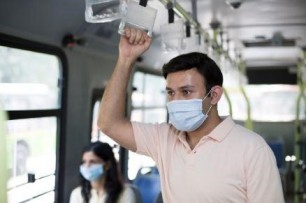
Why is public transport the best way to travel and explore places
Exploring the novelties and embarking on new adventures is what travelling is all about. From dingy roadside motels to premium five-star hotels, travel experiences make you more confident and better prepared for everything. To some people, it is a much-needed respite from the mundane routine of everyday life; for others, it is a way of life. Some people believe in setting aside a part of their earnings for annual family trips, while others earn to travel. Common among all these lifestyle choices is the desire to explore newness and the different versions of the planet.
There are multiple ways in which you can explore a city. You can accompany a tour group, walk around, and indulge in local life. But, in this article, we will discuss why public transport is the best way for you to enjoy your vacation.
1. Closer to the local life:
Cabs and rentals will ensure an easy commute, but if you want to indulge in the lifestyle of the locals, using public transport is a must. The locals frequently use public transport to carry out their day-to-day chores. Interacting with them will not only help you gain a better insight into the culture of the place, but it will also help you figure out where the untouched locations are. Many local restaurants and establishments are unexplored by the tourism industry. Local knowledge about these will help you explore the unexplored.
2. Cheaper:
People often complain about being scammed by taxi services and other car rentals. However, with public transport, you can avoid being scammed altogether. Since locals frequent this mode of transportation, they can't charge you extra. Some governments facilitate subsidised public transport rates, so the overall cost of your daily commute becomes considerably inexpensive.
3. Time to relax:
If you intend to book a car for yourself, be prepared to stress out about directions constantly. You might also be stuck in long traffic jams if you decide on exploring the city. Opt for public transport like trains to escape heavy traffic and the tiresome drive. During your commute, you can either look out of the window and enjoy the views or catch a nap before reaching your next location. This small break will help you be rejuvenated for the next part of your trip.
4. Personal health:
Public transport is a boon for you if you are a fitness enthusiast and cannot squeeze in the time for your workout in your jam-packed itinerary. Opting for public transport indicates that you will need to walk between stops, stations, or ports, depending upon the location and the type of transport. Not only does it prompt you to walk more, but it also helps you build an appetite so that you can eat more of the local cuisines guilt-free.
5. Responsible towards environment:
Public transport saves a considerable amount of fuel as compared to personal vehicles. The stark increase in carbon dioxide emissions has resulted in a rapid rise in global temperatures. Opting for public transport is a small contribution you can make to the environment and a better future.
These are a few reasons why public transport is the best option for you while travelling. Interact with the locals and explore the city's novelties while taking public transport. Remember that no trip is complete without travel insurance. Any risks you can incur during your vacation, including theft, financial losses, injuries, etc., will be taken care of by an insurance policy. To protect yourself and your family against such expenses, do not forget to buy insurance policy online. You can compare multiple policies, analyse their benefits and premiums, and choose from several online options.
Click HERE to buy insurance policy online.
Disclaimer: The information provided above is for illustrative purposes only. To get more details, please refer to policy wordings and prospectus before purchasing a policy.