


General Insurance Blogs, Articles & Updates by - Magma Insurance
Have us call you
- RENEW YOUR POLICY
- BUY NEW POLICY

GENERAL INSURANCE BLOG
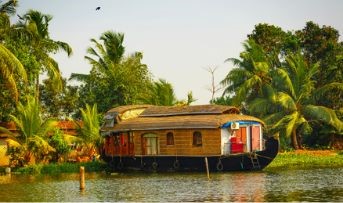
Try an offbeat houseboat experience at these popular Indian locations
Over the past decades, the emphasis on conventional methods of living has reduced with the monotonous nature of life. The desire to explore the unconventional and experiences that are out of the box has become the trend. While in the past, stability and ordinary lifestyles were chased after, it has been replaced by the desire to gain offbeat experiences.
One such changing trend is the demand for discreet and unusual travel experiences. Today, most travellers opt for unordinary travel itineraries focused on living in the present rather than run-of-the-mill standard tourist programs that showcase popular destinations.
As travel focuses on self-growth, the houseboat experience has seen a drastic increase in demand. Since India has ample water bodies, there are multiple places to experience this leisure activity that delivers a luxurious and rejuvenating feel.
However, since it is a unique activity, purchasing general insurance plans to protect your travel is ideal. Here are some of the best locations in India to experience living in houseboats.
1. Alleppey, Kerala:
Also known as God’s own country, the backwaters of Kerala are often discussed when talking about peaceful locations in India. With its lush greenery, dependence on fishing and allied activities and relaxed pace of life, Kerala is an ideal location for a stay in the houseboat. The local cuisine, pleasant weather and hospitable hosts make the experience unforgettable.
2. Sundarbans, West Bengal:
The Sundarbans are known to be the largest mangrove in the world. A houseboat stay in these mangroves is in stark contrast to the experience in any other location in India. This is the only region to showcase natural swampy habitats. Unlike others that focus on self-sustenance and peace amidst lush greenery, a houseboat stay in the Sundarbans is thrilling. A holiday on the houseboat is like a wildlife safari through the forest swamps. Since it is an unconventional travel experience, it is best to purchase general insurance plans in case of unforeseen mishaps during your travel.
3. Pondicherry:
The first thought that comes to mind at the mention of Pondicherry is the slow-paced life and quaint towns with picturesque architecture. Take a different route to explore the beauty of the location by opting for a houseboat and enjoying the impact of French and Tamilian culture in its architecture, people, and arts with scenic nature in the backdrop.
4. Srinagar, Jammu and Kashmir:
It is unlikely to talk about houseboats without citing Kashmir. Most popular on the Dal Lake and the Nagin Lake, a houseboat stay in Kashmir is unique as the houseboats are anchored at a spot. However, they are the embodiment of luxury and peace.
The wooden structure has adequate supplies to provide warmth in contrast to the cold outside. Waking up to the magnificent view of the snow-covered mountains, clear sky, and cold weather is unparalleled. The floating market and restaurants are other exciting activities that you can enjoy.
5. Tarkarli, Maharashtra:
Located in the serene Konkan belt, this is the only location in Maharashtra where one can enjoy a houseboat stay. Tarkarli is known for its clean beaches and sees lesser footfall than famous beaches in Goa, making for a peaceful getaway. A houseboat stay can be coupled with adventure sports like scuba diving or visits to the long beaches to make the most of the trip.
With time, houseboat stays have become a favoured option for a brief vacation for much-needed peace to escape the hectic lifestyle. While it is an excellent retreat, it is essential to consider the risks associated with the activity and purchase adequate cover in the form of general insurance plans to cover the burden of accidents during your travel.
Click HERE to browse different general insurance plans.
Disclaimer: The information provided above is for illustrative purposes only. To get more details, please refer to policy wordings and prospectus before purchasing a policy.
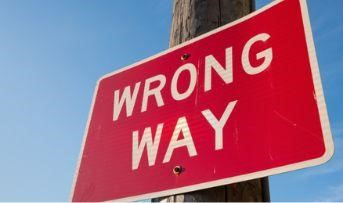
What are the consequences of riding a bike on the wrong side of the road
Every year, millions of new bikes are registered in India, the fourth-largest automotive industry in the world. According to the World Bank, India is also responsible for 11% of all road fatalities worldwide due to the country's rapid automobile population growth and congested roads. So, everyone in the community must be responsible for obeying the traffic rules.
This post looks at the consequences that can happen when people break the law and drive on the wrong side of the road.
1. The dangers of wrong-side driving:
Wrong-side driving is a common violation in India. The Ministry of Road Transport and Highways has amended the Motor Vehicle Act because traffic laws are often broken. As per the amendment in Motor Vehicle Act 2019, the penalties are INR 500-1000 and/or jail for 03 years.
2. Ensure no traffic violations:
It's important to remember that while driving, you are accountable for your safety and for other vehicles plying on the road. Say no to traffic offences and prevent wrong-side driving.
3. The potential danger of head-on collisions:
It is well known that drivers who cross the centre line or make a wrong turn onto an exit on a highway are the primary perpetrators of head-on collisions. Head-on and wrong-way driving crashes account for more than 10% of all bike accident fatalities.
4. Frequent crashes in the night:
Night-time is the most dangerous time for head-on collisions when visibility is reduced, and driver weariness is high. Due to the weather, motorists are more likely to drift into oncoming traffic lanes without realising it until it's too late.
5. Greater numbers of moving vehicles:
There are several valid reasons to avoid driving on the wrong side of the road. An increase in traffic volume can be one reason. For instance, the number of vehicles passing decreases by half when going with the flow from 30 mph to 15 mph, whereas it increases by 150% when going against traffic flow at the same pace. It results in a threefold rise in the volume of traffic.
6. Shorter reaction times:
The motorist and rider have less space and time to respond when the biker is on the wrong side of the road. Even the rider from the wrong direction diminishes his safety options from incoming vehicles. This can lead to confusion and possible collisions.
No matter how urgently you need to reach your destination, skipping the traffic by riding on the wrong side of the road is not a wise and legal thing to do. You will only invite accidents and unwanted problems for yourself by doing so. Rather stay in your lane and patiently wait for the traffic to get cleared than take risks and put others' lives at stake too. Follow the traffic rules and wear a helmet and safety gear for additional protection while riding.
As a responsible biker, you must know all the traffic rules and carry your driving licence and insurance policy before driving your bike. Also, consider getting bike insurance covering everything to protect your bike as much as possible from theft, accidents, and financial loss. You should compare different plans by visiting the websites of different insurance providers and buy the best bike insurance online India that is the right choice for you.
Click HERE to buy reliable bike insurance online India.
Disclaimer: The information provided above is for illustrative purposes only. To get more details, please refer to policy wordings and prospectus before purchasing a policy.
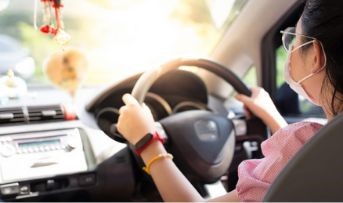
Why is it important to practice defensive driving, and how can it benefit you
Defensive driving is the technique in which you drive cautiously and smoothly, minimising the chances of engaging in an accident and damaging your car and that of third parties. Car accidents mainly occur due to reckless and rash driving. A defensive driver ensures that he drives carefully so that he does not engage in a collision.
Let us see why it is important to practice defensive driving and how it can benefit us.
1. Safety and security:
Defensive driving is necessary for your safety, security, and other vehicles on the road. Moreover, it can also save pedestrians around your vehicle from injuries and loss of life. It is an art that comes with planning and regular practice. You need to scan your surroundings and be alert while slowing down or changing lanes so that you do not collide with other cars on the street. A defensive driver believes that other drivers on the road can commit a mistake anytime while driving. Hence, he practices being perfect and better than them to leave no margin for errors.
Accidents prove very costly as you will have to get your car repaired if you meet with an accident. Raising an insurance claim for minor repairs is not advisable as you might lose on your NCB (No-claim Bonus). You will have to bear the cost of repairs and maintenance and the loss of time and effort spent on repairs. There is a high risk of loss of lives and valuable property in case of a severe accident. If you are a defensive driver, you can avoid such situations and practise disciplined driving.
2. Better mileage:
The most common reasons for poor mileage in a car are accelerating abruptly and driving in the high rpm range. You can go fast and enjoy the speed but will burn a lot more fuel and experience poor mileage in return.
A defensive driver always drives at a controlled speed, accelerates softly and maintains an economy rpm range that gives the best possible mileage. Also, he ensures that he does not brake abruptly and changes gears frequently. This helps to save on fuel costs and also prevent accidents due to over-speeding.
3. Low maintenance cost:
A defensive driver drives cautiously and with care to avoid getting hit by another vehicle. Because accidents pose a huge threat of scratches, dents, rubs, etc., on the vehicle that requires an immediate fix. Your car wouldn’t require frequent servicing because of your cautious driving style. You can benefit a lot from the low cost of maintenance and repairs.
4. Fewer traffic challans:
A defensive driver ensures that he does not skip red lights on crossings, over speeds, or enters a one-way road negligently. He is a vigilant and responsible driver. Hence, it is important to practice defensive driving as you will get none or very few traffic challans and save a lot of money and time.
Defensive driving is a skill that can be developed with constant practice, and by promising ourselves that we will not engage in brawls and fights on the road. Also, you must avoid changing lanes frequently, use proper and timely indicators and signals, and stay away from distractions such as the mobile phone while driving.
Good car insurance will benefit you in several ways. It takes care of your safety and security and helps you save on unnecessary repairs and maintenance expenditures in case of an accident. Also, you don’t need to go through emotional trauma and monetary loss if your car gets stolen, as your comprehensive insurance policy will take care of the financial loss and reimburse it. Buy car insurance online and stay stress-free by having a reliable safety net for your vehicle.
Click HERE to buy car insurance online to protect your valuable asset from damage.
Disclaimer: The information provided above is for illustrative purposes only. To get more details, please refer to policy wordings and prospectus before purchasing a policy.
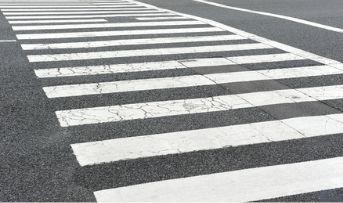
Zebra crossing: Why most drivers often ignore it
Zebra crossings worldwide provide pedestrians with a safe option to cross the roads amidst heavy traffic. While road rules might differ from country to country, the purpose of zebra crossing stays the same. When drivers see people waiting to cross the street at one end of the black-and-white stripes, they usually apply their brakes to allow pedestrians to cross the road.
However, unfortunately, most drivers tend to ignore the zebra crossing, nullifying the purpose and putting the safety of pedestrians at risk.
Skipping the zebra crossing deprives pedestrians of the chance to cross the road safely. And being ignorant on the road isn't just a threat to pedestrians; it also puts your vehicles at a high risk of damage. To avoid landing in such trouble and causing significant damage to your car, you must follow the traffic rules strictly and consider getting car insurance India to prevent monetary stress in unprecedented situations.
Where does the problem lie?
Many drivers don't obey traffic lights and make an emergency stop over the zebra crossings, making it hard for pedestrians to use the approved crossing path on roads that are already crowded. Surprisingly, although zebra crossings are present at busy intersections, traffic officials are somehow lenient toward automobiles occupying zebra crossings.
As a result, when attempting to cross the road, people frequently need to use their running skills to safely reach the other side without being hit by any vehicle. When the traffic lights malfunction, it becomes more challenging as the traffic is set loose.
Due to the chaotic traffic, school children wait several minutes to cross roads safely. Most kids assume that because they have learned about zebra crossing since they were little, cars will stop so that they may cross. However, the truth is different.
Unfortunately, many drivers don't know the importance of zebra crossings, and even the public works department doesn't care enough to paint them often. Public awareness campaigns on traffic etiquette are required.
Determining the requirement of a crossing.
Zebra crossings are used on roads with much traffic and where fewer people can cross the road at signal-controlled crossings. Many surveys of busy traffic intersections reveal that pedestrians find it extremely difficult to cross the road.
Also, personal injury accident data showed that most common accidents involving pedestrians happen at busy crossings.
If you're a pedestrian waiting at zebra crossings, then remember to:
● Give incoming traffic plenty of time to see you and stop before crossing
● Wait until both directions of incoming traffic have stopped or the road is clear before crossing
● Look for the traffic signals and avoid crossing in a hurry
If you're a driver, then remember to:
● Watch out for the traffic signal from far and accordingly prepare to halt
● Avoid halting over the zebra crossing and keep it clear for pedestrians to walk
● Never jump the traffic signal
Additionally, keep in mind that:
● Normal drivers tend to ignore crossings that are not frequently used
● Drivers require more time to manage their vehicles when the road is slick
● Cross the street only when the traffic is stopped
Drivers must keep all these things in mind while driving and follow the rules carefully to avoid collisions with pedestrians. Be responsible, follow traffic rules religiously, and avoid over-speeding on the roads. Prioritise your safety, fasten seat belts before beginning your journey, keep all the required documents handy, and purchase a valid insurance policy. Buy the best car insurance India not just because it is mandatory but more as a financial shield to protect you and your valuable asset in case of accidents.
Click HERE to buy reliable car insurance India.
Disclaimer: The information provided above is for illustrative purposes only. To get more details, please refer to policy wordings and prospectus before purchasing a policy.
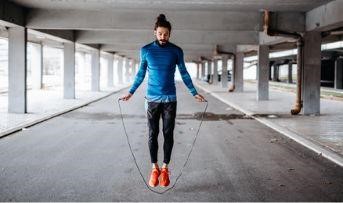
Beginners guide to learn jumping rope at home
Physical exercise is one of the basic requirements for a healthy and functional body. A few minutes of physical exercise, when combined with a balanced lifestyle, can give tremendous results to keep your body in the best shape.
It would be best if you also take a balanced diet to maintain all the nutrients and vitamins in your body. Also, try practising mindful activities like yoga and meditation regularly can be a good booster for your mental health. Physical exercises can range from walking, swimming, jogging, and cycling, to trekking and even rope jumping.
Jumping rope is one of the easiest and most convenient ways to lose extra calories and stay physically active. If you're a beginner at jumping rope, this article is just for you. We will cover all the essential points that should be kept in mind before you start jumping rope at home. It is a brisk and healthy exercise for your mind and body.
Let's look at the basic requirements for jumping rope at home without further ado.
1. Choose the best rope:
You must choose a comfortable, lengthy, and sturdy rope for your exercise. For beginners, a light weighted rope with comfortable foam grips is highly durable and flexible.
2. Pick a suitable surface:
If you want a comfortable surface for jumping rope, you should choose a mat or a smooth indoor surface. If it still does not work for you, please go outdoors and find hardwood floors if possible.
3. Start with basic jumps:
Start by learning to hold the rope properly. Do not grip the rope too tightly. Make sure you hold it loosely with your fingers instead of your palms. With a loose grip, the rope will turn quickly and steadily without any extra effort from your side. Make sure to hold the rope close to your body for a rhythmic spin.
4. Focus on movements:
After you have mastered your grip, you should focus on the movements of your body. You can start by placing the rope behind you. Turn it over your head and catch it under your feet. Make sure that you practise it until you've mastered it. Keep pushing yourself till you perfect the skill.
5. Keep on practising:
Although it may look complex, you should take the first step and do it. Be very gentle with yourself. Do it slowly as you get a grip on the process. Start with five jumps and increase the counts every day. Try to beat your record every day and reward yourself with positive affirmations.
Mistakes to avoid.
The things that you should avoid when you jump rope are:
● Do not jump too high:
It is one of the most frequently committed mistakes by beginners. If you think jumping too high will reduce more calories, you're wrong. On the contrary, it puts you at risk of developing a sprain. You do not have to take giant leaps, but you can jump just some inch off the ground.
● Not jumping upright:
It is always recommended to jump upright or in an erect position. Do not jump with a hunched back. If you hunch your shoulders, the jump will not be proper, and you can also develop a bad body posture. Later, you may also experience back pain.
These things should be considered before you commit to jumping rope at home. It would help if you were very careful when starting a new physical exercise. Make sure that your body is comfortable with the exercise. Regardless, opt for the best personal accident insurance policy in India to avoid problems later.
Click HERE to purchase the best personal accident insurance policy in India.
Disclaimer: The information provided above is for illustrative purposes only. To get more details, please refer to policy wordings and prospectus before purchasing a policy.
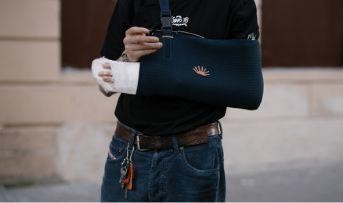
Best tips to do daily tasks with convenience after a fracture
A fracture brings pain and many inconveniences while performing your daily routine tasks. You have to start doing things differently and take help from others to finish your work. A fracture is different from a regular cold or fever, which is cured in just a few days. A normal fracture takes at least 20-25 days to heal, and more complex ones can take several months before you return to normal routine.
Hence, a fracture can be very troublesome if you do not handle it properly. Here are the best tips to do daily tasks conveniently after a fracture.
1. Simplify your daily tasks:
The first thing you should do after suffering from a fracture is to simplify your daily tasks. For example, cooking yourself may mean standing for long hours in the kitchen. It will put undue pressure on your broken bone and slow the healing process. Take help from other family members or your maid in cooking to ease the work. If you are the sole cook, you can start ordering more online for the first few days. You can also buy packed and frozen food and avoid cooking much for a few days.
Similarly, opt for a shower rather than using a bucket for taking a bath. You should use a non-slip mat in your bathroom to avoid slipping and hurting yourself again. You can use a bathing chair if it is comfortable for you. Buy a sponge with a long handle, so it becomes easy for you to scrub your feet and back.
2. Avoid driving:
Do not drive yourself, even if you can, as it will pressure your broken bone. Take a driver, go with a friend, or book a cab to your destination if it is important. Also, opt for “work from home” for a few days rather than going to your office.
3. Dressing-up:
Wear comfortable and loose clothes after a fracture so that it is convenient for you to dress up or change. You can get velcro stitched over the buttons of your shirt if you cannot open or close buttons with your fingers. Opt for elastic in your pants or jeans. Buy a shoehorn with a long handle so that you can wear your shoe without bending much. Also, do not wear heels or uncomfortable shoes to minimise the chances of falling over.
4. Declutter:
To make it convenient, you need to declutter your house and working area after a fracture. You can move furniture on the sides to get a wide walking area. This will help you move easily and also minimise the chances of accidents. Light up your house properly, so you do not trip over things in your way. Proper lighting is essential if you need to wake up at night and move around.
If possible, you can move to the ground floor for a few days to avoid climbing stairs. Do not sleep on a very low bed, as it can be uncomfortable for you to get into the bed. If your fracture takes a long time to heal, you can install handrails near your bed, bathroom, and stairs and hold them for added support.
A fracture is undoubtedly painful and causes a lot of inconvenience to you. It derails your daily life and makes you dependent upon others. Personal accident insurance is crucial for you in such situations. It will provide you with financial protection and security in case of injuries and partial or total disability arising due to accidents. Hence, go for the best personal accident insurance India and secure yourself and your dependents in case of any unfortunate event.
Click HERE to invest in the best personal accident insurance India.
Disclaimer: The information provided above is for illustrative purposes only. To get more details, please refer to policy wordings and prospectus before purchasing a policy.
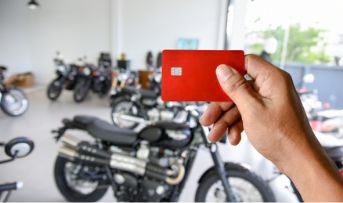
Buying a new two-wheeler? Here are the important documents that you will need
Given the crowded riding conditions and slow-moving traffic in Indian cities, two-wheelers have always emerged as the top choice for daily commuting. They are perfect for city travel because they are simple to navigate through traffic and take up much less space to park and promise better mileage.
In congested areas, riding a two-wheeler can significantly shorten your commute and help you reach your destination in time. From economical city bikes or scooters to attractive sports machines, two-wheelers have an exciting range of categories and myriad options. For every diverse taste and expectation of a rider, a two-wheeler is available in the market. All one needs to do is thorough research before making the final decision.
Buying the first bike or scooter is a dream for many, and in this blog, we will discuss how one can achieve this by understanding the complete buying process and the documents required to purchase your first two-wheeler.
Once you select your two-wheeler, the next crucial step is the paperwork. Be prepared to submit the required documents that will be needed by the dealer, the bank (if you're taking out a loan), and the two-wheeler insurance provider. The documents that you must submit are listed below.
Documents required for vehicle registration:
● Passport size photograph
● Attested copy of ID proof- Driving Licence or PAN Card
● Proof of Permanent Residence (attested copies) – Passport, Voter ID Card, copy of insurance policy.
If any of the documents mentioned above are unavailable, you may give any of the documents listed below. Don't forget that the documents need to be properly attested:
● Electricity bill
● Phone bill (BSNL Landline)
● Ration card
● House tax receipt from the corporation
These are the extra documents you must present if you buy a two-wheeler in a city other than your residence. All supplied documents must be properly attested:
● Copy of registered rent agreement
● Copy of your landlord's electricity bill
● Letter from your employer
● Original affidavit
Documents required to buy a two-wheeler on EMI:
If you are planning an EMI option for your vehicle, you can finance your bike up to 100% and pay the balance back in simple, flexible EMIs. Depending on the lender, the interest rate, processing fee, EMI bounce costs, etc., for these loans may change.
Depending on the facility provided by the lender, the term of these loans may range from 6 to 60 months. The paperwork you might require to purchase a new bike on an EMI is listed below.
Documents required by salaried individuals:
● Proof of identity: Aadhar Card/Pan Card/Passport/Driving Licence/Voter ID and passport-size photos
● Proof of address: Driving Licence/Passport/Voter ID/Aadhar card/Utility Bill/Bank statement
● Income proof: Bank statements of the last 3 months, salary slips of the last three months/salary certificate/Form 16
Documents required by self-employed individuals:
● Proof of identity: Aadhar Card/Pan Card/Passport/Driving Licence/Voter ID and passport-size photos
● Proof of address: Driving Licence/Passport/Voter ID/Aadhar card/Utility Bill/Bank statement
● Income proof: Income Tax Return (ITR), last 3 months' bank statements
To legally ride your two-wheeler on public highways in India, you must have two wheeler insurance India. In addition to ensuring that you comply with the law, insurance gives you financial security in case of an accident. When you purchase a new two-wheeler, make it a point that you buy a reliable two wheeler insurance India policy that offers an additional safety net to your two-wheeled friend.
Click HERE to buy the best two wheeler insurance India policy.
Disclaimer: The information provided above is for illustrative purposes only. To get more details, please refer to policy wordings and prospectus before purchasing a policy.

Hand care tips for guitar aspirants to avoid injuries
Indulging in leisurely activities is an overlooked aspect of today's hectic lifestyles. With building pressures of being competent and work stress while handling societal expectations, it is essential to explore and identify areas of interest outside conventional academics, careers, etc. With the early onset of mental struggles with issues like depression and burnout, research has shown that engaging in at least one activity outside your regular schedule that allows you to enjoy your personal space is beneficial.
Learning instruments is one of the most popular activities taken up as a hobby. Learning to play the guitar is the most popular activity on many people's to-do lists. It is a relatively inexpensive hobby that can be learnt without an expert's guidance and does not require years of practice to reach the beginner's level of playing. However, there is always a risk of injury, considering the small fretboard, metal strings and fast wrist movements that need to be mastered.
Multiple factors come into play relating to your posture, wrist placement, plucking, and supporting hand placement that may result in injuries if not done correctly. Here are some tips to prevent injuries while playing the guitar.
1. Long durations of playing the guitar without adequate breaks:
Over practice causes more significant harm than good. While it may seem exciting to display your determination to learn the guitar by playing continuously without taking breaks, it is best not to do so.
There is no fixed duration that you should practise and then take a break after, but it is best to limit a practice session to 30-45 minutes and then take a 10-minute break. It also helps prevent neck or back injuries from sitting in the same position for long durations.
2. No warmup:
It is common to be excited and skip the fundamentals to learn advanced techniques. No matter what level of expertise, it is necessary to warm up before each playing session. This involves regular stretching and practising finger exercises on the fretboard. Multiple online resources can help prevent discomfort and increase your fingers' agility and precision while shifting chords and fingerpicking.
3. Excessive pressure:
Often seen in the case of beginner acoustic guitar players, it may seem challenging to produce sound on metal strings. It is natural to use excessive pressure on the strings in such a case as you try to learn better. However, as you practise, you must find the ideal amount of force, just enough to produce sound.
Excessive pressure applied during regular playing damages the fretboard and may cause discomfort to your fingers. It may even lead to the tearing of the fingertips' skin. Understand that ideal pressure results in the formation of calluses, not injuries.
4. Proper posture:
Getting the basics right is the most important thing to understanding any skill. Sitting upright will allow you to keep your spine, neck, arms and wrist strain-free. If you feel any specific pain repetitively as you practise, it is best to get the guidance of an expert or stand before a mirror to identify and correct the issue.
In case you feel irregular pains in your wrist, it is best to get it checked by a doctor and use supporting devices like a wrist brace upon professional recommendation. Icing the wrist and regularly massaging the area can help significantly reduce inflammation and pain. Since one cannot eliminate injuries, taking preventive care and buying comprehensive personal accident insurance India is necessary to cover the financial burden.
Click HERE to buy reliable personal accident insurance India.
Disclaimer: The information provided above is for illustrative purposes only. To get more details, please refer to policy wordings and prospectus before purchasing a policy.
Hi there! 👋 Need help with a policy, claim, or renewal? Chat with us instantly on WhatsApp.
Start chat →