


General Insurance Blogs, Articles & Updates by - Magma Insurance
Have us call you
- RENEW YOUR POLICY
- BUY NEW POLICY

GENERAL INSURANCE BLOG

Here are the ways you can identify a broken nose and perform aftercare
With a significant emphasis on laborious work that yields marginal returns, there is no alternative to physical effort. As the intense nature of work causes accidents routinely, and the risk of mishaps continues, making personal accident insurance India is a necessary investment.
One of our body’s most overlooked and fragile parts is the nose. It directly impacts the facial structure and looks of a person. It is a very delicate structure made of two bones that can snap for multiple reasons, resulting in a broken nose. Identifying a broken nose is crucial at the earliest to providing proper medical attention and effectively performing aftercare.
Read on to learn about identifying a fractured nose, precautions, and best aftercare tips!
Causes for a broken nose:
It is essential to know its formation to understand the causes of a fractured nose. The two bones in your nose are located at the bridge where your sunglasses rest. They make the base of the structure and space for cartilage. Technically, the cartilage cannot break since it is flexible, which implies that a broken nose refers to a fractured nose bridge.
A broken nose bridge can be a result of various factors, including but not limited to the following:
● Sport injuries
● Automobile accidents
● Physical violence
● Slamming the face into inflexible objects
● Falling face first
Signs of a nasal fracture:
The nose has a significant impact on the look of your face. Therefore, a broken nose is quite easily identifiable. However, here are some signs that determine if your nose is broken:
● Shooting pain from the nose
● Bruising at the nose and under the eyes
● Slight crookedness of the nose when compared to its regular structure
● Sudden nosebleeds and mucus discharge
● Difficulty in breathing from either or both nostrils
It is best to get your nose checked, even if you do not notice any visible signs.
Can it be treated at home?
It is recommended to rush to the hospital to address the injury immediately. Waiting for the bleeding or discomfort to stop further complicates the issue. Do not consider solving the problem at home. Seek a medical professional’s attention immediately. Usually, personal accident insurance India covers the medical costs of the injury.
Medical procedure:
Depending on the severity of the issue, you may have to undergo a CT scan or an X-ray. A hairline fracture can be treated using some ice and painkillers. You may require surgery to realign the bones and antibiotics for severe issues. At the most, it should take two to three weeks for your nose to heal.
Aftercare:
Once the medical professionals have assessed the situation and taken appropriate steps to stop the pain, bleeding, or discomfort, it is vital to follow proper steps to make the treatment effective and heal your nose.
● Icing is recommended to soothe the pain, especially immediately after the injury. A cold compress using ice wrapped up in cloth is the easiest way to tend to the pain.
● If prescribed, make use of painkillers. However, do not act without the doctor’s approval and ask for medicines instead of self-diagnosing painkillers.
● Keep your head tilted up as much as possible. Avoid pressure on the nose caused by sleeping sideways or on your stomach.
● Avoid strenuous activities that can break your nose again until your nose heals.
A broken nose can be a painful accident to deal with. While there are no ways to prevent accidents, buying personal accident insurance India can help reduce the burden on you. Avoid distractions while doing a task that requires more focus. Be cautious always and prioritise your safety.
Click HERE to purchase reliable personal accident insurance India.
Disclaimer: The information provided above is for illustrative purposes only. To get more details, please refer to policy wordings and prospectus before purchasing a policy.

Here are the side effects of taking excessive painkillers
Sometimes you suffer a severe headache and feel like someone is whacking you in the head with a hammer. You, therefore, take a few painkiller medicines, and the pain quickly passes! That is the magic of pain relievers. They alleviate the discomfort so you can get on with your day.
Painkillers do come with a fair share of hazards and can have detrimental consequences on your body, especially when taken frequently. This post will review how painkillers go through the potential long-term impacts they may have on the body.
Effects of chronic painkiller abuse on the body:
You inhibit your body from naturally reducing pain when you use a painkiller medicine longer or more frequently than is recommended. By tricking your brain into believing it needs the painkiller to feel good, these medications cause your body to produce fewer "feel good" chemicals and endorphins.
The central nervous system suffers significantly from this frequent use of analgesics. As we've already said, some painkillers slow down the central nervous system to help block pain. However, too much of them can make it hard to breathe, slow down your body's reactions, and make you slur your words.
Painkillers have effects beyond how they affect your body's natural pain-relieving systems and central nervous system. Abuse and dependence on painkillers can have repercussions throughout your entire body, such as
1. Your liver:
Your liver processes and breaks down the medications you consume. When you misuse painkillers, your liver retains the poisons from these drugs, which can cause severe and fatal liver damage.
2. Your heart:
To experience painkiller effects right away, some people crush or inject the drugs directly into their bodies. But doing so results in the medicine going straight into the bloodstream, which impacts the heart. Abusing painkillers over a long period can result in major cardiovascular problems and risks of heart attacks.
3. Your stomach:
Even after taking painkillers for a day or two, stomach and intestinal problems can still develop. Abuse of painkillers can cause haemorrhoids, intestinal blockages, bloating, abdominal distention, and constipation.
4. Your veins:
Injecting painkillers for an extended period is fatal, especially if the needles are shared or not sanitised. Blood-borne infections, illnesses, and blocked veins can result from injecting painkillers drugs.
Once a person becomes dependent on a painkiller, there is no way to stop without going through withdrawal. Even though withdrawal symptoms don't last forever, they can include nausea, vomiting, trouble sleeping, aches and pains, irritability, and anxiety. If you or a loved one is suffering from a painkiller addiction, seeking immediate treatment is crucial because it's typical for people to overdose when attempting to relieve withdrawal symptoms.
How can you take painkillers more effectively?
• Before taking any painkillers, if possible, speak with a doctor
• Avoid taking painkillers for more than a few days straight
• To limit the risk of problems and side effects, start a new drug at the lowest dose possible
• Take the drug only as prescribed, never more. You can visit a doctor for the maximum dose or look it up in the drug information booklet
• Avoid giving others access to your painkillers
• Consult your doctor rather than taking more painkillers if the pain persists or gets worse after taking them
Most over-the-counter medicines are safe for treating mild to moderate pain. But these can also have negative side effects, some of which could be fatal, just like any medication. People who often use painkillers should speak with their doctor to ensure proper treatment and avoid any negative consequences.
With rising healthcare costs, access to high-quality medical care may become prohibitively expensive. Every citizen must sign up for a good health insurance plan in case they or someone they love gets a disease that could be financially devastating. Each insurance plan has a policy duration, and you can buy health insurance online. So, depending on the insurance company, your plan is valid for a particular period.
Click HERE to buy health insurance online.
Disclaimer: The information provided above is for illustrative purposes only. To get more details, please refer to policy wordings and prospectus before purchasing a policy.

Here are the benefits of drinking water in a copper vessel
The emphasis on health and preventive care has skyrocketed post-pandemic. People of different ages leading varied lifestyles have stepped up and are paying attention to their exercise, sleep, and diet to stay healthy. However, these measures are difficult to continue for undisciplined people or those with extremely hectic schedules.
For such people, it is best to adopt small measures that aid in the long run and only require spending less time on fulfilment. Such measures, supplemented with purchasing the best health insurance in India, are plenty to keep oneself stress-free about their health without stressing too much.
With India being the land of Ayurveda, what better way to enhance your health than following small health tips daily? One of the most strongly recommended activities is drinking water stored in copper vessels. Why? What are its potential benefits?
Read on to find a comprehensive list of benefits of drinking water in a copper vessel.
1. Promotes hydration:
Hydration is an essential part of a healthy lifestyle. Negligence can lead to severe complications in the long run. To drink water from a copper vessel, one must consciously store water overnight to gain its most benefits. This way, you can ensure that you are keeping track of your water intake and preventing future medical complications.
2. Prevents copper deficiency:
Copper is a mineral required by our body to function at its optimum capacity. Naturally, humans can only produce up to 1.4 to 2.1 mg of copper per kilogram of body weight. It is essential in red blood cell production, maintaining nerve cell health, and boosting the immune system.
Water stored in copper vessels carries the properties of the mineral, thereby preventing its deficiency. However, excess copper exposure may lead to poisoning and other illnesses. So be mindful of the intake.
3. Aids in battling cancer:
While it alone cannot ward off or eliminate cancer, it aids in eradicating cancer by acting as an antioxidant. It fights cancer-causing free radicals and even helps produce melanin, which protects the skin from harmful UV rays.
4. Improves thyroid functioning:
Water from copper vessels possesses the quality of balancing the improper functioning of the thyroid gland. If you suffer from copper deficiency, you may be suggested this as a measure to improve your thyroid gland's functioning. This can directly impact your metabolism and growth.
5. Helps with inflamed joints:
The copper produced in the body is stored mainly in the skeletal structure. If you suffer from weak or inflamed joints or arthritis, consider drinking copper-infused water to strengthen your skeletal system.
6. Antimicrobial properties:
Copper has significant antimicrobial properties, which can help prevent diseases by eliminating bacteria, viruses, or fungi that may have entered your body and compromised your immunity.
Since it has natural preventive benefits, it is highly recommended for seniors with weaker immune systems and joint pains. You must also look for the best health insurance in India for your aged parents and immediate family to protect them with a reliable safety net.
With many more benefits, it is highly recommended that people with copper deficiencies drink water from copper vessels. They make for better, cold, and sweet-tasting water, which is much better than water from packed bottles. Try such non-invasive, easy-to-follow tips that Ayurveda suggests, along with the best health insurance in India. Your honest efforts will help you reap the desired results in achieving a healthy lifestyle.
Click HERE to buy health insurance in India.
Disclaimer: The information provided above is for illustrative purposes only. To get more details, please refer to policy wordings and prospectus before purchasing a policy.
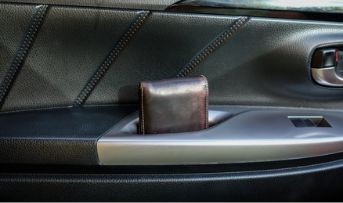
Here are a few items that you must never leave in your car
Buying a car was seen as a status symbol in the past. However, it has become a necessity over time. Considering the growing population, increasing traffic, and demand for luxury and convenience, cars have improved commutation in urban landscapes.
Most people spend long hours in their cars due to long-distance commutes. After completing the ride, remember a few items you should never leave in your vehicle.
1. Edibles:
It is natural to feel snacky during the day. Keeping snacks in your car for emergencies is a good idea, as long as you take them out when you exit the vehicle. When left for long hours, the food or drinks are subjected to the changing temperature inside the car, which may result in the growth of bacteria. The same applies to soda cans that have pressure within and may explode due to the external pressure from the car's cabin.
2. Aerosols:
Aerosols like hairsprays, deodorants, air fresheners, etc., are essentials. Keeping one in the car for short periods is acceptable. However, since the cabin's temperature keeps changing without artificial air conditioning when the car is not in use, you may find that your aerosol can has exploded all over your seats.
3. Plastic bottles:
Plastic bottles are a fire hazard to your car. It magnifies the sun rays pouring in through the windows or windshield and may result in setting your seats on fire. Such incidents are considered the owner's negligence and not covered by car insurance as admissible claims.
Even if the sun rays are not strong enough to ignite a fire, they will alter the composition of the plastic bonds in the bottle, which may result in harmful BPA exposure.
4. Flammable items:
Items like lighters must never be stored in cars. The fuel within such containers can expand due to the heat and result in a fire. Again, such fires are not within the scope of admissible car insurance claims. Therefore, it is essential to remember to remove flammable items from your car cabin.
5. Valuable goods:
While the other items on this list risk the car, valuable goods are what carjackers look for while determining which car to steal from. Ensure you take out any valuable goods like phones, headphones, portable chargers, laptops, and purses from your vehicle. Leaving an expensive item in the car makes it vulnerable to drawing the attention of burglars.
6. Items with specific chemical formulations:
Items like sunscreen and medication are scientifically manufactured with a specific composition of ingredients involving chemicals to ensure efficiency. Leaving such things in the heat will alter their formulation, making the goods toxic or causing a loss of efficacy.
7. Alcoholic drinks:
Heat leads to increased fermentation which ruins the flavour of alcohol. Additionally, alcoholic drinks are packaged with internal pressure to keep the liquor from altering while in transit before consumption. Excess heat is bound to make them explode.
While this list is not comprehensive, it is a general guideline for what you must not leave in the car. Generally, anything that may be affected due to high heat must not be kept inside the vehicle. Ensure that any important documents like your car insurance and registration are not left in the car. Take care of your valuables and avoid any considerable risks to your car.
Click HERE to buy the best car insurance in India.
Disclaimer: The information provided above is for illustrative purposes only. To get more details, please refer to policy wordings and prospectus before purchasing a policy.

Here are a few hacks to beat late-night snack cravings
How often have you heard someone advise you to brush your teeth to stop late-night cravings? Brushing your teeth will magically make you feel full and prevent you from wanting to eat something that will stain your sparkling whites. Although some people find this hypothesis true, it isn't true for everyone, especially if someone has bizarre cravings in the middle of the night.
Here are some tips for overcoming late-night cravings that can help you avoid having extreme cravings in the future.
1. Have good sleeping habits:
Although you may not be familiar with the term "sleep hygiene," it is crucial for getting a decent night's rest. Because of the numerous studies linking sleep deprivation to lowered metabolic function, hormonal abnormalities, and increased appetite, sleep plays a crucial role in increasing late-night cravings.
You'll have a better chance of getting a good night's sleep if you make your bedroom a calm, cosy place to sleep rather than staying up late yearning for junk food.
2. Eat a healthy breakfast:
A whole grain bagel or oatmeal are excellent first-step carbohydrates since they contain a lot of fibre. You'll feel full and satisfied for longer periods if you eat a breakfast rich in these nutrients. Preparing a few items in advance can be useful if you have a habit of rushing out the door in the morning to ensure you have a satisfying meal to start the day.
For meals to be enjoyed throughout the week, you may try eating hard-boiled eggs, baked oatmeal, overnight oats, or even a few veggies and nuts. These beneficial breakfast routines can help you stay full throughout the day and avoid late-night cravings.
3. Try something else:
According to research, cravings are nearly psychological and not physical needs. Although you don't need to eat, this does not mean that you should disregard it. The research also states that willpower is like a muscle that weakens throughout the day and becomes almost non-existent at night. Create a distraction to take your thoughts away from food. You can try chewing peppermint gum, as the studies suggest that menthol odours reduce hunger.
4. Enjoy a delicious supper:
Your body will feel satisfied and full for several hours after dinner with protein, healthy fats, and complex carbohydrates. This will likely stop any late-night cravings you have.
5. Take warm liquids:
When you're rushing around making supper and getting the kids ready for bed, it's easy to confuse thirst for hunger and to forget to drink enough water. Try a cup of herbal tea without caffeine or warm water with lemon if you're still hungry after supper. These naturally calorie-free fluids are hydrating while also making you feel full.
6. Exercise your brain:
Put a mental barrier between yourself and the craving. Stop and give yourself a pep talk to control your emotions. As you picture "moving away" from your hunger, tell yourself that it is "only an idea."
7. Portion out your snack if you're hungry:
You've done everything you can to avoid feeling ravenously hungry at the end of the day, including eating filling meals, getting enough sleep, and paying attention to your body. This can occur occasionally! If it is late and you are still hungry, don't be too hard on yourself. Do yourself a favour and divide whatever you intend to eat. You may even try healthy snack suggestions if you want to feel satiated rather than hungry after eating.
These tips guide you to avoid disturbing your sound sleep due to the constant urge to eat something at night. Bring these tips into practice and adopt a healthy routine with lower bloating risks.
Also, consider investing in health insurance to keep yourself mentally and financially strong during medical emergencies. An all-inclusive health insurance plan will pay for hospitalisation, childcare operations, medical care received at home (domiciliary hospitalisation), and ambulance fees, among other things. Buy yours today without any delay!
Click HERE to buy health insurance for you and your family.
Disclaimer: The information provided above is for illustrative purposes only. To get more details, please refer to policy wordings and prospectus before purchasing a policy.

Here are a few clever ways you can avoid overspending on food when travelling
Travel is a favourite bucket list item for most people who aspire to discover new opportunities, savour offbeat experiences, introspect and grow holistically. With general insurance covering the financial burden of accidents that may happen while travelling, it has become easier and safer to travel than ever before.
Despite the ease of travel, most people end up postponing plans indefinitely or even cancelling due to budgeting issues. Overspending while travelling can have a significant impact on your finances. However, pinching every penny ruins the joy of the experience. Therefore, it is essential to find a balance, make careful estimates, and use tricks that save money on regular activities.
Food is one such expense that adds to the joy of travel. However, it is easy to overspend on food while travelling. Here are some smart ways that can help you save on food.
1. Complimentary breakfasts:
Usually, breakfast is included in the cost of the room. It is an overlooked service that can save you a sizable sum throughout your stay. Most hotels provide good-quality breakfast spreads that give you a taste of the local cuisine and international foods.
2. All-you-can-eat buffets:
These buffets can save you a lot of money if you travel with large groups or have a voracious appetite. Instead of purchasing individual menu items in fancy restaurants, it is significantly cheaper to head to a buffet restaurant that specialises in a specific food type- meat, pasta, or pizza, for example. These restaurants can be easily found by a quick internet search.
3. Avoid tourist-catered restaurants:
Tourists often travel without prior research and pay exorbitant rates for items sold at prime locations. An example is the restaurants in tourist-centric areas like the city centre or nearby tourist attractions. These restaurants charge high prices and exploit tourists who don't know the actual cost. It is best to avoid such centrally located restaurants and instead research and find local restaurants to get a taste of authentic cuisine at reasonable prices.
4. Stash your snacks:
Have you ever experienced hunger outdoors without having a snack prepared, and the only available options are overpriced foods you would not otherwise purchase? Imagine that in a foreign place where you end up paying heavily.
In desperate times, we purchase unnecessary things at unreasonable prices that do not truly satisfy our needs. To avoid this, carry a few snacks with you. This helps tide over time between two activities and prevents you from wasting money on overpriced snacks.
5. Allocate one meal a day for dine-out:
It is tempting to dine out for all meals while on vacation. However, this leaves a massive dent in your wallet. The easiest way to overcome this obstacle is to define a meal to eat at a local restaurant each day. Preferably, this should be lunch to get the most value for your money. Complimentary breakfasts and grocery stores or cooking for dinner make it easy to follow this rule.
6. Opt to cook:
If you're booked into a hostel, or your hotel room provides the equipment you can use to cook, ensure that you make full use of them. This can help in cutting down food expenses substantially. In case neither of these options is available to you, choose to purchase freshly prepared sandwiches or similar quick fixes from grocery stores or local bakeries.
Ensure that the food is safe to eat by thoroughly checking the expiry dates to prevent any issues that may lead to illnesses, irrespective of whether or not your travel is covered under your general insurance.
With some planning and research, you can limit your food expenses without adversely affecting your travel experience and preventing you from travelling. Think like a local, and you can significantly reduce expenses. However, you must pay attention to purchasing comprehensive general insurance covering accidents while travelling.
Click HERE to buy the best general insurance policy before your next trip.
Disclaimer: The information provided above is for illustrative purposes only. To get more details, please refer to policy wordings and prospectus before purchasing a policy.
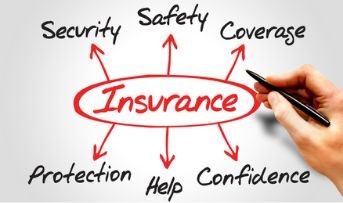
How to spot the clear signs of a good insurance agency
When purchasing insurance, people check the plan's conditions, coverage, and exclusions. A good insurance agency offers the best plans and benefits to its customers. But do you know how to identify an excellent general insurance company? If you want insurance for your home, business, or automobile, you must determine the best insurance agency for your requirements.
Here are some clear signs that help you choose a good insurance company.
1. Problem-solving:
A good insurance company can come up with creative solutions to your problems. You should ensure that the agency helps its clients with the right insurance plan according to their needs. If you get the right solutions, the insurance company is rated outstanding.
2. Genuine:
You should know that unethical insurance agents only stay in business for a short time. You can check the experience and reviews of old customers of an insurance company to determine whether they are transparent & genuine.
3. Ease of doing business:
If you can easily access an insurance company's product, you can put them in the category of a good insurance company. Some other factors that make the interaction between clients and insurance agents more seamless include online claim reporting, online bill pay, billing questions, policy changes, 24x7 customer service, and social media platforms.
4. Vast technical knowledge:
An excellent general insurance company knows how to sell its policy and win its customers' trust. You should expect that your insurance agency can instantly answer all your insurance, law, and tax queries. They must know income tax preparation, financial planning, and some other avenues of financial service to help their clients with their financial situations.
5. Customers delight:
You will feel encouraged to buy their product when you meet an agent or a team from a good general agency. Most good insurance agents are eager and excited, which makes it interesting and easier for clients to understand the details of their products.
6. Emotional intelligence:
If your insurance agency listens and empathises with clients, they can help you clear up your financial situation when you encounter a loss due to an accident. A good insurance agent is sensitive and able to understand the needs of their clients.
7. Good customer service:
Customer service doesn't mean being available at all times, but it should also solve your problems and satisfactorily answer your questions. Check whether the customer care team timely responds to their client's inquiries via phone, chat, or video calls. You may also go through the company's online reviews to get a clearer picture of their customer service.
8. A wide array of products:
If your agency offers comprehensive products and services that meet your specific needs, you can call them a good insurance company. You should check that they offer a wide assortment of general insurance, including motor, health, home, travel, commercial, and more. You should also look for optional features in the general insurance plan and decide on its requirements to get comprehensive coverage.
9. Sense of urgency:
A good agency has robust SOPs and processes for quick insurance approval. Consider the agency's time to explain its products and services, the application process, and other factors. You should check how fast your insurance agency can provide the claim money when needed.
Look for these signs in your general insurance company and decide whether they are the best agency for you. Choose the right insurance company that offers a wide array of general insurance products. You can benefit from the insurance plan if you encounter a loss or damage to your life, vehicle, home, or business.
Click HERE to know more about the best general insurance company in India.
Disclaimer: The information provided above is for illustrative purposes only. To get more details, please refer to policy wordings and prospectus before purchasing a policy.

Here are some frequently asked bike insurance questions
If you're looking for answers to some frequently asked questions about two wheeler insurance, look no further. According to the Indian Motor Vehicles Act, every two-wheeler and four-wheeler owner must have third-party coverage. As a result, you must get either standalone bike insurance or a comprehensive bike insurance plan if you wish to cover the damages your bike sustains in accidents.
Many individuals need clarification on the numerous facets of a bike insurance policy. Therefore, we are addressing many concerns about a two wheeler insurance plan in this post in the form of some frequently asked questions.
1. What paperwork is necessary to submit an insurance claim for a two-wheeler?
Depending on your coverage and the damage experienced, you may need specific papers to submit a two-wheeler insurance claim. However, the necessary documents required to submit a two-wheeler insurance claim are summarised below:
● A current insurance policy agreement
● R.C. papers
● Driving licence copy
● As reported to the local police, a First Information Report (FIR)
● Pictures that were taken at the scene of the accident
● Other supporting records, if any
2. How much is my two-wheeler worth, and how is that determined?
Insured Declared Value (IDV), to which you are referring in this sentence, is the maximum sum for which you will be compensated if your two-wheeler is stolen or lost in its entirety. The manufacturer's suggested retail price determines the IDV of two wheeler, which is then depreciation-adjusted. Similarly, the IDV for non-factory-installed items is determined separately if they need to be added to the coverage at an additional expense.
3. What steps are involved in renewing my bike insurance?
Nowadays, it's effortless to renew your bike insurance thanks to the online renewal process of two-wheeler insurance. Most insurers notify the policyholder of the policy's expiration date in advance. Therefore, to renew your bike insurance online, go to the insurance company's website and complete a few easy steps. In addition, you can renew the insurance offline by going to your insurer's office or getting in touch with customer service.
4. Which situations fall under a bike insurance policy's exclusions?
The policy wordings for bike insurance coverage include specific information about the exclusions. Before purchasing your bike insurance policy, reading and comprehending the exclusions is crucial. It is advised to get clarification if there are any questions about the exclusions in your bike insurance policy.
Here is a list of typical exclusions that can be encountered while filing a two-wheeler insurance claim:
● Getting behind the handlebar when intoxicated
● Riding a motorcycle without having insurance
● Driving without a valid licence
● Nuclear risks-related harm
● War-related damage
5. What kind of additional coverage is offered for my two-wheeler?
You must purchase comprehensive coverage that includes any injury or damage to a third party and any harm to your two-wheeler if you want to protect it adequately. Similar to the above, an add-on policy like Zero Depreciation would guarantee the total amount of your valid claim is paid without considering the depreciation factor.
Repairs and replacements of certain parts made of plastic, fibre, glass, etc., are priced on a depreciation basis under IRDA regulations.
6. Where can I find the policy number for my bike insurance?
When you purchase a two-wheeler insurance policy, you will receive policy documents having the policy number for your bike insurance. The correspondence letters, emails, etc., that your insurer sends you regularly include your bike insurance policy number as a reference.
7. Why should I purchase online two-wheeler insurance?
The advantages of purchasing insurance online include the following:
● Comparing prices and assessing coverage alternatives on a free and user-friendly platform.
● A quick and helpful customer service team can address any issues.
● Post-sale services that are prompt and trustworthy.
● Assistance with the claims and related issues as soon as possible.
These are the most commonly asked questions when purchasing bike insurance which offer you good clarity about the application process, claim settlement, premium, inclusions and exclusions, types of bike insurance, renewal details, and much more. Let's get ready to buy your bike insurance today!
Click HERE to buy bike insurance and stay stress-free.
Disclaimer: The information provided above is for illustrative purposes only. To get more details, please refer to policy wordings and prospectus before purchasing a policy.
Hi there! 👋 Need help with a policy, claim, or renewal? Chat with us instantly on WhatsApp.
Start chat →