


General Insurance Blogs, Articles & Updates by - Magma Insurance
Have us call you
- RENEW YOUR POLICY
- BUY NEW POLICY

GENERAL INSURANCE BLOG

Driverless cars have become a reality, but are they covered under your car insurance
Futuristic innovations are taking the world by storm, and the automobile industry is no exception. The most recent trend that has caught an upswing among car enthusiasts is self-driving or autonomous cars. While progress has been slow, it is still exciting to imagine a world where driving is hands-free.
While the concept is likely to do away the requirements of the drivers, what about the need to buy new car insurance? Will the revolutionary technology make insurance obsolete, or will auto-insurance companies alter their products as per the evolving market needs? Read on to learn all about the impact of driverless cars and their impact on the insurance industry.
What exactly is a driverless car?
It is an autonomous vehicle, meaning it can move from one location to another without help from a human driver. Self-driving vehicles, or driverless cars, manifest the machine-driven future we've envisioned. It is believed that they will make our lives easier and more productive.
But are they covered under your car insurance?
A top American consulting firm predicted that vehicle collisions would drop dramatically by the middle of this century. The insurance market is expected to be negatively impacted. Since claims related to autonomous cars are expected to decrease, insurance rates will go down. However, you will still need liability insurance because autonomous vehicles can also be driven by hand.
Apart from this, the insurance industry may also see a significant drop in business as the demand for theft protection coverage falls. Cars will be equipped with a 'kill-switch,' which prevents anyone but the owner from starting the engine, and a modern GPS tracking system may make it fully theft-proof. Car owners may feel safer without theft insurance, so the insurance premiums will also decrease as a result.
However, this is also another side of it!
Some experts think introducing self-driving cars will not affect the car insurance business much just because these cars have better safety features. These days, there is already a wide range of vehicles that feature a variety of cutting-edge technologies thanks to the rapid evolution of the car industry in recent decades. However, that has not resulted in noticeable shifts in insurance premium costs. Various collision-avoidance features are available in modern cars, despite which the number of reported accidents has remained relatively high.
How will insurance companies adjust to new conditions?
Although it is currently challenging to predict how driverless cars will affect car insurance businesses, it is likely to assume that the transition will be slow enough to allow the insurance industry adequate time to adapt. There are three main areas where insurance companies can improve in the future, according to certain reports.
1. Heightened cyber security risk:
Driverless cars will observe an increase in the use of hardware and software in cars, posing a cyber security risk. There may also be an increase in the likelihood of cybercrimes such as theft, ransomware, hacking, and the improper use of data about cars. In the not-too-distant future, car insurers will be able to start offering coverage in this area.
2. Technological concerns:
There is a significant risk of catastrophic loss due to software faults, memory overflow, and algorithmic flaws in automotive-related sensors and processors. Insurers will typically cover these types of losses with additional features.
3. Infrastructure insurance:
Factors such as cloud server systems, signals, and other safeguards that will be set up for the protection of vehicles and drivers will give a substantial yearly revenue potential in premiums. The need for public infrastructure insurance and security is bound to increase.
In conclusion, the automotive and car insurance industries are changing tremendously, and this transition will likely to drive the automated future. Until we have more information about innovations, it is ideal to buy new car insurance in case you don't have one to safeguard your current asset.
Click HERE to buy new car insurance.
Disclaimer: The information provided above is for illustrative purposes only. To get more details, please refer to policy wordings and prospectus before purchasing a policy.

Here's all you need to know about dry eye syndrome and the way to prevent it
Do you ever feel like your eyes are burning, have redness, sting, or blurred vision, especially when reading? You might have dry eye syndrome.
A healthy tear film for the human eye is extremely important to retain good vision. People with dry eyes are unable to maintain a healthy coating of tears. This medical condition can hinder your day-to-day activities if not addressed in time. Here, you can learn about dry eyes, including symptoms, causes, prevention, and more.
What is dry eye syndrome?
Human eyes require a tear film to coat them, as it keeps the eye's surface clear and smooth and maintains good vision. When the eyes hardly produce tears, they are more likely to develop dry eyes. People suffering from dry eye syndrome cannot maintain a normal layer of tears to coat their eyes. This syndrome can also cause bacterial infections and a scar on the cornea.
Symptoms of dry eyes syndrome.
The most common symptoms of dry eye syndrome include pain, redness, and burning in the eyes. However, some people may experience other symptoms such as blurry vision, water tearing, eyes getting tired more quickly than usual, stringy mucus, and the feeling of having sand in their eyes. People with this syndrome often have difficulty sitting at a computer or reading a book for a long period.
Learning the signs of dry eye syndrome allows you to check whether you or someone around you has this medical condition. Get medical treatment if you find any symptoms of dry eyes syndrome.
What causes dry eyes syndrome?
Anyone, regardless of gender and race, can develop dry eye syndrome. However, older people are more prone to this eye condition. Also, women who have gone through menopause are at higher risk for this condition. Other causes include:
● Using contact lenses for a long time
● Being in the wind
● Breathing smoke
● Being in a very dry environment
Some medical conditions include rheumatoid arthritis and thyroid disease can also cause dry eye. You may also develop dry eye syndrome if you take sleeping pills, cold medicines, diuretics, heartburn medicines, antidepressants, or beta-blockers. Get your eye tested to avoid dry eye syndrome. It would also help you renew your health insurance online and enjoy no-claim benefits.
How to prevent dry eye syndrome?
You can prevent this eye condition by following these tips:
● Stay away from warm or dry rooms. If you use a heater or radiator in winter, ensure the required moisture in the room
● Avoid using hair dryers as much as possible
● Use artificial tear ointment before bed if you have dry, scratchy eyes in the morning
● Wear glasses to protect your eyes from the drying wind
● Consult your eye doctor about adding omega-3 fatty acids from foods like seafood to your diet
● Renew health insurance online to save money on doctor consultations and eye treatment expenses
What are the treatments available for dry eye syndrome?
Generally, people visit an ophthalmologist to diagnose their eyes for dry eye syndrome. They conduct various tests and provide different treatments. Some treatments include lacrimal plugs, artificial tears, medication, LipiFlow, surgery, and home care.
Dry eyes don't cause permanent vision loss. However, you should see a doctor if you suspect you are developing dry eyes, which can impair your vision. Follow prevention tips to reduce the risk of dry eyes. Make it a habit to wash your eyes regularly and indulge in quick exercise sessions to offer relief to the eyes. Renew your health insurance online to cover the expense of your other medical bills.
Click HERE to buy new car insurance.
Disclaimer: The information provided above is for illustrative purposes only. To get more details, please refer to policy wordings and prospectus before purchasing a policy.

How can you detect faults in your home’s electrical circuit
Detecting faults in your home's electric circuit can be simple if you know exactly where the fault is or which appliance has malfunctioned. Proper knowledge is the prerequisite to easily detecting faults in the home electrical circuit. It can be in any room, hallway, verandah, bathroom, bedroom, or kitchen.
The power supply may get disrupted in the entire house or only some portion of it. Safety is paramount when it comes to detecting faults in electric circuits. Even a small mistake can cause loss of life and massive property damage.
Are you someone trying to detect electrical faults for the first time? Let us understand how you can proceed with it conveniently.
1. Get the right gear:
The right equipment and tools are necessary before repairing a fault in your home's electric circuit. Get the right tools that ensure your safety while checking for the fault. Use a socket tester and voltage meter to check the running current.
2. Switch off the main power supply:
Make sure you switch off the main power supply of your house before trying to touch any open wire or faulty appliance. You can also remove the circuit fuse of the particular room or area where you plan the repair. Failure to do so can result in an electric shock.
If there was smoke or crackling noise from any wire or switchboard, wear rubber boots or slippers and rubber gloves before touching any wire or board. They will provide some electrical insulation if they are made of 100% pure rubber without any holes or tears.
3. Testing a faulty appliance:
If any of your appliances are not working, you should try to plug them into another socket to ensure it is working properly. If the appliance works there, you have a problem with the circuit of that particular room. If the appliance still does not work, it means that your house's electric circuit is okay and not at fault. You will have to get the appliance repaired from the electrician.
4. Checking the Fuse / MCB:
Our homes have fuses or MCBs (Miniature Circuit Breakers) for every room and separate portions of our house. To prevent overloading, there are separate MCBs for heavy appliances, such as an air-conditioner. When a circuit or appliance malfunctions, the fuse will break, or the MCB will trip automatically, which will shut down power to that circuit.
Whenever you face a power problem in any particular house area, you should first check the respective fuse/MCB. A faulty appliance can also result in tripping off an MCB or blowing a fuse. You can repair the fuse by fixing the live wire if the fuse is blown. If the MCB is down, you should switch it on again and check for the fault in that particular room or appliance. If the problem is still there, the MCB will trip or shut off again. In such instances, you should call a qualified electrician rather than fixing it yourself.
5. Faulty power line:
If all the MCBs are also fine and there is still no power in your entire house, the problem can be bigger from the main line or the transformer. Please do not try to rectify faults from the main line because of the high voltage running through them. Call a qualified technician who is capable of repairing such faults.
You do not have to run for a qualified technician whenever you have a minor electrical fault at your house. You can also detect and repair the fault if it is not that severe and manageable. However, you should be careful while checking or repairing faults in your home electric circuits.
Faulty electric circuits and malfunctions can result in fire and heavy loss at your house. Fret not! Home insurance provides you with safety and security from any such unfortunate events. It covers the house structure and its contents and assists in rebuilding the damaged property. Get complete peace of mind by opting for a good home insurance policy.
Click HERE to purchase a comprehensive home insurance policy.
Disclaimer: The information provided above is for illustrative purposes only. To get more details, please refer to policy wordings and prospectus before purchasing a policy.

If you are a travel enthusiast, you must buy personal accident insurance
Travel is like hitting a reset on the mundane flow of life. It is a breath of fresh air a amid hectic schedule involving tedious work. Refocusing efforts on personal growth rather than material success to prevent burnout and enhance productivity has allowed young professionals to take holiday breaks, explore the world to develop new perspectives, and take on new challenges.
While travel opens up a new world of possibilities, cultures, and experiences, one should never neglect uncertainties. Accidents are an uncertainty in life that one must always prepare for. Often forsaken since they are rare occurrences, irrespective of scale, they leave the victim with pain, financial burdens, and sometimes, lifetime disabilities.
Although you can't prevent accidents, you can be prepared and protect yourself against allied financial losses by buying personal accident insurance India. If you are an avid traveller, here's why you should consider purchasing personal accident insurance India before setting on your next journey.
What is personal accident insurance India?
The severity of accidents is often undermined due to their infrequency. However, irrespective of the cause of the accident, they may lead to accidental deaths, bodily injuries, or disabilities. Personal accident insurance India seeks to insure the policyholder against the financial losses arising from specific accidents that health and life insurance exclude.
Why should travellers purchase personal accident insurance India?
1. Stress-free travel: Exploring new lands and getting a taste of new experiences is best enjoyed without additional stress. Personal accident insurance India protects against accidents you may encounter while on your globe-trotting adventure. Check the fine print of your policy to ensure that your insurer covers accidents occurring abroad. If not, make sure you buy additional specific coverage for the same.
2. Medical compensation:
With medical inflation reaching record heights, healthcare services are costly across the globe. Depending on your preferred destination, you may have to shell out more if you need medical attention due to an accident. Personal accident insurance India covers hospitalisation and allied medical expenses, lifting the financial burden from your shoulders.
3. Additional benefits:
Apart from the medical compensation offered to the policyholder, their family can avail of family transportation allowance, children's education allowance, loan protection services, etc., to shift the burden from the policyholder.
Types of personal accident policy coverage.
1. Accidental death cover:
In case of the insured's accidental death, the nominee receives 100% of the total insured sum stated in the policy.
2. Permanent partial disability cover:
This insurance plan acknowledges disabilities that limit the functioning of the person. For partial disabilities like the loss of specific senses or body parts, you can claim up to 100% of the insured sum.
3. Permanent total disability cover:
Accidents that lead to the loss of essential body parts like limbs that directly impact the insured's ability to return to normal activities make the nominee/policyholder eligible to claim the assured sum.
4. Temporary total disability cover:
Where accidents impair the policyholder's ability to return to regular activities temporarily, the insurer pays a specified sum during the rehabilitation period in the form of a daily or weekly allowance to meet EMI payments, general living expenses, etc.
Exclusions of personal accident insurance.
Before purchasing personal accident insurance India, you must be aware of some of the main exclusions not covered by the policy:
● Natural death
● Pre-existing disability or injury
● Suicide or self-injuries
● Influence of intoxicants
● Acts of terrorism
● Engaging in criminal activities
Encountering an accident is not predictable. Purchasing personal accident insurance protects the policyholder against many accidents, including travel accidents. To protect yourself and your loved ones from unknown risks and travel stress-free, buy personal accident insurance India at the earliest from your preferred insurer!
Click HERE to buy personal accident insurance India policy.
Disclaimer: The information provided above is for illustrative purposes only. To get more details, please refer to policy wordings and prospectus before purchasing a policy.

How to recover from short-term memory loss after an accident
Short-term memory loss following an accident can drastically impact a person's life. People are left feeling disoriented, estranged from their families, and unable to carry on as they did before the catastrophe. Additionally, it can indicate that the person has experienced a severe brain injury, which necessitates rapid medical care.
Consult your doctor immediately if you're losing memories after being hurt in an accident. The sooner you establish whether your memory loss is an independent ailment or a sign of a brain injury, the better you can start receiving the treatment to heal it.
*pro-tip
You must invest in a personal accident insurance policy to get protected from such eventualities. Personal accident insurance can be purchased regardless of age, profession, or health.
Memory loss causes:
We all deal with memory issues at some point in life, and a little reduction in other cognitive abilities often accompanies ageing. More research should be done on short-term memory loss because it should not be taken lightly.
Reversible memory loss may have a variety of causes, such as:
● A vitamin or thyroid shortage
● Disturbances of emotions, such as stress, anxiety, or sadness
● Alcoholism
● Sleep issues like sleep apnea
● Concussion, a minor head injury or damage
● Adverse effects of some drugs
● An infection or tumour that affects the brain
● Disordered functioning of the brain (FCD)
● Smoking
● Chronic stress disorder after trauma (PTSD)
Tips for recovering from short-term memory loss:
The unorthodox methods listed below will help you to improve your short-term memory loss mentally.
1. Put it on paper:
Generally used as a coping mechanism, writing down important information can do wonders. Putting something down on paper makes your brain focus harder, which enhances memory. Writing notes by hand is more productive for learning than typing on a laptop.
2. Rest:
The brain can't focus on doing tasks with precision if it is too exhausted. Thus, it won't be able to remember anything. Resting after a brain injury is crucial for this reason. Rest offers your brain the strength it needs to remember things. Studies have also revealed that your brain consolidates memories while you sleep. Therefore, be sure to obtain enough sleep each night and throughout the day.
3. Use vivid pictures:
We always do not require mnemonic techniques. These aren't particularly useful when remembering things like appointments. However, a connection can still be beneficial if you associate a fact with a real or vivid memory, according to a memory study.
4. Music:
Music therapy provides various cognitive advantages, but arguably the most significant advantage is how listening to music improves memory. In addition to aiding in the recovery of lost memories, music also aids in the retention of new information. So, try singing something significant that you want to remember to the melody of your favourite song. You'll be astonished by how much more you can memorise.
5. Exercise:
A regular, easy exercise is one of the best things you can do after a brain injury to restore short-term memory. Numerous studies have shown that aerobic exercise enhances memory and cognition by promoting the development of new brain cells.
Additionally, it improves cerebral blood flow, which promotes the oxygenation of the memory-related brain regions.
6. Separate your repeats:
Learning practically everything requires repetition. But just saying something a few times won't guarantee you'll remember it. Instead, you must increase the repetitions to rehearse the information you want to retain before you forget it.
Testing is usually the first step in the treatment of short-term memory loss following an accident. Therapy and medicine may be part of the overall course of treatment. Keep the patient away from pressure and stressful situations.
A dependent or damaged individual is intended to receive some relief from the personal accident insurance plans. From partial to total disability and medical costs involved in hospitalisation will be covered under this comprehensive plan.
Click HERE to purchase efficient personal accident insurance plans.
Disclaimer: The information provided above is for illustrative purposes only. To get more details, please refer to policy wordings and prospectus before purchasing a policy.

Here are a few flu-like health conditions you must be aware of
You're familiar with that feeling when you're on the verge of becoming ill. You feel worn out, like something is wrong, and you're colder than usual. And at that point, you start to wonder just what is happening. Is it the cold, the flu, or the RSV? Or might it just be allergies?
When you first start to get sick, it can be hard to tell the difference between these illnesses. Surprisingly, they have identical symptoms. Find out in the following article what might be causing your flu-like symptoms and when you should visit a doctor.
What are the symptoms of flu?
● Nausea, vomiting, and diarrhoea
● Muscle aches and pains
● Sore throat, running nose, or cough
● Swollen lymph nodes in the neck
● Fever
What other conditions are like the flu?
1. Cold:
Most people have experienced many episodes of the common cold. A wide variety of viruses brings it on. Symptoms of a cold include a running or stuffy nose, a sore throat, coughing, sneezing, headaches or body aches, and fever. Since there is no way to tell if you have a cold, most treatments are meant to ease the symptoms.
2. COVID:
The symptoms of COVID and the flu sometimes coincide. In its early stage, COVID symptoms are more like those of a cold than of the flu. Breathing difficulties and loss of taste or smell are two symptoms that are more prevalent with COVID.
3. Pneumonia:
Both viruses and bacteria can cause pneumonia. Cough, fever, shortness of breath, and exhaustion are the primary signs of pneumonia. It's also crucial to remember that pneumonia can develop from the flu, COVID, or a simple cold. This is only sometimes the case, though. Finding out if you have pneumonia requires a chest X-ray.
4. Bronchitis:
A lower respiratory infection or inflammation is referred to as "bronchitis." It is caused by a virus that affects the lungs, but the symptoms can last even after the infection is gone. It may be caused by persistent inflammation. Your symptoms and other medical issues typically determine your course of treatment. Steroids and inhalers are helpful for some people.
5. RSV, or respiratory syncytial virus (RSV):
RSV is a widespread virus that manifests as flu-like symptoms. In grownups, it frequently resembles and feels like the common cold. But it can hurt the lungs and cause breathing problems in young children, especially those under 6 months old. Infants with RSV have fast breathing and apparent behavioural abnormalities. They could have difficulties in eating or seem more worn out than usual. A hospital stay may be necessary for oxygen and constant monitoring during treatment.
When should you go to the doctor if you're experiencing flu-like symptoms?
● People with severe lung or heart diseases
● Very young children
● Older adults over 65
● Women who are pregnant or within two weeks of birth
● People with neurologic abnormalities, such as a history of seizures
If you experience any of the following, get medical care right away:
● Dizziness
● Pressure in the chest or stomach
● Extreme muscle tenderness
● Dehydration and inability to retain food
● Difficulty breathing or fast breathing
● No improvement in symptoms after 3 to 5 days
A healthcare professional can test you for many diseases you might have and ensure you get the right treatments. Mainly due to change in seasons, flu-like symptoms are frequent. It could be hard to tell the difference between the flu and other diseases like COVID, the common cold, or strep throat. If you have the flu but aren't sure, see your doctor for a check-up.
You can speak with your physician about receiving a flu shot if you fall into one of the high-risk categories. Your medical bills, pharmaceutical charges, hospitalisation costs, and other expenses are all covered by health insurance. Health insurance in India is now more than just a choice—it's necessary to get the best medical care without worrying about how it will affect your finances.
Click HERE to buy the best health insurance in India.
Disclaimer: The information provided above is for illustrative purposes only. To get more details, please refer to policy wordings and prospectus before purchasing a policy.

Here are a few exciting ways you can organise your home for this new year
It's the new year, and one resolution that we all commonly try to make is to keep our homes organised and well-maintained. A well-organised home is the key to an organised and healthy you. Good home organising ideas with the proper implementation strategy can give you the perfect home without spending a bomb on it.
Do you also have a new year resolution of organising your home well? Here are a few interesting ways you can achieve it this new year.
1. Take one room at a time:
Organising your entire home can be an uphill and time-consuming task. You will get confused about how and where to start and what changes to incorporate. Start with organising your home by taking small steps. Start from one room at a time. You can focus better and devote time to individual rooms separately. This will make the entire home organising task less daunting and easily manageable.
2. Hanging spaces:
Create multiple hanging spaces in all your rooms, galleries, and sitting areas. You should have appropriate space to hang your jackets, blazers and other clothes so that you do not have to put them here and there on the bed, side table or the floor! This will make your rooms clutter-free and look neat and clean. You can put a peg board and hang your hats, caps, shirts, t-shirts, etc., on it. This will look nice and organised, and you will be easily able to locate all your stuff too.
Hanging spaces in the kitchen can be very useful as well. Paste iron hooks behind the main kitchen door and cabinet doors. You can hang the dusting cloth, small pans, spare packets, etc., on them and not store or litter them in the open. They will stay behind the doors and not be visible to all.
3. Learn to donate:
Each of us has the habit of stocking up multiple useless things we don't need and creating clutter in our wardrobes and even out in the open. For example, you might have stacked up dresses from the past that do not fit you anymore. Since you have limited storage space, you keep putting the new clothes you buy on those same shelves. The clothes start tumbling out of your closet every time you open them.
Learn to let go and donate! Your old clothes will not get bigger on their own, nor will they shrink. Donate the extra clothes to the needy in an orphanage or an old-age home. It will feel great to help, and your wardrobe will be lighter and more organised.
4. Go green:
You may buy indoor plants in fancy, beautiful pots and use them as decorative pieces around your house. They will provide fresh air while making your house green and beautiful. You can also hang a few pots in the stairway and outside the main entrance to give a great look.
5. Proper marking:
A key to being organised is keeping everything labelled and properly marked. You can start with the kitchen and put labels on each storage container. This will make it easy to figure out what is inside each container, and the items will not get mixed up.
You can also label items such as photo albums to instantly know when these photographs were taken, even after several years. Use labels for marking important files and documents, first aid kits, etc., so you can easily find them when needed.
Start with one thing at a time, and you will enjoy organising your house this new year. Even if you do little at first, do it with full dedication and focus. This will ensure that your efforts do not go waste and that your home looks the best.
Another important way to get organised this new year is by opting for home insurance India policy. It protects your house and all your valuable possessions from damages caused by fire, theft, earthquake, etc. Choose the best home insurance India and protect your valuable asset from mishaps.
Click HERE to buy reliable home insurance India.
Disclaimer: The information provided above is for illustrative purposes only. To get more details, please refer to policy wordings and prospectus before purchasing a policy.
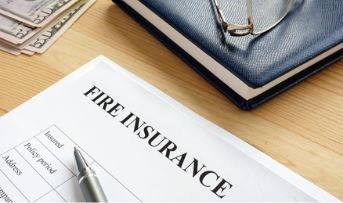
Fire insurance inclusions and types that you must know
Buying a high-value fixed asset like land or property is always expensive and risky, whether commercial or residential. Several external factors are outside the control of property owners, including fire, burglary, etc., which may result in extreme losses.
Purchasing insurance against such uncertainties is a prudent mechanism. It ensures that the amount of damages or loss is covered by the insurer, which is why buying fire insurance for any property you own is essential. Irrespective of whether you buy an insurance policy online or through an offline agent, you must be aware of what fire insurance covers, its inclusions, and various types to help you make the right choice.
Read on to learn all about fire insurance inclusions and types.
What is fire insurance?
Fire insurance is a contract that protects the insured against financial losses arising from damages or loss to his property or assets. Usually, it is purchased as a supplementary cover having several inclusions apart from just fires.
Essential features of fire insurance.
● It is purchased for one year
● It covers property, heavy machinery, stock of goods, furniture and fittings, etc
● The insurer can settle a claim on actual cash value or replacement cost basis
● It only covers direct loss to the insured property, making consequential loss claims non-admissible. However, add-on covers for the same are available at an additional cost
Inclusions of fire insurance.
As stated above, fire insurance covers unintentional risks beyond the scope of just fires. These include:
1. Fire:
The most apparent risk insured against is the fire itself. It has a broad range of inclusions and covers all fire-allied accidents, making the policy highly beneficial to business premises that regularly deal with fire.
2. Lightning:
Damages or losses caused by fire or lightning are within the scope of the policy. This may include cracks that run down the buildings or roof coverings, etc.
3. Explosion:
Blasts caused by high temperatures or high-pressure gases are included under the policy. However, read the fine print before you buy an insurance policy online. Many insurers make slight changes in their offerings and may not cover damages due to centrifugal force-based machines.
4. Aircraft damages:
Any fires caused due to an aircraft or an airborne device, including the dripping of explosive cargo, crashing, etc., are policy inclusions.
5. Violent activities:
These include a broad spectrum of terrorist activities, strikes, riots, or any public violence actions that may damage or set fire to the insured property.
6. Natural calamities:
Natural calamities are beyond the scope of the control of humans and include storms, typhoons, landslides, rockslides, floods, etc.
Types of policies.
The maximum claim amount that you can raise is based on the type of policy purchased.
1. Valued policy:
In this case, the contract states a pre-decided amount to be paid by the insurer in case of damage or destruction. This amount is non-alterable post-fire, and such a policy ensures high-value personal effects.
2. Specific policy:
This type of insurance is purchased where the insurer is liable to pay either the specified amount or the actual loss incurred, whichever is lower after a surveyor's inspection.
3. Average clause policy:
If the insured intentionally purchases a policy for a value lower than the actual property value, their claim is proportionately reduced to the extent of the loss incurred. This discourages the practice of underinsurance and minimises fraud.
4. Consequential loss policy:
This covers not just the direct loss but also the loss of profit due to a halt in operations due to damages or fire. However, the insured must pay an additional premium for such insurance.
5. Replacement policy:
The asset's market value is identified and then compensated for cost post depreciation. This ensures minimal losses for both- the insured and the insurer.
Considering the plethora of options available, you must read the inclusions, exclusions, and maximum permissible claims before you buy insurance policy online or offline to protect your assets from losses due to fire.
Click HERE to buy insurance policy online and protect your property from fire damages.
Disclaimer: The information provided above is for illustrative purposes only. To get more details, please refer to policy wordings and prospectus before purchasing a policy.
Hi there! 👋 Need help with a policy, claim, or renewal? Chat with us instantly on WhatsApp.
Start chat →