


General Insurance Blogs, Articles & Updates by - Magma Insurance
Have us call you
- RENEW YOUR POLICY
- BUY NEW POLICY

GENERAL INSURANCE BLOG

The importance of hydration: How much water should you drink?
Staying hydrated is crucial to maintaining good health, but how much water should you drink daily? People often ask this question to ensure they are doing everything to stay healthy and avoid costly medical expenses.
Here, we will explore the importance of hydration and how much water you should drink daily.
How much water should you drink each day?
The amount of water you should drink daily depends on several factors, including age, gender, weight, activity level, and climate. The Institute of Medicine (IOM) recommends that men drink about 3.7 liters (125 ounces) of water per day and women drink about 2.7 liters (91 ounces) of water per day. However, this recommendation includes water from all sources, including food and beverages, not just pure water.
A general rule of thumb is to drink at least eight glasses of water daily, but more is needed for everyone. If you are physically active or live in a hot climate, you may need to drink more water to stay properly hydrated. You may also need to drink more water if you are pregnant or breastfeeding.
Tips for staying hydrated
Staying hydrated doesn't just mean drinking water. It also means consuming foods that contain water, such as fruits and vegetables. Here are some tips for staying hydrated:
● Carry a water bottle with you wherever you go, and sip on it throughout the day
● Drink water before, during, and after exercise to replace fluids lost through sweat
● Eat water-rich foods, such as watermelon, cucumber, and tomatoes
● Avoid sugary drinks, which can actually dehydrate you
● Pay attention to your body's thirst cues; if you're thirsty, drink water
● If you don't like plain water, try adding lemon or cucumber slices for flavour
Importance of hydration for health insurance in India Staying hydrated is essential for good health. Water helps regulate body temperature, lubricate joints, protect organs and tissues, and transport nutrients. It also helps to flush toxins out of the body, which is important for maintaining healthy skin and preventing illness.
For people concerned about health insurance in India, staying hydrated is particularly important. India has a high rate of water-borne diseases, and dehydration can increase the risk of infection. In addition, many health insurance policies do not cover the hospitalisation cost for preventable illnesses, such as those caused by dehydration.
Hydration and health conditions
Staying properly hydrated is important for everyone, but it can be especially crucial for individuals with certain health conditions. Here are a few examples:
1. Kidney disease: People with kidney disease may need to limit their fluid intake to avoid overloading their kidneys. However, it's still important to consume enough fluids to stay hydrated. Sometimes, healthcare providers may recommend a specific daily fluid intake for individuals with kidney disease.
2. Diabetes: People with diabetes may be at higher risk of dehydration due to increased urination caused by high blood sugar levels. Monitoring blood sugar levels and staying properly hydrated can help manage diabetes symptoms and reduce the risk of complications.
3. Heart disease: Certain medications used to treat heart disease can increase urine output and lead to dehydration. It's important to stay hydrated if you're taking these medications, but you should also talk to your healthcare provider about any specific hydration needs.
4. Cancer: Some cancer treatments, such as chemotherapy, can cause dehydration as a side effect. Staying hydrated during cancer treatment can help manage side effects and improve overall well-being.
If you have a health condition affecting your hydration needs, talking to your healthcare provider about staying hydrated is important. They may be able to provide specific recommendations for fluid intake based on your individual needs.
Additionally, certain medications can affect hydration levels, so it's important to talk to your healthcare provider about any medications you're taking and how they may affect your hydration needs. They may recommend adjusting your fluid intake or taking other steps to maintain proper hydration levels.
Staying hydrated is crucial for good health, and drinking enough water daily can be magical. Additionally, for people concerned about their health insurance in India, staying hydrated can help prevent costly hospitalisations caused by dehydration. Following these simple tips, you can stay healthy, hydrated, and happy.
Click HERE to buy robust health insurance in India.
Disclaimer: The information provided above is for illustrative purposes only. To get more details, please refer to policy wordings and prospectus before purchasing a policy.

The pros and cons of travel insurance: Is it worth the investment?
Wanderlust is an exciting feeling to cherish as it blooms the thought of mindful exploration of new places and experiences. Whether visiting with friends, family, or alone, safety matters most alongside enjoyment. And when we talk about safety while travelling, travel insurance is the first step you need to take. Travel insurance covers different areas and uncertainties to help protect you against any financial loss during the trip.
However, many people need to know this insurance and its pros & cons. This article presents you with a complete idea about the same.
What is travel insurance?
Travel insurance covers your belongings against theft or damage and any medical condition arising while travelling. Most travel insurance policies cover lost or stolen luggage, medical emergencies, and trip disruptions. The insurance also covers rental car damage and trip cancellation. When you opt to buy a travel insurance policy, there are different types that you can check. You can buy domestic travel insurance if you are travelling within the country.
Similarly, if you are travelling overseas, get international travel insurance. However, the policy amount varies as per the type of insurance you are purchasing.
Let’s look at some of the pros and cons of travel insurance.
Pros of buying travel insurance
1. It guarantees peace of mind
The main benefit of purchasing travel insurance is the sense of security it provides. Sometimes you worry about any circumstances during the journey and cancel the trip. Even in the worst-case scenario, having travel insurance guarantees peace of mind. With travel insurance, you can focus on making your trip memorable without worrying about the financial stress that might occur due to unavoidable circumstances arising during your trip.
2. Get compensation for lost luggage
In many cases, passengers travelling by air miss their luggage after landing at their destination. Moreover, travellers end up missing their important items during the trip. Missing and lost luggage can be chaotic and hamper your trip excitement. But, with the right travel insurance, you get coverage on phones, cameras, and other essential items. You need to mention all details while claiming the same.
3. Complete medical expense coverage
You cannot predict when you will fall ill or face health issues while travelling. However, because of the abrupt changes in climate, food, and time zone, there is a greater risk of contracting an illness when travelling. You should have a solid strategy to deal with medical issues when travelling overseas because healthcare can be expensive. Once again, travel insurance comes in handy for such a situation. It offers complete coverage for any medical costs incurred due to an illness or accident while travelling. However, it would help if you kept all the medical bills ready while claiming.
Cons of travel insurance
1. It is expensive
If you compare the price of travel insurance with other policies, you will find it relatively high. Also, many people avoid purchasing it since they never feel it is important and necessary.
2. High chance of getting rejected
Your travel insurance claim could be rejected for several reasons. Insurance companies try to bring down the compensation or deny the claim if they find that you don’t have valid or expected proofs and documents to produce. Even if you are claiming for minor injuries, it may get rejected. So, it is best to read all the policies carefully to avoid loss.
Having travel insurance by your side is a worthy investment if bought from the right insurer and by clearly understanding the policy features. If you are looking for travel insurance policies, carefully compare plans of different insurers and invest in the best one. Read the terms and conditions thoroughly and don’t hesitate to ask questions if you aren’t clear about any clause. For additional safety, investing in the best personal accident policy in India alongside a robust travel insurance will help you have a peaceful travelling experience. It’ll ensure you celebrate joyous moments with your loved ones and leave all the worries aside.
Click HERE to buy the best personal accident policy in India.
Disclaimer: The information provided above is for illustrative purposes only. To get more details, please refer to policy wordings and prospectus before purchasing a policy.

What precautions should you take to keep your electronics safe from fire outbreaks at home?
Electronics have become essential to our daily lives, and keeping them safe from fire outbreaks is critical. Numerous things, including broken cords, malfunctioning appliances, and overloaded outlets, can result in electrical fires. Home insurance can provide financial security if a fire breaks out and damages your electronics or other belongings. You can customise your coverage options based on your needs and budget using home insurance online platforms that let you compare multiple policies from various insurance companies.
A fire outbreak might threaten your life and result in significant property damage. Therefore, taking safety precautions to protect your electronics is crucial.
1. Avoid flammable materials
Combustible substances like paper, cloth, and other flammable materials can quickly catch fire and spread. So it's crucial to keep these things away from electronics. Keep your electronics away from draperies, beds, and upholstered furniture. Place your gadgets in a different room and keep them away from combustible objects.
2. Use high-quality extension cords
Use high-quality extension cords that are appropriate for your electronic devices whenever you use them to supply external power. Ensure the cables are in good condition and have the correct voltage and power. Utilising extension cords that are the proper size for your equipment is crucial. Overheating and increased fire danger might result from using too-small cables.
3. Try not to overload electrical outlets
Overloaded electrical outlets are one of the primary causes of electrical fires. If too many devices are plugged in, one outlet or power strip might become overheated and catch fire. Use a surge protector to prevent the overloading of electrical outlets to avoid this. Surge protectors are made to cover any excess voltage and safeguard your equipment from power surges.
4. Inspect and maintain electronics regularly
Regularly check your equipment for signs of wear and tear, like frayed cords or damaged outlets. Replace any outlets or cables that are broken as soon as possible. Cleaning the dust and debris off of your equipment regularly will also help prevent overheating. Internal harm can result from overheating, raising the possibility of a fire.
5. Install smoke detectors
Smoke detectors are essential for quickly spotting fires so you have time to respond and get help. Place smoke detectors in each room of your house, especially the ones that house your electronic devices. To ensure your smoke detectors are operating correctly, examining them frequently is necessary.
6. Unplug electronics when not in use
Always remember to unplug your electronics from the outlets while not in use. Electronics should always be cleared to avoid overheating, which could start a fire. Certain electronics, such as space heaters and irons, if used carelessly, can catch fire quickly.
7. Fires should never be left unattended
Ensure you're constantly watching anything involving a flame or a lot of heat, such as cooking, microwave, etc. Keeping an eye on these electronics will enable you to promptly identify any issues or deviations from the norm. As a result, you might take care of the issue quickly to ensure your family's safety.
Protecting your electronics from fire outbreaks at home is essential to prevent potential damages. Numerous things, including overloaded outlets, damaged cords, etc., can result in electrical fires. A fire outbreak might endanger lives and seriously harm property. Take the above precautions to protect yourself and your home from the adversities of fire due to electronics.
Purchasing home insurance online is an easy and effective approach to safeguard your house and possessions against unforeseen losses or damages. Reviewing the terms and conditions of your home insurance policy is essential before purchasing.
Click HERE to buy home insurance online.
Disclaimer: The information provided above is for illustrative purposes only. To get more details, please refer to policy wordings and prospectus before purchasing a policy.
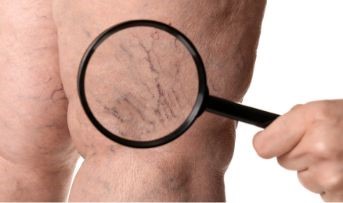
Do you experience frequent swelling in your legs? These can be the probable reasons
Medical issues are being observed as a rising problem, mainly because of drastic lifestyle changes, improper nutrition, and irregular physical activities. The best way to tackle medical adversities is by prioritising your health and never neglecting the symptoms that your body throws at you. Most health conditions develop over time due to your habits, while some are even hereditary.
One common issue is swelling in the legs, feet, and ankles. There can be multiple reasons for swelling, including physical injuries, medicinal reactions or allergies, and underlying conditions like cholesterol, diabetes, etc. If you see a frequent swelling pattern in your legs for a month, seek medical help, as it may be something to worry about. Leg swelling happens for two main reasons - edema and inflammation.
Let's explore more about them.
Factors causing edema
Several factors contribute to edema or fluid buildup in one or both legs. Here we discuss some major factors that require immediate medical assistance.
1. Congestive heart failure
When the heart is too weak to pump blood to body parts, this condition is termed congestive heart failure. Such a reduction in blood supply leads to fluid buildup, especially in the legs. Besides swelling, a person may also experience trouble breathing and constant tiredness.
2. Veins
Two vein issues can cause leg swelling and other problems in the body. Those are:
● Clotting in veins: A blood clot can form in any vein in your leg, which can break off and easily travel to your lung. This can lead to a life-threatening situation if left unnoticed. Other than swelling, if you also experience constant leg pain, cramps, or red or blue skin, immediately visit your doctor, as these might be the symptoms of vein clots.
● Chronic venous insufficiency and varicose veins: A person suffers from these conditions when the valves inside the leg veins cannot maintain the blood flow up toward the heart. Instead, the blood gets collected in pools, resulting in varicose veins. Other than swelling, you may also experience achy legs, pain after sitting and standing for too long, and dry, irritated skin.
If you experience these problems, visit the doctor to start your treatment.
3. Reaction from certain medication
Not every medication suits our bodies. Some cause side effects such as swollen legs, hair fall, irregular menstrual cycles, etc. Pain in the legs can also be a symptom of a medicine reaction. Notice the change in your body and talk to the doctor about getting alternative medicines that have zero to minimal side effects.
Factors causing inflammation
Some of the common causes that lead to inflammation in our body are listed below:
1. Arthritis
Anyone can develop arthritis at some point in their life. Due to the constantly changing environment, it is open to older adults. Diseases like gout, knee bursitis, osteoarthritis, and rheumatoid arthritis are becoming more common among people of all ages as they ignore proper care of their bodies, diet, and physical well-being.
2. Sprains and broken bones
Getting broken bones or twisting your ankle also causes swelling. It's our body's natural reaction to the injury as it moves the fluid and white blood cells into the injured area and releases the chemicals that speed up recovery. Some of the common injuries are mentioned below:
● Achilles tendon rupture: It is our body's largest tendon, and it connects the calf muscles to the heel bone. When it tears, you might experience a sharp pain in the back of the ankle and lower leg. The pain is so intense that a person may be unable to walk. ● Cellulitis: It's a severe infection that happens when bacteria get in through the crack in the skin. It is most common in the lower leg and ankles. Other than swelling, a person may experience tenderness, pain, a reddish skin area, blisters, and dimpled skin.
These were a few common reasons for frequent swelling in the legs. Your legs must be in the best shape to ensure pain-free and smooth movement. Give proper rest to your legs, and indulge in 10-15 mins of daily exercise like jogging or brisk walking.
Irrespective of the medical issues, one should always visit the doctor to rule out any worst outcome. Undoubtedly, any treatment can cost you heavily to your pocket. Therefore, getting health insurance from the best health insurance company in India to cover your medical expenses is ideal. Such insurance policies can help you in your time of need.
Click HERE to buy insurance from the best health insurance company in India.
Disclaimer: The information provided above is for illustrative purposes only. To get more details, please refer to policy wordings and prospectus before purchasing a policy.

Here’s when you should change your bike’s engine oil
It is always necessary to change the engine oil timely to improve the performance and sustain the long life of your bike. However, many people ignore the importance of quality engine oil, which severely damages the engine and the bike's overall performance. Therefore, in this post, we'll discuss when you should change your bike's engine oil and why it is required to keep it in ideal condition.
When it is time to change the oil
To know when to change the bike's oil, you have many indicators that you need to keep an eye on. Your bike gives you several alerts indicating issues with the engine due to low oil levels or the need for replacement. You might hear weird sounds when giving ignition or revving your bike. Low oil level or poor quality oil can severely damage the engine and leave you to bear a massive repair and maintenance cost.
Below are some signs that will help you change the oil on time.
1. Read the manual
It might be possible that every bike has a different requirement when dealing with the engine. Read the bike manual to understand the guidelines and specific requirements for your bike. You can also learn about engine type, driving conditions, climate, etc.
2. Oil level
Check the oil level in your bike with the help of a dipstick. If you find the oil below the given level, you should look to change the oil.
3. Oil colour
You'll find a clear orange colour. As time passes and you use the bike regularly, the oil turns black due to impurities, wastes, and remains. When you find the oil dirty and get a foul smell, it is time to change it.
4. Engine performance
When you don't change the oil, you can't expect the desired performance from your bike. It is the case when your bike's oil turns black, and you should change it at the earliest. If left unchanged, you'll keep getting sluggish acceleration, reduced fuel economy, and poor performance.
5. Mileage
Generally, manufacturers suggest a rider to change the oil every 3,000–5,000 km. Changing the oil is always advisable when you cover this distance on your bike.
6. Unusual engine clatters
Untimely oil replacement might increase friction and wear on engine parts, leading to unexpected noises. So, if you hear any noise or clashes, you must change the oil. On the other hand, if you use your bike for high-performance racing, off-road biking, or long trips, you should always look to change the oil timely. These tours can strain your bike's engine and cause its performance to go down.
Points you must be aware of about the oil change
● Synthetic oils perform longer instead of the normal engine oils. You get better mileage and performance from your bike's engine. Also, thoroughly read the user manual to get clarity on oil changing.
● Regularly keep checking the oil level with a dipstick. Look at the colour and density of the oil.
● Visit the local garage and inspect your bike's engine for an oil change.
● Always use the best quality engine oil recommended by the bike manufacturer to avoid harming the engine and its parts.
It is evident to regularly monitor your bike's engine oil to enjoy a smooth riding experience and ensure the engine's longevity. Along with checking the engine oil's quality, you must also look for reliable bike insurance. Accidents can occur at any point. Therefore, you must protect your asset with comprehensive coverage. So, insurance and a timely oil change are two basic requirements that must be fulfilled on time for a stress-free and enjoyable riding experience.
Click HERE to buy reliable bike insurance.
Disclaimer: The information provided above is for illustrative purposes only. To get more details, please refer to policy wordings and prospectus before purchasing a policy.

Are PCOD & PCOS interchangeable terms? Here's all you need to know
Polycystic Ovarian Syndrome (PCOS) and Polycystic Ovarian Disease (PCOD) are commonly considered the same without a second thought. However, as they have their distinct characteristics, it is essential to understand the difference between PCOS and PCOD to receive proper diagnosis and treatment.
PCOS and PCOD affect many women worldwide, with an estimated 1 in 10 women of childbearing age affected by PCOS. PCOD is often considered a less severe form of PCOS, but it can also have significant health consequences if left untreated. Both conditions are hormonal imbalances that affect the ovaries, leading to symptoms like irregular menstrual cycles, weight gain, acne, and excessive hair growth.
It is essential to have a basic understanding of these conditions, especially if you are a woman of reproductive age, to ensure early diagnosis and timely treatment. So, without any further delay, let's delve into the details and clear up any confusion regarding these two commonly used terms.
1. Understanding PCOD and PCOS
Polycystic Ovarian Disorder (PCOD) is a hormonal disorder characterised by multiple cysts in the ovaries. On the other hand, Polycystic Ovarian Syndrome (PCOS) is a hormonal condition that affects the ovaries' ability to release eggs. PCOD is a milder form of PCOS, but it can develop into PCOS if left untreated.
2. Symptoms of PCOD and PCOS
PCOD and PCOS share similar symptoms, such as irregular menstrual cycles, weight gain, excessive hair growth, and acne. However, PCOS may cause complications like infertility, insulin resistance, and Type 2 Diabetes.
3. Diagnosis of PCOD and PCOS
Diagnosing PCOD and PCOS involves several tests like ultrasound, hormonal tests, and physical exams. However, PCOD and PCOS can sometimes be challenging to diagnose, requiring multiple tests and medical consultations to detect the disease.
4. Treatment of PCOD and PCOS
The treatment for PCOD and PCOS varies depending on the severity of the condition and the patient's symptoms. A combination of lifestyle changes, medication, and surgery may be recommended to treat these conditions. Weight management, exercise, and a balanced diet can help control the symptoms of PCOD and PCOS.
5. Risks and complications associated with PCOD and PCOS
PCOS is a more severe condition than PCOD and is associated with various health risks and complications, such as heart disease, high blood pressure, endometrial cancer, and sleep apnea. Women with PCOS also have a higher risk of developing depression and anxiety disorders. On the other hand, PCOD is primarily associated with irregular menstrual cycles, weight gain, and fertility issues.
6. Psychological impact of PCOD and PCOS
PCOD and PCOS can also have a significant psychological impact on women. Physical symptoms like excessive hair growth and weight gain can affect a woman's self-esteem and confidence. The fear of infertility and difficulty conceiving can lead to anxiety and depression. Counselling and support groups can help women cope with the emotional challenges of PCOD and PCOS.
In conclusion, PCOD and PCOS are two hormonal conditions affecting women and have different implications, diagnoses, and treatments. Consulting a medical professional for the correct diagnosis and treatment plan is essential.
Renewing health insurance online is a crucial step toward managing your health effectively. With the increasing medical expenses, it is necessary to have adequate health insurance coverage to meet the costs of treatment for PCOD and PCOS. The process to renew health insurance online is hassle-free, saves time and effort, and introduces you to several exciting offers. Lastly, PCOD and PCOS can be effectively controlled with proper care and management. A little awareness, alertness, and early diagnosis can help women to lead healthy and fulfilling lives by successfully tackling PCOD and PCOS.
Click HERE to learn more about how you can renew health insurance online.
Disclaimer: The information provided above is for illustrative purposes only. To get more details, please refer to policy wordings and prospectus before purchasing a policy.

Here's the guide to sustainable farming, promising a greener future
As we move towards a greener future, sustainable farming practices are gaining more importance. Not only do these practices help to protect our planet, but they also benefit farmers and their businesses. Here, we will explore the guide to sustainable farming and how it promises a greener future.
Sustainable farming is the practice of producing food and fibre using methods that protect the environment, public health, human communities, and animal welfare. It is a holistic approach to farming that considers the long-term impacts of agricultural practices on natural resources, biodiversity, and the climate. These practices are not only good for the farmers but also encouraged by a general insurance company, which faces fewer risks and liabilities when insuring sustainable farms.
The benefits of sustainable farming practices
By adopting sustainable practices such as crop rotation, cover crops, conservation tillage, and integrated pest management, farmers can regulate their environmental footprint and promote biodiversity. These practices can also reduce risks and liabilities, leading to lower premiums from a general insurance company.
Here are some promising sustainable agriculture practices every farmer should know to create a greener future.
1. Crop rotation
Crop rotation is the practice of planting different crops in the same field each year. This helps to reduce soil erosion, nutrient depletion, and the build-up of pests and diseases in the soil.
2. Composting
Composting is the process of turning organic waste into nutrient-rich fertiliser for crops. It's an eco-friendly and cost-effective method of soil enrichment.
3. Cover crops
Cover crops are planted to cover the soil during the off-season to prevent erosion and nutrient depletion. These crops also help to fix nitrogen in the soil, making it more fertile for the next season.
4. Conservation tillage
Conservation tillage is the practice of leaving crop residues on the soil surface after harvest. This helps to reduce soil erosion, increase soil organic matter, and conserve moisture.
5. Integrated pest management
Integrated Pest Management (IPM) is a sustainable approach to pest management that combines biological, cultural, and chemical methods. IPM helps to reduce the use of pesticides and promotes the natural balance of the ecosystem.
6. Agroforestry
Agroforestry is the practice of integrating trees and crops on the same land to create a sustainable and diverse farming system. This system promotes biodiversity, reduces soil erosion, and enhances the soil's fertility.
7. Precision agriculture
Precision agriculture is the use of technology and data to optimise crop production and reduce waste. This approach helps farmers to make informed decisions about the use of fertilisers, pesticides, and water resources.
8. Organic farming
Organic farming is a method of agriculture that avoids the use of synthetic fertilisers, pesticides, and genetically modified organisms. Organic farming promotes soil health and biodiversity and reduces the negative impact of agriculture on the environment.
9. Water conservation
Water conservation is a critical aspect of sustainable farming. Farmers can use various techniques such as drip irrigation, rainwater harvesting, and water-efficient crops to reduce water waste and preserve this precious resource.
10. Green manure
Green manure is a cover crop that's grown specifically to be turned into the soil to improve its fertility. This practice helps to reduce soil erosion, increase organic matter, and improve soil structure.
In conclusion, sustainable farming is the way forward for a greener, more equitable, and more resilient food system. By adopting sustainable agriculture practices, farmers can contribute to society and the country, promote biodiversity, improve their profitability and resilience, and be the torchbearer of a more sustainable and equitable future for all. These practices also reduce risks and liabilities for a general insurance company, leading to lower premiums and a more stable and sustainable insurance market. By working together, farmers and a general insurance company can create a more sustainable and equitable food system that benefits everyone.
Click HERE to buy the best general insurance in India.
Disclaimer: The information provided above is for illustrative purposes only. To get more details, please refer to policy wordings and prospectus before purchasing a policy.

These are a few signs that you must change your eyeglasses
Eyeglasses are an essential tool for people with vision problems. They enable us to see clearly and carry out daily activities with ease. However, as time passes, your vision can change. Also, your eyeglasses may no longer suit your needs. Wearing outdated glasses can cause eye strain and headaches, affecting our overall health. Therefore, it is crucial to recognise the signs that it's time to change your eyeglasses.
If you're experiencing vision problems or are wearing eyeglasses over two years old, it may be time to visit an eye doctor for a comprehensive checkup. In this blog post, we will discuss signs that indicate it's time to change your eyeglasses. By being aware of these signs, you can take steps to ensure that your vision is always clear and healthy. Additionally, remember the importance of affordable health insurance plans in helping you cover the costs of eye tests and eyeglasses.
1. Difficulty seeing clearly
If you face difficulty seeing once-clear objects, it's a sign to update your eyeglasses. This can happen if your prescription needs to be updated or your eyeglasses are scratched or damaged.
2. Squinting or eye strain
Squinting or eye strain can indicate that your eyeglasses are no longer effective. Squinting and straining your eyes to see can cause discomfort and frequent headaches, leading to further vision problems over time.
3. Double vision
The double vision indicates that you need an eyeglass update. This can be caused by an outdated prescription or eyeglasses that are scratched or damaged.
4. Pain in eyes and headaches
One of the most common signs you need to change your eyeglasses is regular eye pain and headaches. If you experience these issues, especially after long periods of reading or working on the computer, it may be time for a new prescription.
5. Blurry vision
Blurry vision is another sign that it's time to update your eyeglasses. This can occur if you have an outdated prescription or wear damaged or scratched lenses. You might find it difficult to focus on objects, which can be a long-term problem if not corrected.
6. Safety concerns
If you work in a profession that requires you to wear safety glasses, it's essential to ensure that your prescription is up-to-date. Wearing outdated or incorrect safety glasses can put you at risk of injury, as they may not provide adequate protection.
7. Faded or discoloured lenses
Over time, the lenses in your eyeglasses may become faded or discoloured. This can affect your vision and make it more difficult to see clearly. Ensure your glasses are checked for quality after 5 to 6 months of constant use.
8. Broken or bent frames
If your eyeglasses frames are broken or bent, it's time to replace them. Wearing broken or bent frames can be uncomfortable and cause further damage to your vision.
9. Ageing eyeglasses
As eyeglasses age, they may become less effective at correcting vision problems. It's essential to update your eyeglasses regularly to ensure they are still effective.
10. Lifestyle changes
If your lifestyle changes, your eyeglasses may no longer suit your needs. For example, if you have started a new job that requires you to spend more time in front of a computer, you may need eyeglasses with a different prescription. You must opt for glasses offering UV protection and coverage from harmful blue rays from your computer screen.
Updating your eyeglasses and ensuring regular servicing is essential for maintaining good eye health and clear vision. If you are experiencing any of the signs mentioned above, you must schedule an appointment with your eye doctor to determine the need for a new prescription or eyeglasses.
Additionally, affordable health insurance plans can provide financial support for vision care and eyewear, making it easier to access the care you need to keep your eyes healthy.
Click HERE to learn more about how to list the most affordable health insurance plans that will optimally cater to your needs.
Disclaimer: The information provided above is for illustrative purposes only. To get more details, please refer to policy wordings and prospectus before purchasing a policy.
Hi there! 👋 Need help with a policy, claim, or renewal? Chat with us instantly on WhatsApp.
Start chat →