


General Insurance Blogs, Articles & Updates by - Magma Insurance
Have us call you
- RENEW YOUR POLICY
- BUY NEW POLICY

GENERAL INSURANCE BLOG

Let's talk about CT scans
CT stands for computed tomography, a category of medical imaging. A variety of medical disorders are frequently diagnosed and monitored using CT scans. It is a diagnostic imaging process that creates images of the body's interior using a combination of X-rays and computer technologies. Any aspect of the body, including the bones, muscles, organs, and blood vessels, are shown in great detail.
CT scans may be carried out to assist in diagnosing tumours, look into internal bleeding, or look for other internal injuries or damage. Online health insurance frequently covers CT scans because they are a standard diagnostic procedure. However, coverage may differ based on the particular plan and the purpose of the CT scan.
Uses of CT scans
Many different medical problems are diagnosed and monitored with CT scans, including:
1. Cancer diagnosis and treatment
The progression of various cancer types is detected and tracked using CT scans. They can spot tumours, determine their size, and demonstrate whether cancer has migrated to other bodily regions.
2. Trauma
Internal bleeding, organ damage, and other forms of injuries that would not be seen with other imaging techniques are all detected with CT scans. 3. Cardiovascular disease
CT scans can be used to detect cardiac disease and evaluate the health of the heart and blood arteries.
4. Brain and spinal cord disorders
CT scans can identify brain and spinal cord diseases, such as infections, tumours, and strokes.
5. Muscle and bone injuries
Bone and joint injuries, such as fractures or dislocations, can be found with a CT scan. Additionally, they can assess the spine, find tumours, and assist with orthopaedic surgery.
6. Lung diseases
Lung conditions, including pneumonia, lung cancer, or pulmonary embolism, can all be found with CT scans. Additionally, they can assess lung health and detect the severity of lung disorders.
7. Abdominal pain
A CT scan can diagnose several conditions, including appendicitis, diverticulitis, and pancreatitis, to pinpoint the cause of stomach pain.
How CT scans work
CT scans use X-rays to create highly detailed images of the body. A CT scan is performed while the patient is lying on a table that is moved through a vast, doughnut-shaped device called a CT scanner. As the table moves, the scanner rotates around the body, and various X-ray images are taken from multiple angles. The computer subsequently transforms the bodily component being scanned into a 3D image by combining these images.
CT scans offer incredibly detailed images that can display internal body systems. Minor abnormalities that would not be seen with other imaging techniques can now be seen by specialists.
Risks of CT scans
CT scans expose the patient to a small amount of radiation, although they are mostly harmless. It could be dangerous if the patient is exposed to too much radiation over time. Due to this, medical professionals typically advise CT scans when they are required for diagnosis or therapy.
In addition, there is a slight possibility of developing an allergy to the contrast dye that may occasionally be used during a CT scan. This risk can be minimised by informing the medical staff of any allergies or previous reactions to contrast dye.
Benefits of CT scans
● Speed: CT scans are quick, finishing in just a few minutes
● Non-invasive: Any equipment or surgery is not required for CT scans because they are non-invasive
● High-resolution pictures: High-resolution images from CT scans enable medical professionals to spot even subtle abnormalities.
● Comprehensive pictures: Comprehensive images that provide a close-up of the bodily part being scanned can be produced via CT scans.
CT scans are helpful medical imaging tools that provide precise images of the inside organs and structures of the body using X-rays and computer technology. They offer a more accurate view of inside organs, bones, and tissues than typical X-rays. If a CT scan is deemed medically necessary, health insurance ought to pay for it. It's essential to review the specifications of your online health insurance plan to understand the types of diagnostic tests covered in it.
Click HERE to purchase an online health insurance plan.
Disclaimer: The information provided above is for illustrative purposes only. To get more details, please refer to policy wordings and prospectus before purchasing a policy.

Understanding attention deficit disorder in detail
Attention deficit disorder is a serious mental disorder in children and young teenagers. A study shows that almost 17% of Indian youngsters have ADHD or attention deficit disorder. Furthermore, almost ten million children are diagnosed with ADHD annually in India. Therefore, to avoid the possibility of ADHD, you must learn everything about it.
What is ADHD?
ADHD is the abbreviation for Attention Deficit/Hyperactivity Disorder. This disorder is a chronic mental condition that affects children, and if untreated, it may continue into adulthood. However, the symptoms may reduce with age as adults learn to cope with ADHD independently. But chronic ADHD can affect your children's regular and academic performances.
Types There are three types of ADHD:
● Predominantly inattentive
● Predominantly hyperactive/impulsive
● Combined (both inattentive and hyperactive)
Causes
Scientists are still not sure about the root cause of ADHD. However, modern studies say that genetics plays a vital role in developing attention deficit disorder among children. Furthermore, the following factors have the potential to cause ADHD:
● Alcohol or tobacco intake during pregnancy
● Early pregnancy
● Premature birth
● Brain injury
● Problems in the Central Nervous System
● Low birth weight
● Childhood trauma
● Other environmental issues
Symptoms
Common symptoms of ADHD are inattentiveness, hyperactivity, and impulsive behaviour. However, boys and girls may show different symptoms. While your boy child can become hyperactive, you can spot young girls being quietly inattentive.
Children begin to show symptoms of ADHD as early as 3 years of age. Scientists have categorised the symptoms according to different types of ADHD:
● Predominantly inattentive
1. Lack of attention in any work
2. Failing to focus on school
3. Lack of focus on constructive chores
4. Avoid doing a chore like homework that demands mental effort
5. Repeated loss of focus and attention while talking to people
6. Forgetting important tasks
7. Not paying attention to elders
● Predominantly hyperactive/impulsive
1. Difficulty in being quiet
2. Constant talking
3. Interrupting others while talking
4. Always in motion
5. Signs of restlessness while sitting in a place
6. Fail to concentrate on one thing for a long time
7. Always doing something that does not seem normal in a child
● Combined (both inattentive and hyperactive)
1. Being inattentive and interrupting others
2. Too much energy but a lack of interest in doing anything constructive
3. All the symptoms of the two types mentioned above
When should you consult a doctor?
Many parents confuse normal high energy and inattentiveness in their children with attention-deficit/hyperactivity disorder and rush to their paediatrician. However, it is normal for a healthy child or inquisitive teenager to exhibit high energy and restlessness to learn new things.
Again, some parents confuse ADHD with normal activities and neglect their child's problems. If you ever sense anything unusual in your children and feel that certain behaviours are abnormal, you should consult your healthcare professional immediately. Your children cannot tell you their problems. It is your job to pay close attention to every activity of your children. Your children may be attentive and quiet at home but behave otherwise in school and vice versa. All these symptoms can be an alarm for ADHD.
Complications
ADHD does not lead to any serious complications. However, children with ADHD can develop certain complications.
● Oppositional Defiant Disorder
● Autism Spectrum Disorder
● Mood Disorder
● Learning Disabilities
● Anxiety Disorder
● Conduct Disorder
Prevention
Since there is no definite proven cause of ADHD, no specific method is known to prevent ADHD. However, it would be best if you stopped consuming caffeine, alcohol, and tobacco during your pregnancy. Furthermore, you can limit the screen time of your teenagers.
Attention deficit/hyperactivity disorder is a chronic medical condition that you should handle carefully under the proper instruction of your paediatrician and psychiatrist. Insure yourself and your loved ones with the right medical coverage. Offline and online health insurance companies will cover your children's medication expenses. Invest in reliable health insurance and cover your medical expenses for hospitalisation, illness, accidents, etc.
Click HERE to browse online health insurance policies.
Disclaimer: The information provided above is for illustrative purposes only. To get more details, please refer to policy wordings and prospectus before purchasing a policy.

Expert's guide on preventing fire outbreaks at home
A home is a place of comfort, protection, and security, but a fire breakout can rapidly turn it into dust. Various sources, including electrical failures, kitchen accidents, and malfunctioning appliances, can start fires. A fire breakout can be disastrous, causing significant damage to your property and personal items and possibly resulting in death. As a homeowner, you must take the essential precautions to prevent fires and safeguard the safety of your property and loved ones.
This blog discusses "expert's advice on preventing fire outbreaks at home." We'll review some of the best ways to protect your home from fire threats and the importance of obtaining the best home insurance in India. Following these suggestions and purchasing the appropriate house insurance coverage, you can protect your home from fire damage and enjoy peace of mind. So, without any delay, let's begin!
1. Install smoke alarms
Installing smoke alarms is one of the most effective strategies to avoid home fires. Smoke alarms detect smoke and notify you during a fire. This will help you to take the required precautions to prevent further damage. Install smoke alarms in each room and check and replace the batteries regularly.
2. Be careful of faulty appliances
Faulty appliances are one of the leading causes of home fires. Appliances must be handled with care and inspected regularly for flaws or damage. Always follow the manufacturer's instructions and use the appliances in accordance with their recommendations.
3. Check electrical wiring
Faulty electrical wiring is another major cause of home fires. Inspect your home's electrical wiring regularly for signs of wear and tear. Repair or replace any damaged wiring or electrical components immediately to avoid fire hazards.
4. Cook safely
Cooking mishaps are a significant cause of home fires. Practicing safe cooking skills and using caution when using the stove or oven is critical. Always keep combustible things away from the cooking area, and never leave the kitchen unattended when cooking.
5. Keep flammable objects away
Keeping flammable objects away from heat sources is critical to prevent home fires. Ensure that all flammable materials, such as cleaning solutions, paints, and petrol, are kept securely away from any heat source.
6. Have an emergency plan
Having an emergency plan can go a long way toward preventing home fires. Prepare an exit plan for a fire, and teach your family how to use fire extinguishers.
7. Obtain the best home insurance in India
The best home insurance in India is essential to protect your home from fire damage. A comprehensive house insurance policy covers fires, natural catastrophes, theft, and other unanticipated events. You get compensated for your loss and are relieved from financial stress due to the fire outbreak.
8. Conduct regular inspections
Inspecting your home for fire hazards regularly will assist in discovering potential threats and avoiding fire outbreaks. Periodically inspect your home, particularly the kitchen and electrical wiring, and take the required precautions to prevent fire threats. Install water sprinkler mechanisms, smoke detectors, and fire alarms to ensure safety against fire catastrophes.
Every homeowner is responsible for preventing fires in their homes. A fire breakout can be disastrous, causing significant damage to your life, property, and personal items. By following the expert's advice and taking the required precautions, you can ensure that your home is safe from fire threats and that you live in a secure atmosphere. In addition to these precautions, obtaining the best home insurance in India is necessary. A comprehensive house insurance policy covers fires, natural catastrophes, theft, and other unforeseen events, providing financial security and peace of mind. You can research alternatives and select the best home insurance in India to meet your requirements.
Click HERE to know more about how you can purchase the best home insurance in India and its benefits.
Disclaimer: The information provided above is for illustrative purposes only. To get more details, please refer to policy wordings and prospectus before purchasing a policy.

Here are some ways to ensure the protection of your dear ones and assets from flood
Floods are natural disasters that can happen unexpectedly, causing damage to property and putting lives in danger. Even while you can't always stop a flood from occurring, there are precautions you can take to safeguard yourself and your property from damage.
Personal accident insurance India does offer protection in an accident that leaves someone injured or dead. But buying a separate flood insurance policy to protect yourself and your property from flood damage will be ideal. Typically, this policy will cover flooding-related harm to your house, assets, and other property.
Let's look at a few guidelines to protect your loved ones and assets against flooding:
1. Know your risk
The first step in preventing floods from harming you and your belongings is to become aware of your area's flood risk. The likelihood of flooding varies from place to place depending on geography, elevation, and proximity to water sources. Consult the Flood Map Service Centre to determine your flood risk. You can contact your local government or emergency management office to learn about flood dangers.
2. Buy flood insurance
Getting flood insurance is one of the most crucial things you can take to safeguard your home against flood damage. You'll need a particular flood insurance policy to protect your property since standard homeowner's insurance sometimes doesn't cover flood damage. The National Flood Insurance Programme (NFIP) and private insurers offer flood insurance. It's important to carefully read your policy to understand what it covers and how much insurance you have.
3. Elevate your property
Consider elevating your home if you live in a flood-prone location to reduce the chance of heavy damage. Raising your house or property above flood level is called promoting it. It can be accomplished in many ways, including constructing a raised foundation or adding stilts or piers. You can reduce the cost of your flood insurance by elevating your home.
4. Safeguard important documents
Important papers, including insurance policies, forms of identification, etc., should be kept in a secure location in case of a flood. Store these documents in a position that won't likely be affected by flooding. Store them in a waterproof container, like a safe or waterproof bag. You can also make digital copies of your key documents and store them safely online or on a portable hard drive.
5. Install flood-barriers
By keeping water from entering your home, flood barriers can help safeguard your property against flood damage. Sandbags are typical flood barriers to build a wall against flood waters around your home. Another form of flood barrier that is quick and simple to install is a water-filled barrier. Levees or other permanent flood barriers can also be implemented, offering long-term protection against flood damage.
6. Stay informed
You can prepare for a flood and reduce the risk of damage by staying updated about flood alerts and advisories. You can sign up for alerts from emergency management agencies and follow local weather reports online. Follow local officials' advice and vacate the place if a flood warning is issued for your area.
7. Have an emergency plan
You and your family can stay safe in the case of a flood if you have an emergency plan in place. Your emergency plan should contain escape routes, emergency contacts, and a list of things you must take while leaving. To ensure everyone is prepared, practise your emergency plan with your family.
Protecting you and your property against flooding is essential to reduce damage and safeguard your well-being. By looking at flood maps and learning about the local flood history, you can estimate the risk of flooding. Additionally, an emergency plan should be created that details evacuation routes, contact options, and emergency supplies. In addition to personal accident insurance India, buy a separate flood insurance policy to protect assets from the flood.
Click HERE to buy a reliable personal accident insurance India policy.
Disclaimer: The information provided above is for illustrative purposes only. To get more details, please refer to policy wordings and prospectus before purchasing a policy.
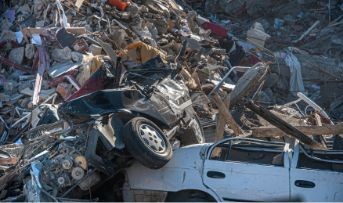
Complete guide to ensure the safety of your car during an earthquake
As natural catastrophes become more frequent and severe, safeguards are critical to keeping our vehicles safe. As car owners, we put a lot of time and money into buying and maintaining our automobiles. Therefore, we must protect them against disasters like earthquakes. Not only earthquake damages are expensive to fix, but they can also jeopardise your and your family's safety. In this article, we will go through a complete guide to ensure the safety of your car during an earthquake. We will review detailed points to protect your vehicle and yourself from potential earthquake damage.
In addition, we will discuss the significance of online car insurance and how it can assist in protecting you financially in the event of earthquake damage. Following these tips may make your car as safe as possible during an earthquake and be better prepared for future natural disasters. Let's get started.
1. Select a secure parking spot
Choosing a safe parking area is critical to ensuring your car's safety during an earthquake. Avoid parking in places prone to landslides or with many trees that could fall on your vehicle. Look for parking spaces in open areas away from buildings and trees, such as parking lots. Additionally, attempt to position your car facing outwards so you may quickly evacuate in an emergency.
2. Safeguard your vehicle
When an earthquake strikes, your car may shake severely, and anything inside may become lethal projectiles. As a result, it's always advisable to keep your car's contents intact and unloose. Protect any unsecured goods inside your vehicle, such as computers, luggage, and other items. Additionally, ensure that your car is in good shape and that all parts, including wheels and tyres, are securely fastened.
3. Keep valuable documents safe
Maintaining your car insurance documents, registration papers, and other important documents is required in a secure location. Always keep them in a waterproof and fireproof container in your car or a safe place at home. Keep a digital copy of your documents on your phone or other digital devices.
4. Check your online car insurance protection
Earthquakes can cause severe damage to your vehicle, so ensure your car insurance is updated. Verify your online car insurance policy covers earthquake damage. Also, be sure you understand what your insurance policy covers and what it does not.
5. Prepare an emergency kit
During an earthquake, having an emergency pack in your car is critical. A first-aid kit, a torch, a blanket, a map, and a portable charger should all be included in the kit. You can also have some non-perishable food and drink.
6. Stay in your car
During an earthquake, remain inside your vehicle and fasten your seatbelt until the shaking stops. If you're driving, pull over to a safe location, turn off the engine, and remain inside your vehicle until the shaking stops.
7. Be cautious after the earthquake
Drive with caution after the earthquake. Examine your vehicle for any apparent damage, such as dents, scrapes, or shattered windows. If you fear that your car has suffered substantial damage, wait to drive it until a specialist has inspected it.
8. Prepare for future earthquakes
Earthquakes can occur anytime, and preparing for future quakes is critical. Keep your car in good shape and regularly serviced to guarantee its functioning. Consider adding safety measures, such as a GPS tracker, an alarm system, or a dashcam, to protect your vehicle in the event of damage.
In conclusion, securing the safety of your vehicle during an earthquake is critical. The above safety tips can help safeguard your car from harm during an earthquake. Protect yourself and your family by adequately preparing and caring for your vehicle during an earthquake. You can explore all the insurance options available from the convenience of your home and purchase online car insurance that caters to your needs in the best ways possible. Remember that safety comes first, and taking precautions now might save you a lot of trouble later.
Click HERE to learn more about purchasing online car insurance and its benefits.
Disclaimer: The information provided above is for illustrative purposes only. To get more details, please refer to policy wordings and prospectus before purchasing a policy.
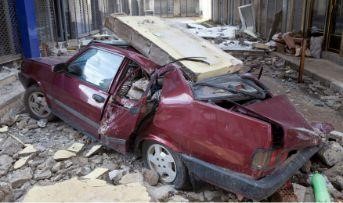
The future of car insurance coverage for earthquakes in India: Trends and innovations
The frequency and intensity of earthquakes have grown in recent years, inflicting property damage, including car damage. Car owners are required by law to carry car insurance, and as a result, insurance policies are expanding to cover earthquake damage. The future of automobile insurance coverage for earthquakes in India is a critical issue that impacts both car owners and insurance providers.
In this space, we will look at the various types of coverage available, the role of technology, and how car owners may guarantee their vehicles the best coverage in the case of an earthquake. Let's begin!
1. Increase in natural disasters
Natural disasters such as earthquakes have become more common in India. Since India has been witnessing more earthquakes with magnitudes greater than 3.0 recently, car owners must have insurance coverage to safeguard their valuable assets against the adversities of an earthquake.
2. Comprehensive car insurance
Comprehensive car insurance protects your car against natural disasters such as earthquakes. It differs from a third-party liability policy, which solely covers damages to a third party in the event of an accident. Car owners should think about getting comprehensive car insurance that covers earthquake damage.
3. Earthquake coverage add-ons
Aside from comprehensive insurance, vehicle insurance companies often provide add-ons to cover specific natural disasters such as earthquakes. The optional features include engine protection, roadside assistance, and 0% depreciation. Car owners should consider obtaining these add-ons to supplement their coverage.
4. Usage-based car insurance
In India, usage-based automobile insurance coverage is becoming more common. These policies base premiums on vehicle usage, and the car owners who drive their vehicles less frequently pay a lower rate. In the future, usage-based automobile insurance policies can be tailored to provide earthquake coverage based on the vehicle's geographical location.
5. Telematics
Telematics uses technology to monitor a vehicle's performance and usage. In the future, automobile insurance companies may utilise telematics to track the car's location and provide coverage for earthquake damage based on the vehicle's location.
6. Artificial Intelligence (AI)
Artificial intelligence can be used to analyse data and generate customised insurance plans. In the coming years, AI might analyse earthquake-prone locations and offer customised vehicle insurance coverage to protect against earthquake damage.
7. Self-driving cars
As self-driving cars become more prevalent in India, it is crucial to remember that just like regular cars, they are exposed to theft, loss, or damage through natural calamities such as earthquakes, storms, or human-made issues like riots. As a result, the growing demand for customised insurance coverage that covers unique circumstances for self-driving automobiles. The insurance coverage premiums, as mentioned earlier, would be based on the criteria such as the car’s location, distance from the epicentre, and the time of the earthquake.
8. Internet of Things (IoT)
The Internet of Things (IoT) uses linked devices to collect and analyse data. IoT can be used to monitor cars and identify earthquakes in real-time. The information can be used to create tailored insurance policies that cover earthquake damage. Car insurance firms, for example, can use IoT to detect when a car is parked in an earthquake-prone location and provide coverage for probable damage.
Car insurance policies are evolving to cover natural calamities such as earthquakes. Car owners can buy car insurance policy online that cover specific natural disasters such as earthquakes. Car insurance coverage will be personalised based on telematics, artificial intelligence, and self-driving cars. Owners should explore all the options and buy a car insurance policy online from trustworthy firms to get the best insurance coverage and a policy that caters to all their needs.
Click HERE to learn more about how you can buy car insurance policy online.
Disclaimer: The information provided above is for illustrative purposes only. To get more details, please refer to policy wordings and prospectus before purchasing a policy.
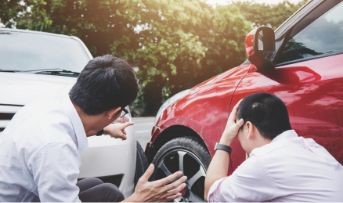
Here's all you need to know about parked car damage and the ways to deal with it
Imagine you park your car in the open and are left surprised when you find it crashed. Parking damage refers to the damage caused to your parked car by an unknown person. You should know what to do if someone hits your parked car.
This article tells you what to do when someone damages your parked car. Additionally, it is advisable to buy car insurance online to protect your vehicle from unexpected damage.
Who pays for parking damages?
If a known person with a liability car insurance policy hits your parked car, their insurance company will pay for your damage. But if a stranger or unknown person hits your car, your car insurance company will pay for the parked car damage.
What should you do when someone hits your parked car?
The first thing you should do is to remain calm and alert when you encounter a parked car damage and follow these tips, including:
1. Find the witness to the accident
If you don't see a driver damaging your car, you should look for witnesses to the accident. Try to find the people who were at the accident spot, and once you find them, ask them about the description or details of the vehicle that damaged your car.
2. Note the offender's details
If you see a vehicle that damages your car, write down its details on paper, such as its registration number, colour, model, etc., and store it safely. You'll have to produce all these details at the police station at the time of filing the FIR and insurance claim.
3. Look for a security camera
Generally, parking spaces and market areas have security cameras installed. You can check who slammed your car and use a copy of the footage to claim your car's damage coverage. However, if the parking space has no cameras, look for nearby residences and shops with security cameras.
4. Capture image proof of the accident spot and your damaged car
Take a picture or video of the accident spots and your damaged car, and procure it as evidence of the accident. Insurance companies will approve your claim based on image proofs.
5. Call the police and file an FIR
Report to the police about your parking car damage, as they can help you find the offender. Moreover, if someone gets injured in a parking car accident, calling the police and filing an FIR becomes mandatory.
6. Inform your car insurer about the accident
Once you follow all the above steps, you should notify your car insurance company about the accident. The company will help you cover your car damage by raising a claim.
What to avoid when someone hits your parked car?
Most people make common mistakes when encountering parking damage. Here are the mistakes you should avoid, including:
1. Chasing the offender
Avoid chasing the driver that hit your car before checking for car damages like leaks, brake failure, etc., or any injuries caused to the person inside the car. Check for injuries and seek medical attention if required.
2. Creating chaos
Most people lose their composure and cause chaos by blaming others around the accident spot. Instead, stay calm and capture pictures or videos of accident spots.
3. Sending car for repair
You should avoid sending the car for repair before filing an FIR and informing the insurance company.
Parked car damage is an upsetting accident, but you have to be patient before you take any steps to deal with it. It is better to wait for the person who hit your car to return and complete the accident report together. If not, follow the above tips to get compensation for the damages to your car from your insurer. Whether you have an expensive or leased car, you should get car insurance online to insure it against parking damage, injury to the driver, and theft.
Click HERE to buy car insurance online.
Disclaimer: The information provided above is for illustrative purposes only. To get more details, please refer to policy wordings and prospectus before purchasing a policy.

The role of general insurance in disaster recovery and mitigation
Natural calamities are very uncertain and the worst nightmare for everyone. In recent years, natural disasters such as earthquakes, floods, cyclones, hurricanes, etc., have been rising globally and scarring the economy and the people. Seeing the destruction and trauma, everyone wants to insure themselves and their assets for financial assistance and mitigations after such an unforeseen and miserable disaster.
While life insurance protects your life and offers financial aid to your loved ones when you are no longer around, general insurance is crucial to reducing the risk of natural disasters and other emergencies. You can insure your assets with general insurance and get assistance to prevent negative economic hardship after a calamity. General insurance can also speed recovery by offering post-disaster liquidity and funding after the disaster.
What role does general insurance play in disaster recovery?
It is a common misunderstanding that natural disasters are rare and one does not need to insure their assets. In recent years, the frequency of earthquakes has been increasing and impacting the whole economy. Home insurance can save you from unpredictable future losses if you live in an earthquake-prone area. The financial losses after natural calamities continue to rise, generating significant financial risk. However, if you have general insurance, it can significantly reduce the financial burden, and you can get a considerable amount to rebuild or recover the property damage.
General insurance safeguards your property and can help you to get immediate assistance from the insurance company to overcome your financial need. The insurance company will reimburse the damages and losses incurred during the disaster and protect you from undesirable situations. Moreover, general insurance not only covers earthquakes but it covers all-natural calamities such as floods, hail, fire, storm, lightning, and hurricane, which cause extensive damage to your home. Thus, it is a worthwhile investment that keeps you financially and mentally sound.
Coverage of general insurance under disaster
General insurance covers the costs of hazards due to unfortunate events for the insured assets. Two types of general insurance covers allow protection against natural disasters: the home insurance policy and motor insurance. Both types of insurance policies are for the protection of assets.
A reliable insurance policy offers recovery for various damages such as damaged electric wires or lines, structure damage, water pipeline damage, broken doors, walls, and physical damage to the vehicle. These insurances cover:
● Exterior damage of the property costs
● Interior damage of the property expenses
● Coverage for physical injuries that may occur during the event while on the damaged property
● Damage or loss of personal assets or belonging from a property
● Cover losses to the vehicle involved in a collision
● Cost for the non-collision physical damage to the vehicle if damages in windshields break, storm, etc.
General insurance policies may vary according to the coverage they offer depending on certain factors and also the coverage you choose. The coverage may differ according to the size, type, location, value, cost of belongings, and age of the property.
Natural disasters are terrifying and cause heavy losses to the affected individuals and their assets. However, a general insurance policy is the right choice to protect your property against such losses. You can easily buy general insurance online in a few minutes without going outside at an affordable price and exciting offers. Browse through different policies, shortlist your options, and after the comparison, you can come to a final decision.
Click HERE to buy general insurance online.
Disclaimer: The information provided above is for illustrative purposes only. To get more details, please refer to policy wordings and prospectus before purchasing a policy.
Hi there! 👋 Need help with a policy, claim, or renewal? Chat with us instantly on WhatsApp.
Start chat →