


General Insurance Blogs, Articles & Updates by - Magma Insurance
Have us call you
- RENEW YOUR POLICY
- BUY NEW POLICY

GENERAL INSURANCE BLOG

Know more about the long term effects of using cosmetics
Cosmetics have become an integral part of our daily lifestyle. Facial makeup, perfumes, nail polishes, eye makeup, hair colours, etc., all enhance our physical attributes and appearances. The cosmetics market has developed various products for different cultures, skin tones, types, and seasons.
While these products may accentuate your physical features and give you a sense of confidence, they can be harmful in the long run. The high chemical contents present in cosmetics can be toxic to your skin. Often, the side effects of these chemical ingredients are not mentioned on the packaging.
The harsh chemicals in cosmetic products can affect the functioning of your skin's protective barrier, making it significantly easier for pathogens to enter your skin. Regular usage of makeup can hurt your skin's glow.
This article will discuss the long-term side effects of using cosmetics. You need to be aware of these consequences to be vigilant about the ingredients and the usage of cosmetic products.
1. Ageing:
One of the worst things you can do to your skin is to apply makeup without sunscreen. When you expose your skin to the sun, it damages your skin and leads to premature ageing signs like wrinkles, age spots, and fine lines. Also, make sure that you remove your makeup before calling it a night; otherwise, it can get into your pores and break the elastin, thus causing wrinkles.
2. Cancer:
Many cosmetic products like waterproof mascaras, foundations and long-lasting liquid lipsticks contain polyfluoroalkyl substances. These toxic chemicals are proven to cause cancer. When added, they change the properties of surfaces to make them resistant. PFAS are usually not mentioned on the packaging and labels of cosmetic products, making it difficult for consumers to detect their presence.
3. Allergy issues:
Cosmetic products are made with different ingredients. Some are formulated with mild components that don't affect your skin's health. However, products with strong and harsh elements like parabens and SLS-Sodium Laureth Sulfates can trigger your allergies, severely damaging your skin.
4. Acute risks:
Several cosmetic products have ingredients that pose the risk of burns and infections. Hair-straightening products (keratin treatments) contain formaldehyde. Frequent usage of such products can cause blisters, extreme hair fall, rashes, etc.
5. Behavioural issues:
Makeup products consist of eyeliners and lipsticks. Lead (heavy metal) is a component of these makeup essentials. If ingested in small amounts over time, it can have severe consequences like behaviour and cognitive problems, which can be concerning and can disturb your everyday lifestyle.
Now that we have discussed the long-term side effects of using cosmetics, it would be wise of you to consider safeguarding your health in case of unforeseeable circumstances.
Health emergencies bring in a lot of monetary pressure, causing additional stress. You can buy health insurance online to save yourself and your family from the financial load of unprecedented situations. Lastly, act wise, never overuse cosmetics, and use natural products free from harmful chemicals.
Click HERE to know more about how you can buy health insurance online.
Disclaimer: The information provided above is for illustrative purposes only. To get more details, please refer to policy wordings and prospectus before purchasing a policy.

Six things to check before you take new car delivery
Are you taking delivery of your new car? But do you know that there are some prerequisites before signing any papers? Suppose you discover a problem after driving your new car away from the dealership; there are chances your dealer may refuse to take responsibility.
To avoid such a situation and ensure that everything is in working order, set up a pre-delivery inspection checklist and do the due diligence. Also, before you hit the road, be sure you have adequate motor insurance coverage from the best motor insurance company in the event of an accident.
Following is a list of things to look for when you take delivery of your new car.
1. Exteriors of the car:
A car might get damaged while being transported from its manufacturer's facility to a dealership stockyard. Check for dents and scratches, paying particular attention to the bumpers and the sides. In addition, look at the paintwork and the finish. Bring any repaint spots, scratches, or dents to the dealer's attention as soon as you detect them.
2. Check the electrical components:
Inspect and test all of the vehicle's electrical components, such as the lights, power windows, in-car entertainment, and the instrument cluster. When an automobile is left in a stockyard for an extended period, rodents often chew through the wiring, resulting in costly repairs. Furthermore, the battery should not be too old. If it is, ask the salesperson for a copy of its warranty card.
3. Interiors of the car:
After completing the exterior inspection, check the vehicle's carpeting, seats, console, and glovebox. You may check to see any wetness in your carpet by taking off the floor mats. Also, inspect the glasses and mirrors for cracks or scratches.
4. Make sure the tyres are in good condition:
Ensure that the tyres are not older than the car by checking the manufacturing date. A hardened rubber compound in old tyres could reduce road traction and cause them to wear out faster than they should. Also, inspect the spare tyre to ensure it is correctly inflated. Then examine the toolkit to ensure that it contains all the necessary tools.
5. Make sure the A/C is working properly:
Turn on the air conditioning and check how quickly the interior cools down. Vehicles that are parked in the dealer stockyard for long accumulate dust. Dirty air ducts can lead to bacterial growth, which is harmful to human health.
6. Check the engine:
Keep an eye out for indicators of fluid leaks and a damaged engine cover under the bonnet. Examine the fluid levels in your vehicle to ensure that they are at the proper levels for your engine oil, coolant, braking fluid, and windscreen cleaning fluid, among others. Furthermore, the engine compartment should be free of dust and debris.
A brand-new car will rarely cause any difficulties during driving. However, when it comes to maintaining security, ensure that you get comprehensive insurance from the best motor insurance company. Compare different motor insurance plans and select the one that provides you maximum benefits and the best premium. And yes, always take the delivery of your new car in the daylight because you will be able to spot defects, scratches or repair work, if any.
Click HERE to buy insurance from the best motor insurance company.
Disclaimer: The information provided above is for illustrative purposes only. To get more details, please refer to policy wordings and prospectus before purchasing a policy.

Things you should know before renting a house for the first time
Searching for your perfect home can be quite overwhelming, and renting can make it even more stressful if not done correctly. Renting a house is generally referred to as a property occupied by somebody other than the house owner. There are several things one must consider before finalising a house, and you need to ensure that you clarify all your doubts before arriving at a conclusive decision and paying.
In this article, we will discuss what you should know before renting a house for the first time. These points will not only help you stay calm while renting but also ensure that you make a well-informed decision before going ahead with the agreement. After all, it's going to be your home once you move in.
1. Location:
Think about the location before moving in. Notice the surroundings and the essential services and facilities available in the vicinity. Is it a school or a pub? Will you be comfortable with loud music and traffic noise? Check the area for essential services for you before signing the agreement.
2. Amenities:
Check the amenities like the washing machine, geyser, air conditioner, etc., if they come along with the house. It is your responsibility to examine these inventories and their working and get the landlord to confirm their satisfactory working in writing. It would be best to ask the landlord to clarify the repair or replacement of these appliances.
3. Release clause:
A release clause entails that the tenant must pay a fee and find a replacement if they wish to release themselves from the contract and move out of the house. Discuss the clause with your landlord beforehand.
4. Repaint:
Enquire if your landlord will be repainting the house before you move in. And if they have any plans to paint or deep clean the house, it would be good to get the work done before you sign the tenancy agreement and make the payment.
5. Pets:
It is a good idea to discuss if pets are allowed during the negotiations with your landlord. Breaching the tenancy agreement by keeping a pet can lead to possession and eviction in the future.
6. Water:
During the house inspection, open the taps and shower and check the water pressure. In case of a problem, negotiate with your landlord before signing the agreement.
7. Advance:
Usually, landlords ask for two months' payment in advance, but there is no fixed amount. They can maintain discretion about the deposit amount. Make sure you bring this up during your negotiation or agreement.
8. Terms and conditions:
Read the agreement very carefully. You can challenge terms and conditions you are uncomfortable with or find confusing. But you must do this before you sign the deal. Never sign an agreement without having complete knowledge about it. Any carelessness done during this period can have adverse consequences later.
Now that we have discussed the things you should know before renting a house for the first time, it would be wise to verify with your landlord if he has purchased home insurance for the home. Being covered under the umbrella of the best home insurance in India can keep you relaxed and free from worries of any damage or theft at your rented apartment. Ensuring security should be on the top of your priority list before shifting to a rented home.
Click HERE to know more about the best home insurance in India.
Disclaimer: The information provided above is for illustrative purposes only. To get more details, please refer to policy wordings and prospectus before purchasing a policy.
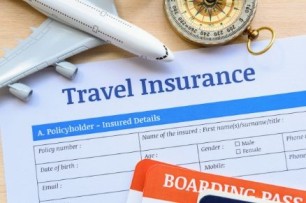
Why is travel insurance becoming more important now
Life is full of unexpected events, but the downside is that even the slightest miscommunication can put your goals at risk. A good general insurance lets you choose your protection against the costs of accidents and natural disasters — from theft to car collisions, fire damage to travel mishaps. And with this flexibility, you can mix and match the coverage you need from a general insurance online quote and get an affordable and customised plan.
Let’s understand the necessity of travel insurance:
Travel insurance seems unnecessary, and travellers underestimate the significance of travel insurance, as its purpose only comes to the fore when things go wrong. For example, if a flight gets cancelled unexpectedly, or if you get sick while travelling.
Travel insurance is a particular type of insurance that covers you for travel-related perils. It is not the same as your regular home, car, or health insurance. And, if you want to know why it is so important, read on.
1. Loss of luggage:
Landing at your destination and finding out your luggage is missing? And you're stuck with only the stuff you brought along - which isn't much. Fortunately, most insurance companies will provide a certain amount as compensation for such incidents as part of their policy.
2. Cancelled / Delayed trip:
If you plan to postpone, cancel or rearrange your trip, you can rest easy knowing that your travel insurance policy may provide you with financial protection. Trip delays, cancellations, and curtailments are all covered in case of an emergency.
3. Hospitalisation and Emergency expenses:
Travelling doesn't mean that you are entirely safe from the risks of getting hospitalised. Travellers often fall ill in the middle of their trip and have to even stay in a hospital if the situation worsens.
The holiday can turn into a nightmare if you don't have a valid policy covering hospitalisation expenses. Your travel insurance covers all your transportation, food, and medical expenses on getting hospitalised during your trip.
4. Fraud Protection:
It can happen to anyone. You're enjoying a vacation, and all of a sudden, your financial security gets compromised. Maybe you lost your debit credit card, or worse — you notice a fraud transition on your credit card. Maybe this is the first time such an incident has occurred to you, but it could happen again.
5. Liability protection:
While you're on your trip, keep an eye out for any personal injury or property damage. You could be held legally liable for it. But just because something is likely doesn't mean it will happen. With proper liability protection in place, you won't have to worry about paying for others' mistakes.
If you're concerned about safe and worry-free travel, there's no better time than now to buy travel insurance. Increased awareness means that more and more consumers are looking for a way to protect themselves when they travel.
Are you someone who wants protection and doesn't want to risk losing your vacation money or belongings? In such an accident or illness, there's no better time than now to get travel insurance. General insurance online quote is essential for financial security. These policies protect you against all possible financial risks, including travel you might face in your life. It is also a great way to protect your other assets and valuable possessions.
Click HERE to get general insurance online quote.
Disclaimer: The information provided above is for illustrative purposes only. To get more details, please refer to policy wordings and prospectus before purchasing a policy.

Your newborn: Best tips to babyproof your home
For soon-to-be parents, a lot of significant changes seem to be right around the corner. Parents spend the months of the pregnancy expecting the baby and several lifestyle changes. While buying all the necessary items like baby clothes, diapers, and cribs is essential, making sure your home environment is safe for the baby is just as important.
First-time parents might look around their home and feel confused about what modifications to make to protect their baby. They might even question the need for it. However, as overwhelming as the responsibilities of a newborn can be, it is integral that parents appropriately baby-proof their homes.
Even though experts claim that your toddler will likely get a few bumps and bruises with every alteration you make to your home, parents still must childproof their home. Since knowing where to begin the process can be baffling, here are some simple tips to follow!
1. Be aware of heavy objects:
Children start crawling, walking, and running in no time. As they grow older, they will begin pulling and pushing things around. This is when heavy objects can become an issue. Whether it’s heavy showpieces or furniture, if the toddler pulls or tugs on them, they may cause an injury. So, make sure to keep the glassware or delicate pieces away and keep the heavy objects out of the baby’s reach.
2. Secure electric plug points:
Toddlers around the 15-17 months age range quickly become fascinated with sticking their fingers or other things in any place they might fit. Most of the time, they turn out to be electric sockets. Parents must be aware of this habit and how dangerous electric points can be.
Use tight-fitting electrical outlet covers to ensure that the baby cannot stick their tiny fingers or jam pens, pencils, or toys into the electric points. You must also confirm not to leave lamps or other appliances with their current on if they are within the baby’s reach.
3. Keep the dangerous home supplies out of reach:
Cleaning and other home supplies contain plenty of harmful chemicals in them. Once kids are allowed to consume food and liquids, they may start to put random items into their mouths.
Small objects are a choking hazard, and it is essential to keep them out of reach. House supplies like cleaning agents and liquids need to be stored at a height or locked in a cupboard so that the child does not have access to it.
4. Place door and window stoppers:
Appliances and furniture have doors that can easily open. Once the child can reach them, installing stoppers to these doors and windows is crucial to prevent them from hurting themselves. Suppose you’ve invested in reliable home insurance India plan; you can add these necessary babyproofing objects to your house.
5. Do away with the mats and tablecloths:
Children have a habit of running around the house. They may accidentally slip on mats and rugs placed in various corners of the home. Tablecloths that hang low are easily accessible to the kids who can pull on them along with all the items placed on them. This can not only hurt and injure them but also damage household items.
To conclude, these tips can give you an excellent start to babyproofing your house to protect your child. With all the wear and tear your home undergoes, babyproofing can be stress-free if you have the right home insurance to rely on. Your ideal home insurance can even cover you for unexpected losses or damages or provide compensation in case of mishaps like theft, fire, earthquake, and natural calamities, etc.
Click HERE to buy the best deals on home insurance India.
Disclaimer: The information provided above is for illustrative purposes only. To get more details, please refer to policy wordings and prospectus before purchasing a policy.

Buying a house? Here are some tips for finding the right real estate broker
The majority of house buyers and sellers use the services of real estate brokers to make the process hassle-free. A real estate broker is a middleman who connects a buyer and a seller. An experienced broker can help you secure a good deal while keeping both parties' interests in mind. Unfortunately, the real estate sector in India is rife with misinformation and uncertified real estate agents.
As a result, finding the perfect broker is crucial in making informed decisions and avoiding costly mistakes. Finding the right real estate broker is as important as finding the best home insurance policy. Here is how to pick one.
1. Authenticity:
Reputation is a key component in the real estate sector. A reputable broker maintains relationships with developers, owners, and other real estate professionals. Question at least two clients about the agent's authenticity, knowledge, service quality, and, if possible, the pricing of homes they acquired through your agent. Preferably opt for a licensed broker who is a member of the National Association of Realtors (NAR).
Brokers must be RERA (Real Estate Regulatory Authority) registered in addition to being a part of a reputed organization. The state's RERA website posts all of the agent's info. You can look up these facts on the website using the registration ID of the real estate broker.
2. Understanding of the neighbourhood:
When looking for a real estate broker, the first thing you should look for is someone who knows the neighbourhood. Your broker should be well-versed in the local market conditions.
A good real estate broker is well suited to reveal the nitty-gritty of an area, the real estate inventory, and the prospects. It's also necessary to know current property trends. You'll be in good hands if you find a broker familiar with the local rules and regulations regarding property purchases.
3. Potential prospects:
Do not finalise a broker on the spur of the moment with a single offer. Investigate the market and speak with at least two or three agents. You can ask questions, learn about their experience and working style, and determine their areas of specialisation and professionalism by meeting and interviewing a few possible brokers.
4. Brokerage:
It's critical to negotiate your agent's fee upfront without ambiguity. In most Indian cities, the fee is usually 2% for transactions worth more than Rs 50 lakh and 1% for transactions below. Real estate brokers frequently skip the fee section and charge a high percentage after the contract is closed, leading to disagreements.
Buying a home is both a financial and emotional investment. Many homeowners will also agree that purchasing a home is a complicated job. The right real estate agent can make the process less stressful while ensuring that you get a decent deal.
After finding a great deal on the house, the sense of claiming it as your own is unquestionably a once-in-a-lifetime experience. It is suggested to purchase home insurance coverage to protect your new home from undesired circumstances and shield your personal space with a layer of financial protection.
To know more about home insurance, click HERE .
Disclaimer: The information provided above is for illustrative purposes only. To get more details, please refer to policy wordings and prospectus before purchasing a policy.

Let's understand the benefits and risks of keto diet
Over the last few years, we have seen an increasing number of people making various lifestyle changes. People are exploring different diet options like intermittent fasting, keto, veganism, low-fat diet, etc. Today we will look at the keto diet and its benefits and risks.
The ketogenic diet is an extremely low-carb diet with a high fat intake. It aids in faster weight loss and has thus, become a favourite in recent times. Keto drastically reduces carbohydrates and replaces them with fat. This dramatic reduction of carbs puts the body in a metabolic state known as ketosis. During ketosis, the body's tendency to burn fat for energy increases rapidly, promoting faster weight loss.
Now, let's look at the benefits of a ketogenic diet.
1. Reduced appetite:
Binge eating is a concerning habit that contributes to weight gain. Studies show that people who concentrate on protein and fat intake eat fewer calories than those who intake carbs. Low carb eating helps you with reducing food cravings.
2. Abdominal fat loss:
It's a piece of common knowledge that abdominal fat or more commonly known as tummy fat, is the most rigid kind of fat. Keto is effective in reducing abdominal fat and getting into a perfect shape.
3. Increased level of good cholesterol:
High-density lipoprotein is commonly known as "good" cholesterol. A keto diet improves HDL cholesterol. It further helps lower total cholesterol and bad cholesterol (LDL) levels. Lower cholesterol levels mean a reduced risk of heart attacks and improved immunity. These are just a few of the many benefits that keto provides. However, since Keto is instrumental in faster weight loss, it also comes with its own set of risks and disadvantages. Let's look at a few of those.
4. Muscle loss:
Protein is the key ingredient in gaining muscle. However, it is heavily dependent on carbohydrates for muscle development. Depriving your body of carbohydrates means that the protein is incapable of building the muscles. Which therefore results in significant muscle loss.
5. Kidney stress:
A high meat intake makes urine acidic, which increases calcium and uric acid levels. This is a potential cause of kidney stones and other health problems.
6. Dehydration and Discomfort:
Your brain is heavily dependent on glucose provided by carbohydrates for energy. In a ketogenic diet, the brain depends more on ketones. And the kidneys release electrolytes when insulin levels fall. These drastic changes in bodily functions can cause various symptoms such as constipation, nausea, headache, fatigue, etc.
These are some of the benefits and risks of following a keto diet. Although there are ways to research various kinds of diet trends. It is best to visit a dietician who can give you a detailed diet chart that is suitable for your lifestyle and body type.
Adapting to a new diet can come with various challenges and frequent visits to your dietician's office. While you are working on modifying your lifestyle, it is the wisest move to look up the best health insurance in India. By choosing the best health insurance in India, you safeguard yourself against unnecessary medical expenditure during medical emergencies.
Click HERE to know more about the best health insurance in India.
Disclaimer: The information provided above is for illustrative purposes only. To get more details, please refer to policy wordings and prospectus before purchasing a policy.

Important things to know before you set on a cruise trip
The sea has always opened up numerous opportunities for humankind. And now, with cruises becoming popular in the travel culture, people want to avail this luxurious and unforgettable adventure. Sailing from one horizon to another, experiencing the waters, foreign sunsets, and the regal amenities of the ship, make a complete package and a perfect bullet on your bucket list.
Planning a cruise trip can be intimidating and overwhelming. Ships are now as high as six to ten storeys and can contain upto three thousand passengers! You'll come across people from various cultures and backgrounds when visiting different port cities and countries. With expansive breathtaking views of the ocean, enjoy the vibes of a unique vacation far away from the city crowd and hassle. Cruise companies make every effort to make the guests feel welcome and curate experiences that cater to all travellers' expectations.
In this article, we will discuss some essential things to know before you set out on a cruise trip.
1. Windowless cabins:
For first-time cruisers, this can come as a shock. Some rooms may look like a coach in a train (size), but they might not have a window. These cabins are small spaces and can be congested for some. If you are uncomfortable in tiny spaces, make sure you check the amenities before booking a room. You can always travel with a partner to split the cost of the room if the price is too high.
2. Dress codes:
Some cruises have strict dress codes for mealtimes. You can be turned away if you don't adhere to the code and show up in ripped jeans or anything that comes off as casual. Make sure you prepare yourself in advance, enquire about these rules and regulations, and pack your outfits accordingly.
3. Book a higher cabin:
If you get seasick, booking a higher cabin will help you have a fun trip without the stress of feeling nausea or seasickness. Consider your health as a priority while sailing. Carry all necessary medications along with you and take good rest. The more you look after your body, the better you will enjoy your trip.
4. Last-minute upgrades:
Amenities like bigger beds, rooms, complimentary spa services, rooms with balconies, etc., become available at reasonable prices and deals if they are not sold out by the time the ship sets sail. Check the last-minute offers, upgrade, and avail of the luxuries if you like a discount.
5. Pricey internet:
Phone companies slap you with high roaming charges if you keep using your data without checking the roaming prices or switching to roaming data packs. Most ships have Wi-Fi options for basic tasks like emailing, online meetings, etc. Check with your travel group while looking for Wi-Fi hotspots.
Now that we have discussed some essential things you should know before setting out on a cruise trip, it would be wise to insure your travel as well. Cruises are expensive and can be risky if you don't get your trip insured in case of some unprecedented situations. These can be very stressful monetarily. To avoid this, explore general insurance plans in the market and choose the travel plan which suits your needs.
Click HERE to learn more about general insurance plans
Disclaimer: The information provided above is for illustrative purposes only. To get more details, please refer to policy wordings and prospectus before purchasing a policy.
Hi there! 👋 Need help with a policy, claim, or renewal? Chat with us instantly on WhatsApp.
Start chat →