


General Insurance Blogs, Articles & Updates by - Magma Insurance
Have us call you
- RENEW YOUR POLICY
- BUY NEW POLICY

GENERAL INSURANCE BLOG

The complete guide to overcoming procrastination in simple ways
Have you ever felt overwhelmed by the number of things on your task list? Do you distract yourself by doing everything else? Do you end up hastily finishing your work minutes before the deadline? This postponing tasks until the last minute or past the deadline is called procrastination.
To put it simply, procrastination is the voluntary delay of essential tasks despite being aware of the negative consequences it may have in the future. But don’t worry; you’re not alone in this. Research shows that about 20 percent of adults tend to delay or avoid completing tasks by allowing themselves to get distracted.
The reasons for procrastination may differ from person to person. Psychology states that procrastination is not a time-management issue but is about avoiding negative feelings or triggers. A person may feel overwhelmed by the number of responsibilities and the pressure of completing them, causing intense anxiety, fear, or other negative emotions. Procrastinating then becomes an avoidance strategy to evade those negative feelings. It also revolves around the person’s inability to focus or deal with personal fears and emotional triggers.
Being a procrastinator can affect your productivity and harm your behavioural pattern. Never procrastinate on health issues, and always keep your health a priority. While health insurance plans in India can help recoup the costs of your treatments, they cannot guarantee a backup plan for missed opportunities. It is never too late to change and make better choices.
Here are a few tips to overcome procrastination.
1. Remove distractions:
While working, remove distractions to create a more conducive work environment, even if you’re not ready to get started on your work.
2. Take baby steps:
When we think of a task, the burden of completing it to the finish line can often become overwhelming. Think of the small, immediate steps to begin the task to dodge any such anxiety. For example, if you have to prepare a meal, simply start by gathering all ingredients required. Breaking down a task into more manageable steps can reduce the pressure of an overwhelming responsibility.
3. Reward yourself:
Treat yourself for the steps that you take towards completing a task. If you manage to get started, assign a relatively small reward to create a positive and content feeling. This will self-motivate you to complete the work with enthusiasm.
4. Recognise your triggers:
Recognising and accepting the triggers and fears causing you to procrastinate is a crucial step to resolve your habit. Think through your patterns and try to examine the cause of your procrastination. Ask yourself about what is making you to procrastinate. For example, if you’re afraid that you will make a mistake while doing the task, you can start resolving this fear by assuring yourself that it’s not the end of the world and that you can always correct the fault.
5. Create a plan of action:
Formulate a plan to smoothly complete your work based on two factors - your goals and the nature of your procrastination. For example, if your goal is to study 15 pages of a chapter and you fear that you won’t do it all in one sitting. Break down your study hours by splitting the work equally with timed breaks and small rewards. Doing this will allow you to systematically complete your task while relieving yourself from any negative feelings.
The habit of procrastination can quickly become a detrimental habit in the long run. Investing in health insurance plans in India can certainly secure your health in the future, but forming better habits is all in your hands. Give yourself permission to make mistakes and focus on visualising yourself having completed the goals.
Click HERE to buy the best health insurance plans in India.
Disclaimer: The information provided above is for illustrative purposes only. To get more details, please refer to policy wordings and prospectus before purchasing a policy.

Complete guide on buying commercial vehicle insurance
Transportation and trading of commodities have never been more accessible than now. Taxis, tractors, cranes, transport trucks, and other motor vehicles have become standard trade methods in various industries. Often, these vehicles operate outside of the commercial space and are subject to many dangers on the road.
Business owners require commercial vehicle insurance coverage to handle these risks successfully. Owners can purchase insurance covering third-party and own-damage claims and get it renewed as and when needed.
Let's get a better understanding of commercial vehicle insurance in general.
What exactly is commercial vehicle insurance?
Commercial vehicle insurance policies protect owners whose vehicles are used for business purposes. There are a variety of vehicles covered under this policy, including delivery trucks, staff cars, food trucks, and more.
The motor insurance policy provides liability and accident coverage and helps you with the payment of damages and medical costs in case of accidents. It will also cover the towing costs if your vehicle breaks down in the middle of the road.
If you're looking for online motor insurance renewal for your commercial vehicle, you need to first ensure the types of vehicles covered by the policy. Additionally, you can cross-check various insurance companies for the best features and premiums. Online motor insurance renewal is beneficial, especially when you are in the midst of day-to-day business activities.
Types of vehicles covered by commercial insurance.
1. Vehicles that carry passengers:
It includes a variety of vehicles that typically carry passengers, such as cabs, rickshaws, school buses, and private buses. Passenger transport vehicles such as taxis and school buses bear a great deal of duty due to the high volume of passengers they transport regularly. Commercial vehicle insurance protects these vehicles from financial ruin in an accident and also protects the passengers they carry.
2. Vehicles for moving goods:
Goods-carrying vehicles are primarily used for transporting goods from one location to another. Because these vehicles are so enormous and loaded with goods, they pose a greater risk. Damages to a third-party car or one's own vehicle, as well as damage to commodities, are covered under commercial vehicle insurance. It all depends on the policy coverage; therefore, thoroughly read the terms of all the plans before making a final choice.
3. Miscellaneous & Special Vehicles:
Aside from trucks, taxis, buses, and cabs, numerous other vehicles are utilised for business or commercial purposes. Special vehicles for mining, farming, and construction, for example, could be among these vehicles. Insurance for commercial vehicles protects the vehicle from any damage or loss resulting from or caused to the vehicle.
Commercial vehicle insurance has many advantages:
• Commercial vehicle insurance can be deducted as a business cost from your income tax.
• Travel agencies, automobile rental services, and other businesses can buy this insurance plan in bulk. This simplifies the procedure while allowing for a cheaper premium rate.
• It covers any losses caused by unexpected events like theft, fire, vandalism, terrorist attacks, and natural calamities.
• It provides additional rewards in the event of a death resulting from an accident.
• No claim bonus is given during policy renewals if there has been no claim throughout the policy period.
• It provides coverage for the litigation and legal bills that have been filed against you.
Your company's financial stability depends on how efficiently your commercial vehicles work and facilitate the business. Businesses must opt for purchasing motor insurance to safeguard their vehicles from all potential risk factors. Online motor insurance renewal is the best option for companies already owning an insurance policy. Alternatively, you may choose to include several optional coverages with your basic plan for some extra fee.
Click HERE to get an online motor insurance renewal.
Disclaimer: The information provided above is for illustrative purposes only. To get more details, please refer to policy wordings and prospectus before purchasing a policy.
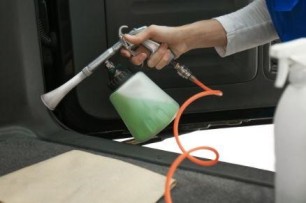
Best tips to clean the car carpets to make them shine as new
Understanding how to keep your car shiny is not only a matter of display but also a necessity to sustain your car's value. Certain parts of the car are exposed to dust and need to be cleaned regularly. The mats in your vehicle are the single most mistreated part and are often overlooked during a carwash. They are continuously battered by dirt, filth, sand, twigs, and stones brought in by your shoes. Not to mention how food and beverage spills create an excess mess on the carpet.
So, here are some of the best tips to keep your car carpets as good as new:
1. Take out all of the waste from the vehicle, including empty bottles, cans, wrappings, and pieces of paper. Gather it all up and chuck it away. Also, organise other personal things and either keep them in the glove box or remove them from the vehicle while you clean the carpets.
2. Now use a strong vacuum cleaner to clean the carpets thoroughly. Apply a stiff rug brush to scrape the fibres. Doing this will remove the dust and small bits that have been trapped between the fibres.
3. Examine the carpet for spots and areas that need further care before shampooing it. Prepare a spray bottle with hot water, vinegar, and a few drops of cleaning solution or laundry soap. Let it absorb for a moment before respraying and scrubbing it with a brush.
4. To get rid of a stubborn liquid stain, use soda and salt. Immediately after spilling something, put soda and salt on it and let it sit for a while. Then scrub it off using a paper towel or a cloth.
5. The best way to clean stains is to act quickly. To remove as much excess as possible, place a piece of paper tissue on the area. Then, sprinkle cold or sparkling water over the stain to dilute it and prevent it from hardening. After, wipe the area with additional paper towels or a cloth to absorb the liquid.
6. Finally, wash off your carpet. Then use a steam cleaner to dry it. The fabrics dry only with the pressure of hot compressed steam, which enters the material and blasts away any remaining trash.
7. Take measures to protect the fabric. Carpet and upholstery protectors come into play here. These chemicals coat the material with a flexible hydrophobic coating. To achieve complete coverage, spray the product evenly over the surface of the mat, then allow it to settle before applying another layer.
When it comes to caring for your vehicle, don't leave anything to chance. Owners diligently schedule regular maintenance of their car and take it in for expert treatment at the first hint of a problem. For those occasions when you decide to treat your vehicle yourself or in between expert treatments, the tips mentioned above will surely help keep your car carpets secured from getting dirty.
Similarly, opt for online car insurance to secure your car from the threat of physical damages during mishaps. Invest in good car insurance to aid you in paying the mechanic's required fees for repairs and servicing.
Click HERE to get online car insurance.
Disclaimer: The information provided above is for illustrative purposes only. To get more details, please refer to policy wordings and prospectus before purchasing a policy.

Common mistakes while learning to swim and ways to fix them
With the summer season right around the corner, it is time to take out your swimming trunks and goggles. For the past two years, the pools have been closed owing to the pandemic. But the numbers have been under control in recent past months, making way for pools to open up again with specified capacity. Although it's best to take refuge inside your homes in well air-conditioned rooms, taking a swim in your nearby pool is an option that most of us might consider. Over the years, we have seen an increasing number of people enrolling in swimming classes and actively making efforts to learn various styles of swimming. This article will prove helpful if you are new to swimming or want to polish your skills.
Today, we will look at a few common mistakes that people make while learning to swim and the ways to fix them.
1. Holding your breath:
Beginners commonly believe that the most crucial thing before diving into the pool is to hold your breath. Instead of helping themselves, they refrain from breathing to maneuver the waters.
A better solution to address this is to practice holding your breath on land before attempting it in water. This will help you control your breath more systematically and in a timed manner. Try inhaling and slowly exhaling while keeping a constant momentum.
2. Head too high:
One of the most common swimming mistakes is holding your head above water for breathing. It sounds surprising. How else are you supposed to breathe? When you lift your head, it causes your hip to drop down, slowing you down and increasing your resistance. Keep your head down, and when you need to breathe, you can do so from the side of the arm when it is out of the water's surface. Rotate your head to the side so that your mouth gets air to breathe.
3. Keeping your hips straight:
In the above passage, we discussed how the lowering of the hip could affect you negatively. Sometimes instead of rotating them, people use the upper body and the legs to move through the water.
Swimmers fail to realise that the most power comes from the hip. Utilising your core muscles and rotating your trunk will help you push through the water without tiring out your legs.
4. Pointing your toes:
Having straight pointy toes while swimming tightens up your muscles and makes it difficult for you to propel yourself in water. Swimmers should have flexible and loose ankles in water to maintain pace and direction. Practice curling your toes outside the pool. Try picking coins on the floor using your toes. Transfer them from one bowl to another to familiarise your toes with curling and being able to control them. This is the best way to train your toes before diving into the pool.
These are a few common mistakes swimmers make when starting their journey. Swimming can seem like a daunting activity, but it is sure to be one of the most enjoyable experiences with time. It is, however, advised to practice swimming under the guidance of certified coaches in well maintained and clean swimming facilities to avoid any health complications.
Another mistake that you should avoid is neglecting the importance of health insurance. Health insurance will act as your safety net in case of any injuries or accidents you might face while training.
A good tip would be to look for affordable health insurance plans, secure your finances against health ailments, and contribute to a healthy lifestyle.
Click HERE to know more about affordable health insurance plans.
Disclaimer: The information provided above is for illustrative purposes only. To get more details, please refer to policy wordings and prospectus before purchasing a policy.
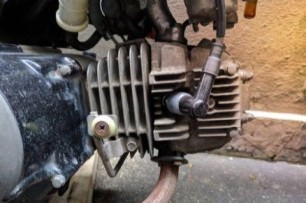
2-stroke or 4-stroke bike: Which is better for you
A wide range of motorcycles is available in the market today. Every model differs in several ways. So, when purchasing a bike, it is crucial to know its specific functions like its engine, mileage, and fuel economy.
Overall, a durable engine design is crucial for a good motorcycle. Even though two-wheeler engines and their mechanisms have transformed drastically over the years, the two primary gasoline-powered combustion engine designs are — 2-stroke engine and 4-stroke engine. And while you may secure your two-wheeler by purchasing reliable bike insurance, it is essential to know which kind of engine is best suited for you.
If you have done your research, you may be familiar with these two types of motorcycle engines. Although, if you're new to the field, here are some points to help you understand!
Let's understand more about a stroke engine:
To understand the functions of the engines, you must know about their combustion cycle. The engine's combustion cycle or revolution involves the piston's continuous up and down movement.
A stroke is the piston's movement from one position closest to the valve to another, which is furthest away from it. At the end of every stroke, a spark causes the gas and air mixture to ignite, which invariably helps the bike move forward.
So, what are the significant differences between a 2-stroke and a 4-stroke engine?
You may notice absolutely no difference between a 2-stroke and a 4-stroke engine on the first look. In line with its function, 2-stroke and 4-stroke bikes follow the equal gas-powered internal-combustion standards. However, the main distinction lies within the number of strokes the two engines require to produce power. A 4-stroke motorcycle needs four piston strokes to complete the combustion cycle, while a 2-stroke motorcycle does it in two.
In a 4-stroke engine, the piston performs two strokes during a single cycle, completed by a return stroke. The power gets produced after every four strokes of the piston. The highlight of this kind of engine is that it does not need to pre-mix any fluids like oil and fuel.
Similarly, in a 2-stroke engine, the combustion cycle requires just one piston compression stroke and is completed by an explosion to generate power. The power gets produced when the piston achieves two strokes. In opposition to a 4-stroke engine, a 2-stroke engine requires the oil to be pre-mixed with the fuel.
Which engine is better?
4-stroke engines are definitely the better pick. Here are a few reasons why:
1. They offer more efficient fuel consumption and controlled usage.
2. 4-stroke engines are more durable in the long term.
3. While the 2-stroke engine is more powerful, it is highly noisy and creates a loud buzzing sound that the 4-stroke one does not.
4. Above all, 4-stroke motorcycle engines are more eco-friendly. 2-stroke engines emit far more toxic emissions.
While noting all these advantages of a 4-stroke engine, you must also remember that maintaining 4-stroke two-wheelers can be more expensive. They have many intricate parts that require more intensive upkeep. Its modified efficiency requires more investment of funds from your end.
Hopefully, this article helps you understand the functions of each engine and specifically pick which type works better for you! Don't miss out on securing your motorcycle with robust bike insurance. You may visit several policy features online and purchase the one offering the best value-to-money.
Click HERE to buy the best bike insurance to protect your bike from mishaps.
Disclaimer: The information provided above is for illustrative purposes only. To get more details, please refer to policy wordings and prospectus before purchasing a policy.
A wide range of motorcycles is available in the market today. Every model differs in several ways. So, when purchasing a bike, it is crucial to know its specific functions like its engine, mileage, and fuel economy.
Overall, a durable engine design is crucial for a good motorcycle. Even though two-wheeler engines and their mechanisms have transformed drastically over the years, the two primary gasoline-powered combustion engine designs are — 2-stroke engine and 4-stroke engine. And while you may secure your two-wheeler by purchasing reliable bike insurance, it is essential to know which kind of engine is best suited for you.
If you have done your research, you may be familiar with these two types of motorcycle engines. Although, if you're new to the field, here are some points to help you understand!
Let's understand more about a stroke engine:
To understand the functions of the engines, you must know about their combustion cycle. The engine's combustion cycle or revolution involves the piston's continuous up and down movement.
A stroke is the piston's movement from one position closest to the valve to another, which is furthest away from it. At the end of every stroke, a spark causes the gas and air mixture to ignite, which invariably helps the bike move forward.
So, what are the significant differences between a 2-stroke and a 4-stroke engine?
You may notice absolutely no difference between a 2-stroke and a 4-stroke engine on the first look. In line with its function, 2-stroke and 4-stroke bikes follow the equal gas-powered internal-combustion standards. However, the main distinction lies within the number of strokes the two engines require to produce power. A 4-stroke motorcycle needs four piston strokes to complete the combustion cycle, while a 2-stroke motorcycle does it in two.
In a 4-stroke engine, the piston performs two strokes during a single cycle, completed by a return stroke. The power gets produced after every four strokes of the piston. The highlight of this kind of engine is that it does not need to pre-mix any fluids like oil and fuel.
Similarly, in a 2-stroke engine, the combustion cycle requires just one piston compression stroke and is completed by an explosion to generate power. The power gets produced when the piston achieves two strokes. In opposition to a 4-stroke engine, a 2-stroke engine requires the oil to be pre-mixed with the fuel.
Which engine is better?
4-stroke engines are definitely the better pick. Here are a few reasons why:
1. They offer more efficient fuel consumption and controlled usage.
2. 4-stroke engines are more durable in the long term.
3. While the 2-stroke engine is more powerful, it is highly noisy and creates a loud buzzing sound that the 4-stroke one does not.
4. Above all, 4-stroke motorcycle engines are more eco-friendly. 2-stroke engines emit far more toxic emissions.
While noting all these advantages of a 4-stroke engine, you must also remember that maintaining 4-stroke two-wheelers can be more expensive. They have many intricate parts that require more intensive upkeep. Its modified efficiency requires more investment of funds from your end.
Hopefully, this article helps you understand the functions of each engine and specifically pick which type works better for you! Don't miss out on securing your motorcycle with robust bike insurance. You may visit several policy features online and purchase the one offering the best value-to-money.
Click HERE to buy the best bike insurance to protect your bike from mishaps.
Disclaimer: The information provided above is for illustrative purposes only. To get more details, please refer to policy wordings and prospectus before purchasing a policy.

Follow these eight handy driving tips while travelling on highways
Road trips are something that all travel enthusiasts look forward to. They allow you to explore more than just your destination. From families to working professionals, road trips are perfect for every individual who wants a short and quick escape from the daily hustle of life.
While you enjoy most of the time driving on the highways with fast-paced cars passing along, there are certain things to keep in mind while navigating your way through the roads safely.
This article will look at eight handy driving tips while travelling on highways.
1. Speed control:
As opposed to city roads, on the highway, you are expected to drive faster than usual, owing to the multiple lanes and the light traffic situation. However, it is best to stick to the speed indicated by the signs on the road.
2. Lane change:
Switching lanes is one of the most overlooked driving practices. It is significantly more important on highways as most vehicles travel at higher-than-average speeds. When you change lanes, remember to turn on the car indicators to the traffic behind to signal them.
3. Analysing the distance:
While on the highway, ensure sufficient distance between your vehicle and others. Doing this gives you enough time to slow down and avoid a collision in case the driver in front brakes suddenly.
Stick to the “three-second rule”. Look for a point of reference and check the time you take to get that point after your preceding car passes it. The time taken should be at least three seconds, if not more.
4. Night driving:
Proper visibility is essential when it comes to driving at night. Keep the windshield clean and ensure that all the lights are working. The headlight should not be aimed too high because it will cause discomfort to others on the road. Try avoiding late-night trips. Instead, start early in the morning so that you manage to reach your destination during the daylight hours.
5. Breakdown:
In case of a breakdown, slow down gradually and move to either side of the highway. Turn on the hazard lights and place the hazard triangle about 10 feet behind the car to warn others. Call assistance after examining the damage. It is advisable to have contact details of highway assistance handy while taking road trips.
6. Take regular breaks:
Continuous driving for hours can be exhausting for the drivers. It is advisable to take frequent halts or refreshment breaks to relax your body and prepare to resume your journey. You can either take a quick nap or have some warm tea or coffee.
7. Servicing:
Before going on a long trip, it is recommended to take your car to the service centre. Facing issues while driving on the highway can be troublesome. Hence servicing and checkups should be a must before long trips.
8. Paperwork:
Carrying legitimate paperwork during highway journeys is essential. Make it a point to have your licence, PUC, and car insurance papers. Check the validity of all these documents to avoid getting fined and ensure that you face no legal troubles while on the road.
These are some of the top tips to keep in mind when taking a road trip. Navigating through the highway can be challenging at times. Hence, it is best to have a car insurance cover to safeguard you. With so many options to choose from, you might want to go through the new car insurance rates and choose the one that suits your needs the best.
Click HERE to know more about new car insurance rates.
Disclaimer: The information provided above is for illustrative purposes only. To get more details, please refer to policy wordings and prospectus before purchasing a policy.

Drinking Hot Water: Let's understand the health advantages of it
We have all heard about the wonders of water. From personal beliefs to affirmations by medical science, water is proved to have multiple benefits for the overall development of the human body. It is good for the skin, muscles, and joints. It aids in the absorption of nutrients and helps defend against infections. Experts recommend having at least 8 glasses of water each day, but what if we tell you that out of those 8, if you have a couple of glasses of hot water, it will significantly improve your health.
The benefits of drinking hot water have received scientific attention. Ayurveda also claims that drinking hot water is a simple approach to enhancing one's health.
Drinking water at room temperature can help you feel better, but drinking warm or hot water is known to provide extra health benefits.
Let's look at some of these potential advantages in this post.
1. Promotes digestion:
A glass of hot water to start the morning can aid in the removal of toxins from your body. The hot water will help your digestive system by breaking down any residual food in your stomach from the previous night. If you drink hot water before or after meals, it will assist your body in breaking down food more quickly.
Cold water, on the other hand, whether eaten before, during, or after a meal, will harden any oil present in the dish. This will result in fat accumulation in the gut, which will take longer to digest. Iced water is particularly harmful because the ice's quick chilling process depletes the water's inherent nutrients and minerals.
2. Improves blood circulation:
When you consume hot water, fatty deposits in the body are flushed out. Any deposits that have collected in the adipose tissue are also eliminated. Removing these pollutants improves your body's blood circulation. This will assist you in relaxing your muscles and improving your overall well-being.
3. Helps with constipation:
Many of you may have experienced constipation at some point in your lives, and it can be quite unpleasant. The tension and bloating you're experiencing is caused by dehydration. Beginning the day with a glass of hot water before breakfast will improve bowel function.
4. It helps you shed that extra weight:
When you consume hot water, the abrupt spike in temperature causes your body's temperature regulation mechanism to wake up. To compensate for the hot temperature, the body reduces your internal temperature.
This entire procedure boosts the efficiency of your weight reduction attempts by activating your metabolism. As hot water also aids in constipation, you lose some water weight caused due to bloating.
5. Helps you release toxins:
Drinking hot water also stimulates the endocrine system. Sweating and the discharge of toxins via the skin are caused by this stimulation.
6. Relaxes you muscles:
Drinking hot water aids in muscle relaxation by increasing blood flow.
Remember that you should avoid drinking water close to boiling. It's advisable to take a modest sip before taking a big mouthful to prevent burning your tongue and oesophagus.
Now that you know how drinking hot water can do miracles for your body, it's time to adopt the habit. If you are a college student or an office goer, make it a practice to carry hot water in a thermo-steel bottle and consume it throughout the day.
Another great way to ensure good health is by getting insured. Ideal health insurance will protect your financial plan by covering all the expenses. Review multiple health insurance plans from the best health insurance company in India before deciding.
Click HERE to know about best health insurance company in India.
Disclaimer: The information provided above is for illustrative purposes only. To get more details, please refer to policy wordings and prospectus before purchasing a policy.
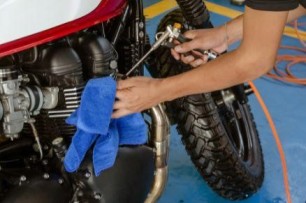
Here is a checklist to follow after the completion of servicing of your bike
Buying a bike takes a lot of thought and planning. Multiple factors influence your purchase. You arrange the funds, and after making a final decision, you pay the money and get a brand new bike. Just like your other possessions, your motorcycle needs optimum care too.
Maintenance of your bike is as essential as your safety while riding it. Whether you frequently use your motorcycle or occasionally, you need to ensure that your vehicle is not damaged. Even a tiny impaired part could cause significant harm to the bike and risk your safety. So as the owner, be careful about its regular maintenance.
All bikes have their periodic servicing cycle. Ensure to get professional servicing for your motorcycle at the authorised service stations. These centres use authentic spare parts recommended by the manufacturer and follow all the procedures to ensure that your bike does not suffer any damages in the long run.
But what happens after your bike is serviced? How can you assure that it has undergone proper servicing? Well, this blog will discuss what you need to keep in mind the next time you get your bike after servicing.
1. Air pressure:
Check the air pressure in the tyres. Unless your bike's tyre is visibly flat, you can't just judge the tyre inflation. Instead, use a tyre pressure gauge to check the correct pressure. Regularly check the motorcycle at different pressures when you ride it.
2. Engine oil:
You should inspect the engine oil after the servicing is completed. Make sure that proper levels are maintained. Look for any leakages. Carbon deposits can thicken the engine oil. Running the bike on dirty oil can damage the engine life in the long run.
3. Brakes:
Examine the brakes very carefully. Your bike's brakes are vulnerable to damage due to their excessive usage on the roads. Make sure that your brakes are not very loose or very tight, which would cause difficulties in applying them when needed.
4. Screeching noise:
If you hear a screeching noise, it could be due to an issue in the front brake pads. Make sure that they are appropriately checked and replaced if needed. Lack of oil could also be one of the reasons for such noises.
5. Spark plug:
Make sure that the spark plug is cleaned. And in case of any damages, ensure that it is replaced. The spark plug is connected to the engine combustion and should undergo regular maintenance. You can keep an eye out for checking the carburettor, air filters, chainset, etc.
Now that we've discussed the checklist you need to follow after completing servicing of your bike, you need to think about how to keep your bike safe from damage during unprecedented situations. The solution is to get your bike insured. And now, you can purchase bike insurance online from the comfort of your home and even get attractive deals with extra benefits. These benefits can reduce your monetary stress and cover your bike's repairing or garage costs.
Click HERE to know more about how you can buy bike insurance online.
Disclaimer: The information provided above is for illustrative purposes only. To get more details, please refer to policy wordings and prospectus before purchasing a policy.
Hi there! 👋 Need help with a policy, claim, or renewal? Chat with us instantly on WhatsApp.
Start chat →