


General Insurance Blogs, Articles & Updates by - Magma Insurance
Have us call you
- RENEW YOUR POLICY
- BUY NEW POLICY

GENERAL INSURANCE BLOG

Work From Home (WFH) culture: Revealing the truth
The year 2020 was considered the year of WFH (work from home). In the beginning, everyone took it as a blessing, and people experienced enough flexibility at work and more time for family. However, as the trend continued into 2021, it presented new communication and collaboration challenges among teams, mental health issues, and imbalance in the work-life cycle.
Working from home looks like a job incentive for many employees, as suddenly they have more flexibility to get their work-life balance. But that's not the whole truth; reality seems to be different. Work from home culture has depended significantly on one question: Is remote working a sustainable option? In this article, we'll discuss some of the most common challenges that home-based workers are facing.
WFH affects your mental health:
Though work from home has proved to be helpful, it is also adversely affecting our mental health. A report states that about 76% of the global workforce recorded negative impacts on their mental health in 2020 due to WFH.
WFH results in total exposure to the computer all day, leading to headaches, fatigue, tiredness, and eye problems. In addition, rather than the benefits of work-life balance, some people lose sleep due to workload and family chores altogether. This continuous work-family adjustment results in emotional exhaustion. People who are hyperactive at work find it hard to detach themselves from work at home.
On the other hand, work from home has turned out to be an advantage for many introverts. You can work from the convenience of your customary conditions without any physical human interaction.
WFH takes a toll on physical health:
Because you are in front of the screens all day, there is no time for physical activities. Due to prolonged remote working hours, people are more often facing health issues. A sedentary lifestyle, irregular food intake, and sleep deprivation are common concerns. Parents working full time, taking care of household chores, and home-schooling their kids face much bigger physical health issues.
Tossing within the many tasks simultaneously; it takes the life out of those employees with productivity shame, lack of motivation and burnouts in most cases. Most surveys suggest that as many as 50% of people have back and neck pain and other musculoskeletal problems leading to more stress. Although the pandemic has blurred the boundaries between work and home, we learned a lot from WFH culture. These alarming health-related issues have brought well-being to the forefront. Both employers and workers are more aware than ever of the impact of mental and physical health.
We all know that stress and fatigue are not just resulting in some temporary problems but are also impacting cognitive health with some life-threatening issues such as anxiety, diabetes, heart diseases, and clinical depression. As a result, the corporate sector is taking measures to ensure the well-being of the employees and assuring better working conditions, flexibility and HEALTH INSURANCE coverage to their employees.
Since WFH impacts your overall well-being, re-think your current remote working style. There are undeniable benefits of work from home if you have a positive WFH culture, flexibility, work-home balance, time for other activities and a health insurance plan to address your mental and financial stress. So go, set in motion the true meaning of WFH!
To get the best deals on health insurance, click HERE .
Disclaimer: The information provided above is for illustrative purposes only. To get more details, please refer to policy wordings and prospectus before purchasing a policy.

Here's a guide to help you start your bike rental business
'Big business starts small' – wise words by Richard Branson. If you plan to become your boss, a bike rental business can be a good venture. A rental bike allows people to ditch cars and public transport without owning a motorcycle or being bothered by BIKE INSURANCE, storage, and maintenance hassles.
In recent years, the opportunities and demands for a bike rental business have increased considerably due to the convenience of two-wheelers. With just a helmet and a 2-wheeler, a person can go around the city efficiently running their errands; or take in some fresh air on an empty highway.
Now that you are ready with your business idea let's proceed to the next step. We have brought together these seven easy steps to help you start your bike rental business.
Step 1
Plan – 'A target to accomplish without a plan is just a dream!'
• Estimation of setting up your business
• The business operation cost
• Potential customers (set up the target audience and promotion offer accordingly)
• Method of business (hourly or daily rates, whether or not you will sell bike-related merchandise, policies concerning damage caused, etc.)
• More profits (consider extra services, like bike sales and repairs; if in a tourist place, offer tour guides)
• Name of your business (what's there in the name? Your brand, logo, website, etc.)
Step 2
Tax – 'Pay for doing the right thing!'
Register for taxes; your small business will be taxed depending upon your business structure (e.g., LLC or Sole Proprietorship.)
Step 3
Bank accounts and credit cards – 'Start your financial journey!'
A business bank account separates your assets from your company's assets. Similarly, getting a business credit card will help you separate your business and personal expenses, and it builds your company's credit history, allowing you to acquire your investments later.
Step 4
Daily cash flow and expenses – 'Maintain a proper business account!'
Keeping track of various expenses and income is crucial to understand financial performance. It also simplifies the tax filing for you. Carefully manage the cash flow, make all entries and maintain a daily account sheet.
Step 5
Legal requirements – ‘Keep the books clean!’
Get your company’s name registered, obtain GST, PAN card, trademark certificate, and other prerequisite licenses and permits to avoid any fines or legal issues in the future.
Step 6
Insurance – 'Keep your umbrellas ready before it rains!'
Similarly, for your firm's financial security, it is necessary to get the right business insurance. There are several types of insurance policies designed to cover different risks. For the growth of a bike rental business, the security of bikes makes a huge difference. With the rising operation cost of the bike rental business, having robust bike insurance plans helps you overcome financial risks related to your bikes.
Step 7
Move online – 'Make the internet your new market!'
Maintaining a good website and the social media platforms like LinkedIn, Facebook and Instagram will help your business to grow with more user engagement. In addition, you can flash special offers, exclusive deals, trade merchandise as a part of your marketing strategy to draw more sales.
For running a bike rental business, you need to have mechanical skills or hire at least one full-time mechanic. Remember, a nonoperating bike won't earn you any money. Also, a significant amount of your customers can be tourists, so you should be well acquainted with the location to build a good customer relationship. Follow your passion and work in the direction of making your vision a reality with this quick guide.
Are you starting a new bike rental business? Click HERE to buy insurance that will ensure the safety of your bikes.
Disclaimer: The information provided above is for illustrative purposes only. To get more details, please refer to policy wordings and prospectus before purchasing a policy.

Eleven good habits every two-wheeler rider should follow
The two-wheeler segment is considered the most convenient mode of commutation in our country. It is believed that 'life is better on two wheels.' With a couple of benefits like fuel efficiency, compact design, and budget-friendliness, two-wheelers are people's personal favourite to withstand the fast pace of life. From youths to retirees, you will find a large Indian population riding two-wheelers.
Despite many worthy features, two-wheelers elevate the risk involved in riding them. No matter how good your driving skills are, you can't deny the risks involved with two-wheelers. Unfortunately, people tend to overlook it while riding two-wheelers. Following traffic and safety rules is essential even if you have many years of experience under your belt. In addition, pursue another good habit of renewing your 2 WHEELER INSURANCE to ensure security in case of mishaps.
We bring these eleven good habits every rider should consider:
1. Start your two-wheeler only after wearing the helmet. It is unlawful and dangerous to ride a two-wheeler or a bike without wearing a proper helmet. The helmet should be ISI certified and of the best fit.
2. Always go for a bike that you can comfortably ride and control. Choose one that is appropriate for your physical capabilities, low maintenance, and compliments your budget.
3. Overtaking a vehicle from the left is always the wrong decision you'd ever make. Stay away from overtaking at intersections, schools and public zones, bridges. Honk before you take a turn.
4. The rider must be visible to other vehicles during the night and extreme weather conditions like fog. Stick reflective bands on the helmet, use dipper lights appropriately, especially when riding at night.
5. Riders must be cautious of their proximity to the vehicles ahead of them. Understand the distance required to go to a complete halt and brake correspondingly.
6. Maintain your motorcycle or scooter in excellent working condition and get regular servicing at an authorized workshop or service centre.
7. Always look out and be aware of potential dangers such as speed bumps, potholes, environmental disasters, and pedestrian crosswalks.
8. Obey all traffic rules religiously. Always signal first so that others can anticipate your next action. Make sure you don't slam on the brakes or make sharp bends suddenly.
9. Using your phone on the bike is a big threat for the rider and the pillion rider. If it is exceptionally urgent, pull over your bike at the side of the road to use your phone.
10. Only because you own a vehicle does not make you superior on the road. Be considerate of pedestrians and allow them to move before you in all situations.
11. In addition, an overall increase in service cost, maintenance fee, or a sudden accident may impact your financial plan. So, prepare for uncertainties in advance with 2 wheeler insurance.
2 wheeler insurance will not just cover your finances at times of damage but will also provide you with compensation if your two-wheeler is stolen.
Keep the above-mentioned habits in mind and enjoy the pleasure of a bike ride to chase more smiles per hour.
Looking for 2 wheeler insurance, click HERE.
Disclaimer: The information provided above is for illustrative purposes only. To get more details, please refer to policy wordings and prospectus before purchasing a policy.
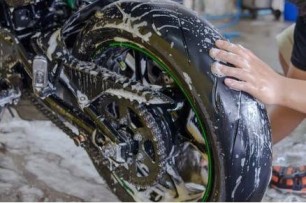
With these five tips, you can give your bike tyres a long life
Bikes are the most commonly used vehicle when it comes to riding on India's busy roads. But did you know that your safety relies on one more thing than just your driving skills? Your choice of tyres and how you maintain them are two major factors contributing to a safe and smooth ride.
Still, most of us don't take the health of our bike's tyres very seriously. Tyres suffer a lot while making your riding experience pleasant. Besides this, bike tyres face significant external damage and develop cracks due to constant wear and tear. You cannot afford to leave the tyres unattended because a faulty tyre can be a threat to your life and others around you. Below are the five best tips to increase the life expectancy of your bike's tyres.
1. Wash them regularly:
Cleaning the tyres of your bike is an essential routine that you shouldn't miss. Leaving dirt will expose them to damages, thereby affecting their quality. The dirt racks up on the tyre's surface and affects its grip, which tends the bike to skid on the road. So, next time you go to the washing centre, get the tyres clean and dirt-free thoroughly.
2. Schedule regular repair checks:
Your bike runs over any sharp object like a nail or edgy stones on the road. With time, tyres also meet with alignment and wheel balancing issues. This happens due to extensive riding and wear and tear of treads or grooves. Get these issues fixed at the earliest, as otherwise, such things can damage the tyres inside out.
3. Get the best fit:
Sometimes we opt for fancy or trendy tyres and don't pay heed to the actual requirement. Always look out for the best fitting and necessity of your bike and its model. Mismatching tyres is never a good option – neither for your bike nor for you.
4. Timely replacement of tyres:
Tyres don't come with a lifelong guarantee. Ideally, they need to be changed every 4-5 years, or the kilometres you cover, depending on your bike's specifications. Due to resisting the friction continuously, tyres tend to lose their grip. Taking out your motorcycle with such tyres on the road is dangerous, especially on uneven roads or during the rainy season. So, timely replacing of tyres is required before the situation gets uncontrollable.
5. Check for ideal pressure:
Refer to the user manual of your bike to know the perfect pressure of the tyre and maintain it consistently. Don't forget the essential maintenance of air filling and oiling the engine. Riding under less pressured tyres is risky as there are chances of bursting or unexpected puncturing.
Your bike is your responsibility, and keeping it in good shape will give it an extended life. Moreover, regular maintenance to your bike and tyres promises comfortable and safe rides to you. Along with good care, buying suitable BIKE INSURANCE also counts as a wise step. Bike insurance comes with plenty of benefits that can help you as an owner during unfortunate incidents like accidents, theft, or damages due to calamities.
Click HERE to buy or renew your bike insurance online.
Disclaimer: The information provided above is for illustrative purposes only. To get more details, please refer to policy wordings and prospectus before purchasing a policy.
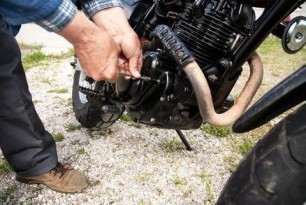
Understand these four things before you modify your two-wheeler
Bikes are never out of fashion, and every biker wants his favourite bike to be the show-stopper. You may have seen a lot of tastefully customized bikes and may be interested in modifying your two-wheeler. Different people have different reasons for customizing their motorcycles. Some do it for better designs, while others do it to improve performance or safety.
No matter the reason, here are four things that you should know before you shift into high gear and head straight to one of the bike modification shops.
1. What The Motor law says:
When considering change, the first thing to examine is if the law allows it. To illustrate, if you wish to update the engine to boost its power output, your registration certificate should reflect such modifications. As a result, you must go to the Regional Transport Office and have your registration certificate updated. Minor cosmetic changes, such as adding a sticker, are permissible without clearance. Each state has its own set of rules regulating the use of lights, indicators, license plates, and horns. Before making any changes to your bike, you must comply with the government's regulations, or you'll have to pay a heavy fine. Ensure that you stay lawful!
2. Types of Modifications and their Impact on premiums of 2 wheeler insurance:
Performance-based modification: Performance enhancements on two-wheelers often involve fuel-efficient technologies or mechanisms to enhance speed. Remember, a higher speed increases the probability of an accident. Given the danger, it will surely raise your 2 wheeler insurance premium.
Aesthetic modification:When you modify your bike to look more aesthetic, it raises the chances of theft, thus increasing the premium.
Safety modification: By adding security features to your bike, you reduce the chances of bike theft. As a result, you save money on insurance costs too.
Modifications for the disabled:If a specially-abled person rides a bike and is modified to meet the convenience, the insurance provider will not charge an additional premium.
3. Inform your insurance provider:
Keep your insurance company informed of any alterations you want to make to your two-wheeler. Some two-wheeler changes may result in an increased premium amount. Failure to disclose these modifications may be seen as unlawful, leading to claim denial by the insurer.
4. Get the job done by a professional:
While the potential for heavy-duty modifications to two-wheelers is restricted, you can still make many alterations. Paintworks, for example, are still permitted as long as they are within the RTO guidelines. Similarly, the installation of minor extras such as decals, visors, and engine fairings remains allowed. Make sure that only specialists perform these tasks.
Remember, your bike is a machine, and like any other machine, it has its limitations. Therefore, you need a skilled bike modifier who can assess your bike's capabilities, consider your needs in terms of adjustments, and then begin working on a plan.
Whether you modify your vehicle or not, you must hold valid insurance if you want to ride your two-wheeler lawfully on Indian roads. Also, you need to prepare yourself for uncertain events or situations like accidents, maintenance fees, and other service costs involved before they take a toll on your finances. So get reliable 2 wheeler insurance and forget all the stress.
Click HERE to know about the most economical plans for your 2 wheeled companion.
Disclaimer: The information provided above is for illustrative purposes only. To get more details, please refer to policy wordings and prospectus before purchasing a policy.
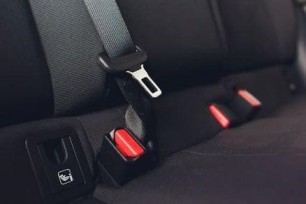
Why seat belt for the rear seat is equally important
A seat belt is one of the necessary safety items that come with the car. But we often avoid wearing a seatbelt on the rear seat. It is important to understand that as per the Section 138 (3) of the Central Motor Vehicles, seat belts are compulsory for the rear seat passengers as well. However, most rear seat occupants give it a miss because of the lack of awareness and relaxed law enforcement.
The automotive industry experts researched that passengers tend to suffer collisions when a car meets an accident. A seat belt protects the passengers from undesirable forward motion during sudden brakes or crashes. Hence, it prevents critical harm to the life of passengers on the rear seat.
Remember, the rear seatbelts are not decorative accessories; they are installed for a reason. And, in case you are not wearing a seatbelt, your motor insurance company can also object to your claim for damages to your car.
Let's understand the reasons why a seat belt is equally important for the rear seat.
1. Avoid severe injuries:
We might think that sitting on the rear seat is safe, but that's not true. During accidents, the rear seat passenger might get badly injured. Injuries on prime parts of the body like the spine, head, abdominal can be life-threatening. To save yourself from this, make sure that you wear the seat belt correctly. Unfortunately, some cars have installed only lap seat belts, which are not entirely secure. Three-point seat belts are a better option, which have shoulder and lap belts to support the passengers' chest, shoulder, and pelvis.
2. Reason to be penalized:
In 1988, the government enforced an act to consolidate and amend motor vehicles, known as the MV act. According to this safety rule, if passengers are caught with unbuckled seat belts, they are liable to pay a fine for traffic safety violations.
3. A threat to the passengers in front seats:
Studies show that, in many cases, unbuckled rear passengers tend to collide with the front seat and push the front seater into the steering wheel or dashboard. It might damage airbags, and even passengers may strike with or fly out of the windscreen too. So, not wearing seat belts at the rear seats can be life-threatening for those sitting in the front.
Seat belts reduce the secondary danger impacts. It works as resistance for the passengers by holding them in position, such that airbags can work efficiently
Every individual should hold themselves accountable for spreading awareness about the necessity of wearing seat belts during car journeys. Especially when you are travelling with kids, you need to be extra cautious. Check if your children are correctly seated and have their seat belts fastened.
On a conclusive note, never undervalue the use of seat belts. From driving to a grocery store in your neighbourhood to long-distance drives, you must fasten the seat belt at all times. Driving is meant to provide you convenience and comfort, so make a habit of following safe practices such as wearing a seatbelt. Follow the traffic rules, buckle your seat belt, and keep your life, car, money and motor insurance company record safe.
Click HERE to buy/renew your car insurance policy.
Disclaimer: The information provided above is for illustrative purposes only. To get more details, please refer to policy wordings and prospectus before purchasing a policy.

Vaccinated? Why do you still need to build your immunity
The vaccination drive is in full swing in India, and the government is trying to vaccinate the entire country before the year-end. But, once vaccinated, do you still need to focus on building your immunity? Absolutely yes! Medical authorities, wellbeing experts, and health insurance companies encourage people to continue wearing masks, maintaining physical distance and sanitizing hands. In addition to it, you should also focus on nutrition and a healthy diet to continue building immunity. And here are a few reasons why you still need to build your immunity even after getting both vaccine doses.
1. New virus variant:
In December 2020, the media reported the first variant of covid-19. Since then, many new variants have been identified in regular researches done by scientists. So the question arises, will the COVID-19 vaccine be effective on the new variants? Laboratory studies suggest that current vaccines may help reduce the severity but might not provide complete immunity against these new variants. Meaning you have a chance of contracting any of the virus variants. The best way to prevent this is to keep following the coronavirus safety precautions and focus on developing your immune system.
2. Not 100% effective:
So, will the country be safe and covid free once everyone is vaccinated? Few vaccines have a high rate of success in preventing the illness or reducing the severity of it. It is a fact that vaccines cannot be hundred percent effective against the virus on an entire population. The clinical trials of various vaccines show 90-95% efficacy, indicating that the vaccine reduces your chance of contracting COVID-19. There have been instances of people getting detected with the COVID-19 virus after getting both doses. Therefore, vaccinated people still need to follow safety protocols. The vaccine prevents the severity of disease, reducing the possibility of being hospitalized. Having high immunity further improves your chances to fight against the COVID-19 virus.
3. Other diseases:
Your immunity helps to fight any harmful substances, germs and viruses entering the body. So your immune system allows the body to fight microbes and acts as the first wall of defence in your body, not just when the coronavirus is concerned. Therefore, to not contract any disease, you must take measures to boost your immune system.
4. Protecting the community:
The only way to end the COVID-19 pandemic is to reach the state of herd immunity. Herd immunity is a situation where a massive section of a population gets immunity against a disease. As a result, the whole community is under protection from the disease, not just the few who are immune. Even if you are vaccinated and might be safe from a severe illness due to coronavirus, the people around you aren't, so you are responsible for keeping them safe too.
While it is inevitable that vaccines protect you against the severity of COVID-19, you must still build your immunity, follow COVID-19 protocols, and have good health insurance to be financially and physically prepared for any medical conditions or diseases coming your way.
Are you concerned about the medical bills during a pandemic? Click HERE to know about the health insurance policy.
Disclaimer: The information provided above is for illustrative purposes only. To get more details, please refer to policy wordings and prospectus before purchasing a policy.

Six habits of successful weight watchers
If you want to reduce weight, you may be considering a complete lifestyle change. Remove chocolate from your diet, avoid alcohol, quit eating sweets, say goodbye to junk food, begin running 10 kilometres every day and so on. Wait! The list is endless and, while it sounds like a foolproof strategy to lose weight, it isn't easy to follow.
So, what is that unique, the successful weight watchers do to reduce weight? They work on an alternative way to cultivate healthy habits. Here are six habits that can help you reach your healthiest weight.
1. Hydration:
The brain frequently misinterprets thirst, which is triggered by minor dehydration, for hunger. Even slight dehydration might cause your metabolism to slow down and function inefficiently. Don't reach out for a snack, instead find a tap and drink some water next time you feel that hunger calls frequently.
2. Don't skip meals:
Especially breakfast, you'll rarely see successful weight watchers skip breakfast. Skipping meals is a bad idea in general since it means you'll be hungry later. And, when you're hungry like that, you're more likely to overeat.
3. Mindful eating:
The idea of mindless eating is familiar to most of us. Whenever we're sitting in front of the television or browsing through our phones, this is what we do. However, when you focus on what you're eating without interruptions, you create a healthier connection with food, lose extra weight, and are more likely to keep it off.
4. Intake more fibre:
Fibre doesn't have any unique fat-burning qualities. It just makes you feel full without adding too many calories to your daily diet. For example, if you eat a baked potato instead of a bag of potato chips, you'll consume fewer calories and be less hungry an hour later.
5. Caloric awareness:
Simple math, to lose weight, you must consume fewer calories than you spend. Figure out your caloric intake and try to meet the demand with nutrient-rich, minimally processed food. Wholesome foods and healthy fatty foods are great choices. Snacking now and then won't hurt; try to be aware of the foods you consume, and as long as you're in your maintenance calorie level, you're good.
6. Exercise regularly:
Hitting the gym, swimming laps in a pool, dancing, and running are the possibilities. Find a workout that you like and adhere to it. Adding various forms of exercise will keep you engaged. Aim for 10,000 steps every day. Take stairs instead of the lift whenever you can. Just keep your heart rate up every day one way or the other.
Be patient with your new habits. Weight management is a journey that all weight watchers should enjoy. What worked for others may not work for you; follow these six habits and add your mix to it. Find the right combination, and then be consistent.
Losing weight leads to a healthy lifestyle as it increases your productivity and efficiency at work and keeps you motivated throughout the day. In addition, it reduces your medical bills, healthcare costs and premium for your health insurance plan. Many insurance companies encourage healthy individuals with affordable health insurance plans.
Click HERE to know about affordable health insurance plans.
Disclaimer: The information provided above is for illustrative purposes only. To get more details, please refer to policy wordings and prospectus before purchasing a policy.
Hi there! 👋 Need help with a policy, claim, or renewal? Chat with us instantly on WhatsApp.
Start chat →