


General Insurance Blogs, Articles & Updates by - Magma Insurance
Have us call you
- RENEW YOUR POLICY
- BUY NEW POLICY

GENERAL INSURANCE BLOG

Did you know that your bathing habits can impact your digestion
Our elders followed a healthy lifestyle and had a long lifespan, however, life expectancy has been going down in recent years. A big reason for this is the inability to follow a healthy lifestyle due to our busy schedules and poor dietary habits. We are more prone to falling ill and catching several seasonal and life-threatening diseases. The majority of health conditions rely on your eating habits and digestion. Did you know that even your bathing habits can impact your digestion? This has been certified by both Ayurveda and modern science.
Let us see how our bathing habits impact our digestion.
Say no to shower immediately after a meal.
Whenever we eat a meal, our body rushes blood to the digestive system. This helps it in the digestion process. As a result, heat is generated inside the body to break down the food.
Ayurveda’s point of view:
According to Ayurveda, this heat is the fire element inside us. Whenever we eat something, it gets activated and helps in the digestion process. Taking a shower has a cooling effect on the body. It automatically lowers the body temperature. The fire element or the heat in the body cools down, and the blood flow also slows down. This directly impacts the digestive process, in turn, and slows it down considerably. Hence, taking a shower after a meal harms our digestive system.
Medical science’s point of view:
The same fact is corroborated by medical science but differently. It says that taking a shower right after a meal slows down the blood flow because of the cooling effect. Our body starts working harder to maintain a standard temperature to help in the digestion process. The blood that should help in the digestion process is diverted to other parts of the body. This results in the slowing of the digestive process.
It may also cause acidity and uneasiness, and you may feel a sense of nausea. Our bodies may start feeling dull and sluggish. You might have a comforting sleep after a shower, but it will be bad for your digestive system. A bath after a meal can increase your heart rate and may add to your discomfort when your stomach is full. Therefore, medical science also discourages a bath right after a meal.
Type of meal.
As mentioned above, bathing right after a meal is bad for our digestive system. However, how bad it varies with the type of food that we have. A meal high in protein or fat may result in bloating and slowing down our digestive process. Having lighter food such as fruits, salad or soup will have a lesser negative effect on our digestive system. Eat what suits your stomach the best while also taking care of your body’s nourishment.
Waiting time.
It is not that we cannot take a bath all day after having a heavy meal. We need to wait for some time after we have had a heavy meal so that the food gets time to digest. This waiting time may vary from person to person, but generally, a gap of 30 minutes is advisable for taking a bath after a meal.
It is best to take a bath early in the morning to feel fresh, relaxed and rejuvenated. If we cannot take a bath before breakfast, we should avoid taking it right after we have a meal due to the above-mentioned reasons.
Indigestion results in multiple problems, such as upset stomach, stomach pain, nausea, etc. Chronic indigestion can be a big problem and lead to other serious illnesses. Hence, we should invest in the best health insurance policy in India to protect ourselves and our families. A health insurance policy can be a saviour as treatment costs have skyrocketed in recent years in India. It will provide us security in times of illness and keep our savings intact.
Click HERE to buy the best health insurance policy in India.
Disclaimer: The information provided above is for illustrative purposes only. To get more details, please refer to policy wordings and prospectus before purchasing a policy.
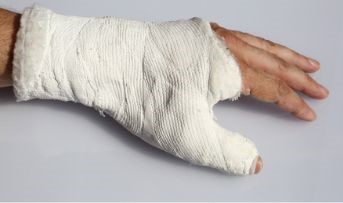
Have you broken a finger after an accident? Here's what you must do
Accidents can happen to anyone and anywhere. Our fingers face a significant impact and are susceptible to breaking after a severe accident. Generally, doctors recommend getting adequate treatment if you have broken fingers. Most people cannot identify a broken finger because it causes dull pain.
It would help if you already know about the cause of a broken finger to avoid developing this condition and diagnose it early if you ever face it.
How to recognise the symptoms of an injured finger?
The bones in one's fingers are called phalanges, and each finger has three sets of these bones. However, the thumb has only two phalanges. Some symptoms of a broken finger include swelling, limited range of motion, pain, and tenderness. The finger may also look deformed or you may feel tolerable pain when you try to move them.
Types of broken fingers.
Your broken finger can be categorised in the following terms:
● In an impacted fracture, the broken ends of a phalange drive into each other
● In an avulsion fracture, the piece of bone and ligament pulls away from the phalange
● In an open fracture, the phalange breaks through your skin and causes an open wound
Who is at risk?
Generally, people with weak bones, calcium deficiency, and older adults experience broken fingers more frequently. People who need to use their hands or operate heavy machines at the factory or workshops are also at more risk of broken fingers. If you play sports such as volleyball, boxing, basketball, snowboarding, and football, you should pay more attention to your fingers.
How to treat a broken finger?
Get immediate relief from a broken finger after an accident by following these tips:
1. Rest:
If you injured your finger, try to stay calm and stop whatever you are doing to prevent worsening your condition. Get medical attention immediately and perform first aid.
2. Ice:
Apply a cold compress wrapped or an ice pack in a hand towel to the broken finger for ten minutes several times a day. Avoid exposing your skin directly to ice.
3. Use OTC pain medications:
Doctors recommend taking OTC pain medication and anti-inflammatory drugs like acetaminophen and ibuprofen if your broken finger causes inflammation. Consult your doctor before taking any medication.
4. Elevate:
You should elevate your broken finger above the level of your heart as it helps slow down the blood flow, reducing the loss of blood, inflammation, and pressure. It would help if you continuously elevate your finger to avoid further symptoms.
5. Apply pain-relieving creams:
You can also use herbal remedies to reduce the pain and inflammation at the site of your broken finger. You can apply pain-relieving cream to reduce the pain.
6. Ensure you can move your finger:
Clean and cover open wounds to prevent bacterial infection. It would be best if you kept moving your finger as gently as possible without increasing the pain. It offers speedy recovery and helps regain the range of motion.
How to reduce the risk of a broken finger?
When you use your hands for work or playing sports, you have to protect your fingers with safety gloves. A proper diet can also help you meet your daily calcium and vitamin D requirements, making your bones stronger, healthy, and less prone to fracture.
Fingers are more vulnerable to injury and accidents than other hand parts. Being cautious about your well-being and protecting yourself against an accident is paramount. You can easily get a personal accident insurance policy covering your whole family without needing extensive medical tests and many documents.
Click HERE to buy a personal accident insurance policy.
Disclaimer: The information provided above is for illustrative purposes only. To get more details, please refer to policy wordings and prospectus before purchasing a policy.
Here are the most common fire hazards you must know about
Since fire can destroy things quickly and significantly, you should pay close attention to the aspects that may cause an accident within a short period. Irrespective of our nature of work, we all should learn as much as possible about fire hazards. This factor will make it convenient for you to stay safe and always protected from fire hazards.
There are several common fire hazards around you, and they should be managed appropriately to ensure complete safety. Let us now take a detailed look at common fire hazards and their probable causes.
1. Faulty electrical systems:
Two main things that cause fires are faulty electrical systems and equipment. Since every place has electronics and electrical outlets, you should always check them regularly to ensure they are working appropriately.
Loose cables, damaged plugs, open switches, old electrical goods, etc., are some of the factors that may result in a fire and spread rapidly. You should pay close attention to them to determine whether they require alterations. Fire insurance plans can also help you in this endeavour.
2. Flammable liquids and gases:
Flammable liquids and gases are two other elements that may lead to severe fire accidents. Petrol, diesel, kerosene, etc., are some flammable liquids you should be aware of. On the other hand, hydrogen, propane, ammonia, silane, and other gases can also be hazardous.
You will find the presence of these gases and liquids in restaurants, kitchens, garages, etc. Hence, you must be as careful as possible when handling them for multiple purposes. You may also learn about different safety measures and guidelines to follow if you encounter a hazardous situation.
3. Smoking:
Another aspect that can lead to severe fires is smoking, as it can often cause accidents within a short period. If you smoke at a place where flammable gases are used, the fire from your cigarette can lead to an explosion by coming in contact with the gases in the air.
Hence, you should never smoke within the premises of a factory that uses flammable substances. Different places and premises have dedicated smoking zones nowadays to make things safer for you.
4. Poor storage of combustible waste:
It is common for people to store flammable waste unattended in different areas. When you keep combustible items inappropriately, they often encounter heat or fire and cause severe accidents. Always discard each combustible waste accordingly to stay safe from fire accidents.
5. Unsafe cooking:
Unsafe cooking is also a significant factor to consider. Since we cook using gas, flammable fluids, or electricity, you should be careful and ensure you are doing everything correctly. While cooking, be attentive to the precautions you need to take to prevent mishaps. For example, you should never keep the oven on when not in use. Turn off the appliances once you use them.
Although fires can be dangerous and destructive, you can reduce their chances by a wide margin. Remember these fire hazards carefully and take your first step towards fire safety. Investing in premium quality fire safety equipment like fire alarms, smoke detectors, extinguishers, water sprinklers, etc., at your home or workplace is advisable. Having an appropriate defence mechanism against sudden outbreaks is crucial. Also, look for reliable fire insurance plans and choose the one that perfectly fits your requirement.
Click HERE to browse through reliable fire insurance plans.
Disclaimer: The information provided above is for illustrative purposes only. To get more details, please refer to policy wordings and prospectus before purchasing a policy.
Is the fire brigade taking too long to reach? Here are some tips to get a grip on the situation
You must have heard about several heart-breaking incidents that have destroyed human life and properties to the point of no repair. We surround ourselves with many things that can be considered to add fuel to the fire in case there is one. Although one never hopes to be in such a situation, have you ever considered the possibility of what if you are in a potentially dangerous circumstance caused due to fire? Is the fire brigade taking time to reach? What steps should you take initially? Here are some tips to get a grip on the situation. Let’s begin!
Also, consider purchasing fire insurance to safeguard your home from damages due to a fire outbreak.
1. Find an escape:
If you see a potential fire about to spread, your first instinct should be to exit that area without thinking about anything else. Just take your family and get out of that particular zone. Once you are out, try to breathe and calm down a little. Dial the emergency contacts and fire brigade’s number for help. Avoid stressing out about contacting someone while staying inside the property. Doing so might not give you a window to get out and can have severe consequences.
2. Always have a fire ladder:
You must ensure that you always have a fire ladder in a place that is easily accessible to anyone in the house. The fire ladders can be made of metal or some rope ladder that will help you get out of the window. They are readily available online or in stores selling home repair items. Educate every member of your family about using fire ladders by proper demonstration.
3. Never attempt to go back inside a burning property (house, office space, etc.):
Once you are out of the place which has caught fire, never attempt to re-enter the premises, no matter how important your reason might be. The fire always tends to blow out of proportion, and getting out again might be impossible with or without professional intervention. There are several items in our day-to-day life which can catch fire quickly. They serve as an aid for the fire to scale beyond our imagination and cause severe damage to humans in the nearby area. So, always ensure that you vacate the property on fire and go to a safe spot.
4. Use the fire extinguisher without fail:
Researchers and experts might debate the minimum age of children who should learn to operate fire extinguishers. Still, teenagers must know about the importance and the process of using it. You should have a multipurpose fire extinguisher to help you control any liquid or electrical fire. Handling these multipurpose fire extinguishers is comparatively easy as they are small in size and can delay the fire before the arrival of the fire brigade to ensure complete safety.
5. Follow the exit strategy:
One must always have an exit strategy to escape the property if a fire breaks out. The fire exit plan must be created according to the details and features of the house and the estimated time window one gets before the fire breaks. Always ensure to familiarise the family members and guests with this exit strategy and make them follow it strictly.
Other tips to get a grip on the situation are installing smoke detectors and fire alarms, especially outside the room doors, kitchen, fireplace and hallways, so you can get the signal in advance if there is a potential fire hazard. This would allow you to retain the fire before it gets out of control. Avoid sleeping with space heaters on all the time and close to items which can catch fire quickly.
Such situations have the potential to wreak havoc on your home or prised properties and possessions, causing severe consequences and threatening human life. You need the best fire insurance to safeguard your home and owned spaces and items. This can help you protect yourself and your family against the monetary stress of such unprecedented situations. Explore the market and get fire insurance that can provide the best coverage for your home and belongings.
Click HERE to learn more about purchasing fire insurance.
Disclaimer: The information provided above is for illustrative purposes only. To get more details, please refer to policy wordings and prospectus before purchasing a policy.