


General Insurance Blogs, Articles & Updates by - Magma Insurance
Have us call you
- RENEW YOUR POLICY
- BUY NEW POLICY

GENERAL INSURANCE BLOG

If driving in reverse scares you, here’s what you need to know
Reverse driving and parallel parking are two things that most people are scared of. Parallel parking takes some practice and extreme caution. The same goes for driving in reverse. Expertise in these driving techniques helps in becoming a skilled driver.
If driving in reverse scares you, here's what you need to know. This blog answers all your questions and more information on driving in reverse gear to understand how you can gain confidence over your anxious mindset about these driving techniques. So, without any further delay, let's get started.
1. It is not a big deal:
Many expert drivers get confused and anxious while driving in reverse. Due to nervous feelings, they might even mess things up and land in collisions. Therefore, it is vital to make yourself comfortable and relaxed in your position to get an accurate view of the traffic and the path you need to reverse.
You can place your foot on the brake and for your confidence, turn around to ensure you get a clear view of the pathway. Ensure that you keep your seatbelt intact and ask the passengers to fasten their seatbelts properly.
2. It is time for the reverse gear:
After positioning your seat, fastening your seatbelt, and adjusting your mirrors to get a clear rear and front view, you need to shift your gear to the state in which it indicates R, i.e., reverse gear.
After performing this entire process, you can slowly put your foot on the accelerator pedal and put slight pressure, just enough for your car to move, avoiding the risk of any collisions. Slowly release the clutch after putting your foot on the pedal. Drive the vehicle in reverse at a carefully vigilant speed, and park your car right where you want it to be.
3. Mirrors at the right angle:
You must always ensure that you keep looking in the passenger side mirror to be aware of any other vehicles or objects in the surrounding area, especially when driving in reverse gear. This will avoid any risk of collisions or accidents with things that might come your way. Mirrors even help you get a better view and understanding of available space to park your car correctly.
Some other tips to take care of while you are driving in reverse include placing your right hand on the steering's upper portion to gain optimum grip, going reverse in a straight line, stopping the car at the desired position slowly to avoid any jerking, doing a complete 360-degree check before you begin to reverse in a particular location, etc. Make optimum use of a rear parking camera that will assist you in observing the obstacles and parking your car precisely.
We hope this blog will help you drive in reverse more comfortably than before and help you alleviate your stress. Always wear your seatbelt while driving to ensure safety. And while we are talking about safety, understand the importance of purchasing car insurance to safeguard your car from financial distress due to damages. Therefore, to stay on top of your insurance coverage and continue to enjoy the privileges, you need to make sure that you take care of your car insurance renewal.
Click HERE to learn more about car insurance renewal and the tips you need to know when you pay your premiums.
Disclaimer: The information provided above is for illustrative purposes only. To get more details, please refer to policy wordings and prospectus before purchasing a policy.
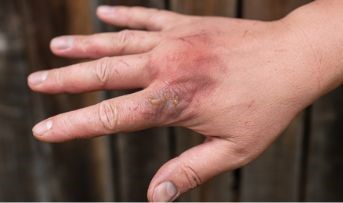
Here are the best tips for administering first aid for burns
First-aid tips and techniques have been a part of our educational curriculum since junior school. We all have learned the first-hand treatments one must do when there is a manageable injury or burn on our or someone else’s body. However, with time and as the level of injuries and diseases evolved, our knowledge about first aid falls short in terms of adequacy in the healing process.
Moreover, burns can happen anytime, primarily if operating around heavy machinery, fire, or in the kitchen. And it requires a lot of time to heal with proper care, ointments and medications, and extra precautions.
But what are some of the best ways to take care of these burns? What items should you include in your first aid kit to help you or someone else? Are there different degrees of burns, and which type of burns can first aid easily?
In this space, we’ll clarify all your doubts regarding first aid for burns. Let’s get started.
1. Minor or major:
A burn usually indicates tissue damage when the skin comes in contact with high flames, boiling water, sunburn/radiation, chemicals with corrosive properties, etc. Before starting the burn treatment, it is advised that you determine the degree of the burn to alter your treatment accordingly and determine whether immediate medical attention is needed.
A major burn occurs when the diameter of the burnt area is more than three inches, resulting in brown, black, and white patches with a dry and leather-like texture of the skin. In case of a minor burn, blisters appear on the burnt area, usually less than three inches in diameter. You will experience pain and inflammation, which might cause redness and soreness on the burnt site.
2. What you should NOT do:
Before we tell you the first aid tips you should follow, you need to be aware of the contamination of the sensitive and burnt part of the skin. Avoid using home remedies like butter, ice, water, etc., and immediately do not take any medications or remedies without consultation.
3. Must know first aid tips:
Remove jewellery items like rings, bangles, etc., from the burnt area. Cooling off the burn is essential. You can gently use cold water on the burnt portion and wet compresses to help with the inflammation and lower the pain. If you see any blisters, do not remove or poke them, as they protect the area from infection. If you see a blister pop, gently clean it with a disinfectant solution and cover it with an antibiotic cream. To ensure that the affected area does not dry out, use skin-friendly and chemical-free moisturisers. Aloe vera is a good option in such cases. Use sterile gauze and tapes to bandage the burn, but ensure that you do not tighten the grip of the bandage. Keeping it loose will prevent excessive pressure and alleviate pain.
You can take any doctor-recommended painkillers if the pain gets unbearable and causes too much discomfort. Avoid heavy tasks involving the burnt area, and avoid using fluffy cotton as tiny threads of cotton might stick to the burn risking the chance of an infection.
We hope you found the blog helpful. You must take care of your body and be extra cautious about your health to lead an extraordinary life. But sometimes, your efforts might fall short in unfortunate circumstances. To alleviate the monetary stress of such times, you must purchase the best personal accident insurance India which will provide you and your family with a reliable layer of financial protection.
Click HERE to learn more about the benefits of buying the best personal accident insurance India.
Disclaimer: The information provided above is for illustrative purposes only. To get more details, please refer to policy wordings and prospectus before purchasing a policy.
Here are a few tips for skincare in older adults
Even if you've taken exceptional care of your skin throughout the years, it still ages. The youthful flush eventually disappears and the indications of ageing, such as brown spots, wrinkles, more frequent bruises, and dryness, start to be evident.
Your skin can convey your mood and show how healthy or unhealthy you are. As you age, taking care of your crucial outer self is important. For elders, here are some skincare suggestions.
Why does your skin alter as you age?
Skin changes brought on by ageing are typical and include a combination of the following:
● Allergies
● Weather
● Genetics
● Nutrition
● UV exposure
● Smoking is, among other things
The most harmful of these to the skin is continuous and direct exposure to the sun. According to research, among the people having skin illnesses, nearly 80% had one or more skin conditions requiring treatment or medical attention.
If you're an older adult, here are a few best skin care tips for you to enjoy a youthful and glowing skin.
1. Frequently moisturise your skin:
Emollients and fatty acids are combined in the best moisturisers to resemble the skin's natural lipids. Choosing an occlusive moisturiser can help you to build a barrier that will trap moisture in your skin and reduce water loss.
TIP: Always rub face moisturiser in upward strokes, never down. Apply a high-quality moisturiser to the skin after a bath to lock in moisture.
2. Wash gently:
With limited natural oil production, mature skin is extremely dry. Cleanse gently to prevent further drying out. It's okay to wash once per day. Use gentle cleaners as opposed to harsh soaps and alcohol-based products.
TIP: When washing, use warm water rather than hot and limit the number of baths or showers you take. If you enjoy unwinding in the tub, stay away from bath oils because they make the tub slippery and increase the chance of falling.
3. Eat right for gorgeous skin:
The saying "you are what you eat" has never been more accurate if you want skin that glows. Our skin's health is significantly influenced by our diet, which should be balanced and high in nutrients, vitamins, antioxidants, and necessary minerals. Include berries, melons, avocados, walnuts, oily seafood like salmon, and green vegetables. These items are a part of a healthy diet that can support maintaining healthy skin as you age.
4. Do maintain a simple, consistent routine:
Dermatologists advise simplifying skincare regimens. Irritation can result from excessive scrubbing, exfoliating, and product use.
TIP: As a general rule, use sunscreen, a cleanser, and a moisturiser, as these are the only three items that will make a consistent visible difference.
5. Avoid the sun:
This is the most crucial thing you can do for your skin! Dermatologists advise you to shield yourself from the sun's damaging rays.
● To protect your face and any other exposed skin, use a broad-spectrum, water-resistant sunscreen with an SPF of 30 or higher.
● When spending time outdoors, look for cover because the sun's rays are most intense between 10 a.m. and 3 p.m.
6. Drink water to rehydrate:
Never undervalue the importance of water or the benefits that staying hydrated may have on your skin and general well-being. Drinking water can give you radiant and clear skin.
Inner beauty begins with the skin. No matter how much money you spend on anti-aging therapies, poor health can manifest in your skin's appearance. Keep up a healthy lifestyle, and pursue your passions. After all, ageing is a natural process that includes wrinkles, fine lines, and age spots. Be proud to wear them!
Enjoy your retirement life with wholesome meals, daily and different exercise groups, and regular health and wellness events. Also, invest in the best health insurance in India for parents to secure your finances from uncapped medical expenses due to ageing.
Click HERE to buy the best health insurance in India for parents.
Disclaimer: The information provided above is for illustrative purposes only. To get more details, please refer to policy wordings and prospectus before purchasing a policy.
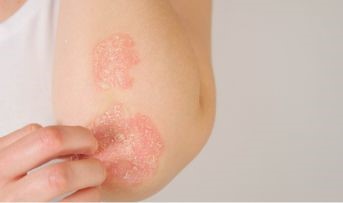
Here are a few home remedies to treat psoriasis
Your body is a temple, and you must take care of it to ensure your physical, mental, and emotional well-being. However, certain conditions can take longer to cure, and their development or progression varies from person to person. One such condition is psoriasis.
If you are new to this term, let us explain psoriasis. It is a disease of the skin, which manifests itself by creating a rash with itchy and scaly spots and patches, usually on the elbows, knees, scalp, and trunk of your body. This inflammation in the skin caused by psoriasis is an autoimmune condition, and there is no single method to treat it. As every instance of psoriasis differs from the next, the treatment prescribed by dermatologists also differs.
This blog will shed more light on these treatments and the few home remedies to treat psoriasis.
1. Aloe vera to the rescue:
Aloe vera is believed to be very beneficial for managing your psoriasis and calming the inflammation of your skin. And the best part? It is readily available and hassle-free if you want to grow aloe vera in your home premises organically. If you are using aloe-vera infused creams, it is medically recommended that you use the ones with 0.5% aloe vera and apply it three times a day to treat the discolouration, rash, itching, and scales on your skin.
2. Warm water to cleanse:
Who doesn't like warm water baths? The soothing water at the right temperature falls on your skin, relaxing your body. But there is a disclaimer! You must strictly avoid "hot" water. It might not be helpful with the inflammation of the skin due to your psoriasis condition. Warm water is advised. You can add mineral oil, Epsom salt, or olive oil to help with the rashes and itchiness.
But you must be careful about specific things to avoid triggering or worsening your symptoms. Some instructions include: showering once a day, a maximum of fifteen-minute bath, using a soft, moisturising soap bar, patting dry, and applying a skin-friendly moisturiser post-shower.
3. The household's favourite – turmeric:
Every Indian household's favourite ingredient for cooking or home remedies is turmeric. There have been many studies on the usage of turmeric and its benefits which have suggested fruitful results in using this age-old home remedy in Indian culture. Turmeric has anti-inflammatory abilities, which help rid psoriasis.
4. Omega-3 is essential:
Omega-3 is an essential component that helps to strengthen your body's immunity, prevents heart diseases, reduces the chances of stroke, acts as protection against cancer, and much more. The omega-3 fatty acids are believed to lower the inflammation levels of the skin in your body.
Other ways to help you manage your psoriasis include keeping your stress levels in check by meditating, journaling, aromatherapy, anxiety management (therapy), etc. It is also advised to monitor your body weight and control it if necessary. Living with psoriasis compromises your immune system, which makes you prone to other health issues. Therefore, maintaining a moderate body weight is essential.
It's high time that we all understand the significance of our health, especially after the pandemic. While you try your best to stay in optimal health, you must be ready for any health crisis that might come without warning. Therefore, you must get online health insurance to avoid such unforeseeable situations. Explore your options and purchase the best online health insurance that caters to your needs.
Click HERE to learn more about online health insurance.
Disclaimer: The information provided above is for illustrative purposes only. To get more details, please refer to policy wordings and prospectus before purchasing a policy.