


General Insurance Blogs, Articles & Updates by - Magma Insurance
Have us call you
- RENEW YOUR POLICY
- BUY NEW POLICY

GENERAL INSURANCE BLOG

The complete guide for bike safety during floods
Biking is a well-liked form of exercise and transportation, but it may also be dangerous when floods occur. One of the natural calamities that occur most frequently worldwide is flooding. As a result, the nation suffers severe socio-economic losses. Floodwaters can cause highway disasters, create dangerous situations, and increase the risk of electrocution. You can, however, ride your bike safely during floods if you take the proper safety measures.
Even though caution can significantly lower the chance of accidents and injuries when biking through floods, unexpected events can still occur. Bike insurance offers financial security and peace of mind in such circumstances. Here's a detailed guide to biking safely during floods.
1. Plan your route
It's essential to consider regions prone to flooding, such as low-lying areas, riverbanks, and bridges, while planning your motorcycling route during a flood. Always stay on high ground and avoid these regions. Plan a path that stays clear of the flooded areas using online maps.
2. Use lights
Motorcycle lights make you more visible to other drivers when it's dark or low light. Ensure that your bike has lights and reflectors. It would help if you also considered bringing a tiny torch or headlamp in an emergency.
3. Stay informed
It's essential to be aware of local conditions before riding a bike during a flood. If there are flood warnings or advisories, keep an eye on local weather forecasts and news updates to stay informed. Avoid riding in regions with flood warnings or advisories and take a different route.
4. Wear appropriate gear
You must wear appropriate clothing to protect yourself from the rain and water when riding through a flood. Put on a waterproof jacket and a pair of trousers to keep dry. Ensure that your shoes are water-resistant as well. Wearing reflective clothing or gear can improve your visibility to other drivers.
5. Slow down
Riding in flooded regions requires extra caution and slowing down. Floodwaters may be deeper than they appear and may cover trash or other obstructions. To avoid any unforeseen dangers, slow down.
6. Watch out for dangers
Be cautious when riding through floodwaters to avoid obstacles like downed trees, electricity lines, and perhaps washed-in debris. Avoid these risks whenever possible. If you encounter a downed power line, maintain a distance of at least 10 feet and contact your local power company immediately.
7. Follow the guidance of authorities
It's essential to follow the advice of emergency officials and local authorities during a flood. Road closures and evacuation orders may be included in this. Consult with local authorities first if you are unsure whether riding in a particular location is safe.
8. Stay on marked bike paths
Stick to marked riding paths or roads that are open and safe for commuting. Avoid any areas that are closed off or that the authorities have blocked. When a road is closed, or a diversion is indicated, follow the instructions on the sign.
9. Avoid fast-moving water
Avoid riding your bike across the moving water since it might easily knock you off and take you with it. If you must ride your bike through the water to cross a flooded area, walk your bike instead. Remember that riding a motorcycle through even a few inches of water can be fatal.
Additional safety measures and close attention to detail are needed when biking during a flood. You can safeguard your safety when biking through floods by carefully planning your route and following official guidance. Remember, it's always better to avoid biking in dangerous conditions whenever possible. Bike insurance can offer significant financial protection in unforeseen circumstances like floods or other conditions. Review your policy carefully and take the appropriate safety measures to safeguard you and your bike.
Click HERE to invest in the bike insurance policy.
Disclaimer: The information provided above is for illustrative purposes only. To get more details, please refer to policy wordings and prospectus before purchasing a policy.
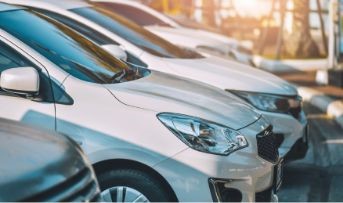
Here are the probable challenges that you might face being an owner of a discontinued car
Owning a car is a significant investment, but keeping a discontinued vehicle can be frustrating. A discontinued car is a model that is no longer in production, leading to difficulty finding parts, limited warranty coverage, higher maintenance costs, and lower resale value. Additionally, limited options for upgrades and insurance coverage, as well as limited availability of mechanics, can make owning a discontinued car a daunting task.
In this article, we will discuss some of the probable challenges you might face being an owner of a discontinued car in detail and how car insurance can help you mitigate these challenges. Let's get started!
1. Difficulty in finding parts
One of the primary challenges of owning a discontinued car is finding parts. Since the car model is no longer in production, it may be tough to find the original parts. This can be a problem if your car requires major repairs and you need to replace a specific part. Sometimes, you may have to rely on aftermarket or used parts, which may not be as reliable as the original ones.
2. Lower resale value
Another challenge of owning a discontinued car is the lower resale value. Since the car model is no longer in production, the demand for the vehicle decreases, leading to a decrease in its resale value. This can be a significant problem if you plan to sell your car or trade it in for a new one.
Car insurance can help you in this scenario by offering coverage for the depreciated value of your car. Some insurance providers may provide coverage for the car's original value, which can be helpful if you face a significant loss due to the lower resale value. But you need to check this with your car insurance provider.
3. Limited warranty coverage
The warranty coverage may be limited or expired when you own a discontinued car. This can be a problem if your vehicle requires repairs or the replacement of specific parts.
4. Limited options for upgrades
Since the manufacturer discontinues the car model, there may be limited options for upgrades or modifications. This can be frustrating if you want to enhance the performance or aesthetics of your car.
5. Higher maintenance costs
Another challenge of owning a discontinued car is the higher maintenance costs. Since the parts are no longer in production, they may be more expensive to replace or repair.
6. Limited availability of mechanics
Since the car model is no longer in production, finding a mechanic who is familiar with the car can take time and effort. This can be a problem if you need specific repairs or maintenance.
Car insurance can help you in this scenario by offering a network of authorised repair shops. Some insurance providers may have tie-ups with specific repair shops specialising in discontinued car models, making it easier to find the right mechanic for your car. You need to check all these details, the terms, and the conditions with your insurance provider.
7. Limited options for insurance coverage
When you own a discontinued car, the options for insurance coverage may be limited. Since the car model is no longer in production, some insurance providers may not offer coverage.
Regular maintenance and careful driving habits can help extend the lifespan of your discontinued car and reduce the likelihood of breakdowns or costly repairs. It's essential to stay up to date with routine maintenance tasks, such as oil changes, tyre rotations, and brake inspections, and to avoid more significant problems.
In conclusion, car insurance is essential to owning and driving a car. It safeguards you financially from accidents, theft, or other unforeseen events that can damage or total a vehicle. When purchasing car insurance, comparing policies and prices from different providers is essential to find the best coverage that fits your needs and budget. With the right car insurance policy, you can have peace of mind while on the road and avoid financial hardship in case of unexpected incidents.
Click HERE to learn more about the benefits of purchasing car insurance.
Disclaimer: The information provided above is for illustrative purposes only. To get more details, please refer to policy wordings and prospectus before purchasing a policy.

How does having a car seat cushion help your back and hips
Driving is a regular activity in many people's daily lives. Long hours in a car, whether commuting to work, conducting errands, or taking road vacations, can be uncomfortable and even painful for your back and hips. On the other hand, using a car seat cushion might considerably improve your comfort and overall well-being. We'll examine how a vehicle seat cushion can aid your back and hips.
The design of car seats and its effects on the body
Vehicle seat cushions are intended to provide additional support and padding to your back and hips while driving. The design of a car seat can frequently create discomfort, especially if you have a long commute or drive for extended periods. A car seat cushion can relieve pressure spots and uniformly distribute weight, resulting in a more comfortable and supportive driving experience.
The benefits of car seat cushions
Furthermore, car seat cushions might assist you in enhancing your driving posture. Back and hip pain and neck and shoulder strain can all result from poor posture. A suitable lumbar support vehicle seat cushion can assist in correcting your spine, allowing you to sit up straighter and relieve strain on your back muscles. Furthermore, some car seat cushions include adjustable straps that may be added to the seat to help maintain you in the proper position and prevent slouching.
Sitting for lengthy periods can cause numbness and tingling in your legs and feet and decreased blood flow. A car seat cushion can help you distribute your weight more evenly and ease pressure areas, lowering your chances of having circulation issues. Furthermore, certain car seat cushions are contoured to facilitate improved circulation by minimising pressure on specific places.
Another benefit of using a car seat cushion is that it may lessen fatigue and pain when driving. Sitting in a car seat for long periods can create discomfort or pain in your back and hips. This can lead to fatigue, making it difficult to focus on the road and raising the chances of an accident. A car seat cushion can alleviate these issues by helping you to stay focused and awake while driving.
Using a car seat cushion also provides you with psychological advantages. Driving comfortably and without pain increases your chances of enjoying the experience and feeling less tired. This can lead to a more positive attitude and a better overall mood. Furthermore, if you are not distracted by pain or discomfort, you can concentrate on your surroundings and make better driving decisions.
Types of car seat cushions
Several types of car seat cushions are available, each with its own set of benefits. Memory foam cushions, for example, are made to conform to the curve of your body and provide customised support. Gel seat cushions contain a cooling gel that can help you regulate your body temperature and avoid overheating. Other car seat cushions are made of permeable textiles that can help avoid perspiration and discomfort in hot weather.
Furthermore, while utilising a car seat cushion can bring several benefits for your back and hips, taking care of your general health and well-being is critical. Purchasing health insurance can ensure that you have access to the medical care you require in the event of an accident or injury. With many policies and options available at your fingertips, buy health insurance online is now easier than ever.
In conclusion, the car seat cushion can benefit your back and hips while driving. By providing additional support and cushioning, improving posture, promoting better circulation, reducing fatigue and discomfort, and even having psychological benefits, a car seat cushion can make a significant difference in your overall driving experience.
Click HERE to buy health insurance online.
Disclaimer: The information provided above is for illustrative purposes only. To get more details, please refer to policy wordings and prospectus before purchasing a policy.
Save on tax by spending on electric vehicles!
With the world evolving, more changes are being made for a sustainable environment. One such significant development has taken place in terms of electric vehicles. They are cost-effective and eco-friendly fuel alternatives and will likely be the future of the automobile industry.
Electric vehicles have gained huge popularity and fame in a very short time. Over 19 lakh people are driving electric vehicles on Indian streets today. The Indian government has prompted the purchase of electric vehicles by giving a lot of incentives. These incentives can be availed by all individual buyers who want to invest in an electric vehicle and save the environment.
Since 2019, the Indian government has presented numerous schemes and rules in the budget for individual buyers. One of the most enticing schemes of these is the exemption of taxes. Whenever someone buys a new electric vehicle, they can save a lot on taxes. Surprising, right? Well, we will help you navigate through the details of this scheme in the article.
If you plan on buying an electric scooter or car, you should also buy new car insurance or two-wheeler insurance to keep your vehicle safe. Insurance is a worthwhile investment and a reliable resource to ensure financial safety during an emergency.
Now, let's look at the specifics of the incentives that the Indian government has specified for electric vehicle owners.
What is 80EEB?
Everyone looks at various ways to save taxes during the financial year's end. The 80EEB was introduced by the Indian government in the year 2019 for the promotion of electric vehicles. In the 2019 budget, it was indicated that an individual could claim up to Rs. 1.5 Lakhs deduction on their interest for a vehicle loan. This vehicle loan should be issued to purchase an electric vehicle.
Under this Income Tax Act, taxpayers can claim this deduction only once in an assessment year. The loan must be taken out for the purchase of an EV only. It will not work for any other vehicles, including hybrid models. The loan interest will be deducted for individuals only. It will not work for businesses or organisations.
Another important aspect concerning this vehicle's purchase includes the deduction in the Goods and Services Taxes. To promote the buying of EVs, the GST on the vehicles has been reduced from 12% to 5%.
Which vehicles fall under section 80EEB?
Not all vehicles fall under section 80EEB. You must know the specifics of the vehicle before you file a deduction in the interest. Under this section, any vehicle equipped with an electric motor powered by an electric battery is deemed eligible. The EV motor operates on the conversion of electric energy into mechanical energy.
What are the terms and conditions for claiming the deduction?
Let's summarise the terms to make it easy for you to make a decision
● The loan should be taken out for the purchase of an EV only
● The deduction is only offered on the interest amount of the loan
● The loan will benefit only individuals
● The loan should opt from a reputable financial institution
● The deduction claim can only be extended up to Rs 1.5 Lakhs. It cannot be exceeded.
● The deduction does not apply to an organization, a company, or a partnership firm
These are some of the most important pointers that you should keep in mind while you're buying an electric vehicle. With an EV, you can contribute to the environment and save substantially. It is high time that we switch to options that are eco-friendly and beneficial to the environment. You should also buy new car insurance whenever you decide to purchase a new EV to safeguard it from loss due to damages.
Click HERE to buy new car insurance policy.
Disclaimer: The information provided above is for illustrative purposes only. To get more details, please refer to policy wordings and prospectus before purchasing a policy.
Hi there! 👋 Need help with a policy, claim, or renewal? Chat with us instantly on WhatsApp.
Start chat →