


General Insurance Blogs, Articles & Updates by - Magma Insurance
Have us call you
- RENEW YOUR POLICY
- BUY NEW POLICY

GENERAL INSURANCE BLOG
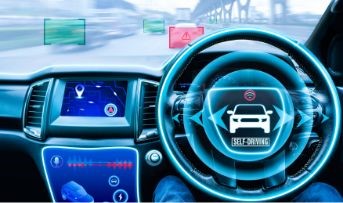
A collision is more likely caused by drivers than self-driving cars!
Car accidents are a significant concern for drivers and insurance providers worldwide. With the manufacturing of self-driving cars, people have started to question the safety of these vehicles. While some argue that self-driving cars can cause accidents due to technical glitches, studies suggest that human error is the leading cause of accidents on the road. Self-driving vehicles have the potential to significantly reduce the likelihood of accidents, as they are equipped with advanced technology and programmed to follow traffic rules.
In this blog post, we will explore why collisions are more likely to be caused by human error than by self-driving cars.
1. Human error is the leading cause of accidents
According to a report by the National Highway Traffic Safety Administration, more than 70 percent of accidents are caused by human error. This includes factors such as speeding, drunk driving, distracted driving, and more. The behavioural traits of human drivers should also be accountable. The driver's mood also affects his driving style, and if the driver is in a bad mood or frustrated, he will likely drive the car fast. Rash driving has been a leading cause of accidents and fatalities. Self-driving cars, on the other hand, have the potential to eliminate these errors and make driving safer.
2. Self-driving cars are equipped with advanced technology
Self-driving vehicles are equipped with sensors, cameras, and advanced software to detect potential collisions and take necessary action to avoid them. These features can significantly reduce the likelihood of accidents.
3. Self-driving cars are programmed to follow traffic rules
Self-driving cars are programmed to follow traffic rules and regulations, eliminating the possibility of reckless driving. This ensures that self-driving cars are less likely to cause accidents than human drivers. Humans tend to jump signals, ignore seatbelts, and avoid giving proper indications while making turns.
4. Self-driving cars can communicate with each other
Self-driving vehicles can communicate with each other using vehicle-to-vehicle communication (V2V) technology. This allows them to share information about traffic conditions and potential hazards, which can help prevent accidents.
5. Self-driving cars are less prone to fatigue and distractions
Human drivers are prone to fatigue and distractions, which pose high risks of accidents. On the other hand, self-driving cars do not get tired or distracted, making them more reliable and safer.
6. Self-driving cars can reduce traffic congestion
Self-driving cars can communicate with each other and adjust their speed and route to avoid traffic congestion. This can help reduce the likelihood of accidents caused by congestion and improve overall traffic flow.
7. Self-driving cars are constantly learning and improving
Self-driving cars are equipped with machine-learning algorithms to learn and improve their driving capabilities continuously. This means they will only improve over time, making them even safer.
8. Self-driving cars can reduce insurance costs
Self-driving cars have the potential to reduce insurance costs for drivers significantly. Since they are less likely to cause accidents, insurance providers may offer lower premiums to self-driving car owners.
Self-driving cars are the future of transportation, and it is only a matter of time before they become the norm. As technology improves and becomes more widespread, we can expect to see a significant reduction in accidents and fatalities on the roads.
In conclusion, self-driving cars are less likely to cause accidents than human drivers. They are equipped with advanced technology, programmed to follow traffic rules, and constantly learning and improving. While there is still some skepticism surrounding the safety of self-driving cars, private car insurance India covers them just like any other car.
Click HERE to learn more about the benefits of purchasing private car insurance India.
Disclaimer: The information provided above is for illustrative purposes only. To get more details, please refer to policy wordings and prospectus before purchasing a policy.
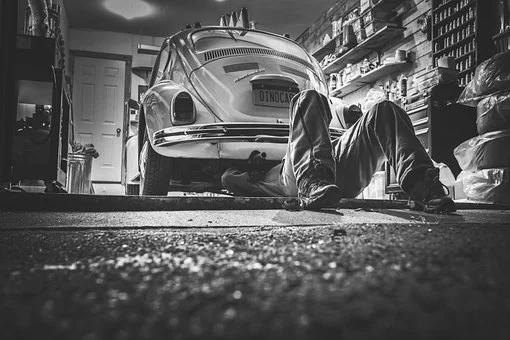
The weather seems to be perfect for a car drive, but your vehicle is refraining from starting, ever ben in such a situation?
Yes, we understand your problems, and the struggle is real when it comes to cars that stop suddenly, giving no hints of starting.
It can be a real deal when your lovely ride stops in the middle of a road and deny your orders to start. Having a car that stops suddenly can lead you to grave danger, especially when you are outside and need to go somewhere.
Interestingly, as easy as it is for your car not to start, similarly, there might be a principal reason behind the same. Therefore, let’s have a look at four common reasons why your car is not starting.
● Your timing belt is the real problem:
For those of you who don’t know what a timing belt is, it is an essential part of the car that is responsible for its effective running and performance. Your timing belt inside the vehicle is the primary reason why it keeps running and adapts to speed. Yes, gears do play a significant role, but the timing belt is what ensures that the engine’s valves open and close at the proper interval.
Therefore, your timing belt can be one of the most common reasons why your car has become idle and fails to start. A significant reason behind the same can be that the valves inside the timing belt and the pistons are not meeting each other at a said interval, failing to give you efficient results and movement.
Moreover, your timing belt is the major part that you should look after whenever you go for servicing. Having a timing belt that fails to keep up with the systematic opening and closing of the valves can lead to harmful damage to the engine. It is always advisable for you to change your timing belt at a regular interval of every 60,000 miles or five years (whichever is earlier).
● Your alternator might be the cause:
An alternator is that essential part of your car that is responsible for the effective functioning of all the electrical pieces of equipment that function inside your car. Its most significant function is to start the spark plug and essentially provide it with the spark that is responsible for the running of your engine.
Besides the successful starting of your engine, a failed alternator can also be the cause behind the failure of other necessary parts of your car. It is also linked with the plugs that power the headlight and therefore, you need to keep a check on your alternator as well, in case your car fails to start.
● Your battery might be corroded:
It is no hidden fact that cars perform majorly due to the presence of a battery inside it. The battery is responsible for running all the electric-based components of your vehicle and also plays a significant role in igniting your engine.
Corrosion on your battery can be serious trouble for you as it is like rust and will ultimately end up waiting away your car’s battery beside the other significant parts that are developed out of iron. We suggest you always keep a check on the health of your battery and its corrosion, every time you take it to a service centre.
● Are you sure your air filter isn’t clogged?
Similar to the other necessary elements of your car, the air filter might also be the cause that is failing your vehicle to start. An air filter plays a significant role in keeping up with the excellent health of the drivetrain of the car. It filters out all the harmful elements like dust particles to keep up with the smooth functioning of your vehicle.
An air filter is essential for your car to your car 'breathe'. A clogged air filter might also pose serious damage to the blockage of the exhaust pipe, leaving your vehicle to fail from the start.

10 Things You Learned in Preschool That'll Help You With Home Fire Insurance
Your home is the place where you have the most beautiful memories. It is the place where you grew up to become the person you are today and where your heart resides. Hardly anyone can wait for their job to be completed so they can rush back to the comfort of their homes. It is the place you will never forget in your life. Even when you grow up and get your own place, your childhood home will always have a special place in your heart. It is the place you saw all your dreams at. It is crucial to protect your home from unforeseen circumstances. In case of fire, you can lose all your belongings and your home and will be left with nothing.
Rebuilding your home will be costly, and not everyone saves up that much money. Getting home fire insurance from fire insurance companies in India is the best way to secure your home. In case a fire breaks loose in your home, home fire insurance will provide coverage for damage, and you will be able to rebuild your home without any problem. Here are ten things you learned in preschool that will help you with home fire insurance:-
- You can ask for an advance from the insurance company in case a fire occurred at your home. You will probably lose a lot of your belongings in the fire, and the advance will help you carry on with life with a bit of normalcy. The advance amount will be cut from your total coverage amount, though.
- Make a list of all the items that suffered damage due to fire. You should not throw anything away as the items though unusable, will be proof that they indeed suffered damage. If you throw away anything, the insurer may deny compensation for it.
- Call the insurance company as soon as possible after the fire. The insurance company will ask you for a list of all the items that you lost and their value. You must include all the items as well as repairs that will be required and injuries suffered by family members.
- Try to reduce any future damage at your home. The insurance company will expect you to protect the property from further damage. You must do some impromptu repairs in your capacity and move the belongings that are unharmed to a safe location.
- Keep all the bills that you incurred while you were living away from your home. The insurance company will only reimburse that you the amount you had to spend overhead from your general living costs.
- Hire a contractor to get estimates for the repair and replacement. Hire a contractor that has experience dealing with insurance companies.
- You must keep paying your insurance premiums even after filing the claim. This will make sure that your house is covered in case any damages occur after the fire.
- You have the right to not close our claim for as long as you want. You might have overlooked something in the trauma after the fire. Take some time to ensure you have covered everything.
- If you are not able to reach a settlement with the insurance company after hiring a contractor, you can hire a public adjuster. He will take around 10 percent of settlement money but can help you get a significantly higher settlement.
- 10. Do not be afraid to lose your coverage because of raising a claim. If disaster did occur, you are doing nothing wrong and will not be treated as a "habitual claimant."
All these things will help you when dealing with Home Fire Insurance . If you do not have a home fire insurance yet purchase one now from fire insurance companies in India.
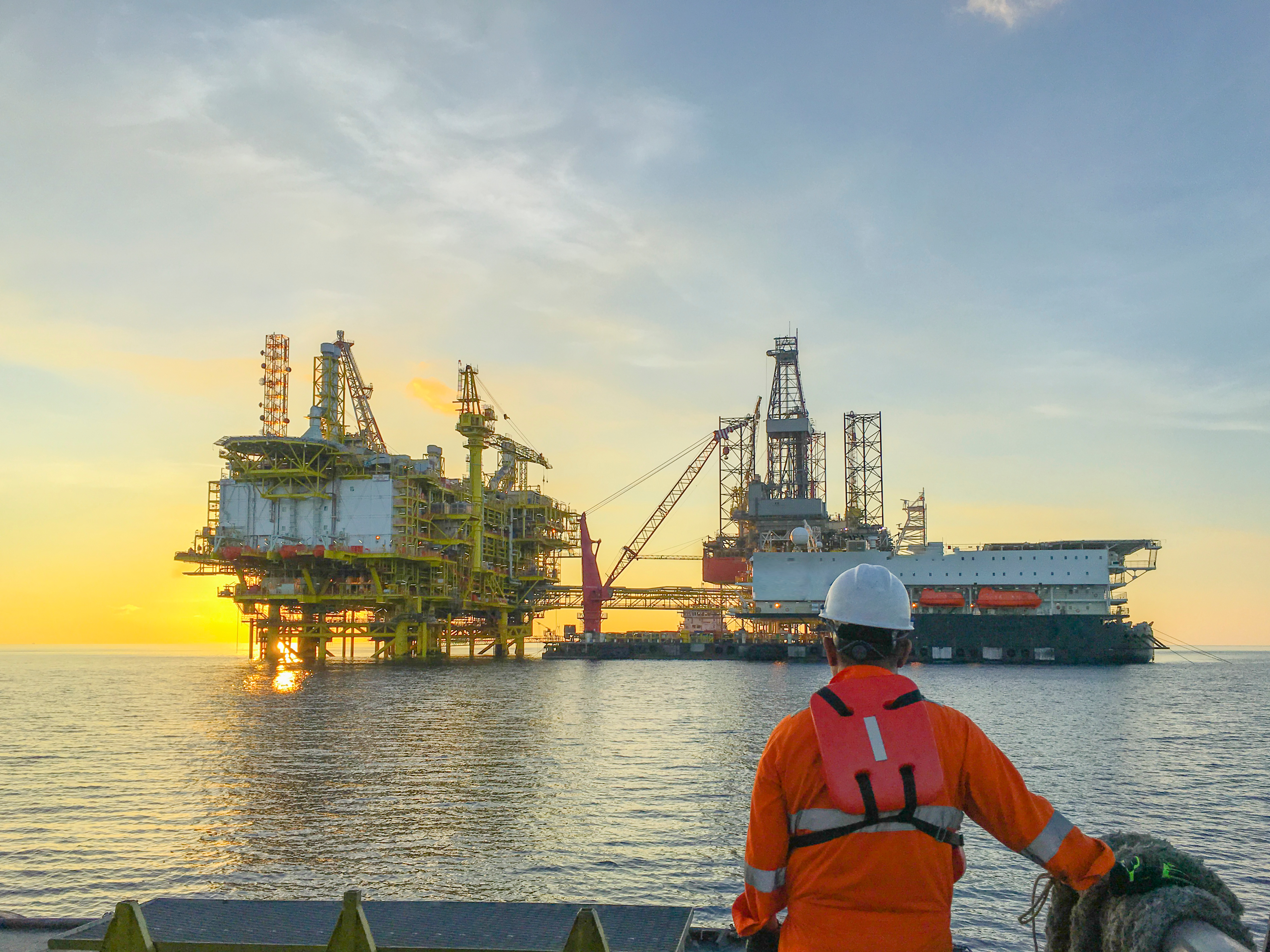
5 Laws Anyone Working in Marine Insurance Companies Should Know
Maritime transport is one of the most efficient ways to transport goods overseas. Maritime transport has been used since 2500 BC. When Egyptians started building wooden boats that were used to transport people and cargo along the Nile river. Since then, technology has progressed by leaps and bounds. Now, there are colossal metal ships that can carry tonnes of cargo overseas. The scientific progress in the maritime industry has allowed mass trade to take place between countries. It also allows people to purchase cars and machinery from overseas markets. Maritime transportation has made the world a more connected and smaller place. It goes to prove that there is nothing humans cannot accomplish once they set their collective minds to it.
To put countries and businessmen at ease, cargo ships must be insured. Marine insurance companies insure ships with their Marine Cargo Insurance Policy . There are several aspects to this policy. As a person working for a Marne insurance company, you must be well-versed in laws related to it. Here are five laws that anyone working in Marine insurance companies should know about: -
- A marine cargo insurance policy provides coverage for cargo and personal belongings of passengers on the ship. Cargo that is being transported is liable to be lost or damaged through one or many different perils from the time it leaves the supplier's warehouse until it is received by the consignee's warehouse. Loss or damages suffered due to various risks are to be transferred to an insurer, as they are included in their coverage.
- A marine insurance contract is a contract of utmost good faith. The agreement may be deemed void if utmost good faith is not observed by either of the parties. It is the responsibility of the assured to disclose every material circumstance to the insurer, which is known to the assured. Similarly, the agent must disclose every material circumstance to the assured, which is known to the agent. It is also important to note that the duty of the disclosure is not over after the conclusion of the contract and will continue.
- If a loss occurs, the insured must be in the position of a financial loss. In a contract, the assured must have an interest in the subject that is insured when the loss occurs. The assured must benefit from the safe arrival of the insured property or may have the liability of its loss.
- The insurer takes the responsibility to indemnify the insured for the loss suffered by the insured. The loss suffered must have been caused due to occurring of the event they are insured against. The insured is to be placed in a similar situation that would have been as if the loss had not occurred.
- The insurer has a right to take it upon themselves to substitute the insured to claim indemnity from a third party for the losses covered by the insurance. Thus, the insurer is entitled to recover the loss payments made to the insured from the negligent third party.
These laws are very important for anyone working in a Marine insurance company. These laws serve as the principles on which maritime insurance policies are built upon. It is crucial to keep them in mind while making the maritime cargo insurance policy.