


General Insurance Blogs, Articles & Updates by - Magma Insurance
Have us call you
- RENEW YOUR POLICY
- BUY NEW POLICY

GENERAL INSURANCE BLOG
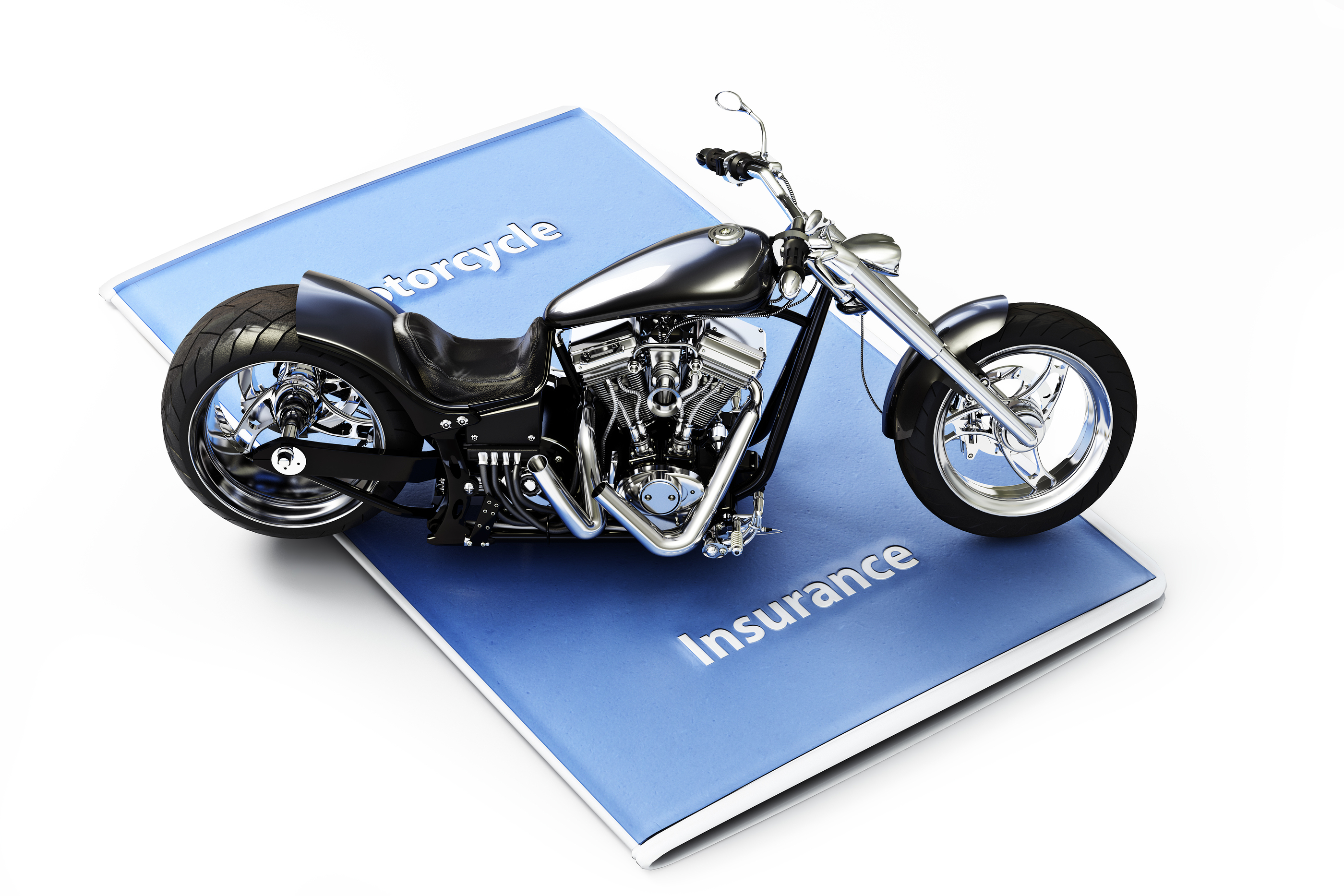
Common bike insurance terms that you should know
Owning a bike may be a necessity for someone and a status symbol or merely a pleasure deriving activity for some other one. Owning a motorcycle is not a pleasure gaining fun, but some technical and financial terms protect the bike and the owner from some unwanted conditions or accidents. Taking care of your motorcycle by maintaining regular servicing and inflated tyres are just not the only deal to be done.
Additionally, you must have a comprehensive insurance policy to safeguard yourself and your bike against any unwanted losses. These situations can be damage to the vehicle by a third party when it was parked or in use or if it goes missing because of an act of theft. It becomes a necessary and essential decision in India to take bike insurance while buying a new bike.
While subscribing to bike insurance online in India or through traditional channels, there are specific important terms that the owner or the first party must keep in mind so that there are no chances of any future confusion and disputes.
Some standard terms related to bike insurance that you must be aware of are –
Premium - It is the amount that is paid by the first party to the second party for providing the insurance policy until the valid policy duration. This amount depends on multiple factors like the age, condition, model, actual price, area of registration of the vehicle. This amount is paid before or during the period of buying the policy.
Claim - It is the maximum monetary liability of the insurance company in case if the policyholder files a claim.
Insured declared value (IDV) - This is the maximum sum assured fixed by the insurer, which is provided on theft or total loss of the vehicle. IDV is the current market value of the vehicle.
No Claim Bonus (NCB) - It is a discount offered to the policyholder for not making any claim during the entire policy duration.
- First Party - This is the owner of the policy and the vehicle that buys the insurance policy and needs to pay the premium of the insurance.
- Second Party - This is the insurance company that provides the insurance policy to the first party.
- Third-Party - The third party represents the person or property involved in the accident between the first party and itself.
Bike insurance is nothing less than a healthcare plan for your bike, and many insurance companies provide BIKE INSURANCE ONLINE IN INDIA . These companies make it easier for the user to buy an insurance policy from home and pay the premium online with the help of online cash transfer. Various covers that are available under a bike insurance policy are accident, fire, theft, natural calamities, third party losses, and bike owner cover.
When you purchase bike insurance online in India, you have the option of subscribing for additional policy riders for better protection. Buying a bike insurance policy is essential in today’s world as there is no guarantee of a mishappening that may occur at any point in time. It may sound harsh, but it is unpredictable that when and where there may occur a loss of life and property.

What documents are required for buying a used car from a private seller?
Buying a car, be it new or used, is a big event for any family because who doesn’t want to enjoy the perks that come with your car. However, while investing in a second-hand car, it is essential to make sure that there a specific set of documents that are always there with you. Here are all the documents that are required for buying a used car from a private seller: -
Insurance Documents you intend to continue the existing insurance policy, it is important to check the private car insurance documents thoroughly for the vehicle. Once you are satisfied, then the insurance policy must be transferred to your name. This process must be completed before the sale takes place. You must make sure if the previous premium was paid regularly or not and the claim history of the seller, along with the expiry date of the policy. There should be a clear concept about the terms and conditions that have been mentioned in the documentation.
- Registration certificate is an important document since the engine number, and the chassis number is mentioned in this. The buyer should check the state in which the vehicle was initially registered since you might move to another state, and such details are crucial.
- Invoice and service book should be an invoice for the car purchase that must be handed over to you as a buyer. While this may be tough if you are buying it from an individual buyer, since only established companies provide that, you can always ask for a formal receipt to state the same. The service books are yet another important component that must be passed on since it provides the servicing history of the car and gives a better idea about the condition it was purchased in. A car that has been serviced at regular intervals has a better chance of being in a better condition.
- Road tax receipts is paid only once, that is, at the time of registration of the car by the first owner; however, if this hasn’t been paid, then it can accumulate into significant penalty over the years wherein it can occur on the latest owner too. The road tax in various states varies a lot and usually oscillates between 2 to 18 per cent, and it is the primary responsibility of the seller to provide with the receipt.
- Bi-fuel kit certification the vehicle has been retrofitted with a CNG or LPG kit. You must ask for a registration certification wherein both the fuel-types have been endorsed along with the no-objection certificate provided by the RTO, stating the same. These documents are required mandatorily when you subscribe to Private Car Insurance In India . This fuel kit usually has a guarantee of 5 years from the time it was fitted to the vehicle, and you must ensure to ask the seller about the purchase receipt of the kit too.
These are some of the vital documents that must be secured when buying a car from a private seller as they help in preserving buyers rights. Moreover, having original copies of these documents comes handy in the future as well.

Does your Health Insurance Policy cover Corona Virus?
The outbreak of COVID 19 has affected millions of people across the world. This infectious disease is caused by a family of viruses that results in acute respiratory illnesses and might also include pneumonia, kidney, and lung failure. In critical and severe conditions, it might also lead to multiple organ failures. In such a situation, you must have coronavirus insurance, which can act as a protective cover. For this, you must look for the best insurance policy in India, which will help you to deal with any medical emergency.
What is the importance of Coronavirus health insurance?
Coronavirus Health Insurance is an insurance policy that covers the medical expenses that will be needed during the treatment of COVID 19. It is designed in a way so that it can cover your hospital expenses from the time the ailment is diagnosed until the time you have fully recovered. Since this is a viral infection, the health insurance policy will pay the hospitalization expenses that will include both in-patient and out-patient expenses for the treatment of COVID 19. With the rapid spread of this disease, the world has been witnessing events that it has not seen before. It has also restricted people from moving out of their houses, which has affected the business operations as well. In times like this, there will be financial problems, and having to deal with medical emergencies can be challenging. Therefore, staying prepared is a wise idea so that you do not have to worry about the treatment. So, to secure yourself and your families at the time of such pandemic, you need to subscribe to the Best Insurance Policy In India . Most of the people have a question if the Coronavirus health insurance is already covered in their existing health insurance policy. However, if a person opts for a policy after contracting the disease, they will not be entitled to get coverage of the treatment.
Useful information about Coronavirus Health Insurance
- Since COVID 19 is a highly infectious disease, people with weak immune systems and older people are at higher risk of contracting the disease. So, having a family health cover with a high sum insured is highly recommended, especially at times when the healthcare facilities have become expensive.
- The next thing to know is the waiting period as medical insurance policies come with an initial period of 30 days. This means that for getting the treatment, except for emergencies, the policyholder will have to wait for 30 days.
- Also, the Coronavirus health insurance plans provide you with a range of medical costs from 60 days before getting hospitalized, usually for a period of 30 days, which also covers ambulance, OPD and ICU charges, etc.
How to claim the Coronavirus health insurance?
The first way to claim this insurance is through cashless claims. Most of the health insurance policies offer cashless treatment, which means that you do not have to make the payment, and the insurance company will settle the treatment bills directly.
Another way is through the reimbursement claims, which are meant for policyholders who receive treatment at a non-network hospital of the insurance provider. In this process, you will have to pay hospital bills in full at the time of your discharge.
The benefits of having the best health insurance in India is evident from the above analysis. So, make sure that you continue to pay your premiums on time to continue enjoying the protection cover.

Is there any waiting period applicable for viral infections like Ebola, H1N1, and now Coronavirus?
Every hospitalization insurance policy comes with a stipulated waiting period which signifies the number of days that must lapse before the policy coverage begins for specific health conditions. The exact duration of the waiting period varies according to insurance companies. Before you opt for any Health Insurance Policy For Family , the concept of this waiting period must be understood adequately as different coverage have different waiting periods and different rules. There are several cases where customers subscribe to insurance policies offering wrong details. To avoid losses caused by wrongful claims or misrepresented medical history, the concept of the waiting period was introduced by the insurance companies.
Types of waiting periods
- The first is the Initial waiting period, which means that if a person gets hospitalized in the first 30 days from the start of the policy, they won't receive any claim benefit from the insurance. Only after the said waiting period has lapsed would the policy cover the specified health conditions; otherwise, no claim will be entertained by the company. Also, note that this 30 days waiting period is for illnesses but not applicable for injuries.
- Second type of waiting period is the pre-existing waiting period. This waiting period id relevant only for specific health conditions that have been disclosed by the policyholder while subscribing to the policy. This waiting period is the type of waiting period that involves a condition within four years before signing up for health insurance. The length of this waiting period can, however, vary from 12-48 months. Thus, the pre-existing waiting period will be covered under the plan after the passing of the timeframe mentioned in the insurance policy.
- Please check the specific disease waiting period, while taking a policy which applies to specified illnesses as listed in your health policy. In critical illness policy, there is a lump sum amount paid if the ailment is covered under the critical illness section in your policy. However, COVID-19 is not covered under critical illness, except for specifically designed products that were introduced in the market recently.
There are various questions raised as to illnesses like H1N1, Ebola, and the latest one being the Coronavirus are included in the health insurance and whether or not they have a waiting period associated with it. However, many of the policy providers mentioned that COVID 19 could be covered in the health insurance policy, which will ensure that there is no dent on your savings. It is advisable to check with your insurer about the terms, conditions and exclusions.
Health crisis can occur to anyone at any point in time, so it is wise if you take up health insurance plans to keep yourself and your family financially secure. Several companies offer different critical illness plan with different hospitalization, and so before you choose the health insurance plans health insurance for family, you need to research thoroughly to make an informed decision.
Hi there! 👋 Need help with a policy, claim, or renewal? Chat with us instantly on WhatsApp.
Start chat →