


General Insurance Blogs, Articles & Updates by - Magma Insurance
Have us call you
- RENEW YOUR POLICY
- BUY NEW POLICY

GENERAL INSURANCE BLOG

Top Foods to Boost your Immune System
As large scale infections sweep the nation, there is a massive demand for COVID-19 related medicines and vaccines, apart from the surge in demand for Health Insurance Online . Strong immunity is vital for keeping COVID-19 successfully at bay. Luckily, apart from Zinc supplements and Vitamin C tablets, there are several readily available food items with which you can build immunity.
Here are some foods that will help strengthen your immunity to fight everything from a common cold to more concerning ailments:
1. Tulsi – Also known as holy basil, Tulsi is a highly regarded herb in Ayurveda. It is a rejuvenating herb that enhances your respiratory system and has expectorant properties that help keep your lungs clean. You can chew a few Tulsi leaves every morning or mix them with your cup of morning tea.
2. Garlic – The spice trinity of the Indian kitchen - garlic, ginger and turmeric - all find a place in our list of immunity boosters. Garlic has been used to fight infections for ages. It is known to prevent artery blockages and helps prevent cold. Garlic contains the compound allicin, which in turn contains Sulphur that is an effective immunity booster.
3. Ginger – Ginger is commonly used for inflammatory conditions, nausea and sore throat and is a well-known antioxidant. Apart from its popularity as a spice, ginger is also popular as an additive in tea.
4. Turmeric – The presence of curcumin makes turmeric a great candidate for antiviral immunity boosters. Turmeric has been used through the ages for muscle damage and inflammations from osteoarthritis and rheumatoid arthritis. Luckily for Indians, we consume sufficient turmeric in the form of a powdery additive in our curries, vegetables and gravies.
5. Citrus fruits – An umbrella term for oranges, tangerines, limes, lemons, grapefruits and pomelos that we are so fond of, citrus fruits are a rich source of Vitamin C. Vitamin C increases the production of white blood cells, which help the human body fight infections. Vitamin C is not produced by the body, nor can it be stored. Regular consumption of rich sources of Vitamin C (or citrus fruits) can also speed up recovery from cold and flu.
6. Broccoli – Most children would not be happy about this, but broccoli is a rich source of Vitamins A, C and E, folic acid, fibre, minerals like iron, potassium, calcium, magnesium, and antioxidants like sulforaphane. Easy to consume and digest, broccoli is one of those versatile vegetables that help build immunity, reduce the risk of heart disease, promote stronger bones, and better eyesight.
7. Spinach – Spinach is an excellent source of beta carotene, which helps our body fight infections. It contains Vitamins C and E which help strengthen immunity. It contains flavonoids which are known to be effective in fighting the common cold.
8. Green tea – Flavonoids are also found in green tea and black tea. Additionally, green tea contains the powerful antioxidant Epigallocatechin gallate or EGCG, which is highly effective in boosting immunity. Green tea helps in the production of germ-fighting compounds due to the presence of amino acid L-theanine in it.
9. Ghee – This is one of the most easily available items in the list. Ghee can be spread generously on chappatis or added to rice and curries. Although many people think of it as fattening, ghee is actually a good source of healthy fats, aids digestion, and is excellent for skin and hair. It contains Vitamins A, E and K, and omega-3 and omega-9 essential fatty acids.
10. Indian gooseberry (Amla) – Amla is a powerhouse of nutrients and is loaded with health benefits. It contains 20 times more Vitamin C than oranges and is an excellent aid for digestion and colon cleansing.
Our health insurance takes care of us when we fall sick (check for health insurance online today). But our food habits can ensure that we rarely fall ill. Luckily, our world is filled with fruits, vegetables and natural foods rich in nutrients, which offer an organic way of strengthening our body. In these tough times, let us embrace nature and enrich ourselves with its goodness.

Four Steps towards a Healthier Lifestyle
Over the past year, the importance of living a healthy lifestyle free of diseases and morbidities has become exigent. People have begun to understand that healthy practices improve longevity and help tackle threatening diseases more effectively. Let’s take a look at four different steps you can take towards a healthy lifestyle for yourself and your family:
1. A Healthy Diet –
The first and perhaps the most important step towards a healthier lifestyle is to improve your diet. When our diet is significantly centered around junk and processed food, the intake of unhealthy fats and excess carbohydrates increases, leading to heart problems and problems such as high blood pressure and obesity. A well-balanced diet that includes appropriate proportions of proteins, fats, carbohydrates, vitamins, minerals, and fiber can significantly reduce these risks. Include vegetables and fruits in your diets as often as possible, ideally every day, alongside pulses and grains. Even with these ingredients, you can have delicious meals all three times of the day that are also healthy for your body. Indian cuisine contains mainly these ingredients and offers immense variety as you go from the north to the south, alongside great nutritional value.
2. Exercise –
If you exercise about an hour every day, the impact of physical activity on your body will be visible and evident in about six to eight weeks. Exercise does more than just keep you in shape. It stimulates your body and, if you are involved in a vocation that requires sitting all day, then it provides the essential elements of physical work. Exercise also reinvigorates the flow of blood in your body and keeps the heart healthy by improving circulation. This improved circulation further helps reduce the risk of heart diseases. Regular exercise is also known to lower blood pressure as well as triglyceride levels. If you do not wish to exercise, simply taking a brisk walk every day can also help you maintain a healthy body weight and reduce body fat. It also strengthens your bones and improves blood circulation throughout the body.
3. Get Apt Sleep –
Sleep doesn’t just provide rest but also helps your body recover from a hard day’s work by repairing your muscle fibers. If you exercise regularly, the exercise results will be much more evident if you get an appropriate amount of sleep during the day. Sleeping for about eight hours a day also reduces the chance of depression and several other problems associated with mental health. It boosts your immune system and improves your cognitive abilities through better memory assimilation and retention.
4. Find Solace –
Along with physical health, mental health is something that cannot be neglected. One way to ensure a sound state of mind before starting your day, carve out 10 minutes and sit for meditation; check-in with yourself. Many yoga asanas provide similar benefits as meditation. If you find it difficult to meditate, you can always find solace in prayer. These practices help put your mind at ease. When you start your day with a calm, well-rested mind, it ensures a good day not only for yourself but also for those around you. And no doubt, being in a sound state of mind certainly has a positive impact on your physical health as well.
Adopting these steps can help you on your journey to living a healthy lifestyle and improve the quality of your life significantly. One practical way to tackle any unforeseen health issues is to buy Health Insurance Online . Insurance acts as an essential safety net to ensure that you don’t have to bear a large financial burden in an unexpected disease.
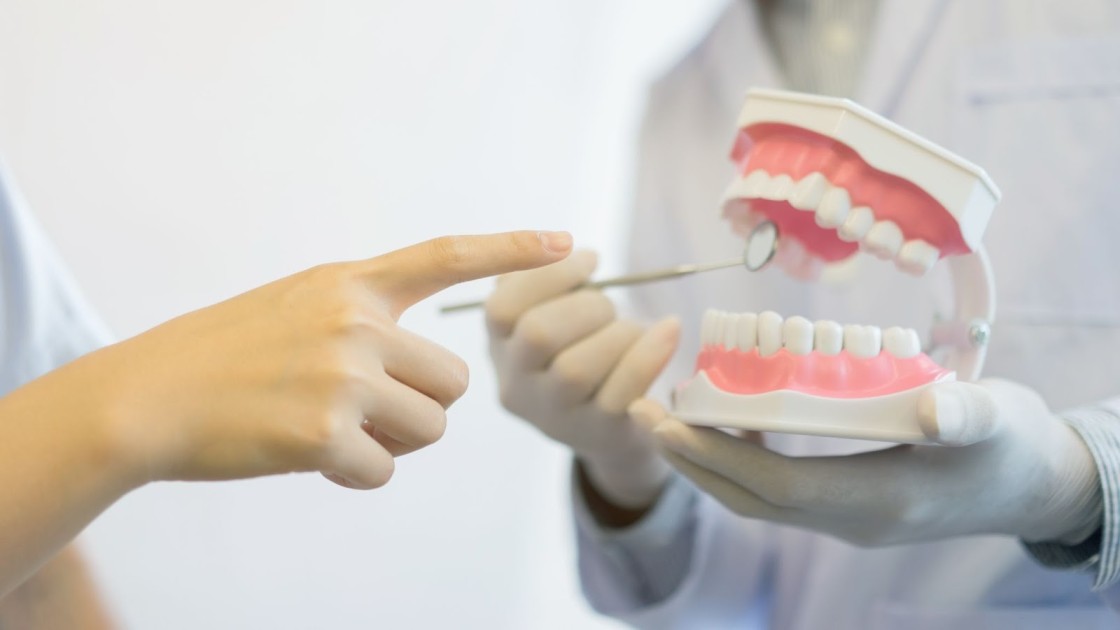
Have a beautiful smile with five tips for healthy teeth
Oral health is not only important to keep cavity and gum disease at bay, but it also plays an important role in keeping you fit. With the mouth being the entrance to what you eat and drink, there is a strong correlation between your oral hygiene and overall health. Gum issues and tooth decay can cause pain, tooth loss, and reduced appetite and might affect your self-confidence if not treated on time. This can further lead to undernourishment and speech issues, causing strain on your personal and professional life.
It’s never too late to start taking care of your teeth. Below are 5 tips you should regularly follow to keep your teeth healthy:
● Avoid sugary food and drinks –
Do you find your teeth unclear and uneven? This could be due to dental plaque on the surface of your teeth. Plaque is caused by the sugary substances we eat, producing cavity-causing acid. So, whenever you eat sugary foods, a layer of plaque might get coated on the teeth. To reduce the occurrence of plaque, limit your consumption of sugary foods and drinks. Additionally, always check the labels and ingredients of packaged foods for sugar content before buying. For e.g., many yogurt flavors and sports drinks contain a high quantity of sugar, which might affect oral health.
● Brush your teeth twice daily –
Brushing your teeth two times a day helps in removing plaque and germs. This becomes more effective if done with the appropriate technique. Always brush the front, back, and top properly in small round movements. This process would take around 2-3 minutes; avoid moving the brush backward and forward. Hard brushing can cause damage to tooth enamel and gums that affect tooth sensitivity. If you see blood in your gums while brushing, then try gentler movements. It has been recommended by dentists to use a soft-bristle brush and change it every 3 months.
● Floss your teeth once a day –
Flossing helps to get rid of plaque and food stuck in the teeth, which cannot be removed while brushing. These stuck food particles, if not removed, get disintegrated by bacteria, leading to bad breath. The stuck debris can also affect your teeth, which might require treatment, such as a root canal to be fixed. Push the floss into the gum line before embracing the side tooth. There would be no pain while moving it up and down and removing the plaque effectively.
● Use mouthwash –
Always use mouthwashes recommended by dentists for good oral health. Mouthwash containing chlorhexidine, which is an antibacterial ingredient, helps in preventing plaque and gingivitis. It also contains essential oils that aid in oral health. Mouthwash cannot be a replacement for brush and floss but can enhance your teeth-cleaning practice.
● Visit the dentist regularly –
You should go to see the dentist for a regular check-up once in 6 months. They will examine your teeth to remove plaque, germs, and hardened tartar. The dentist will do a visual check for oral health problems, cavities, disease in gums, and mouth cancer. Cavities can be checked through dental x-rays. If adults take care of dental hygiene daily, then the frequency of visiting the dentist for oral health problems could be lesser.
Dental treatments are often not covered by your Health Insurance. Thus, various medical procedures performed by a dentist can be an expensive affair. Hence, it’s recommended to follow good oral habits for a healthy body and less medical expenditure.
Following good dental care from childhood helps keep the mouth healthy, even till later stages of life. Healthy oral habits protect you from various diseases and keep you fit throughout life. Follow the steps mentioned above as part of your routine to improve your smile and oral health.
If any pain or discomfort presents and persists, always consult with your dentist.
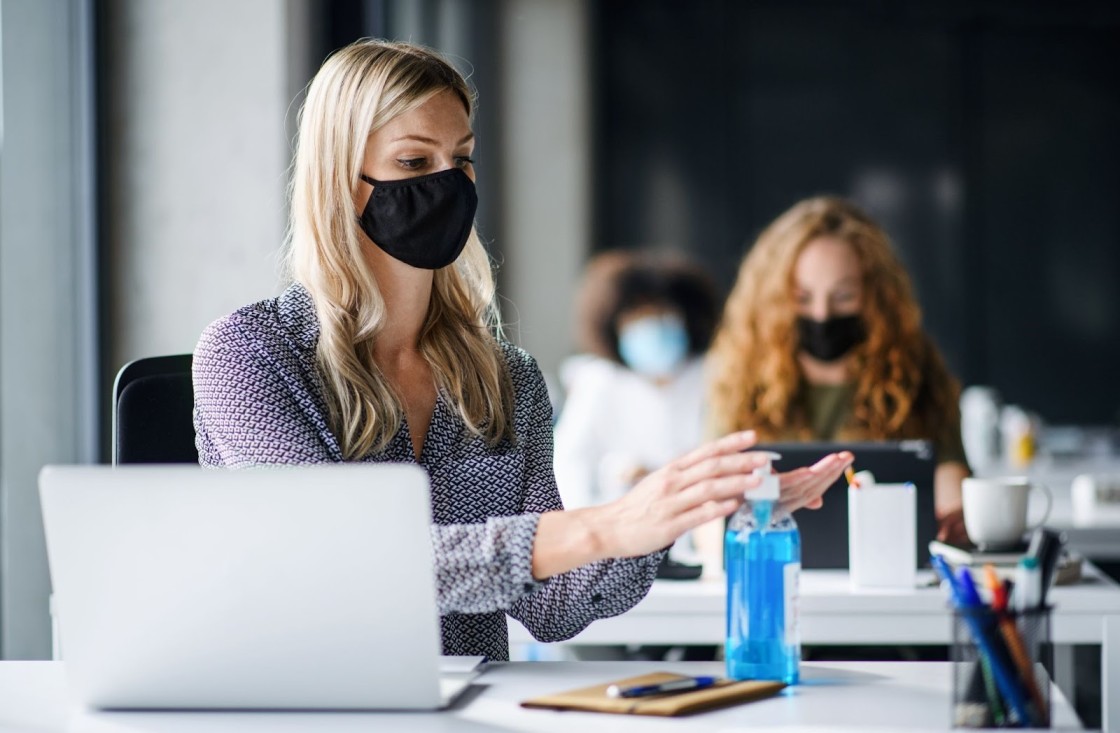
Ways to prevent the spread of COVID-19 at your workplace
It is known that COVID-19 infections spread faster in places where people come in proximity to one another. Therefore, one would need to be cautious about the threat of infection, especially in offices and other closed workplace settings. There are many commonly used areas in the office like canteens, conference halls, meeting rooms, elevators, parking lots etc., where the chances of infection are much higher. That is why every office-goer needs to consider these risks and exercise utmost precaution while in office.
While health insurance (check for health insurance online today) stands out as a basic personal precaution, there are many precautions one can keep in mind to prevent the spread of COVID-19 in office spaces. It includes general precautions like:
● Maintaining a minimum distance of 2 yards or 6 feet from others.
● Wearing a face mask or cover at all times to cover your nose and mouth. Also, remember to avoid touching these areas of your face with your fingers.
● Washing your hands with soap or using an alcohol-based hand sanitizer regularly, particularly after touching foreign objects and common surfaces.
● Covering the mouth and nose while coughing or sneezing. Spitting should be avoided altogether.
● Monitoring health and reporting it timely whenever required.
● Using the Aarogya Setu app for timely medical response and COVID-19 awareness.
Here are some precautions that can help prevent infection in office premises:
● Mandatory hand hygiene and thermal screening should be installed at entrances. Employees or visitors with suspected medical conditions should be barred from entry.
● Work-from-home should be permitted for people living in containment zones.
● Service providers such as transport and housekeeping should maintain similar rules regarding containment zones.
● Office vehicles should be disinfected at least twice a day with a 1% sodium hypochlorite solution or spray.
● Aged and pregnant employees and employees with medical conditions should not be exposed to front line work.
● Officers, staff, visitors, valet parking personnel and all other support staff should be wearing masks at all times. Valet parking personnel must also wear gloves.
● Keys, steering wheels, door handles etc. of all office vehicles should be disinfected.
● Proper permission and screening of visitors must be made compulsory.
● Meetings must be conducted over video conferencing as far as possible.
● Awareness of COVID-19 should be promoted through standees, posters and audio-visual presentations
● Crowd management within and outside office premises should be ensured, with adequate physical distancing norms.
● In case of queues, physical distancing norms and marking signs should be put in place.
● Washrooms must have an adequate supply of sanitizers, soaps and running water.
● Restrictions on the number of people using elevators at the same time must be adhered to.
● A temperature of 24-30 ℃ and relative humidity of 40-70% should be ensured in office air conditioning.
● There should be adequate cross-ventilation within the office.
● Large physical gatherings should be avoided.
● Sanitation should be maintained in washrooms, drinking water stations, and hand wash points.
● Commonly used places like doorknobs, elevator buttons, benches, handrails, and bathroom fixtures must be regularly disinfected with a 1% sodium hypochlorite solution or spray.
● Cafeterias and canteens should have their staff checked for temperature and respiratory wellness. Crowd and queue management should be ensured with adequate social distancing, including seating arrangement.
In case health issues or signs of infection become apparent, the office should:
● Facilitate isolation for the unwell person till medical attention is available.
● Inform the nearest medical facility, and confirm availability of cashless Health Insurance Online , if possible.
● Disinfect the places used / visited by the infected person in the last 48 hours, in case of one or two cases of infection.
● Disinfect the entire building or block in case of a large number of infections.
While making efforts to control the possibility of infection, offices should also work to dispel social stigma and show consideration towards the mental health impact of isolation and infection on their employees.
Hi there! 👋 Need help with a policy, claim, or renewal? Chat with us instantly on WhatsApp.
Start chat →