


General Insurance Blogs, Articles & Updates by - Magma Insurance
Have us call you
- RENEW YOUR POLICY
- BUY NEW POLICY

GENERAL INSURANCE BLOG

Benefits of usage-based insurance for your car insurance
Insurance for your car is as important as your health insurance because your vehicle also needs a safety shield. It protects your vehicle against incidents like accidents, theft, or damages. You might be aware of the conventional way of car insurance. But here, we provide you with information about usage-based car insurance and its benefits.
The very first question that arises in your mind is, "What is usage-based car insurance?" User-based insurance or UBI combines the expertise from telecommunication and informatics sectors to serve the auto industry. The traditional car insurance policy's premium is based on the car's model and not the driving abilities. So even if you use your vehicle less frequently and have good driving skills, you have to pay a particular premium according to the standard calculation.
Whereas, UBI is a new concept in the Indian car insurance segment that usually collects the available information from the vehicle with the help of Telematics. The accurate data helps insurers to get a better estimation of mileage and driving habits of the driver. Then, the insurer decides on the premium amount based on your driving skills, basic vehicle information, and driving data.
When you opt for UBI, you have to install a tracker on your car, which will collect your driving data, and it will be used on a large stage. It will create your driving risk profile for your welfare and your insurance company. It stores the following data:
1. Frequency of usage of your car
2. Average speed of your car
3. Accelerating and braking pattern of your car while you drive
4. Based on your driving, you are rated if a safe driver or harsh driver
This information is used to charge the appropriate premium for your car insurance. So if you have a low-risk profile with an excellent driving score, you have to pay less premium than a reckless driver.
Also, this UBI comes in variants like:
1. Pay as You Drive (PAYD): Premium charged based on the amount of driving
2. Pay How You Drive (PHYD): Premium is decided based on driving skills
3. Distance-based Insurance: This is miles-based insurance; in this, the total number of miles covered by the car during the policy period will decide the premium
Let us share some of the advantages of UBI:
1. Having a personalized car insurance plan can save your pocket to a reasonable extent
2. It's a rewarding system for safe and skilled drivers
3. In critical times like accidents, your location is easily tracked and rescued on time with medical aids
4. Insurance companies get closer conversations and better relations with customers
5. This information or data analysis helps in identifying and reducing accidents or rash driving
6. Increases customer's interest as well as reduces claim cost. This further results in low-risk driving and safe drivers
Lastly, the UBI concept is still a new segment in the insurance industry but transforming digitally with more accurate information and benefits. So, get the advantages from UBI when you buy your online car insurance.
WANT TO KNOW MORE ABOUT ONLINE CAR INSURANCE POLICIES? CLICK HERE TO KNOW MORE…
Fuel economy tips for summer
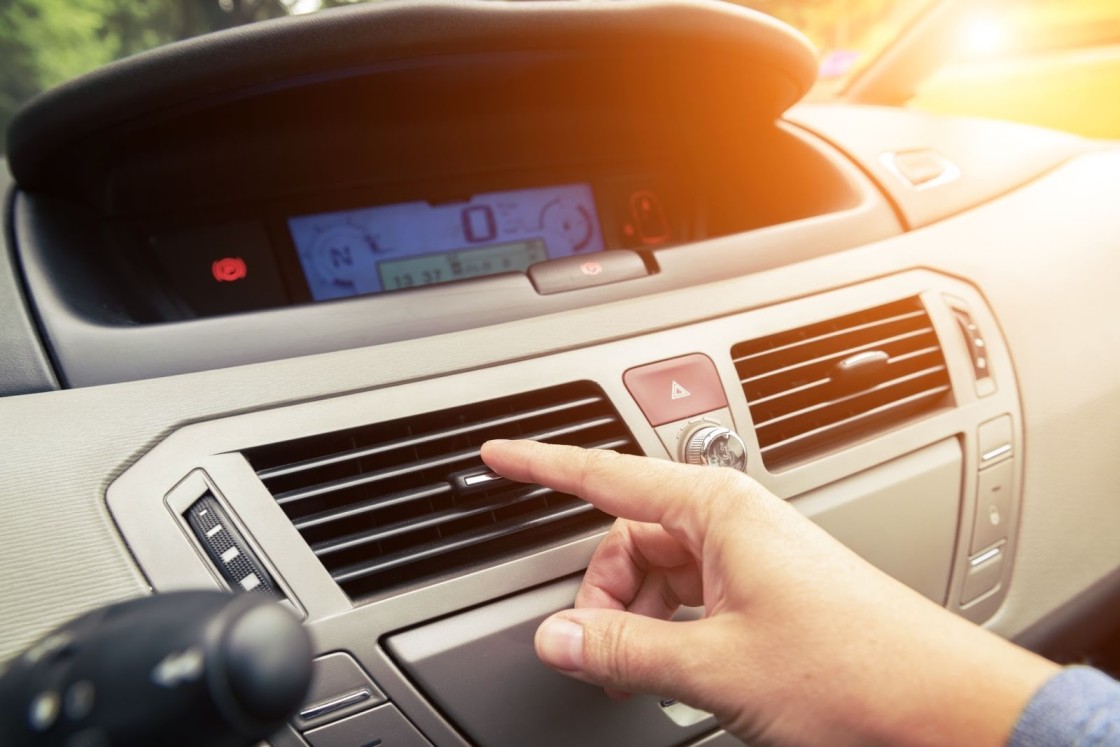
India has some of the harshest summers for any country in the world. Temperatures can routinely touch 50°C in several parts of the country, and the need for air conditioning or any form of cooling is fairly consistent throughout the year. But humans aren’t the only ones who suffer in these harsh summers. If you drive a car, the summers can be hard on your car as well. Driving in the summers often means having to turn the air conditioning (AC) on full blast for long periods, which can bring down your fuel economy considerably. Here, we cover some tips that will help you manage your fuel economy even in the summers.
Slow Down:
Regardless of the season, but especially in the summer, with the AC on, it is much better to drive within a certain range of speeds for optimized fuel economy. In general, the bracket between 40 km/h and 80 km/h will serve you best, irrespective of whether you’re driving in the city or on the highway. With fuel costs soaring by the day and the traffic on Indian roads only getting worse, it is wise to save fuel costs by driving at slower speeds. This also allows you to use the AC for longer durations.
Use the AC Intermittently:
The crippling summer of India often makes you want to use the AC for long periods without a break. However, the AC of your car is not as well equipped at handling long usage hours as your average domestic or industrial AC. Using the car AC for long periods can increase the load on the system and decrease its cooling efficacy. This can lead to damage in the long term and increases the chances for repair in the middle of the season. Hence, it is important to use your AC only intermittently, even on long trips. Make sure to turn it off when your car has cooled down sufficiently and turn it back up only when you feel the need for it again. Also, make sure that your AC is covered for damage when you buy your Car Insurance Online.
Turn Down the AC:
Apart from using it continuously, the summers are also when you are most likely to use the AC at its maximum capacity. There is hardly a standard flow rate at which your vehicle will blow air towards you, and hence the performance of different ACs at full blow will generally be different. Similarly, the performance of ACs will differ according to the age of the vehicles. The higher the level at which you operate your AC, the lower your mileage is likely to be. As enticing as it might be to get the most out of your AC in the summer, it is much more prudent with respect to mileage to slow down the AC.
Don’t Idle:
Depending on the model of the car you drive, it might be possible to leave the AC on while the engine is off. Even if your car has this feature, make sure to not idle your engine just so that you can leave your AC on. Idling the engine can reduce your mileage by several percentage points and generally wastes a huge amount of fuel. Instead of idling, if you get to your destination early, simply get out of the car and start walking to your destination. Similarly, if you are at a long signal, switch off your engine to save fuel and don’t worry about losing an extra few seconds of cool air.
Indian summers are perhaps when the greatest amount of fuel is lost due to the above factors. Following best practices associated with fuel mileage can help you save fuel and generally ensure a long life for your car. To add an extra layer of security, make sure that you buy car insurance online so you won’t need to pay out of your pocket if a summer breakdown occurs.
All you need to check before buying a new car
So you are just a few steps away from owning your dream car. But have you thought of the insurance process yet? Insurance is something that must be planned in advance as it cannot be purchased in a rush. One must research thoroughly before buying any car, whether it is a new one or an old one. This article will take you through everything you need to consider before purchasing a new car.
Insurance Types
Before purchasing a private car insurance, you need to be aware of all the available policies and what cover they offer. Car insurance policies vary between private and commercial vehicles, so you will need to buy insurance that suits your vehicle usage.
There are two basic types of insurance policies. They are:
1. Third-party Insurance –
Third-party insurance is compulsory for all vehicles on the road. In case of an accident, it covers any damage to the third party. But it doesn’t cover any damage that occurred to your car. To cover damage to your car, you will need to buy comprehensive insurance (explained below). The third-party policy is a relatively more affordable kind of insurance.
2. Comprehensive Insurance –
In case of an accident, a comprehensive insurance policy covers the damage to your car as well as to a third-party car. It can also cover any accidental damage or theft of the car. This policy also covers damage caused by natural disasters. This is the highest form of insurance policy you can get for your car.
Buy Add-ons based on your risk profile
Based on your risk profile, you can opt for some add-ons like roadside assistance, engine replacement, etc. For example, if you enjoy riding at odd hours or for long distances, then opting for roadside assistance as an add-on can be useful. In case of a vehicle breakdown, you will get assistance, and the vehicle will be moved to the service center.
Compare the dealers
Most car dealers offer insurance policies at the time of buying the car. But those policies may not meet your requirements. Make sure to compare the policy prices among different dealers and then make an informed decision. It is tempting to buy the cheapest policy, but choosing a suitable policy after thorough research of the dealers will help you in the long run.
Don’t neglect the policy terms
Most car owners read only what is included in the insurance policy and ignore the part that talks about what is not included. This is a very common mistake among most insurance buyers. Ensure that you go through the policy carefully and understand both inclusions and exclusions in your policy before finalizing.
Know about the claim procedure
Inquire about the claims procedure before purchasing a motor insurance policy. The process should be simple and reliable. Test the insurer's claim payment percentage as well. The claim payout ratio of a corporation indicates how many policies are settled per year by settling back claimants. You can use the claim payout ratio to gauge the reliability of the insurer.
Understand Insured Declared Value (IDV)
The Insured Declared Value or IDV, vehicle size and other variables are used to determine the premium of a private Car Insurance . As a result, knowing a car's IDV is important. In case of complete loss or burglary, the IDV is the highest amount you can collect on insurance. The IDV of a vehicle decreases as it gets older because a relatively new car has a higher IDV than a car of the same type that is a year older. In easy terms, we can say IDV is the current market value of your car.
What is fully insured in a motorcycle accident?
A two-wheeler insurance policy covers the cost of repair and replacement for your bike or scooter. It includes theft of the two-wheeler and damages to the bike that involves paid repairing. The insurance can also provide personal accident coverage, including accidental death and partial or total disability due to the accident. You can also opt for personal accident coverage of the pillion rider if you often ride with a pillion rider. Personal accident coverage can also include paid riders if the bikes are used for commercial purposes.
Here we talk about what all is insured if your bike encounters an accident, if you have existing two-wheeler insurance for your bike:
• Accidental death –
Accidental death coverage takes care of the financial difficulties that the surviving family faces in the event of the policyholder’s demise. This coverage is extremely beneficial for families where the policyholder is the sole bread-winner, and the family is financially dependent on him/her. The accidental death coverage acts as a supplement to the term insurance policy that the policyholder may have purchased.
• Disability compensation –
A disability to the policyholder also affects the financial position of the policyholder and his or her family. The earning capacity of the policyholder may get compromised in case of a partial or total disability. This part of the two-wheeler insurance coverage addresses these concerns by earmarking a sum assured for disability.
• Hospitalization Expenses –
Many two-wheeler insurances provide a cash allowance to meet hospitalization costs in case of a two-wheeler accident. This cash allowance can also be claimed if the policyholder is required to stay at the hospital to recuperate from injuries sustained in the accident. Most insurance companies offer cash allowance for a specific number of days that is stipulated in the policy.
• Own damage coverage –
A basic third party coverage will not cover the damage to your bike. However, comprehensive two-wheeler insurance covers any type of damage that can happen to the policyholder’s bike in the event of an accident or a natural calamity. This policy covers all man-made and natural damages to the bike, along with third-party coverage. Insurance companies also provide cashless repairs facility and maintain a network of garages where you can avail of this facility. If the bike has been in a road accident, the policyholder can make the claim through traditional paper mode or opt for a video claim facility if provided by the insurer. The policyholder can make reimbursement claims even if repairs are carried out in a non-network garage.
• Third-party insurance –
Two-wheeler accidents can damage not just your own vehicle but also damage or injure a third party. This is why insurers provide coverage of a specific amount in case of damage to a third party. Besides, the disability and death of a third party are also covered in most third party insurance.
Do note that personal accident coverage is compulsory for all Two-Wheeler Insurance policies. Therefore, any harm to self in case of a motorcycle accident is sure to be covered under your existing policy. On the other hand, not all types of two-wheeler accidents are covered by a typical motorcycle insurance policy. These are unusual causes such as self-inflicted injuries, riding without a driver’s license, riding under the influence of drugs or alcohol, riding as a part of hazardous or criminal activities, riding outside geographical limits of the policy, and so on. In other words, a comprehensive two-wheeler insurance with a reliable insurer covers all the possible damage and harm resulting from an accident.
Hi there! 👋 Need help with a policy, claim, or renewal? Chat with us instantly on WhatsApp.
Start chat →