


General Insurance Blogs, Articles & Updates by - Magma Insurance
Have us call you
- RENEW YOUR POLICY
- BUY NEW POLICY

GENERAL INSURANCE BLOG
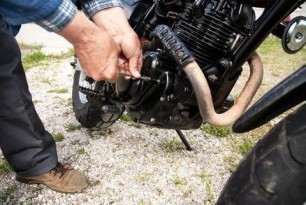
Understand these four things before you modify your two-wheeler
Bikes are never out of fashion, and every biker wants his favourite bike to be the show-stopper. You may have seen a lot of tastefully customized bikes and may be interested in modifying your two-wheeler. Different people have different reasons for customizing their motorcycles. Some do it for better designs, while others do it to improve performance or safety.
No matter the reason, here are four things that you should know before you shift into high gear and head straight to one of the bike modification shops.
1. What The Motor law says:
When considering change, the first thing to examine is if the law allows it. To illustrate, if you wish to update the engine to boost its power output, your registration certificate should reflect such modifications. As a result, you must go to the Regional Transport Office and have your registration certificate updated. Minor cosmetic changes, such as adding a sticker, are permissible without clearance. Each state has its own set of rules regulating the use of lights, indicators, license plates, and horns. Before making any changes to your bike, you must comply with the government's regulations, or you'll have to pay a heavy fine. Ensure that you stay lawful!
2. Types of Modifications and their Impact on premiums of 2 wheeler insurance:
Performance-based modification: Performance enhancements on two-wheelers often involve fuel-efficient technologies or mechanisms to enhance speed. Remember, a higher speed increases the probability of an accident. Given the danger, it will surely raise your 2 wheeler insurance premium.
Aesthetic modification:When you modify your bike to look more aesthetic, it raises the chances of theft, thus increasing the premium.
Safety modification: By adding security features to your bike, you reduce the chances of bike theft. As a result, you save money on insurance costs too.
Modifications for the disabled:If a specially-abled person rides a bike and is modified to meet the convenience, the insurance provider will not charge an additional premium.
3. Inform your insurance provider:
Keep your insurance company informed of any alterations you want to make to your two-wheeler. Some two-wheeler changes may result in an increased premium amount. Failure to disclose these modifications may be seen as unlawful, leading to claim denial by the insurer.
4. Get the job done by a professional:
While the potential for heavy-duty modifications to two-wheelers is restricted, you can still make many alterations. Paintworks, for example, are still permitted as long as they are within the RTO guidelines. Similarly, the installation of minor extras such as decals, visors, and engine fairings remains allowed. Make sure that only specialists perform these tasks.
Remember, your bike is a machine, and like any other machine, it has its limitations. Therefore, you need a skilled bike modifier who can assess your bike's capabilities, consider your needs in terms of adjustments, and then begin working on a plan.
Whether you modify your vehicle or not, you must hold valid insurance if you want to ride your two-wheeler lawfully on Indian roads. Also, you need to prepare yourself for uncertain events or situations like accidents, maintenance fees, and other service costs involved before they take a toll on your finances. So get reliable 2 wheeler insurance and forget all the stress.
Click HERE to know about the most economical plans for your 2 wheeled companion.
Disclaimer: The information provided above is for illustrative purposes only. To get more details, please refer to policy wordings and prospectus before purchasing a policy.
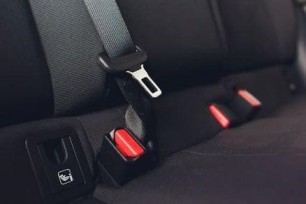
Why seat belt for the rear seat is equally important
A seat belt is one of the necessary safety items that come with the car. But we often avoid wearing a seatbelt on the rear seat. It is important to understand that as per the Section 138 (3) of the Central Motor Vehicles, seat belts are compulsory for the rear seat passengers as well. However, most rear seat occupants give it a miss because of the lack of awareness and relaxed law enforcement.
The automotive industry experts researched that passengers tend to suffer collisions when a car meets an accident. A seat belt protects the passengers from undesirable forward motion during sudden brakes or crashes. Hence, it prevents critical harm to the life of passengers on the rear seat.
Remember, the rear seatbelts are not decorative accessories; they are installed for a reason. And, in case you are not wearing a seatbelt, your motor insurance company can also object to your claim for damages to your car.
Let's understand the reasons why a seat belt is equally important for the rear seat.
1. Avoid severe injuries:
We might think that sitting on the rear seat is safe, but that's not true. During accidents, the rear seat passenger might get badly injured. Injuries on prime parts of the body like the spine, head, abdominal can be life-threatening. To save yourself from this, make sure that you wear the seat belt correctly. Unfortunately, some cars have installed only lap seat belts, which are not entirely secure. Three-point seat belts are a better option, which have shoulder and lap belts to support the passengers' chest, shoulder, and pelvis.
2. Reason to be penalized:
In 1988, the government enforced an act to consolidate and amend motor vehicles, known as the MV act. According to this safety rule, if passengers are caught with unbuckled seat belts, they are liable to pay a fine for traffic safety violations.
3. A threat to the passengers in front seats:
Studies show that, in many cases, unbuckled rear passengers tend to collide with the front seat and push the front seater into the steering wheel or dashboard. It might damage airbags, and even passengers may strike with or fly out of the windscreen too. So, not wearing seat belts at the rear seats can be life-threatening for those sitting in the front.
Seat belts reduce the secondary danger impacts. It works as resistance for the passengers by holding them in position, such that airbags can work efficiently
Every individual should hold themselves accountable for spreading awareness about the necessity of wearing seat belts during car journeys. Especially when you are travelling with kids, you need to be extra cautious. Check if your children are correctly seated and have their seat belts fastened.
On a conclusive note, never undervalue the use of seat belts. From driving to a grocery store in your neighbourhood to long-distance drives, you must fasten the seat belt at all times. Driving is meant to provide you convenience and comfort, so make a habit of following safe practices such as wearing a seatbelt. Follow the traffic rules, buckle your seat belt, and keep your life, car, money and motor insurance company record safe.
Click HERE to buy/renew your car insurance policy.
Disclaimer: The information provided above is for illustrative purposes only. To get more details, please refer to policy wordings and prospectus before purchasing a policy.

Vaccinated? Why do you still need to build your immunity
The vaccination drive is in full swing in India, and the government is trying to vaccinate the entire country before the year-end. But, once vaccinated, do you still need to focus on building your immunity? Absolutely yes! Medical authorities, wellbeing experts, and health insurance companies encourage people to continue wearing masks, maintaining physical distance and sanitizing hands. In addition to it, you should also focus on nutrition and a healthy diet to continue building immunity. And here are a few reasons why you still need to build your immunity even after getting both vaccine doses.
1. New virus variant:
In December 2020, the media reported the first variant of covid-19. Since then, many new variants have been identified in regular researches done by scientists. So the question arises, will the COVID-19 vaccine be effective on the new variants? Laboratory studies suggest that current vaccines may help reduce the severity but might not provide complete immunity against these new variants. Meaning you have a chance of contracting any of the virus variants. The best way to prevent this is to keep following the coronavirus safety precautions and focus on developing your immune system.
2. Not 100% effective:
So, will the country be safe and covid free once everyone is vaccinated? Few vaccines have a high rate of success in preventing the illness or reducing the severity of it. It is a fact that vaccines cannot be hundred percent effective against the virus on an entire population. The clinical trials of various vaccines show 90-95% efficacy, indicating that the vaccine reduces your chance of contracting COVID-19. There have been instances of people getting detected with the COVID-19 virus after getting both doses. Therefore, vaccinated people still need to follow safety protocols. The vaccine prevents the severity of disease, reducing the possibility of being hospitalized. Having high immunity further improves your chances to fight against the COVID-19 virus.
3. Other diseases:
Your immunity helps to fight any harmful substances, germs and viruses entering the body. So your immune system allows the body to fight microbes and acts as the first wall of defence in your body, not just when the coronavirus is concerned. Therefore, to not contract any disease, you must take measures to boost your immune system.
4. Protecting the community:
The only way to end the COVID-19 pandemic is to reach the state of herd immunity. Herd immunity is a situation where a massive section of a population gets immunity against a disease. As a result, the whole community is under protection from the disease, not just the few who are immune. Even if you are vaccinated and might be safe from a severe illness due to coronavirus, the people around you aren't, so you are responsible for keeping them safe too.
While it is inevitable that vaccines protect you against the severity of COVID-19, you must still build your immunity, follow COVID-19 protocols, and have good health insurance to be financially and physically prepared for any medical conditions or diseases coming your way.
Are you concerned about the medical bills during a pandemic? Click HERE to know about the health insurance policy.
Disclaimer: The information provided above is for illustrative purposes only. To get more details, please refer to policy wordings and prospectus before purchasing a policy.

Six habits of successful weight watchers
If you want to reduce weight, you may be considering a complete lifestyle change. Remove chocolate from your diet, avoid alcohol, quit eating sweets, say goodbye to junk food, begin running 10 kilometres every day and so on. Wait! The list is endless and, while it sounds like a foolproof strategy to lose weight, it isn't easy to follow.
So, what is that unique, the successful weight watchers do to reduce weight? They work on an alternative way to cultivate healthy habits. Here are six habits that can help you reach your healthiest weight.
1. Hydration:
The brain frequently misinterprets thirst, which is triggered by minor dehydration, for hunger. Even slight dehydration might cause your metabolism to slow down and function inefficiently. Don't reach out for a snack, instead find a tap and drink some water next time you feel that hunger calls frequently.
2. Don't skip meals:
Especially breakfast, you'll rarely see successful weight watchers skip breakfast. Skipping meals is a bad idea in general since it means you'll be hungry later. And, when you're hungry like that, you're more likely to overeat.
3. Mindful eating:
The idea of mindless eating is familiar to most of us. Whenever we're sitting in front of the television or browsing through our phones, this is what we do. However, when you focus on what you're eating without interruptions, you create a healthier connection with food, lose extra weight, and are more likely to keep it off.
4. Intake more fibre:
Fibre doesn't have any unique fat-burning qualities. It just makes you feel full without adding too many calories to your daily diet. For example, if you eat a baked potato instead of a bag of potato chips, you'll consume fewer calories and be less hungry an hour later.
5. Caloric awareness:
Simple math, to lose weight, you must consume fewer calories than you spend. Figure out your caloric intake and try to meet the demand with nutrient-rich, minimally processed food. Wholesome foods and healthy fatty foods are great choices. Snacking now and then won't hurt; try to be aware of the foods you consume, and as long as you're in your maintenance calorie level, you're good.
6. Exercise regularly:
Hitting the gym, swimming laps in a pool, dancing, and running are the possibilities. Find a workout that you like and adhere to it. Adding various forms of exercise will keep you engaged. Aim for 10,000 steps every day. Take stairs instead of the lift whenever you can. Just keep your heart rate up every day one way or the other.
Be patient with your new habits. Weight management is a journey that all weight watchers should enjoy. What worked for others may not work for you; follow these six habits and add your mix to it. Find the right combination, and then be consistent.
Losing weight leads to a healthy lifestyle as it increases your productivity and efficiency at work and keeps you motivated throughout the day. In addition, it reduces your medical bills, healthcare costs and premium for your health insurance plan. Many insurance companies encourage healthy individuals with affordable health insurance plans.
Click HERE to know about affordable health insurance plans.
Disclaimer: The information provided above is for illustrative purposes only. To get more details, please refer to policy wordings and prospectus before purchasing a policy.
Hi there! 👋 Need help with a policy, claim, or renewal? Chat with us instantly on WhatsApp.
Start chat →