


General Insurance Blogs, Articles & Updates by - Magma Insurance
Have us call you
- RENEW YOUR POLICY
- BUY NEW POLICY

GENERAL INSURANCE BLOG

Running your own business? Here are some insurances you should consider purchasing
Being an entrepreneur brings a lot of risk to the table. Insuring your business against liabilities and risks is a wise consideration. Business insurance can help a company protect itself from unforeseen circumstances, such as natural disasters, theft, unintentional injuries, etc. It is of utmost importance for a business owner to be able to assess the risks involved with their line of work. They should consider the needs of their business so that one mishap does not wipe out their entire life's work.
Irrespective of whether you are just setting up or are an established player in your niche, specific policies like public liability insurance in India are essential to cover your business from lawsuits and compensations.
Here are some kinds of insurance that can help cushion the liabilities your business may face in uncertain conditions.
1. Property insurance policies:
For your small start-up business, you spend most of its capital on inventory. In the case of damage to the property, it is tough for businesses to replace or repair damaged property. Some companies never recover from this. So, it is paramount to insure the physical location, tools, and other industry-specific equipment against damages.
However, most property insurance policies don't protect businesses from natural disasters like cyclones and floods, so it's best to talk to your insurance company about all the policy clauses beforehand.
2. General liability insurance:
This insurance helps you bear the costs of legal fees and other liability claims arising from third-party injuries due to your product or business. The entire cost of any legal proceedings that arise from a lawsuit against the company has to be paid by the owner. Whether working in an office setting or remotely, you should be insured against this possibility as it can significantly impact your finances. Research public liability insurance in India before choosing the best policy for your needs.
3. Worker's compensation insurance:
Worker's compensation insurance is mandatory in most cases. This policy is necessary in case of employee injury, death, or illness. It also covers the legal fees if the deceased's family decides to sue the business. Slip and fall injuries may also happen within your premises, and you might have to incur considerable hits to your business by paying off medical costs.
4. Professional liability insurance:
Professional liability comes under the same realm as general liability insurance but has a different use. This insurance is solely for errors or lack of proper service and is also called errors and omissions insurance. It covers the financial repercussions of negligence on your part in rendering any services. However, this policy is usually industry-specific, so it is wise to take expert advice from your insurance company for your specific profession.
5. Business interruption insurance:
In the event of any natural disaster or other unforeseen situations like a riot or a strike in the work area, a business cannot continue uninterrupted. This results in a loss of income due to the stoppage of the ordinary course of a business. In this case, business interruption insurance comes in handy, as it compensates the company for its lack of income in the time it takes for them to get back on its feet again.
6. Commercial vehicle insurance:
Any company that uses vehicles for commercial purposes should insure their vehicles against any damage caused by unforeseen accidents, fire, or theft. This is mandatory in India, but you should research your options to get more comprehensive coverage.
Buying insurance, especially public liability insurance in India, is an essential step in any business owner's journey. Research all your options thoroughly and make an informed decision. Take account of all the risks and accordingly prepare a strategy to mitigate them without sustaining any loss. The growth and security of your business rely on your alertness and preparedness to avoid falling prey to financial loss due to unexpected mishaps.
Click HERE to know more about public liability insurance in India.
Disclaimer: The information provided above is for illustrative purposes only. To get more details, please refer to policy wordings and prospectus before purchasing a policy.
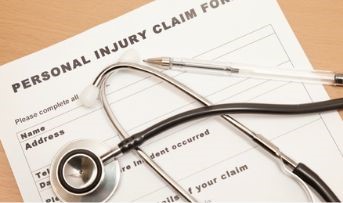
Personal accident insurance plans: Does your insurance provide full protection against contingencies
The recent Economic Survey for the year 2022-23 presented by the Government of India indicates a positive growth outlook for the Indian insurance sector. With the general insurance policy penetration rates at par with the global level, one may assume that all insurance policies are equally preferred in the country.
However, upon careful inspection, it is easy to realise that personal accident insurance plans do not enjoy such high penetration as popular insurance like health insurance, which is considered necessary. While many may think the formerly mentioned plan is sufficient to cover every contingency, the coverage against disabilities and personal accidents is often left out of the scope of consideration.
Defining personal accident insurance plans.
Personal accident insurance plans are a type of insurance that provides coverage in the event of an accidental injury or death. It offers financial support to help cover medical expenses, lost income, and other expenses that may arise from an unforeseen injury or death. Apart from monetary compensation, it also offers peace of mind to policyholders without worrying about the financial consequences of an unexpected accident.
The need for personal accident insurance plans with other insurance.
Buying health insurance only provides limited coverage for the illnesses and conditions included in the policy, leading many to believe it is enough to provide comprehensive protection against adverse events affecting one's well-being. However, this assumption is flawed, as can be understood from the definition above. Hospitalisation due to the policyholder's illness is a prerequisite for raising a successful claim. In case of only accidents or injuries, the policyholder is left unprotected, making purchasing personal accident insurance plans essential.
1. Coverage extent:
Health insurance only provides compensation in case of the policyholder's death or hospitalisation due to specified illnesses. It offers no specific coverage or payouts for accidental death or injury. Personal accident insurance plans supplement such cases by covering accidents caused during travel, work, commute, etc.
2. Financial compensation:
One of the benefits of personal accident insurance is that it provides financial support to help cover medical expenses and loss of productive capacity due to an accidental injury or death. This way, hospitalised policyholders who cannot return to work for a stipulated period are offered a daily cash allowance and additional benefits for their dependents, like children's education and transportation allowance.
3. A broad scope of disability coverage:
Most personal accident insurance plans offer coverage for accidental death, permanent partial or total disability, or temporary total disability. This provides incidental disability or death coverage regardless of the cause, unlike health insurance. Therefore, personal accident insurance plans offer peace of mind to policyholders about the financial consequences of an unexpected accident.
4. Flexibility of coverage:
Personal accident insurance plans are generally more affordable than other insurance types. They are also flexible, allowing policyholders to choose the ideal coverage for their needs and budget, making it accessible to a broad range of potential policy purchasers.
Standard exclusions to keep in mind.
Like every insurance product, personal accident insurance plans exclude certain factors such as natural death, high-risk work environments, childbirth or pregnancy, suicide, and self-inflicted injuries. Accidents caused while participating in extreme sports, under the influence of intoxicants, or while engaging in criminal activities are other reasons that most insurers do not provide coverage.
Despite their exclusions, personal accident insurance plans are excellent supplements to health insurance and provide relatively comprehensive protection against the financial impact of accidental injury or death. We urge you to consider purchasing personal accident insurance plans to protect against unforeseen accidents.
Click HERE to browse through different personal accident insurance plans.
Disclaimer: The information provided above is for illustrative purposes only. To get more details, please refer to policy wordings and prospectus before purchasing a policy.

Lost your car keys? Here’s what you should do
Losing your traditional car keys is a minor concern as you can quickly get a duplicate key made by the car service centre. However, as vehicles have become more technologically sophisticated, getting new keys can be more technical and expensive than ever.
It can take several steps and leave a dent in your wallet to replace a lost or stolen key, depending on the type and model of the car you drive. Fortunately, when comparing new car insurance rates, you can purchase an add-on coverage to protect your car keys.
While the add-on cover can limit your expense, here's what you should do if you lose your car keys.
1. Verify carefully:
Before deciding, conduct a comprehensive search for the keys everywhere. Retrace your steps and cover all the spaces you may have placed your keys.
2. Inform your insurance provider:
When you lose your key, the first thing is to write to the insurance provider and tell them what happened. With a misplaced key, there is a considerable risk of vehicle theft. Additionally, they may require the submission of an FIR filed with the nearest police station.
3. Reach out to a franchised dealer:
Contacting a manufacturer's dealer for your car is recommended if you need an OEM replacement key. It frequently costs money and takes time to obtain. If your original key offered features like a hands-free boot release, you will receive a new key identical to it in addition to programming for those features.
4. Decide on your car's essential type:
If you lose the existing key and have no spare, consider switching your key type. Traditional transponder, FOB, and intelligent keys are options to choose from.
How to recover different kinds of keys.
1. Traditional key:
You must put a conventional car key into the ignition cylinder to start your vehicle mechanically. If you misplace your car keys, you can phone an auto locksmith, who can immediately make you a new key. You might need a new ignition lock cylinder and key from the dealer or another repair facility.
2. Transponder key:
These keys are more advanced and detected by the Electronic Control Unit that starts the engine. A skilled electronic locksmith can help as they have spare keys equipped with the same tuning chips as your car. But they bill you more than they would have for a regular car key.
3. Smart key:
Modern vehicles almost universally include push-button start and keyless entry. However, we advise keeping a spare in your glove compartment for emergencies. If you lose your keyless entry FOB, you can buy a spare key or have your car towed to the closest brand dealership, where they will program a new FOB to pair with your vehicle. Smart keys are the most expensive set of keys among all types, and you should only get them from your authorised car dealer.
Losing your car key is not a significant concern as there are several ways to recover a new one or attain a spare key. Also, consider purchasing key protection coverage while evaluating new car insurance rates for comprehensive coverage of your car and its key. It's always a safe option to watch out for your car keys and keep them safely in your pocket and avoid leaving them unattended.
Click HERE to buy comprehensive car insurance.
Disclaimer: The information provided above is for illustrative purposes only. To get more details, please refer to policy wordings and prospectus before purchasing a policy.
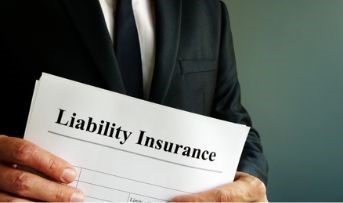
Is it compulsory to purchase public liability insurance
Public liability insurance shields policyholders from lawsuits brought by third parties for their injuries, damaged property, or other damages due to the insured's negligence. Many people, particularly owners of small businesses, are still determining whether getting public liability insurance is required. We'll look into the answer to that question in this blog post.
General liability insurance may, however, be mandated by law as part of the licensing or registration requirements for specific businesses or professions. Let's dive deeper and understand why purchasing public liability insurance would be better for you.
Reason 1:
It is strongly advised that you consider getting public liability insurance even if your profession or industry does not mandate it. This is because accidents can occur at any time and can be highly expensive to handle. For instance, you can be responsible for paying a customer's medical bills, lost earnings, and other damages if they slip and fall on your property. You would have to cover these expenses out of your pocket if you didn't have public liability insurance, which might be extremely expensive.
Reason 2:
Public liability insurance helps shield your and your brand's reputation. If a client or a public member is hurt or loses something due to your company's negligence, it could hurt your reputation and generate bad press. By having public liability insurance, you can show your clients that you care about their security and well-being and that you have the resources necessary to cope with any mishaps that might happen.
What should be considered while purchasing public liability insurance?
1. The amount of coverage you require should be carefully considered before buying public liability insurance. The level of risk involved and the kind and size of your organisation will determine how much coverage is necessary. For instance, a tiny home-based firm would need essential protection. In contrast, a larger company with many employees and risky operations might need higher security.
2. To make sure you know what is and isn't covered, it is also crucial to carefully read the terms and conditions of your public liability insurance policy. Before acquiring insurance, it's critical to be informed of any exclusions or coverage restrictions that might apply. Although you will depend on the insurance provider to cover any potential claims, ensuring they have a solid reputation and sound financial position is also crucial. Therefore, when buying public liability insurance, it's vital to carefully examine the degree of protection you require, review the policy's terms and conditions, and select a reputed and financially sound insurance provider.
3. Cost should be considered when selecting public liability insurance. The price of public liability insurance will change depending on the level of protection needed, the size and type of your business, and the insurance provider you select. Even if cost is a crucial element, it shouldn't be the only factor you consider. In addition to the protection, comparing the insurance cost to the possible costs of a claim or litigation is crucial.
In conclusion, even though many businesses do not think about acquiring public liability insurance, it is strongly advised that you consider doing so. Accidents can occur at any time, and if you don't have public liability insurance, you may be responsible for significant losses and costs.
Also, by acquiring public liability insurance India, you can show your clients that you care about their security and well-being and that you have the necessary resources to cope with any mishaps that may happen. Therefore, explore your options and purchase the best public liability insurance, which would cater to your organisation's and your client's needs in the best way and add the layer of security as required.
Click HERE to learn more about the benefits of purchasing public liability insurance India.
Disclaimer: The information provided above is for illustrative purposes only. To get more details, please refer to policy wordings and prospectus before purchasing a policy.
Hi there! 👋 Need help with a policy, claim, or renewal? Chat with us instantly on WhatsApp.
Start chat →