


General Insurance Blogs, Articles & Updates by - Magma Insurance
Have us call you
- RENEW YOUR POLICY
- BUY NEW POLICY

GENERAL INSURANCE BLOG
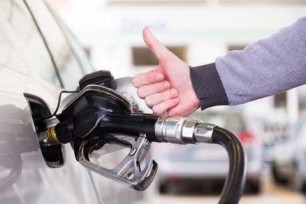
Unable to decide between petrol and diesel car? We got the answer
Unlike old times, almost all car manufacturing companies are now producing new vehicles with both petrol and diesel variants. With it, the common misbelief of a petrol car being superior is also burning to the ground. The way diesel engines have advanced significantly poses a severe threat to their petrol rivals by being more efficient and economical.
But the debate remains as to whether to go for a petrol or diesel model. Allow us to clear it out for you quickly. Here are the 5 major aspects to compare both the options, and let’s view the results.
1. Performance:
If you are a power enthusiast looking deeply into car performance other than anything, remember that a car’s performance is mainly affected by the amount of weight it carries. However, both petrol and diesel cars offer specific power. For example, if you like instant pick up, a petrol car will impress you better. On the other hand, a diesel car will amaze you with the sudden thrust despite the slow start. So, out of the two variants, decide what suits you better.
2. Prices:
Diesel models are generally more expensive than their petrol rivals, and so is their maintenance cost. Do not let the fuel prices confuse you with the car prices. Although diesel as a fuel is cheaper than petrol in our country, the cars sell at a higher price. It's on you to decide whether to pay more for your car one time or more for your fuel every time.
3. Maintenance expenses:
Do diesel models require a higher maintenance cost? That no longer stands true for every case. Although maintaining a diesel vehicle is still more expensive than a petrol vehicle, it has become comparatively affordable than earlier. It even varies between the different classes of the car and the brand.
4. Fuel-efficiency:
This is something to consider later in all the aspects mentioned earlier. Mileage for diesel vehicles is one of the sole reasons for people to choose them over petrol vehicles. A diesel car will run more kilometres in the same litres of fuel than a petrol car. So, in terms of fuel efficiency, diesel cars are clearly the prize winner.
5. Fuel costs:
India has always had diesel at a reduced price than petrol owing to the subsidies. Although the price gap has reduced continuously in almost all states, this is still a fact. Hence, diesel is cheaper than petrol, with diesel vehicles having a better mileage than the latter. Therefore, despite the initial higher charges, it is proved that a diesel car is affordable after all.
Owning a car is a luxury in itself; hence ensure to get the one most suited to your expectations. Regardless of what type of car you buy, decide it after assessing the running cost, the duration you want to retain it and resell value it brings to you. And when you finally make a purchase, do not forget to buy new car insurance as made mandatory by the laws. Apart from choosing the best vehicle variant, you also need to buy new car insurance for a financial safety net if the unexpected occurs.
To buy new car insurance for your car, click HERE .
Disclaimer: The information provided above is for illustrative purposes only. To get more details, please refer to policy wordings and prospectus before purchasing a policy.
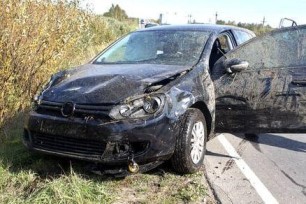
Things to do after your car gets totaled post an accident
No one likes to think about the possibility of their vehicle being in an accident, but knowing what to do when it happens, helps you a lot. According to a survey, almost 77% of drivers have been in at least one accident during their lifetime. Thus, as per the facts, your chances of getting into a car accident during a 1,000-mile trip are 1 in 366.
After a car crash, your immediate response is to ensure everyone's safety and get medical attention even if the injuries seem minor to you. The immediate aftermath of an accident is quite stressful, and not knowing what should be your next step only adds to the stress.
Therefore, it is time you learn what to do when your car gets totaled post an accident.
After the accident, when you inform your insurance company about the incident to claim your insurance, the company may deem your car to be 'totaled'.
But, first, what exactly does 'a totaled car' mean?
• If the value of repairing the vehicle is more than the value of the car, pre-accident.
• If it can be dangerous to use the car again after the repair work.
Some companies cover the cost of towing the car. Few look after your rental car bills only for three days, whereas some might cover for an extended period. Different companies have different policies for the drivers. Therefore, it is better to be familiar with your private car insurance policy.
Now follow the given steps to claim your insurance settlement.
Step 1
Give your insurance company a call. Many companies have mobile applications where you can click images of the damage and post them, and an inspector will survey the specifics. But, when you think your car is totaled, it will take much more than a basic inspection to verify the damage.
Sometimes, there is not much visible damage, but some damaged parts of the car can cost much more than you anticipate. For this, you will have to trust your inspector to do a thorough inspection of your vehicle.
Step 2
Submit your application, policy details, and police report. Now, all companies have different documentation processes, and you must be sure to understand what papers you will need to submit precisely. Your settlement request would not proceed further unless the company has received all that it needs.
Step 3
Whether you own the vehicle or are leasing it, the insurance company will write a check to you, your lender, or the lease company. The amount of your total loss settlement will be the AVC, average cash value of your car, which depends on the following
• the current market value of your vehicle
• the condition of your car pre-accident as well as its mileage
• other features of the car such as leather seats, power windows etc.
Sometimes fortune turns harsh on us, and it becomes tough to accept the reality. Accidents can happen anytime, and it is rightly quoted that 'Accidents hurt, but not safety.' The recovery post a severe accident is never a peaceful process. Seeing your beloved car turn into crushed pieces of metal is an awful feeling. Don't wait for the worst to happen. Be prepared by buying private car insurance that assures you the complete assistance and compensation you expect during the tough times.
Need private car insurance? Click HERE to get the best insurance quotes.
Disclaimer: The information provided above is for illustrative purposes only. To get more details, please refer to policy wordings and prospectus before purchasing a policy.
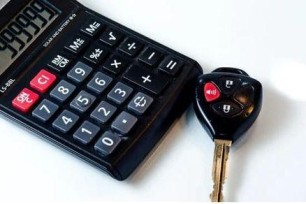
Best tips to save money on your car loan
Most people think that buying a commodity like a car is a significant expense, especially if you have taken a loan. Understand that a loan is a liability, and if not managed properly, it could lead you to huge debts. Also, the maintenance and motor insurance can additionally cost more and affect your pockets.
Don't think that the market decides loan and interest rates, and you can do nothing to save the cost. In reality, the high-interest rate on the loan you borrowed affects your car loan. There are practical ways to save up on the loans of your car. Below is the guide to give you the best tips to save money on your car loan.
1. Constrain/control your credit:
Your credit history will directly affect the interest rate of the loan. If you have a low credit score, the lender may apply higher rates for your loan amount. Sort your credit report, and know that a good credit score will help you lock up the best deal on loans.
2. Navigate beyond the dealers:
Find ways to look beyond just one middleman/broker for your car loans. Getting advice or financing quotations from the dealer is not a bad option. But, when you shop for other things, do you stop at one halt and purchase? The answer is NO. So, do the same with your car loan options.
3. Buy an inexpensive car:
It does not sound like earnest advice, but at a point, it is proven logical. Getting a car is more about comfort and ease of life than merely a status symbol. Buy a reliable, best-fit vehicle that comes with lesser interest on the loan amount. Buying a car within your budget will also help you save up on motor insurance premiums.
4. Budget your down payment:
If possible, make sure to pay a substantial down payment on the purchase of the car. So, it will decrease the amount of interest on loans. Logically, the lower the principal amount, the lower the EMI will be.
5. Smaller tenure of the loan:
Opposite to the down payment, the tenure periods should be short. The lender will benefit from it if you have an extended tenure period. If you have a shorter tenure, you'll pay off the loan much faster. Also, interest components will be lower.
6. Count the processing fees:
The processing fee for the car loans is a one-time fee, and some banks waive off their prices during special occasions. So try to benefit from it by taking loans in that period. Also, make sure you don't get charged any extra in the name of processing fees, apart from general rates.
7. Go through the fine print:
One of the vital steps is to check all papers pertaining to the loan. Whether you take the quotation or make the final deal, read all the legal documents and understand them. Don't get trapped, and be conscious of the agreement while you are availing of a loan.
Stick to budgeting your loans. Be thoughtful with your financial position to consider the loan, interest, and ways to save up on your hard-earned money. There are ample ways to save the cost of your car loan payments. Don't rush the process and check every option before choosing the right one for your car. Like having good motor insurance comes with reasonable premium rates, a car loan can also be obtained with lower EMI if you make intelligent moves.
Are you looking for suitable motor insurance for your car? Click HERE .
Disclaimer: The information provided above is for illustrative purposes only. To get more details, please refer to policy wordings and prospectus before purchasing a policy.

Be adventure-ready and know these six tips before your next overlanding trip
Have you ever felt bored of your mundane daily routine and wanted a much-needed break? Overlanding helps you get away from all the stress of your work and refresh your mind and body, boosting the state of your mental health. It is a travel experience that focuses on a scenic destination away from the bustling city life. With this, you will get the chance to be closer to nature and give your body the rest it deserves.
Let's understand the tips that will make your overlanding trip memorable.
1. Plan well before you go:
You must decide on an adventurous overlanding route through the pleasant countryside and remote destinations. Do deep research about the destination, consider the weather predictions, and ensure favourable camping conditions. To avoid heavy traffic, accidents, or mishaps, you should know what particular amendments your car requires to suit the terrain.
2. Have basic survival skills:
Despite planning efficiently, mishaps occur, and you need to be prepared for any scenario. You might get minor scars or bruises while on the adventure, so carry a basic first aid kit to ensure you can treat minor wounds to avoid any infection. You might get stranded in an unfamiliar area, so it is always advisable to carry maps of surrounding regions in digital and physical forms. You should be capable of changing a tire in case of a flat tire. Adjust to the different weather conditions as your journey progresses.
3. Budget according to your needs:
Overlanding is a cost-effective travel experience. However, you might need to allocate your daily budget based on your needs. You can take inspiration from travel bloggers/vloggers and use similar tactics, or you can carry more resources to satisfy your needs. You should take into consideration your food, vehicle maintenance, and living expenses such as mobile connectivity. Save more by cooking food yourself and camping instead of staying in overpriced hotel rooms.
4. Comfortable dressing:
Wear clothes that are comfortable to be in for long durations. Pack appropriate attire for your activities and make sure it is compact. You can hand wash your clothes or use laundry rooms on your stops to clean and dry your clothes. It is also advisable to wear a roomy pair of good shoes that grip any terrain.
5. Carry essential equipment:
Carry equipment that protects you from excessive cold, wind, and rain, such as umbrellas, raincoats, jackets, gloves, and earmuffs. Emergency dry, nutritional snacks and bottled water should be a part of your travel inventory. Additional tools such as flashlights, fire extinguishers, and gas always make your trip must also be part of your travel checklist.
6. Take precautionary measures:
Safety is an aspect that you can never compromise with when planning an Overlanding trip, especially if you're travelling solo. During the journey, it's just your car and you who are for each other. So, keep spare wheels that fit your vehicle in case of a flat tyre. As roads are a package of undesired events, it is always advisable to get car insurance so that you return with good memories and no financial worries. Opt for online car insurance if you haven't bought one, hit that road less travelled and enjoy that overlanding adventure of a lifetime!
Overlanding journeys expose you to pure and unaltered experiences and introduce you to life in a way you might not have thought of. These trips also boost your self-growth as you learn to make arrangements to sustain yourself in any situation.
Click HERE to know more details about car insurance before you set on a trip.
Disclaimer: The information provided above is for illustrative purposes only. To get more details, please refer to policy wordings and prospectus before purchasing a policy.
Hi there! 👋 Need help with a policy, claim, or renewal? Chat with us instantly on WhatsApp.
Start chat →