


General Insurance Blogs, Articles & Updates by - Magma Insurance
Have us call you
- RENEW YOUR POLICY
- BUY NEW POLICY

GENERAL INSURANCE BLOG

Say goodbye to indigestion with these seven effective home remedies
Some foods might delight your taste buds but can cause discomfort in your stomach. Overeating or eating something that does not agree with your stomach can cause indigestion.
Indigestion is a common health problem. Most people take medications because they do not believe in home remedies. While medications can provide quick relief, home remedies are suitable for your overall health in the long run.
Here we have a list of easy home remedies to calm your upset stomach with zero side effects and the best relief.
1. Peppermint tea:
Peppermint is not just a refreshing flavour for candies, chewing gum and mouth fresheners. It has antispasmodic qualities, making it an excellent ingredient for relieving stomach problems like nausea and indigestion. You could easily add peppermint to your diet by drinking peppermint tea after meals and sucking on peppermint candies when you experience symptoms.
2. Water:
Of course, you already drink water throughout the day. However, sometimes people can forget to drink the adequate amount required by the body. Water is essential for the digestion process and absorption of the nutrients in the food and beverages you consume. Being dehydrated can reduce the effects of digestion by facilitating the incomplete breakdown of complex food particles.
3. Baking soda:
Indigestion occurs when the acid level in your stomach increases. Baking soda has neutralizing properties, which relieve the effects of acid instantly. Baking soda is cheap and can be consumed by mixing with water or honey and lemon.
4. Chamomile tea:
A cup of chamomile tea can fix gut discomfort and indigestion by reducing the number of acids in the gastrointestinal tract. The herb also has anti-inflammatory properties that help ease the pain. Chamomile tea is also a popular choice for calming anxiety.
5. Avoid lying down:
Parents often tell us not to lie down immediately after eating, and now we understand why. Lying down after eating allows the food to travel back upwards, which causes heartburn. Avoid lying down for at least an hour after eating. If you must lie down, elevate your head, neck, and chest with pillows at a 30-degree angle.
6. Apple cider vinegar:
There are uncountable benefits of apple cider vinegar, ranging from skincare to weight loss and relieving indigestion is one of them. Insufficient amounts of acid can also trigger indigestion. The acidic properties of the ingredient increase your body's production of acids. Raw, organic, and unfiltered apple cider vinegar works best for indigestion.
7. Ginger:
Ginger has long been famous for its curative properties. It contains properties that can relieve the contractions in your stomach during indigestion by moving the responsible foods from the stomach much quicker. Ginger can be added to various savoury items as a spice and be used in desserts. For a quick ginger remedy, you could make ginger tea whenever you feel the symptoms.
By following the above remedies, you can manage your indigestion at home without heavy doses of medicines. These home remedies are scientifically proven to improve your condition. However, besides these, you may even count on insurance coverage to secure your health against other diseases. Choosing a good health insurance policy for family will act as a safety net for everyone at home. Purchase one today to enjoy the seamless benefits of the coverage.
Click HERE to know more about the health insurance policy for family that can be your financial saver.
Disclaimer: The information provided above is for illustrative purposes only. To get more details, please refer to policy wordings and prospectus before purchasing a policy.

Six lifestyle changes that can help you fight anxiety
Fear is a powerful emotion that affects us in different ways. We all have been in a situation where we feel our heart racing, body sweating, and sometimes, even zoned out when anxiety starts kicking in. Unfortunately, many people ignore anxiety because it is not a “physical” illness. However, severe anxiety can impact a person’s ability to perform day-to-day tasks in the long run.
Diminutive yet powerful lifestyle changes can help in effective anxiety management. Many experts and professionals recommend a lifestyle-changing approach to tackle anxiety. In this space, we will focus on some of the best lifestyle changes to give you relief from the constant anxious feeling.
1. The shift towards a healthy diet:
Your brain needs sufficient nutrients to function properly. Lack of a healthy diet or nutrients can affect neurotransmitter production, triggering your anxiety symptoms. Therefore, switch to healthy food, including vegetables, protein, calcium, and vitamins. Furthermore, quit too many sweets and stay away from caffeine. Studies reveal that too much caffeine can trigger anxiety and worsen the symptoms.
2. Get involved in physical activities:
Professionals reveal that even a few minutes of exercise or physical activity a day can relieve anxiety symptoms and elevate your mood by releasing serotonin and endorphins in your brain. You don’t necessarily need to join a gym. You can start by taking a short walk, jogging, yoga, or basic exercises at home. In addition, you can also practice breathing exercises and sports activities, including swimming, dancing, or more.
3. Get sufficient sleep:
The importance of adequate sleep is well-known, and it indirectly impacts your mental health. An adult needs at least eight hours of daily sleep for healthy brain functioning. Contrarily, lack of sleep can affect your mood and trigger your anxiety.
4. Avoid or limit your alcohol intake:
Many people rely on alcohol to feel better. While it may please you in the heat of the moment, the after-effects of alcohol can aggravate your symptoms, making you highly vulnerable. Sometimes, “just a drink” can make you feel on edge the next day and disturb your sleeping cycle. If possible, stay away from alcohol, or limit your intake.
5. Keep an eye on your thoughts and emotions:
Feeling helpless, self-doubting, or having a negative attitude can impact the production of neurotransmitters in your body. Constantly indulging in negative thoughts and emotions can worsen your anxiety and even make you depressed. It also affects your immune system, making it worse for your physical health and inviting unwanted illness.
6. Don’t isolate yourself:
Being social can make you feel less lonely and elevate your mood, leading to a better social life. Keeping in regular touch with your friends, family, and loved ones will help you deal with anxiety as they can offer support and realistic approaches to managing your stress. Anxiety can sometimes make you withdraw socially, so try socializing with your friends, join a group or classes that you enjoy, sign up for a volunteering project, and more.
Anxiety can shake up your world inside out. When it starts making you physically weak, immediately contact your doctor to diagnose any physical conditions you are suffering from. The last two years have already been a stressful ride for all of us, and you don’t want to burden yourself with hefty medical bills. Therefore, having online health insurance can ease your pocket and give a sigh of relief. On your way to ensure your well-being, health insurance protection can help to go the extra mile.
Click HERE to get the best deals on online health insurance.
Disclaimer: The information provided above is for illustrative purposes only. To get more details, please refer to policy wordings and prospectus before purchasing a policy.
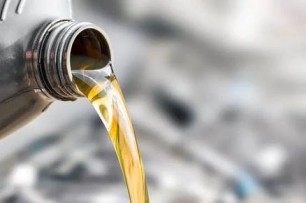
Let's understand the difference between regular and synthetic motor oil
Routine oil change ensures that your vehicle’s engine is in good shape. Moreover, it guarantees that the machine operates on high-quality motor oil thus improving its performance and the engine’s life. But which oil is suitable for vehicles - regular or synthetic?
Most people believe that oil does not make a significant difference in the performance of your car, but that isn’t the case. The type of oil used for your motor impacts its well-being and durability. So, to secure your car’s engine, be attentive to the requirements regarding its oil.
Let's quickly look at the aspects that differentiate these two types of oils before you pick a side.
What exactly is Regular oil?
Regular oil or conventional oil is a blend of crude oils and additives that meets the minimum requirements for engines and is commonly used in older or low-mileage vehicles. Depending on the manufacturer and pricing, these oils can range from mediocre to excellent grade.
What is Synthetic oil?
Synthetic motor oil combines high-quality additives that provide the finest engine protection. It can help with engine cleanliness, heat prevention, and engine endurance. It is usually suggested for all current and new-age automobiles due to its benefits of providing the highest engine protection.
How to determine which oil is better for your vehicle?
The ultimate way to choose which oil to go for is by reading your vehicle’s user manual, which states the correct oil for your motor. However, other minor factors contribute to decision-making, such as the age of the vehicle, usage, way of driving, and so on.
Advantages of Regular vs. Synthetic oil
1. Regular (Conventional) oil:
• The most obvious advantage of choosing conventional oil is that it won’t burn a hole in your pocket.
• It is readily available and a good choice for drivers and mechanics to get their hands on.
• Well suited for older motors.
• Many motor companies and mechanics advise using traditional oil for older vehicles and low-mileage vehicles.
2. Synthetic oil:
• Synthetic oil is composed of homogeneous molecules that reduce friction in the engine.
• Synthetic oil is also more refined, resulting in fewer deposits in the engine. It is purer and has fewer contaminants.
• It is improbable to break down and hence has higher durability.
• It lasts longer; thus, your motor won’t need frequent trips to the mechanic for an oil change.
The decision between conventional and synthetic motor oil depends on where and how your vehicle is used. Consult the owner’s handbook to ensure you’re using the recommended oil for your car. It will also inform you of the proper distance periods between oil changes.
You should timely replace your motor oil, whether you use regular or synthetic motor oil. Like the oil for your engine, investing in good motor insurance is always the right thing for your vehicle. Using motor insurance with limited features will not provide you complete protection to your car against financial emergencies during any breakdown. Therefore, make sure to browse through the options before purchasing the best one for your vehicle.
Are you looking for a suitable motor insurance? Click HERE .
Disclaimer: The information provided above is for illustrative purposes only. To get more details, please refer to policy wordings and prospectus before purchasing a policy.

Know more about the types of fires and the ways to tackle them
In residential complexes or workplaces, fire situations are severe risks to the safety of people and assets. Understanding fires and putting best preventive policies are crucial for the administrative unit of the buildings. Knowing the different fire classifications will make selecting the best fire solutions much easier.
Water, carbon dioxide, foam, vaporizing liquid, and dry powder are the six primary varieties of fire extinguishers available in India. Remember that not all fires are the same, and not an extinguisher can put off all types of fires; therefore, it’s critical to know about their classes. In this space, we'll take you through the types of fire and the correct type of extinguisher needed to tackle them.
1. Class A (General Fires):
These fires are caused by common flammable materials such as wood, plastics, textiles, paper, and rubbish used in homes, workplaces, enterprises, and industrial settings. Class A fire flames are less damaging and can be put out quite quickly.
How to put out class A fire: The best way is to use a water or foam fire extinguisher. You may simply use tap water to put out this type of fire since it removes the fire's heat source.
2. Class B (Liquid Fires):
Combustible liquids and gases such as gasoline, oil, kerosene, paints, and gases such as propane and methane are the most common sources of class B fire. Typically, these fires occur in industrial settings that deal with petroleum and gas products.
How to put out class B fire: You need to cut off the fire’s oxygen supply to prevent the fire from spreading rapidly. Carbon dioxide, Powder, and Foam based extinguishers work best to combat Class B fires.
3. Class C (Electric Fires):
The primary source for class C flames is electric components. Short circuits are frequently the cause. Industrial buildings with heavy electrical equipment that consumes a lot of electricity are prone to these hazards. They can occur in households and small businesses as well.
How to put out class C fire: Class C flames demand prompt power shutoff and the usage of non-conductive chemical fire extinguishers such as CO2-based. You can even opt for powder-based fire extinguishers.
4. Class D (Metal Fires):
Combustible metals such as aluminium, magnesium, potassium, and titanium are the principal source of Class D flames. The majority of Class D fires occur in laboratories. On the other hand, combustible metals are employed in various industrial manufacturing and production processes, which raises the risks of class D fires in those industrial premises.
How to put out class D fire: Powder-based extinguishers that absorb heat and suppress the flames are the most effective tools to put out the fire under this class.
5. Class K (Cooking Fires):
Class K fires are often confused with the class B fires. This is because they share the same fuel source, which is combustible liquids. However, class K fires are significantly distinct. These fires typically occur in kitchens during food preparation. Cooking ingredients such as cooking oils and vegetable/animal fats trigger and fuel the flames. Class K flames are deadly and may wreak havoc in a short amount of time. They are commonly seen in restaurants and houses but can occur anywhere there is cooking involved.
How to put out class K fire: foam-based, wet chemical extinguishers work best on class K fires.
Now that you completely understand the origins of all these different types of fires and how to put them off. You should determine which fire extinguisher to keep at your disposal at all times. And don't forget only to purchase an ISI-certified extinguisher.
As the famous saying goes, “hope for the best and prepare for the worst,” while you’re out there searching for the ideal extinguisher, protect yourself and your assets with general insurance. Get a general insurance online quote today and add value to your assets.
To get general insurance online quote, click HERE .
Disclaimer: The information provided above is for illustrative purposes only. To get more details, please refer to policy wordings and prospectus before purchasing a policy.