


General Insurance Blogs, Articles & Updates by - Magma Insurance
Have us call you
- RENEW YOUR POLICY
- BUY NEW POLICY

GENERAL INSURANCE BLOG

Know about these ten tips to deal with hand numbness while riding
Hand numbness affects all bikers, from beginners to professionals. A few hours into riding a bike, you may begin to feel tingling in your palms and fingers. The stinging sensation is caused by compressed nerves in the shoulder, elbow, or wrist and might last several hours.
You shake it off in the hopes of alleviating the dull ache, but it doesn't seem to work. So, what is the solution? Even if these techniques do not eliminate the condition, they can at least assist in easing or lessening the numbness while riding.
1. Wear protective gloves:
Vibration stresses the nerves and forces you to hold more tightly than usual. Wearing padded gloves might assist but make sure they're not too tight since this can complicate the issue.
2. Alter your arm position:
Keep changing your grip on the handlebar throughout the journey to prevent exerting the same persistent strain on your wrists.
3. Loosen up the elbows:
Relaxing your elbows engages your torso muscles, relieving strain from your hands. Let your elbows rest in all situations to allow you to soak vibrations from the road.
4. Maintain body balance:
Don't forget about your core. Maintaining your body's balance while riding may dramatically reduce the amount of pressure on your hands.
5. Tune-up your bike:
Ensure that the bike's suspension is correctly tuned and the tyre pressure is perfect before every ride. Decreasing the vibration is crucial to experience a smooth ride.
6. Get your bike altered to fit:
Bike fitting suggests moving the seat rearward, lowering it, adjusting the tilt, and elevating the bar. This will distribute your weight back and away from your hands.
7. Have a hold:
Consider adopting thicker, softer, and sticky grips so you don't have to grasp the handlebars as tightly. Another alternative is to use ergonomic grips. They're designed to assist you in positioning your hands correctly and relieving pressure spots.
8. Utilize your core:
Take note of your general position and the amount of involvement of your back and core muscles when riding. By focusing your conscious attention on your body's mechanics, you'll be able to make real-time modifications to ease the pressure on your arms and hands.
9. Physiotherapy:
If the numbness in your hands worsens or persists, you should seek medical advice from a physical therapist. They will determine the treatment by assessing the problem's root cause.
10. Stretching:
A few minutes of full body stretching before each trip will also reduce your muscles' numbness and strain. Basic stretching and strengthening exercises for your hands, wrists, and forearms will help prevent hand numbness.
It's common to exert strain on your arms and shoulders while biking. This usually happens unintentionally when you are in an unwanted environment, such as a traffic jam. Even if we take it easy and try to let go of the pressure, our hands and shoulders still tense up. As a result, discomfort and continuing difficulties in the muscles of the upper back result from this circumstance.
It's not just you who faces problems due to excessive riding, your bike also suffers through wear and tear and may eventually get damaged. Be prepared for this by looking up appropriate 2 wheeler insurance online that offers you the best-suited benefits for your needs and ensures the safety of your possession.
To get 2 wheeler insurance online, click HERE .
Disclaimer: The information provided above is for illustrative purposes only. To get more details, please refer to policy wordings and prospectus before purchasing a policy.
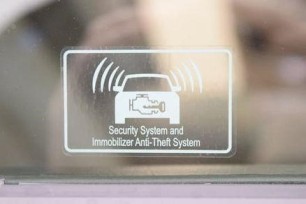
Here are a few anti-theft devices and how they can impact your motor insurance
Automobile theft instances have increased drastically throughout the country. In older times, thieves used to steal a less guarded motor vehicle using standard keys. To counteract this, automobile manufacturers designed the keyless remote system, prompting thieves to become more tech-savvy. As a result, thieves began stealing automobiles by employing black market gadgets that could delete data and even replicate the signalling of the keyless remote.
As a result of all this, owners have started installing anti-theft devices in their motor vehicles. These gadgets serve as an alert system and help save money on auto insurance rates.
How exactly do these devices affect the insurance premium?
Your insurer is responsible for compensation if your automobile is stolen. Automobile insurance providers recommend anti-theft systems to prevent criminals from taking your vehicle and, as a result, avoid paying the expense of your loss. If your car has a lower chance of getting stolen, the insurer will also benefit from it. Thus, every motor insurance company in India will provide discounts on the amount you pay to insure your vehicle.
Now, let us talk about some anti-theft devices that you might want to check for your motor vehicle too.
1. Alarms:
When the alarm system detects an unwelcome touch, it makes a loud noise. A burglar is likely to ignore your automobile if you have an alarm system because it attracts attention.
2. G.P.S. trackers:
You can track your automobile while it's moving when the G.P.S. technology is installed. Some versions even allow you to get warnings by push notifications and text messages on your phone.
3. Remote Disabling System:
These are some of the latest developments in anti-theft technologies. These gadgets link to your smartphone and allow you to brake, downshift, or decelerate. A con about these devices is that they are a bit expensive and hence seen less in passenger vehicles.
4. Kill Switches:
It's a switch attached to one of the automobile's critical starting components to inhibit the electric flow to that component when it is turned on. When the switch is toggled off, the connection to the component is restored, allowing the automobile to start normally.
You must conceal the switch in an unnoticeable location so that no one who accesses your vehicle knows its location.
5. Mechanical Immobilizers:
These are the most affordable anti-theft solutions in the market. These include steering locks, tire locks, bonnet locks, gear locks. While they prevent a vehicle from moving, there is a possibility that thieves can carry your vehicle away by towing it and later remove the immobilizers forcefully. Therefore, it's better to pair these devices with additional anti-theft devices.
A vehicle is like a partner, and buying one comes with specific responsibilities. Besides maintaining and servicing your automobile, you also need to prioritize its security. Always install anti-theft devices and give your vehicle the benefits of a double layer of protection with full motor insurance. Remember, your insurer evaluates the safety standards maintained by your vehicle. Therefore, installing security gadgets in the car can reduce the premiums offered by your motor insurance company in India.
Click HERE to learn more about our motor insurance plans.
Disclaimer: The information provided above is for illustrative purposes only. To get more details, please refer to policy wordings and prospectus before purchasing a policy.
Here are a few lesser-known bike insurance add-ons you must know about
If you own a 2-wheeler, you might know that it is compulsory to possess bike insurance. Having standard bike insurance on your side forms a layer of protection against all the unanticipated damages. But, there are still some aspects that your standard bike insurance does not cover. So, here are some add-ons you need for your bike to enjoy additional benefits.
1. Roadside assistance:
The roadside assistance cover ensures that you get technical help if your bike faces a mechanical breakdown. You can call for this service whenever and wherever you need it. This add-on insurance can be beneficial for riders who do not carry any mechanical tools or those who drive in remote areas with little to no mechanical support.
Moreover, along with this insurance, there are other benefits that you can avail too. These include facilities such as on-spot repairing, gasoline delivery, towing your bike to the nearest service garage, and even alternate travel allowances.
2. Return-to-invoice (RTI) cover:
Besides getting caught in an accident, there is also a probability of your bike being stolen. In this scenario, if you possess bike insurance and return-to-invoice insurance, you would be entitled to get an insured value of the vehicle if the police fail to find it. The cops would then issue an RTI to get the total compensation for your stolen bike.
Furthermore, if your motorcycle is involved in a crash and is destroyed over and above repair, insurance carriers will reimburse the total value shown on the vehicle's bill. Just remember that certain companies offer return-to-invoice coverage in the comprehensive package.
3. Engine and Gear cover:
This is just another hidden gem that many people tend to miss. The engine is the heart of your bike, and if anything happens to it, your bike will not even move an inch from its initial position. Unfortunately, as you might have noticed, the insurance claim does not include any damage protection against the engine and gearbox whenever you sign up for bike insurance. So to get protection for your bike's engine and gearbox, this add-on is required.
4. Consumable items cover:
The consumable items may include nuts, bolts, extensions, wires, motor oils, brakes fluids, etc. Usually, conventional insurance will never compensate for all of these bills. These things add up to your final bill making it a big one. However, you can save some extra bucks by getting the cost of a consumable add-on with your bike insurance.
All the 2-wheeler owners get conventional bike insurance and believe it will care for all the damages and protect their vehicle. But in reality, it is not the case. It would be best to get these add-ons and make your bike insurance have an actual vehicle coverage claim. Give your bike the advantage of receiving complete security, thereby adding value to its life.
Click HERE to understand more about bike insurance benefits.
Disclaimer: The information provided above is for illustrative purposes only. To get more details, please refer to policy wordings and prospectus before purchasing a policy.

Here are a few safety measures that parents should ensure when sending their kids back to school
With the COVID-19 situation getting relaxed, the world is returning to the way it used to be. As per the recent orders from several State Governments, schools have been granted permission to reopen and function regularly. It means your child’s back-to-school days are here again after a long pause. But things are not the same as they were before COVID-19. Here we have compiled a quick list of important safety measures to ensure when you are sending your kids back to school.
1. Make sure school staff are fully vaccinated:
Before sending your child to school, ensure that the school follows the COVID-19 protocols and that all the school staff are fully vaccinated. If not done, we recommend that you avoid sending your child to school. As a parent, you should ensure that the school staff and the authorities are vaccinated and show no flu or cold symptoms. Always check this with the authorities before sending your kid to school.
2. Educate your child about the safety norms:
Before you send your child out in any public space, give them enough information about the hygiene and safety measures they must follow. Sit with your child and explain the infection and how it affects health. Teach your children how to maintain the appropriate Covid behaviour in school. For example, they should know how to wash their hands properly with soap, responsibly use sanitisers, and maintain a safe physical distance from others.
3. Prepare a kit for your child:
With the pandemic situation being so uncertain, it is suggested that you are ready for what is to come. So, for this, make sure that you provide your child with all the safe belongings they will need while going to school. Prepare a kit for them, including a sanitiser, 3-4 disposable masks, an antiseptic soap bar, a spray sanitiser for benches and tables, and a pair of surgical gloves. While preparing a safety kit, make them aware of how and when to use it and dispose of the used masks or gloves.
4. Get in touch with school authorities:
Before you start planning to send your child to school, you must first ensure that the school authorities have taken strict cleanliness drives and only call the fully vaccinated staff. As a parent, you have to confirm that they have proper standard operating procedures for sanitation purposes and the campus is clean and hygienic. After questioning the school authorities, if you find that they do not have these guidelines in place, you should consider not sending your child to the school until they do so.
As a parent, sending your kid back to school after the pandemic brings a lot of fear. You never know where your kid is touching, sitting, or who they are getting in contact with. Therefore, take adequate safety measures to ensure your child stays healthy. Moreover, to secure your children’s health during the crucial pandemic, you must have reliable health insurance. Investing in online health insurance provides you with premium benefits to cover the medical bills. As the saying goes, precaution is always better than cure. Take the precaution today!
Click HERE to get the best deals on online health insurance.
Disclaimer: The information provided above is for illustrative purposes only. To get more details, please refer to policy wordings and prospectus before purchasing a policy.
Hi there! 👋 Need help with a policy, claim, or renewal? Chat with us instantly on WhatsApp.
Start chat →