


General Insurance Blogs, Articles & Updates by - Magma Insurance
Have us call you
- RENEW YOUR POLICY
- BUY NEW POLICY

GENERAL INSURANCE BLOG
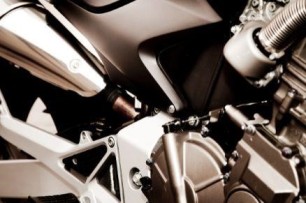
Here are a few useful ways you can adjust your bike's idling by yourself
If you’re seeing this, you probably are wondering about a phrase that both seasoned motorcyclists and motorcycle marketers have mentioned several times: idling. What precisely is idling, and how can you adjust it by yourself? Let’s understand this.
What is idling?
Idling occurs when your motorbike engine is on and working, but you are not moving forward. Idling may also be defined as pausing at a stoplight with the motorcycle still functioning but not going forward. When your motorbike is idling, it is the period between igniting it and riding it.
Let’s dig deep into all you should know about idling.
How can we change the idle speed of an engine?
We try turning an alteration to raise or reduce the engine idle speed on turbocharged automobiles. Bikes manufactured now do not have such a feature. The idle speed of an engine is a pre-programmed function. We cannot directly modify the motor idle speed on the latest bikes. If the motor idle speed has to be adjusted, please refer to your bike’s manual to understand the recommended RPM first. The recommended idle speed of a bike depends on the type of engine and air to fuel ratio.
Does your bike need idling?
The most common purpose for idling a motorcycle is to “heat up” the engine. It helps in maintaining the engine properly circulated with gasoline, resulting in smooth riding. This is particularly frequent during the winter and in generally chilly areas all year. The idle period also varies according to the age of the motorbike. Older motorcycles idle for minutes, while current bikes idle for just a few seconds.
Yet another reason you should idle your motorbikes is that it is not always practical to switch the motor on and off when they are caught in traffic or need to get off their bike for a brief time.
How to adjust your bike’s idle?
It’s relatively simple if you do it right. If you have an older carbureted motorbike or an early fuel-injected motorcycle design, just use the idle speed adjusting screw. Twist and turn the screw slowly clockwise to raise RPM and anticlockwise to reduce RPM. This should be done when the engine has reached the average operating temperature. You may stop the idling once you feel that the engine has reached the desired RPM.
To summarise, idling on a motorbike occurs when the motor is left operating; however, the bike is not in motion. Idling is helpful to generate more RPM and attain more thrust. The motorists who desire constant power, usually get idling done or improved for a better experience.
Last but not least, being a motor-savvy person doesn't qualify you with all the protection for your bike. Instead, having a robust two wheeler insurance plan can help you overcome financial risks getting to your pockets. Numerous insurance companies offer two wheeler insurance online in India. Choose a suitable one and invest in it to ensure optimum financial security at the time of emergencies.
To browse two wheeler insurance online India, click HERE .
Disclaimer: The information provided above is for illustrative purposes only. To get more details, please refer to policy wordings and prospectus before purchasing a policy.
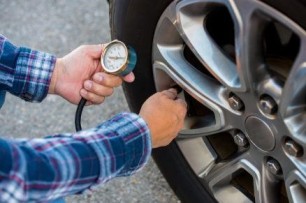
Here are a few tips for maintaining the optimum tyre pressure in two-wheelers
Tyres are the least talked about part of a bike and usually get tossed to the side. But it is crucial to check your two-wheeler’s tyres regularly because they go through a lot. Whether you are riding on a metal road or rough surfaces —they have to be able to hold their shape. But, quick-fix solutions like tyre pressure can do so much for your tyres.
Imagine riding your bike, and you realise there's a flat tyre. This can interrupt your ride due to the waste of time. Also, sudden faults in the tyres are potential risks to the rider's life and even damage the bike.
Tips for maintaining the optimum tyre pressure:
Taking care of your bike's tyres isn't a big task. If you remain a little attentive, it's possible to avoid any breakdown-related issues. However, a big problem that one needs to avoid is the accident and financial worries attached to it. To deal with these, consider buying insurance plans. Getting a 2 wheeler insurance policy is like buying a shield for your two-wheeler.
And luckily, there are four tips to help you avoid tyre-related accidents while riding your bike. Maintaining optimum tyre pressure is crucial to minimise mishaps on the road.
1. Are your tyres correctly positioned:
When checking your bike, you should always check the tyres to see if they are in the correct position. Also, check for any punctures as sharp objects such as glass can hamper the quality of tyres. Make sure to move the tyre forward and back to check the whole surface thoroughly.
2. Check the tyre pressure:
One of the best ways to protect your two-wheeler is to examine the air pressure. When inflating your tyres, you can extend their lifespan and improve handling. Make sure to check the air pressure before every ride. As the bike heats up, air pressure can change, and it is essential to keep track of the air pressure level for your bike.
3. Recommended air pressure:
Keeping your motorcycle's tyres at the recommended air pressure is essential. Ask the service centre or check your bike manual to know the recommended tyre pressure, and ensure you maintain it. Also, to avoid sliding on wet roads, make sure your tyres are in good shape. Check the treads for wear and make sure they are not bald. If there is a decrease in an inch or quarter bald track, you should consider replacing the tyres.
4. Avoid maximum inflation:
When filling your tyre with air, be mindful that the sidewall states the maximum pressure. The recommended amount is always lower than the maximum. Excessive air filling can cause considerable damage to the tyres and increase the probability of tyre burst, creating a life-threatening situation for the rider and fellow drivers around him.
With an increasing number of road accidents and fatalities in India, 2 wheeler owners must be well-protected from any unfortunate mishaps. So, make sure you get a 2 wheeler insurance plan, drive safely, and stress-free. Also, use the tips mentioned above to take the best care of your bike’s tyres and leave no scope for negligence.
Click HERE to buy the best 2 wheeler insurance.
Disclaimer: The information provided above is for illustrative purposes only. To get more details, please refer to policy wordings and prospectus before purchasing a policy.
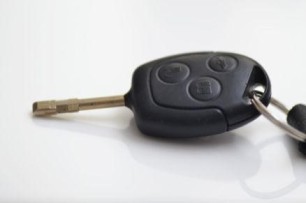
Let's understand how a central locking system impacts a car's safety
Since its implementation, the central locking system has become one of the essential safety features in a car. It's a combination of electronic and mechanical components that only allow access to authorised individuals.
Earlier, central locking systems in automobiles used a compressed air mechanism with separate vacuum reservoirs that triggered the locks of all four doors when the key was inserted and turned in a lock. Today's systems use wireless or infrared control, which can activate the mechanism from a distance.
In today's post, we will look at the functioning of the central locking system and how it impacts a car's safety.
The four main components of a central locking system.
1. Actuator:
An actuator is an electric motor that controls the car's central locking system. This component is built into the door and consists of a combination of mechanical latches.
2. Transponder:
It is a system built into the key's bow that determines whether the correct key is being used. As the key approaches the ignition lock, the transponder code is read. When the correct code is scanned, the electronic immobiliser sends a signal to the engine to permit it.
3. Remote Controller:
Remote controllers are increasingly being used in all cars. They are designed to replace the function of the key systems completely. The remote control includes electronic circuitry that sends coded instructions via infrared rays to the receiver located inside the vehicle to permit a keyless entry.
4. Start and stop system:
Unlike traditional ways, which required a key to be inserted into the ignition lock to start the car, engines are now being started using keyless systems where a transmitter – also serving as the central locking controller – is scanned into a reader in the vehicle. Later, the engine is started by pressing a button.
Safety advantages of central locking systems:
• The driver has better control over all the doors. The central locking system allows drivers to lock or unlock all four doors by pressing a single button. This is very convenient since the driver doesn't have to worry about unlocked doors while the car is in motion.
• Since the code is digitally encrypted, it is tough to make duplicate keys.
• If your key is ever stolen, you can simply remove the access right from the software on your phone. It connects with the car's digital lock and terminates access rights. Some automobile manufacturers even allow removing the access remotely.
• In more sophisticated systems, the car's door automatically locks itself after reaching a specific speed limit. As a result, no one, especially toddlers, can open the door by mistake —this helps avoid serious accidents.
• In case of an accident, a central locking system smartly unlocks the door so that help can reach you without having to break anything.
What else assists post-car accidents? Comprehensive car insurance. You can claim all the expenses involved in repairing and servicing your car under your car insurance policy's scope
A central locking system is essential for a family vehicle in practical usage. The ease of access and security that it provides make life easier for all automobile owners. Having a central locking system in your car provides extra security and brings down your car insurance premium. All the reputed car insurance companies encourage car owners to adopt convenient and safe practices. So, go for a central locking system in your car to enjoy a wide array of benefits and deals that you shouldn't be missed out on.
Click HERE to buy car insurance in hassle-free steps.
Disclaimer: The information provided above is for illustrative purposes only. To get more details, please refer to policy wordings and prospectus before purchasing a policy.

Let's understand the working of car rental insurance
In the modern era, cars no longer remain a luxury. Instead, they have come under the list of essentials. While a four-wheeler is crucial for ease, accessibility, and comfort while travelling, it's not always possible to buy one on your own due to the heavy expenses. However, rental cars are the perfect solution.
While we're on the topic of rental cars, it is essential to understand rental car insurance as well. If, unfortunately, you end up in an accident during your driving, insurance will provide you with the right added protection and coverage. Now let's understand the working of rental car insurance.
1. There are different types of rental car insurance. You can select the one which caters to your needs best:
• Personal accident protection – It offers medical cost coverage for you and your co-passengers in case of personal injuries.
• Loss and Damage Waiver (LDW) – It is also called the Collision Damage Waiver (CDW). Rather than being a proper policy, this is a waiver scheme that prohibits the rental company from chasing after you in case of damage or if the vehicle is stolen.
• Supplemental Liability Protection – This provides cover against the damages done from your end.
• Personal effects coverage – This ensures coverage against personal items getting stolen from your rental car.
2. If you don't have auto insurance, it is advisable to get rental car insurance. A non-owner car insurance policy covers only liability. So, it is advised that you purchase damage protection. In addition, driving without car insurance is illegal, and you can get heavily fined if you do so.
3. Your personal policy does not cover the repair cost if you get into an accident and end up damaging the car. Therefore, think about purchasing a Loss and Damage Waiver (LDW) if you lack a collision and comprehensive coverage on your personal auto insurance policy.
4. Rental insurance is also beneficial if you're renting a car for a business trip or personal travel and are unsure about personal auto insurance coverage limitations.
5. Depending on personal car insurance to protect against the damages caused to the rental car can land you into paying a deductible. Instead, buy rental car insurance, which covers the cost of repair and avoids paying a deductible.
6. The cost of rental car insurance depends on several factors. It relies on the company you purchase the coverage from, the type of car you are renting, the state you are in, and the number of miles/kilometres you are travelling. Your costs will also increase if you purchase add-on coverages.
Now that we have taken a closer look at the working of rental car insurance, a wise option would be to think about your car and its protection against unanticipated damages. The best part about this whole process is that you can explore your options and buy car insurance policy online that suits your needs without any hassle. Travel without worry and explore the places you want to visit using an affordable commutation option and multiple insurance benefits.
Click HERE to know more about how you can buy car insurance policy online.
Disclaimer: The information provided above is for illustrative purposes only. To get more details, please refer to policy wordings and prospectus before purchasing a policy.