


General Insurance Blogs, Articles & Updates by - Magma Insurance
Have us call you
- RENEW YOUR POLICY
- BUY NEW POLICY

GENERAL INSURANCE BLOG

Why is two-factor authentication important to assure additional safety
Two Factor Verification (2FA) is recognized by many names, such as two-step authentication, two-step verification, and even multi-factor authentication (MFA). In simple terms, to get access to an app, platform, or network, the end-users must ascertain their identities using two forms of IDs. One is their password, and the other factor can be anything, an OTP, biometric scan, a security question, etc.
2FA adds an extra degree of security by safeguarding user IDs and preventing cybercriminals from accessing online resources. Cyber attackers have to confront an additional barrier to access with 2FA in place. Even if hackers know a user's password, they must guess the second factor, which might be challenging based on the authentication factor allowed.
In today's post, we'll go over how this technology protects individuals and organisations from people with malicious intents out in this world headed for Metaverse.
1. Looking beyond passwords:
Generally, offices use single-factor authentication (username & password) to grant access to their services. However, these procedures are insufficient to protect users nowadays.
This is due to users often not adhering to best practices when setting a password. Although strong password rules may help companies reduce these habits, other offenses, such as writing down passwords, using the same passwords across various accounts, or discussing passwords with others, are common challenges at the workplace.
This is where 2FA comes in. It is tough to bypass a second authentication stage as it generally involves biometrics (which can't be faked), TOTPs (Time-bound and ever-changing), etc.
2. An efficient way to fight phish based attacks:
Phishing is a form of cyber assault in which people with malicious intentions send a bogus email that mines for sensitive data. It is one of the top web hazards confronting businesses today.
Phishing emails seem to be sent by respectable organisations and often invite people to log in to their social network, bank, or business accounts. Unfortunately, many consumers are duped by the nature of these emails and input their credentials, giving their passwords and access to sensitive information to hackers.
Let's say you have fallen for the phishing trap, and the hacker has your password. They will try to log in to your account and fail because the second layer of authentication will be waiting for them. One wrong attempt on the second stage will prompt you about a possible breach. You can immediately reset the passwords.
3. A single compromised account might be the tip of the iceberg:
If the same password or its variants are used for multiple accounts, the hacker may acquire access to all of them. Since a typical user handles over 80+ accounts on average, there's a potential risk the hacker will access other credentials. They may steal critical information from inside and even sell the hacked credentials.
If hackers manage to crack into your account and try to work their way to other accounts, they will not be able to get in.
In the future, companies plan to include Geolocation, device type, time of day to assist if a user should be authenticated or restricted. Furthermore, behavioural indicators can be discreetly tracked in real-time to enable continuous authentication. These are things for the future, though. Use the 2FA technology available to secure your online identity from hackers.
Another great weapon to add to your arsenal is public liability insurance. It covers you against identity theft, cyber extortion, unauthorised transactions, and numerous other cyber hazards. In today’s technologically equipped world, your life can be on a digital marketplace in just a few clicks, even ensuring system security is made easy online. Compare different public liability insurance prices and select a plan that matches your requirements without being too heavy on your pockets. Trust us; it is well worth it.
Consider checking the public liability insurance prices HERE.
Disclaimer: The information provided above is for illustrative purposes only. To get more details, please refer to policy wordings and prospectus before purchasing a policy.
Try these seven tips to safeguard your devices from spammers and hackers
We utilise the internet in almost every aspect of our lives, looking for information, shopping, banking, online learning, playing games, and communicating with family and friends via social media. The data transferred over the internet could include banking and other financial records and medical information—all of which we desire to keep private. However, if the device is not protected, it may lead to malicious activities.
Hackers can access your most sensitive information with their vicious mindset. Consider purchasing a public liability insurance policy to protect the commercial business from various first and third-party liabilities. Here are seven suggestions to help you protect your office computers and other mobile devices from malicious intruders.
1. Antivirus:
Antivirus software protects your computer from malicious code or malware that could cause your operating system to malfunction. Get security solutions that support numerous technologies if your operating system didn't come pre-installed with it.
2. Use private Wi-Fi:
Avoid using public Wi-Fi on your device to prevent threat actors from gaining access to your device and downloading private files. Most public Wi-Fi hotspots don't encrypt data, so your connection to the Wi-Fi is visible to others. This poses a major threat to your device.
3. Complex password:
Obtaining a set of login and password combos from one source and trying those same combinations elsewhere is one of the easiest ways for hackers to get information. Therefore, the most important strategy to prevent network breaches is to use complex safe passwords.
4. Two-factor authentication:
Passwords are the first line of defense against cybercrime but adding a second layer of protection increases security. Many websites allow you to use two-factor authentication, which increases safety by asking you to verify your identity using at least two separate approaches.
5. Avoid spam mails:
Phishing attacks are when hackers send messages that appear to be authentic to deceive you into giving personal information. Always be wary of such emails from unknown senders, and never click on links or open attachments in them.
6. Substantiate app permission:
When you install an application, it will most likely ask for access to several of the device's most important features, including the camera, email, contact list, photo gallery, and location. If any of those features appear fishy, then disallow.
7. Be up-to-date:
Smartphone makers and app developers issue software updates regularly, which frequently contain security enhancements. So make sure your smartphone's software is up to date to avoid the risks of breaches.
You can protect your PCs and network from security breaches by using a combination of security technologies and best practices. The internet is a treasure trove of data and connections. If you use it with caution, you'll have a fantastic and safe time.
In today's dynamic business world, no matter how strong your corporate structure is, it is subject to a range of risks. As a result, it's a good idea to get public liability insurance policy to cover your needs and counter the damages caused by attacks due to vulnerabilities.
To look for the public liability insurance policy, click HERE!
Disclaimer: The information provided above is for illustrative purposes only. To get more details, please refer to policy wordings and prospectus before purchasing a policy.

Trekking solo or with a group? Let's clear the air of confusion
"The best view arrives after the hardest trek," and there is no denying that. The beautiful valleys, the breath of fresh air, the stunning views are just a few of the many rewards you get at the end of a trek. We have heard about the experiences of avid trekkers, and each of them, without fail, has mentioned that everyone should go trekking at least once in their lifetime.
Trends show that more and more people are leaning towards new outdoor experiences, and trekking is something they want to enjoy. While choosing a destination isn't challenging, zeroing in on the other aspects of your travel becomes essential. One crucial question is whether to travel solo or in groups. Today we will try to shed light on both of these to help you make an informed decision before your next trip.
Why travel solo?
People have often associated trekking with catharsis. They enjoy the peace, quiet, and sometimes the mini-adventures that come with it. Navigating through unknown roads, climbing treacherous terrains, cooking your food, and enjoying your solitude is what any travel enthusiast dreams of. This means that you are fully responsible for everything that happens during that trek, and the experience is unique to you.
Another vital aspect is that since you are the sole proprietor of your journey, every decision made and every skill used comes from your judgement. This is an incredible way of learning your strengths and making yourself confident for future solo trips. The added benefit of going solo is that you set your milestones.
You aren't worried about being left behind, you don't have to race to the top to ensure you get the ideal spot for your tent, and you don't have to depend on other people's time. Instead, you get to explore like a wanderer.
Why travel in a group?
Shared knowledge is the best knowledge. When you travel in a group, there is a chance you might meet skilled travellers. Travelling with them helps you gain better insights into immersive experiences, and more often than not, they have tips and tricks to help you in your journey to the top.
There is a zeal associated with travelling in groups, where people constantly support each other and share new stories. There is a powerful sense of euphoria when you stand together, looking at the beautiful view from the top with each other. In addition, there is a distribution of responsibilities, some help in pitching the tent, some help in lighting the fire, and others help with the cooking process.
Travelling in a group ensures the safety of everyone, and in case of injury, there is always someone to help you. And by the end of your expedition, you make many new friends with whom you share fond memories.
These are some of the benefits of travelling solo and in a group. Treks can be a wonderful experience if done right, and in a country like India, there are a plethora of options that you can explore. Some groups conduct annual treks. Signing up with one can be an excellent start to your trek experience.
Keep in mind that your safety is of utmost priority no matter how you travel. So carry a first aid kit, visit your doctor for a checkup, and don't forget to buy general insurance online to get exciting deals and protect yourself from landing into unnecessary trouble.
Click HERE to buy general insurance online.
Disclaimer: The information provided above is for illustrative purposes only. To get more details, please refer to policy wordings and prospectus before purchasing a policy.
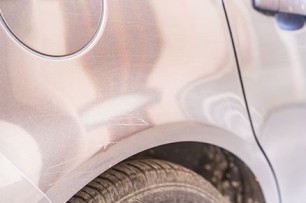
Let's talk about car fenders and how they are distinct from regular bumpers
As a car owner or enthusiast, it's prudent to educate yourself about vehicle parts. The most confusing of them are fenders and bumpers that keep your car safe. You may have heard the term "fender-bender" from drivers when they get into a car accident and wondered, "What does it mean?" Fender and bumper damages refer to physical damages to your cars, such as dents. If you have recently bought a new car, this article will help you understand the difference between these terms.
However, before diving into fender vs. bumper issues in detail, we advise you to buy new car insurance to ensure your vehicle gets adequate protection against accidental damages and a hassle-free repair and servicing.
What is a car fender?
The fender has been a part of automobiles for a long time now. It is the part of the car that covers the wheels. The section where the fender goes is popularly called the "quarter panel." The quarter panel is the rounded corner of the car that protects the wheels.
In older vehicles, the fender used to be more pronounced. Whereas nowadays, with the modernisation of the structural design of cars, fenders have taken a flatter shape, complementing the car's frame.
Car fenders are an essential accessory for your car, as they play a crucial role in keeping the vehicle and its occupants safe. As the car moves, the tires grab and throw anything that comes in its path, such as small rocks, mud, water, etc. Fenders provide resistance against wind and roadside debris while protecting surrounding areas and nearby people from projectiles from your tyres.
What is a car bumper?
A car bumper has a "bumping" function, which means it acts as a protective perimeter to the body of your car and prevents other objects or vehicles from impacting it. In simple words, it reduces the impact of a collision by absorbing minor shocks. You can find bumpers in two places in your car, one in the front and another in the back.
Car bumpers may not prove very beneficial in protecting your vehicle from high-speed crashes, but they are quite valuable for safety during minor accidents. They also serve to protect pedestrians from severe injury in case of a collision.
Just like fenders, bumpers have also reduced in their size. Previously, they were mainly used for decorative purposes, and people came up with new stylistic designs. However, they have gained quite much attention in the automobile industry in recent years. They are no longer considered decorative items but essential for safety purposes. The effectiveness of rear and front bumpers has saved the lives of numerous car accident victims.
Several car owners struggle to understand the parts of their vehicle, making it challenging to communicate with the mechanics about car troubles. However, educating yourself about them can make all the difference when it comes to the proper maintenance of your vehicle.
Similarly, think of investing in the security of your car and buying new car insurance to ease the concerns that can empty your pockets and leave you frustrated. Understand your role as a responsible owner and do whatever is necessary to keep your four-wheeled companion safe.
Click HERE to buy new car insurance with the best benefits.
Disclaimer: The information provided above is for illustrative purposes only. To get more details, please refer to policy wordings and prospectus before purchasing a policy.