


General Insurance Blogs, Articles & Updates by - Magma Insurance
Have us call you
- RENEW YOUR POLICY
- BUY NEW POLICY

GENERAL INSURANCE BLOG
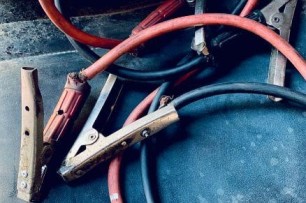
Effective ways to jump-start your two-wheeler
Imagine you have an urgent meeting in five minutes, and your two-wheeler refuses to start! In such times our mind completely freezes and fails to think of any solution.
Your previous knowledge of jump-starting your bike can come in handy in a situation like this. In this blog, we will list down some of the effective ways to jump-start your two-wheeler in any case.
1. Check battery charge:
The first and foremost thing you need to do is check the charge of your two-wheeler's battery. If the backlight and the headlight are glowing brightly, the battery is okay. If not, you need to take care of it immediately because it prevents you from starting the bike or scooter. If your two-wheeler is not starting at all, it's time to resort to one of the following methods.
2. Use another bike:
Ask someone to lend their bike to jump-start your two-wheeler. First, make sure that both the vehicles are on neutral and off. Next, connect the battery terminals of both the bikes with the help of jumper cables. After connecting them, start the other motorcycle and start yours. With no extra effort whatsoever, your two-wheeler will start. After that, take off the jumper cables and keep them somewhere safe and easily accessible.
3. With the help of a portable jump starter:
Keeping a portable jump starter at home is usually advisable, especially when your bike is a few years old. This method is easy and also the quickest one:
• Check that your bike, as well as the jump starter, are in off position.
• Connect the attached cables of the jump starter to your bike and switch it on.
• Try to start your bike.
Generally, it doesn't take more than a second or two for the bike to start, but still, if it fails to start, give it a minute or two. In addition, always keep your jump starter charged.
4. Using outside stimulus:
One of the traditional ways to jump-start your bike is to apply an outside stimulus. The most used way is giving it a push from behind. All you need to do is ask your friend, neighbour, or passer-by to push your bike while sitting on it. Remember to keep your bike in second gear to ensure safety.
The other way is to find an empty stretch of road (it's always better if the road is downhill) and try to push your bike down it. Once your bike gains a needed amount of momentum, it should start. However, always remember that the downhill is not very steep and doesn't have sharp turns or traffic. These are precautions to take to avoid an accident.
It is difficult to ignore the fact that all these options can cause harm to your bike too. Incidents are unpredictable. Therefore, to avoid unexpected and unfortunate events, it is better to have bike insurance to save you from the fear of extra expenses. Ideal bike insurance can protect your pockets from the extensive costs involved in servicing and repairing your bike.
Click HERE to know more about different deals on bike insurance plans.
Disclaimer: The information provided above is for illustrative purposes only. To get more details, please refer to policy wordings and prospectus before purchasing a policy.
Complete guide to buy a short-term car insurance policy
Did you know that you can insure your car for a short period? Such as a few days or weeks. You must purchase short-term car insurance, often known as 'temporary car insurance.' Although it may seem strange, temporary car insurance is available, and people are already buying it.
Furthermore, short-term car insurance begins as soon as you pay for it. Some people may find that a short-term insurance policy is not ideal if they are unsure about their driving requirements. Let's take a closer look at a short-term car insurance policy in greater detail.
What exactly is short-term car insurance?
Short-term auto insurance can be valid for as little as a few hours or as long as some months, depending on the type of coverage you choose. It is possible to obtain short-term or temporary vehicle insurance coverage in some circumstances, such as when a person is not looking to purchase car insurance for more than a year.
How does short-term car insurance work?
Most Indian insurance policies fall into one of two categories: third-party liability and comprehensive insurance, with the latter being more commonly offered. In most cases, a standard automobile insurance term lasts one year. If one chooses to purchase comprehensive insurance, they will buy additional coverage through add-ons and benefit from other features. On the other hand, purchasing at least third-party insurance is mandated by law and gives the bare minimum of protection to the owner of the covered car in the event of an accident.
In situations where a person's need to drive a car is constrained by a specific time frame or a clear exit criterion, temporary car insurance may be necessary. Here, a person doesn't need to buy car insurance for a year because they don't drive a vehicle much. The time commitment could be anything from a few hours to a month or two at the most. Temporary auto insurance is uncommon in India, yet it is widespread.
Different types of short-term car insurance.
The coverage provided by short-term car insurance is minimal. It might be available in the following categories.
1. Rental car insurance:
Rental car insurance is the name given to the policy that protects a vehicle while it is being rented. Insurance policies for rentals typically include coverage for things like accidental damage and injury.
2. Gap insurance:
This insurance covers vehicles previously leased or financed through third-party financing. It provides gap insurance coverage in the event of a total loss, which is defined as damage that cannot be repaired. If the insurance provider compensates you for the fair market price of the vehicle, this policy will cover the difference.
3. Non-owners insurance:
Non-owners insurance is comparable to rental car insurance, although primarily available for private automobiles. People who borrow cars from family or friends are likely to buy non-owners insurance to protect themselves in the event of an accident.
Now that you've learned about short-term car insurance policies, you can make the most of a monthly car insurance plan to protect your vehicle. When you are only using a car for a limited time under the above three conditions, this is the most effective way of avoiding financial obligations. However, you should be prudent that not all car insurance companies offer this type of protection.
Click HERE to get more information about car insurance.
Disclaimer: The information provided above is for illustrative purposes only. To get more details, please refer to policy wordings and prospectus before purchasing a policy.

Understand these tips to secure your vintage two-wheeler with bike insurance
When you hear vintage, you instantly associate that with an old yet cherished classic piece. We have seen vintage lovers obsessing over them, from paintings to vases to vehicles. While vintage bikes are a preferred term, we cannot set aside that these items are old and dilapidated.
The vintage bikes are mainly out of production, and finding parts for them can be a tedious task. So how to take care of them? Should you get insurance for them? Here are a few ways to ensure your vintage bike with bike insurance.
Let's look at a few advantages of getting bike insurance for your old two-wheeler:
1. Since it's an old bike, you might face extra costs. Having insurance ensures that you don't bear expenses for the repair and maintenance of your bike.
2. With traffic and motor rules changing regularly, it is good to have insurance to avoid penalties
3. You can hassle-free renew bike insurance online and avail bonuses.
Many factors are considered before providing insurance for your bike. For example, the model, build, design, the conditions in which it is kept, how frequently it is ridden, etc. Ideally, getting a comprehensive cover would be an excellent idea for a vintage vehicle with many additional costs compared to a new bike.
Comprehensive insurance is a shield in case of accident, theft, or damage due to a third party. Moreover, comprehensive cover and add-ons can support you rest assured in the circumstances of natural calamities, riots, etc. Things that you should look out for before buying insurance for your bike are as follows:
1. Coverage:
Since everything is online off late, consider looking for a bike insurance renewal online. Look into various insurance factors and decide what is best suited for your two-wheelers.
2. IDV:
Being aware of the declared value for the current policy year is vital to know the current market value of your vehicle. This is the sum that the insurance will provide in case of theft or loss of the vehicle.
3. Utility of bike:
Since the market value of your bike depreciates every year, understanding how much you can use it will allow you to have an overall idea about the kind of coverage you would want.
4. Understanding your need:
Since you are the best person to determine what your bike needs, it is essential that you know what you expect from it. Do you want to keep it as a souvenir, or will you take it on the road? Insurance companies cater to various needs of the customer, so having a clear idea about what you need will help you understand what kind of cover your vintage two-wheeler needs.
So these are a few ways to ensure the longevity of your bike. With a plethora of options available in the market, having ample knowledge about different kinds of insurance can aid you in choosing the best for you and your bike.
The process of selecting the right insurance can be overwhelming. But with some patience and research, you will find the best options to renew bike insurance online.
Click HERE to renew bike insurance online.
Disclaimer: The information provided above is for illustrative purposes only. To get more details, please refer to policy wordings and prospectus before purchasing a policy.
Should you opt for a second-hand car insurance policy
Buying a second-hand car is a quick and easy way to get into the world of driving. Second-hand cars are a boon for families that dream of having their own car but find it difficult due to financial reasons. Research states that of the total car transactions made in India, around 55% are used cars purchases.
However, buying a used car doesn't mean you won't need insurance. Without insurance, you may find yourself paying even more for accidental damages and other repair or maintenance costs. You can save considerably on garage costs by investing in the right car insurance policy and capitalise on its benefits to gain healthy returns on your investment.
What is second-hand car insurance?
When you're buying a used car, the insurance history is essential — it shows you how much the owners took care of their vehicle and whether or not they were honest with their insurance claims.
After buying a used car, immediately call your insurance company. Registration is the first step in purchasing a vehicle. After you are registered, you have 14 days to transfer the insurance policy into your name.
Why is it essential to insure your second-hand car?
In India, car insurance is mandatory by law. However, third-party policies (also called liability car insurance) aren't sufficient to cover all damages. On the other hand, comprehensive policies provide more in-depth coverage.
As for your car insurance, choose a policy that includes comprehensive coverage. It will protect you against losses due to damages caused by human or natural calamities or the loss of your vehicle itself. Suppose a third party's death or injury occurs during an accident. In that case, their family will not be able to claim from you directly if you have paid the policy premium timely.
Pros of getting your second-hand car insured – The insurance policies cover you against the following problems:
• Natural disasters – Comprehensive car insurance covers your losses against damages caused by natural disasters like storms, floods, earthquakes, and other events beyond human control.
• Car accidents – Insurance protects you against the financial risks of injury or death due to car accidents, as well as damage or destruction of your vehicle.
• Robbery – As long as you have an accurate insured declared value, comprehensive car insurance will cover theft, vandalism, and other accidents resulting in total loss.
• Man-made catastrophes – You never know what could happen, but if someone else's actions cause your car to catch fire, you'll be covered. Likewise, artificial catastrophes such as vandalism, fire, self-ignition, and acts of terrorism will be covered under this policy.
Ignorance is never bliss when it comes to the safety of your car. In many cases, owners do not qualify for insurance claims due to a lack of awareness. Individuals must transfer the insurance policy to their name if buying or selling a second-hand car. The previous owner should also follow the procedure to ensure that legal problems don't arise in the future.
While owning an uninsured vehicle comes with several risks, one should also keep in mind that Indian law mandates that all vehicles must be covered under proper insurance.
Click HERE to know more about car insurance.
Disclaimer: The information provided above is for illustrative purposes only. To get more details, please refer to policy wordings and prospectus before purchasing a policy.
Hi there! 👋 Need help with a policy, claim, or renewal? Chat with us instantly on WhatsApp.
Start chat →