


General Insurance Blogs, Articles & Updates by - Magma Insurance
Have us call you
- RENEW YOUR POLICY
- BUY NEW POLICY

GENERAL INSURANCE BLOG
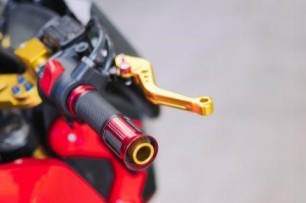
Learn how to slow down your bike after an unexpected brake failure
We can rave about the look and mileage of our bike's engine, but, at the end of the day, it all comes down to how efficient it is on the road. Driving in a country like India, where the roads and the path walks have no clear distinction, we might encounter various instances where we have to dodge a huge pothole or the kids playing on the street. So, having an efficient brake system is vital to ensure the safety of yourself and others.
The properties, characteristics, and behaviour of brakes do not always remain the same. These can be influenced by temperature, operating habits, operating durations, and effects of interconnected parts, sometimes leading to brake failure.
In situations where you come across a brake failure, being prompt on your toes will help you avoid any accidents.
1. Maintain your calm:
It's common knowledge that maintaining your composure under pressure helps you navigate any problem. The same is applicable for the time that you are on the road. If possible, taking your bike to a less busy road should be the first step to avoid crashing into people or vehicles.
2. Do not turn off the engine:
Your first instinct could be to turn off the engine and let the bike stop, but this can be extremely dangerous. You need to control the situation to avoid traffic crashing into you. So having a constant acceleration in this situation can prevent a crash.
3. Stick to the road and not the sides:
Without the brakes, your bike will be difficult to manoeuvre. Sticking to the sides might present you with uneven roads. Instead, wait for the bike to slow down before pulling over to the side of the road. Only under hefty traffic conditions should you consider going to the side of the road while your bike is still retaining speed.
4. Use your gears:
Surprisingly, gears can assist you in slowing down your bike in a situation where brakes aren't responding. You need to be alert and immediately start lowering your bike's gears. This will create a mechanical resistance from the engine opposing the motion, causing the bike to slow down. Using this method can help you control the bike and prevent the situation from escalating. Once your bike slows down, you can pull it over to a safe place and then shut the engine.
5. Use your horn:
Many times, we come across people relentlessly honking their horns in traffic jams. While that might sound annoying in most cases, do not shy away from alerting people on the road. Since they are not aware of your situation, it is best to attract attention and to be careful.
These are some things that you can focus on if your brakes fail. Road safety is paramount whether you are driving or a pedestrian. Be alert while handling the bars, focus on the road, and resist overspeeding.
Regular check-ups and servicing ensure both you and your bike are covered. Having bike insurance can add value to your experiences. So, consider getting bike insurance online to protect you against damages, third-party legal liability cover, and 24/7 assistance for emergencies.
Click HERE to buy bike insurance online.
Disclaimer: The information provided above is for illustrative purposes only. To get more details, please refer to policy wordings and prospectus before purchasing a policy.
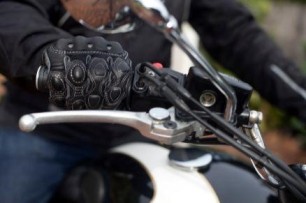
Learn how to control your bike on slippery roads or slopes
While riding a bike, it is necessary to know when to apply the rear or the front brakes. Randomly using both or either of them could lead to an accident.
Factors like maintaining your balance while driving or taking turns hold significant importance. Many people know how to ride a bike, but not everyone may be sure about controlling the bike in severe circumstances on the road. All you need is a little practice with a set of instructions to follow, and you're safe to go.
For now, we'll focus on how you can control your bike on slippery roads. This is because not everyone knows how to manage their balance, maintain a stable speed, and apply brakes on wet or slippery roads.
1. Brake force:
While you're driving on any conditional road, it is necessary to know all the braking techniques beforehand. For example, if you're driving at 20-30 miles per hour, you can use the rear brake and apply the same. But, it would help if you pressed it gently without much pressure. Applying too much pressure may cause you to end up slipping on the road.
Slippery roads are unsafe for driving. No matter what speed you're driving at, you can apply both brakes at the same time but with the same amount of pressure. However, pressing either one with higher intensity than the other could be risky.
2. Tyre gripping:
This is not well-known among most bike riders, but it is as important as knowing the braking system. A tyre should have a good number of treads to provide you control over slippery roads. So always make sure to check the grip of the tyres.
If the tyre does not have enough grip and treads, there won't be a layer of protection from the water on the road. A smooth surface can make your tyre straight flat and drastically increase the chances of slipping. Do not forget to check for any punctures or cuts on the tyre before heading for your trip.
3. Speed limit:
Many accidents occur because of the driver's negligence towards the speed limits. Managing the overall balance and speed in a car is different from bikes. If you want to stop or slow down, apply either or both brakes with equal pressure. Never slow down instantly. Leave the throttle and apply the brakes only after that.
4. Chain of the bike:
When you're driving on a wet or slippery road, the life of the chain could easily get affected by junk or jamming. In addition, if the chain is not oiled regularly, it could get loose and come off the socket. Hence, ensure to oil the chain regularly.
Driving on slippery or uneven roads can be tricky, so having bike insurance to protect you in any situation is essential. In addition, bike insurance will guarantee financial assistance in case of any damage to your vehicle and help you rest assured. With the tips mentioned above, enjoy your ride in the rain! Drive safe!
Click HERE to buy ideal bike insurance.
Disclaimer: The information provided above is for illustrative purposes only. To get more details, please refer to policy wordings and prospectus before purchasing a policy.
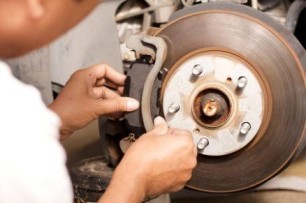
Here are a few ways to identify worn-out brake pads and fix them
If you own a car, you have to check on different parts that might require maintenance and replacement from time to time. You cannot be careless; otherwise, it might risk your and your family's safety and cause damage to your vehicle. In addition, it might restrict your dependency on it until the issues get fixed. Therefore, you need to stay ahead of these problems and watch for future repair and upkeep indications.
This article will discuss a few ways to identify worn-out brake pads and how to fix them. Now, worn-out brake pads are a thing you can miss out on while driving your car. But, first, you need to understand why you need to change your brake pads and how often you should change them.
Brake pads are made from various materials, ranging from metallic to composite to ceramic. However, irrespective of the material they're made of, you are supposed to replace them occasionally. Therefore, making sure that your car stays operational is very important, and changing worn-out brake pads is a part of accomplishing that. In addition, replacing your brake pads helps you in minimising your vehicle maintenance costs.
Now let's discuss WHY you need to change your car's brake pads:
1. Brake pads don't last the lifetime of your car and need to be changed at regular intervals.
2. They lose their efficiency every time you drive your car. So, the more you drive your vehicle, the more worn out the brake pads will be.
3. If you use your vehicle occasionally, the brake pads will still need replacement later than those who use their car frequently.
4. The car's ability to stop effectively reduces with worn-out brake pads. As a result, the overall effectiveness of the braking system also decreases.
5. The diminishing ability of your car to stop due to worn-out brake pads might lead to severe accidents, endanger the lives of the passengers, and cause severe damage to the vehicle.
HOW to identify if it's time to replace your car's brake pads:
1. It is helpful to have a brake pad sensor and "alert" light in your car. The light turns on, giving a notification that your brake pads need replacement.
2. Screeching or squealing noises while driving or applying the brakes indicate worn-out brakes.
3. Replace the brake pads if you notice that the car brakes are shaking. You will also realise that more effort is required to stop the car, and the braking is no longer smooth.
4. There is a grinding noise upon hitting the pedal.
5. During an oil change, when your car mechanic informs you about wearing and tearing of brake pads.
6. If they have reached their limit of service. Brake pads come with a stipulated period to work to their best performance. Eventually, they deteriorate in quality due to constant friction and wear and tear.
Now that we have discussed a few ways to identify worn-out brake pads, it would be wise to invest in car insurance to claim proper maintenance and various expenditures in unprecedented circumstances. You can explore all available insurance options and buy online car insurance that suits you best for your car.
Click HERE to know more about online car insurance.
Disclaimer: The information provided above is for illustrative purposes only. To get more details, please refer to policy wordings and prospectus before purchasing a policy.
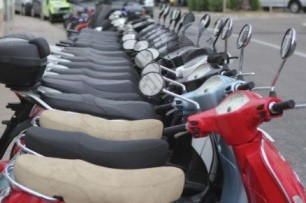
Five best tips for picking the right two-wheeler to satisfy your needs
Imagine you are already running late for an important meeting and get stuck in traffic. It sounds dreadful. With increasing traffic situations, two-wheelers are the most convenient way to reach your destination. In addition, they are easier to maintain and much more affordable.
Two-wheelers are your asset, and investing in one means choosing the best for your needs without ripping your pockets. So, here's a checklist that will make the decision easier when you buy a two-wheeler.
1. Understand the purpose of your two-wheeler:
Understanding the purpose of your two-wheeler is very important. How much will you use it? What will your daily travel be like? Are you going to use it for office work, personal travel, long rides, etc.?
Based on your purpose, you can select the right two-wheeler. For example, if you are taking it for family use, you might consider taking a vehicle that's convenient for every member of the house. Similarly, if you are going to use it for office or personal use, a bike can come in handy.
2. Mileage:
This is no surprise that petrol prices are becoming sky-high. Every two-wheeler comes with extra mileage, and you don't want to invest in one that shakes up your finances with the increasing expense of petrol every month.
Depending on how much you can spend on fuel every month, look for a vehicle that gives good mileage. When you search online, you can get details about the vehicle's mileage and decide accordingly. For example, a sports bike will have less mileage than a scooter.
3. What is your budget:
Budget is one of the top factors to consider when buying a two-wheeler. First, understand your monthly income, consider your expenses, then look at how much you're willing to spend on the two-wheeler.
If you are looking forward to paying for your two-wheeler in monthly installments, consider determining the EMIs you will have to pay. If they are too much, you need to develop an effective saving plan.
4. Service and maintenance:
No two-wheeler works properly without good maintenance. However, when you visit the store, ask about the after-service that you will get. Mainly, most companies offer first three services. Understand how much you have to spend monthly on the vehicle's maintenance. It will always help if you go with popular two-wheeler brands whose spare parts are affordable and readily available.
5. Features:
Every person has different expectations from their two-wheeler. Some may look for a good design, while others lean more towards comfort. Additionally, if you have back issues, you may want to consider that driving the two-wheeler does not hurt your back. List all the features you are expecting and consider the above points before selecting the best two-wheeler for you.
The tips mentioned above will help you determine if the two-wheeler is perfect for you or not. After deciding, ensure that you buy bike insurance online to protect your vehicle if things take a wrong turn and put a less financial strain on you. Your dream two-wheeler is just a few steps away. Go ahead and confidently pick the one that suits your needs!
Click HERE to buy bike insurance online.
Disclaimer: The information provided above is for illustrative purposes only. To get more details, please refer to policy wordings and prospectus before purchasing a policy.
Hi there! 👋 Need help with a policy, claim, or renewal? Chat with us instantly on WhatsApp.
Start chat →