


General Insurance Blogs, Articles & Updates by - Magma Insurance
Have us call you
- RENEW YOUR POLICY
- BUY NEW POLICY

GENERAL INSURANCE BLOG

Visit these exclusive palace hotels to enjoy the rich culture and heritage of India
India has long been recognised for its illustrious past and imperial way of life. Its royal palaces were formerly the official residences of royal families but have since been turned into luxury historical hotels with old-world elegance and modern comforts.
Plenty of great palace hotels, particularly in the state of Rajasthan, are now open to visitors. You can visit these exquisite heritage hotels for your extended weekend plans and summer vacations. All of the listed hotels provide splendid service and a more personal experience.
Here are the four Indian palaces turned into hotels where you may indulge the maharaja inside you.
1. Taj Lake Palace, Udaipur:
The Taj Lake Palace in Udaipur is a historic hotel with magnificent rooms and many grand suites. Its location on an island in the middle of the lake Pichola provides exceptional sights of the nearby Aravalli hills, City Palace and Jag Mandir from each room.
The breathtaking setting is ideal for the delicious cuisine served at Taj Lake Palace's fine restaurants, solely available to resident guests. Udaipur, dubbed as the Venice of the East, has a great deal to offer with its spectacular palaces, serene lakes, fascinating temples, and beautiful gardens.
2. The Lalit Grand Palace, Srinagar:
The hotel was designed and constructed by Maharaja Pratap Singh during the 1900s. It has witnessed significant events in India's history and proudly continues the royal lineage with elegance.
It maintains well-equipped luxury suites, including cottages with spectacular design, an ample dining space, and a retail arcade. This beautiful palace is surrounded by the Himalayan peaks and overlooks the gorgeous Dal Lake.
3. Umaid Bhawan Palace, Jodhpur:
This piece of art built between the 1920s and 1940s is part of Rajasthan's legacy and a symbol of contemporary Jodhpur. The palace, formerly home to the royal family of Jodhpur, is now the world's 6th biggest private property.
One common feature that this property shares with Agra's Taj Mahal is the palm court marble used in its design. The palace is situated on Jodhpur's highest point, the Chittar Hills. Get impressed with unique views of the old Blue City, vast dunes, and the magnificent Mehrangarh Fort as you stay here.
4. Rambagh Palace, Jaipur:
Rambagh Palace, established in 1835, was home to Sawai Man Singh II. This jewel of a hotel has magnificently refurbished big luxury rooms and suites that were the erstwhile Maharaja's bedrooms once upon a time.
The palace has been lavishly embellished with hand-carved marble and beautiful Mughal Gardens. Immerse yourself into the finest of Rajasthan's royal history within this splendid palace.
Heritage hotels in India provide a royal treatment to the inner maharaja inside you. They are as stunning, if not more so, than any of Europe's colossal castles or impressive palaces. These remarkable palaces ensure a great and unique holiday to be remembered for years to come. As you plan your visit to these genuinely magical places, make sure you add general insurance to your checklist. Get the best plans for yourself from the most trusted general insurance company and make your travel plans safe and stress-free this summer.
Click HERE to buy insurance from the best general insurance company.
Disclaimer: The information provided above is for illustrative purposes only. To get more details, please refer to policy wordings and prospectus before purchasing a policy.
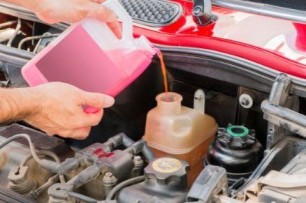
What happens to your car's engine if you drive it without coolant for long
Much like oil, the coolant in your car is a special fluid that can't be overlooked. Although, in comparison to oil, the coolant needs less attention. Car owners often tend to neglect it, which can severely damage the vehicle and potentially be life-threatening.
This post will give you a clear idea about what will happen if you drive with low or no coolant.
What is coolant?
Coolant is a combination of water and antifreeze. It has a greater boiling point than water, and works at higher temperatures and pressures to regulate the heat generated in the engine. It takes heat from the engine and radiates it back into the atmosphere via your radiator.
Here are the effects of driving with insufficient coolant.
1. Overheating:
The main function of a coolant is to extract heat from the engine. A shortage of coolant may cause your car engine to overheat. If you continue to run an overheated engine, there could be irreversible damage, such as pistons welding to the cylinders.
2. Engine cutoff:
Modern vehicles feature a safety mechanism that will turn off the engine if it suffers considerable damage due to a lack of coolant. Although this function can help you save on engine repairs, it can leave you stranded on the road.
3. Damage to the water pump:
The water pump’s function is to circulate coolant throughout the engine. The pump will continue to run dry if there is insufficient coolant. If the pump goes dry, racks and pockets of air will form in the coolant channel. This increases the pump’s burden and can destroy it permanently.
4. Damage to engine:
The engine blocks are not the only sections that can be damaged by overheating. Many other components can become exposed to heat.
Below is the overview of parts that may suffer the wrath of an overheated engine:
• Head gaskets
• Cams and pulleys
• Warped or bent connector rods
• Crankshaft
• Piston timing
• Connecting rod
5. Decreased mileage:
Your car's engine will be less efficient if you don't have enough coolant. Friction generates more heat, which means more energy is spent. As a result, the fuel efficiency is dismal.
How to identify low coolant levels?
1. Dashboard Warning:
The coolant warning light will light up on your dashboard when car sensors detect a low level of coolant. Keep an eye on your dashboard; it is essential to note that not all cars, especially the older ones, have this feature. Therefore, consider manual checking of the level periodically.
2. A.C. blows hot air:
If your AC unit starts blowing hot air, it is a sign of a lack of coolant.
3. Lower mileage:
Your car starts to consume more fuel per km and shows reduced engine performance.
4. Temperature gauge rise:
The temperature levels of internal components start showing an unexpected spike due to the low level of coolant.
It is vital to make regular coolant checks a habit. If your car's coolant runs out, pull over immediately. Let the engine cool to a safe operating temperature before going to the nearest garage.
If you're unable to drive to a garage, have your car towed to avoid the risk of further damages. Car insurance proves to be a valuable investment in such situations. So, purchase a car insurance policy that provides you with your desired benefits and adds value to your four-wheeler.
Click HERE to invest in ideal car insurance that meets all your requirements.
Disclaimer: The information provided above is for illustrative purposes only. To get more details, please refer to policy wordings and prospectus before purchasing a policy.

Complete guide to become a professional driver
Driving a car can be one of the most joyous and liberating feelings in the world. Cruising through the roads, being in control and manoeuvring your vehicle is sure to give you a sense of euphoria. While many of us master the art of driving effortlessly within a short period, others might take a considerable amount. The important thing to remember is that developing driving skills is a matter of experience.
In this article, we will discuss a few ways to develop your driving abilities and become a skilled driver.
1. Understanding how your car works:
An expert driver should be able to manoeuvre every car. But as a start, before you can take your vehicle out, understand its mechanisms and how it responds to adverse weather conditions. This will help you manage your car better if presented with any circumstance that you have had no prior experience with.
2. Configure the mirrors:
Mirrors should perform their intended functions. Knowing what mirror angle works best for you is crucial. Set your mirrors so that the sides of the chassis are not visible anymore. Upon setting up the mirrors the right way, you can reduce the blind spots significantly.
3. Turn signals:
Many people often neglect to use the indicators. However, it is vital to understand that the turn signals are not for you. They alert other people behind or around you about your next move. Warning others will help reduce accidents or crashes on the road.
4. Keep a margin:
This might seem futile when you are traversing through slow-moving and congested traffic. However, leaving a margin between your vehicle and the vehicle ahead is necessary when you are driving fast on an empty road. This helps avoid potential crashes in case of a sudden brake by the person ahead of you. A thumb rule to follow is the 10-second rule. Keep a checkpoint for reference and note the time the vehicle ahead of you passes this point. Ensure that your vehicle follows with a gap of 10 seconds.
5. Be responsible towards others:
When talking about good driving skills, one of the most neglected factors is the responsibility towards others. Being empathetic towards others on the road is the trademark of a good driver. Unnecessary honking, not adhering to speed limits, not warning the other drivers, etc., can lead to agitation and even accidents. Being calm during such situations can go a long way.
6. Practice night driving:
Traversing through night traffic can be challenging the first few times. Instead of taking your car at night during heavy traffic hours, start practising on relatively empty roads to get comfortable with the headlights from the opposite vehicles. Understand the rules of alerting fellow drivers during the night and stick to them.
These are a few ways in which you can improve your driving skills. Being confident and practising adds to your experience and makes you a better driver. As a beginner, handling a 3000-pound motor can seem daunting. Keep in mind that being intimidated is entirely normal. Start with open grounds and slowly make your way into heavy traffic roads.
Another thing to consider is that sometimes, accidents might happen due to the negligence of fellow drivers or some unexpected situations. To help you rest easy, consider buying motor and personal accident insurance. Personal accident insurance covers all the expenses you will face in case of an accident and compensates for your losses.
Click HERE to know more about personal accident insurance India.
Disclaimer: The information provided above is for illustrative purposes only. To get more details, please refer to policy wordings and prospectus before purchasing a policy.
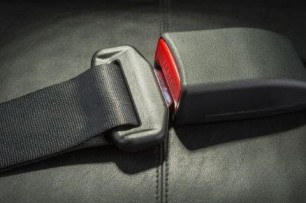
Best tips to clean the seat belts of the car
A significant issue prevailing in the minds of drivers and car commuters while driving on the roads is their safety. You should drive safely to avoid the chance of any mishap, as it is rightly said that precaution is better than cure. Wearing seat belts while driving is crucial to lessen the impact of accidents if ever you meet with one. Cars today have mandatory regulations and systems about wearing your seat belts. Many vehicles have alert signs and sounds that do not stop until the driver and the co-passenger have put on their seat belts.
Different types of people might sit in your car. Sometimes, kids might wipe their hands or gnaw on the seat belts, getting them dirty. The dirt and dust might affect the material, and they could begin to smell or have developing infectious germs.
Do you want to clean your seatbelts but find it complex and confusing to figure out how and what ingredients to use? Don't worry. This blog discusses some of the best tips to clean your car's seat belts.
1. Separate the parts:
To clean the seat belts properly, calmly separate the parts without damaging them. You can remove the buckles and other buttons using a screwdriver. Separating the components makes it easier to access the stains or dirty areas and work to make them clean.
2. Pull:
It would be best to pull out the seat belt entirely until it becomes stiff and cannot be pulled anymore. This will ensure a thorough inspection and cleaning.
3. Clip it up:
You can use clamps or paper clips to ensure that the seat belt does not retract back. This helps in easier accessibility during the cleaning process. You can place the clamp near the reel (where the rest of the seatbelt part is stored).
4. Inspect for corrosion:
The steel portions of the seat belt can rust over time. You can use steel wool to polish the steel buckle of the seatbelt.
5. Identify the dirtiest spots:
Use a degreaser and spray it to identify the stains on the seatbelts. After identifying the spots, you can clean them softly, avoiding the risks of damaging the material of the belts.
6. Materials you should use:
Do not use sharp objects for a light dusting of the seatbelts. It may damage the materials causing the seat belts to wear out. Microfiber cloths are your best option for dusting or wiping the seat belts after a proper cleanup using water and detergent.
7. Recommended ingredients for thorough cleaning:
Make a water mixture with distilled vinegar and dish soap (liquid). Vinegar has antibacterial properties and eliminates foul odour. Dish soap cleans the stains and spots gently of the seat belt. The mixture prevents the possibility of bacteria and moulds.
8. Dry the belts:
Let the belt dry before letting it retract back into the reel. If the belt stays wet, it can cause fungus development on the material, leading to infection, bad smells, etc. Leave the car open and let the seat belts dry.
You can use a brush with tiny stiff bristles to remove the stains and sweat spots that require deep cleaning for removal.
Along with cleaning the seat belts and maintaining other parts of your car, a wise option would be to be prepared for unprecedented circumstances. While you can control the cleaning and maintenance process, the possibilities of mishaps are not under anyone's control.
It is wise to stay monetarily stress-free by exploring your options and purchasing car insurance India. Car insurance is a wise investment that can guarantee you healthy returns during emergencies. Understand your requirements and accordingly browse and choose a plan offering the best benefits with a reasonable premium.
Click HERE to know more about how you can buy car insurance India.
Disclaimer: The information provided above is for illustrative purposes only. To get more details, please refer to policy wordings and prospectus before purchasing a policy.
Hi there! 👋 Need help with a policy, claim, or renewal? Chat with us instantly on WhatsApp.
Start chat →