


General Insurance Blogs, Articles & Updates by - Magma Insurance
Have us call you
- RENEW YOUR POLICY
- BUY NEW POLICY

GENERAL INSURANCE BLOG
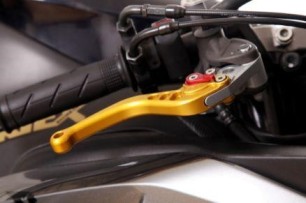
Let's understand the terms wet clutch and dry clutch
Petrol engines do not create much power at low rpm; they must rotate quickly before delivering enough power to the wheel. The clutch is a device used to gradually and smoothly introduce power into the engine.
Motorcycle companies provide two types of clutches in their bikes- a wet-type and a dry-type. Today's blog will give you all the information on both types.
How does a clutch work?
Before we get into the types, let's understand how a typical clutch works. Consider two plates, one attached to the engine and the other to the gearbox. There is no contact between the engine and the gearbox. When they come into contact, the friction allows a transfer of power. When the force is increased, the amount of power transferred increases correspondingly.
Now that you know the functioning let's get into the types.
Dry Clutch:
A dry-type clutch is not immersed in liquid and engages by the principle of friction. The clutch plate is located outside of the engine housing. This implies it is in direct contact with the air and receives no lubrication. Since the plate gets heated due to friction, the dry-type clutch is usually bigger to increase the surface area of the clutch plate for effective cooling via air.
Essential things to know about a dry clutch:
• The torque transmission of Dry Clutch is better due to the absence of oil.
• Dry clutches are typically single-plated.
• The noise in a dry clutch is greater and lasts longer as wear and tear increases.
• Dust particles can gather in the clutch's casing.
• The life cycle of a dry clutch is typically shorter.
• A dry clutch has a high repair demand and expense.
Wet Clutch:
Wet clutches, as opposed to their dry counterpart, are coated with engine oil, allowing the clutch plates to cool. As a result, wet clutches withstand more significant damage. They are quieter at rest, making them ideal for stop-and-go traffic.
The presence of lubricant lowers the torque transmitting capacity due to a lower coefficient of friction between the clutch plates.
Essential things to know about a wet clutch:
• A wet clutch plate(s) is found within the engine housing.
• Wet clutches are employed in high torque circumstances where friction levels are high.
• Wet clutches have substantially less wear and tear.
• The oil filter in the wet clutch casing removes dust particles.
• The life cycle of a wet clutch is often longer.
• A wet clutch has very minimal maintenance needs and costs.
Here is all you need to know about clutches. Most bikers prefer a wet clutch since it is ideal for most on-the-road sports bikes.
However, if you want all the horsepower that you get from an engine, as in the case of an all-out racing bike, you should opt for dry clutches. While you decide on the clutch type, opt for bike insurance online to protect clutches from unforeseen wear and tear in the long run. Reliable bike insurance will cover the expenses required for the repair work of your bike.
Click HERE to buy bike insurance online.
Disclaimer: The information provided above is for illustrative purposes only. To get more details, please refer to policy wordings and prospectus before purchasing a policy.

Visit these most challenging biking destinations of India
A famous saying amongst bikers goes, "A bad day on a bike always beats a good day in the office." Whoever said that was surely familiar with the thrill and adventure of biking through treacherous roads and the satisfaction of conquering them. For bike lovers, nothing beats the anticipation and excitement of exploring new and challenging terrains.
In this article, we will take a look at some of the most popular biking routes in India.
1. Chandigarh-Manali-Leh:
This route is known as one of the most challenging biking routes in the world. The Chandigarh-Manali-Leh route is filled with picturesque views and difficult terrains. The road to Leh makes riders work hard for every kilometre. Extreme altitude and motion sickness will test your endurance and willpower. But the gift of the clear blue skies and the magnificent roads ahead make the struggle totally worth it.
2. Shimla-Spiti Valley:
This beautiful stretch of 430 kms is a mix of rugged tracks and broken roads, making it extremely difficult to travel. The roads are comparatively narrow, making the commute all the more challenging. It is extremely difficult for bikers to manoeuvre uneven terrains filled with rocks and gravel. However, the beautiful apple orchards, impeccable valley views, and peaceful monasteries are just a few of the many rewards you will find on the way.
3. Siliguri-Yuksom:
A relatively smaller commute, this unconventional route is often discussed among travellers for its under-maintained roads and uneven terrains. Adding to that are the many waterfalls that make it all the more difficult for bikers to navigate. What makes this journey remarkable is the unparalleled beauty of the landscape. The view of the mighty Himalayas is sure to give you the much-needed motivation while traversing through these roads.
4. Bomdila to Tawang:
Riding through the lush green hills, flowing rivers, and snow-capped mountains make it difficult to focus on the road. What makes it challenging is the extreme inclination of the hill. And the constant fog leaves the roads moist and can be dangerous to the riders. The upward climb is about 170 kms long and scales an altitude of about 4000 metres above sea level.
5. Guwahati-Khasi Hills:
The road between Guwahati and Khasi promises stunning views of lush green forests and red sand. On the way, you will come across beautiful waterfalls and living root bridges that are sure to be a memory you will cherish. The damp weather makes the road slippery and wet, and manoeuvring the sharp turns is crucial to steer safely through the hills.
These are some of the routes that promise a challenging bike trip with an excellent reward. Before setting out on your next trip to these places, don't forget to get your bike serviced. Riding through challenging roads can put extra load on your vehicle and cause extreme wear and tear. A thorough bike check-up before and after the trip can prove beneficial in the long run. Another tip to follow is to keep a checklist of all things needed for the journey, such as fuel, food, first aid, emergency lights etc.
To ensure the protection of your vehicle, invest in 2 wheeler insurance. Always remember that a 2 wheeler insurance is a safety net for all the expenses you will incur for the aftercare of your bike.
Click HERE to know more about 2 wheeler insurance.
Disclaimer: The information provided above is for illustrative purposes only. To get more details, please refer to policy wordings and prospectus before purchasing a policy.

Visit these top destinations to enjoy the best ziplining in India
Ziplining is one of the most exhilarating experiences you can enjoy. Many zip lines can attain speeds of up to 100km/hr, depending on your body mass, slope, etc. If you are just starting out with adventure sports, ziplining is a safe and comfortable option.
India hosts various ziplining spots across the country. Being home to multiple landscapes, it also allows you to experience panoramic scenic views from each of these spots. Be it the lush green forests, vast golden desert, or the mighty rivers, ziplining in India has something for everyone.
In this article, we will look at a few of these places for your next ziplining adventure.
1. Rishikesh, Uttarakhand:
Rishikesh hosts various adventure activities, and ziplining is one of the most explored ones. You can experience this sport at the Shivpuri base. Surrounded by forests, the experience here is sure to be a memorable one. The place is open throughout the year, but it is advisable to skip the monsoon season.
2. Neemrana Fort, Rajasthan:
Neemrana is located close to Delhi, making it a favourite spot for tourists for weekend getaways. Gliding through Aravali hills and the rich history, the landscapes keep changing between magnificent forts and the mountains. Neemrana also hosts Tandem zipping for children aged 4-5.
3. Mussoorie, Uttarakhand:
Mussoorie is an adventurous retreat with an exclusive range of activities. The place hosts the highest zipline in the country at 600 feet above sea level. The birds-eye view of this hill station and the array of valleys and forests will be a novel experience while you glide down the line. The best time to visit is during the autumn or spring season for a pleasant experience.
4. Munnar, Kerala:
One of the most beautiful hill stations in the country and the hub of tea estates, Munnar is a famous ziplining spot amongst travellers. Amidst the green canopy and fresh air, you can zip over beautiful valleys and through different parts of the town. Enjoy the feel of the local life and nature all at once with Munnar's affordable ziplining spots throughout the year.
5. Kerwa Dam, Madhya Pradesh:
Kerwa Dam has earned its recognition as the longest and one of India's most scenic twin zip. You will start from a hill and travel above the mesmerising Kerwa lake. As you zip down from the hill, you will experience the winds gently kissing your cheeks, making it all the more thrilling.
These are just a few of the many spots that promise an excellent ziplining experience in the country. Consider taking a brief detour and enjoy these activities during your next vacation. Remember to wear comfortable clothes and shoes while ziplining and listen to the instructions carefully.
And most importantly, while you immerse yourself with the most liberating experiences of your life, consider looking into personal accident insurance plans that will financially safeguard you against any injury. It is always advisable to prioritize your safety over all else.
Click HERE to know more about personal accident insurance plans.
Disclaimer: The information provided above is for illustrative purposes only. To get more details, please refer to policy wordings and prospectus before purchasing a policy.

A guide to change the old wiring in your house
Upgrading electrical wiring makes an old home more secure, modernised, and habitable. This kind of renovation is easier in a recently acquired property than in an older one. Unless you have prior expertise with electrical construction, do not try to change wires on your own.
Most people instantly think of the costs and clutter involving the job. Your strategy is determined by your budget, capacity to reach the walls, ceiling, crawlspace, and the amount of rework permitted.
To clear the confusion, below are the typical steps involved in changing the wiring of a house.
1. Planning:
The better you prepare for the rewiring, the easier the procedure will be. A precise design will assist you in locating and projecting the circuits in a manner that will retain the drywall in place. A thorough layout of the existing circuitry and a precise sketch of the internal components may minimise chaos and disturbance.
2. Working prep:
This step prepares the space for the new wiring. It marks a clear route for supplying the new wire to the outlets. If you opt to undertake the prep work, clearing debris around your house's electrical outlets is crucial to ensure quick access.
3. Calculating the number of circuits:
Many times, outdated wiring may not have enough circuits to meet the energy needs of contemporary appliances, lights, and electronics. Before you begin, you must first plan your trajectories. Conduct a study on housing circuits to aid in layout planning, or contact an electrician as a consultant.
4. Remove the drywall and rewire:
The removal step consists of ripping out and taking off the old wire. Because old wiring is often stapled to the structure, it is impossible to simply take the cables out of the wall. After ensuring that the electricity has been turned off, you may cut the wire and remove the visible portion, leaving the buried cable within the division.
Some wires are placed in more accessible areas and can be taken out quickly. You can tape the new wire to the old ones, pull the old wiring out, and let the new line fall into its spot and take effect.
5. Replace:
Replacement of main and sub-panels is one of the essential steps to changing the old wiring in your house. Also, ensure that you check the condition of the panel. If it's old or does not have circuit breakers in place of fuses, it is better to replace them to prevent further damage. Replacing the panels would also require changing the wiring of your entire house. Try to find a professional electrician to accomplish this task.
Some other steps to change the old wiring in your house include:
• Taking permits from the local authorities (even if you are a homeowner).
• Hiring a good electrician.
• Identifying the access points.
• Having the right tools to complete the work and taking stringent measures to ensure everyone's safety.
It is essential that the rewiring be done correctly and by skilled specialists. If not done properly, the wires might get nicked and lead to short circuits. Furthermore, if the panel and junction boxes are not connected, it might create radiation, negatively affecting your health and even hampering the condition of your house.
Your house is your safe space. It is where you and your family live and create memories. Hence, it is essential to safeguard your home. Invest in a robust home insurance plan and protect your home from unexpected hazards. You can review the available insurance plans and purchase the best home insurance policy in India that offers you great benefits at a reasonable premium.
To get the best home insurance policy in India, click HERE.
Disclaimer: The information provided above is for illustrative purposes only. To get more details, please refer to policy wordings and prospectus before purchasing a policy.