


General Insurance Blogs, Articles & Updates by - Magma Insurance
Have us call you
- RENEW YOUR POLICY
- BUY NEW POLICY

GENERAL INSURANCE BLOG
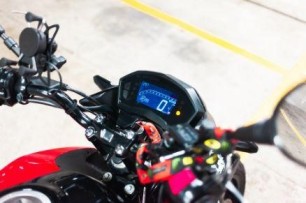
Here are a few tips to fix the speedometer condensation
A regular motorcycle rider is aware of the everyday challenges of engine overheating, the exhaust getting clogged due to high pollution levels, and the electric wiring cracks after consistent usage. Besides these technical maintenance issues, you may face several obstructions to a smooth riding experience. While you can buy two wheeler insurance online and get immediate assistance for major problems, fixing the more minor issues can be confusing.
One of the most typical issues that two-wheeler riders face is extreme condensation of their speedometer and tachometer. While the majority of today’s advanced vehicles are equipped with premium instruments sealed much better against humidity and moisture, several models still face this issue.
Why does condensation occur in motorcycle instruments?
If you reside in a coastal town or a location with high humidity levels, you must face condensation problems with your bike. While four-wheelers have air conditioning to control the heat and humidity levels, two-wheelers still face significant concerns with condensation. The instruments in the two-wheelers are highly exposed to humidity and other weather conditions like rain, hail, snow, etc. The bikes often overheat due to prolonged hours of travel which can quickly cause condensation as the moisture from the environment can settle on the loosely sealed speedometer or tachometer.
Additionally, careless maintenance like washing the motorcycle with a high-pressure washer can lead to water entering several parts of the vehicle causing numerous complications.
Why is condensation on motorcycle instruments harmful?
If the covering on the speedometer or tachometer is not sealed tight enough, moisture can seep in, which can cause a blurred view of the dials. This condensation can be highly risky when on the road, as your knowledge of the speed and other technicalities about the motorcycle get compromised. This can confuse any rider as they need to know the appropriate pace to ride at and maintain it through their journey. While this issue can often occur, there is no need to panic as it can be fixed using some simple remedies.
How to avoid or get rid of the condensation on the motorcycle instruments?
1. If you spray water with a high-pressure pipe or washer to clean your bike, steer clear of the front area of the motorcycle that consists of the instruments.
2. If you choose to use water around the instruments while cleaning your bike, tape the meters with plastic or use a damp cloth to wipe the areas. Immediately wipe the vehicle dry to avoid water seeping into the electric system or engine.
3. If you are riding the bike during the monsoon and are caught amidst a shower, keep a dry cloth to dry off the vehicle.
4. Try to wipe the cover of the meters with a rag soaked with a bit of 90% rubbing alcohol. This is not a fool-proof method but may work for specific bikes.
5. Use a hairdryer at a moderate temperature to dry out the water droplets. Use the hairdryer from a distance to avoid any overheating.
6. Avoid opening or drilling any parts of the instruments as they can get further damaged. Ask for technical assistance from a trusted mechanic.
7. Go for a long, breezy ride. This ensures that enough wind passes through the instruments to dry off the moisture automatically.
On a conclusive note, it’s important to remember that condensation on the vehicle’s instruments is expected, and it is difficult to avoid. However, you must ensure you fix it using these few methods and prevent having a blurred view of the meters. Also, don’t forget to invest in two wheeler insurance online to protect your bike from unforeseen circumstances.
Click HERE to buy two wheeler insurance online.
Disclaimer: The information provided above is for illustrative purposes only. To get more details, please refer to policy wordings and prospectus before purchasing a policy.
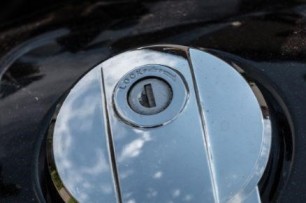
Here are a few tips to avoid the theft of petrol in a two-wheeler
The fuel prices have been skyrocketing and severely hitting consumers' pockets. With that, we see an increase in alleged fuel theft cases from the two-wheelers, making it even worse for riders. Petrol theft is a common problem faced by two-wheeler owners. Fuel theft is generally carried out by siphoning the petrol. The thief siphons the petrol from the fuel tank using a hosepipe attached to another vehicle or a storage container.
In this space, we will look at a few ways to avoid fuel theft from your two-wheeler.
1. Put a petrol lock:
An inexpensive yet efficient remedy to this problem is using a petrol lock. You can get this fitted onto your bike with the help of a local mechanic. The lock lasts for about 2 to 3 years, and getting it fixed barely takes five minutes. The cost ranges anywhere between a hundred rupees to two hundred rupees.
This lock adds security to your bike by avoiding any petrol theft. The petrol lock comes with a set of keys used to regulate the fuel flow. Once locked, the petrol flow is stopped, and you cannot move about unless it is unlocked.
2. Defensive parking:
Park your bikes close to a wall so that the fuel pipe is towards the wall. This makes it difficult to have access to the fuel pipe hence preventing the siphoning of the petrol. Although it’s difficult to always practice this method, one can be mindful of the placement of their vehicles in such a way that it hinders direct access to the fuel pipe.
3. Parking and garage facilities:
If you plan on leaving the bike for long durations, it is advisable to park your vehicles in proper garages or paid parking facilities. If you are someone who usually parks the vehicle outside the house, you must consider parking it in a more secure location that is away from trespassers. However, if you have to park outside, do so in a publicly accessible area. Thieves find it challenging to carry out these activities while under the public eye.
These are a few ways to prevent petrol theft from your vehicle. There isn’t much one can do to protect their vehicles from thieves, but taking note of the points mentioned above will prove helpful if you find yourself in a shady locality.
Another thing to note is that if you are someone who parks in a fixed spot in your office, gym, or other localities, then it becomes easy for the thieves to have access to your vehicle as they will be aware of your routine. So, switching up your parking spots can also help prevent theft. To ensure that your bike is not being subjected to petrol theft, keep track of your fuel level before parking the vehicle and look for scratches or damage in your fuel pipe.
If you notice any change in the fuel pipe or the fuel levels, it is best to take your vehicle to a mechanic and get the required changes done to ensure the safety of your two-wheeler. Before visiting the mechanic, look for two wheeler insurance India to safeguard your two-wheeler against incidents like theft, accidents, or damages due to natural calamities.
Click HERE to find out more about two wheeler insurance India.
Disclaimer: The information provided above is for illustrative purposes only. To get more details, please refer to policy wordings and prospectus before purchasing a policy.
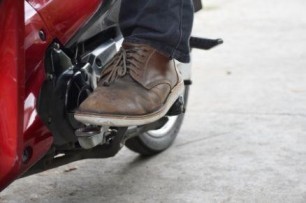
Here are a few probable causes of poor gear shifting in bikes
No matter how convenient it is to own and ride a bike around the busy city streets, it comes with its own set of challenges. Even though two-wheelers are highly in demand today, before you decide to purchase one, it is essential to know about the issues you might encounter with them. Out of all the problems that motorcycle riders face, the gear not shifting properly while riding is the most common one.
The way you handle the gears can largely affect the quality of shifting in your bike. Some of the main reasons for poor shifting of gears in motorcycles are mentioned below.
1. Adjusting the shift pedal:
Factors outside of the engine can cause severe shifting problems. If you adjust the height of the shift pedal to your ankles, the linkage can be cramped against itself. As a result, the gear won’t fully engage on the final shift because the shift claw prevents it from pushing far enough.
2. Adjust the clutch cable:
There may be issues with the smooth shifting of the gear because the shift lever might become too stiff and changing the motorcycle's speed becomes challenging. This mainly occurs when the bike is cold and is caused due to the clutch cable. The locking adjustment needs to be readjusted, and pull the clutch lever a few times. You will notice a significant difference after.
3. Check the engine oil level:
Low engine oil levels can result in overheating of the motor, wear and tear of the mechanism, and a considerable amount of carbon deposits that can cause significant damage to your two-wheeler. These things damage various parts of the bike like its pistons, clutch plates, engine valves, and cylinder lining. Just as important as it is to buy bike insurance online, it is equally vital for you to check and renew the bike’s oil levels.
4. Inspect your motorcycle’s chain:
After years of riding the bike, the chain can become loose. It may have become loose for many reasons, such as rusting, etc. You need to clean the chain of your two-wheeler frequently using a cleaning agent or maintenance spray. Ensure you do this specifically after every ride you take along a muddy path or under extreme weather conditions.
5. Trouble with the transmission:
Another prominent reason for issues with shifting your gear could be caused due to a seized transmission gear. The presence of a foreign object between the gears may have resulted in a blocked gear. Some other possible causes for a seized gear are bent shift shafts or incorrect assembling of the transmission gears.
This issue will create resistance, and you won’t be able to change gears while riding or starting your bike easily. Get your two-wheeler examined by a mechanic to eliminate this resistance.
To sum it up, these are the few probable causes of poor gear shifting in your bike that you should inspect as soon as possible. Never delay or skip your two-wheeler’s servicing. Scheduled maintenance of your two-wheeler can protect it against internal damages and breakdowns. Get the servicing done at a trusted garage to examine all parts thoroughly and detect and fix if any flaws exist. Also, ensure that you invest in a reliable insurance policy for your bike. You may buy bike insurance online and avoid the unwanted involvement of intermediaries.
Click HERE to buy bike insurance online.
Disclaimer: The information provided above is for illustrative purposes only. To get more details, please refer to policy wordings and prospectus before purchasing a policy.
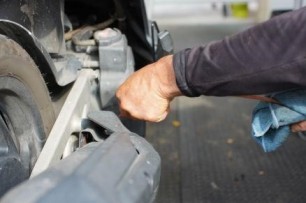
Here are a few best ways to detect oil leakage in bikes
Motorcycles require more maintenance than anticipated to stay up and running. Over a period, your bike tends to undergo severe wear and tear. One way to keep it functioning is by regular maintenance.
Oil leakage is a strong indicator of your bike being internally damaged. Figuring out the point of the leakage can seem like a difficult task, but there are a few methods that you can keep in mind to ensure your bike is not susceptible to oil leakage. The leading cause of oil leakage is worn-out oil filters. Broken seals in the oil filters allow the oil to escape, thus causing leakage.
In this article, we will discuss a few ways you can detect if your bike is leaking oil.
1. Filter cup:
A filter cup that is worn out or has misaligned fibres can cause the oil to spill out. The misalignment in the filter cup can be caused by improper tightening of fixing screws. Check for leakage around the cup, and if it is leaking from the bottom, tighten the hose clamp.
2. Carburetor:
A carburetor is an essential part of the engine. It controls the flow of air and fuel and assists in combustion. The bowl that holds the carburetor can cause leakage if it gets old and is incapable of sealing the carburetor properly.
3. Checking fuel levels:
Another foolproof method of figuring out oil leaks is checking the fuel level of your bike with a dipstick. After the bike has cooled down, take note of the dipstick levels. If you notice a change in the levels over time, there is a loss of fuel.
4. Clean the areas:
The most susceptible areas to oil leaks are oil filters, oil pans, filter cups, valves, and hoses. Detecting an oil leak is convenient by inspecting these parts. If you observe changes in these areas, there is a chance of spillage or oil leakage.
5. Use a cloth or a paper:
Putting a dry cloth or a piece of paper under the bike is another smart way to check for oil leakages. Leave these under the bike overnight, and if you notice any spots or stains, your bike's fuel is leaking.
6. Smoke from exhaust:
Sometimes you can tell about oil leakage by checking the smoke from the exhaust. While riding the bike, if you feel that the smoke coming out from the exhaust smells like burning oil, it is probably an indicator of oil leakage.
These are a few ways to detect oil leakage from your bikes. Leakage is usually an indication of improper maintenance and extreme wear and tear of your bike. To combat these problems and increase your bike's longevity, you must ensure your motorcycle undergoes proper care and regular servicing.
Problems like oil leaks can cause severe internal damage to your bike if left untreated for too long. If you miss out on these simple steps, you may have to replace various bike parts, which can be expensive. It is advisable to invest in a comprehensive bike insurance plan to avoid these extra expenses. By buying bike insurance, you ensure that your bike gets complete financial protection against any costs that will follow if it gets damaged due to an accident.
Click HERE to know more about bike insurance.
Disclaimer: The information provided above is for illustrative purposes only. To get more details, please refer to policy wordings and prospectus before purchasing a policy.