


General Insurance Blogs, Articles & Updates by - Magma Insurance
Have us call you
- RENEW YOUR POLICY
- BUY NEW POLICY

GENERAL INSURANCE BLOG
KNOW ABOUT CORONAVIRUS – By Dr Sunilkumar Bura
Coronaviruses are a large group of RNA viruses. It comes under the sub-family Orthocoronavirinae. Coronavirus virions are spherical to pleomorphic enveloped particles. The envelope is studded with projecting glycoproteins and surrounds a core consisting of matrix protein enclosed within which is a single strand of positive-sense RNA (Mr 6 × 10⁶) associated with nucleoprotein. The envelope glycoproteins are responsible for attachment to the host cell and also carry the main antigenic epitopes, particularly the epitopes recognized by neutralizing antibodies. OC43 also possesses a haemagglutinin. The size of coronaviruses ranges from 26 to 32 kilobases. Most human coronaviruses fall into one of two serotypes: OC43-like and 229E-like. Coronaviruses cause acute, mild upper respiratory infection(Common cold) to more severe diseases such as Middle East Respiratory Syndrome(MERS) and Severe Acute Respiratory Syndrome(SARS).
Discovery of coronaviruses
The very first discovery of the coronavirus took place in 1960, the name of this virus comes from the crown-like spikes that it has its surface. The word corona came from the Latin word "Crown." The early discovered was an infectious bronchitis virus which was found in chicken's respiratory tract and then later in 1963 two more cases were discovered from the nasal cavity of humans named As Human Corona Virus 229E and Human Corona Virus OC43 as a result of zoonotic transmission (transmission of disease from animals to humans). Since then the cases have occurred in several other forms in minimal numbers. Many shreds of evidence in history state that corona has always spread from an animal to a human, for instance, SARS coronavirus (SARS-CoV) was transmitted from bat to a human being in china in November 2002 and caused severe acute respiratory syndrome(Infected-8,098 and Killed 774). That virus disappeared by 2004. Middle East respiratory syndrome(MERS) is caused by the MERS Coronavirus (MERS-CoV) which is also called camel flu was transmitted from camel to human in Saudi Arabia in September 2012(Infected-2,056 People and killed 862 people worldwide). But this time the scientist are having difficulty in identifying the animal responsible for COVID-19.
WHAT IS A NOVEL CORONAVIRUS(nCOVID-19)
Covid 19 means : CO = corona, VI= virus ,D= disease 2019.
A novel coronavirus (CoV) is a new strain of coronavirus that has not been previously identified in humans. Coronavirus disease 2019 (COVID-19) is defined as an illness caused by a novel coronavirus now called severe acute respiratory syndrome coronavirus 2 (SARS-CoV-2; formerly called 2019-nCoV), which was first identified amid an outbreak of respiratory illness cases in Wuhan City, China in December 2019, which has a well-known seafood wholesale market, were a large number of people come to sell or buy live seafood; this market is also known for its wide variety of seafood. This strain of coronavirus was named COVID-19 on February 11 by the World Health Organization. Tedros Adhanom Ghebreyesus, the director of WHO, mentioned that they had to find a name that didn't point out any animal, geographical location, a person, or a group of people. The name should be easily pronounceable and had a clear relation to the disease. It's essential to have an impartial name so that other names don't get stigmatized. On January 30, 2020, the WHO declared the COVID-19 outbreak a global health emergency. On March 11, 2020, the WHO declared COVID-19 a global pandemic, its first such designation since declaring H1N1 influenza a pandemic in 2009.
How does infection happen?
COVID-19 appears to be spread via respiratory secretions when infected people cough or sneeze, similar to how influenza (flu) spreads. Currently, people at risk for COVID-19 include those who have been in close contact with infected people within 14 days before their symptoms began. The average time from when persons are exposed to signs of illness is about 5 days and can range from 2 to 14 days.
What are the symptoms of coronavirus?
People with COVID-19 have a fever, cough, muscle aches, headache, and diarrhoea, which are all symptoms similar to other viral infections, such as the flu. People who need hospitalization usually have severe pneumonia.
What are the prevention methods that we should follow?
1. Washing your hands with soap - every time you come from outside.
2. Social distancing of around 6 feet - so you do not get the infection.
3. Wearing a mask - this prevents the droplets from entering.
4. Living in a hotter environment - do not turn on your AC - the virus does not survive in hot conditions. Drink hot water/tea.
5. Cleaning and disinfecting the environment around you.
6. Take your medication for your illness - as COVID generally clings to your already existing illnesses and escalates it - this causes most deaths in diabetics, heart patients etc.
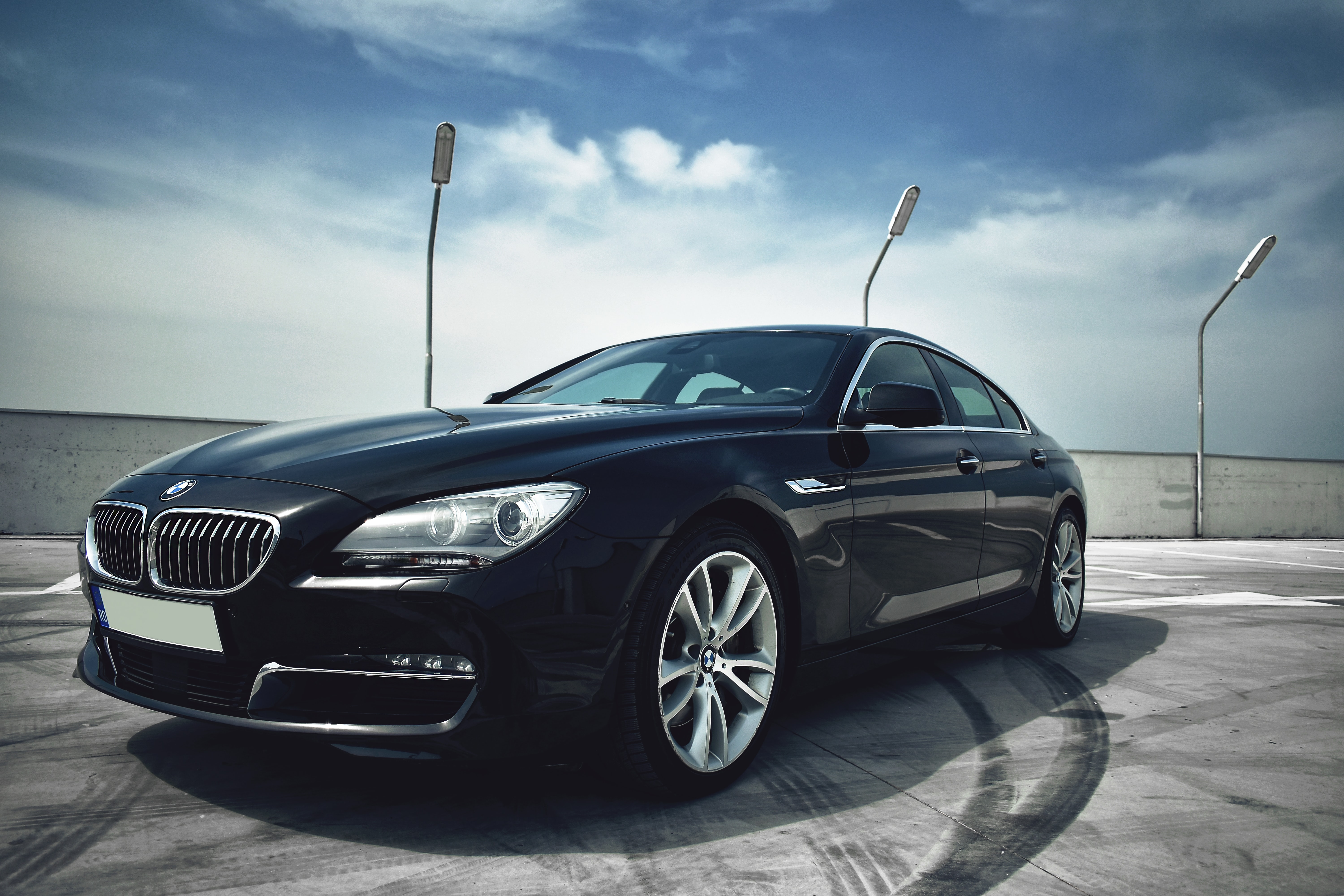
Is your car ready for a safe spin post lockdown?
Life has been kind of different in the past two months, with minimal exposure to the outside world. Indeed, one crucial part of everyday life that we all miss is going to our offices. As work from home became the norm, meetings that happened in client’s conference rooms were replaced with e-meetings. The lunchtime chatter was substituted with a discussion of pending daily chores. While few may feel that work from home had perks like hot home-cooked meals for lunch (cooking at home became a compulsion for our safety), and the casual Friday clothing all days of the week but nobody will disagree that economy is suffering.
While COVID-19 may have altered our lives, but, it is crucial to get back to business. We must try and become better than earlier so that business of business, living and fighting Corona Virus can go on together. Pre-caution, vigilance and immunity/preparedness are the key operating sentiment. Some of these skills that we acquired as part of evolutionary growth will become sharper.
As we plan to get back, we will need to re-establish our routines. Your travel companion, your vehicle deserves your attention It is “it” that will run and literally carry you for business. After months of being out of focus, it is time we brought back the lights. Before you go out, here is a mandatory checklist for you to perform at least a couple of days before you start - Check whether your insurance policy is still valid. In case your policy has expired during the lockdown, do not worry. Just click on the link below to renew your Motor policy. (Provide renewal link)
Give a nice look to your vehicle form all the sides and see if there is any accidental damage. In case you find one immediately reach out to us. Also check for leaks, corroded fittings, rotten hoses or compromised seals. In case you find any immediately contact the car service centre for remediation.
- Ascertain whether your vehicle battery is charged or not. You will not be able to self-start the vehicle if the battery is dead. In case it is do not worry, our road side assistance program is there to help the customers.
-Check tyre air pressure and avoid ride disturbance that could happen due to inadequate tyre pressure. Do you see flat spot the spots that come on the tyre, if a vehicle sits for too long. Weight of the vehicle causes flat spots on the tyre where the rubber meets the road. While it may not be a cause if immediate concern but it does impact the tyre in the long run.
Agree that you couldn’t clean your car and dirt has piled up on the surface but hold. Don’t wipe the surface directly with a damp cloth. Ideally we should remove the dust sing a dry cloth or with an air pump otherwise using the damp cloth will cause swirl marks.
Clean the wipers with a damp cloth and avoid damage to wiper and windscreen
Check your running lights. Activate turn signals, headlights, brake lights, and high beams to ensure they are functional.
Now that you have reached a stage where everything mentioned above checks a tick on your list it is time to go for a quick spin. Take your car out for 20-minute drive close to home. It will loosen everything up and evaporate the moisture in the exhaust and in the engine. It will also give you a chance to listen for any rattles and engine misses while keeping an eye on the vehicle's gauges for abnormal engine temperatures, battery charging, and oil pressure.
Insurance renewal: Verify these checkboxes before your buy bike insurance
Owning a two-wheeler not only makes the commute between two places easy, it also becomes a convenient option when you want to skip the traffic.
And, as you notice the several other benefits of using a two-wheeler, you choose the best services for your bike. A well-maintained motorcycle gives the best performance and comfort. Be it the service centre or the insurance provider; you do not want to take either of these lightly. However, owing to the fast-paced life that we are leading, it can become challenging to keep note of the next bike servicing or the renewal of your bike insurance.
Choosing the best insurance provider can be a daunting task, but you can find the best options and renew bike insurance online with little research and time.
This article will look at a few things you need to keep before renewing bike insurance online.
1. No Claim Bonus:
No claim bonus or NCB is a reward that your insurer provides when you have not made any claims in the previous year. An NCB is a testimonial of responsible driving. The benefit is in the form of concessions or discounts for future renewals. Even if you switch or sell your previous bike, your NCB stays with you and is applicable on the next purchase.
2. Coverage:
You don’t need to continue with your previous policy. You can opt for insurance policies that provide better coverage at lower premiums. Over your last term, you must have realised what other services you require. Hence, choose increased coverage or make changes as per your requirements.
3. Setting the IDV:
During every renewal period, it is advisable to change your IDV. You can decrease or increase the insured declared value that the insurance provider is bound to pay you in case of a total loss of your bike. Understanding IDV is crucial to assessing the correct value for your vehicle. Opting for lower IDV means you are underinsuring your motorcycle while choosing higher IDV means a higher premium.
4. Add on covers:
While renewing your policy, you can opt for various add-ons on your insurance cover. This is an intelligent way of reaping more benefits for a slightly higher premium. These add-ons are worth the extra premium. Zero depreciation, passenger assistance, roadside assistance, NCB protection are a few options you can choose.
5. Choose in advance:
It is illegal to drive a bike without valid insurance papers. So instead of waiting for the last minute to change or renew your insurance, it is best to start looking for options before the end of the policy period. This way, you can have ample time to consider various options before you make the final decision.
These are the few things you need to keep in mind before renewing your bike insurance. Do not forget to miss out on the renewal dates, as it can affect the continuity of your policy and other benefits.
Choosing the right insurance can be a challenging task, but do not be afraid to ask questions to your insurance provider to clear your doubts. Their job is to help you figure out the best options for you. Read reviews online, as they can help you assess the credibility of the company you are opting for. You can renew bike insurance online quickly and efficiently with these things in mind.
Click HERE to renew bike insurance online.
Disclaimer: The information provided above is for illustrative purposes only. To get more details, please refer to policy wordings and prospectus before purchasing a policy.
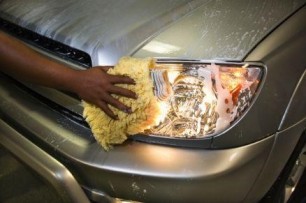
Take care of these things related to your car's headlights before setting off on a road trip
The thought of a road trip gets us all excited. It sure becomes very energetic, fun, and memorable with all our close family members and friends. As a thumb rule, you always double-check everything on your “packing list” to ensure you don't miss out on any essential item.
If you do this for yourself and your family members, how about double-checking your car before starting a road trip? Your car’s headlights also play a vital role in ensuring a safe journey during the night and avoiding any mishaps on the road.
In this blog, we will be discussing the checklist for the headlights of your vehicle that you need to take care of before starting your trip.
1. Got a fuse problem:
Check and see if you gather all information regarding the fuse blowout of your headlights. If you are sure of the damage, examine for loose wires. If you find any issues, fix them at the earliest. And if nothing works, replace the headlights (especially if there is a high beam bulb problem).
2. Do not delay replacement:
Examine the light emitted from your car’s headlights. Do you suspect that they have dimmed? If you conclude that your lights have dimmed (called burnout), you must replace the headlights with new ones to avoid risking your safety on the road, especially during the night time. Uneven terrains and night driving can be risky when you have burnt-out headlights. It poses threats of accidents and compromises the car's safety, the driver, the passengers, and other vehicles on the road.
3. Make smart changes:
Whenever you feel that there is a need to replace the light bulbs of your car's headlights, always make sure that you do so in pairs. If the light has dimmed, exchange the old bulbs for the new ones in twos. That way, it would make the headlights consistent instead of one old and one new light bulb, which would create a difference in the intensity of the light beam. It would make it difficult for other drivers to understand the indication and affect your visibility on the road.
4. Align the beams of light:
Turn on the headlights of your car and check the light beams closely. Make sure that the light is aligned and aimed at the road. If the light is directed towards the vehicle approaching your direction, it may cause an accident as the other person would find it difficult to see what is in front of them. This would result in a fatal crash endangering car occupants and other vehicles on the road.
These were some tips you could take care of related to your car’s headlights. Few other pointers include upgrading the versions of headlights compatible with your vehicle and other DIY hacks for which you wouldn’t always need a professional mechanic to help you with minor replacements, etc.
And while you ensure the checklist of your car’s headlight before heading on a trip, it is also essential to verify that your car insurance is updated. Keep track of your car insurance renewal dates to avoid interruption in the benefits and save your policy from lapsing.
Click HERE to know more about car insurance renewal.
Disclaimer: The information provided above is for illustrative purposes only. To get more details, please refer to policy wordings and prospectus before purchasing a policy.