


General Insurance Blogs, Articles & Updates by - Magma Insurance
Have us call you
- RENEW YOUR POLICY
- BUY NEW POLICY

GENERAL INSURANCE BLOG
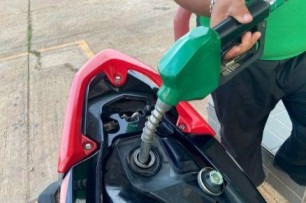
Here are the top three parts that can make your bike more fuel-efficient
With fuel prices skyrocketing now more than ever, it has become a rule of thumb to ensure that the vehicles you purchase or use, are fuel-efficient. Consumption of a limited amount of fuel can be an escape from burning a hole in your pocket. Plus, fuel-efficient vehicles help to reduce pollution and smog. So, making your vehicle fuel efficient can cause significant changes in your lifestyle, and you can contribute your part towards the biggest concerns of climate change.
Are you looking for suggestions for reducing your carbon footprint through less fuel consumption? Or do you wish to make your vehicle more fuel-efficient so you don’t burn through your savings?
This blog will discuss how you can achieve a more fuel-efficient vehicle using various techniques. Here are the top three parts that can make your bike more fuel-efficient. Let’s get started.
1. Give a rest to those breaks:
Your bike will consume less fuel and give you a better mileage if you unnecessarily avoid using brakes. Also, by preventing rash and aggressive driving, you save substantial fuel. Accelerating out of bounds and then hastily using the brakes will cause your vehicle to consume more fuel and power, thus diminishing the whole purpose of making your vehicle more fuel-efficient.
Always ensure you drive within the specified speed limit and abide by the traffic rules. This will not only help your bike stay in good condition but also prevent any accidents.
2. Be careful about the frequent gear change:
Along with the brakes, you must also ensure that you avoid changing the gears frequently and hastily. Driving at a constant speed will not only help you be safe on the road but will also consume less fuel, thus raising the fuel efficiency of your bike.
If you continuously operate your bike in the highest gears even when you don’t need it, it will lead to unnecessary fuel usage. Instead, always ensure that the operating gears are suitable for the road conditions you are driving in.
3. Take care of the tyres:
You must take care of the tyres to ensure that your two-wheeler consumes less fuel and maintains a good grip on the road. To take care of it, check if they are not underinflated. In the case of underinflated tyres, drag is created, increasing the friction, thus requiring more power and fuel to move the bike forward.
This unwanted drag can make it difficult for you to drive your vehicle. Properly inflated tyres reduce the drag, thus requiring a low power supply from the engine. This results in lesser fuel consumption.
Now, you need to keep an eye on the pressure and the amount of air-filled in the tyres. They must be inflated according to the default prescribed levels set by the bike manufacturer. Anything more or less than the mentioned limits can cause damage to the tyres and, in turn, the bikes.
Some other ways to make your bike more fuel-efficient include:
● proper maintenance of the bike and all its parts, using authentic and manufacturer-recommended spare parts in case of any damage
● driving safely and calmly
● purchasing the best fuel for your motorcycle
● check the air filters, and in case of any clogging, clean them
● regularly cleaning up your engine
We hope this blog provided valuable insights on making your bike fuel-efficient. Saving on fuel and spending extra during damages is not a wise thing to do. The best solution can be to purchase bike insurance to protect your bike against any damages, some of which might be sudden. Therefore, you must explore different options and buy the best bike insurance online to cater to your needs.
Click HERE to know more about purchasing bike insurance online.
Disclaimer: The information provided above is for illustrative purposes only. To get more details, please refer to policy wordings and prospectus before purchasing a policy.

Benefits of wearing orthopaedic shoes and quick tips for choosing the right ones
Just like any other part of your body, you must take care of your feet. Any ignorance can land you into severe issues such as extreme pain and discomfort while walking, hip problems, back problems, posture issues, hammertoe (pain issues in the joint of the middle toe), etc. The other common problem among women is metatarsalgia, a condition when the ball of your foot starts having pain and gets inflamed. This happens due to the constant use of high and tight heels.
Did you know there is a magical solution for all your feet problems? Orthopaedic shoes are one of the best options out there in terms of footwear. Orthopaedic shoes are made according to the doctor's advice and are accurate against foot problems. Foot troubles and conditions take quite a long time to heal; some might become critical if not taken care of initially. And orthotics are the best treatment that lasts longer and helps to heal. They act as a catalyst in your daily movement without any side effects.
Are you someone looking for more information on orthopaedic shoes? This blog will discuss the benefits of wearing orthopaedic shoes and quick tips for choosing the right ones. So, let's get started!
1. Boosts circulation:
Orthopaedic shoes are designed to improve circulation in the foot area instead of restricting the blood flow. The shoes help you adjust your feet, provide comfort, allow flexible movement, and improve the restricted blood flow. These shoes also provide immense relief from the pain in the nerves.
2. Improved support:
Suppose your shoes create discomfort while wearing or moving around. In that case, there is a considerable risk of severe foot problems like flat feet, metatarsalgia, and plantar fasciitis (pain in the heels due to flattening up of tissues that link the heel to the toes), etc.
These problems, if ignored, can go on to intensely affect your mobility and cause unbearable pain and discomfort. To avoid such grave health issues, wearing orthopaedic shoes provides an arch of support, proper padding, and cushioning for your heels.
3. Pain relaxers:
People who walk around ten thousand steps daily feel numbness and pain after a tiring day. Wearing orthopaedic shoes can help them ease into their routine and carry out their daily tasks effectively. It also prevents any redness and skin issues in the feet.
4. Say goodbye to the foot problems:
Orthopaedic shoes are your go-to solution against all kinds of foot problems like foot alignment, pain in the foot's arch, arch-related damages, etc. These problems can, over time, be corrected by the constant use of the right orthopaedic shoes. These shoes provide the best comfort, support, and cushioning to help your feet regain shape, alignment, and health.
While choosing the right orthopaedic shoes for your feet, do consult your doctors for the prioritising factors and dimensions required. Make sure to walk around in the shoes to analyse how the dynamics feel and be careful about the size. Buying the right size is very important. From formal to casual and stylish, there are multiple options of orthopaedic shoes.
That's a wrap on the benefits of wearing orthopaedic shoes and quick tips for choosing the right ones. As we talk about orthopaedic shoes and how they help keep your legs and feet in good health, it is wise to discuss health insurance for yourself and your parents. Specific problems come with age, and you must purchase the best health insurance in India for parents to ensure that they suffer no financial trouble as they grow older.
Click HERE to know more about purchasing the best health insurance in India for parents.
Disclaimer: The information provided above is for illustrative purposes only. To get more details, please refer to policy wordings and prospectus before purchasing a policy.
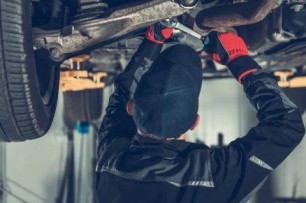
Best tips to check and maintain your car's suspension
The comfort and the ease of driving your new car are something that you always remember. However, with time, you start noticing small changes and don't feel the same comfort anymore. There could be many reasons for that. Wear and tear in the car seats, engine load, worn-out tyres, etc.
A car’s poor suspension could also be the reason for the growing discomfort. A fully functional suspension system ensures a smooth driving experience and keeps the vehicle under control. Over time the suspension system in the car experiences wear and tear and can take away from you a wholesome driving experience.
A suspension system comprises components such as wheels, tyres, springs, steering, etc. Different driving conditions govern these parts' longevity and wear off over time. To ensure that your car is working in proper condition, it is crucial to recognise any faults in the system and address them immediately to ensure safety while driving.
In this article, we discuss a few ways to check and maintain your car’s suspension.
1. Check air pressure:
Properly inflated tyres ensure that the chassis is protected from any damage. If they are not fully inflated, they can affect the vehicle's handling and performance. This can also be extremely dangerous when driving. To ensure that your tyre pressure is optimum, check it after driving every two thousand kilometres.
2. Wheel alignment:
Wheel alignment is another vital activity that ensures proper and risk-free driving conditions. The more challenging roads you take, the more likely your tyres are misaligned. Wheel alignment should be checked every two years or less, depending upon the kind of tracks you drive on. If you face difficulty while handling the steering or manoeuvring your vehicle, this indicates misaligned wheels.
3. Check power steering fluid:
If you enjoy the comfort of power steering or the hydraulic steering system, then maintaining and changing the fluids is part of your car’s regular maintenance. Check the level at least once a couple of months and replace it every three years. It is best to talk to a mechanic or refer to an owner’s guide to understand your car’s needs better.
4. Inspect shock absorbers:
If your car shudders or bounces abnormally when you drive, then these are indications of flawed shock absorbers. Make a visit to your nearest service centre to have the inspection of the shock absorbers. Ensure to get the shock absorbers checked after the first ten thousand kilometres and then annually. More challenging tracks and changing climates can cause wear and tear faster in the shock absorbers and might need to be changed sooner than mentioned above.
5. Accidents:
Slight irregularities can also affect the working of the chassis. If you have met an accident, hit a huge bump, or ran across a pothole, the chances are that some nuts and bolts could have disoriented from their original position. An inspection by a mechanic will help you rest assured and will not give you any trouble in the middle of the highway.
These are some ways to ensure that your car’s suspension works correctly. To avoid extra expenses or a complete breakdown, it is best to undergo regular servicing and check-ups for your vehicle. These services are a way of ensuring that every part of your vehicle is functioning effortlessly and efficiently.
Ignoring problems can lead to several damaged parts, which can be extremely dangerous when driving. Buy private car insurance India to ensure maximum safety and an amazing driving experience for your car. The right insurance boosts the longevity of your vehicle and undertakes expenses that might cost you a huge amount.
Click HERE to know more about private car insurance India.
Disclaimer: The information provided above is for illustrative purposes only. To get more details, please refer to policy wordings and prospectus before purchasing a policy.
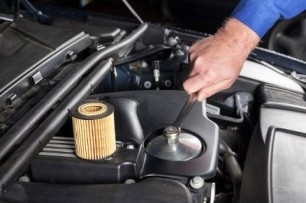
Complete guide on when to change car filters
The most commonly overlooked part of car servicing is changing the filters regularly. This task is a big mystery for many as to when is the right time to change a car filter and how to do it.
Timely change and maintenance of your car filters help optimise the motor parts' functionality and allow them to function efficiently. However, you need not be a mechanical whiz to notice the signs of when to change your car filters. This blog aims to help you understand the signs or hints your car gives indicating an immediate filter change.
1. Cabin filter:
A cabin filter is used to clean the inside of your car. This is done using air conditioning or heating vents. Clean air inside the vehicle is imperative for personal health and for preventing allergies and other respiratory problems. Unclean or damaged filters can block the airflow and cause visibility issues when defogging the windows.
Cabin filters must be changed every fifty thousand kilometres. Still, it is best to talk to an expert mechanic or consult the manual for recommended vehicle maintenance. If the air from the vents blows with less force or contains an unpleasant odour, your filters likely need to be changed.
2. Fuel filter:
The fuel filter helps keep dust, rust, and other impurities at bay. By removing the contaminants, this filter ensures the efficiency and performance of the engine. A clogged fuel filter can experience difficulty in the free flow of fuel, so the engine pumps harder than it needs to. It can lead to poor acceleration or a troubled start every time.
It is suggested that the fuel filters must be changed after fifty thousand kilometres. But these criteria often keep changing according to your vehicle's build and brand. If you start noticing decreased power, stalling, difficulty accelerating while going uphill, shuddering movements, and difficulty starting the engine, these are signs of a clogged fuel filter.
3. Air filter:
An air filter in the car is used to prevent insects, sand, debris, and other minute particles from entering the engine. Air filters ensure a good mixture of air and fuel to enhance the engine's performance. The cleaner the air in the engine, the more power the engine has. Good air filters also ensure better combustion, thus reducing fuel consumption. A clogged air filter leads to incomplete combustion and releases impure black smoke from the exhaust.
Air filters can be changed every twenty thousand kilometres. The interval can vary depending on the tracks you choose daily. You should reduce this interval if you drive on dirty or dusty tracks. Decreased mileage, strange noises, less power, black smoke, or strong fuel smell are symptoms of clogged air filters. You should rectify these issues immediately upon notice.
4. Oil filter:
The oil filter ensures continuous oil flow and removes dirt, impure oils, and metal particles in motor oil without hindering lubrication. All moving parts, such as the rods, shaft, etc., are protected from damage if the oil filter functions well. Change the oil filters between ten thousand kilometres to fifteen thousand kilometres.
Poor performance, metallic noises, and low oil pressure are some signs indicating a damaged oil filter.
We have discussed everything you need to know about the various car filters and their purpose. Proper maintenance and servicing are essential to keep your car in good condition. To ensure the financial coverage for your vehicle's care, always look for insurance options provided by the best car insurance company in India.
Click HERE to know more about the best car insurance company in India.
Disclaimer: The information provided above is for illustrative purposes only. To get more details, please refer to policy wordings and prospectus before purchasing a policy.