


General Insurance Blogs, Articles & Updates by - Magma Insurance
Have us call you
- RENEW YOUR POLICY
- BUY NEW POLICY

GENERAL INSURANCE BLOG
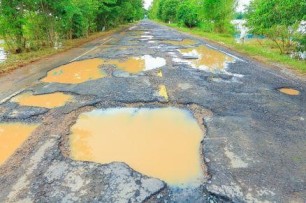
Here are a few potholes survival tips while riding a bike during monsoon
Due to heavy downpours every year, the Indian roads are severely hit and damaged. The potholes and cracks make the roads less motorable, and vehicles have to find their way safely by tackling them.
Potholes are dangerous for driving during the monsoon and rainy seasons, especially for bikers. Alongside this, the extra danger of your bike's wheels slipping on roads adds to the stress of accident possibilities.
Riders must exercise extra caution for a safe ride during the monsoon season. If you drive a two-wheeler in the rain, you should keep the following points in mind.
1. Do not disregard tyre health:
Before riding a bike or scooter in the rain, remember to check the tyres. Your bike might easily skid on the road if the traction in its tyres is worn down. Therefore, change the tyre right away.
2. Attentiveness:
Riding safely in the weather largely depends on being aware of your surroundings. Keep an eye out for potholes and puddles since they can be deeper and bigger than you expected, or there might be an open manhole beneath the water. Stay away from slicks of oil on the road that can be very slippery.
3. Slow down:
Speeding your two-wheeler is strictly prohibited when it rains because it affects your ability to see through and impairs your vision. In addition to the poor vision caused by rain, driving slowly will also give you better control and allow you to brake effectively in an emergency. Your scooter or bike may skid if you apply the brakes suddenly. Potholes are frequently obscured by water and are difficult to see. Take complete judgement of the road and maintain a steady speed to get enough time to tackle the potholes without losing balance.
4. Keep a safe distance:
Keep a safe gap between your two-wheeler and other vehicles on the road, whether in front of you, behind you, or even on the sides. You run the risk of hitting other vehicles when your vision is poor.
5. Using brakes correctly:
When it's raining, it's usually preferable to use the back brake so that your bike stops gradually rather than abruptly. Avoid applying sudden brakes as it might make the vehicle behind ram into you.
6. Stay off flooded roads:
In addition to causing you to veer into potholes, water exposure can harm your scooter or bike's exhaust.
Riding gear –
Investing in good waterproof riding gear can keep you dry. Your riding gear will protect you in an accident. These gears are
● Waterproof riding jacket: Invest in a waterproof riding jacket. To ensure that other road users see you, ensure the jacket has adequate reflective stripes.
● Waterproof riding pants: Wear waterproof riding pants to protect your lower body from the water.
● Gloves: Waterproof riding gloves keep your hands safe and grip tight on the handlebar.
● Helmet: Purchase a full-face helmet with a transparent visor. Immediately replace the scratched visor. To increase visibility, apply reflective tape to the front and back of the helmet.
The water puddles well conceal potholes. The bike's rapid movement and imbalance from riding over these puddles could cause you to lose traction. No matter how skilled a rider you are, a lack of traction and visibility can significantly damage your bike and cause you injuries.
Another crucial safety measure is an insurance. It is preferred to have robust bike insurance to protect your asset from unfortunate damages and repair and maintenance costs. A bike insurance equips you to deal with any accident on the road.
Keep a safe distance from other vehicles when you are riding. Look out for potholes and avoid over speeding your bike. Always remember to accelerate gradually and brake gently to prevent any jerky movement, and never miss having bike insurance.
Click HERE to buy the best bike insurance policy.
Disclaimer: The information provided above is for illustrative purposes only. To get more details, please refer to policy wordings and prospectus before purchasing a policy.

Here are a few possible reasons for highway accidents in India that you should know
India is home to over 1.35 billion people, and most of them commute daily through highways and city streets. But we have been ignorant for a long time now regarding the condition of the roads, especially during bad weather conditions. It's time for a change! And before you ask why we'll take you through some stats that will make you think twice.
There is a saying, "A single death is a tragedy; a million deaths is a statistic." On average, over four hundred thousand road accidents occur annually in India, which means that every two minutes, a road accident occurs in our country.
It is imperative to have good knowledge of motor insurance to ensure your car's safety. In case of accidents, motor insurance acts like a financial cushion. The policy significantly reduces policyholders' losses and saves the party from legal repercussions.
For a safe drive, one should be aware of the risks associated with driving on highways and try to avoid them.
Buckle up your seat belts as we take you through a few possible reasons for highway accidents in India. The next time you hit the roads, we ensure that you know the potential risk factors and prioritise your safety.
1. Over speeding:
While you are young, it can be thrilling to over-speed when travelling on highways. But remember, no matter how empty the roads might be, overspeeding is always a killer. It can't be more true when elders say patience is a virtue. So, even though you have a boss breathing down your neck to be on time, it is also true that the need to be punctual should not put one's life in danger. Desperate to be on time, people tend to break speed limits. So don't be one amongst them to make this mistake. These little mistakes cost your life. It's important to understand that highways are not race tracks!
2. Drunk drivers:
When you are drunk, it is inevitable to lose control of the vehicle. According to statistics, in 2019 alone, 12,256 accidents occurred due to drunken drivers. This is alarming! If you're planning to party, then it is advisable to take a cab back home. A danger never comes knocking on your doors. You might face the consequences due to drunk driving. So, keeping the best interest in mind, it is highly recommended to take motor insurance and get covered for third-party damage.
3. Unsafe roads:
With some hip-hop music blasting through the cars, road trips are hands down fun. In India, especially in metro cities, reaching the other place alone is an action-packed adventure. So, with dangerous roads comes the risk of accidents. While it is one hell of a ride, hold your horses and drive with utmost concentration. Keep your constant focus on the road, steering, and the car's mirrors.
4. Bad weather conditions:
It is a thumb rule to keep your car's fog headlamps on while steering through the bad weather and periodically honk while turning to alert the traffic coming from the opposite direction. This way, you can avoid severe accidents and reach your destination safely.
5. Traffic rule violations:
Drivers fail to realise how big the risk of highway accidents becomes when one breaks the traffic rules. This is why countless highway accidents happen daily in India, which would have easily been avoided if drivers respected the traffic rules. Never jump a red signal and strictly say 'NO' to highway lane cutting.
One takeaway from this blog is that these risks can be mitigated with proper road etiquette. Our advice would always be to drive safely while keeping an eye on the road traffic. And be sure to invest in a trusted motor insurance scheme for your vehicle. Always remember that safety comes first. Motivate yourself to drive with discipline and responsibility.
Click HERE to buy the best motor insurance to keep your vehicle safe from potential dangers.
Disclaimer: The information provided above is for illustrative purposes only. To get more details, please refer to policy wordings and prospectus before purchasing a policy.
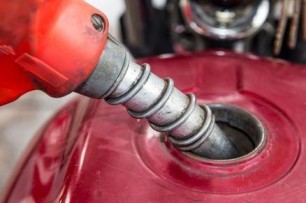
Following are the ways you can prevent your bike's gas tank from rusting
Taking care of your motorcycle requires a lot of personal time and attention. Along with checking the tyres, and engine, cleaning out the air filters, checking the suspension and transmission system, and cleaning the exterior regularly, you might also have to pay additional expenses to ensure your battery and brakes are adequately maintained. The general inclination might be to skip most of these jobs for months or even years till they get damaged and then complain about the money spent repairing them.
*Pro-tip
You can invest in 2 wheeler insurance to safeguard your finances against expenses involved in the repair and maintenance of your bike in the account of unfortunate events like accidents.
One of the most neglected maintenance issues continues to be that of the bike's gas rusting. Generally, people don't follow any preventative measures and are only compelled to replace the fuel tank if it gets rusted. However, this is very strenuous as replacing the fuel tank is extremely expensive. This blog aims to give tips and tricks to prevent your bike's gas tank from rusting.
Favour high octane gas over low octane:
Rust on the fuel tank's surface is mainly a result of the condensation oxidising the inner surface, corroding it beyond repair. You can prevent this by filling the gas tank to the brim with fuel having high octane.
Low octane gases contain higher levels of alcohol which encourage rust by attracting water to the surface. High octane gases ensure more fuel efficiency and smoother engine performance.
Consider the use of a fuel-stabiliser:
If you're planning to keep your vehicle defunct for a while, it is advisable to add a fuel
stabilizer to the fuel tank. This will prevent the gas from breaking down during long periods and the condensation from building up.
Clean the air filter properly:
One of the main things you can do for your fuel tank is to clean the air filter regularly. By doing this, you are increasing the ventilation in your vehicle and helping it maintain the least condensation in the tank. However, simply cleaning the air filter is not enough. Clean it inside out with a compressed air gun to obtain maximum results.
Let out all the air bubbles:
Be sure to tilt the fuel tank and get all the air bubbles out of the tank to reduce the chances of corrosion.
Remove the fuel tank altogether if you want to hibernate your vehicle:
Although your bike is made to withstand all weather conditions be it rain, snow, or heat, some people prefer to let their bike rest for certain parts of the year. In this case of hibernation, it is advised by experts to remove the fuel tank altogether. To do this, drain the fuel completely and allow the tank to be in the sun to get absolutely dry. Further, put silica packets or other moisture-absorbing materials in it to capture any stray moisture and then seal it shut.
Disposing of fuel is hazardous and should be done with caution. If you have any use for it in your other vehicles, that is a great way to use them. If that is not the case, you may give it to someone who does. If neither works, contact a local hazardous waste collector.
Maintenance and care of bikes are tiring but crucial to ensure the longevity of your precious assets. It is often daunting to constantly take care of every part of your bike. Sometimes, negligence results in expenses you might not be ready to bear. That is why it is advisable to research good 2 wheeler insurance from various sources and find one that gives you the coverage you are looking for. A reliable 2 wheeler insurance can be your bike’s ultimate protection to serve you to the best.
Click HERE to know more about two wheeler insurance
Disclaimer: The information provided above is for illustrative purposes only. To get more details, please refer to policy wordings and prospectus before purchasing a policy.

Follow these tips to prepare your car for the much-awaited beach trip with your family
Since the onset of the pandemic, there's nothing that we've been waiting for like a vacation. A quick getaway to relieve the stress induced by hectic schedules and some time to enjoy being outdoors with family is all that people have been looking forward to. Now that the mandates are relaxed, it is the perfect time to take your family on a beach trip!
There's no better way to take a beach trip than going by car. Long drives, beautiful sceneries accompanied by great music, and memorable conversations are the ideal start for a perfect beach trip. However, there are several factors that you need to ensure before taking out your car on a beach trip. Maintenance and servicing of the car are crucial to prepare it for such long-distance trips.
You must also ensure that you have a car insurance policy. Now, why is that important? It is essential for safeguarding your vehicle from uninvited events and putting less pressure on your pockets on account of repair and maintenance. The best way to buy car insurance is by purchasing online. You can find the best car insurance price in India and compare policies to find the best-suited policy for your car.
Once your car is insured, you can follow the tips stated below to ensure your vehicle is ready for the beach trip.
1. Sun protection:
Humans are not the only ones that suffer under high heat. If you're planning to take a beach trip in your car, your car is bound to be outdoors for long hours. In such cases, it is likely to heat up and be suffocating for the passengers. Use sun shields and UV protective window tints on windows and cover seats and the steering wheel with thick clothes to keep them covered from the heat.
2. Pack efficiently:
Use duffel bags instead of suitcases. This helps in making efficient use of storage space in the trunk. Do not overpack and bring extra bags that may be required to be kept in the passengers' seats. When stacked too high on each other, they may obstruct the driver's vision of the rear traffic.
3. Beach-proof your car:
While you cannot minimise or eliminate the heat or sand at the beach, you can take preventive measures to deal effectively with them. Waxing the car body is a way to keep it cool and prevent it from overheating. It also prevents any flying sand from sticking to the car. You can also gloss your tyres to protect them from the heat.
4. Be prepared for emergencies:
Travelling while the temperature is high usually puts your car at risk of punctures or problems related to overheating. In such cases, you need the right equipment to take care of the damage until you can find help. Ensure you have your tool kit, including necessary equipment like a jack, wedge, lug wrench, etc.
5. Protect your floor:
The most irritating part of going to beaches is dealing with the sand that comes home with you. You can find plastic mats or lay large beach towels on the seats, under the seats, and on the floor to prevent the sand from getting everywhere in your car. While you will need a thorough inside cleaning, it will reduce the effort required to deal with the problem.
6. Car maintenance:
While car maintenance is imperative on all occasions, it is particularly needed before taking the car on long drives. Check the essential fluids- brake, engine oil, and coolant levels. Also, check the tyre pressures, brakes, lights, fuel, and air conditioning.
At the same time, ensure that you have all the required documents in the car. This includes the PUC, insurance papers, driver's licence, and registration certificate. Ensure that you compare the car insurance price in India offered by different companies and choose a comprehensive cover. If you're planning a trip after a long time, plan it with all safety so that you are enjoying and not worrying. Stay hydrated and take care of kids while playing on the beach. Most importantly, cherish peaceful family time together and capture beautiful memories that keep you musing always!
Click HERE to know more about the car insurance price in India.
Disclaimer: The information provided above is for illustrative purposes only. To get more details, please refer to policy wordings and prospectus before purchasing a policy.