


General Insurance Blogs, Articles & Updates by - Magma Insurance
Have us call you
- RENEW YOUR POLICY
- BUY NEW POLICY

GENERAL INSURANCE BLOG

How to prepare yourself before heading for an off-road bike trip
An off-road bike trip is a common wish on the bucket list of most adventure enthusiasts. The thrill of taking challenging terrains while watching picturesque scenery go by is unparalleled. Especially in a country like India, with rugged roads that aren't accessible by car, two-wheelers are the best option to explore the extreme interiors. However, planning for an off-roading trip is not to be taken lightly. It involves strategic decision-making regarding routes, your health, and safety.
While there are plenty of decisions to make while planning an off-road bike trip, the first should always be your and your bike's safety, and the best way to do so is by purchasing two wheeler insurance India.
Here are six tips to prepare yourself for your upcoming off-roading adventure!
1. Find the right bike for the trip:
To take on an adventure like off-roading, finding a bike that is the perfect fit for you is essential. While comfort is necessary, also look for a safe bike that is well-maintained to ensure it does not break down on the road. Check if any repairs or maintenance need to be done on components like the handlebar, seat, headlights, etc.
2. Get appropriate safety gear:
When we think of off-roading, we do not picture people wearing safety equipment. However, it is a rookie mistake not to go well-prepared. Safety is of utmost importance, not style. Get yourself a full-face helmet and knee and elbow guards. Also, try to keep your clothes form-fitting to minimise disturbance and discomfort. Ideally, look for riding pants, ankle boots, and a riding jacket, which are made for long rides. Always invest in your safety, and you'll surely get amazing results.
3. Insure your bike:
While the above-stated safety gear can protect you from injuries, two wheeler insurance is necessary for long-riding trips. It covers any possible financial losses due to accidents, thefts, or third-party damage. Two wheeler insurance India is mandatory even on regular roads. Still, it becomes essential for undertaking off-roading trips and provides a blanket of safety to cover your expenses in case of damage to your bike during the trip.
4. Pack appropriately:
What you pack depends highly on your destination, but wherever you may be headed, pack light. Do not try to pack everything you may need during the trip, as it's bound to weigh you down.
Keep it simple and carry disposables to throw away once you're done using them. For essentials like must-carry electronics, take the simplest versions, a few clothes, and crucial medicines. Prioritising items is necessary when packing for a road trip on your bike.
5. Make arrangements for self-sufficiency:
When planning for a road trip, you must be aware of the troubles you may encounter. You may face problems like not having access to food, water, or electricity. Be prepared with supplies or arrangements in such situations. Pack extra food and water as they are higher-priority items than a spare change of clothes.
With constant technological advancements, you can also find ways to use your bike's battery as an electricity source for your gadgets in worst-case scenarios. Do not rely on technology only- have a basic understanding of the route and destination and keep a physical map handy.
6. Get the essential tools:
As an experienced motorist, you may have a toolkit already. Still, if you're a newbie to motorcycles, it is essential to have a well-maintained tool kit with the basic equipment and a general idea of how to resolve minor issues. Always ensure that the kit is equipped with fully functional tools.
While spontaneous plans are exciting, taking an unplanned off-road bike trip may not be a good idea. With meticulous planning, comprehensive personal insurance, and two wheeler insurance India, your upcoming off-roading trip can be safe and enjoyable simultaneously! The last but most important thing you need to carry is loads of positivity, energy, and enthusiasm. The twists and turns are waiting for you to conquer them with pride.
Click HERE to buy the best two wheeler insurance India.
Disclaimer: The information provided above is for illustrative purposes only. To get more details, please refer to policy wordings and prospectus before purchasing a policy.

Importance of personal and workplace hygiene for a pleasant and safe working environment
Hygiene is a factor that requires attention at all points of time in one's life. The significance of maintaining hygiene only grows with age as responsibilities pile up. While teachers and parents continue to preach about the importance of hygiene throughout childhood, it is only in adulthood that individuals realise its need. Post covid, the importance of cleanliness and personal hygiene has been seriously undertaken to tackle the adversities of health conditions.
Good hygiene helps project a well-maintained image of yourself to your employer. While hygiene habits can prevent diseases, it does not replace the need for purchasing the best health insurance in India that provides a monetary cover to compensate for hospitalisation and allied expenses.
This article covers the benefits of maintaining personal and workplace hygiene and some easy tips that can be followed to ensure the same.
1. Employee-employer satisfaction:
As an employer, you may think that only compensation contributes to employee satisfaction. However, multiple factors affect an employee's perspective towards the organisation. While salary and non-monetary benefits play an essential role, so does the environment- including communication and working conditions. An employee made to work in a confined space with minimal to no care for workplace hygiene is likely to develop a negative image of the organisation and may not create a sense of organisational loyalty, resulting in high attrition rates.
Similarly, an employee that appears not to pay attention to their hygiene is seen negatively as an unbothered, unorganised person in a formal work setting. This negatively affects the employee's performance, and companies that emphasise cleanliness, organisation, and maintaining a high business environment may even lay off such a person.
2. Outsider image of the company:
While employee-employer relationships and satisfaction are vital for the organisation's functioning, more stakeholders play a significant role in the organisation's growth. Partners, suppliers, investors, and other professionals usually visit offices, and presenting an unhygienic office or employees with poor hygiene results in a negative image of the company in their minds.
Such negative word-of-mouth publicity may be detrimental to the company's growth, making it essential to maintain personal and workspace hygiene.
3. Reduced health concerns:
The effect of poor workplace or employee hygiene directly impacts the health of employees. Since employees are human capital for any organisation, employees frequently falling sick due to improper hygiene is bound to affect the functioning and profitability of the organisation.
Therefore, employees and employers must always maintain their and the office's hygiene. While good hygiene can prevent diseases, employers should invest in their employees' well-being by providing them with the best health insurance in India and reducing the burden of massive medical bills
How can employers maintain workplace hygiene?
The employer is responsible for providing a clean and well-maintained environment that allows employees to collaborate and make the most of their capabilities using the resources provided to them to work towards the organisation's goals. Some simple ways to ensure that the workspace is clean are:
● Clean and sanitised restrooms
● Cleaned windows to allow ventilation or functional air conditioners
● Installation of air filters in polluted cities
● Regular HVAC duct cleaning
How can employees maintain personal hygiene?
Personal hygiene is not a new concept. It is only the implementation that may seem difficult to some. Following these simple tips will ensure that employees can present themselves in the best manner:
● Following the official dress code
● Ensuring proper grooming before coming to the office
● Use of self-hygiene products like deodorants, trimmers, etc.
● Regular sanitisation of desks and periodic washing of hands with soap and water
Hygiene is a basic necessity in our lives, and workplace hygiene is no exception. Employers and employees can optimise the work environment to ensure enhanced productivity by making a conscious effort together. A healthy workspace blooms fresh ideas, and these ideas drive the success of the organisation and its individuals. Good health results from practising healthy habits, and when we talk about maintaining good health, insurance plays a vital role too. Employers must buy the best health insurance in India for their employees as a responsibility to ensure their well-being and value their commitment.
Click HERE to buy the best health insurance in India.
Disclaimer: The information provided above is for illustrative purposes only. To get more details, please refer to policy wordings and prospectus before purchasing a policy.
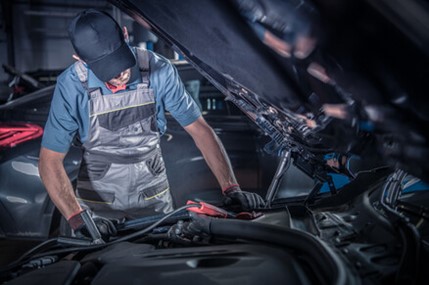
Five best tips to deal with auto mechanics
Buying a vehicle is a significant milestone in the lives of most people. However, it is a depreciating asset that requires much care to maintain. Irrespective of how well you drive, your car is bound to need some repair and maintenance at regular intervals by an expert and professional auto mechanic.
Most people get intimidated by a trip to the auto mechanic from the fear of the high prices and a lack of general understanding of the auto mechanics. Purchasing car insurance India is the first step to ensuring your vehicle is always protected.
When it comes to dealing with auto mechanics, following these five simple tips will ensure that you have a stress-free visit where you understand the costs and advice of the professionals.
1. Be prepared to communicate:
Communication is the most crucial aspect of any problem-resolution situation. You must be aware of any problems you wish to get checked. You don't need fancy jargon to explain the issue; as experts, a general idea is enough to give them an understanding of the underlying issue. You must be prepared to express what you expect- a regular maintenance check or component-specific troubleshooting.
2. Ask relevant questions:
Another major mistake is not asking questions. They may use jargon and quote estimates that you may not understand. Do not shy away from asking for clarifications. We do not recommend hovering around the mechanics. Still, it is justifiable to ask for estimates relating to costs, tips to prevent the problem from recurring, and help for other allied issues.
3. Read up on your car:
Knowing your car's make, features, and performing abilities allow you to understand the standard performance of the vehicle. Only then can you identify any variance that may require the inspection of a professional mechanic.
We recommend reading the car manual thoroughly and keeping information related to its identification number and component-related specifications handy in case it is required when scheduling a servicing appointment.
4. Request for original components from the manufacturers:
Buying a car is expensive, and any allied costs are just as expensive. Repairs and replacements can be pocket draining and are periodically required to keep your vehicle in its best shape. However, don't settle for replacing original components with copies made of inferior quality materials to minimise the bill.
Since regular repair costs are not included in car insurance India, the price of original components will inevitably have to be paid from your pocket.
However, using inferior substitutes will adversely impact your vehicle's performance and safety, putting your life at risk. Therefore, it is essential to request the mechanic to use original components to maintain the safety of your car.
5. Be available to approve further repairs:
In most cases, as mechanics work on the vehicle, they find other issues relatively more minor than the issue they are resolving presently. In such situations, they contact the owner to inform and ask for approval of comprehensive repairs. If you are unavailable at such times, the issue will magnify and cause concern.
If your car is at the garage and you get a call from the mechanic, it is suggested to respond at the earliest to get further updates that can improve the functioning of your vehicle.
Interacting with auto mechanics can be challenging, but it is a routine check you cannot skip, which is as crucial as purchasing car insurance India. However, dealing with auto mechanics can be simplified using our easy steps to get insight and the most value for your money.
Click HERE to buy car insurance India.
Disclaimer: The information provided above is for illustrative purposes only. To get more details, please refer to policy wordings and prospectus before purchasing a policy.
Factors that you must consider to add more value to your motor insurance policy
A motor insurance policy is a must as it provides you with a safety net in case your vehicle meets with an accident, gets damaged by unforeseen events such as floods and earthquakes, or is stolen. It's a way of showering your concern for your valuable asset and investing in its longevity.
Also, it is mandatorily required by the law to have all the essential documents such as a valid Driving License, Car Insurance Certificate, Registration Certificate, and Pollution Under Control Certificate before you drive your vehicle on Indian roads. So, now that we understand the importance of motor insurance India, how can we add more value to it? Let us have a look at some of the factors that can help us do the same.
1. Insured Declared Value (IDV):
Most of us get lured by the policy with the lowest premium amount and opt for it blindly. We usually fail to check our policy's Insured Declared Value (IDV). The IDV is the sum for which the insurance company is insuring our vehicle, and it puts a cap on the insurance company's liability to reimburse us in case of total damage or theft. The lower the IDV used by the insurance company or the agent, the lower will be the premium amount.
Never go for a low IDV of your vehicle just to pay a lesser premium amount. Always ensure that the IDV in the policy reflects the fair value of your vehicle. This will ensure you get an appropriate reimbursement in the unfortunate incident of theft or complete damage to your vehicle.
2. Emergency Assistance Cover:
You can opt for this cover if you don't want to get stranded in case of a breakdown. Such cover will help you to get assistance such as refueling, towing, flat tyre change, or repair of any mechanical failure by the insurer in the city and even on highways within a specified time.
3. Engine Protection Cover:
This cover will add value to your motor insurance India policy in case you reside in areas that are prone to heavy waterlogging and flooding. It will cover damage or failure of your vehicle's engine due to water ingression or oil spill. However, insurance companies usually provide this cover only to vehicles not older than five years.
4. Zero Depreciation Cover:
This add-on cover is highly recommended for high-end vehicles or vehicles with expensive spares. It excludes the depreciation part from the coverage amount. Thus, you get full coverage and can claim the full cost of the vehicle parts that have been damaged in an accident. Without this cover, you will get reimbursed only for the depreciated value of your vehicle parts.
Your motor insurance premium will go up by 15%-20% with this cover. But it can help you save a lot of money if your vehicle meets an accident and gets damaged. Insurance companies usually provide this cover only up to the first five years of a vehicle, and only a few provide it after that in lieu of a higher premium.
5. No Claim Bonus (NCB):
Insurance companies provide a No-Claim Bonus or NCB for the year you do not make any claim on your motor insurance India policy. This is initially 20% in the first year and increases to 50% in the subsequent years if you do not make a claim.
You can also avail the benefit of NCB in your new policy if you have accumulated it in your previous motor insurance policy. This may happen if you sell your car or change your insurance service provider. Therefore, do not raise a claim with the insurance company if the damage is minimal or the repair amount is lesser than the NCB you will earn on your policy.
6. Personal Belonging Cover:
What will you do if your expensive gadgets, such as a laptop, smartphone, or tablet, get damaged when you meet with an accident in your vehicle? Go for a "Personal Belonging Cover," and you can get your personal belongings covered under your motor insurance policy.
Your motor insurance policy can give you standard protection against accidents, damages, or theft. However, if you are wise enough, go for add-ons in your policy like those mentioned above and enjoy complete protection from any damage that may arise in the future. Be secure, be wise, and choose the motor insurance India policy that provides you with the best overall package at the lowest premium amount.
Click HERE to buy a reliable motor insurance India policy to safeguard your vehicle.
Disclaimer: The information provided above is for illustrative purposes only. To get more details, please refer to policy wordings and prospectus before purchasing a policy.