


General Insurance Blogs, Articles & Updates by - Magma Insurance
Have us call you
- RENEW YOUR POLICY
- BUY NEW POLICY

GENERAL INSURANCE BLOG

The best first-aid tips to deal with kitchen accidents
No area in the house is immune to mishaps, and Kitchen accidents are undoubtedly the most common. There are several potential sources of injury in the kitchen, including sharp knives, hot appliances, and open flames. While it's impossible to eliminate risk, taking precautions can help mitigate it. Accidents can happen to anyone, whether they are awake or not.
When working in the kitchen, you need to be prepared for any emergency that may arise. If you plan beforehand for the worst, you can limit the damage. A personal accident insurance policy covers the costs if you get wounded in an accident and need medical care.
Moreover, you can avoid more serious injury by following these simple rules for kitchen safety and first aid.
First aid for knife cuts:
Accidents due to kitchen knives are common, but they require immediate first aid. If you cut or slice your finger, you should treat the wound using these tips:
● Clean the cut or slice area with soap and water. Apply pressure to it with a bandage or a clean cloth for a few minutes until the bleeding stops. If you bleed through the cloth, you can use another piece of cloth or use a cotton piece.
● Get the antibacterial ointment from your first aid kit and put it over the cut. Cover the wounded area with a gauze pad and adhesive tape.
● Get immediate medical help if the bleeding doesn't stop after a few minutes, the cut becomes inflamed or has jagged edges.
First aid for eye injuries:
Sometimes people accidentally shoot lemon juice or other substances straight into their eyes. If something gets in your eyes while cooking, you should follow these steps:
● Wash your eyes with lukewarm water for about 15 minutes. Protect your second eye by covering it.
● If you have a cut on your eye, don't apply pressure to it or wash it. Instead, call for medical help.
First aid for falls:
Water and oil can spill from the pot and make the floor slippery. Many people fall in the kitchen due to the slippery floor, so you should keep your kitchen floor clean and dry. However, if you still happen to fall in the kitchen, follow these tips:
● Try to get up in the right manner, or you could make your injury worse. Slowly rise to your hands and knees.
● Try to crawl to a nearby chair or preferably a wall and stand up.
● If you think you may have a broken bone or can't get up, don't move and call for help.
First aid for burns:
An accident due to boiling water or oil splashing while cooking is a severe accident. You should ensure that your children are away from the oven or stove when cooking. Turn the pot handles toward the back of the stove to prevent burns. However, if you have a burn, you must identify the type and follow the safety tips.
Different types of burns:
● First-degree burn:
If the top layer of your skin is injured, you can treat it by placing the burned area under cool, running water for five minutes.
● Second-degree burn:
If the deeper skin is injured, soak the injured area in cool water for 30 minutes and apply an antibiotic cream to it.
● Third-degree burn:
If all layers of skin are burned, apply a wet dressing and call for emergency medical help.
These first-aid tips will help you deal with kitchen accidents and prevent the condition from worsening. However, you should pay extra attention if you have children. Keep your children away from the oven, stove, microwave, knives, and anything that seems dangerous. Always wear an apron and gloves while handling sharp objects and hot utensils and working with boiling water or oil.
You can install smoke detectors in your kitchen to protect you from fire accidents. Also, purchase a personal accident insurance policy to recover from the major injuries faced in a kitchen accident to pay your medical expenses.
Click HERE to buy a personal accident insurance policy.
Disclaimer: The information provided above is for illustrative purposes only. To get more details, please refer to policy wordings and prospectus before purchasing a policy.
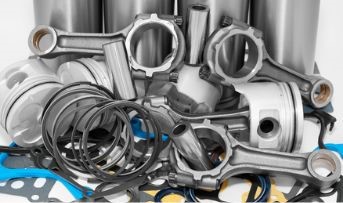
What characteristics or ways are helpful in spotting fake spare parts
Repair and service of your vehicle can be daunting and more challenging if the damage is so severe that some parts might need replacement. But, the introduction of fake spare parts for automobiles is posing a threat to the longevity of the vehicles and depreciating their value over time. Recognising a fake spare component is challenging because the phoney industry is evolving quickly.
Companies are striving to enact severe punishments against the manufacturers of these counterfeit parts. Still, there is a large part that you might encounter. How can you distinguish a fake from a real one? The characteristics listed in this article can help you identify genuine or bogus spare parts.
1. Check the serial number and hologram: A specific serial number is linked to all OEM/OES authentic auto spare parts. It will be helpful to trace a piece back to its source, allowing the part's authenticity to be confirmed. In India, you can also find a unique hologram of the company that makes the auto parts, which makes them impossible to replace.
2. QR code:
Most spare parts have a QR code that a smartphone may read to verify that the part is authentic. This unique QR code helps maintain product tracking and get all the required details about that part right from its manufacturer, the manufacturing date, model number, and more.
3. Check brake pads:
These are crucial components of a car's brake system. A false brake pad typically deteriorates quickly and unevenly. Also, fake brake pads can quickly fall apart because the materials used are of poor quality and have less resistance factor. These bogus brake pads wear out too soon, causing the brakes to fail.
4. Electricity risks:
Electrical component failure is a significant cause of car fires. And when they are examined, it is typically discovered that these automobiles have electrical parts that are phony or counterfeit. Such components may be dangerous since they may not comply with industry standards and might turn risky due to the chances of a blowout at any time.
5. Uncommon packaging:
It is important to understand the packaging of parts before purchasing them. Stay alert regarding the regular packaging of that part and the one you receive. Fake parts are delivered in unusual packaging and boxes. You must be able to differentiate between them and look out for company branding, the model number, and other essential information imprinted on the auto part. Call the dealer immediately if you feel something fishy.
6. Huge price differences:
Finding a deal is one thing, but if you notice parts being offered at an outrageous discount, like 90%, there is a very strong likelihood that they are fakes. Always do a price comparison, ensuring you get the original product.
7. Always visit an authentic and authorised centre:
It is advised to visit only the company-authorised centres to purchase genuine spare parts. These centres are approved by that particular vehicle brand and get an exclusive dealership to provide genuine products and the best customer service. Also, you can always connect to the centre if you face any problem with the part. Don't forget to get the bill and other important documents like the warranty card, user manual, and more.
You are responsible for informing the manufacturer once you discover that spare parts are fake. The body that considers these complaints will take appropriate action against the seller. They take the counterfeit parts and ensure they don't reappear on the market.
Additionally, ignore anyone trying to sell you fraudulent parts by claiming they are identical and will save you money. This little bit of money you might be able to save right now could lead to something dangerous. Good quality and original spare parts will help you increase the life of your vehicle. Take your car to regular servicing, do proper maintenance, and buy the best car insurance in India to keep it in the best shape.
Click HERE to buy the best car insurance in India.
Disclaimer: The information provided above is for illustrative purposes only. To get more details, please refer to policy wordings and prospectus before purchasing a policy.

The best ways to kill time at the airport
You have arrived at the airport and are excited about your holiday. But for some reason, your flight is delayed. Maddening! Right? You begin to feel irritated as all the thrill starts disappearing. You have no idea how to pass the time at the airport. Even the noise and chaos further grow your disappointment.
Fortunately, there are lots of activities you can do to occupy yourself while waiting for the airplane to take off. You will notice that an airport is a sizable facility with various entertainment options. Therefore, before you get to your destination, wait patiently, and tour the airport's many areas. Put yourself in "vacation mode" and leave the bustling world behind.
Here are a few things you can do in airports to pass the time as you wait for your flight.
1. Display your photography prowess:
If you enjoy taking pictures, the airport offers interesting opportunities to capture props, aircraft, artwork, and architectural structures. You can even take candid pictures and make portraits of the individuals nearby. Start by putting your hesitation aside and enjoy yourself as you take amazing images and start making beautiful memories right from the start of your trip. However, be cautious, as photography is prohibited at some locations at the airport.
2. Browse the kiosks or shop at duty-free:
The duty-free shops at the airport have some incredibly affordable offers. You name it: clothing, alcohol, and chocolates! Even though some stores are pricey, you may pass the time by browsing various goods if you have no other choice. It's an excellent strategy to stay active and finish any unfinished tasks.
3. Use the free Wi-Fi:
Suppose you are not interested in moving around. Still, we have a fix for you! Worldwide, free Wi-Fi is available in most airports. Your favourite web series is available for viewing after turning on your Wi-Fi. There are free things in life sometimes! But don't use a public Wi-Fi network to access your bank accounts or anything private.
4. Talk to others:
People from many places are seated together in an airport like a miniature world. Additionally, it's a great place to meet new people and mingle. Avoid just bursting into people. Talk to them and find out about their country and neighbourhood. You must always be open to making new friends on the go!
5. Observe:
Suppose you don't like engaging with others. You can just watch them; there won't be any interaction or information. The airport is the perfect place full of travellers from all parts of the world. If you are an artist, noticing things can help you write or copy articles.
6. Read a book:
The best way to enjoy your company and kill time at the airport is to pick your favourite book and engross yourself in reading. There can't be any better experience than involving a substance that entices and refreshes you by just turning pages.
7. Sleep off:
If none of the choices appeals, you may take a nap and rest for a while. Pick a seat in a corner or access the lounge if you can, turn on your favourite music, and set the alarm for a quick nap.
If you're stuck in an airport, we hope these solutions will be helpful. But be aware of the updated details of your flight and stay alert on the announcements. Also, check your luggage in case you are waiting for a long time. It is advised that you purchase travel insurance to protect your trip. The travel protection under the general insurance India policy covers unexpected events like a delayed flight, missing checked baggage, and more.
Suppose your general insurance India plan includes luggage insurance. In that case, your insurer may be able to reimburse you, up to the limit specified on the confirmation of coverage, for covered loss, theft, or damage to your baggage and personal belongings.
Click HERE to buy the best general insurance India plan to make your travel hassle-free.
Disclaimer: The information provided above is for illustrative purposes only. To get more details, please refer to policy wordings and prospectus before purchasing a policy.

Ways to choose the best home security system to protect it from potential threats
Buying a house is a significant milestone in most people’s lives. It is not just an investment but also a status symbol that displays your wealth. In India, purchasing a home is seen as an achievement that most young adults wish to fulfil to get stable in their lives. However, there are several risks to consider before making this purchase. Since it is a high-value investment, you must be prepared to protect it against mishaps. There is a constant threat to your home due to natural calamities, break-ins, or third-party damages, to name a few.
A home security system installation not only secures your home from multiple threats, it also gives those with a pre-installed security system an advantage. Since the chances of damage are relatively lower for secure homes, your home insurance claims are proportionately lower. Therefore, you must consider purchasing a well-suited home security system irrespective of the cost.
This blog discusses some factors to consider the best home security system to protect it from potential threats.
1. Assess entry and exit points:
While you cannot prevent uncontrollable events like natural disasters, it is possible to monitor your home for suspicious activities around your home. Thoroughly assess the layout of your house and identify entry points. Ensure that a sensor is attached to every door or window, or install cameras nearby that can capture the entire view.
2. Technologically integrated devices:
Once you secure your entry locations, all that is left is to secure the inside of the house. Several single-purpose tools like smoke and carbon monoxide detectors, fuel gas sensors, and accessories like remote monitors and controllers allow you to control your home remotely. Through these, you can detect issues at the earliest and handle the situation before it gets out of hand and call the required authorities if needed.
3. External monitoring devices:
Keeping a monitoring device like a camera facing outside with a live feed is a method to keep intruders away. While this may be expensive, it guarantees that everything is safe at your home. The same can be applied to cameras inside the house, but since it can violate your privacy, we recommend limiting it to personal supervision. Ensure that your cameras are placed at a well-lit location and cover all entry points and any external attached area like garden space or shared spaces with neighbours.
4. Emergency buttons:
You need a handy emergency or panic button in case there is an escalation that requires the intervention of emergency services. These devices are designed to immediately call for emergency service providers by clicking the button. Ensure that they are placed at a height that kids cannot reach but are accessible easily in an emergency.
Home security systems are crucial features in keeping your home safe. With the increasing risk and crime rates, its requirement is only increasing. While it is an excellent addition, it should be coupled with a comprehensive home insurance policy to keep your home safe and cover any incidental costs incurred. If you wish to buy home insurance online India, the process is simplified to take minimal time and maximum benefit.
Click HERE to buy home insurance online India.
Disclaimer: The information provided above is for illustrative purposes only. To get more details, please refer to policy wordings and prospectus before purchasing a policy.