


General Insurance Blogs, Articles & Updates by - Magma Insurance
Have us call you
- RENEW YOUR POLICY
- BUY NEW POLICY

GENERAL INSURANCE BLOG

Entrepreneur's guide to best self-care and healthy living
The startup culture has expanded its roots across the world. Today, entrepreneurship is a position every career-driven, and ambitious individual aspires to achieve at some stage. People have been more creative and technologically inclined to create new products and services which cater to the public's demands while trying to forge their name through the sands of time. But an entrepreneur's life is not all glitter.
It isn't easy to be an entrepreneur. Dealing with different moods, mindsets, and health issues, including physical and mental health, apart from the usual stresses and challenges of the startup journey, takes a considerable toll. We advise all talented minds to buy health insurance online to safeguard their health.
It is highly excruciating to keep walking the same beat and set a precedent for others to stay motivated, despite one's personal, lesser-known challenges. As a new founder, you have to battle wars on several fronts, and most of the time, you need a win to keep your and employees' morale high. But how does one take care of themselves in this arduous journey?
This blog will discuss what an entrepreneur's guide to best self-care and healthy living should be like. Let's get started.
1. Healthy eating, healthy living:
Healthy food gives your body the accessible space to digest and churns out the nutrients that would help you boost your happy hormones, keep you light on your feet and provide your body with all the nutrition.
And we all are aware of the famous saying, "a sound mind lives in a sound body." The healthier your body, the healthier your mind. And the healthier your mind functions, the more productive and focused you can be on your dreams and targets.
2. Drink that water:
Staying hydrated is one of the essential things you need to do to keep yourself on track during your entrepreneurial journey. Consuming the right amount of water at regular intervals throughout the day boosts the blood flow, keeps your skin and oral hygiene on point, benefits the movement of the joints and muscles, and regulates your kidney and bladder function. So, water is a liquid with numerous benefits. Set that water reminder, and get going!
3. The importance of mindfulness:
Being completely focused and present at the moment is not just an artsy quote. It is one of the most critical ways to sort out the chaos that is a regular part of your journey. Making mindfulness a crucial part of your life and self-reflecting can help you become more efficient and productive.
It will also aid you in freeing up space since you will be more effectively focused during your tasks and eventually have time to take care of yourself and enjoy life as it comes. Activities like meditation and deep breathing help reduce stress, inducing calmer vibes and the atmosphere within and around you.
4. Make a to-do list:
As someone setting up a business, you will not have the liberty to take frequent vacations and days off. It would be best if you showed up every day to ensure that your colleagues and employees stay on track and can learn commitment and values of integrity and creativity from you. So, to stay at the top of your game, you need to make a to-do list and segregate your
tasks and estimated hours required to complete the work required. Doing this will give you clarity, and you can make some time which you can dedicate to yourself and practice activities of mindfulness or sports or anything which takes your stress off.
Inculcating these tips in your lifestyle and practicing them will help you approach your journey efficiently and healthily. With that being said, it is essential to discuss how health is an integral part of anyone's journey, and there can be unforeseeable circumstances due to which your health can take a hit. To deal with such situations, you must stay prepared.
You need to purchase the best health insurance that caters to your needs. And to suit your comfort, you can buy health insurance online these days. After all, entrepreneurs are the frontrunners of the economy!
Click HERE to know more about how you can buy health insurance online.
Disclaimer: The information provided above is for illustrative purposes only. To get more details, please refer to policy wordings and prospectus before purchasing a policy.

Understanding if motorcycle rides with your pet dog is a good idea
Are you a pet lover who wants to take your pet dog out for an adventure? With pets becoming closer to hearts than ever before, it's understandable to take your puppy with you for a motorcycle ride. This idea no doubt excites all dog lovers, but can this endeavour be a safe thing to do?
Let's understand why taking your tailed friend on a bike ride cannot be a good idea even though you might feel like trying it.
1. Determining the best way to take your pup on the motorcycle:
Motorcycles are risky machines if not driven with care. Even some human beings are skittish on them; similarly, only some dogs will be comfortable on a bike. After checking with your vet about any health conditions that might be aggravated by your pup being on a bike, use all resources to learn about whether your furry friend can be on a bike or not.
Consider the personality and temperament of your dog, as well as its age. If your dog is prone to startling you by jumping at the nearby cat it saw, it is probably not a good idea to take it out on a ride.
Also, bikes were never designed to fit the purpose of pet travel. Although, several bikers find locations on the bike that seems perfect for lodging their pet dog. Understand that fuel tanks or handlebars are not the places to make your dog sit and ride with you. You might also think of attaching a side carrier, but know that sidecars or carriers are open, and what if your dog tries to escape from it midway?
2. Training it to be comfortable around and on a bike:
Most dogs are nervous around loud noises. You must have observed how your dog hides under the bed in the event of firecrackers bursting or thundering. Most motorcycles also have a startling sound that might scare your dog. Although, you can fix this by making your dog accustomed to the sounds and vibrations the bike produces. Still, even a slight discomfort or frustration during the ride can make things challenging. Your dog can get panicked and angry. This can be daunting for you to handle your dog and avoid any chaos on the road or disturb others.
3. Overloading the bike:
Bike journeys are always an adrenaline booster and a good stressbuster and travelling with your pet might elevate this to the next level. But what might seem an exciting thought might turn into a disaster due to the unpredictability of your dog's nature and the lurking possibility of an unexpected incident.
Also, you will have to plan everything your dog might require for the ride, such as its bowl, food, a leash, treats to keep it satiated, and a warm blanket in winter. Knowing that your bike can withstand a limited load and burdening it with your and your dog's essentials will impact the performance of your bike throughout the trip.
It is crucial to understand and accept that bikes are not dog-friendly machines. Building a strong bond with your pet is a nice gesture but not this way! This act can put several lives in danger.
Planning a bike trip with your pet might take a lot of effort, but you can live your passion for bike riding by frequently setting out on bike tours, either alone or with your other biker friends. But ensure that you have the safety gear and essential documents handy before planning your trip. Check out for your 2 wheeler insurance renewal or buy a new 2 wheeler insurance online if you don't have one. Making the right purchase will handcraft you a safer and more immersive riding experience!
Click HERE to know more about 2 wheeler insurance online.
Disclaimer: The information provided above is for illustrative purposes only. To get more details, please refer to policy wordings and prospectus before purchasing a policy.

Avoid these body gestures that can leave a negative impression about you
Body gestures are a great way to communicate and express our feelings in addition to verbal communication. They are a great confidence booster and help us succeed in negotiations and win hearts.
However, not all body gestures leave a positive impact. Sometimes, unknowingly, we may adopt body gestures that may seem inappropriate to others. They may interpret a negative impression on the people around us and even make them uncomfortable and doubtful about us. As a result, we may lose out on negotiations and contracts due to such negative body gestures.
But, how can you differentiate between positive and negative gestures? Let us have a look at a few of such body gestures that may leave a negative impact.
1. Crossing arms across the chest or behind your back:
People tend to instantly notice crossed arms across your chest, whether you are standing or sitting. It gives an impression that you are annoyed, defensive, stubborn, and not open to communication. Crossing your arms behind your back means you want to cut the communication. Sometimes it also shows your lack of confidence, anger, or nervousness. Avoid these body gestures, especially if you are in the middle of an important negotiation or a meeting.
2. Slouched shoulders:
You should avoid slumping your shoulders or such posture in public. Poor posture conveys that you are irresponsible and lack confidence. People start doubting your ability to accomplish tasks. A straight posture can do wonders in public by giving a strong statement about your personality.
3. Avoidance of eye contact:
Eyes convey messages that even verbal communication cannot. Avoiding eye contact conveys that you are not interested in talking or do not want to associate positively with the person in front of you. It shows that you are not confident and maybe being dishonest.
Also, looking down or staring at your phone while talking to someone leaves a negative impression. It conveys that you are not attentive and don’t want to be a part of the conversation. Always maintain proper eye contact while talking to anyone. It helps to build a positive connection and keeps the person in front of you engaged in the conversation by acknowledging him with constant eye contact.
4. Improper use of objects:
People tend to hold an object in their hands while talking to someone. The constant clicking of a pen or fidgeting with some object in your hand during a conversation or a meeting can be distracting and annoying. Such gestures also show your lack of confidence, anxiety, and nervousness. The best action is to keep the object down or keep holding the pen without clicking it.
5. Proper spacing:
Getting too close to the person in front of you while talking is considered intimidating and disrespectful. It may result in the person in front of you backing off or ending the conversation midway. Always maintain an arm’s length distance with the person you’re talking to, especially if you are strangers or share a formal relationship.
6. Overuse of body gestures:
Overuse of anything is bad. Similarly, if we overuse our body gestures like, excessive use of hand movements can also leave a bad impression in the minds of people around us. It can make us look anxious and clueless. Always have proper control of your body gestures and do not overuse them.
The quicker you understand what gestures are the best for you, the better you will ace your personal and professional communications. Just like how positive body gestures can give you the confidence to tackle all situations, similarly maintaining good health can keep your body energetic at all times. Our well-being significantly impacts postures and gestures.
It becomes paramount for you to ensure that your health remains in the best shape, and the ways to achieve this are a good diet, proper sleep, regular exercise, and health insurance. Health insurance, how? Well, health insurance can protect you from the finances against uninvited adversities. Buy the best health insurance in India and make your life less stressful and more confident.
Click HERE to buy the best health insurance in India.
Disclaimer: The information provided above is for illustrative purposes only. To get more details, please refer to policy wordings and prospectus before purchasing a policy.
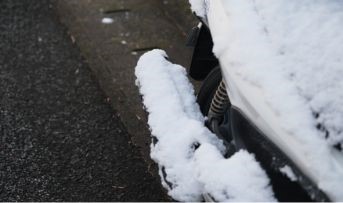
These steps can help you ride your motorcycle comfortably in the snow
The cold weather in the winter is a welcome change in most parts of the country that usually experience blazing heat. While Central and Southern India witness pleasant climates with a slight nip in the air, the upper Northern part experiences snowfall. However, getting safely on the roads in vehicles is challenging due to the intense fog and constant snowfall.
Many people avoid driving, especially motorcycles, in snowy terrains. However, it is possible to safely ride on snow with the proper gear, technique, and tips. While following these steps can better prepare you to handle the terrain and climate, taking precautionary methods is the first step you cannot skip at any cost.
Ensure that you have active bike insurance, or renew your bike insurance online to get the best quotes and compare policies from the comfort of your home. Now that we've set the base, here are some steps you must follow to guarantee a comfortable motorcycle ride in the snow.
1. Get your riding gear right:
Not having the essential requisites gear can invite discomfort and troubles for the rider. After taking the necessary steps to buy or renew your bike insurance online, check your riding equipment. While a helmet is all that is mandated in different climates, you need to be prepped for enduring the harsh cold.
Ensure that you wear adequate layers of well-fitted insulating barriers. The outermost layer should be water-resistant but breathable. Gloves and ridged boots are other necessities during the winter.
2. Prep your motorcycle:
A quick wipe-down may be sufficient in other conditions, but you need to snow-proof your vehicle. Switch to all-weather tyres to ensure better grip, and check your bike's mechanics before each ride. This will expose any issues beforehand and prevent accidents on slippery roads. Anti-fog visors are an example of winter-centric riding essentials that can help manoeuvre over the snow.
3. Stay seated at all times:
Bike stunts can be risky at all times, so it is best to avoid them in uncertain conditions like snow. Follow basic protocol and do not overload the bike to maintain proper balance, and be able to take charge of the situation if the motorcycle begins to slip and slide.
4. Focus on posture:
Relaxed posture is key to maintaining balance even in normal conditions, but even more in snow. Ensure that your shoulders are pushed back and loose while keeping your elbows steady instead of holding them at a 90-degree angle. This has a direct impact on the control over the bike.
5. Pay attention to the road ahead:
While this may seem obvious, it is challenging to take a call when all that's ahead of you is snow. If it is snow with evident traces of a road underneath, ride straight forward. The snow will compress underneath the tyre and fill the grooves.
If there are some tracks in the snow, it may be best to ride on the untrodden path instead of exploring new trails. If you encounter wide tyre tracks that have left the snow in a slush, riding on the slush may be your best bet, as your bike's tyres will touch the road, providing grip. However, if you see signs of ice underneath, steer clear.
While these tips can help you keep your bike upright in the snow and reduce the risk of accidents, it is best to seek shelter in case of heavy snowfall. Ensure that you drive slowly and make decisions ahead of time, as it takes longer to break in the snow. Don't forget to purchase or renew bike insurance online that covers any accidental damages to your bike due to the adverse impact of the snow.
Click HERE to invest in bike insurance online for your two wheeler.
Disclaimer: The information provided above is for illustrative purposes only. To get more details, please refer to policy wordings and prospectus before purchasing a policy.

Are you struggling with low stamina? Here is the list of best cardio exercises to bring back your energy
Ageing is an inevitable natural phenomenon. No matter how much you try, the effects of ageing are bound to catch up with you over time. A common symptom of ageing is loss of stamina. Tasks that used to be manageable begin to feel challenging. Although it is a regular sign of turning old, it is now being seen amongst youngsters as well. Despite the age gap, most people have low stamina levels and often get tired after doing relatively simple tasks.
In such situations, irrespective of your age, you must first buy a health insurance policy to cover any potential problems that might arise in the future. Nowadays, the process has become extremely simplified and can be done at home by running a quick search to buy health insurance online India.
Now that you have your health insurance covered, you can focus on taking preventive measures to stop your stamina from reducing further. The easiest way to do so is by following a regular exercise routine that focuses on cardio and eating a well-balanced diet. Here is a list of the best cardio exercises that can have your stamina up and leave you feeling energised when followed consistently.
1. Jump rope:
Also known as skipping rope, it is a quick exercise that doesn't need too much space or much equipment. To jump rope, all you need is a jump rope and some practice. We recommend wearing comfortable shoes while practising to prevent any injuries. The inexpensive cardio exercise is sure to get your heart rate up. You can also switch up things after a little bit of practice and go on to master double jumps, boxer jumps, and many more!
2. Brisk walk:
Surprised to see regular old walking on the list? Walking with more powerful strides than a stroll is known as brisk walking. It is easy to do and can be done at any time of the day and anywhere! Who says cardio has to be done on expensive equipment in fancy gyms?
3. Swimming:
Swimming is a form of low-impact cardio that is very enjoyable. You can take up the activity alone or with a group of friends to make it more fun. The variations in strokes allow you to stay engaged without repeatedly getting bored of the same thing.
4. Boxing:
If you enjoy more action-packed exercises involving competition, boxing may be the best fit. Studies show that boxing burns more calories than most cardio activities, making it a great addition to your day to increase your energy levels and stamina. Since it is a hands-on game that may result in injuries, you must be careful while practising it.
5. Cycling:
Since the Covid-19 pandemic, the sales of bicycles in India have grown multifold. Cycling is an excellent cardio exercise to go on a ride, and many cycling enthusiasts come together in groups and go cycling together to prevent any mishaps and support each other. If long-distance rides are not your thing, you can always stick to solo rides in nearby areas.
Why you must consider buying health insurance if you have low stamina?
Your lack of stamina may be due to poor diet, improper sleep, a hectic schedule, lifestyle choices, or an underlying medical condition. It is essential to buy health insurance online India for individuals of all ages. While you can take measures to build your stamina, a policy cover keeps you protected at all times, keeping you stress-free from any possible health accidents and associated bills.
Staying energetic every day requires discipline and sincere efforts. Our lifestyle has a major role in shaping the core of our body. Stamina is the fuel that we need to survive all the stress, and these simple and efficient cardio exercises are just what your body needs. If you can't change your lifestyle, then better change your mindset. Adapt to healthy practices and see the magic happen!
Click HERE to buy health insurance online India.
Disclaimer: The information provided above is for illustrative purposes only. To get more details, please refer to policy wordings and prospectus before purchasing a policy.

Tips to locate the best two wheeler dealer near you
Are you someone who is looking to buy a two wheeler soon? If yes, one of the important things you need to do is look for a trustworthy dealer. Purchasing a vehicle is always daunting as you have to pay close attention to the many aspects. A two wheeler is one of the best investments to make your life more comfortable and easier, and you must get the perfect deal from an auto dealer.
*Note
In addition to buying a two wheeler, it is also necessary to purchase two wheeler insurance. The best way to do this is to buy two wheeler insurance online and get exciting benefits that can protect your vehicle from all adversities.
So, as you have decided to purchase a new two wheeler, let's look at a few factors that can help you select the best auto dealer.
1. Type or category of the two wheeler:
While looking for a two wheeler dealer, you first need to focus on the type of vehicle. Since you can purchase either bikes or scooters nowadays, you should figure out whether the dealer sells those models of your choice. Scooters are more convenient to handle since they provide gearless riding experiences, automatic transmission, storage space benefits, etc.
Whereas bikes help you get better control, power, and handling. The bikes are more well-built for long and short distance rides, offering good fuel economy and a smooth riding experience. You should pay close attention to the dealer's collection, test-ride your favourite options, and then make a decision.
2. Budget:
The next important factor you must consider while selecting a two wheeler dealer is the budget. You should think beforehand about how much you are willing to spend on the vehicle. This aspect will also make it convenient for you to narrow down your options.
Two wheelers are available in different price ranges these days, and you should ensure the dealer has one that will fit your preferences. You should also consider your savings, tax costs, monthly expenses, etc., while buying a vehicle. In addition, you should have financial planning to buy two wheeler insurance online to help you in times of need.
3. New or Used:
The third important point you should pay close attention to while selecting a dealer is whether they keep new or used vehicles. If you are looking for a used bike, try your best to look for a dealer with an appropriate range of pre-owned vehicles and good ratings. Not just that, but you should also ensure the two wheelers they have are in good condition so that you may use them without any further hassle.
4. Look for customer reviews:
When looking for a two wheeler dealer, trust and customer service are paramount. You should always check the reviews and feedback of past customers before you make a decision.
Prepare a list of different dealers on the above parameters to make it convenient for you to figure out which one will best fit your requirements. It will also assist you in understanding who will be able to provide you with better facilities and options.
Although selecting one among various dealers may be challenging, you should do it thoroughly. Follow this checklist and look for a dealer that assures good after-sales service and reliable customer support. Do your research, compare different options, and then make a final decision. Don't rush into things, and most importantly, buy two wheeler insurance online to add a safety net to your newly bought vehicle.
Click HERE to buy two wheeler insurance online.
Disclaimer: The information provided above is for illustrative purposes only. To get more details, please refer to policy wordings and prospectus before purchasing a policy.
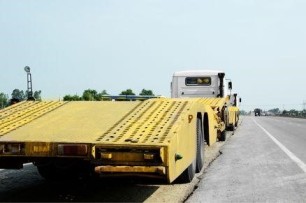
Complete guide on buying commercial vehicle insurance online for business owners
Commercial vehicles are used for transporting goods or carrying passengers, such as a truck or a bus. Their insurance policy is separate from the normal auto insurance policies we buy for private vehicles. Investing in commercial vehicle insurance is now hassle-free, with the exclusive option of buying online. This digital method of purchasing has brought a revolution for business owners to secure their commercial vehicles.
If you're a business owner unaware of the terms and conditions involved, here is a complete guide on buying commercial motor insurance online for business owners in India.
1. Convenient with many options:
An online commercial vehicle insurance policy is meant for business owners who are usually short on time. Buying commercial vehicle insurance online is very easy, offers many features, and will save a lot of your time. Unlike offline channels, buying such a policy online will help you check different companies' schemes. You can easily compare the terms and conditions, coverage provided, and premium amounts of different policies offered by various companies.
2. Cost-effective:
Online insurance channels are an open display of multiple commercial vehicle insurance schemes provided by several companies. Since there is complete transparency in what the policy offers along with the premium amount, the insurance companies quote their best rates to beat the competition. As a business owner, this will benefit you as you can buy the best policy at the most cost-effective rates.
3. Covers third-party damages:
A commercial vehicle such as a bus or a truck can cause serious damage to third parties if an accident occurs. The compensation amounts can be heavy, which can cause concern for any business owner. However, you need not be worried about the damage your commercial vehicle can cause to third parties when you are covered with a commercial motor insurance India plan. The insurance companies cover third-party damages caused by the commercial vehicle in case of a mishap.
4. Legal compliance:
Being a business owner, you will want to be 100% compliant with the applicable laws of the land to operate smoothly. Third-party commercial vehicle insurance is essential by law in India. Non-compliance will result in heavy fines. Existing customers can instantly renew their policies online without wasting time if the due date is approaching.
5. Financial assurance in case of an accident:
It is a rare possibility that you will yourself drive your commercial vehicle. Also, most business owners will have several such vehicles. They will be in the hands of paid drivers who handle your vehicle roughly and without proper care. This raises the chances of an accident immensely. Buying a good commercial motor insurance policy will ensure peace of your mind. In case any accident occurs, the insurance company will take care of the expenses. There will be no major financial burden on you.
6. Comprehensive commercial vehicle insurance coverage:
If you are looking for an insurance cover that will protect you against the majority of risks, go for a comprehensive commercial vehicle insurance coverage. Such online policies will protect you against damages caused to your vehicle by theft, riots, natural calamities such as floods and earthquakes, fire, terrorism, and the entire coverage that a third-party commercial vehicle insurance offer.
7. Exclusions in a commercial vehicle insurance policy:
As a business owner, you should know the damages your commercial vehicle insurance policy will not cover. Such policies exclude damages caused by electrical or mechanical breakdown, consequential losses, damages caused while driving under the influence of alcohol, driving without valid papers, damage while being involved in illegal activity, and intentional damages to the vehicle.
Commercial motor insurance India is extremely important because the owners rarely drive the vehicles themselves and depend upon drivers for their vehicles' safety and security. Also, the vehicles are heavy and big, making them more susceptible to accidents and damage. Business owners should do complete research about the available insurance options online first. They should then go for the best policy that provides complete coverage. This will give them peace of mind with no chances of incurring heavy monetary losses.
Click HERE to buy the best motor insurance India.
Disclaimer: The information provided above is for illustrative purposes only. To get more details, please refer to policy wordings and prospectus before purchasing a policy.

The surprising benefits of drinking papaya water early morning on an empty stomach
Even though we all know that eating fresh fruits is good for our health, are you aware of the magical benefits of drinking papaya water on an empty stomach in the morning? Papaya water has vitamins, helps digestion, eases menstrual pain, protects the kidneys, and reduces headaches and arthritis pain. It also helps fight cancer.
Regular consumption of papaya water can do wonders for your body. Let's understand the detailed benefits.
1. Positive effects of papaya water:
Now is the time to add papaya water to your daily diet to lose weight. The high fibre content facilitates smooth bowel movement, avoids constipation, and keeps you fuller for longer.
2. Immunity booster:
Boost your immunity with a glass of papaya water. It provides 200% of the recommended daily vitamin C intake, enhancing immunity and resistance to various infectious diseases. Develop a habit of drinking it every morning and give your body the day's immunity shot.
3. Eyesight improvement:
To get a clearer, brighter vision, eat papaya daily, whether raw or ripe. Papaya water is highly suggested for kids with eyesight problems because it is a powerhouse of vitamin A. Additionally, it prevents older persons' age-related macular degeneration from progressing as quickly.
4. Eases menstruation cramps:
Papaya is well-known for its characteristics in reducing menstrual pain. In addition to controlling menstrual flow, the fruit's papain enzyme instantly relieves discomfort for ladies with unbearable menstruation cramps.
5. Reduces stress:
According to studies, vitamin C deficiency significantly contributes to extreme stress and mood changes. Papaya water is a natural stress reliever that helps control mood swings and restore hormonal balance.
The antioxidants included in papaya water help fight free radical damage, a significant cause of cancer. Breast, colon, and prostate cancers can all be avoided by drinking papaya water regularly.
Dead skin cells are removed by vitamin A in papaya water, giving the skin an immediate moisture boost and a healthy glow. The potassium found in the fruit acts as a moisturiser and dullness remover. To notice results, spread a thin coating of papaya water mixed with honey on your skin and wash it off after 15 minutes.
6. Removes suntan:
Papaya has several enzymes that help treat sunburn and lighten skin. To fight microorganisms and get an instant glow, blend papaya water with a small amount of fresh lemon water and apply it to your skin. You will notice a sparkling effect of tan removal.
7. Works as a conditioner:
Thanks to its enzymes, papaya water naturally conditions the skin. To keep the keratin levels in the hair stable and the scalp free of dandruff, combine it with equal amounts of olive oil.
Though papaya may be consumed in various ways, drinking it as water is largely preferred since it tastes better. With the many vitamins, minerals, and antioxidants that papaya contains, it is a gift from mother nature that can have a surprising impact on your well-being. Include it in your diet daily to increase immunity and combat severe health conditions. However, papaya consumption is not recommended for pregnant ladies, as it can cause uterine contractions and abortion-related complications.
Along these lines, always buy health insurance online India to keep a protective cover on medical expenses during any emergency. The expense of medical care resulting from a disease, illness, or accident is covered by health insurance, making you feel stress-free and offering comprehensive protection to your loved ones. So, consider this most significant opportunity to protect the entire family and buy health insurance online India with a wide range of insured possibilities.
Click HERE to buy health insurance online India.
Disclaimer: The information provided above is for illustrative purposes only. To get more details, please refer to policy wordings and prospectus before purchasing a policy.
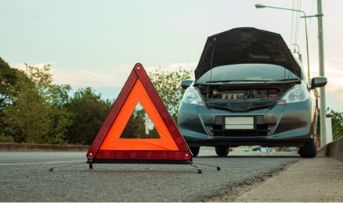
Things to do if your car breaks down in the middle of a highway
As a car owner, you already know that a vehicle breaking down can be extremely frustrating. After all, they are machines! As a result, you should always try your best to stay prepared for the worst. And if you are in the middle of a highway, you may do a few things to ensure you are safe and protected.
Breakdowns in the middle of a highway can be challenging and cause nightmares. Let us take a closer look at a few steps to get the best benefits while minimising the trouble caused due to unexpected breakdowns.
1. Park your car on the side of the road:
The first thing you need to do when your car breaks down in the middle of a highway is to park your vehicle as soon as possible. It is necessary because it can cause traffic jams and invite accidents. Try your best not to panic and slowly pull the car aside.
Not just that, but you should also remember to turn on your hazard lights to notify the people behind you. This factor will also assist you in avoiding a traffic jam without any difficulty.
2. Call for help:
The second thing you need to do when your car breaks down in the middle of a busy highway is to call a mechanic or roadside assistance company for help. This will make it convenient for you since they send professionals to fix your vehicle or tow it to the nearest garage or service centre. If the issue is fixable, they will do it within a few minutes on the spot so that you are good to go and reach your destination safely.
3. Keep tools in your car and use them:
If you know how to check a dead battery or change a flat tyre, you will be able to fix minor problems without any external help. Always keep important tools in your car at all times. For example, if you get a flat tyre, having a jack and a spare tyre will help you to change it and get to your destination within a short period.
4. Alert the traffic:
If your car breaks down in the middle of a highway, it is crucial to constantly alert and divert traffic. Since the traffic will always be moving, immediately put a triangle with reflectors behind your car to caution other drivers about the breakdown.
In case you don't have reflectors in your car, you can find objects like bushes and stones to create a barricading around your car and use them as a signal to alert upcoming vehicles about your breakdown. This way, you can avoid the chances of accidents due to collisions.
Your car breaking down in the middle of the road can cause panic, but you should try your best to deal with it confidently and with swift actions. Stay calm and think about things thoroughly to acquire the best outcomes. Always take your car to the service centre and get it thoroughly inspected for any problems before you set on a trip.
Make a checklist of important factors to cross-check them before travelling. Get your car insurance renewal before the next premium is due and avoid the policy from lapsing. Services discontinued due to non-renewal can make you lose vital benefits in case of an emergency.
Click HERE to get your car insurance renewal done.
Disclaimer: The information provided above is for illustrative purposes only. To get more details, please refer to policy wordings and prospectus before purchasing a policy.
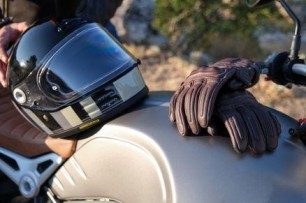
Best tips to prevent your two-wheeler's helmet from fogging
It is annoying to drive in wet weather when the temperatures are slightly lower and your helmet visor starts to fog up. This greatly reduces visibility, making accidents and mishaps more plausible. As accidents and deaths relating to driver negligence in these matters are on the rise, the fines levied on bikers have also been increased so that they are more mindful of it.
The question is, how do you prevent your helmet from fogging up? This blog aims to answer just that.
The science behind fogged helmet visors:
The air you breathe out is always considerably warmer than the air you breathe, that is, the atmospheric air. Especially in colder temperatures, the exhaled air is much warmer than the air outside.
This difference in temperature results in the visor having a very cold surface, which, when brought into contact with the warm air that you breathe, immediately has small water droplets on it. This is the reason behind your fogged helmets. Fogged helmets are a traffic violation, and you might have to pay hefty fines if caught.
Tips for prevention.
1. Balaclavas to the rescue:
A balaclava is a close-fitted piece of cloth, usually made of cotton or wool, which covers the whole head and neck, except the eyes. It is the most effective way to prevent helmet fogging in winter and keep the head and neck warmer.
However, it should be of utmost importance to ensure that the material is of good quality and has good breathability. This is because the cloth might sit on your face for long durations, so it shouldn't be an itchy material and should not hinder the driver's ability to ride the bike.
2. DIY water repellents:
Bringing expensive products to prevent fogging might be a good investment, but it feels even better if the job gets done for free. A few things in your pantry might help with this problem. Putting a thin layer of fabric repellent on your visor can prevent the condensation from staying at your visor.
Being a water repellent, it makes the water slide off the visor. The same can be done with a potato, but you should not rub it too much, or the visor might look milky and obstruct the driver's vision.
3. Give the visor breathing space:
Ventilation is the key to having a clean visor. Open any vents that are available to you. Also, keep the visor cracked open by just a bit, just enough that cool air from outside can come and reduce the difference in temperature between the two areas. You can do this by using a piece of tape.
4. Pin-lock inserts:
This is a costly but sure way to prevent any fog on helmets. It's an additional layer in front of normal helmet visors that stays considerably warm compared to the outer visor, thus eliminating any condensation. If your helmet doesn't support pin-lock technology, you can install a pin-lock into your helmet by drilling two holes into it and inserting it.
Maximum precautions should be taken to keep you, your loved ones, and others on the road safe. However, mishaps might happen. You won't want to drain your finances in the making up for the loss due to such uninvited events. What's the solution? Buy two wheeler insurance India to keep you insured and financially secure.
Click HERE to know more about two wheeler insurance India.
Disclaimer: The information provided above is for illustrative purposes only. To get more details, please refer to policy wordings and prospectus before purchasing a policy.
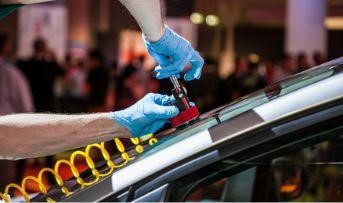
The perks of having the right windshield protection film on your car
Buying your dream car is only half the job done. Maintaining it properly is complex and time-consuming, but it is all worth in the end. Do you know that routine car windshield maintenance is one of car care's most overlooked aspects?
Your windshield gets chipped by a foreign object hitting it, reducing visibility and threatening your safety. You take precious time out of your day to get it fixed for an exorbitant price, only to have it break again at the mildest inconvenience.
This blog tries to understand better why a windshield protection film is a good investment for your car.
What is a windshield protection film, and how does it work?
Windshield protection films are generally made of 3 layers. The topmost layer is a protective layer that safeguards your windshield against scratches and prevents UV rays from entering the car and harming you. The second layer prevents the windshield from cracking, effectively acting as a shock absorber that distributes the force of the debris hitting it. The third layer is mainly for adhesive purposes.
Some of the perks of having a windshield protection film on your car involve the following.
1. Replacing a windshield can be heavy on the pocket:
Despite how easily the glass breaks when something heavy falls on it, the cost of replacing the windshield is not cheap. Also, if you have a luxury car, the windscreen may be connected to other systems in the vehicle, which may need recalibration, adding to the extra expense.
Driving with a cracked windshield is punishable by law. Save yourself additional expenses and avoid being tangled up on the wrong side of the law by installing a windshield at the earliest.
2. Maintaining the car's aesthetic:
Car enthusiasts know how important it is to make your car beautiful inside out. Just like you keep your car's paint job pristine, the tyres filled, and the inside clean, investing in a windshield protector that keeps the front of your car looking smooth is necessary.
3. Keeps you safe:
A cracked windshield can hamper your visibility to a great extent. This might lead to an accident and long-term damage to your car, or worse, you and your family. Also, a windshield protection film will decrease the chances of shattering in lousy weather conditions, such as cyclones or hail. It gives overall protection to your car.
4. Protects against UV damage:
UV rays damage the skin and retinas and cause long-lasting health conditions such as skin cancer and blindness. These films have the added advantage of blocking UV rays so that they can't enter the car and thus, resulting in better health.
Now you know the advantages of having the right windshield protection film on your car. It is vital to make a wise decision that meets your short-term and long-term goals for your car. Select the best windshield protector by discussing it with a trusted mechanic in your area. Just like you plan to upgrade your car's windshield, you need to consider upgrading the car's safety too.
You can achieve this by buying reliable car insurance. Before making the purchase, understand the new car insurance rates of different companies and their policies, and then finalise the one with the best coverage and rate.
Click HERE to know more about new car insurance rates.
Disclaimer: The information provided above is for illustrative purposes only. To get more details, please refer to policy wordings and prospectus before purchasing a policy.

The ultimate European travel guide to enjoying a perfect family vacation
Planning family vacations is a daunting task that requires lots of research, budgeting, and scheduling to ensure everyone's availability. While adults' travel options are virtually unlimited, a lot must be considered when you have kids in tow. The climate, accessibility, activities that engage kids, and safety provided by the destination are the usual criteria that parents look for while planning family vacations.
Regardless of the destinations you consider, you must pay attention to purchasing general insurance that covers accidents while travelling. Especially when travelling with kids, it is necessary to be prudent, for which we recommend checking general insurance online quote, which makes the process easier, comparable, and faster.
With the increased means of living and accessibility to foreign countries, there is an increase in outbound vacations. Of the myriad options available for outbound tourism, the European destinations are the most-liked of them. Europe offers charming sceneries, stunning architecture, bustling cities in contrast to the peaceful countryside, and local cuisines palatable to kids. Here is a list of ideal European destinations that make for the perfect family vacation.
1. Rome:
Italy experiences long summer months and short winters, giving tourists plenty of time to explore the country. May to September is the peak tourist season for visiting its beautiful beaches. We recommend visiting Italy between April to May when the weather is pleasant and not too hot. The Colosseum, Spanish steps, and Gladiator Lessons are some of the experiences your family will surely enjoy. The city's delectable gelato, pasta, collection of cheeses, and freshly baked items in bakeries should not be missed.
2. Paris:
Popularly known as the city of love, it is home to gorgeous monuments. However, the city accommodates kids and offers much more to keep them engaged. Jardin du Luxembourg, built by Napoleon, is a 23- hectare park offering activities like sailboating, pony rides, carousels, and marionette shows that will thrill your kids and make for a perfect day out coupled with a picnic.
The city also has several museums dedicated to art, culture, science, and architecture for indoor activities. A magical day at the Disneyland Resort will be the perfect end to your stay in Paris.
3. The Algarve, Portugal:
The Algarve is your best bet if you're looking for an adventurous vacation with plenty of bonding time. Visit its magnificent sandy beaches to lounge, marvel over the natural beauty of the Benagil cave, or participate in surfing, jet boating, or dolphin-watching boat tours. You can also enjoy off-roading, go-karting, and horse riding or visit Zoomarine, Slide, Splash, or Aquashow, some of the region's best water parks.
Considering the risky nature of activities despite the safety of the Algarve, it is essential to have general insurance for your family that covers any accidental mishaps that may occur. Ensure that your insurance covers travel accidents, or consider purchasing one by comparing the general insurance online quote offered by insurance companies.
4. Corfu, Greece:
The famous island offers adventure, expansive pristine coasts, multiple museums, and archeological sites, making it a perfect destination for a family vacation. If you are seeking to lounge and relax, the East coast resorts offer just that and a selection of the finest restaurants and fun activities within the resorts.
The western coast has shallow beaches and sea caves that are a must-visit for adventure seekers. Rent a car and drive around the island while exploring the ruins of castles, museums, and picturesque villages.
Europe offers several destinations that make for ideal family vacations. Valid documents and a passion for exploration are all you require to make the most of your next European family vacation! Get ready to make a plan this holiday season. Also, remember to look for general insurance online quote before you plan your trip.
Click HERE to get a general insurance online quote.
Disclaimer: The information provided above is for illustrative purposes only. To get more details, please refer to policy wordings and prospectus before purchasing a policy.
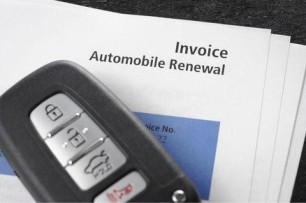
Consequences of delayed renewal and lapsed two-wheeler insurance
An active insurance policy for two-wheelers protects you against damages caused by an accident, theft, and damage to a third party's vehicle or property. An active insurance policy is a must because two-wheelers are more prone to accidents than four-wheelers.
Also, an active insurance policy is compulsory under the law. As per the new Motor Vehicle Act, 2019, the fine for riding a two-wheeler without a valid insurance policy is a hefty Rs. 2000 and/or imprisonment up to 3 months.
If caught without a valid insurance policy for the second time, you may have to pay a fine of Rs. 4000! Hence, if your two-wheeler insurance has lapsed, immediately renew it, not just to be safe from being penalised but to have secure financial coverage for your two-wheeler. You can now easily renew two wheeler insurance online India with a few clicks and hassle-free payment.
Let us go through the consequences of delayed renewal and a lapsed two wheeler insurance policy in India.
1. Loss of cover:
The insurance cover ceases to exist from day one of the non-payment of the insurance premium for the renewal of the policy. This means that you should always renew your policy a few days in advance and never wait for the policy to expire first and then renew it. The insurance company will not cover any of the damages due to accidents or theft of the vehicle after the expiry of the policy. It will also not cover any third-party liability arising from an accident caused by you.
2. Delayed renewal:
There may be certain situations when you cannot renew your insurance policy in time. You may be ill, out of city or country, or forget the renewal date. To deal with such situations, a two-wheeler insurance policy provides a grace period of 90 days after the policy's end date. You can renew your policy within these 90 days, and the insurance company will create the policy as a "break-in". Such a renewal is termed a delayed renewal.
The delayed renewal allows you to claim certain benefits, such as your NCB. The "No claim bonus" accumulates yearly if you do not make any insurance claim. It is a sort of discount that you can enjoy in the insurance premium at the time of renewal of the policy. Over a few years, the accumulated NCB can help you save around 50% of the insurance premium.
3. Lapsed policy:
A policy cannot be renewed after the lapse of 90 days grace period that the insurance company provides. You will lose any unique benefits from your previous policy, such as the accumulated No Claim Bonus. The renewal premium will also be higher than what you pay in an existing policy. Moreover, you will have to get a fresh inspection done for your vehicle by the authorised person from the insurance company. You may have to bear the inspection costs as well.
Any insurance company will stop the protection cover immediately after your two-wheeler insurance policy expires. Unfortunately, if you meet with an accident even on the next day after your policy expires, the company will not compensate you for any claim.
Therefore, the best way to deal with such a situation is to renew your insurance cover in time. Renewing a policy has become quick nowadays with the emergence of two wheeler insurance online India. You need to keep your old insurance papers handy, visit the insurance company's website, go to the renewal section, make the required payment, and Bingo! Your renewal is done!
Click HERE to buy the best two wheeler insurance online India.
Disclaimer: The information provided above is for illustrative purposes only. To get more details, please refer to policy wordings and prospectus before purchasing a policy.
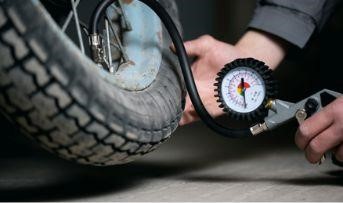
The best reasons why it is beneficial to fill your bike’s tyres with nitrogen
Filling your bike’s tyres with nitrogen will help you to maintain proper tyre pressure, which ensures that it runs smoothly under all riding conditions and terrains. Moreover, you can cover more distance per litre of fuel and considerably save on running costs. Also, correct tyre pressure ensures a better grip on the roads, which minimises the chances of a mishap.
You can also use compressed air to fill your bike tyres. One usually faces a dilemma of which one is better and why. In this blog, let us go through why filling your bike tyres with nitrogen is beneficial.
1. Longevity:
Compressed air seeps out of tyres much faster than nitrogen. While nitrogen usually stays in the tyres for almost a month, compressed air stays only for 10-15 days. Hence, if you fill your bike tyres with nitrogen, you will need to inflate them less frequently. Tyres will stay in shape for more days, saving you money and effort from continuously inflating the tyres.
2. Constant and uniform pressure:
Riding often during hot summer afternoons can increase the risk of a tyre bursting. The compressed air inside the tyre becomes very hot due to the high temperature. There is a higher level of water and oxygen in compressed air, which reacts with an increase in temperature. The air pressure increases due to heat, causing the tyre to burst.
Nitrogen is drier than regular compressed air and helps to retain constant and uniform pressure inside the tyre. It is more stable than compressed air and does not get heated up as quickly as regular air. Hence, the air pressure inside the tyre stays in control and does not shoot up with the heat. There is a much lesser chance of a tyre burst if it is filled with nitrogen.
3. Mix and go:
You don’t have to worry about refilling your bike tyre with nitrogen only every time you go for your tyre inflation. Compressed air and nitrogen can be mixed. Hence, you can always get your bike tyre filled with compressed air if nitrogen is not available around you. Also, nitrogen seeps out very slowly from your tyres in case of a puncture. You get sufficient time to get to a refilling station.
4. Savings:
Using nitrogen to fill your bike tyres helps save substantially on wear and tear costs. As mentioned, nitrogen keeps the tyres in good shape. It causes lesser rubber damage due to fatigue, and tyres last much longer. Also, nitrogen does not rust the metal tyre rim. Oxygen in the regular compressed air starts reacting with the moisture present in it, resulting in oxidation and rusting. So, with the use of nitrogen, the rim also lasts much longer, helping you save a lot of money in the long run.
Refilling our tyres with nitrogen is definitely more expensive than regular compressed air. But the overall benefits of using nitrogen are much more in the long run. We get a stable ride with a better grip and improved efficiency.
Similarly, buying bike insurance online is also more beneficial than buying it through regular offline channels. Bike insurance online provides us with a complete package of choice, comfort, coverage, and security, along with being economical.
Click HERE to buy bike insurance online.
Disclaimer: The information provided above is for illustrative purposes only. To get more details, please refer to policy wordings and prospectus before purchasing a policy.

Did you know that you can enjoy a drive-in movie experience without draining your car's battery
The drive-in movie culture has always been popular in foreign countries but has recently become popular in India. These drive-ins provide entertainment opportunities at affordable costs and are a different experience compared to the traditional affairs of watching movies in theatres. Watching a movie with your loved ones, within the comfort of your own car/vehicle, under the spell of the stars and the night sky sounds like a dream.
Now, combine the fantastic experience of the drive-in movie with owning an electric vehicle or any vehicle of your choice. While it all sounds hunky dory, along with enjoying the interiors and familiarity of your car, you need to ensure that your vehicle's battery does not suffer any adverse impacts. Now, why would that happen? Well, most of the time, people keep the air conditioners on, the headlamps on, frequently turning the car on and off, and many other reasons. And, they unknowingly kill the whole drive-in affair!
These components are what make the fun of the drive-in affair! But did you know that you can enjoy a drive-in movie experience without draining your car's battery? Yes, you can. This blog will discuss some tips to help you understand the measures you can take to avoid decreasing the longevity of your battery and depleting the power. Let's get started!
1. Do you need those headlights on?
The duration of a movie lasts somewhere between one and a half to three hours. Keeping your headlamps and other lights switched on can be very draining on your electric vehicle's battery. And if you analyse, you do not need the taillights, and the headlights are always on during the movie.
There is sufficient light in the drive-ins for you to figure out your path and parking whenever needed. And switching off the lights can help you save power to run the car radio optimally, through which you can listen to the movie. The car radio does not substantially impact the battery, so you do not have to worry.
2. What to do about the engine?
You can run your engines for a short while. This would help you charge the battery of your electric vehicle as required. This charge would be sufficient to run the car's audio system to help you gain the optimum movie experience without extreme drainage of your vehicle's battery.
3. Make sure to check the batteries.
Whenever you have a drive-in movie plan, check your car batteries before you head out. If the batteries are old and worn out, they will drain quicker. If you find the battery ready for replacement, get it done. Newer batteries won't drain out as quickly, and you can be far from worrying about the depleting charge. Once you have obtained new batteries, head out for your movies and enjoy the marvellous experience.
4. Portable radio can also be your go-to option.
Usually, drive-in movies use FM radio (Frequency Modulation) to transmit the sound signals from one source to multiple sources. The car's radio helps you tune in to the frequency you can use and then enjoy the movie without any inconvenience. But, this does drain your battery, even in the slightest capacity. To avoid this, you can use portable radios that run on batteries.
Using these options will avoid draining your car's battery. Adding to this list is disconnecting all the additional features and devices like the sub-woofers and the amplifiers from the radio as they would consume more charge and drain the battery during the usage of the radio for the movie audio.
While talking about the longevity and health of your battery, it is also essential to be prepared for any uncertain circumstances that can potentially damage your car. To stay prepared and not be financially pressured during such stressful situations, you must ensure that you purchase the best car insurance that suitably caters to all your needs.
And now, you can buy car insurance online while enjoying the ease and comfort of your home. So, the next time you plan to move out for a drive-in movie or any other adventure in your car, make sure you have car insurance and other important documents handy.
Click HERE to know more about how you can buy car insurance online.
Disclaimer: The information provided above is for illustrative purposes only. To get more details, please refer to policy wordings and prospectus before purchasing a policy.

The smart tips to practise the perfect power nap to revitalise yourself
You might have felt tired and sluggish during the day, especially in the afternoon. This comes as a result of incomplete sleep. You may have been out for a party, a late-night movie, studying for some exam, or working on a presentation. The reasons can be many, but the result is always laziness and low energy levels throughout the next day.
What should you do to come out of this situation? Caffeine can be one solution, but it has a temporary effect, and an overdose can be harmful. A power nap can be blissful in such cases and can make you feel fresh and recharged. Let us go through some smart tips to practise the perfect power nap to revitalise yourself.
1. Appropriate duration:
A power nap is only to revitalise you rather than make you feel sleepy or dizzy and spoil the remaining part of your day. According to several clinical studies, the perfect duration for a power nap is 10-20 minutes. Anything lesser will not do the trick, and a longer power nap will have ill effects rather than a positive impact. You will start feeling sleepier and more irritated if you sleep more.
2. Time:
The perfect time for a power nap is after lunch but before 3 pm. A power nap after that will have a negative impact on your night sleep schedule. You will not be able to sleep properly, spoiling your next day.
3. Set an alarm:
A power nap is meant to be only for a short duration. Hence, use an alarm and set it to ring after 15-20 minutes of sleep. Otherwise, you may keep sleeping for longer and miss your essential work or spoil your routine for the remaining day.
4. Create the perfect environment:
The perfect environment for an instant and effective power nap is a dark, cool, and cosy room without any noise or disturbance. Such an environment signals your body that it is time to sleep and helps you relax. It will help you to take a nap quickly. Otherwise, you may end up trying to sleep forcefully, wasting your time, and still feeling sluggish.
5. Take coffee naps:
Studies suggest that even caffeine can help you achieve your desired power nap. Strange, isn't it? The effect of caffeine usually starts after 15-20 minutes of intake, say through a cup of coffee. You can have coffee, take your power nap instantly, and feel more refreshed and active by the time you wake up.
However, there can be a few disadvantages if you make this a habit. Caffeine can be addictive. It can hurt your memory performance, and you may start forgetting things after days of constant caffeine intake at a stretch.
6. Consistency:
Make your power nap schedule consistent to make it the most effective. Your body will get used to its time and duration. This will help you not oversleep and get refreshed and revitalised on time.
A power nap is an effective way to cure your sleep deprivation. It helps to boost your memory, attentiveness, and alertness while having a positive impact on your mood as well. You feel lighter, refreshed, and full of life.
Just like a perfect power nap is important to have much-needed rest and improved efficiency, a good health insurance policy is rewarding during a health emergency. You feel secure and do not have to worry about the sudden financial burden that an accident or medical emergency can cause. Hence, go for the insurance policy from the best health insurance company in India and lead a happy, stress-free life.
Click HERE to buy insurance from the best health insurance company in India.
Disclaimer: The information provided above is for illustrative purposes only. To get more details, please refer to policy wordings and prospectus before purchasing a policy.

Does junk food attract you? Six reasons why you must stop eating them
Ever heard the saying, "We are what we eat?" Our food habits significantly impact our lifestyle. Everyone is busy in a never-ending race, from office-goers to on-field workers and from school kids to college youth. As a result, our health habits go on a major toll. And eating habits are the most affected among all. Irregular eating time, skipping meals, and feeding on junk food are crucial problems that adversely affect our wellbeing.
It gradually becomes a part of our routine to consume packed food while travelling to work or have a round of burgers or pizzas with friends on the way back home. Consuming excessive junk food can be alarming in the long run. Should you stop munching on junk? It can be daunting to avoid junk food consciously. But do you think it is worth putting your health at stake for momentary pleasures? Certainly not!
Unless you work it off, you cannot help but become obese and get tangled up in a web of health issues. So, if you struggle to control your temptation, this article is for you to understand why it is essential to give up on junk food.
1. Get into the perfect shape:
It is vital to be informed about the harm that junk food can cause to our bodies. Junk foods constitute sugar, sodium, and fat, which makes people gain unwanted weight. By quitting these foods, you can reduce your calorie intake. It is a gradual process; eventually, you could feel a drastic dip in your energy levels.
Take baby steps by initially cutting down high-fat dressing. Consistently skip eating junk, and you will observe your body getting moulded in the perfect shape.
2. Fast food is addictive:
You can quell your hunger pangs with salty, sugary, fatty foods. But over time, you become addicted. It isn't surprising since it's flavourful, instant, and light on the pocket. So, it is almost inevitable for us not to crave badly just to get a bite of it. But you need to cut off the addiction and take a leap of faith to become healthy again.
3. Depression and anxiety:
Junk food consumption takes a toll on a person's mental health in the long term. Vitamin deficiency can cause brain-related problems and affects its growth and functioning. So, think twice before you consume excessive carbs.
4. Vitamin deficiency:
All the caffeinated drinks and greasy, high-fat food only lead to vitamin deficiency. These junk foods don't contain vital minerals, fibre, and healthy fats. This can make your body weak over time and develop uninvited health issues from an early stage of life. At times it can lead to medical emergencies. Invest in a health insurance policy to prevent these emergencies from venting into your pockets.
5. Inconsistency in sleep:
Nothing can be a great killjoy for a sleep-deficient person than junk food. Regular consumption of excess sugary items can hamper your precious sleep time. This would affect your efficiency at work. Thus, cutting down these would make you feel energetic and confident every day.
6. Health problems hit hard:
Regular consumption of oily or processed food can increase blood pressure, high cholesterol, etc., leading to various heart diseases if not controlled in time. The stomach suffers the most with severe pain, irritable bowel syndrome, acid reflux, vomiting, diarrhoea, heartburn, etc.
All the endless health problems junk food can cause are evident. The faster you realise, the quicker you heal! There is nothing greater than good health, and ensuring it is in the best shape is individual responsibility. Staying healthy doesn't mean giving up on the things that you love to do. You need to figure out the healthy alternatives and prevent the flavours of life from fading.
Another healthy habit besides avoiding junk food is to purchase a health insurance plan for you and your dear ones. By doing so, you are already taking a step towards a healthier lifestyle with the comprehensive coverage you can depend on during unavoidable incidents.
Click HERE to buy reliable health insurance for your family.
Disclaimer: The information provided above is for illustrative purposes only. To get more details, please refer to policy wordings and prospectus before purchasing a policy.
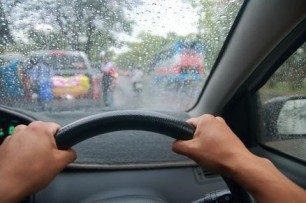
Effective guide to ace your skills in city driving
Car driving is a skill we want to ace throughout our lives. It is a constant learning process, and with practice comes perfection. There is no definition of the best car driving skills, but the more we do it, the better we will be at it.
Let us take you through a practical guide to ace your skills in city driving.
1. Know your car inside out:
You need to know your car inside out to master it. Every car's clutch, brake, and accelerator have a different feel. Familiarise yourself with it so that you can adjust yourself accordingly. Nowadays, gear position varies in cars from different companies.
The position of the reverse gear often changes with models, and some cars have six or even seven gears instead of the usual five gears. Know how your car's gears work, so you are fluent in changing them, especially while driving through heavy traffic.
2. Get used to your automatic car:
Automatic cars don't have a clutch. New drivers of automatic cars tend to push the brake, thinking it to be the clutch, especially while driving through traffic. This will bring your car to a sudden halt and put you at the risk of being banged by the vehicle right behind you.
If you have an automatic car, practice driving it on empty roads in the surroundings of your house. You will soon get used to the missing clutch and learn how to drive it skillfully through the busy roads.
3. Get your seating position right:
An appropriate seating position is necessary if you want to ace your city driving skills. Present-day cars come with power seats that can be brought forward or backward at the click of a button. If you are short in height, worry not.
These seats come with seat cushion tilt and height adjustment features as well. Recline the seat as per your comfort, and you are ready to go! Moreover, you can also adjust your car's steering wheel. Proper seating posture can make you feel comfortable and do wonders for your driving.
4. Understand your car features:
Nowadays, cars have many features that can leave us puzzled. Go through your car's various buttons and consoles thoroughly to know how to take advantage of the respective features. For example, cars nowadays come with a "parking assist" feature, making parking much easier on busy streets. Use the features effectively, which will improve your driving experience.
5. Maintain adequate distance:
Ensure that you maintain adequate distance between yourself and the car in front of you while driving through busy city roads. In case the car in the front stops suddenly, you should have a sufficient gap to apply your brakes and stop in time without crashing into the vehicle in front.
6. Use your rear-view and side mirrors:
Rear-view and side mirrors will show you exactly what vehicles are behind you, and you can adjust your direction and speed accordingly in the city traffic. Moreover, these mirrors are very helpful while backing your car and changing lanes.
7. Follow traffic rules:
Last but not least, follow traffic rules! Simple rules like giving an indicator while turning and not using your phone while driving can make you a much better driver in the city traffic.
The above tips will help you ace your city driving skills effectively and make you a better driver. City driving is a challenge, but with the right mindset and following the traffic rules strictly will help you effortlessly glide through the traffic.
Similarly, master the skill of safety, and buy the best car insurance online India. Take one step ahead of others in choosing a policy that will give you the best mix of proper insurance coverage and the lowest premium amount. Be the best, as always!
Click HERE to buy car insurance online India.
Disclaimer: The information provided above is for illustrative purposes only. To get more details, please refer to policy wordings and prospectus before purchasing a policy.

The best tips to decorate your home with travel souvenirs
We all yearn for a trip with family and friends to rejuvenate ourselves from our routine life. This break is needed to remove all the stress and troubles, restore positivity and boost motivation. Planning such trips at least once a year and even more can help us cherish some rejoicing memories.
When we talk about memories, mentioning souvenirs is mandatory. They provide a glimpse of our journey, remind us of the fun-filled moments, and help us relive them long after travelling.
We all would love to keep these souvenirs right in front of our eyes at home, close to our hearts. Let us go through some of the best tips to decorate your home with travel souvenirs.
1. Pin it up:
Why stack up the beautiful postcards you purchased from your holiday destinations inside a cupboard? You can easily buy a soft board, hang it in your living room and pin up all the vibrant and mesmerising postcards you have on it. They will be a treat for your eyes every day you see them, and make sure you do not forget the lovely time you had.
Moreover, they will be a topic of interest and conversation whenever guests and friends visit your place. A well-arranged display of your vibrant postcards can act as a fantastic décor idea.
2. Use them on your bookshelf:
Small and vibrant coloured souvenirs can be a fantastic decoration for your bookshelf. You might read a book during your leisure time. Hence, these souvenirs will remind you of your vacation and be a treat to your eyes when you pick up a book to read in your leisure time.
3. Decorate your fridge:
Small magnetic souvenirs can be used as decorative pieces on your refrigerator. They will make your dull refrigerator door vibrant and buzzing with colours. Also, the souvenirs will remind you of the glimpses of the trip every time you open the fridge and help to lighten your mood.
4. Fabric as a travel souvenir:
Try buying small items made of unique fabric from your travel destination and use them in your house. They can be in the form of pillow covers, a scarf, a handkerchief, or even a dress or a t-shirt. They will act as lovely decorative pieces with purpose and use. Such works can make your home look colourful, bright, and welcoming. Also, such small pieces are usually inexpensive and convenient to carry.
5. Stones and rocks:
The next time you travel to any beach destination, remember to bring back local stones and rocks that are small in size but lovely to hold. You can also get sea shells from there. These pieces can work as beautiful decorative tools in your house.
You can keep a bowl full of beautiful rocks and stones on your centre table or dining table. You can decorate your home's main entrance with lovely sea shells. They will add a fresh variety to your home décor and make it look sporty and adventurous.
6. Wind chimes:
Buy good-quality wind chimes whenever you travel. They act as fantastic decorative pieces in your gallery and balconies. You can keep bringing new ones every time you travel and change your home décor frequently. Moreover, the mesmerising sound they produce can do wonders for your mood and senses.
Your home is about staying together and creating beautiful memories with every passing day. Travel souvenirs help you strengthen the bond of love and unity among family members by reminding the lovely moments you had together.
But your home will not be complete and secure just by decorating it. You should go for the best possible home insurance India and provide a secure environment for yourselves and your family members. Home insurance is like a security blanket that will protect it from any damage. Buy one today!
Click HERE to buy reliable home insurance India policy.
Disclaimer: The information provided above is for illustrative purposes only. To get more details, please refer to policy wordings and prospectus before purchasing a policy.

Let's understand the threats of smoking while driving
Driving is an activity that requires a very high amount of cognitive presence. As the number of accidents happening around the world becomes one of the leading causes of death, driving safely from one location to another should be an individual's primary concern while driving.
When the driver's mind is off the task of driving safely, the phenomenon is called distracted driving. Other signs of distracted driving are when the individual's eyes are not on the road or their hands are off the steering wheel. These activities significantly increase the risk of accidents and threaten the safety of everyone on the road.
Do you know that smoking cigarettes can cause distracted driving? With more and more people mocking drivers who use their phones while simultaneously driving, it should be common knowledge that cigarette smoking causes more distracted driving than using a phone. For instance, to smoke a cigarette, a driver has to;
1. Locate the cigarette pack. This might be difficult as it might be in the glove box, which further requires you to open it, or the back seat, which requires you to completely turn and look for the pack from the opposite direction of where you're supposed to look ahead.
2. Look for a lighter.
3. Light the smoke while still trying to keep your eyes on the road. It's already tricky to light a cigarette while driving, so it's accepted that there will be many unsuccessful attempts. This results in your concentration being broken for even longer.
4. Locating the ashtray to dispose of the ash and then discarding the cigarette will take even more of your time and demand your attention.
As per a study on the risk assessment of smoking habits while driving, it was concluded that the risk posed by distracted driving through the use of mobile phones is lesser than that of the use of cigarettes. It was observed that cigarette smoking resulted in about 12 seconds of distracted driving, while cell phone users averaged about 10.6 seconds.
Insurance claims:
Insurance claims are greatly affected by using cigarettes, even if you were not at fault. There might be a drunken or speeding driver who totaled your car from the rear end, and it might even be evident that you were not at fault, but your insurance claim is sure to suffer. Smoking while driving is seen as distracted driving, which is sure to affect your claim.
Health risks involved with smoking:
It has been known for a long time that smoking is detrimental to an individual's health and the people around them. However, nicotine dependence makes it very hard to quit. Even though the start is an innocent curiosity, it takes as little as 5 packs (100 cigarettes) to get addicted. And the more you smoke, the more receptors for nicotine form in your brain, and the more nicotine you need to get the same high.
Avoid putting your life at risk while in the car and practice healthy driving habits to stay safe in all situations. Invest in trustworthy motor insurance India and get an additional safety net for your vehicle to protect it from unexpected events and safeguard you from financial losses. Also, it is best to stop smoking altogether, or at least reduce your dependence on it to the degree that it doesn't affect your driving.
Click HERE to know more about motor insurance India.
Disclaimer: The information provided above is for illustrative purposes only. To get more details, please refer to policy wordings and prospectus before purchasing a policy.
Hi there! 👋 Need help with a policy, claim, or renewal? Chat with us instantly on WhatsApp.
Start chat →