


General Insurance Blogs, Articles & Updates by - Magma Insurance
Have us call you
- RENEW YOUR POLICY
- BUY NEW POLICY

GENERAL INSURANCE BLOG

How to File a Claim Quickly In Case Of an Accident
Accidents can happen at any time and are often uninvited. Since such events can have a tremendous effect on your financial health, having personal accident insurance is your key to ensure financial assistance for your family and your treatment.
Applying for personal accident insurance in India is convenient and comfortable as the process can be completed online. But do you know the procedures to claim the insurance facilities after an accident? If not, then here are the instructions.
What are the Steps to Claim a Personal Accident Insurance?
Personal accident insurance in India, can be availed over multiple plans. But the standard features are to assist the treatment of the injured, provide financial aid to the family (depends on the seriousness of the accident), and take steps to repair the damaged vehicle. Now, let us see how you can access these facilities when you face an accident.
Here is a step-by-step instruction to claim Personal Accident Insurance In India:
● The first task is to report to the nearest police station about the accident and collect an FIR copy.
● The next step is to immediately call up the insurance policy provider and report the accident.
● You may also choose to report the insurance provider online by notifying them on their official website.
● One of the employees will then visit and check the condition of your vehicle.
● The insurance company will send the vehicle for repair.
● After the company approves your claim, it will pay all the bills, and you can simply relax.
● Personal accident insurance in India also identifies if any person gets injured. It pays for the treatment of the wounded person as long as he needs it.
But there are some conditions that you need to follow to get the facilities. Let us look at some of those.
List of information required to file your claim successfully:
● Insurance policy number
● Name of the person who owns the insurance policy
● Registered mobile phone number
● Accurate date and time of the accident
● Number of damaged vehicles
● Specifications of the vehicle
● A description of exactly how the accident happened
● Name of the driver
● The insured person's details should be provided if the injured person is not the same
You have to be careful about giving out the correct information. Otherwise, the company may decide to reject your claim.
List of documents you need to get the insurance facilities:
● Fill up the claim form and sign it properly
● A copy of the FIR filed at the local police station
● Registration certificate of the insurance
● A copy of the driving license
● An idea of the repair needed to the vehicle
● An estimate of the injuries and treatment required
There can be many other documents that you may need to submit. The procedures vary from company to company.
Tips to Avoid the Rejection of Your Claim
To avoid insurance rejection, you have to follow some common points. You should not risk it and make a strong case. Provide all the information to support the incident.
Here are some tips that can help you to avoid rejection of personal accident insurance in India:
● Provide some photographs and videos of the vehicle and the injured person as supporting evidence
● If there is any witness, provide his details to the insurance provider
● Don't miss out on informing the police, as providing a copy of the FIR is mandatory
● Don't be late. There is a time limit within which you need to report the accident. Report it as soon as possible
● Don't exaggerate the condition. Tell the truth to the insurance provider. If they find you deceptive, they will immediately reject your claim
● Don't decide anything before informing the insurance company. Let them examine and do the needful
Conclusion
Now that you understand all the essential steps required to file a claim, we hope that you get your accounts settled without much hindrance.
Lastly, here are a few takeaways to add value to your readers:
● Ensure that you click pictures of damages and injuries to submit as proof
● Note down the name and number of any witnesses present on the spot (if available)
● Don’t refrain from lodging an FIR
● Be honest about the entire incident, don’t try to lie or cook up the incident
● Ensure that you file the claim in the suggested time limit by your provider

Importance of personal accident insurance
Accidents are uninvited and can happen to anyone, anytime. There is always a chance of an accident when you are on the road. While you may hardly get an opportunity to stop the accident, you can surely secure your financial condition after the accident. This is when you need personal accident insurance.
Yes, we understand your confusion around the new term! Relax, we have you covered. Let’s begin by simplifying the term for you.
What is Personal Accident Insurance?
The consequence of an accident is uncertain and the financial strain that it puts on your savings can be undefined. Therefore, to ensure the financial security of your entire family over such incidents, opting for Personal Accident Insurance is mandatory.
There are two ways to get personal accident insurance online:
● Group Personal Accident Insurance – Here, the company head, along with the employees, buys insurance. You may get discounts as several people purchase together. It is an excellent option to secure all the employees’ financial support in case of an accident.
● Individual Personal Accident Insurance – You need to apply for it by yourself. You get financial assistance in case of demise, disability, or significant injury that happened due to an accident
Interestingly, the advent of digitalization now makes it easier for applicants to get personal accident insurance online. All you need to do is provide your details to protect your family from uncertain events.
Why is personal accident insurance important?
Accidents can happen anytime. Especially when India’s accident rate is alarming, it is always recommended to have personal accident insurance. It not only secures your treatment after an accident but also provides financial aid to your family. Thus the overall financial stress on the family will reduce if you have insurance.
It helps you to process the documents effortlessly and seamlessly send them to the insurance company. The company completely handles the later procedures. Further, this insurance will provide you financial help and minimize the stress on your income in case of an accident.
Let us look into the advantages of personal accident insurance that make it available and effortless for all:
● Financial Security – You remain tension-free when you have personal accident insurance. You secure your family and ensure your treatment when you have insurance.
● Easy Documentation – Most people think of insurance as a complicated procedure. However, nowadays, the process is simple and can be done in a minute. You need to provide the basic information, and the insurance company will do the rest.
● Online Service – In today's time, the most significant benefit is you can apply for personal accident insurance online Thus, you can quickly minimize paper works and apply it whenever you are free.
● Apply without Medical Test – You need no medical document to apply for personal accident insurance. This makes the procedure more straightforward and more effortless.
● Use Wherever You Need – Personal accident insurance policy allows you to get financial aid regardless of location. You can use the insurance whenever and wherever you come across an accident.
● Get Ambulance Assistance – Having personal accident insurance means you start getting help just after the moment of the accident. Most insurance companies provide ambulance expenses to take the injured to the hospital. Thus, you get complete assistance in case of an accident.
Final Words
There is no substitute for personal accident insurance, and it is incredibly beneficial to secure financial aid during any mishaps. However, while you are navigating through different websites, don't forget to check out the terms and conditions to choose the best insurance option.

5 Things to keep in mind While Renewing Your Health Insurance Policy
Health insurance policies provide financial coverage for most of the medical expenses that an insurance holder generates while the policy is in effect. One should always invest in health insurance to get subsidized medical care in times of need or health emergencies.
What to Expect From This Article
Everything you need to know about health insurance in India and policy renewal. Nowadays, renewal happens online. You can now buy a new policy and renew it through the company website. You can also use the internet to get price quotes from different companies and compare which policy offers the maximum value for money. You can compare the features, the sum assured and a host of other benefits provided to choose the policy that fits your criteria and budget the best.
Being Responsible
Most health-related expenses are unexpected, and therefore, it is crucial to have a financial cover during such adverse time. A health insurance policy is supposed to be renewed periodically for it to be functional. The renewal period is mostly a year.
Characteristics of a Good Health Insurance Policy
Adequate health insurance ideally covers all possible medical expenses. Health insurance comes in various versions. Depending upon what kind of policy you have, you can avail different types of medical costs ranging from surgeries to post-hospitalization care.
Interestingly, some companies also allow policyholders to add other options to customize the policy and make it even better suited to their needs.
Things to keep in mind while renewing your policy
Health insurance in India has an annual renewal period. Following are the five most important things to keep in mind while periodically renewing your health insurance policy:
1. Re-examining the health insurance requirements
2. Scrutinizing for any changes in the health insurance policy and its terms and conditions
3. Changing the insurance provider (if required) under the portability clause
4. Mentioning any new illnesses or allergies
5. Checking to see if a top-up plan is required
Let us now look at these requirements in detail:
- Re-examining the health insurance requirements
While renewing your health insurance policy, you must review the requirements to see if anything has changed. You should repeat the reviewing process for yourself and your family and make sure to stay on top of everything. This is necessary in the case of expanding families (childbirth) or the addition of a disease. This process also becomes necessary when you are changing jobs since a change in jobs entails a change in health insurance coverage.
- Scrutinizing for any changes in the health insurance policy and its terms and conditions:
Many changes could come about in the company policy and standard terms and conditions within a year. The policyholders are usually made aware of these changes through notices. It is necessary, therefore, to read all the notices before policy renewal.
- Changing the insurance provider (if required) under the portability clause:
If you feel dissatisfied with your current policy providers, you could always change your service provider under the Insurance Regulator and Development Authority (IRDA) provisions. This clause ensures a seamless shift to another insurance provider should you require it.
It is a useful clause since the process of changing occurs without losing any benefits. However, it is important to keep in mind that this change can only occur during the period of renewal. Further, it requires a 45-day notice to be reviewed by your existing insurance provider, to effectively make the changes.
- Mentioning any new illnesses or allergies:
Make sure you disclose all illness-related details at the time of renewal, to get appropriate medical claims.
- Checking to see if a top-up plan is required:
This move takes into account future health-based needs.
Conclusion
While your Health Insurance, policy has you covered over medical expenses, don’t forget to keep up with an active lifestyle. Remember, your insurance policy is just a tool to cover your costs in a critical situation but preventing such situation itself depends completely on how much you care about your health.
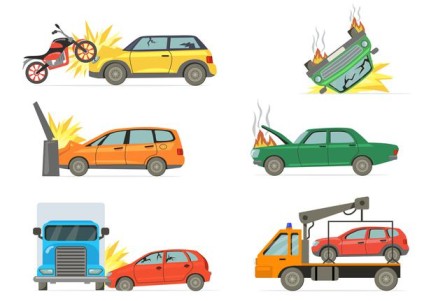
6 things that affect Your Car Insurance Premium
Accidents are uncertain and can come uninvited, leaving behind an inevitable financial loss. Thanks to tools like car insurance, it becomes easier for us to safeguard our vehicle from such unforeseen circumstances. Car insurance covers repairs, damages, third-party liabilities, and other kinds of coverages related to your vehicles.
While multiple car insurance companies in the market will promise you premium services, you need to understand the factors that weigh-in for an ideal product. Yes, numerous companies offer multiple benefits; but not all services might be useful for your car. Further, availing of such benefits could cost you extra premium. Therefore, you must understand the factors that need to be weighed before buying a private car insurance in India.
Following are some of those factors:
1. Type of cover:
There are mainly two types of car insurance namely comprehensive plans and third-party insurance. In comprehensive plans, both, the insured vehicles’ damages, repairs, or anything else that may arise due to any unforeseen circumstances and also the third party liabilities will be covered. In third-party insurance, only the third-party liabilities and damages will be covered. Thus, a comprehensive plan for private car insurance in India attracts more insurance premium as compared to third-party insurance.
2. Safety features present in your vehicle:
What the insurers look for is the safety mechanism installed in your car. Safety equipment like air-bag, GPS, alarms, central lock, etc. If you have installed a suitable safety mechanism, your premium rates will be less and vice versa. The rationale behind this is that the insurers believe the safer the car, the lesser the chances of mishap. A good safety toolkit installed will be greatly beneficial for you in terms of buying an insurance plan.
3. Geographical orientation:
The kind of terrain you reside in has a major impact on your premium. If you live in risky terrain where there are more chances of accidents, your premium will be high because of the attached risk and lower in case of lower risk.
4. Type of powertrain:
If your car has a diesel engine, then the premium will be high because of the higher prices of diesel vehicles. The factor of Insured Declared Value comes into play here. It means the pricing of your car in the market during the purchase of your car. You will notice that the premium segment cars have higher premiums than their less luxurious counterparts, which might be due to the same principle.
5. Deductibles and Limits:
Your policy’s limit is the maximum amount paid towards the covered loss against your premium amount. Typically, individual coverage has its own limit, allowing you to customize it according to your needs. Further, the more coverage you opt, the more premium you pay.
6. Your Profession:
Interestingly, your profession also has a part to play in your insurance premium. If you are involved in a profession that requires regular usage of your vehicle, chances are that you will have to pay a higher premium. The reason being that here the vehicle depreciates at a faster rate when compared to the other cars covered under a policy.
Final Words
It doesn’t matter whether you Buy Car Insurance Online or offline. What matters is that you look into these factors before purchasing it. Remember, the factors mentioned above are some primary reasons that affect your premium. There can be other numerous factors and not all of them can be estimated. Thus, it is always in your favor to buy insurance only after comparing the benefits from a host of insurers available in the market.

Benefits of Long Term Two Wheeler Insurance Plan
Introduction
Do you own a two-wheeler? Do you use it frequently? Do you commute every day to get to work using your two-wheeler? If yes, then this article is meant specifically for you. Keeping in mind the rise in the rate of road accidents, the Indian government has introduced a clause in the motor vehicle act that necessitates third-party motor insurance for every two-wheeler owner.
Implementation of the Motor Vehicle Act
This is a welcome step in the right direction. Its implementation, however, is dismal. According to studies conducted by various insurance organizations, 60 percent of two-wheelers in India are not insured. It means that 60 percent of Indian two-wheeler owners face substantial financial risk, every time they use their vehicle.
Supreme Court Mandate
The Supreme Court has also made it mandatory for the two-wheeler owners to have a 5-year insurance plan for new vehicles. The existing owners, however, should also get their vehicles insured, given the immense risk. Two-wheeler insurance in India
is a service that provides several benefits to policyholders. Some of the benefits will be explained in the course of this article. The Supreme Court’s mandate only states a 5-year plan. We advise you to invest in long-term two-wheeler insurance so that you receive the maximum benefits while minimizing financial risk.
The Need for a Long Term Vehicle Insurance
Since insurance for new two-wheelers has become mandatory, people have started to buy yearly plans just for the sake of avoiding hefty fines by the traffic police. They usually forget about it after the policy period’s termination and do not renew it, owing to the immense paperwork.
In such cases, if your vehicle sustains severe damages, there will be no help from your insurance company. Long-term insurance, in this case, would’ve had less paperwork, same premium, and would provide damage cover. Two Wheeler Insurance in India is fairly new. It is important, therefore, to understand how a basic two-wheeler insurance policy works.
Types of Two-Wheeler Insurance Policies
Most two-wheeler insurance policies are of two types, namely:
● Third-party insurance also known as liability-only policy
● The comprehensive two-wheeler insurance plan also known as package policy
Third-party insurance or a liability-only policy covers costs in case of a liability to the third party’s property or life. It covers cases of death or injuries but damages to the vehicle are not covered. In a comprehensive two-wheeler insurance plan, vehicular damage and liability to the body and life of the third party are also covered.
Benefits of Long Term Two Wheeler Vehicle Insurance
- Savings on premiums
- No policy renewal
- No early policy expiration
- Accumulation of the No Claim Bonus (NCB)
- No hassle of Break-in policies
- Option of policy termination at any time
Let us look at some of these benefits in detail:
- Savings on premiums: The IRDAI regulates long-term third-party two-wheeler insurance premium rates. The insurance premiums are capped at a fixed rate if the plan purchased is a long-term plan. A regulated premium rate means spending less on insurance along with maximum benefits. Great, isn’t it!
- No policy renewal: Insurance renewal happens annually. It is required for the policy to be valid. Most people find it inconvenient and let their policies lapse due to this. In case of a long-term plan, online modes of renewal are hassle-free, quick, and can be completed within minutes. Moreover, long-term insurance only has one-time paperwork, and you do not have to continually think about the tedious renewal process.
- No early policy expiration: A long-term policy, as the name indicates, remains in force for several years and does not expire early. So, even if you have forgotten about it, the chances are that it is still pretty much valid and functioning. It also saves you from committing an offense (riding without valid insurance is a punishable offense).
- Accumulation of the No Claim Bonus (NCB): NCB accumulation enables you to get discounted rates on premiums if you haven’t filed any claims in the past year.
Conclusion
Different types of insurance policies serve you differently. However, when you opt for long term insurance policies, you are at a better chance of receiving a lump sum discount and several other added benefits, when compared to short-term policies. Select wisely!
Benefits of Buying a Comprehensive Motor Insurance Policy
Why do you need comprehensive motor insurance even after having third-party insurance cover? What is the significance of having motor insurance from a motor insurance company in India? You might be wondering about the facilities being provided by an insurance company. Yes, there will be a variety of more such questions around comprehensive policy in your mind. Well, this piece is your one-stop solution to all those questions. Let’s get started.
What is a Comprehensive Policy?
A comprehensive motor insurance policy assists the insured person in case of accident or any third-party damage. It handles all the damage done to the vehicle due to an accident. However, you will have to renew the insurance policy timely to ensure the vehicle’s security. A motor insurance company in India provides full assistance to the insured person and the third-party.
To assure that your vehicle is risk-free and would get enough repairing facilities, India’s motor insurance companies offers various deals. Motor insurance would keep your vehicle secured and help you repair the damage in case of an accident, if you purchase one.
Now, let’s have a look at all the Primary Services that a motor insurance company in India has to offer:
- Damage caused by an accident.
- In case of theft or burglary, the insurance company will help you out. It will provide all possible instructions to minimize the loss and get back the asset.
- If your car gets damaged due to any fire accident, explosion, or self-ignition, the insurance company will help you repair the damaged car.
- Suppose someone attacks your vehicle or you come across any terrorist activity due to which your vehicle gets damaged. In that case, the insurance company will help you get the car repaired.
- The insurance company compensates any damage caused due to a natural calamity.
- If you get injured in an accident and need medical assistance, the insurance company will cover the medical costs but for an extra premium.
- Any third-party damage and injury are also covered in a motor insurance policy. Thus, any damage to a third-party is also compensated by the insurance company.
Benefits of Owning a Comprehensive Motor Insurance Policy:
- You’ll be entitled to a no-claim bonus: Get a no-claim bonus at the end of the year if you don't claim any insurance within the year. It is a reward to the clients for driving safely and responsibly and avoiding an accident. The bonus amount is deducted from the renewal fee that clients need to pay each year.
- Discounts become easy: You can obtain discounts on the comprehensive Car Insurance price if you own a motor insurance policy.
- Get it online: You can easily apply and buy a motor insurance policy online. This makes insurance available and accessible for all.
- You can go cashless and claim a cashless service: This makes the entire procedure smoother for the clients. You can claim insurance from anywhere at any time.
- Receive your claims over a few steps: Policy documentation is super-fast and convenient in the era of digital media. You can process all the information and documents in less time with less efforts. The systems are now updated and user-friendly to make motor insurance available for all.
- Real-time customer support: The best thing about the insurance by a motor insurance company in India
is that it offers 24x7 support to the clients. Since an accident can happen anytime, anywhere, companies remain available round the clock for the clients.
Conclusion
Remember, almost all the losses are covered under a motor insurance policy. These services are very crucial when you face an accident. All these facilities come under motor insurance. It is therefore evident how vital motor insurance is for vehicle owners to secure their assets during a mishap.

Complete Guide for Buying a New Bike Insurance
Bikes are the most popular modes of transport on local roads. It is the best option for daily commuting to your workplace. Owning a two-wheeler comes with its own set of responsibilities. Two-wheelers are susceptible to high risks, which could sometimes be fatal. So, having two-wheeler insurance should be your priority after getting a bike.
It is necessary for you to get the right insurance for your bike to get instant claims and avoid hefty premiums. Factors such as mileage, price, and bike design contribute to what the premium amount of your insurance would be. The appropriate insurance for your bike is the one that is comprehensive and has a few add-on coverages to compensate for any unavoidable future situations.
Tips to Choose the Right Two-Wheeler Insurance:
1. Go for a Reputed Insurance Provider:
Choosing a well-known and trustworthy insurance company is the key to have a stress-free future. First, you need to make a list of the top-most insurance providers. After which, you need to research thoroughly and find the claim settlement ratios for each insurance company. You must also find out about each of the provider’s claim settlement processes. Finally, based on your research, you can choose the insurance provider with a record of smooth and easy claim settlements.
2. Coverage Requirement:
Usually, third-party coverage is enough for a decently-priced bike. But if you have got a high end model, you can also go for comprehensive coverage. All you need to know is about your requirements and the liabilities you have. You should also know how much you are willing to pay for the premium amount. Based on your preferences, you can choose the right amount of coverage.
3. Premium Amount:
As you might have found out by now, your insurance premium depends on several factors such as mileage, price, and design. The engine capacity of your bike also influences the premium amount. The premium amount is always high for those two-wheelers with a higher cubic capacity than those with a comparatively low one.
4. Know about Insured Declared Value (IDV):
IDV is simply known as the current market value of a given vehicle. It is the maximum amount of sum insured fixed when purchasing an insurance policy and the possible amount to be paid in case of complete loss of vehicle or theft. As depreciation increases with age, the value of IDV decreases. As a result, the premium amount will also begin to decrease every year. You must understand all the factors involved in IDV very well, as IDV decides the premium of your bike insurance.
5. Benefits of No-Claim Bonus (NCB):
You can Buy Two Wheeler Insurance Online after comparing the insurers and the benefits provided by them thoroughly. NCB is known as the discount made on your premium amount if you have not made a single claim during a year. It is almost like a reward for two-wheeler owners for maintaining safety on the road. These discounts can help you spend a lot less on your coverage than was previously expected.
6. Compare Insurance Companies Online:
Nowadays, you can apply for two-wheeler insurance sitting at the comfort of your home. To buy two wheeler insurance online, all you need to do is to look at the list of insurance providers available in your country. You can compare a policy based on the premium amount, inclusions, exclusions, and the number of coverages provided. Lastly, choose a policy that ticks all your criteria and is the most appropriate coverage for your bike.
Conclusion
No matter how much we plan, we are never ready for any uncertainties that life brings. So, it is better to have precautions in place rather than finding a cure later. There is always some risk involved while riding a bike. Thus, getting your bike insured will help you conserve your savings during uncertainties.

Complete look into Affordable Car Insurance Plans
Do you know the most significant factor that drives insurance purchases in India? It is not the services or the goodwill of the service provider but it is the affordability. Affordability matters to the customers in every type of insurances, be it life, personal accident, or as a matter of fact; car insurance. Whether you buy car insurance online or offline, you will always look at affordability
Important factors that affects affordability of the insurance policy:
1. Segment of the car: The segment of your car that you are insuring plays a crucial role in deciding whether the premium will be cheap or expensive. An expensive car is ought to attract costly premiums.
2.Facilities: The number of services you are trying to acquire in the insurance also directly affects the premium. You need to identify what services are highly crucial for you and then take an insurance plan accordingly.
3.Insured Declared Value: The IDV needs to be paid attention to before going for an issuance. The manufacturer’s price minus the depreciation is your IDV. It directly affects your insurance affordability as well.
4.Customization of plans: When you buy car insurance online or offline, there is an option for you to customize your plan. You can customize the services as per your requirements and needs. This mainly affects the plan’s pricing scheme; if you add more services to your plan, then it is obvious that your premium will increase. This directly changes the factor of affordability.
5.No claim bonus also affects affordability: You can receive the no-claim bonus in the next year only if you don’t claim in the current year. Sometimes what happens is that we tend to claim small amounts for our car repairs that lead to lapse of no claim bonus. The main losing factor here is that you lose the significant advantage of NCB in the long term for the petty short term expenses. NCB also affects the resale value of your car because it ultimately depicts the condition of your car.
6.Claim frequency: When providing you with the renewal premium of your car policy, the insurers look at the number of claims made. If the number of claims made is high, the premium amount is going to be high as well. They think that you tend to make claims even for very small repairs. This indirectly affects your affordability.
Wrapping up:
There can never be a fixed list of factors that will affect your plan’s affordability when it comes to insurance. But, you don’t have to worry as good companies will make your task simpler. However, all you need to clearly know is your requirement.
Here’s some highlights to add value to the piece:
● Try insuring your car with the same company that manages your other insurances. This way, you will be entitled to receive a discount.
● If you have more than one car, go for insuring them together as it will unlock bulk
car insurance
at discounted rates.
● Ultimately, drive safely and responsibly!

All You Need to Know About the COVID-19 Vaccines
COVID-19 vaccines strengthen our immune system, and help it recognize and combat the coronavirus. The type and frequency of doses vary for different vaccines, however, beneficiaries are advised to take two shots of vaccines currently available in the country. Post vaccination, it generally takes a minimum of two weeks for anyone to build immunity against the virus.
Key Information and COVID-19 Vaccine Advisory:
- From 1st April 2021, all individuals over the age of 45 (irrespective of co-morbidities or pre-medical conditions) are eligible for the COVID-19 vaccine.
- Beneficiaries are requested to complete all prescribed doses of the vaccine.
- As per medical experts, post-vaccination effects (nausea, mild fever being the most common) are normal.
- Even after vaccination, all safety measures for COVID-19 are to be strictly followed at all times, including social distancing and wearing masks.
- The duration for which the COVID-19 vaccines are effective and its efficacy against the new strains of the virus is still unknown. Hence, it is absolutely essential to not let our guards down.
- We urge you to not be misled by fake vaccine marketing / promotions, as it is not available in open markets yet.
- Do not attend a vaccination appointment if you are self-isolating, or awaiting COVID-19 test results, or are unwell.
- Research efforts are ongoing for knowing how many people should get vaccinated to attain herd immunity (which means enough people being vaccinated making it tough for coronavirus to spread from person to person). Hence, rumors about herd immunity being already attained, should strictly be ignored.
- To know more about the vaccines, please download the CoWIN App, or log on to www.cowin.gov.in. You can also visit the Ministry of Health and Family Welfare (MoHFW) website (www.mohfw.gov.in) for regular updates about COVID-19.
- For any queries, call the Government helpline number 1075 or +91 11-23978046.
Cost and Availability of COVID-19 Vaccine:
- Vaccines are available at different government hospitals for free and at private hospitals at a price of INR 250 per dose.
- The COVID-19 vaccination providers cannot deny any individual above the age of 45 to get themselves vaccinated, except for reasons best known to medical practitioners.
- The government is currently working on making the vaccines widely available for everyone at no cost in the coming months.

Explore these five popular street food tours in India
Several factors need to be considered while finalising your holiday destination. You need to think about the budget, hotels, amenities, safety, etc. But one of the essential elements which determine your vacation destination is food.
Street food has a huge fandom. People of all ages love the culture of street food and local cuisine. You not only get varieties of food, but street food is quite pocket-friendly and on-the-go. If you are a food enthusiast, then different street food tours in our country will give you an unforgettable gastronomic experience.
In this blog, we will be discussing five popular street food tours in India.
1. Street food crawl in Varanasi:
A food tasting tour of Varanasi's old town helps you explore the food culture, which still hints at the ancient palette of the city's long history. A part of this walking, street food tour is visiting the oldest shop in Kashi and seeing how the most famous delicacies are prepared and tasting them after a quick demonstration.
2. Food and Heritage walk in Old Delhi:
While New Delhi has seen fast-paced growth and development and is still advancing with time, Old Delhi holds the culture together and keeps it alive. It brings the generations together with heritage and food.
Mixing heritage walk with food in Old Delhi immerse you in the places from cultural depths and taste the local cuisines that carry the original flavours from the legacies of the Mughal Dynasty. Old Delhi is a tasty retreat especially for non-veg lovers to enjoy a few unique and mouth-watering delicacies at every stall.
3. The food lanes of Kolkata:
A food tour in Kolkata begins with a bit of street vendors and leads to exploring one spot followed by another. During your time in Kolkata, you will get to taste jumbo prawns in coconut milk curry, onion bhajis, a range of chicken curries, and different varieties of authentic Bengali sweets like rasgulla and cham-cham that will melt your heart.
The tour has the perfect ending- coffee at one of the oldest colonial coffee houses in Kolkata. You can explore many Bengali delicacies and drinks during your exploration of Kolkata food streets.
4. Explore Jaipur food trail:
A food tour of Jaipur offers you the experience of the culture of Jaipur through its food palette. In just a few hours during your trip around Hawa Mahal, you can taste the famous and authentic delicacies of Jaipur. You will get the opportunity to explore the traditional and historical places, eat Rajasthani dishes and shop in the street markets.
5. Eat where locals go in Old Mumbai:
This food adventure in Mumbai gets you to explore three different districts that offer distinct delicacies like curries with crispy papads, Chowpatty's chaat, snacks, kebabs, hand-churned ice creams, and much more. All this food paired with stories about the vibrant Old Bombay will make your visit a memorable one.
After the delicious discussion about these popular street food tours in India, you also need to understand the importance of your safety during the trip. These tours will take you through crowded streets and congested spaces. It would be wise to explore different insurance plans of the best general insurance company to ensure the safety of you and your belongings while travelling.
Click HERE to know more about the general insurance company and the plans that you can invest into.
Disclaimer: The information provided above is for illustrative purposes only. To get more details, please refer to policy wordings and prospectus before purchasing a policy.

Here are a few car gearbox problems and the ways to resolve them
Having a car helps you manage your personal and professional lives with convenience and independence. While the whole process of purchasing a vehicle can be pretty extensive, it is equally important to take care of your vehicle to maintain its efficiency. Hence, it would be best to get it serviced regularly. Ensure that all the damages are repaired and replaced according to need.
But how do you ensure that your car stays up and running? There are several parts that require regular inspection. One of them is the gearbox. How can you detect and rectify problems with your gearbox? What happens if you don't get them checked by an expert?
This blog will discuss significant pointers about problems and the ways to resolve them.
1. Unexpected noise:
If you feel that your car is shaking, moving roughly, jerking or making grinding noises while operating, this indicates some underlying problem. And if you notice these noises when you shift the gear, it is an issue with the gearbox.
2. Laggy acceleration:
If you notice a slight delay (more than a second) in your vehicle's acceleration while you shift gears, this could suggest a problem with the gearbox. It could also be due to a faulty clutch part that finds it challenging to engage and disengage completely. Get this issue examined by an expert car mechanic to ensure proper repair and maintenance of the gearbox before the situation worsens.
3. Gear slipping:
The gearbox heavily depends on your actions and how you operate it unless it is automatic. Gear slipping is a phenomenon in which the car jerks and the gear shifts back when you accelerate. There are possibilities that it might change into neutral at times. And jumping to neutral gear while in motion can be risky and invite accidents as your car will halt suddenly.
4. Spilling of fuel:
The gearbox of your car is a crucial mechanical component. Since it moves in a rotational pattern, it needs fuel for lubrication. It is likely a transmission fluid leak if you detect bright orange-coloured liquid drops under your car. Get it fixed to avoid the gear from drying out.
5. Smell:
Overheating of the transmission fluid can cause improper gear shifts and a burning smell. Transmission fluid is essential in reducing the heat and cooling down the gearbox components.
Now that we have listed specific gearbox problems to look out for, the next question is how to resolve them. You can monitor the transmission fluid periodically, keep a check on the gears, make sure that the cooling system works efficiently, get your car serviced at regular intervals, drive with care and watch out for the signs we discussed above.
Another way to ensure that your car stays in good shape is to get it insured against unprecedented damages. You can safeguard your vehicle by purchasing the best car insurance in India and be relieved from the monetary stress involved in car maintenance and repair.
Click HERE to know more about how you can buy the best car insurance in India.
Disclaimer: The information provided above is for illustrative purposes only. To get more details, please refer to policy wordings and prospectus before purchasing a policy.
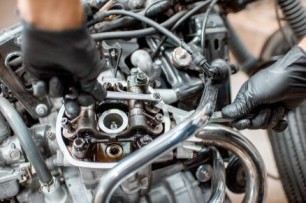
Here are a few tips to change your bike's engine oil
No experience in life can compare to the adrenaline rush of riding a motorcycle. However, it is crucial to note the importance of maintaining your two-wheeler. Regularly changing the engine oil in your bike's motor is a vital part of keeping it functioning and operating smoothly. Without frequent oil changes, it overheats, the friction between its internal components increases, and overall performance suffers. As a bike owner, you must ensure that your bike's oil is changed regularly.
Yet another way to keep your bike safe is to cover it against any unexpected incident, such as damage, robbery, loss, or natural calamities, with the help of ideal 2 wheeler insurance.
Here are some important steps to change a bike's engine oil.
1. Start your engine:
It's a lot simpler to replace your oil while your engine is warm, so make sure you run it for at least 30 minutes before starting to change the oil. Remember, do not start a motorcycle and leave it idle. You will face the risk of causing damage to your bike.
2. Removal of old oil:
The next step is to dispose of the leftover oil by gently emptying it into a drain pan. The pipes from which the motorcycle oil is to be unloaded are positioned differently on various models, so be sure about the correct pipe before you begin.
Bend the motorcycle at a 45-degree angle and maintain it there for a few minutes. With a wrench, release the drain bolt and allow the oil to drain. Don't stop until you are confident there is no more oil left inside.
3. Install a new oil filter:
Be cautious while removing the old oil filter since there may be some spills. Before changing it, apply a little fresh oil to the new filter. This will guarantee that it runs smoothly into the engine and is readily withdrawn during the new oil filter replacement. Screw-in the fresh oil filter by hand, and be careful not to over tighten it.
4. Fill in the fresh motor oil:
Using the repair instructions manual that comes with your bike, measure out the exact quantity of oil required in a beaker. Remove the engine oil valve nut and insert a funnel to help the oil flow. Then, add the carefully measured oil to the engine.
Start the engine without revving it and let the fresh oil flow. With the completion of this step, you have successfully finished the procedure of changing the engine oil of your bike.
5. Finishing adjustments:
There are still some things remaining after the procedure. Ensure that there are no leaks and double-check all the bolts to assure they are snug. Wipe off any residual oil from the bike's surface using a cloth.
Bike owners have a close affection for their two-wheelers. As a result, they are not hesitant to get their hands dirty if it means keeping their bike in top condition. While an oil change ensures more remarkable performance, it does not protect from external causes or physical damages. Hence, responsible bike owners must invest in 2 wheeler insurance for the assured safety of their bike and good financial coverage if they incur loss due to accident or theft.
Click HERE to buy two-wheeler insurance.
Disclaimer: The information provided above is for illustrative purposes only. To get more details, please refer to policy wordings and prospectus before purchasing a policy.

Here are a few tips for installing an audio system in your car
We all love good music, especially while driving around or travelling long distances. The music system has become an essential factor associated with the purchase of cars. Vehicles today come with fancy sound systems, and their features differ with the price range and models.
The sound system has evolved massively over time. The type of speakers, the sound they produce, and different settings are now being provided in all kinds of cars. The modern intelligent and hands-free voice-enabled audio systems have raised car owners' bar.
In this blog, we will discuss the audio setup for your vehicle and a few tips for installing an audio system.
1. Stereo:
You need to figure out the stereo you are looking for. List all your expectations from the one you want to install. It could include multiple features like touchscreen, playback (video), navigation, etc. You can purchase a stereo (aftermarket) and get it installed by an expert technician to ensure that the wires are not altered, and the warranty doesn’t void.
2. Speaker:
Your current speakers might lack treble bass and dull the vocals. You can resolve this issue by getting a new speaker according to your needs. There are component speakers with two-way or three-way components.
The two-way speakers produce mid-low bass and vocals frequencies, while the three-way component speakers have an additional speaker for middle-range frequencies. You can also pick the full-range speakers, mainly known as the co-axial speakers, for an immersive audio experience.
3. Amplifier:
To achieve loudness from your speakers, you can add an amplifier to your audio system. It comes in various configurations and power outputs. Some of these configurations are 4/3/2 channels which consist of four-channel amplifiers: these amplifiers power one subwoofer or one subwoofer and two speakers or four speakers. You need to get a component subwoofer if you like loud, thumping bass or sub-bass in the songs.
4. Subwoofer:
The customisable option amongst subwoofers is the component subwoofer. It has a wide range of power ratings and sizes options. Bass tube and bass box subwoofers are preinstalled in tube type and bass box type enclosures. You can directly use them to plug and play.
Another option in this category is the under-seat subwoofer. They focus on bass and space utility as they can be easily installed under your seats, thus freeing up the boot space of your vehicle.
You can use some damping sheets on the doors, windows, floors of your car to lessen the background noise from the roads and reduce the vibration from the doors due to loud volumes. This would amplify the impact of the music.
That’s a wrap on the tips to install an audio system in your car. Adding to this, it would be wise if you refrain from listening to loud music while driving. It may distract you, and an unstable focus on the road can lead to severe mishaps. Along with installing an audio system, consider getting your car insured to safeguard it against damages and stay stress-free monetarily. Invest in suitable private car insurance India and ensure the longevity of your vehicle.
Click HERE to know more about buying private car insurance India.
Disclaimer: The information provided above is for illustrative purposes only. To get more details, please refer to policy wordings and prospectus before purchasing a policy.

How early immunisation can help your infant have a healthy life
For more than five decades now, immunisation has saved billions of lives. It's a low-cost, high-impact strategy to safeguard your child's health against various diseases and infections. Immunisation builds the groundwork for a healthy future.
Vaccines are critical in protecting the most vulnerable, such as children and infants. However, one out of every five children in the world is still unvaccinated. Having the highest number of unvaccinated children, India has strengthened its efforts to enhance mass vaccine coverage with mission Indradanush 2.0.
Over the last few decades, healthcare has become increasingly expensive. A health insurance policy can come in handy during costly treatments and hospitalisations. So, look for online health insurance companies to buy a policy to secure your child's future and cover them under seamless benefits. To find out more about immunisation, continue reading this article.
What is immunisation?
Immunisation is the process that protects people against illness caused by microorganism infection (formally called pathogens) by increasing the immunity of the body to combat these infections. A vaccine is a biological substance used for immunisation.
How does immunisation work?
When immunised against a disease, your body treats it as a natural infection. A vaccine contains a microorganism that is introduced into the body in a dead or weakened form. However, your immune system has no way of knowing whether the virus is alive or dead, so it takes it as a red alert and treats it as a threat. As a result, the immune system produces antibodies to attack the virus and eliminate it from the body.
As a result, if you acquire a similar virus in the future, your immunity will be prepared to combat that virus and shield your body against its infection. According to a World Health Organization report, immunisation saves an estimated 2-3 million lives each year (majorly children) by protecting against diphtheria, pneumonia, pertussis (whooping cough), rotavirus, diarrhoea, rubella tetanus, smallpox, polio, mumps, and measles.
Immunisation has eradicated many terrible diseases that massacred people in clusters and tons. Despite this, an estimated 19.5 million infants have not received all immunisations. The need to adequately communicate the health advantages of vaccination and the risks of not immunising children cannot be overstated.
Importance of early immunisation:
Most health experts, researchers, and professional medical organisations strongly recommend immunisation. Vaccines are the most effective steps to prevent infectious diseases.
Vaccine-preventable diseases are known to induce childhood stunting, leading to poor growth, poor adult health, and lower learning ability in children. But, getting your infant vaccinated at the right time can prevent them from having to experience such situations.
Vaccinations are an essential factor in determining your children's health. Shots for children are only effective if they are given on time and according to schedule. They aid in developing children's immune systems, allowing them to grow up healthy and happy. The development of cognitive abilities is also observed after vaccination.
Alongside vaccination, it is essential to buy comprehensive health insurance for your child to secure their health and life further. You may look for online health insurance companies and browse through different plans, compare their premium, and then choose the one that fits all your requirements.
Click HERE to know more about health insurance.
Disclaimer: The information provided above is for illustrative purposes only. To get more details, please refer to policy wordings and prospectus before purchasing a policy.

When should you use the handbrake while operating your car
A handbrake, sometimes known as an emergency brake or e-brake, is vital for your car's safety. We're sure you're well aware of what a handbrake is for: it holds your vehicle from rolling backwards once you've stopped. If you're new to driving, you may be confused about how a handbrake functions and when to use it. Is it only for emergencies or also for parking?
Read ahead for the answers to these questions and much more so that you can take advantage of your vehicle's most vital safety features. Another way to ensure the total safety of your car is to buy car insurance online.
How does a handbrake function?
The handbrake on a vehicle may be mechanical or electrical, based on its age, model, and gearbox. Unlike the footbrake, the handbrake is linked to the rear wheels of your automobile through a steel wire. It serves two purposes. First, it assures that you have a way to stop your car if the hydraulic brake fails. Second, it enables you to press the accelerator pedal while braking, facilitating more sophisticated driving tactics like drifting and flawless hill starts. When applying the handbrake, the metal cable goes through an intermediary gear before arriving at an equaliser, distributing power equally across the brake pads. This will eventually freeze the back wheels and cause the vehicle to come to a stop.
When should you use a handbrake?
It is all too common for inexperienced drivers to misuse their handbrake. For example, never use the handbrake while the automobile is still in motion.
You should only apply the handbrake in the following situations.
1. When parking:
Only use the handbrake when your vehicle has come to a complete stop after parking.
2. When stopping:
If you come to a halt at an intersection or a traffic signal, you should apply your handbrake. When you've come to a complete stop at a pedestrian crossing, activating your handbrake will keep your vehicle from moving forward.
3. While turning:
To prevent rolling against the curb while turning on a road that descends towards the sidewalk, proceed carefully, utilise clutch control, and use the brakes after each motion.
4. Following an emergency break:
To conduct an emergency stop, you must utilise your hand brake and, if operating a manual vehicle, then also your clutch pedal simultaneously. However, after your car has come to a complete stop, you should use the handbrake and shift it into neutral.
5. Hill starts:
After coming to a stop on a hill, using your handbrake in conjunction will keep your car from rolling backwards.
When it comes to operating your handbrake, like with any other area of driving, the more you practice, the more accustomed and confident you'll get. However, another thing to keep in mind is to buy car insurance online and save considerably in case your car faces any external damage or requires repairing and servicing. Driving without possession of insurance is against the law, and as a beginner, you'll need to have all the protection you can get.
Click HERE to buy car insurance online.
Disclaimer: The information provided above is for illustrative purposes only. To get more details, please refer to policy wordings and prospectus before purchasing a policy.

The complete guide to rock climbing for beginners
Rock climbing is an exciting adventure sport and a great way to stay fit. Today, several gyms incorporate rock climbing within their space settings to help people exercise and strengthen their bones and muscles. Many parents encourage their kids to try rock climbing established in recreation and amusement parks. Mountain climbing and mountaineering are different disciplines that come under rock climbing.
Rock climbing comes with its set of challenges. It requires expensive gear and training, which may not be readily available everywhere. Also, there is a degree of risk associated with the sport, given that you will be working with ropes and harnesses at certain heights. Safety is paramount while rock climbing. So, it is advisable to train formally before climbing in natural settings such as mountains, rocks, etc.
This blog will provide you with the complete guide to rock climbing for beginners. You will learn how to get started and various essential tips you'll need to know.
1. Gear:
Stop splurging on renting gear for climbing if you have decided to pursue it regularly. Purchasing your equipment is a wise long-term investment that will prove to be helpful. Also, check which gear you need as a beginner. You don't have to buy the ‘advanced’ level of equipment when you are just starting with rock climbing. Initially, you'll need climbing shoes, chalk and chalk bag, harness, headgear (helmet), etc.
2. Routine:
Now that you have decided to attempt rock climbing, you need to form a routine. Find time to practice regularly and seriously. To accomplish that, you can join a gym with rock climbing facilities or a training institute that provides regular rock climbing courses. Your trainer/coach can help you get familiar with the workouts, the footwork, etc., to develop the strength required for the sport.
3. Ease into the process:
You need to build a strong foundation before starting a more advanced stage in rock climbing. Give your body time to adapt to the different physical and mental stress levels of learning rock climbing. Pushing your body to do strenuous work can cause severe injuries or soreness in muscles, making it difficult to continue with the learning process.
4. Warm-up:
Warm-up exercises can help reduce the probability of severe injuries. These exercises boost your energy by pumping blood into your muscles. Your body can then accommodate different stress levels with ease while practising climbing. Some warm-up exercises include jumping jacks, squats, arm, wrist, ankle and foot circles. After these, you can head off to practice light and easy climbing, increase the intensity as instructed, and to the extent your body allows.
Rock climbing sounds intriguing. But as we discussed, it comes with a particular risk that can lead to severe injuries, harming your body in the process. While that seems quite unfortunate, a wise option to safeguard yourself is exploring the insurance market and purchasing the best personal accident policy in India to cater to all your needs. Insurance becomes helpful if the policyholder meets with an accident and requires medical care. So invest wisely and make your rock climbing journey hassle-free.
Click HERE to know more about how you can buy the best personal accident policy in India.
Disclaimer: The information provided above is for illustrative purposes only. To get more details, please refer to policy wordings and prospectus before purchasing a policy.

The complete guide to overcoming procrastination in simple ways
Have you ever felt overwhelmed by the number of things on your task list? Do you distract yourself by doing everything else? Do you end up hastily finishing your work minutes before the deadline? This postponing tasks until the last minute or past the deadline is called procrastination.
To put it simply, procrastination is the voluntary delay of essential tasks despite being aware of the negative consequences it may have in the future. But don’t worry; you’re not alone in this. Research shows that about 20 percent of adults tend to delay or avoid completing tasks by allowing themselves to get distracted.
The reasons for procrastination may differ from person to person. Psychology states that procrastination is not a time-management issue but is about avoiding negative feelings or triggers. A person may feel overwhelmed by the number of responsibilities and the pressure of completing them, causing intense anxiety, fear, or other negative emotions. Procrastinating then becomes an avoidance strategy to evade those negative feelings. It also revolves around the person’s inability to focus or deal with personal fears and emotional triggers.
Being a procrastinator can affect your productivity and harm your behavioural pattern. Never procrastinate on health issues, and always keep your health a priority. While health insurance plans in India can help recoup the costs of your treatments, they cannot guarantee a backup plan for missed opportunities. It is never too late to change and make better choices.
Here are a few tips to overcome procrastination.
1. Remove distractions:
While working, remove distractions to create a more conducive work environment, even if you’re not ready to get started on your work.
2. Take baby steps:
When we think of a task, the burden of completing it to the finish line can often become overwhelming. Think of the small, immediate steps to begin the task to dodge any such anxiety. For example, if you have to prepare a meal, simply start by gathering all ingredients required. Breaking down a task into more manageable steps can reduce the pressure of an overwhelming responsibility.
3. Reward yourself:
Treat yourself for the steps that you take towards completing a task. If you manage to get started, assign a relatively small reward to create a positive and content feeling. This will self-motivate you to complete the work with enthusiasm.
4. Recognise your triggers:
Recognising and accepting the triggers and fears causing you to procrastinate is a crucial step to resolve your habit. Think through your patterns and try to examine the cause of your procrastination. Ask yourself about what is making you to procrastinate. For example, if you’re afraid that you will make a mistake while doing the task, you can start resolving this fear by assuring yourself that it’s not the end of the world and that you can always correct the fault.
5. Create a plan of action:
Formulate a plan to smoothly complete your work based on two factors - your goals and the nature of your procrastination. For example, if your goal is to study 15 pages of a chapter and you fear that you won’t do it all in one sitting. Break down your study hours by splitting the work equally with timed breaks and small rewards. Doing this will allow you to systematically complete your task while relieving yourself from any negative feelings.
The habit of procrastination can quickly become a detrimental habit in the long run. Investing in health insurance plans in India can certainly secure your health in the future, but forming better habits is all in your hands. Give yourself permission to make mistakes and focus on visualising yourself having completed the goals.
Click HERE to buy the best health insurance plans in India.
Disclaimer: The information provided above is for illustrative purposes only. To get more details, please refer to policy wordings and prospectus before purchasing a policy.

Complete guide on buying commercial vehicle insurance
Transportation and trading of commodities have never been more accessible than now. Taxis, tractors, cranes, transport trucks, and other motor vehicles have become standard trade methods in various industries. Often, these vehicles operate outside of the commercial space and are subject to many dangers on the road.
Business owners require commercial vehicle insurance coverage to handle these risks successfully. Owners can purchase insurance covering third-party and own-damage claims and get it renewed as and when needed.
Let's get a better understanding of commercial vehicle insurance in general.
What exactly is commercial vehicle insurance?
Commercial vehicle insurance policies protect owners whose vehicles are used for business purposes. There are a variety of vehicles covered under this policy, including delivery trucks, staff cars, food trucks, and more.
The motor insurance policy provides liability and accident coverage and helps you with the payment of damages and medical costs in case of accidents. It will also cover the towing costs if your vehicle breaks down in the middle of the road.
If you're looking for online motor insurance renewal for your commercial vehicle, you need to first ensure the types of vehicles covered by the policy. Additionally, you can cross-check various insurance companies for the best features and premiums. Online motor insurance renewal is beneficial, especially when you are in the midst of day-to-day business activities.
Types of vehicles covered by commercial insurance.
1. Vehicles that carry passengers:
It includes a variety of vehicles that typically carry passengers, such as cabs, rickshaws, school buses, and private buses. Passenger transport vehicles such as taxis and school buses bear a great deal of duty due to the high volume of passengers they transport regularly. Commercial vehicle insurance protects these vehicles from financial ruin in an accident and also protects the passengers they carry.
2. Vehicles for moving goods:
Goods-carrying vehicles are primarily used for transporting goods from one location to another. Because these vehicles are so enormous and loaded with goods, they pose a greater risk. Damages to a third-party car or one's own vehicle, as well as damage to commodities, are covered under commercial vehicle insurance. It all depends on the policy coverage; therefore, thoroughly read the terms of all the plans before making a final choice.
3. Miscellaneous & Special Vehicles:
Aside from trucks, taxis, buses, and cabs, numerous other vehicles are utilised for business or commercial purposes. Special vehicles for mining, farming, and construction, for example, could be among these vehicles. Insurance for commercial vehicles protects the vehicle from any damage or loss resulting from or caused to the vehicle.
Commercial vehicle insurance has many advantages:
• Commercial vehicle insurance can be deducted as a business cost from your income tax.
• Travel agencies, automobile rental services, and other businesses can buy this insurance plan in bulk. This simplifies the procedure while allowing for a cheaper premium rate.
• It covers any losses caused by unexpected events like theft, fire, vandalism, terrorist attacks, and natural calamities.
• It provides additional rewards in the event of a death resulting from an accident.
• No claim bonus is given during policy renewals if there has been no claim throughout the policy period.
• It provides coverage for the litigation and legal bills that have been filed against you.
Your company's financial stability depends on how efficiently your commercial vehicles work and facilitate the business. Businesses must opt for purchasing motor insurance to safeguard their vehicles from all potential risk factors. Online motor insurance renewal is the best option for companies already owning an insurance policy. Alternatively, you may choose to include several optional coverages with your basic plan for some extra fee.
Click HERE to get an online motor insurance renewal.
Disclaimer: The information provided above is for illustrative purposes only. To get more details, please refer to policy wordings and prospectus before purchasing a policy.
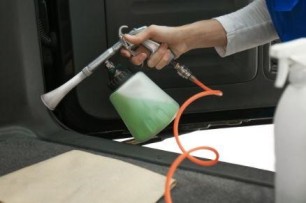
Best tips to clean the car carpets to make them shine as new
Understanding how to keep your car shiny is not only a matter of display but also a necessity to sustain your car's value. Certain parts of the car are exposed to dust and need to be cleaned regularly. The mats in your vehicle are the single most mistreated part and are often overlooked during a carwash. They are continuously battered by dirt, filth, sand, twigs, and stones brought in by your shoes. Not to mention how food and beverage spills create an excess mess on the carpet.
So, here are some of the best tips to keep your car carpets as good as new:
1. Take out all of the waste from the vehicle, including empty bottles, cans, wrappings, and pieces of paper. Gather it all up and chuck it away. Also, organise other personal things and either keep them in the glove box or remove them from the vehicle while you clean the carpets.
2. Now use a strong vacuum cleaner to clean the carpets thoroughly. Apply a stiff rug brush to scrape the fibres. Doing this will remove the dust and small bits that have been trapped between the fibres.
3. Examine the carpet for spots and areas that need further care before shampooing it. Prepare a spray bottle with hot water, vinegar, and a few drops of cleaning solution or laundry soap. Let it absorb for a moment before respraying and scrubbing it with a brush.
4. To get rid of a stubborn liquid stain, use soda and salt. Immediately after spilling something, put soda and salt on it and let it sit for a while. Then scrub it off using a paper towel or a cloth.
5. The best way to clean stains is to act quickly. To remove as much excess as possible, place a piece of paper tissue on the area. Then, sprinkle cold or sparkling water over the stain to dilute it and prevent it from hardening. After, wipe the area with additional paper towels or a cloth to absorb the liquid.
6. Finally, wash off your carpet. Then use a steam cleaner to dry it. The fabrics dry only with the pressure of hot compressed steam, which enters the material and blasts away any remaining trash.
7. Take measures to protect the fabric. Carpet and upholstery protectors come into play here. These chemicals coat the material with a flexible hydrophobic coating. To achieve complete coverage, spray the product evenly over the surface of the mat, then allow it to settle before applying another layer.
When it comes to caring for your vehicle, don't leave anything to chance. Owners diligently schedule regular maintenance of their car and take it in for expert treatment at the first hint of a problem. For those occasions when you decide to treat your vehicle yourself or in between expert treatments, the tips mentioned above will surely help keep your car carpets secured from getting dirty.
Similarly, opt for online car insurance to secure your car from the threat of physical damages during mishaps. Invest in good car insurance to aid you in paying the mechanic's required fees for repairs and servicing.
Click HERE to get online car insurance.
Disclaimer: The information provided above is for illustrative purposes only. To get more details, please refer to policy wordings and prospectus before purchasing a policy.

Common mistakes while learning to swim and ways to fix them
With the summer season right around the corner, it is time to take out your swimming trunks and goggles. For the past two years, the pools have been closed owing to the pandemic. But the numbers have been under control in recent past months, making way for pools to open up again with specified capacity. Although it's best to take refuge inside your homes in well air-conditioned rooms, taking a swim in your nearby pool is an option that most of us might consider. Over the years, we have seen an increasing number of people enrolling in swimming classes and actively making efforts to learn various styles of swimming. This article will prove helpful if you are new to swimming or want to polish your skills.
Today, we will look at a few common mistakes that people make while learning to swim and the ways to fix them.
1. Holding your breath:
Beginners commonly believe that the most crucial thing before diving into the pool is to hold your breath. Instead of helping themselves, they refrain from breathing to maneuver the waters.
A better solution to address this is to practice holding your breath on land before attempting it in water. This will help you control your breath more systematically and in a timed manner. Try inhaling and slowly exhaling while keeping a constant momentum.
2. Head too high:
One of the most common swimming mistakes is holding your head above water for breathing. It sounds surprising. How else are you supposed to breathe? When you lift your head, it causes your hip to drop down, slowing you down and increasing your resistance. Keep your head down, and when you need to breathe, you can do so from the side of the arm when it is out of the water's surface. Rotate your head to the side so that your mouth gets air to breathe.
3. Keeping your hips straight:
In the above passage, we discussed how the lowering of the hip could affect you negatively. Sometimes instead of rotating them, people use the upper body and the legs to move through the water.
Swimmers fail to realise that the most power comes from the hip. Utilising your core muscles and rotating your trunk will help you push through the water without tiring out your legs.
4. Pointing your toes:
Having straight pointy toes while swimming tightens up your muscles and makes it difficult for you to propel yourself in water. Swimmers should have flexible and loose ankles in water to maintain pace and direction. Practice curling your toes outside the pool. Try picking coins on the floor using your toes. Transfer them from one bowl to another to familiarise your toes with curling and being able to control them. This is the best way to train your toes before diving into the pool.
These are a few common mistakes swimmers make when starting their journey. Swimming can seem like a daunting activity, but it is sure to be one of the most enjoyable experiences with time. It is, however, advised to practice swimming under the guidance of certified coaches in well maintained and clean swimming facilities to avoid any health complications.
Another mistake that you should avoid is neglecting the importance of health insurance. Health insurance will act as your safety net in case of any injuries or accidents you might face while training.
A good tip would be to look for affordable health insurance plans, secure your finances against health ailments, and contribute to a healthy lifestyle.
Click HERE to know more about affordable health insurance plans.
Disclaimer: The information provided above is for illustrative purposes only. To get more details, please refer to policy wordings and prospectus before purchasing a policy.
Hi there! 👋 Need help with a policy, claim, or renewal? Chat with us instantly on WhatsApp.
Start chat →