


General Insurance Blogs, Articles & Updates by - Magma Insurance
Have us call you
- RENEW YOUR POLICY
- BUY NEW POLICY

GENERAL INSURANCE BLOG

Caught in traffic? Here are five innovative ways to keep your mood high
Getting stuck in traffic has become a usual thing in rush hours, and it is the most unpleasant scenario of every city these days. These long queues of snail pacing moving vehicles can be frustrating and sickening. However, the time taken in your commute does not have to go to waste. You can do some productive things than just hanging in your car or cursing drivers who try to cut the queue.
If you desire to overcome the problem by finding solutions, it won’t be a problem anymore. There are numerous methods to help you with your morning and evening commutes and increase productivity. Here’s how you can make the most of your time while stuck in traffic.
1. Listen to your favorite music or podcast:
There is nothing better than a good dose of lively music to get your day started. Your commute time does not always have to be productive; you can take this time to simply enjoy the things you like, such as listening to music, your wishlist audiobooks, or podcasts of your favourite speakers.
2. Get in touch with friends:
Again, caught in epic congestion! While you are on the way to your destination, take advantage of the extra time to respond to calls, and catch up with your friends. It lightens up your mood for the day. But be cautious; talking to friends is a good idea only if traffic is not moving. Otherwise, keep your mind on driving and avoid any distractions.
3. Make notes of your thoughts:
You can utilize your drive time to develop ideas or plan out a company strategy. And to get hold of these ideas, make sure you note them down somewhere. Writing down things while driving is not what we would suggest; instead, make use of voice assistant from your mobile phone.
4. Perform a daily review:
It’s the ideal moment to make sure the most critical tasks on your to-do list are towards the top. Put the phone down, gaze out the window, and simply let your mind roam to prioritize your work. Take advantage of your free time and pay attention to your urgent tasks and the best solutions for them. You never know; you might come up with an excellent solution to a minor but irritating issue at work.
5. Take a moment to study yourself:
Everyone must take the time to align and analyze their situation. The time you get while being caught in traffic can be an excellent opportunity to reflect critically on your well-being.
Acknowledge any tension in your life and identify possible changes that could be taken to improve your mental and physical well-being.
Getting caught up in traffic is always a moment of annoyance, whether for a few minutes or hours. We end up criticizing everybody around us, like fellow drivers, pedestrians, animals, vehicles, and even ourselves. The frustration caused during this period can have an extremely detrimental effect on your mood. Hence, to avoid letting our mind wander in angry thoughts, one should take up the above activities and indulge in them.
Everybody tries to make their way out of the traffic, which sometimes results in crashes. It may or may not be your fault; either way, you are to face the damages caused. In such situations, having car insurance proves to be helpful.
To get the best car insurance deals, click HERE.
Disclaimer: The information provided above is for illustrative purposes only. To get more details, please refer to policy wordings and prospectus before purchasing a policy.

Best Tips: Choosing the right colour for your car
Getting your new car is one of the significant milestones you may think of. When choosing the best model for you, various factors such as price, functionality, car insurance, etc. are considered.
However, another crucial factor is the colour of your car. The colour reflects your personality. Before you go ahead and make your big purchase, here are few tips to consider when picking the right colour for your car.
1. The resale value of your car: You will be surprised to know, but the colour of your vehicle affects the resale value. White and silver usually get a higher resale value than other colours.
2. Model: Another parameter is checking the variant. Not every colour you pick will suit the model of your car.
3. Red is not expensive: One of the common myths is red has a higher car insurance premium. This is entirely not true.
Always consider your car's purpose before finalizing the colour. Every colour might not fit your personality. For example, a politician or bureaucrat having a bright colour car seems bizarre to many eyes. Now let us look at the trendy colours, including those that’d look best on you and are perfect for your requirements.
1. Metallic: Metallic colour cars tend to be beneficial in the long run and make your car valuable. The colour is mainly known for its dependability and value to help get higher resale value and save you substantially.
2. Blue: Usually, blue refers to the "common man's car," but the new metallic options available in the market look excellent for working professionals. It is recently the number one choice for female drivers who need a cool look. As they say, "Blue is cool".
3. Throw off your attitude with the perfect black finish: Black is one of the most popular colours for any car. Known for its elegance and rich look, the black colour gives the vehicle a perfect attitude when you are on the road.
4. Get Sporty with orange and other bright colours: Bright colours, including yellow, green, or orange, always look super cool on your sports car. However, choosing it for your commercial vehicle can always not be a good idea.
5. Chic and Sleek with white: White is yet another safest colour for cars. It is a neutral colour and suits the best on commercial vehicles. Also added to a sport or luxurious vehicle with the perfect tinted glasses and chrome finishing, white makes your car classy!
6. Romantic with Red: Red is a popular and influential choice with a bit of romantic touch. However, keep in mind that red does not fit every model.
There is no such colour as "perfect". Instead, based on your personality and preference, you can pick one that looks the best for your car. When choosing the perfect colour, remember that scratches and dirt appear higher on specific colours and may end up ruining the overall look of your car. Also, reconsider the darker colours for your vehicle if you live in a hot weather city, as it results in heating up your car quickly.
To know more about the car insurance deals available, click HERE.
Disclaimer: The information provided above is for illustrative purposes only. To get more details, please refer to policy wordings and prospectus before purchasing a policy.

Are you a lone wolf? Use these ideas to manage your luggage on your bike
Do you like motorbike road trips but always struggle with what to pack and how to pack? Then, you've come to the right place. Allow us to provide you with some of the most practical suggestions for reducing clutter and enjoying your trip rather than constantly worrying about your bags.
Compulsive overpacking might be an issue when travelling alone and having little luggage space on a motorcycle. Unfortunately, when it comes to preparing for a motorbike journey, many riders make several basic mistakes. They tend to overload their bikes with luggage that later affects them in their journey. We've compiled a list of a few practical tips to manage your luggage correctly.
1. Motorcycle travel packs are a good investment:
Bundling your luggage and tying it down with bungee cords may be cost-effective, but it leaves your luggage fully exposed to external conditions. If the weather suddenly turns bad, everything will become moist and wet. You can mount the motorcycle luggage boxes on the side of the motorcycle, but what about transporting heavy items? Heavy items are challenging to handle alone; in this case, you may consider purchasing a motorcycle top box. These are ideal for transporting bulky items like motorbike riding boots and photographic gear.
2. Make a list of your requirements:
The most crucial step in decreasing suitcase clutter is to prioritize your travel needs and prepare accordingly. Recognize that a road trip aims to discover and enjoy the destination rather than be oblivious to day-to-day conveniences.
3. Don't pack everything:
Don't bring everything you need because most of the items you'd need are already available at the local places. Rather than stuffing your baggage with unwanted items, buy some on the way. Disposable batteries, paper napkins, and paper plates for eating are just a few examples that come to mind. Unless you are picky about your food, make purchases to eat and drink on the road to save room.
4. Carry multipurpose stuff:
Rather than bringing specialist stuff, seek objects that may be used in various settings when packing your baggage. Carrying multipurpose products without taking up a lot of room is an excellent strategy to eliminate clutter. For example, you can keep a phone case with a pocket, which you can use to keep some essential documents or cash.
5. Organize at every step of the route:
Most people arrange their belongings at the onset of their journey, but things start to go crazy as the trip goes! Keep things organized at all times. Instead of dumping everything in the bag, properly roll and tuck it. Keep dirty clothes apart from clean clothes and separate large items from small items, especially those susceptible to damage due to excessive dampness or heat.
These tips are proven of great help when it comes to packing for your solo trip. However, packing and riding lessons are not enough to keep you secure. Hence, we also recommend having updated bike insurance for your bike while it is on the road. Compare with hundreds of bike insurance online and get the best suited as per your requirements. Safety while travelling is something you shouldn't skip.
Looking for bike insurance online, click HERE.
Disclaimer: The information provided above is for illustrative purposes only. To get more details, please refer to policy wordings and prospectus before purchasing a policy.

Action camera for your bike travel: Nine tips to film the best videos
Action cameras have become a new trend among bikers. You must have seen the riders with one fastened to their helmets or handlebars. One reason being, India is adapting well to the vlogging, thanks to all the biker communities and influencers. With the evolution of action cameras, millennials are interested in capturing their bike rides and sharing the content on social networking websites.
There are some easy steps for you to produce the best-looking shots from an action camera, regardless of riding ability. Read these nine best tips to film better videos through your action camera.
• Choose a suitable device; you may not require an expensive camera and instead need something easier to transport and manage and friendly with all weather conditions.
• Plan out your videos; consider the video's objective, surroundings, the route you'll take, and how you'll film it. Take into account the lighting, the weather, and even the background music.
• The mainstream camera technology can record at 24 FPS (frames per second) for regular speed and at least 60 FPS for slow motion. However, extra-slow motion does not kick in until at least 120 frames per second, and filming at greater frames per second may lower the resolution.
• Set the white balance to auto, although you may set it to specific numbers corresponding to different lighting circumstances (for example, 5500K = daytime). We find that letting the camera make such adjustments for you is always the best option for shooting true colours on a motorcycle.
• With the voice command feature, you can start recording at any time throughout the ride and stop whenever you choose. Even better, you can snap 'Still Photos' while moving.
• 4K recording requires more memory, drains the battery faster, and can be difficult to edit or playback on a computer.
• An SD card in your action camera is always not sufficient. You should keep at least two or more if you're going on a long journey or simply want to capture more films.
• The typical rule of shutter speed is that it should be twice as fast as the frame rate. A shutter speed of 1/60-1/96, on the other hand, is more helpful because it avoids the sickening amount of 'Motion Blur' that might occur when riding a bike.
• To avoid water drops damaging your footage, use a water-repellent glass treatment spray like Rain-X.
Motorcycling has forever changed as a result of action cams. With the rising trend of sharing content on social media platforms, people use action cameras for incredible filming. However, driving bikes on roads brings the great responsibility of getting the proper protection for you and your bike. You can replace your cameras but not your life, so invest in good 2 wheeler insurance.
These tips for getting better footage are only a starting point; if you have something else that works for you, go for it. Beyond any camera setting, position, or attachment, the most important thing to remember is that the one who presses the record button is the real star.
To get the best 2 wheeler insurance, click HERE.
Disclaimer: The information provided above is for illustrative purposes only. To get more details, please refer to policy wordings and prospectus before purchasing a policy.

Know how yoga and meditation are taking centre stage in the workplace as stress relievers
Work-related stress is a significant public health issue affecting a massive population of people doing desk jobs. And, yoga has proved to be an effective way to manage this stress. Even the simplest forms of yoga and meditation can help you melt away the majority of your stress.
To raise awareness for well-being, International Yoga Day on the 21 June has become very popular in recent years. More and more people now understand the benefits of this three-thousand-year-old practice. Both meditation and yoga are increasingly finding their way into the corporate world as these small healthy practices performed on the desk can be a lifesaver. The rising demand for workplace health has created a greater priority for corporates to focus on the art of living, yoga, and other mindful activities in offices.
But why do companies care about employee well-being?
Good physical and mental health can result in efficiency and greater job satisfaction at the workplace. Also, studies have pointed out that poor employee healthcare is costing a massive loss to the companies. Hence, companies are adopting wellness programs to cut down medical leaves, paid health insurance policies, and other expenses related to health services. When employees are healthy, they can perform better and contribute more to the organization.
One might even think, why not just buy everyone a stress-relieving toy? It would save company's time and money, right? Well, that is not the complete solution. Here, yoga and meditation stand out from everything else; it has multiple benefits that make it a good choice as a stress reliever. A few of the benefits of yoga are listed below.
Improved concentration: Often a busy schedule including endless meetings, deadlines, unlimited calls and emails to answer can create chaos in your mind, which affects your focus on tasks and prevents you from making intelligent decisions. Yoga and meditation can effectively help you stop these unnecessary noises in your brain meddling with your productivity and freeing the mind clutter.
It is not always necessary to physically visit your 'silent corner or happy place'; just a quick mental trip can do the job for you. For example, many yoga practices increase the blood circulation in our body, which improves the brain function for a sharp and focused mind.
Prevents burnouts: Working round the clock is bound to create a feeling of tiredness, which lowers energy levels and burnouts in the long run. We recommend doing any sort of physical activity like stretching or even standing every 30 minutes because it significantly increases your blood circulation and oxygenation rate, which are both highly crucial to energy production. Yoga stretches help to get your heart pumping and blood flowing.
Taking deep breaths and filling your lungs with fresh air can help your anxious mind find some peace and comfort.
Do you think everyone needs yoga? If only a few people are stressed out, will it affect others too? To answer your question, yes! Stressed employees are more likely to be agitated and irritated, which disrupts the peace in the office and negatively affects the work environment causing everyone to be less motivated. A harmonious workplace is necessary to achieve excellence as productivity increases when employees are collaborative and willing to help.
Companies are driving health campaigns in their premises to promote a healthy work environment by encouraging everyone to do yoga and meditation. The corporate sector also makes investments in online health insurance for employees to secure their finances during a health crisis.
Encouraging employees to take ten minutes out of their work hours to practice a few stretches and breathing exercises can help create an active, less stressed, and supportive system that is far more productive and cost-efficient for organizations. So follow this mantra and see the magic happen!
Are you looking for good and cost-effective online health insurance plans for all your employees? Click HERE.
Disclaimer: The information provided above is for illustrative purposes only. To get more details, please refer to policy wordings and prospectus before purchasing a policy.

Internet shopping: Remember Convenience, Deals and a Few Scams
With the rise of internet-based e-commerce websites, online shopping trends are in the spotlight. A significant portion of consumers is choosing to buy goods online rather than in in-person retail stores.
The majority of retailers have established online platforms for their customers to shop from home. These sellers range from high-end fashion and luxury brands to thrift stores. The internet is an excellent method for suppliers to display their items with detailed descriptions to their customers, all with minimum communication. Elimination of costs such as of sales assistants and showroom maintenance is a perk. As a result, there has been a massive surge in stores shifting to online platforms.
But what about customer’s interests and opinions? Will the idea of Internet shopping still sound sweet to the ears of customers? And more importantly, is it agreeable to their budgeting? Although there are chances of getting tempted by heavy discounts, online shopping has many benefits if you are smart enough to make the best choices.
In this article, we talk about three aspects of Internet shopping for a customer; Convenience, Deals (about finance), and (the possibility of) a Few scams.
1. Let’s talk about Convenience:
The main reason for switching to an online platform is mainly the ease and comfort. What’s better than saving time by shopping even while travelling? And isn’t it wonderful how you can order something fresh cooked to eat from the comfort of your bed while enjoying the heavy rains outside? 24/7 (around the clock) – The ability of e-commerce websites to allow everyone to shop anytime proves most convenient for working adults. You no longer have to wait for the weekends to rush after the office to buy things. There are still restrictions on human resource-based services such as live chats and instant delivery in some cases, but for the most part, e-commerce sites are available 24/7 for you.
2. Great deals to surprise you:
Is online shopping always the cheapest? It is true in most cases, with seasonal discounts, sales and savings coupons, deal of the day, free shipping offers, etc. Managing a physical store is costlier than maintaining a website that meets the customers’ needs with less operational expense. So, retailers switch to online platforms to offer tempting offers and grow their businesses.
3. Scams can come your way:
As People hunt for the best deals and discounts, many fake websites and ads are there to lure unsuspecting shoppers. Unfortunately, these shoppers unknowingly expose themselves to risk by providing their personal information to malicious websites. However, if you are cautious about a few things while making a purchase, the chances of you falling into a trap are almost zero. So, mind the scam next time!
For instance, if you are looking for online car insurance, visit the official websites only. Have a habit of gathering receipts when making payments. Also, IRDAI has made QR codes mandatory on every insurance policy to verify its authenticity.
Due to the recent lockdown restrictions, e-commerce sales have skyrocketed. There is no going back from here, especially when social media is becoming a solid platform for shopping too.
The Internet has entirely transformed the buying experience. People can easily purchase things from all over the world. Payments are instant, and websites recommend products based on your browsing and shopping habits. So, follow the above tips to use the spell of an online purchase smartly.
Are you looking for online car insurance? Check out the best deals HERE .
Disclaimer: The information provided above is for illustrative purposes only. To get more details, please refer to policy wordings and prospectus before purchasing a policy.

Exercise or diet? What works best for you
There is much debate on what exactly helps a person to stay fit – is it a good diet or a workout plan? A good diet covers the meals you consume daily, from fruits and vegetables to dairy products and protein-rich food. A good diet will keep you safe from the risks of health issues like diabetes, cholesterol, blood pressure, heart diseases, and the worst-case – cancers.
Exercise keeps your muscles and internal organs active, and there is no alternative to exercise if you want to stay physically fit. Exercise energizes you from within, and this energy is vital to carry out all the day-to-day activities and even at the time of health problems.
If you wish to reduce weight, dieting appears to be the logical solution. When we intake more calories than we burn, we tend to gain weight. As a result, lowering calorie consumption would be the most natural way to lose weight. Right? This, however, is rarely maintained. People tend to jump back to their previous routines after a while. Worse, the feeling of deprivation causes them to binge, further causing them to regain their lost weight.
So, if dieting alone isn’t enough to achieve long-term weight loss, would exercise alone work just fine? Short answer: NO.
Here’s why.
Regular exercise has several advantages, including a healthier heart, enhanced metabolism, and stronger bones and muscles. Exercise is also part of a formula that can help prevent many clinical illnesses, including several cancers. But, exercising will cause you to break your muscles at the gym and burn your fats. If you don’t repair those damaged muscles through a proper diet, it will cause you to lose bone density. You’ll get thinner, but you won’t be any fitter.
So what exactly should you go for?
The answer is, workout and eat smartly, collectively!
If you’re able to maintain the balance between a good workout plan and a healthy eating habit, you’ll complete your race towards the goal of fitness in less time.
Remember, you don’t need to work out every single day to be fit. Aim for at least 150 minutes of moderate to strenuous activity every week. Figure out a way to make time out of your busy schedule for a quick 50 minutes workout or have an exercising session every alternate day, whatever works for you.
As for diet, use a calorie calculator on the web to figure out your calorie level. If your target is to gain weight, eat above, and if it’s to lose weight, eat below the maintenance level.
It is preferable to have a minimally processed, whole-food diet rich in healthy fats, fibre, and lean protein to support general health.
Final word:
It may be tempting for you to choose one over the other. Diet and exercise complement each other and combining the two will improve your health and quality of life. As you take your fitness journey more seriously than before, be one step ahead and cover yourself and your loved ones under a good health insurance policy. Because eating and exercising will only take you a certain distance on the path of well-being, good health insurance will be your helping hand when you have to go the extra
Click HERE to browse the best health insurance plans.
Disclaimer: The information provided above is for illustrative purposes only. To get more details, please refer to policy wordings and prospectus before purchasing a policy.
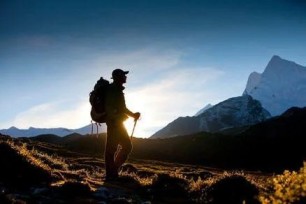
Do mountains amaze you? Add these five hiking destinations to your bucket list
It is rightly said that when in doubt, travel. And, traveling to mountain-tops and indulging in some thrilling activities is on the bucket list of every passionate traveller. So if mountains amaze you, this list of some of the most amazing places for hiking is for you. We have picked these five destinations blessed with nature and adventures to explore.
1. Kedarnath Trekking, Uttarakhand:
Situated in the mighty Garhwal Himalayas, the Kedarnath in Uttarakhand is a rejoicing trekking experience for nature lovers and travel enthusiasts. Its bloomed beauty with charming villages, lush green meadows and breath-taking sights of Himalayan peaks are stunning. The 3850-meter lofty summit of the trek covers Govind National Park, a glance of Himalayan flora and fauna. The hike also encounters views of Swargarohini, Ranglana, and Banderpooch with some heart-warming sunsets and the spectacular views. The trek covers forest sections and meadows and is also safe to walk through; spotting wildlife of the region is possible during the tour. Days are warm and sunny, though nights are cold with low temperatures. The difficulty of trekking is easy to moderate.
2. Clouds End Trek, Mussoorie, Uttarakhand:
It's obvious why Uttarakhand is called the "abode of the Gods" for every good reason. This holy place consists of magnificent clouds end trek – Mussoorie. The total area spreads over more than 2000 acres of land. Uttarakhand offers the best of avenues to experience some of the best hikes. People also hike up to the Jwala Devi temple that is in the vicinity. Here you can hike with a cultural overhaul and camping experience. The best time to trek here is in winter.
3. Tiger Hill, Darjeeling, West Bengal:
Tiger hill is the highest peak among all hills in Darjeeling, with an altitude of 8482 feet and 11 km in distance. The phenomenal view of Kanchenjunga can be seen with the incredible crystal blue sky. The trail is through the tiny villages and via pine, bamboo forests. You can visit a 150 years old monastery while hiking. Try to get there by pre-dawn to witness a majestic view of sunrise.
4. Chadar Trek, Ladakh (Frozen River Trek):
Ladakh is undoubtedly the dream destination for trekkers and bikers. The highlight of this trek is that it's not on some mountain or high hills. Instead, it is on the frozen "Zanskar River". No words can encapsulate the beauty and thrill of this trek. You will see a frozen waterfall that will soothe your eyes and soul. During the trek, you can interact and experience the culture of Zanskar village. Chadar trek is 11123 feet, and 62 km spread. The best time to go for a trek here is from early January to February.
5. Sahyadri mountains trek:
Situated in the western ghats, 1600 km in length, Sahyadri Mountains are a lush green beauty parallel to the coastline of the west and one of the favourite places of trekkers. This world heritage is rich in wildlife and biological diversity too. Blessed with stirring pinnacles, caves, forts, and hilltop greenery is the point of attraction to trekkers. It's truly a paradise for nature lovers. The best time to visit this trek is Monsoon. Seasonal waterfalls and rainbows, flowing rivers with surrounding greenery of Sahyadri make this trek marvellous.
On a final note, good health and physical fitness are required before you head off to any trekking destination. Your endurance will be on a severe test, so ensure that you prepare yourself by considering all the possible factors. However, mishaps and unforeseen problems can occur too. Therefore, count your health insurance in your essentials to have safe and memorable trek experiences.
If you are looking for health insurance online, click HERE.
Disclaimer: The information provided above is for illustrative purposes only. To get more details, please refer to policy wordings and prospectus before purchasing a policy.
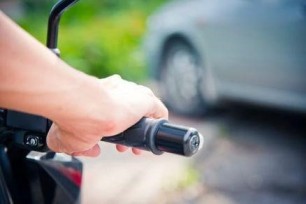
Turning 18? Here is our beginner's guide for riding a bike
Are you turning 18 soon and just starting your life as a motorcyclist? Most of the teens are filled with enthusiasm and hold a different excitement for bike riding. That's quite obvious as the adrenaline rush of turning 18 keeps the soon-to-be-adults on the tips of their toes.
Are you excited to start riding but don't know how to get started? In this space, we've put together some key points to ponder on if you're a newbie rider, also acquainting you with important terms like basics of riding, bike maintenance, and bike insurance.
1. Choose your model and learning space wisely:
As you start anew, you must choose the best-fit model. It should not be too bulky or heavy; rather, it should be modest, lightweight, and easy to handle for you. After all, you will be riding the bike, so you cannot compromise convenience over physical appearance. The second step is to choose the learning space where you can start riding. It is not advisable to get on the heavy traffic roads of India for a beginner. So, better choose the roadway with flattened or open ground, less bumpy, and with fewer vehicles around; this will help you make your learning process hassle-free.
2. Learn about the components & functionalities:
You cannot glide on the road directly without having basic knowledge about your bike. Be proficient with the parts of your bike and understand their working. You should know the fundamentals like the clutch lever, gear shifter, rear brake, throttle, side stand, accelerator, etc. Anytime, good research can help you uncover the unknowns, and this information can surprisingly come to your rescue if your bike faces any faults.
3. Buckle up and get started:
Get on your bike, make sure you side up the middle stand first. Give ignition, roll on your clutch, and adjust yourself in a comfortable driving position. Shift your gear in neutral, wait for half a minute, and let the engine start properly. You need to be alert at all times and keep the clutch, gear shift, brake and accelerator in rhythm to allow the bike to move smoothly. If you are not confident with your driving skills, take some learning classes from a certified motor training school.
4. Maintenance of the bike:
Like any other machine, your bike also needs the care to provide you with a smooth and safe riding experience. You can do this by scheduling an appointment for complete bike servicing and washing that will boost the performance of your bike. In addition to it, just as life insurance covers your damages, your bike needs BIKE INSURANCE to shield it from any mishap. But are all the two-wheelers owners meeting their responsibility of safe riding? Unfortunately, many of them don't even hold a valid two-wheeler insurance policy. So always be a responsible rider and carry a valid insurance policy for your bike.
5. Ace it with practice:
Be it a bike or any other activity, 'practice' is the key to excellence. Practice safe driving and follow all the traffic rules when on roads. Always wear safety gear like helmets, gloves, bumper jackets before hopping on your bike. Remember that the greatest pleasures can be enjoyed only if you’re safe and sound.
6. Be alert – potholes ahead on the road:
Be a responsible driver, and don’t let the excitement turn sour due to recklessness while driving on bumpy roads or ignoring potholes and stray animals on the roads. There are no magic tips to manage these situations. The only solution is to avoid them by slowing down your speed. There is no other secret.
Lastly, keep patience along with your enthusiasm, and don't rush while learning. You'd look cool on a bike, but always remember that life is more important than the ride. Follow the rules and invest in an ideal bike insurance policy for the comprehensive security of your asset.
Click HERE to know about the bike insurance plans that are best for you.
Disclaimer: The information provided above is for illustrative purposes only. To get more details, please refer to policy wordings and prospectus before purchasing a policy.

Proud to be a foodie? Check these five amazing food tours that you cannot resist
There is no doubt that the relationship of an Indian with food is above and beyond anything else. We don't just love the food, we worship it. Every time someone talks about food, and we get all nostalgic and tempted about it. Food is possibly India's biggest obsession.
Travelling from place to place to explore the best food and culture is another trend which is quite popular in India. If you are a foodie and looking for some famous cuisines, there are boundless cuisines exploring options you can find. Below are the best 5 amazing food tours you must try as a food lover.
1. Mumbai: ‘The city that never sleeps’ holds a speciality in street food as well as fusion dishes. In the city of nightlife, you will find a whole range of cuisines served at night too. Some remarkable famous signature delicacies are Vada Pav (local trademark snack of Mumbaikars), Pav Bhaji, Misal Pav, Dabeli, Bombay style Chowpatty Bhelpuri, and whatnot! Savoury food with a hint of Maharashtrian spices and taste is all you need to bless your tastebuds.
2. Old Delhi: It won't be wrong if we call Delhi as ‘food capital’ of India! Historical places, super delicious food, and politics are in the blood of Delhi. Delhi is famous for its street food and traditional cuisine of 'Purani Dilli' (Old Delhi). The famous landmark, of course, is ‘Paranthe Wali Gali’ in Chandni Chowk. The series of shops selling varieties of parathas make it the most happening food destination.
Other delicacies of Delhi food culture include Momos, Kebabs, Chhole Kulche, Paneer Pakora, Mughlai Biryani, and a large variety of chats. Crowned with their signature desserts like Jalebi with Rabri and Kulfi Falooda, Delhi perfectly satisfies your sweet tooth.
3. Ahmedabad / Surat: Gujarati delicacies exhibit homely comfort food with complex flavours, oscillating among sweet, spicy and savoury. Ahmedabad, aka Amdavad and Surat ‘The sun city', are both filled with food streets loaded with huffy-puffy food. As the significant population is vegetarian, here the food is full of vegetarian options. 'Manek chowk' is a prominent place loved by Gujjus. You will get fusion eating options created from traditional dishes, such as Khaman-Dhokla, Surti Locho, Jalebi Fafda, Khakhra, Undhiyu-puri, Khandvi, variety of Farsan, Thepla, and last but not the least is the whole ambit of 'Kathiyawadi' delicacies.
4. Amritsar: When it comes to counting the best of taste, you cannot miss out on the contemporary north Indian food of Amritsar. As you step into the streets of Punjab, the utterly buttery aroma of Amritsari Chole-Kulche, Karah Prasad of Golden Temple, and ghee emerging from Sarso da saag with Makki di roti is mouth-watering.
The food of langar at the Golden Temple is what makes this food tour worth it. A whole ambit of large Amritsari glass of Lassi and buttermilk will drench your heart with happiness.
5. Bengaluru: Famed as the IT hub of India, Bengaluru has preserved and marked its cultural flag with authentic South Indian food and its incredible taste. A quiet morning with a South Indian breakfast is the major ritual of true-blue Bangalorean.
Masala Dosa at CTR, Filtered Coffee, Seafood platter, Idli with four style Sambar, tomato chutney, Medu Vada, Dal Vada, Rassam, the whole trunk of South Indian variety is exclusive here. Wrapping up this south Indian elegance with Coconut Lassi and Payasam tastes straight from a local chef's kitchen.
On a conclusive note, while visiting all these places for your food tour, consider another essential factor of your health and safety. You're likely to catch a 'Delhi-Belly' if you ignore the hygiene factor at the roadside eateries. Avoid drinking tap water or eating uncovered cut fruits as much as possible. Also, avoid unforeseen health issues caused by travelling and experimental food tours by protecting yourself with good health insurance. If already not purchased, you can opt for an ONLINE HEALTH INSURANCE policy before planning your next food trip to any of these destinations. Keep exploring the world on your plate!
Are you looking for an online health insurance? Click HERE.
Disclaimer: The information provided above is for illustrative purposes only. To get more details, please refer to policy wordings and prospectus before purchasing a policy.

Does bike riding excite you? The top five bike trips you must not miss
Going on bike rides in India is an enthralling experience, as our country is home to awe-inspiring landscapes, natural beauty and colourful local rural life. From the snowy Himalayan range to the lush green forests of Kerala, the sandy deserts of Rajasthan, to the beaches of West Bengal, one can never be bored.
As you see, there are many bike routes that any travel enthusiast will be excited to go on, but we have shortlisted the top 5 bike trips you must not miss!
1. To the highest motorable road in the world (Manali – Leh): It is probably one of the most recommended routes for bike trips, and it is famous for all the right reasons. Every second spent away from work and home is worth watching the picturesque scenes pass by. You will come across the beautiful and challenging Rohtang, Gulaba, Khardungla Pass, Dorcha passes on the way. Winter jackets and thermal wear are necessary as the climate is exceptionally chilly.
The tour lasts for about 12 days and 11 nights. The total driving distance is 1055 km from Delhi, and it is worth every mile. The best time for this trip is from July to September. Take refreshment breaks to enjoy warm sips of hot coffee/tea as you en-route towards your destination.
2. The road towards yellow sands and palaces (Jodhpur – Jaisalmer): You cannot possibly find a better way to explore these traditionally rich and rustic cities. These places are all about their palaces, music, dance, and authentic mouth-watering traditional cuisines. It is ideal for bikers who are curious to explore beyond just nature and concentrate on the city's glorious history, rich heritage, and tiny nooks and corners.
3. Riding on the salt marshes (Ahmedabad – Rann of Kutch): The short tour is full of surprises. It is the perfect blend of nature, tradition, and escapade. Don't forget to have a night's stay at a Bhunga (mud house) to experience the local lifestyle. Plan your trip during a full moon because watching the full moon from the Rann is considered a liberating moment in life.
4. To the French heritage town (Chennai – Pondicherry): For the people in Chennai, Pondicherry is a great weekend getaway. A ride along the east coast will take you through tranquil sunsets by the beach, along with eye-catching green rice fields and fascinating fishing villages.
Though many people don't take any halts, there are a few underrated places worth visiting on your way to the French town, like the Chunnambar backwaters and the Dutch Fort.
5. In God's own country (Kochi – Ooty): You will feel close to nature in Kerala, nestled in sublime greenery; the tropical place makes you feel alive. The journey begins from the beautiful city Kochi and continues along the Arabian coastal strip with a soothing breeze encompassing your soul, straight towards the hilly terrain of the state.
You will come across several tea and coffee plantations, which produce the best and most expensive coffee beans in the world. Overall, the plantations, beaches, and backwaters will rejuvenate you! The recommended season is summer, between March and May.
A helpful tip: Bike rides are the best way to connect with nature and learn about a region's traditions, food, and art forms. But, you may not know specific state laws regarding tourists and driving, so go through travel websites to stay out of legal trouble. Also, get your bike an essential servicing, carry a basic tool kit and always ensure valid 2 WHEELER INSURANCE before going on such trips.
Click HERE to know about 2 wheeler insurance.
Disclaimer: The information provided above is for illustrative purposes only. To get more details, please refer to policy wordings and prospectus before purchasing a policy.

Are you health and budget conscious? Here is how you can eat organic on a tight budget
On a limited budget, going organic and all-natural sounds unusual. Still, the truth is that eating organic is not only better for you, but it is also better for the environment. Let us know, how. Organic food is chemical-free, 100% natural and full of health. In addition, it is environment friendly as natural fertilizers like cow dung or manure and kitchen wastes are used for farming instead of pesticides.
Organic foods are popular among health-conscious consumers, although they might be more expensive than other foods farmed conventionally. Harvesting and managing organic crops is time-consuming for the farmers, thus making them more costly for the consumers. So how can you manage your health and budget wisely? It is certainly conceivable, even though it appears to be impossible. Here are a few ways to manage eating organic foods while on a budget.
1. Shop at budget-friendly stores: The first approach to save money on organic is to shop at the correct place. Stop by the local market on a weekday to see how cheaper local food may be than imported stuff. Deals are constantly available for you to take advantage of.
When you buy organic food at a farmers' market, you may expect fresh and less expensive organic produce than you would find in a supermarket. In this way, you even contribute to promoting the sincere efforts of the local farmers, and you assure maximum profit to the farmers by buying directly from them.
2. Cultivate your garden: You will save some money on vegetables if you grow your own organic produce. You don't even need to have a large garden to grow organic vegetables. You may grow your favourite vegetables in pots, which occupy very little space. Even better, you may choose a raised bed, which is ideal for packing many vegetables into a bit of space.
3. Purchase produce that is in season: Buying produce, even organic stuff, is usually less expensive when it is in season. This is owing to plentiful supply and the fact that it has not been shipped halfway around the world. Seasonal organic vegetables have the advantage of being less expensive, fresh, and more nutritious. If you're not sure when your favourite organic food is in season, check out one of the many seasonal produce guides available online.
4. Consider organic frozen food: Fresh vegetables are always healthier than frozen ones, regardless of the conditions. That isn't always the case, though, as frozen fruits and vegetables are just as healthy and nutritious as their fresh counterparts. Frozen food is collected and frozen at the peak of its season, ensuring that it preserves its nutritional content. On the other hand, fresh veggies lose some nutrients over time when they travel longer distances to retailers. Therefore, consider buying frozen organic food next time you are shopping.
5. Purchase in large quantities: Buying in bulk saves money because most things are less expensive than a single package. However, buying in bulk, even if you don't need it, will result in waste. It exacerbates the problem by removing money from your pockets you can spend on the food you genuinely require.
We hope you no longer have to compromise over the quality of your food simply because your budget is getting in the way of it. If healthy practices are managed efficiently, they can be pocket-friendly, focusing on sustainability and a nourished lifestyle. Healthy practices even include investing in health insurance. When buying health insurance, do not necessarily go by the conventional method; instead, you can buy ONLINE HEALTH INSURANCE conveniently from your smartphone or desktop.
Click HERE to explore our online health insurance services.
Disclaimer: The information provided above is for illustrative purposes only. To get more details, please refer to policy wordings and prospectus before purchasing a policy.

Family on the road trip? What to know before you go
Road trips are the best part of any vacation, and if it is with family, then nothing can be perfect than this. Family road trips can turn into a great time for everyone by strengthening the bond among the members.
A road trip can either feel like an exhausting chore with endless hours of constant irritation or a fun-filled adventure with memories that will last a lifetime. It depends entirely on planning a trip and what engaging elements you try to include during your journey.
Are you in a dilemma about how your family trip turns out to be? Then, before you hit the road, be sure to read our recommendations to prepare for a family road trip. These tips will help keep the children happy, parents sane, grandparents comfortable, and make your trip a memorable one.
1. Make frequent halts: Go on the internet to look for exciting places you can stop by on your way to keep everyone engaged. Even stopping at a regular park or a garden space allows everyone to stretch their bodies and get to enjoy themselves. You can also carry a Frisbee to play as these small fun activities keep the excitement intact for the long drive. Driving can be exhausting, so taking breaks helps the driver to de-stress and helps to regain concentration. Refreshment stops are a must. You can discover varieties of food and great highway-side restaurants if you decide to have a meal on the road.
2. Plan your route: Nowadays, most cars come equipped with GPS. Still, you should plan a route suitable for you before leaving. Check if the weather conditions, in any way, would affect your course. It is difficult and dangerous to drive on certain roads in monsoon season, especially the landslide-prone mountain areas. So, try to avoid them as some have traffic congestion while others may be blocked. Keep a physical paper map to navigate through the journey. It comes in handy when you lose a network connection. Plus, it will be a great real-life geography lesson for your kids while travelling.
3. Food and Entertainment: We can quickly be bored on a long trip. And we tend to eat whenever we are bored. So, pack healthy goodies like sandwiches, protein bars, and fruits. Avoid carrying and consuming eatables that can make a person with motion sickness feel nauseous. Instead of sitting in your car and uncomfortably having your meal, you can also plan a picnic at a rest stop or try new hotels and dhabas on your way. Another solution for boredom is to have some good entertainment. Enjoy some good music, make a playlist with songs that everyone likes. Audiobooks are a great way to listen and learn something new.
4. Get comfortable, but safety first: Carry a couple of comforters, blankets, and pillows to ensure a refreshing nap. A neck pillow can be a favourite item for long drives. Along with comfort, ensuring safety is also essential. Make sure to buckle your kids safely in a car seat or a booster seat. Also, have an emergency first-aid kit ready with you. Check your car's tires, oil changing status, wirings, and level of fuel. Carelessness on the roads is something that you cannot afford to do, especially with your family and kids.
What do you think about going on long road trips with your family? With Covid restrictions easing out, you can now plan a long road trip soon to make some priceless memories with your family. Before you leave, double-check your driver's license and other essential papers like PUC and motor insurance. As ONLINE MOTOR INSURANCE is available, you don't need a hard copy of the documents; a soft copy will be enough. Nonetheless, have a fun drive, and enjoy a vacation with family!
Click HERE to know more about online motor insurance for your car.
Disclaimer: The information provided above is for illustrative purposes only. To get more details, please refer to policy wordings and prospectus before purchasing a policy.

Why running a marathon is not a crazy idea at all
You'd love the fact that not many people can say, 'Yes, I ran 42 kms today.' Indeed, of all the races, there is no better ground for heroism than a marathon.
There can be various reasons you might want to train for and run in a marathon, whether you are a veteran jogger who wants to strive toward a new goal or a rookie runner influenced by a friend's achievement of participating in a race.
Although training for and running a marathon can be a challenging and painful experience, there are numerous health, mental, and spiritual benefits.
You may be afraid of getting hurt or in constant pain; that's natural. You can talk to yourself and ask a question, 'Can I do it?' Because deep down, you always wonder what it would be like to put in the time and effort required to train for a marathon, and believe it or not, every drop of sweat is worth the pain.
Following are a few reasons why running a marathon will prove more helpful than you think.
Advantages for your physical well-being:
• It improves your overall health by strengthening your muscles and boosting your immune system. In addition, it makes your heart stronger and helps you maintain healthy blood pressure and cholesterol level.
• You will get more restful sleep as the training for a marathon can be challenging. Our body restores and recovers while we are asleep, so you will surely crave a sound sleep.
• Even if you don't lose much weight, running all those kilometres will tone your legs and impact your lean muscle mass.
Positive effects on your mental health:
• Running during stressful times, according to research, can help you better face life's obstacles by strengthening your mental resilience.
• When it comes to marathons, you can't afford to skip training, so having one on your calendar will keep you motivated to stay on track.
• You'll be a completely different person after you cross the finish line because you'll always know that you have the mental and physical strength to endure, even when you don't think you can or will succeed.
Advantages for your personal growth:
• It will keep you engaged. If you've just had a life transition that has provided you with extra free time, such as retirement, a breakup, a job loss, or a freshly empty nest, now could be the ideal time to take on the marathon challenge.
• Your running self-assurance will almost spill over into other aspects of your life, such as work and relationships.
• Although there will be some difficult times during marathon preparation and the event, it will all be worth it once you cross that finish line.
More amusing benefits:
• Marathon running is an excellent reason to explore a new city or country if you enjoy travelling.
• Suppose you're used to running and racing shorter distances. In that case, training for a marathon will encourage you to find new areas to run because you'll be running a lot and getting bored with the same routes.
• You'll receive something as a reward for your accomplishment, whether it's a medal, a shirt, or a fantastic finish photo.
• You're a marathon finisher once you cross that finish line, and you'll always be one. One will never be able to take that title away from you, and neither your bragging rights.
A consistent long-distance running plan brings many physiological and mental health benefits to marathon participants. Before you start preparing for a marathon, make sure to examine your current fitness level and take the expert advice if required. In addition, it is advisable to purchase a HEALTH INSURANCE policy, especially when you are participating in sports events.
To get the best health insurance, click HERE.
Disclaimer: The information provided above is for illustrative purposes only. To get more details, please refer to policy wordings and prospectus before purchasing a policy.

Upgrading your car? Why do you need to consider these five factors?
So, you have got a promotion and decided to upgrade your car. When you choose to upgrade your vehicle, the first thing you feel is nothing but complete excitement. However, in reality, it takes more than just excitement to upgrade a car. You might like to consider many other reasons before selling your current vehicle and getting a new one.
You have to introspect on the very first factor: how necessary is it to upgrade your car? Because with upgrades, the cost of maintenance and CAR INSURANCE changes too. Let us help you to decide if upgrading is a rewarding decision for you or not.
1. Budgeting: Car is an expensive and fast depreciating commodity. If you think you have got enough money to upgrade the car, you must decide on a precise budget you can spend on the new car. Another point is the type of car you want to upgrade. See the model, features, and warranty policies of the car and check if it justifies your requirements. Rather than only visual choices like the colour and design of the car, you must also focus on its features and comfort.
2. Monthly maintenance cost: Make sure you can pay the EMIs, maintenance, and other hidden costs with ease without stressing your budget. Car is like a perpetual drain on your pocket. So pay attention to hidden fees like fuel, repairing, servicing, registration, or car insurance policy.
3. Usage of the car: A small to a medium car (preferably electric) would be fuel-efficient and easy to use if you live in a metro city. It is convenient for driving, and you can park it easily. Be mindful that bigger cars require more parking space and can be an everyday hassle if you live in a crowded area with no dedicated parking.
If your family size increases, you need to choose the car with the ideal cabin space to accommodate all your family members and enough boot space for luggage.
4. Higher annual insurance: While the upgradation will enhance your comfort level, it's necessary to consider the impact on your car insurance premium. The higher the cost of the car, the more you have to pay to insure it. Usually, expensive vehicles have very high premiums. Therefore, it's better to estimate the annual car insurance cost than to put sudden stress on your pockets.
5. Smart features: If you are an auto-enthusiast, have a passion for cars, and can afford a luxury vehicle, you should go for a premium car. Try to get some smarter and better features when you upgrade your car. It includes light bars, a GPS, reverse-parking assist cameras, cruise control, auto-pilot, keyless entry, and a better sound system. Safety features like airbags should be the top priority. High-budget cars also bring other safety features like anti-theft alarm technology, anti-lock braking system (ABS), and traction control.
And a final thought before you decide on a model, changing your old vehicle is the best occasion to refresh your lifestyle, but you need to stick to your budget and surf for multiple options. Research thoroughly and find the best deal for the vehicle. By considering the above points, you will not regret the thought of upgrading your car.
Are you looking for a Car Insurance policy? To know more about it, click HERE.
Disclaimer: The information provided above is for illustrative purposes only. To get more details, please refer to policy wordings and prospectus before purchasing a policy.

Relocating to another city for work? Tick all these boxes.
Starting a new job or getting transferred to another city is stressful already. What adds more to it is the requirement to move away from your current city. The transition is exciting, but at the same time, when you imagine the severity of the relocation process, you feel daunted. Naturally, it will be a bit on the tougher side to figure everything out by yourself.
Shifting to a new city means finding a place to live, adapting to the type of weather, language, people, food, lifestyle, and culture. While some like to experience the newness of a place, others find it challenging to accommodate themselves. Either way relocating is nerve-wracking.
Here's a quick guide to making relocating easy for you.
1. Logistics: The very first thing you must plan is shifting your belongings. Whether it is your personal valuables or simply your furniture, these are the things that cannot be left unattended by just anyone. Therefore, choose a trustworthy packers and movers company with a good reputation for helping you migrate your stuff. To search for the best packers and movers in your vicinity, customer reviews or company ratings available on the internet can be of great help!
2. Prepare a budget and checklist: Keeping your expenses in check isn't simple at all in such hurried times. Hence, preparing a budget for every payment caused will help you save some bucks and refrain from spending on redundant things. It will also aid you in attending transactional details. Similarly, creating a checklist will ensure not leaving anything behind for the last moment hassle.
3. Acquaint the location: It is better to have some knowledge about the city you are planning to move to. Find a good home broker or take your network group's help for some references already living there. Making contact with the locals beforehand, such as your colleagues and people in your society (if you have found an apartment), will prove helpful when settling in the new city.
4. Traveling arrangements: After checking out all the boxes mentioned above, the last thing that remains is how you will get there. If you plan to take a flight or train, ensure you book it before time and not at the eleventh hour. This will not only secure travelling but also get your money and time saved.
5. Insurance for your goods: It is highly recommended to secure your goods and chattels with transit insurance before having them packed and moved. No one can guarantee zero damage to the goods that are to be shifted, but you might be able to cover the loss by getting paid for it. The transit insurance policy covers all possible perils to the items. Whereas for things like your vehicle, get CAR INSURANCE to prevent damage cost.
On a conclusive note, migrating to a new city is not the same trouble as it used to be decades ago. With all these services and networking through various platforms, it has become convenient to plan out relocation. However, everything seems to fall short when you are actually at it.
Hence, we came up with a list of things to assist you in your new start hoping that it will help. Wish you a Happy Moving!
To get the best car insurance Motor Insurance, click HERE.
Disclaimer: The information provided above is for illustrative purposes only. To get more details, please refer to policy wordings and prospectus before purchasing a policy.

Aerophobia – How to overcome the fear of flying next time?
Roughly around six million people are flying somewhere every day. Air travel has become a necessity for most of us for multiple purposes; study, work, holiday, and different other reasons.
Air travel brings in a different excitement of seeing the world from a bird-eye view. But some of us are still terrified of travelling on an aeroplane. Air travel is not an easy game for all. These are all signs of aviophobia, from feeling groggy to having a panic attack during or before a flight. And this fear and anxiety can hold you back in your life. With that in mind, here are a few tips to help you overcome the fear of flying before and during your flight.
1. Recognize your fear: Extreme avoidance of planes or anything in association with flying like airports is considered the fear of flight. According to psychologists, people with severe aerophobia organize their life around avoiding flying. When stepping onto a plane, you may be afraid of a single or a range of things like noises and sensations during takeoff and landing or sudden or prolonged turbulence. Therefore, it is crucial to figure out what triggers your flight-related anxiety so you can take steps to anticipate or avoid it.
There can also be underlying reasons for aerophobia such as claustrophobia – fear of enclosed spaces, agoraphobia – fear of crowds, acrophobia – fear of heights, or simply uneasiness of not being in control. It is necessary to treat these baseline anxieties. You can try taking small steps to deal with them; for instance, choosing the aisle seat will make you feel less restrained by giving you the freedom of movement. It will also help you avoid looking out of the window if you are uncomfortable with heights.
There can also be underlying reasons for aerophobia such as claustrophobia – fear of enclosed spaces, agoraphobia – fear of crowds, acrophobia – fear of heights, or simply uneasiness of not being in control. It is necessary to treat these baseline anxieties. You can try taking small steps to deal with them; for instance, choosing the aisle seat will make you feel less restrained by giving you the freedom of movement. It will also help you avoid looking out of the window if you are uncomfortable with heights.
2. Distractions can be saviours: Keep your mind off it. Many people can sleep the moment they are on a plane, but typically, people with aerophobia find it difficult to relax, let alone sleep. Therefore, to keep your mind occupied, we suggest you pack many distractions. Of course, it is sometimes impossible to concentrate on something when you have high levels of anxiety. But stuff like music, movies, books, magazines helps you pass the time and refrain from overthinking.
3. Educate yourself: If your aerophobia has got nothing to do with other phobias, then you are probably paranoid thinking anything, and everything is going wrong with your aircraft mid-flight. Instead of indulging in scary, unrealistic fantasies, educate yourself on some other interesting stuff, such as the reasons behind the switched-on seat belt sign. There are multiple resources offline, and online that educate you on what happens during different flying conditions. YouTube videos are always a great help. Many airline employees like pilots and air hostesses have their channels to explain how turbulence is uncomfortable and what safety measures are taken from their side that you might not know.
Of course, worrying about a person's well-being while flying is digestible, but it would be best if you did not fuss over the possible financial loss as there is online GENERAL INSURANCE available to secure your valuables.
So, are you ready to work on your fears to enjoy a good flight this year? For sure, it won't be easy at first, but eventually, you will overcome your fear. Some techniques may be helpful to you, and some downright not effective. So, you might want to experiment a little to find a strategy that works best for you.
Click HERE to know about health insurance policies that are the best for you!
Disclaimer: The information provided above is for illustrative purposes only. To get more details, please refer to policy wordings and prospectus before purchasing a policy.

Planning a reunion? Consider these five tourists spots you should go to
It's been a long and challenging time of social isolation, lockdowns, quarantines, and cancelled gatherings. But, finally, the series of missed opportunities have ended as more vaccines reach the arms, and the limitations imposed by the Covid-19 national lockdowns have progressively eased. Now, we have been allowed to socialise with our loved ones in ways we haven't been able to for a long time.
So, what better time to plan a reunion than now? It's time to take your travel bags out of your closet and put an end to these slumber times.
Below, we've talked about five great reunion spots for you and your loved ones to call home for a few days.
1. Goa, where vibes match your energy: If the most desired vacation in India had a name, it would most likely be Goa. Goa is as near a fantasy paradise as you can get and is a perfect blend of modern and traditional culture. You think of clean water beaches, enthralling water-sports activities, and crazy pubs and disco parties whenever you hear about Goa. But, wait, Goa is much more than that. The best Goan seafood, a historical Portuguese colony with a distinct charm and the Goan culture has no parallel. Since the proclamation of a nationwide lockdown in March, Goa has been one of the most eagerly awaited tourist destinations. It's the right time to plan a trip and make a vibe – Goa is ON!
2. Darjeeling, a paradise for tea lovers: Located in the Kanchenjunga range of the mighty Himalayas, Darjeeling is a picturesque hill station in the Northern region of West Bengal, which has earned itself the moniker of 'Queen of Hills.'
Rightly so, Darjeeling works wonders to cater to the magnificent Himalayan scenery, offering a blend of splendid tea plantations on steep mountain slopes, toy train trips through the beautiful city, and exquisite traditional Tibetan food. So if you want to cool off and spend time in the arms of mother nature, Darjeeling is the place to be.
3. Rishikesh, discover adventure with spirituality: Commonly known as the 'Yoga Capital of the World’, Rishikesh is part of India's beautiful state of Uttarakhand. Rishikesh is a place that truly epitomises the word serenity since there are several ghats and ashrams for you to rediscover yourself amid the world's craziness.
Go river rafting in the river Ganga or thrilling treks in the Himalayas; there's something for everyone. Rishikesh is catching the attention of travellers massively after the ease of lockdown restrictions. It will help you wake your spiritual side and enlighten your mood in peaceful surroundings.
4. Coorg, mountains calling: Coorg is part of the scenic state of Karnataka. Located halfway between Mysore and Mangalore, it appears to be a sliver of heaven that has strayed from God's realm. Coorg is a land of rolling hills, evergreen jungles, spices, and coffee farms. Fall in love with soothing sunrises, pristine air and heart-throbbing views of mighty elephants while sipping on a cup of famous Coorg coffee.
5. Munnar, surrender to serenity: Part of God's Own Country, Munnar is one of India's most famous hill stations. It is a destination with an abundance of natural beauty to see, experience, and enjoy. It is a land of virgin woods, beautiful hills, Savannahs, gorgeous valleys, countless streams, magnificent waterfalls, extensive tea plantations, and winding walks that are sufficient to calm your exhausted minds. Reside in the abode of greenery with your loved ones by visiting Munnar.
Have you decided on a destination for your reunions yet? If not, plan it soon, but remember that the pandemic has not ended yet, so you must abide by all Covid protocols. Also, don't skip the most crucial part of your trip: being safe and keeping others around you safe. Have reliable car insurance, and if you have one, check for your car insurance renewal before you pack your bags and set out for an adventure.
Click HERE to know about the best car insurance renewal deals that you can get.
Disclaimer: The information provided above is for illustrative purposes only. To get more details, please refer to policy wordings and prospectus before purchasing a policy.

How rock climbing can help you boost your leadership skills?
There was a time when only those with unbelievable daring and high tolerance levels could enjoy rock climbing. But today, time is changing; with modern gears and professional instructors, anyone with passion and some training can exercise the sport of climbing.
Mountain climbing is the sport of climbing rocky surfaces with the aid of ropes and equipment. The goal is to reach an endpoint or a summit of a structure.
It is a physically demanding sport that combines fitness and agility with mental strength. It forces you to push your body's ability further to conquer an ascend or traverse. It may be difficult for some, but that is just another positive aspect of the adventure. The activity gives you a mental and physical boost with an immense sense of accomplishment.
One of the significant benefits is boosting your leadership qualities. As rock climbing is a preferred group activity, it becomes the ultimate classroom with lessons applicable to all aspects of life, including business, management, and leadership.
So, here are some of the important lessons you learn during your way up that eventually make a big difference in your leadership skills.
Trust – important of all! Trust and confidence within the team of climbers is a quintessential skill required during mountain climbing. You may enter situations where your life depends upon your teammate's abilities, and for this, their capability and competence must convince you. Trust cannot be earned or given in a moment. It requires several sub qualities like confidence, proficiency, transparency, and patience. You need to be familiar with each other's strengths and weaknesses and to be confident about relying on someone in the future.
Everyone has their fortes in climbing. For example, some are proficient in rock climbing, whereas others secure the rope while your partner climbs, so we must trust each other to lead when necessary. These are qualities of a good leader that he acts as a team player and not a commander.
Decision making – a remarkable ability! The adventure compels you to make many pivotal and critical decisions during your climb. Your one wrong decision can lead to a consequential mission termination, delay conquering the rock or even a mishap. It requires clarity of mind to work through solving problems. Being able to prioritise and understand the bigger picture is critical to navigating through obstacles.
A great way of decision-making in such environmental conditions is the OODA loop used by the US military. OODA stands for observe, orient, decide and act. OODA is a four-step loop approach that focuses on decision making by filtering available information, putting it in context, and making the most appropriate decision while understanding that alterations should be made (if necessary) when more data is gathered. It is helpful in scenarios where the ability to react to changing circumstances is vital.
Another leadership quality is 'care and concern'. No doubt on the hike, you look out for each other, but that is not enough. Ensure that everyone has a personal accident insurance policy, as it is a necessity that many may overlook.
Is a good leader enough for a successful trek trip? Absolutely not! Every individual requires a skill set for this sport. Skills of navigation, communications, survival, and climbing are all necessary. In addition, rock climbing requires courage and determination. The hard work of ascending is worth the peace at the top.
Click HERE to know more about our personal accident insurance policy.
Disclaimer: The information provided above is for illustrative purposes only. To get more details, please refer to policy wordings and prospectus before purchasing a policy.

Five safety tips every female driver should know
Women taking over the world has defeated the dependency on others to get things done. Female drivers are just another example of this scenario as they are considered safer drivers than males.
However, the risks for women on the road are twice as compared; especially if you are a lady driving alone as you are exposed to many dangers. A female driver needs to be extra cautious to avoid undesirable events such as falling victim to hijacking, stalking, assault, or worse, murders. Here are a few tips to prevent from these situations happening and keep you driving safe.
1. Maintain your vehicle:
• Maintenance will assure you fewer chances of the vehicle breaking down midway through your journey.
• Get the car thoroughly checked before every long trip and in regular intervals for daily commute.
• Do not forget to keep an eye on the fuel indicator.
• Look out for unfamiliar noises of the car and get it checked from a reputed garage immediately.
2. Learn the basics:
• Acquire complete knowledge of the car, including its engine capacity, tyres, oil, and fuel capacity.
• Every female driver should know how to change a flat tyre, jumpstart the battery, clean up the carburettor, etc.
• Top up your oil, antifreeze whenever needed.
3. On-road safety:
• Lock the car doors first as soon as you enter.
• Park the car in a settled area and check your backseat when you get in the vehicle.
• Do not interact with anyone on the road.
• Never offer a ride to strangers, especially when alone.
• Always inform at least one person from your circle about your trip details and plans.
• Avoid pulling over at dark and isolated places.
• Install a certified GPS device in the car and give access to your close people
4. Driving suggestions:
• Beware of easy distractions such as using your phone, loud music, zoning out, eating or drinking. You need to keep your eyes on the road and stay alert while driving.
• When required to stop, make sure to turn on the flashers and then pull over slowly.
• Flashers should be on in case of breakdowns, illegal parking, tyre change, lousy weather or slowing down to exit.
• If you notice someone following your car, drive to the closest police station to get help.
• Honk your horn only in critical situations like blind turns, warning someone, to avoid collisions or possibly dangerous circumstances.
• Maintain a distance of at least 8-10 feet from every vehicle ahead of you.
5. Insure your vehicle:
• Refrain from driving without car insurance.
• Insurance can serve as a support aid when caught in unfortunate situations such as road accidents, breakage, etc.
• The insurance company will also track down your location and reach there in emergencies.
• Keep your car insurance up to date. Car insurance renewal is requisite when it is about to expire or expired.
Driving alone is not always scary and of insecurity. Yet, women have to take precautions to ignore indulging in misfortunate events and be their own protector. Increase your safety while driving by being alert, paying attention to your surroundings, keeping your car maintained, car insurance renewal before expiry, follow driving instructions and so on. We hope that these tips will add to your security and keep you guarded when driving around alone.
Click HERE to know more about car insurance assistance.
Disclaimer: The information provided above is for illustrative purposes only. To get more details, please refer to policy wordings and prospectus before purchasing a policy.
Hi there! 👋 Need help with a policy, claim, or renewal? Chat with us instantly on WhatsApp.
Start chat →