


General Insurance Blogs, Articles & Updates by - Magma Insurance
Have us call you
- RENEW YOUR POLICY
- BUY NEW POLICY

GENERAL INSURANCE BLOG

How to choose your health insurance company wisely?
Humans have the most precious gift from God in the name of health, and we ought to do our utmost to sustain the benefits of that gift for a healthy and happy life. Eating healthy, choosing your living habits are all counted measures, which you take on a personal level daily. However, there is one more step taken for the long-term benefit of your healthy life, and it is getting health insurance.
Take a step back and think about it, you plan to have a house, baby, manage school fees, bank accounts, and even design your dream wedding before finding the right match. Similarly, covering your health via a good insurance company should be a well-thought priority. Many insurance companies in India have tailored essential health plans, which meet your needs adequately with reasonable premiums and added benefits.
Finding the best healthcare insurance company for you, your parents and kids in India is not easy. It takes good hours of discussions, debates, and comparisons to come up with the best possible choice. Here are a few relevant pointers for you to consider while choosing your health insurance firm;
- Listing the available reputed Insurer – Selecting the right Insurance Company is as important as the policy itself. Out of those available options, you have to shortlist and select the ones with good brand value or reputation along with plentitudes of customer satisfaction.
- Comparison Among the top Contenders Is Must – A significant step before you buy your houses or smartphones is comparing the prices, quality, long term returns, etc. Similarly, before investing your hard-earned money in a health insurance policy from an insurance company, you must compare certain aspects like premium rates, coverage values, and optional benefits.
- Coverage, Premium Benefits are Best Bidders - The dominating factors of deciding any insurance plan is that of coverage and premiums. So, it is highly suggestive for you to go through the insurance documents carefully and make a decision, which gives you maximum benefits and coverage as an insured party.
- Claim Settlement Ratio - This goes without saying that if a health insurance company has an excellent claim settlement ratio, then you have a bright chance of getting your medical claims on time. Your job is to understand in-depth how the company conducts and manages the claim settlements to avoid any delays or refusals, when in need.
- Having a Well Maintained Hospital Network - Many healthcare companies maintain a pool of top private and public hospitals for cashless medical treatments, so that their customers would not worry about spending their own money and focus on getting their health back on track.
- 24x7 Customer Support System – It is imperative to know if the insurer provides excellent 24x7 customer support. Many health companies claim to provide seamless and trouble-free hospitalization and claim settlement, however, check their social media pages, Internet reviews, independent insurance websites, or ask for references before finalizing.
Take these pointers by heart and start searching for the best health insurance company for your family as no matter the levels of success you achieve in life, health has and should always come first.

How can we keep our bike insured while relocating?
Whether due to work-related tasks or personal matters, relocating has become a way of life. It is no secret that relocation to a new city is full of various hassles and can turn out to be a stressful experience. While there are multiple aspects that you need to contemplate while moving to a new city, one crucial aspect you should pay attention to is ensuring the safe relocation of your two-wheeler. In the hustle and bustle of relocation, it is very easy for you to overlook an important aspect related to the relocation of your two-wheeler and that is to keep it insured with the best two-wheeler insurance in india during, as well as after the relocation process is complete.
Of course, you love your two-wheeler and would want the best two-wheeler insurance in India, but when it comes to relocating it to a new city, you can be caught unprepared. If you are unaware of the various important factors related to your two-wheeler insurance policy that must be taken care of during relocation, then here is all the information you need:
- 1. Update your address: First and foremost, you must inform your insurance company regarding the impending move and apply for an update of your address. Your mailing address serves as an important channel of communication between you and your insurer. By updating your address in the company records, you can avoid many issues later on when you need to submit a claim.
- 2. Re-register your two-wheeler: If you are relocating for more than one year or permanently, it is advisable to re-register your vehicle to get a local registration number. For this, you need to obtain a No Objection Certificate (NOC) from your previous road transport office. Subsequently, notify your insurance company regarding this change through official channels, and you will have no issues later on while making a claim.
- 3. Obtain NOC from Police: You must also obtain an NOC from your local police station as well as traffic police. This is to ensure that no challans or accident cases are pending against the vehicle. Obtaining these NOCs will guarantee that you do not face any problems in the new location.
- 4. Check Network of Cashless Garages: You can contact your insurance company regarding the availability of cashless garages in your new city. This will allow you to get any repair done on a cashless basis; otherwise, you will have to pay for the expenses from your pocket and later on, file a reimbursement claim.
- 5. Upgrade your policy: Different cities can have different traffic situations, and this might prompt you to add or remove any cover from your insurance. If you feel the need to do so, get in touch with your insurance company and seek guidance on how to complete this process. Moreover, based on the zonal risk involved, the insurance company may increase or reduce your premium as well.
- 6. No Claim Bonus: Do not worry about the No Claim Bonus (NCB) that you have accumulated against your two-wheeler insurance in India. It will follow you wherever you go. NCB is offered to a driver, not to the vehicle, so even if you were to purchase a new two-wheeler or transfer to a new insurer, your NCB would stay intact.
So, keep these points in mind while relocating and enjoy continued insurance coverage against your two-wheeler without any hassles.

Why investment in health insurance at a young age is beneficial?
Life is an enigma; it has countless possibilities with many struggles. The uncertainty of one's life is what makes it worthwhile and horrifying at the same time. Some investments made at the correct time could bear fruitful results for future; like opting a well-rounded health insurance policy for you and your family. Health insurance in today's time is not a luxury but a vital necessity given the rising healthcare costs and out of the world lifestyle choices by today's millennial.
Experienced financial advisors highly recommend buying a health plan in the early stages of life as premiums on health insurance increase with one's age. The premium criterion is based on the health history, age, lifestyle etc. of the insured candidate.
Here are the reasons to testify why do you have to take it now at the peak of your health?
Early age investment means full benefits – Opting for a health plan at a young age as early you start working will provide maximum coverage for your health scares. It also makes for a smart financial decision because of lowest possible premimum paid by you.
Poor Lifestyle Choices is on the Rise – You don't need to be 60 to require medical coverage. The laid back lifestyle has prompted entry to life-threatening illnesses like cancer, tumours and threats to the heart, brain, lungs. Hence, it is crucial to safeguard your health continually. Besides this, medical policies offer yearly checks ups to encourage health awareness.
Waiting period for the cover – There are specific listed ailments such as hernia, Cataract, ENT disorder for which there is a waiting period of one to two years before you get them covered. So starting early is always a more comprehensive option.
Hectic work-related travel – The corporate worklife demands your time and extensive travel. A healthcare plan that covers both domestic and International medical emergencies along with well suited International medical benefits is yet again a very sensible choice.
The policy covering pre and post Hospital charges – Mainstream medical expenses, the cost of OPD (out-patient department), diagnostic tests have likewise ascended as of late which has made it considerably imperative for one to invest in healthcare policy. Your healthcare plan covers not just surgical or any other hospitalization costs but also the expenses brought forward via OPD and miscellaneous tests before and after a fixed time as set in the policy.
Rebate on Income Tax – Another merit of investing in a good healthcare plan is that the insured is eligible for tax exemption under section 80D of the income tax act on the premium paid for the health insurance policy.
So don’t let this crucial decision of your health take a back seat and invest in health insurance at a young age. In adition to it, when you buy a health insurance policy at an early age, you receive the benefit of lifetime renewability. You can renew health insurance online and enjoy the extended coverage for a long time.

The rising need for health insurance in India
There has been an exponential increase in the number of people opting for health insurances across India in recent years. The top reason is definitely not aggressive advertising by the Insurance Firms, but the health and medical costs that have dramatically risen lately. With much needed financial backup during the critical medical emergencies, health insurances do play an important role in helping you and your family not getting burdened by medical expenses.
Illnesses bring bad times, and an additional financial burden along with it. The rising medical treatment cost, every year, is one of the top reasons why health insurances become somewhat like a necessity for every average earning person.
Kusum, a single earning mother of two sons, was leading a happy life and was awarded twice as the employee of the year. However, medical emergencies come unannounced. Life took a big turn when her father was admitted to the hospital for chest pain. Her father needed to undergo heart surgery, which not only for him but for the whole family were some of the stressful days of their lives. The surgery went well but left behind a huge dent on her father’s retirement savings and a lot of her savings too. Luckily her family had these savings and did not compromise on the medical treatment plan, but the incident did make Kusum learn a valuable lesson. It was time for her now, to understand Health insurances better and ensure that her whole family is fully insured in order to prevent herself from stressful financial aftermath.
As per the WHO statistics, about 70% of the hospitalization in urban India put the consumers in crippling medical distress as they blow up their entire income on healthcare.
Health insurances serve a better way to tackle such health emergencies with a range of insurance plans covering illnesses, accidents and surgical ailments, safeguarding the life of insured a bit easy after the medial process.
How are we helpful?
MAGMA HDI’s OneHealth insurance policies help you to access a whole range of insurance plans which you choose as per your personal needs or family size. With the benefits of cashless hospitalization over 4,100 hospitals, it helps in providing insured covers over accidents and critical ailments. Providing 24x7 claim assistance, hospitalization costs, cashless options, and keeps the insured and the family into financial ease.
Though Kusum is dealing with a financial crunch and has to give away the dream of a world tour, but she is happy to have adequate family health insurance,putting financial distress at bay.
She might have learned in a harder way, but you can learn from her life incident and choose the best health insurance in india for the parents and yourself.
Health insurance is not a luxury but a necessity. Be a prudent individual by planning the best-fit health insurance and lead a much secure and happy life.
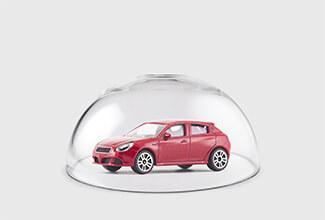
How motor insurance add-on covers can benefit you
Having a basic third-party insurance is a must as per the law, however, it only covers the risk of harm or damage to a third party, leaving you high and dry in the event of an accident. So, if you love your ride and your peace of mind, you need to go beyond the basics with a comprehensive motor insurance. Not only does it cover you and your car, but also offers an array of add-ons to truly protect your car.
What are add-ons?
Just as you get to choose from a range of toppings for your pizza to make it better, you can pick and choose from a multitude of add-on benefits made available to you by motor insurance companies in india . It offers additional coverage in return for a little extra premium. Here are some great choices to help you build your ideal plan.
1. Engine protection: If you live in an area prone to flooding, consider getting an engine protection add-on cover that allows you to get your engine repaired or replaced in case of water ingress. This benefit also applies to instances of leakage that could eventually harm your engine. Your insurance provider will cover the costs of repairs or replacements as long as they fall under coverage mentioned in the policy wordings.
2. NCB retention: You take extra care of your car and even bear small costs yourself to save your NCB. Imagine after 4-5 years of carefully increasing the discount percentage, a small accident compels you to make a claim. You'll lose all the time and effort you had put into increasing your NCB because of a small mistake. This is where the NCB retention add on comes in which helps you protect your NCB even after you make a claim.
3. Zero depreciation: The depreciated value of your car refers to the regular wear and tear that decreases the value of your vehicle. In fact, even if you ensure not a single scratch comes to your car, it'll still lose value with time. So when you make a claim, it'll be settled keeping the reduced value of the parts in mind. Well, unless you have zero depreciation add on that helps you retain the value of your car even with time. This means you get the complete coverage for your claim with no out-of-pocket expenses.
4. Road-side assistance: If you fear anything going wrong on the roads such as a flat tire, dead battery etc., this add-on guarantees you assistance on the spot and is covered by your insurance provider. You can even get coverage against additional circumstances such as overnight expense coverage in case your car breaks down with Magma HDI's additional road-side assistance cover.
5. Invoice value: In the event of total loss, constructive total loss or theft of the insured vehicle, your insurance provider will pay the invoice value or even replace your vehicle with a new one if you opt for this cover. It will also apply to additional charges that may come with your vehicle such as customs duty, registration charges etc.
6. Key replacements: Losing your car key is probably one of the most common car mishaps. With this add-on, get reimbursed for getting a duplicate key or replacing your car lockset in case of a burglary.
7. Loss of personal belongings: In the event of an accident or burglary, you undergo tremendous amounts of stress as you can never fully recover the belongings. However, with this cover, you can put your mind at ease as it can reimburse the cost of your valuable belongings such as your laptop, phone etc.
8. Inconvenience allowance Motor insurance provides you with financial coverage in case of accidents or any other damages. Inconvenience allowance is a daily cash benefit that you are entitled to if you file a valid own damage claim. It can go for as long as ten days to cover all the repairs that your insured vehicle needs. Thus, leaving you prepared for any unforeseen damages no matter how big they are.
The key is to identify your needs and choose the add-on benefits accordingly while buying/renewing your insurance. Most of these add-on covers come at a nominal charge but are well worth the extra buck. For these add-on covers and much more, have a look here at what Magma HDI has to offer.

The Five Best Health Insurance YouTube Videos
A health insurance policy is meant to save you from the financial impact of a sudden illness, accidental injuries, and critical diseases. It also works as a legal contract between you and the health insurance provider to bear the costs of hospitalization, doctor’s fee, and other medical expenses.
But, there are many unique provisions of general insurance in india that can be difficult for a layperson to grasp. But thanks to the internet, it's simpler now to understand many confusing concepts.
You can explore and browse through YouTube videos that lucidly explain every important term at your own convenience.
If you're left wondering which videos to watch, here are our top five picks:
1. HTTPS://WWW.YOUTUBE.COM/WATCH?V=W4ZWXBQRO-I
This is a video from Indianmoney.com, where they explain the best methods to find a suitable health insurance plan. The video tells you how to look for the maximum coverage on your insurance policy and how add-ons can help you in the future.
They also inform you about other important things like clarifying with your insurer about coverage for certain pre-existing diseases when taking a policy with a lesser waiting period to ensure you go in completely informed while buying your first policy.
2. HTTPS://WWW.YOUTUBE.COM/WATCH?V=X86NLVV6ERE
This link from My Insurance Club talks about the different types of health insurance policies available to us. It broadly divides all health insurance policies into two and then further talks about plans specific to your needs such as critical illness plans.
The video explains the type of policies with the help of examples that relate to real-life scenarios.
3. HTTPS://WWW.YOUTUBE.COM/WATCH?V=DBTMNM8D-84
This video from Consumer Reports explains the costs related to health insurance. Here, they explain deductibles, premiums and out-of-pocket maximums which are applicable to various health insurance plans.
You must have read or heard about these terms with regard to medical insurance policies. In this video, you can understand them better with in-depth explanations and visuals. It helps you to make better sense of health insurance in India and how your plan helps you.
4. HTTPS://WWW.YOUTUBE.COM/WATCH?V=9H-VSFU_B_Q
This is a YouTube video from Consumer Reports which is a quick guide to picking the right health insurance for you. The video tells you factors to look for while looking for health insurance. These may include services such as OPD or even ambulance fees.
5. HTTPS://WWW.YOUTUBE.COM/WATCH?V=ZZAYPKW6W-G
This video from My Insurance Club talks about the major benefits of buying health insurance. These include cashless services, hospitalisation coverage etc. Check out this video to make sure that you are making the best of your plan.
These are some of the best YouTube videos related to various concepts of health insurance. Go through them to know your options better when choosing a plan for you and your family.

5 Things about Health Insurance Your Kid Should Know
Given the problems we still face as adults today, educating your kids about being responsible consumers is always a great idea. If you prepare your child with good planning skills now, they’ll be better prepared to face financial challenges in their adulthood.
So, here are some facts about health insurance policies for families that you can use to help your child understand what health insurance truly stands for.
1. Health insurance is essential for everyone
Who could need health insurance? The answer is every individual on this planet. Hence, it is extremely important for your child to know that the benefit of health insurance is invaluable at any stage of your life. No matter what your age is, the future remains unpredictable. This is an important lesson in itself which must be impressed upon your child.
2. The types of health insurance
Getting health insurance should always be an informed decision. In order for that to happen, one must be aware of the options available to them. These options could range from individual and family floater plans to special covers available such as critical illness and maternity care. The idea is to familiarise your child with these for when they do have to make the choice for themselves.
3. The plan can be updated with needs
When it comes to health insurance, many people tend to set it and forget it. And some think that the plan is set in stone - once you've bought it, you're stuck with it. But that's not true. It's important to teach your child that they can and should customise the policy according to their evolving needs. These may include risks that come with age or including your new family in the plan.
4. The importance of reading the policy wordings
Before signing up for any kind of insurance, you must be familiar with what all you are getting with it. No one likes to go through heavy and technical information but it helps you make informed decisions later. So it's important that you encourage your child not to ignore the policy wordings as it'd tell them about their policy's coverage as well as terms and conditions.
5. Health insurance is a necessary expense
In a world with rising expenses, how is one to determine what is worth investing in? Teach your child that health insurance might seem expensive while purchasing but helps you save more than that in the long run. With the rising cost of medical care, having health insurance would be even more important in the future.
Before your child grows up, it is crucial to prepare them with the best knowledge and resources.
Health insurance is one of the most significant things you can teach your child about to ensure a safer future for them.

Do not ignore these exclusions in health insurance policies
Health insurance in India is a necessity in contemporary times as it takes care of your finances in case of any health emergency with the help of a single policy. That being said, even the most comprehensive plans come with some exclusions. These are mentioned in your policy document and are often standard for all insurance providers.
You can make the best of your policy only if you know its coverage as well as exclusions. So, here are some you should definitely know of before you sign up for a new plan:
Waiting period
The only risks your health insurance covers from day one are injury/ hospitalisation claims due to an accident. Other than that, all other medical conditions have a waiting period after which you can make a claim. For common ailments, the waiting period is between one to three months from the inception of the policy, whereas the more serious diseases are excluded from coverage for as long as the first year.
Pre-existing conditions
You must have been told repeatedly that making a full disclosure of your health status is essential to get the right coverage. The reason behind this is a standard exclusion which says that all pre-existing diseases have an exclusion period stated in the policy wordings. Falsifying or hiding critical information can render your policy void and will inevitably leave you hanging in the future.
Lifestyle diseases
While these have not always been a concern, the drastic change in our environment and daily routines have made this a necessary part of healthcare. Unless specified at the time of availing the policy, all lifestyle-related diseases arising from smoking, alcohol consumption or drug abuse are excluded from a health plan. You would either have to pay a higher premium or be denied coverage in cases involving such ailments.
Alternative remedies
Most insurance companies are only slowly warming up to the idea of alternative treatment options. Treatment systems such as Ayurveda, Naturopathy and Unani have conventionally been excluded from health covers due to a lack of support from the medical community, which makes it difficult for insurance companies to accommodate.
However, some insurance providers are beginning to recognise these treatments now and are providing optional benefits which you can opt for to get coverage for them.
Maternity and childbirth
Maternity benefits are an integral part of any family health plan. This includes the medical expenses incurred for childbirth, infertility treatment or even abortion. In most cases, you would have to opt for a specialised maternity plan which is subject to a waiting period. Hence, it is a great idea to keep your family's future in mind while picking your policy.
Cosmetic treatments
While your health insurance policy may mention coverage for all hospitalisation, treatments such as plastic surgery, laser treatments, weight loss programmes, liposuction, eye and dental procedures are excluded from this cover. The exception to this rule is cosmetic procedures after an accident as they are critical to the functioning and well-being of a person.
To conclude, when looking for the best health insurance policy in india , remember to get details of all exclusions and waiting periods from your insurance agent or the policy wordings available to you. After all, the unpleasantness of reading that massive policy document sure beats being caught in a lurch while making a claim.

Why home insurance is a must for your house in today's time
All of us are extremely lucky to stay in a nation as diverse as India, which has a plethora of climatic changes to offer and support its citizens. However, the past few years have been quite a difficult journey for all, as a series of natural disasters that occurred in and around the nation. From the cyclone in Andhra Pradesh to the floods in Jammu and Kashmir, Uttarakhand and Chennai, to the more shaky issues like the earthquakes in Nepal and North East India, all have caused considerable losses to lives and properties. Instances like these are a colossal knock for people who haven't yet browsed through the Best Home Insurance In India since they can provide adequate cover for various physical properties and homes.
A considerable mark of an effective home insurance plan is that it has all the required components to reduce the financial stress that you may face at points of distress in your life. It ensures that, no matter what the mishap is, you can protect your home against the most brutal natural disasters like typhoons, floods, earthquakes, and landslides, to name a few. Home insurance also plays a vital role in covering against explosions and dire consequences.
Not just natural, but there are some manmade issues like theft, robbery, and terrorism against which home insurances are useful in protection and here is what the best home insurance in India will protect you from, and aid you in: -
- Personal assets Articles such as furniture and clothes, household equipment, among other things are all covered even if natural forces like floods and earthquakes have destroyed them. Any home insurance policy will cover these items. More valuable products like jewellery and art, along with some silverware and collectables, are only covered within a specific set limit. The best home insurance in India is usually a complete package that takes care of your home against fires, natural disasters, and human damages like thefts, a burglary that may have caused a loss of household goods. It also covers personal accidents that may have occurred due to their negligence.
- Infrastructural needs Home insurance policies cover all expenses that are associated with repairing or rebuilding the home if it gets damaged or destroyed due to an excruciating circumstance. This helps you ensure that the damage caused to your infrastructure can be repaired without exerting any additional pressure on your finances.
- Premium Any premium of home insurance depends upon the selected sum, which has been insured of the structure and content. Usually, the structuring of the house depends upon multiplying the area of the structure in question with the total cost of creation. The values of the contents are calculated following the market value. All the benefits that you expect, along with various features, are all provided according to the home insurance policy taken by you.
These are some of the most important benefits which can be enjoyed by all those who take a home insurance policy. There are varieties of options available out in the market which provide the customer with adequate freedom to choose the open of their choice, from the diverse options provided with a plethora of features.
5 Effective Tips to Deal with Stress and Anxiety amid the Global Pandemic
The global pandemic has hit everyone hard, in terms of health and economy. But, more importantly, it harmed our mental health severely. Completely locked and confined to home for several months has led to some kind of depression to a large number of people. In these ongoing months, there are many reported cases of anxiety among various age groups. To overcome, we must focus on and prioritize our mental health first. This is also advised by the best health insurance company in India.
Below are some of the useful tips that will help you to avoid mental health issues:
- Focus on your diet
A balanced and nutritious diet is the need of the hour. To fight the deadly COVID-19, it is advised that you boost your immune system. One can boost their immune system by consuming essential vitamins and other macronutrients.
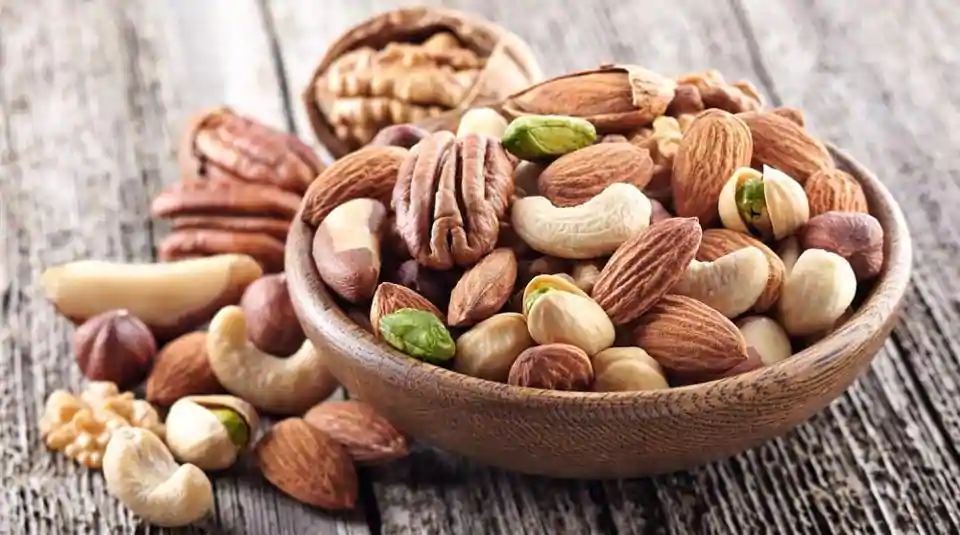
From various studies, it is concluded that complex carbohydrate-rich food like pulses and nuts can make you relieve from unnecessary stress. The inclusion of fruits daily in your diet is advised by the best health insurance company in India.
- Be Creative
You have now got all the time you always craved for. So, why waste it? Focus on your hobby now. It is important to engage yourself on something as it will help you divert your mind from reality. The whole day long, being confined to your home is not easy. But if you make a habit of doing what you like, then it will make you feel relaxed.
- Stay Fit
Fitness is essential, not only to control obesity but also to boost your immunity as prescribed by the Best Health Insurance Company In India . Since you cannot go out for a walk or gym, then you need to work out at your home. Go for some practical freehand exercises. But, do perform them if you feel suitable and do not overstrain yourself. 40 minutes of exercise once a day can be a stress buster and help you concentrate on the functional aspects, ignoring the negativity
- Maintain your Sleeping Cycle
It is hard to maintain the sleeping cycle when we don’t have the rush to wake up in the morning. Either we watch movies all night long or overthink, which is stressful and can also lead to severe anxiety issues. To overcome this problem, it is better to sleep at a proper and fixed time.
It is always advised to sleep before midnight and wake before 8 am. It will help you to have a better metabolism and grow your immunity. The significant impact of it will be to reduce overthinking and soothe your mental health. Proper sleep, at least 8 hours, will make you much more productive.
- Socialize Online, Not Offline
It is advised that you socialize with your friends and other acquaintances often. Socializing is an essential factor that will make you open your heart and relax. Stay connected and always help them out. Also, ask for help in any matter, whether you want to talk out or need something.
Also, do cut off toxicity around you. Avoid them merely by cutting them off from your contact. To keep your mental peace, you must avoid some people.
Conclusion
So here are the critical five tips that will keep you satisfied and happy in the long term. Buying insurance for your health needs from the best insurance companies in India is important as they pay very much attention to mental health. This year is getting worse, but do remember every cloud has a silver lining. It will pass soon, so hold yourself up.

How to port your health insurance to Magma HDI?
The Insurance Regulatory and Development Authority of India (IRDAI) has extended the privilege of porting health insurance to all policyholders since 2011. What this means for you is that at the time of renewing your policy, you have the option to change your insurance provider.
Wondering how that works? Keep reading to find answers to the most common concerns about porting insurance in India.
Can you port your policy without losing benefits?
Some of the advantages of porting your health insurance policy is finding affordable premiums or better policy features without compromising on the continuity benefits of your policy. In other words, it helps you in your journey to find the best health insurance policy in india .
For instance, say a medical condition wasn’t included in your health insurance policy for the first two years due to a waiting period of 3 years. In this case, the two years from the earlier policy will be reduced, and you’ll get the waiting period of one year on the new policy.
How much time do you need for porting?
Typically, you can port a health insurance policy within 45-60 days of the date of expiry. However, it may change from insurer to insurer. The rules of porting not only apply to the policyholder but the insurer as well. Hence, the new insurer should respond within 15 days of receiving your portability request.
What documents do you need for porting your health insurance?
If you do decide to switch your insurance provider, you will need the following documents:
1. The policy documents issued by your existing insurer
2. Information specific to the renewal of the policy
3. A self-declaration if no claims were made in the previous policy
4. For claim settlements, send discharge summary, investigation report, and other related documents as a proof
Why should you port your health insurance to Magma HDI?
The OneHealth insurance plan from Magma HDI is a comprehensive policy that offers you protection from the financial liabilities of healthcare, offers discount options for your premium and gives you the options of add-ons such as a critical illness cover to leave you completely worry-free!
Here are some other features offered by the policy:
1. 24x7 claim assistance
2. Cashless hospitalization across 4100+ hospitals
3. It also offers as many as 16 key benefits such as loss of income cover, maternity cover etc.
Process for porting your health insurance policy to Magma HDI
If you want to port your existing health insurance plan to Magma HDI, you should do it within 45 days before your policy's date of renewal. Given below is the process behind successfully porting your insurance-
1. Ask for a portability form from Magma HDI or fill the form online. Provide accurate details in this form. The company’s team of underwriters will cross check your details with your current insurer within 7 days from submission.
2. This information goes to IRDAI where your existing insurer will also give the details about your coverage and claims in a prescribed format.
3. With these details, the underwriting team at Magma HDI will have access to the history of your plan. They will make a proposal according to the company’s underwriting norms.
4. The team at Magma HDI will then send across the proposal to your existing insurer within 15 days. The last step is the acceptance of the proposal by your existing insurer.
So, this is how you can easily port your health insurance policy to Magma HDI. Check out their website for more information on their OneHealth policy.

6 Ways to Reduce Risk of Contracting COVID-19 While Commuting to Work
The end of 2019 had brought forward a deadly virus that is still haunting the world, the COVID-19. Since we are still lagging in getting a proper vaccine for this virus, the situation is causing more and more adverse effects, even fatality.
In the case of treatment of COVID-19, best health insurance in India covers pre and post hospitalization expenses, including in-patient and out-patient expenses. Yet it is best if we could prevent it from the first occurrence just keeping ourselves well protected.
COVID-19 might have paused our regular daily routine for a few days, but we are getting back on track with our professional commitments. In such cases, getting proper protection has become inevitable to keep ourselves safe.
So here are 6 ways to reduce the risk of contracting COVID-19 while commuting to work:
1. Using Personal Protective Equipment (PPE)
Whenever you step out of our house, you must gear up with proper personal protective equipment, like masks and a pair of gloves. This protects us from getting in direct contact with the virus by shielding our most prone parts of our body, like hands and mouth.
You should also carry an extra pair of disposable gloves and mask for an emergency. Try not to open PPE at all while you are outside. It would be best if you washed the mask properly in case it is reusable. This ensures our safety.
2. Using Sanitizer
The use of sanitizer is one of the essential precautionary measures. It would be best if you always carried a sanitizer while going out and use it whenever you contact any other substance or any other person. Sanitizers kill the virus before it starts harming our body. It is better to use sanitizer just before and after a meal is a must.
3. Eating Safe
Eating unpacked, and street food increases the chance of coming in contact with the virus. So, it is safe to either carry your food or any packed items. Food prepared in the house must be washed well before cooking.
You should only purchase foods from outlets that follow the proper protocols of WHO. Some of the best insurances of India encourage its policyholder to eat safe and eat healthily.
4. Maintaining Social Distance
Whenever you travel, you must maintain social distance. Keeping a safe distance from other persons reduces the chance of getting in direct contact with the virus. It would be best if you avoided public transports that are too crowded. Instead, travelling in private vehicles minimizes the chance of infection.
It would be best if you also kept a decent distance from people who are continually sneezing or coughing. Crowded places are always the den for spreading the virus. The Best Health Insurance In India insists its policyholders on maintaining social distancing.
5. Avoiding Any Physical Contact
Public places are prone to contamination by the virus. Please do not touch any unmanned items, walls or railings as that can increase the chance of coming in contact with the virus. So, before you get in contact with such places, it is a must first to disinfect the surface properly.
6. Spread Awareness
While travelling, if you find a person without wearing a mask, make him/her aware of the same. We must stand in a safe distance and insist others to maintain distance too. Being a responsible citizen, you must always spread awareness about the current situation. Not wearing a mask outdoors might result in legal charges and consequences.
Summing up
While travelling to your workplaces, you must always maintain the above steps. These will keep you away from coming in direct contact with the virus. Social distancing, using personal protective equipment and sanitizers are some of the crucial things you should practice regularly.The best health insurances in India always promotes all of the above steps for the betterment of their customers.

15 Simple Health Tips For Monsoon!
The monsoon is a welcome change for many from the scorching summer heat. It brings promises of new life with itself. Thus humans often greet this season with open arms.
But sadly the bacteria and viruses enjoy this season as well. So we need to keep an eye on our health and take the necessary precautions to stay safe. But with the growing number of diseases due to various viruses in this period, one should also consider health insurance plans in India to keep their family protected.
Here are a few simple health tips for the monsoon that every person must take up to stay fit and healthy.
1. Increased intake of Vitamin C as it fights against any deadly virus:
- Monsoon is the time where viruses and bacteria thrive the most.
- A rich vitamin C diet, including oranges and green vegetables, can help increase the immunity against such diseases.
2. Avoiding junk food:
- The streets are filled with puddles and potholes. These are home to a vast number of microorganisms.
- Street foods, which are sold openly on the streets, are often exposed to these harmful microorganisms.
3. Not storing stagnant water:
- Mosquitoes are born in stagnant water. They are carriers of a vast number of diseases.
- One must also ensure that drains are not clogged, and rainwater is not stored in any part of the house.
4. Adding disinfectants in bathwater:
- Most people like to walk in the rain. But bathing at least twice a day can do away with any health problems.
- Use of disinfectants in the water can protect from the various microorganisms and keep one fit.
5. Using ironed clothes:
- Clothes stored in wardrobes often get cool with the damp from rain and lack of sunlight. Wet moisture causes molds
- Ironing the clothes before wearing makes them free from these fungi besides giving a stylish look.
6. Having well-cooked vegetables and fruits:
- Fruits and vegetables skins are home to several germs.
- They need to be adequately washed in running water before cooking them to stay safe from water-borne diseases.
7. Enough sleep and exercise:
- 7-8 hours of sleep is mandatory for an individual to create immunity and prevent various diseases.
- Regular exercise can keep the body in perfect shape and build immunity against various diseases.
8. Avoiding touching the eye:
- Eye infections like conjunctivitis, dry eyes and corneal ulcers are common during these times.
- In case of any irritations, doctors should be consulted. There are some health insurance plans in India which can cover the cost if required.
9. Maintaining hand hygiene:
- Washing or sanitizing hands properly before having food is a must. It kills all the germs.
10. Precautions against mosquitoes:
- In-home, mosquito coils or tents should be used to stay safe from mosquitoes.
- Several health insurance plans in India now deal with diseases caused due to mosquitoes. Hence these should be considered.
11. Clipping nails:
- Bacteria and germs often accumulate underneath nails. So they should be clipped at regular intervals.
12. Protection against allergens:
- Allergies can become severe during this season.
- Wearing masks while going out and carrying anti-allergy medicines are a must.
13. Not using wet shoes:
- One should not be wearing wet socks and shoes as pathogens may grow.
- Keeping an extra pair of shoes might be beneficial.
14. Staying clear of damp indoors:
- Damp walls are home to the growth of fungi.
- People having asthma or breathing problems should stay away.
15. Keeping distance from sick people:
- Many people catch the flu or cold during this time. So it's better to keep a distance from them.
The monsoon usually lifts the spirits of many but often makes the health vulnerable. With some essential precautions, one can stay fit. One can even take the help of Health Insurance Plans In India so that even when you fall ill, you can deal with the situation effectively.

Family Health Insurance or Individual Health Plans – What to Choose?
Establishing life goals entail insurance plans, but that’s not a holistic confirmation to your investments. The next question would be - whether to settle for an individual or a family floater plan.
Insurers provide these variant coverages for their health insurance services. But what are the key differences? What should you choose? What are the benefits? All of which will be answered in the following paragraphs.
Know the difference
The literal meaning automates a difference which understandably leads you to think of the package claims.
- Individual health insurance is issued against a single person. So, if you were to propose insurance coverage for your entire family, you’d have to buy insurance respectively for each member. That’d provide an allotted sum dedicated to each individual under the insurance policy.
- But if you are looking into family insurance, all the members will be covered under one single insurance package. Unlike the former variant, family insurance has an allotment dedicated to the entire family, which is to be shared. So, if your family has two other members with an insured sum of 4 lacs INR, the cluster would be sharing the same amount. Thus, a health insurance policy for the family will only dispatch the stipulated amount irrespective of the individual requiring healthcare assistance.
How does it work?
A family insurance plan relies on the hypothesis or rather, the possibility of all members requiring medical assistance at the same time. So, if a family of three buys an individual plan of 3 lakhs for each member, a family floater plan of 8 lakhs can equally justify the needs.
How are the premiums determined?
The premium for family health insurance is determined based on the age of the oldest member. However, for individual plans, the only determining factor is the age of the member insured. The family plans tilt towards your affordability, especially for younger families. But if the oldest member suffers from a terminal or any immediate ailments, individual plans are recommended.
Comparative Analysis of Family vs Individual Health Insurance
- Individual health insurance is issued against a single person. So, if you were to propose insurance coverage for your entire family, you’d have to buy insurance respectively for each member. That’d provide an allotted sum dedicated to each individual under the insurance policy.
- But if you are looking into family insurance, all the members will be covered under one single insurance package. Unlike the former variant, family insurance has an allotment dedicated to the entire family, which is to be shared. So, if your family has two other members with an insured sum of 4 lacs INR, the cluster would be sharing the same amount. Thus, a health insurance policy for the family will only dispatch the stipulated amount irrespective of the individual requiring healthcare assistance.
- But if you are looking into family insurance, all the members will be covered under one single insurance package. Unlike the former variant, family insurance has an allotment dedicated to the entire family, which is to be shared. So, if your family has two other members with an insured sum of 4 lacs INR, the cluster would be sharing the same amount. Thus, a health insurance policy for the family will only dispatch the stipulated amount irrespective of the individual requiring healthcare assistance.
- Family insurance plans offer age-restricted renewals. So, if the oldest member were to breach the maximum threshold, the presiding members won’t be able to forward any amount prescribed by the policy.
- If a child migrates to an individual plan, eventually, the credit for their waiting period is lost.
- For a family plan, any member issuing a claim can nullify the No Claim Bonus or NCB for that fiscal year.
- Generally, kids and immediate dependents are covered in a family plan. But for cases where you’d want to include your in-laws or grandparents, individual plans remain their only plausible option.
Verdict
This is more of a strategy than a choice since you can opt a heterogenous plan, here’s what you can do:
- If your family consists of younger members,Family Health Insurance Policy will fare better for apparent reasons until the members cross their age threshold for the policy.
- For families without any history of chronic illnesses, the family plan suits them best. Moreover, they remain under a certain price bracket that provides financial convenience.
- But if you are someone at a higher risk of any significant illness, subscribe to individual insurance covers so that the entire family can rely on the sum insured in the family plan.
- If you have parents in the older age bracket, purchase individual insurance covers. This step will ensure you protect the NCB from being nullified in case your parents require serious medical expenses.
So, to sum it all up, younger families are recommended to buy a family cover while buying individual covers for members who are at a higher risk of requiring serious medical attention.

Top 9 Foods To Be Included In Your Diet For A Safe Monsoon
Monsoon often arrives as a welcome relief to many. The scorching summer heat and humid tiring days are replaced by new hope and joy as the rain comes with new promises of life.
But monsoon also brings with itself a large number of diseases like dengue, malaria, cold and flu. Unhealthy eating habits can make people vulnerable to such ailments. One should also look towards health insurance policy renewal to keep their family safe in case of emergencies.
Health insurance policy renewals are increasing day by day. So immunity is the key to successfully prevent such diseases, which one can only attain following a healthy diet. Some such items are given below.
1. Turmeric:
- It can be used as an antiseptic, antiviral, antifungal and antimicrobial.
- It contains curcumin which helps in providing immunity and taking care of the health
- It is often called the golden spice of the kitchen. One can drink it as Haldi-doodh during bedtime or mixed with food as turmeric powder or freshly grated with other items.
1. Fermented food:
- Probiotics are good bacteria which, when intaken can live in the human intestinal tract and can help in fighting against the harmful germs entering the body.
- Fermented foods like yoghurt, buttermilk, pickled veggies are a must in the diet.
1. Lemons:
- Lemons have Vitamin C, which is very important during this period.
- It helps in building immunity against infections and helps in digesting quickly. It also provides nutrition to the flesh.
1. Masala Tea:
- Cardamom and cloves are essential to guard against infections and fight against diseases like cold and flu.
- Cinnamon has a lot of ethical medicinal values.
- Mixing these along with spices like ginger, black pepper and tulsi leaves with tea can be a natural immunity-booster
1. Garlic:
- It fights against the viruses causing flu and cold and boosts the immune system.
- Having garlic regularly can increase the T cells in the blood, which helps in fighting against such viruses.
- Garlic contains allicin. Raw intake of garlic changes it to allicin, which is a crucial compound helping to boost immunity
1. Dry Fruits:
- Nuts like dates, almonds, walnuts are rich in vitamins and minerals and must be an integral part of the diet.
- They are rich in riboflavin, niacin and Vitamin E, which helps in boosting the immunity.
- Vitamin E is a powerful antioxidant which helps in keeping the body fit and healthy.
1. Spinach:
- Spinach is a good source of Vitamins A, C and E. It also contains beta carotene, folic acid and fibre.
- These nutrients and antioxidants help the body to build up a robust immune system and be fit and healthy.
- They should be washed thoroughly before cooking.
1. Bitter gourd:
- This is not an item that is liked by many but is exceptionally crucial for the diet.
- They are rich in Vitamin C and help in fighting against many harmful viruses.
- One can have them boiled, fried or stewed with other vegetables.
1. Ginger:
- It is a herb having antiseptic, antibiotic and antimicrobial properties. It is also rich in antioxidants.
- It is instrumental in boosting immunity and fighting against diseases like cough and cold, sore throat, and body ache.
- One can have it by mixing it with tea, milk or soups.
Maintaining a healthy food habit can keep one fit and healthy, and then health insurance policy renewal will not be the primary concern.
One should avoid having street foods and carbonated beverages during this period. The drinks lower the minerals’ levels and enzyme activity of the body. Street foods are often left open to many harmful microorganisms. Sea fishes breed during this time. So these should be avoided as much as possible. Besides, one should also look for Health Insurance Policy Renewal to cover the expenses if needed.
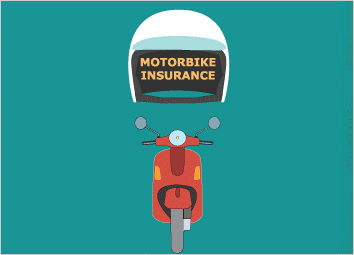
Road Safety Tips for Two-wheelers
The majority of road accidents in India are those driving two-wheelers, taking the lives of thousands of people every year. It is a common sight to notice a two-wheeler rider cutting past the traffic, riding on the pavements, or finding a way even in small lanes.
We know that people with two-wheelers love speed and want to reach anywhere faster by avoiding traffic. At the same time, you need to take care of your safety when on the road. Apart from following the below-mentioned tips you can follow to ensure your safety on the road, invest in the best Two-Wheeler Insurance In India . Buying two-wheeler insurance will help you cover the damages in case of any mishap in the future.
Here are some safety tips you must follow:
Tip 1: Wear a helmet
- Invest money in buying a good quality helmet for your protection. It will help in preventing head injuries and will keep you safe in case of an accident.
- Don’t just wear the helmet to prevent yourself from being fined; wear it for your safety. Don’t forget to fasten the straps to keep it in its place.
- Buy helmets with a plastic sheet. This will help you in protecting your eyes while driving.
Tip 2: Control your speed
- The speed of your two-wheeler should not exceed what you can control.
- It is often seen that road accidents occur when the rider couldn’t control the vehicle’s speed on time. Hence, don’t ride too fast to control.
- Maintain a safe distance from other vehicles to avoid accidents. Buy a good two-wheeler insurance policy to protect yourself.
Tip 3: Check your vehicle before riding
- It is a thumb-rule to check your vehicle before you take it on the road.
- Check that the breaks, headlights, indicators, and horn are all in working condition.
- Make it a point to ensure regular servicing of your two-wheeler from an authorized service centre.
Tip 4: Avoid riding in adverse weather conditions
- Try to avoid riding your two-wheeler in lousy weather conditions. Until and unless it is necessary, avoid being on roads in harsh weather conditions.
- An accident’s chances are high in adverse weather conditions like during heavy rains and foggy weather in winters.
- Use anti-reflective stickers on your vehicle or helmet to make yourself visible to other riders.
Tip 5: Look for hazards and obstacles on the road
- Be attentive while riding your two-wheeler.
- Look for garbage piles, pot-holes, speed breakers, oil spills, and stray animals while driving.
- These obstacles or on-road hazards can pose a significant threat to your safety if not paid attention.
Tip 6: Obey Traffic Rules
- Do not try to break the traffic rules. They are designed for your safety and hence should be obeyed.
- Don’t drive when you are under the influence of alcohol.
- Don’t try to over-speed or overtake. Avoid so, especially in case of heavy vehicles.
Tip 7: Invest in two-wheeler insurance
- Investing in two-wheeler insurance is always the right decision.
- In case of any damage or loss during an accident, it will come to your rescue and will secure you against any monetary cost incurred.
- Buy the best two-wheeler insurance in India after comparing different policies and choosing the best for you.
- Also, note that third party two-wheeler insurance is mandatory in India.
By following some simple safety measures, you can avoid accidents and injuries that can be life-threatening. These tips will ensure the safety of you and your loved ones. Buy the best two-wheeler insurance for increased security.

5 Ways To Fight Depression With Health Insurance
Depression is a mood disorder, synonymously known as “depressive disorder.” It makes you feel deprived of essential happiness, a sense of endless sadness, and loss of interest in daily life.
The pandemic situation triggered a rise in depression and other mental health issues. The Supreme Court motivated the Insurance Regulatory and Development Authority of India to allow all insurers with health insurance on mental health issues.
Magma insurance makes it seamless for insurers to buy health insurance online in a few steps. Due to the combined efforts, mental health ailments are inclusive in health insurance. Buy health insurance online to cover significant illnesses related to mental health. It also covers other adverse effects, which are consequences of any mental health issue.
Although it is difficult to cope and be active, positivity seems far-fetched. Instead of feeling helpless, try to take control of your situation by following these measures only with your doctor’s approval. Buy health insurance online to secure yourself from the expenses that private hospitals and therapies incur.
Always Consult Your Doctor Before Any Step
Depression is one of the acute ailments that you shouldn’t take for granted for a low phase. If you are facing recurring negative thoughts, immediately consult an expert. Don’t take medications less or more than the prescribed amount as it aggravates. While you fight against depression, choose to buy health insurance online as a cover shield to your process.
Be Open To New Experiences And Paths
As you embark on a depression-free life journey, make sure you are open to trying out new ways. Redefine the traditional aspects of treatment for your well-being. For instance, the reason to buy health insurance online is that it has multifaceted benefits such as comprehensive cover on medical bills.
Make Lifestyle Improvement To Stay Strong
Lifestyle changes include many elements combined, such as a balanced diet and good night’s sleep are crucial. Follow a routine and maintain a weekly pillbox to help you remember your dosage. Try to stay active during the day, such as go out for walks with neighbors and friends. Go on frequent getaways into nature, away from the urban jungle.
Reduce Stress Triggers At Home And Workplace Don’t hesitate to ask for help from your family and friends regarding household matters. At work, during a certain amount of pressure, reach out to your colleagues, and let them support you to regulate your stress levels. Another way to live stress-free is to buy health insurance online with the help of Magma Insurance.
Daily Reminder: Don’t Give Up Yet
Depression feels hopeless, a sign of despair that seems never to end. That is how the ailment manifests, try not to fall trap into the negative thoughts. Soon, it will be all the better with time, patience, and therapy. Remember, if you buy health insurance online, you will secure your family’s future along with yours.
To avoid depression entirely, you may choose to eliminate the factors leading up to excessive complications. Follow a routine, take medications, and therapy on time. It takes small efforts to make a positive impact on mental health. Start with self-love.
Creativity outflow helps to overcome the intensities and further emerges as a form of expression. Write a journal or paint your heart out. Try to stay active using any form of work out, such as yoga, cardio, and dance. Keeping yourself busy yet staying on top of your thoughts is one way to combat depression and live life.
Magma Insurance brings insurance policies to your fingertips for a convenient, hassle-free online process. All you have to do is get on the website and fill up your details. Choose a relevant plan after proper comparison. Once done, fill in the declaration form and make the payment. Due to Magma Insurance, to Buy Health Insurance Online is as simple as a cakewalk. Make a decision to secure your future, live stress-free, and be ahead of depression.

Healthcare tips: How to keep yourself safe during Diwali in COVID-19
The festival of lights seems to be around the corner and preparations seem to be at the same pace as the previous years. Considering the fact at how the other festivals have been celebrated around the year with a different twist, courtesy of the Novel coronavirus, even the festival of lights will be something different.
Diwali 2020 is here, but so is the global pandemic. Thankfully, there are ways where we can have a vibe and energy of the festival, but with precautions at a limit. The good news is you can keep your excitements intact besides still enjoying them and cherishing the moments with your family with these few guidelines.
Healthcare Tips For Diwali 2020 To ensure proper safety and security and an environment where people can enjoy the festivities, the government has laid out essential guidelines to help the common public enjoy the festivities with ease. While the large gatherings and events are crucial, here are the other procedures to help you enjoy a safe and prosperous Diwali amidst the COVID-19 outbreak and social distancing norms.
● Refrain from using sanitisers before lighting Diya/candles
Refrain It is always advisable that you don’t use sanitiser before lighting up crackers. The nature of hand sanitiser makes them based on alcohol; therefore, it might risk exposure to burns when you decide to burn a cracker or light diyas due to its explosive nature.
However, to enjoy a safe Diwali while saving yourself from the virus, we recommend you wash your hands with soap and water before doing anything which involves lighting fire.
● Keep sanitiser away from fire
Just like you should keep crackers away from gas stoves, similar is the situation with sanitiser bottles.
While they are essential, it is crucial to understand the hazards that might come involved with the same. Their flammable nature might lead to an explosion when it comes in contact with a spark. Therefore, it is always advisable to keep your sanitiser bottles away from the scene where crackers are being lit.
● Keep water handy
Rather than carrying sanitisers with you everywhere, consider keeping water in close contact with the place where you are celebrating Diwali or merely lighting up the Diyas.
This way, you not only save yourself from the chances of spreading infection but also prevent injuries that can happen while you are opting for fireworks. Instead of carrying sanitisers everywhere, you can consider bringing water and paper soap instead. Since they are safer and you can easily wash your hands anywhere without the danger of catching fire.
● Maintain physical distancing
We understand the festivities need you to come closer to your family and spend quality time around. Remember, even Covid is around us, and we need to keep a note of the same.
We suggest you follow the government norms even while enjoying Diwali with your family and maintain the norms of social distancing. This way, you can not only enjoy the festivities at peace but also be sure that your close ones are safe. Besides trying to stay indoors, we also suggest that you prefer greeting your loved ones over video calls rather than meeting them. However, even if you meet them, do not opt for shaking hands and try welcoming the Indian way of namaste.
● Don't forget your mask
Mask is a must, while it is okay to celebrate all your festivities at your pace. Remember, there’s a reason that masks are suggested to you.
Do not forget to put on your mask even when you are stepping out or, better; you can also put it on while you are bursting crackers as this way, it will not only save you from the virus but also help you stay away from the pollution caused by the same.
● Follow all precautions
While it has been a familiar scene for people to be not following precautions and taking the pandemic lightly, we advise you to keep an account of all the precautions that are suggested and try to keep yourself and your family safe.

Guide to Buy a Used Car
Owning a brand new car is a dream that most of us have had when growing up. But with age, the practicality of finance dawned upon us. While it’s not something we wish to go for, buying a used car is often ruled out of the possibilities. The most common conception surrounding buying used cars is that they are old and have lost the charm of the new car, especially the already used engine, the brand new parts and the quality assurance from the car company is lost. We tend to miss out on the most important thing, used cars are themselves a proof of how good they are. They have undergone the trial and tests of time.
Still unsure of what to look for when thinking about buying a used car?
● The budget-
Before every large expenditure, one needs to keep aside a budget. The budget helps in cutting the corners and ensures we do not go overboard when spending our valuable and hard earned money. Do your research and homework on how to buy a used car and read all the important things that come as a procedure for the same.
● Car insurance-
Before buying a used car, always make sure to check the Car Insurance that covers the car. The reason behind it is tricky yet very simple. The history of car insurance claims shows you a brief data of how much repair it went through in the span of its running. The more the claims, the more did the car go through repairing and availed maintenance.
Always remember you can buy the best insurance online, if your car ever needs one.
● Any required changes or modifications after checking the car’s condition
Make sure to take a test drive before you buy any car- whether new or used. Taking a test ride makes you sure about the working condition of the major parts of the car. Whilst taking the ride you can ensure whether the lights work fine or have problems when lighting up, whether the stereo system is faulty. Also make sure you do a proper inspection of the car before finalising it. Check out for how old the car is, usually the prices of the cars depreciate after the first three years and also keep an eye for the wear and tear, if any that might cost you a bomb if gone unnoticed.
● Make required documentation-
Before buying a car, the first thing to keep in mind is the paperwork. Important documents like road tax receipt, the certificate of registration, insurance, pollution certificate, to name some, needs to be done carefully. If the aforesaid documents are not maintained in proper order, you would land yourself in a gruelling battle when transferring ownership.
Apart from these important pointers, as a buyer you need to do a thorough homework on whom to approach and when to buy. There are two types of sellers- the dealer and the direct seller. It is often advisable to go for the latter which removes any chances of you keeping yourself out from any kind of theft and fraud. There are many times when the middlemen tamper with the odometers of the cars and sell you the false information, which the direct owner would not. The direct owner would provide you with detailed and honest information of the service history, the original RC and the usage of the car.
Not only are the sellers important for understanding and getting an idea how the car was used, they also help you remove any kind of communication gaps that usually occur in the presence of a middleman.

How to stay healthy at home - During the COVID-19 Lockdown
With extended lockdown being the most current happening around the country, we aren’t expecting things to get normal anytime soon. However, what stays intact even during this pandemic is the fact that we need to stay healthy by ourselves.
Being healthy is not only a part of fighting Covid-19 but is also necessary for us to come out with healthy habits and improved versions of ourselves. For once, where the entire country is searching for General Insurance Online Quote , staying healthy, both mentally & physically is the only free alternative for saving ourselves from the disease.
Yes, we understand that you are not used to staying at home for undefined periods, be it on your own or with family members or flatmates. Staying indoors for several weeks can be a daunting task.
However, what if we told you that even this could be too sportingly if you carry a lifestyle that is a mix of planning, understanding and a bit of healthy eating. Remember, this is certainly not the time to be gathering or moving out; now is the time to stay isolated for a better future.
Listed below are our five tips for stay healthy at home during the lockdown:
1. Maintain a proper schedule:
While this might seem to be something weird for you to be staying home and maintaining schedules, it is essential. We advise you to devise a plan and stick to a routine.
When you live by a schedule, it gives structure to your entire day and gives you an account of the whole day, besides a sense of stability and peace of mind.
However, your schedule should be an equal composition of relaxation, exercise, sleep and healthy eating. Remember, too much of anything is not good!
2. Revitalise your lungs:
Being in constant touch with the feel of moving breeze is also necessary. Fresh air not only cleanses you on the inside, but it also helps uplift your mood.
We suggest you move to the terrace pf your building or apartment or reach out the garden and lawns to have a quick walk as it is excellent and helpful for your natural well being.
While moving out of your house once in a while is a good idea, keep a note of the restrictions regarding the lockdowns and contaminated areas in your locality. `
3. Keep a healthy intake of foods:
Now that you are staying home, eating healthy foods and a well-balanced diet. Having a balanced diet keeps you fit on the inside as well. To ensure that you are living a healthy life on the inside as well, make sure that you are consuming over five meals a day.
Fruits and vegetables are your best bets at staying healthy without having to worry about coronavirus. We advise you to avoid unnecessary intake of snacks and add vitamins, minerals and zinc in your diet. Moreover, you should also keep an eye on your alcohol intake and find other ways to relieve stress.
4. Exercise inside your house:
Besides relaxing your mind, it is always advisable to exercise regularly inside your house. Take out some time, each day of the week to keep yourself in shape and be in shape.
You could consider doing a wide range of exercises like yoga, dancing, weight lifting or other similar forms of exercises.
Interestingly, these days, many websites and applications offer free virtual exercise classes. You could easily follow the lessons to keep yourself in great shape and keep your mental peace intact.
5. Have some ‘Me’ time:
Now seems to be the perfect time to get in touch with your ‘to-do list’. You could lookout for that one hobby that you have shelved out for long and work around the same. You could also try your hands on gardening or hone your skills.
Besides that, enhancing your skill set is also a good thing to do during this lockdown phase.
Hi there! 👋 Need help with a policy, claim, or renewal? Chat with us instantly on WhatsApp.
Start chat →