


General Insurance Blogs, Articles & Updates by - Magma Insurance
Have us call you
- RENEW YOUR POLICY
- BUY NEW POLICY

GENERAL INSURANCE BLOG

Planning your first cruise trip? Here's all you need to know
Watching the beautiful horizon from the open deck is a mesmerising experience. Cruise trips seem elite and sound exciting. It is a paradise for ocean lovers. From solo ventures to family getaways, the cruise journeys welcome travellers to enjoy an unforgettable maritime holiday opportunity. Sailing couldn't have been more fun with several recreational activities, games, and cuisine organised onboard. Every moment on the ship reflects a beautiful memory to cherish forever!
Planning your first cruise trip can seem daunting without proper information about bookings, the right time to travel, the expenses, and much more.
This blog is your guide to understanding all the information you need to know before you board the ship. Carefully go through the pointers and chart all the requirements to plan a hassle-free cruise trip. Here’s all you need to know.
1. Timing is everything:
You need to figure out the right time to sail. Finalise your destinations and understand their sailing season. Look up the details of the touchpoints and the locations you wish to visit on the cruise company’s website or reservation site and research their sailing calendar.
2. Choosing the right cruise:
Different cruise liners provide you with various amenities and a range of activities to do while you’re on your sea voyage. Carefully look at different packages and determine which one fits your vacation goals and budget. Choosing the right cruise is important as they will take you on a journey to foreign countries and continents. Multiple onboard activities will keep you engaged throughout your travel.
3. Intent of travel is important:
Determining how and why you wish to take a cruise trip would be best. It is essential to determine your travel purpose as you will be out in the sea longer than expected. And when there are fewer locations to step down and explore and more sea exploration, things can get a little challenging due to the feeling of stagnation. Hence it is essential to figure out how confident and strongly willing you are to take a sea voyage.
4. Book the cruise:
While planning your first-ever cruise trip, you should book with someone trustworthy. Or some of your close contacts have already experienced their services and recommend them. Given the time of the journey and the heavy expenditure, you must ensure to do research regarding the company before you go ahead and book your tickets.
5. What should your itinerary look like:
Foremost finalise your budget and the location before you head out in search of the best cruise trips and their itineraries. Fixing your budget will help you narrow down your list of options and help you efficiently choose the suitable itinerary that covers all your expectations.
6. Choosing the perfect cabin:
You will have several options to pick from when you are finalising your cabin for the cruise journey. But how to choose the right cabin? If you’re easily seasick, looking for cabins with a sea view will not be advisable. You can choose higher or lower cabins according to your preferences, which do not face the sea but open your doorway into the activity area, making you feel more alive!
Certain other pointers like checking on your travel documents: your passports, visa, identity proof, tickets, etc., are paramount. Keep your health as the priority. Make all necessary preparations regarding the medications you might need beforehand to avoid the stress of getting sick when onboard.
While planning your first cruise trip can be stressful yet exciting, it is always helpful to be prepared for any travel or medical emergencies in advance. Unprecedented circumstances can result in panic situations while travelling. Don’t let health emergencies spoil your excitement of enjoying your first cruise trip.
We advise you to browse through Magma HDI’s general insurance plans and purchase the one which would cover your travel insurance in the best way possible. Purchase the best general insurance plan and sail carefree. Bon voyage!
Click HERE to know more about how general insurance plans can make your travel experience risk-free.
Disclaimer: The information provided above is for illustrative purposes only. To get more details, please refer to policy wordings and prospectus before purchasing a policy.

Wallpapers or Texture paints: Which is the best for your home walls
If you are buying a new house or renovating the existing one, having the perfect and attractive walls should be your focus. The most prominent part of your home is the walls. They capture many memories and provide a lot of scopes to try out new styles and give your home a refreshing touch.
Investing thought, time, and money in decorating the walls will turn your home into a more welcoming space. But how do you finalise the look of your walls? Would they look better with wallpapers, or would texture paints achieve the finish you attempted?
We will try to cover all your wall decor questions. Let's get started!
1. Types of texture paints:
Various forms of texture paints, including emulsions, distempers, etc., are available in the market. They can either be water or oil-based and are used for different purposes. You can use solid colours and texture paints to give your walls a bold look. Apply other techniques to create patterns and textures on your walls to give them a zing.
2. Wallpapers:
Wallpapers come with a variety of patterns and textures. Using the right tools and proper measurements, you can stick them on your walls. They come with a solid adhesive and are easy to paste. You can pick the wallpaper's designs as per your taste and the look you want to achieve for the walls.
Wallpapers and texture paint – how are they similar?
● Both are available with many options and shades
● Both have tailor-made options to match your usage and decor plans
● Both require some pre-preparation time to set things up
● Both help you achieve your decor goals
Wallpapers or texture paints: Which is the best for your home walls?
If you are starting from scratch (a blank wall), both wallpapers and texture paints require a similar time to set things up and get started. But removing any wallpaper or colour is a tedious job. After removing the previous coat, you must prepare the wall before pasting the wallpaper or starting with the primer for the texture paint.
Application of wallpaper takes less time as compared to texture paint. You need to apply at least two coats to achieve the texture and pattern you aim for, while it takes about twenty-four hours for the wallpaper to stick appropriately and achieve the best finish. Texture paints can take up to forty-eight hours or more.
Textured paints are your best bet in bathrooms and kitchens. High moisture does not gel well with adhesives. Hence, applying wallpaper in the bathroom and the kitchen would be a massive waste of resources, and there's a risk that it might come off or get wet and torn. Variations of textured paints can be used outdoors, while wallpapers are more appropriate for enriching the interiors.
You might need help from professionals during the application of wallpapers. Textured paints and wallpapers are both cost-effective, but wallpapers might get a bit expensive if you are looking for a specific design.
Now that we have discussed the significant aspects of the two options, you can make a decision. And while you are at it, consider protecting your home against unforeseen circumstances and tragedies. You would want your home to be safe from unexpected problems that take a massive toll on your finances and happiness.
Fret not! This is avoidable with the provision of purchasing home insurance. You can explore your options and buy the best home insurance in India which suits your needs. Carefully look at all the terms and conditions before finalising the deal. There are multiple home insurance options that can help you have the best premium and provide extended coverage.
Click HERE to know more about the best home insurance in India.
Disclaimer: The information provided above is for illustrative purposes only. To get more details, please refer to policy wordings and prospectus before purchasing a policy.

Let's understand how we can be caregivers for stroke patients
Have you ever been stuck in a health emergency due to a prolonged illness of someone in the family? If yes, you know how difficult it is to go through a tough time to wait for the total health recovery of the patient. It is also particularly challenging to take care of the patient on a daily basis. It requires a lot of willpower and patience to be a good caregiver to calm those in need.
You need to ensure that the patient follows a disciplined routine wherein he eats on time, gets good sleep, and takes medicines as prescribed. You also need to keep an eye on their symptoms, verify the reports and regularly monitor the patient’s condition.
Stroke patients are critical to handle. Their body becomes quite sensitive and vulnerable to any inconveniences. Hence, the caregivers of stroke patients need to take extra precautions to ensure that the patient stays mentally and physically healthy.
Wondering how you can take good care of stroke patients? This blog answers all your questions.
1. Exercise is the key:
It has been observed that most stroke patients face movement issues and find it difficult or incapable of moving their limbs. Their movement skills and capabilities get affected severely due to the stroke. As a caregiver, encourage stroke patients to indulge in exercises daily.
Design a quick workout routine for them and guide them to exercise in the right way to get the best results. This would help the patients regain their movement abilities and a speedy recovery.
2. Let them feel and reflect:
Instead of pushing the patient to be optimistic, it is essential to create a safe space for them. This space is an outlet for their emotions and a trusted source to avoid complete breakdowns. Having suffered through a traumatic experience and facing critical health issues is no joke.
The patients need to embrace their grief and express all their feelings without hesitation. An essential part of being a caregiver is to help the patient through their emotional process and help them get through all the challenges and hardships.
3. Encourage them to be independent:
Don’t create a help-seeking mindset in the patient. While they must have a safe space for letting out their emotions, it is also necessary that the patient is encouraged to help themselves instead of seeking support every time they need something.
As a caregiver, you must motivate your patient to feel independent. Doing things independently would give them a sense of achievement and motivation to carry out their work with more zeal and confidence.
4. Keep an eye on their condition:
A stroke is a severe ailment, and the treatment and recovery process involve a lot of heavy medications. Since the medicines help the body cope with certain major complications post-stroke, they are bound to have some alarming side effects.
As a caregiver, you need to educate yourself about all the medications, their probable side effects, and how they might affect the patients (which could also be due to pre-existing allergies and conditions). You need to inform the doctor about the same and observe the patient for any symptoms which might occur as side effects of the medicines.
A stroke can be a traumatic experience for the patient and his family. If not handled efficiently, strokes can turn out to be one of the worst nightmares. We discussed how intensive care could miraculously heal stroke patients, sometimes more than their treatments and medications.
Similarly, you need to take care of your health at all times as one cannot predict when such needs might arise, and you might find yourself in a difficult situation. To safeguard your and your family’s health, you must purchase the best health insurance in India that can offer the best coverage to the needs of your entire family.
Click HERE to know more about the benefits of health insurance in India.
Disclaimer: The information provided above is for illustrative purposes only. To get more details, please refer to policy wordings and prospectus before purchasing a policy.

Let's know about these incredible benefits of journaling you weren't aware of
How often do you feel frustrated and overwhelmed due to work pressure? Everyone deals with the chaos of life, but a little organisation does not hurt. Putting your thoughts in line can help you manage a significant chunk of your life without the intensity and pressure of things affecting you negatively.
Our previous generations faced a hard time and struggled a lot to keep all the fronts of life in order. But thankfully, the modern generation has taken up the concept of “self-love” and “self-care” seriously. And thanks to social media, people are now aware of why it is essential that you admire, love, and respect yourself in all facets of life. It helps boost your mental health and enables you to gain confidence to face all that life throws at you.
One of the most important aspects of organising your thoughts is “journaling.” Writing down your day and your reviews can give miraculous results. Penning down all that runs through your mind gives those abstract thoughts a proper structure. And now that you have a problem in hand, it becomes easier to find a solution. But there is more to journaling and its advantages. Let’s know about these incredible benefits of journaling you weren’t aware of.
1. Define your goals:
Jotting down your goals makes it real for your brain to grab the concept of accomplishing them. Your mind starts thinking about how you can achieve your goals. It further helps you to take a walk through all the possible processes you might have to go through to get the work done. It searches for resources and opportunities to help you attain your desired results.
2. Healing is a process:
Healing from traumatic experiences and emotional baggage is not accessible. But journaling can help you sort your feelings by giving them a form of a tangible problem statement. Once your brain sees your emotions on paper, it begins to put the pieces together to understand the actual issue. It gives you clarity compared to the clump of feelings with no beginning or endpoint.
3. Manage anxiety and stress:
Revisiting the most stressful occasions of your day by writing about them in detail gives you a certain sense of disentanglement and detachment. And once you detach yourself emotionally from the situation, you can see it from a rational point of view and analyse the whole scenario in pointers. This will help you improve your reactions and responses the next time you are stuck in similar situations.
4. Regaining confidence:
We all tend to lose confidence once in a while. Going through difficult situations creates insecurity, which takes time and effort to overcome. And at times, these insecurities quash your self-esteem to the point of no return. But journaling can help you escape this web of uncertainty.
You can write down all your accomplishments and how you managed to handle difficult situations on stressful occasions and never give up on yourself. These things act as a reminder of confidence and help you balance your emotions in the best way possible.
Other benefits of journaling include boosting mindfulness, improving your communication abilities and memory, providing a safe space as an outlet for emotions, etc.
In this blog, we saw how journaling could improve your mental health and help you keep your cool even in the most stressful situations. Similarly, it is essential to take care of your physical health too. Health emergencies usually come without warning. So, it is crucial to safeguard you and your family members in any unprecedented situations which can put your health at risk. You can explore your options and purchase health insurance that caters to your needs the best.
Click HERE to know more about health insurance and its benefits.
Disclaimer: The information provided above is for illustrative purposes only. To get more details, please refer to policy wordings and prospectus before purchasing a policy.

Here is the guide to planning the most exciting incentive trips for employees
The constant hustle of work-life can be overbearing and taxing for the employees. Planning an incentive trip is an effective way to appreciate your employees while also letting them know that you care for their health and wellbeing. But planning a trip for different people with a budget can be challenging. You have to keep their interests, choices, and health conditions in mind.
This article will look at some practical ways of planning incentive trips for your employees.
1. Understanding the budget:
The first checkbox to tick while organizing incentive tours is finalizing the budget. Having a clear picture of what you can do and where you can stay gives you an overview of planning the entire tour efficiently. You can find multiple hotel options with varying price points, thus making it easier for you to decide on factors such as food and living.
2. Understand what employees enjoy:
It can be a tedious task to attend to everyone’s needs. Hence, getting an idea of the likes and dislikes of others would help in making a balanced trip suitable for everyone. You can try conducting a survey for the employees. Choose viable tour options before handing out the survey forms so the employees can choose from the given options.
3. Duration of the trip:
Keeping in mind the budget and the number of people going on the trip, you must decide the duration of the trip. If you have a limited budget and plan to go to exotic destinations or expensive accommodations, consider limiting the number of days. However, if you are planning a trip to a place with a moderate hotel, you can extend the duration of the stay.
4. Choose a travel company:
Travel agencies are equipped with resources and know-how to plan all kinds of trips for you. Choosing a reliable travel agency can significantly reduce your time and stress. Before outsourcing the planning to a travel agency, verify their terms and conditions, cancellation policies, and, most importantly, their customer reviews. Good customer reviews ensure that you are entrusting the responsibilities to a genuine company.
Ask your travel agent for extra benefits or complimentary services as part of your package. Do not forget to sit down and have a detailed discussion on the itinerary and scope of various activities that the team can indulge in. Make sure that the accommodation has multiple recreational activities and food choices to suit the needs of everyone.
5. Do not go overboard with the planning:
Leave room for change and other opportunities. Give your employees the chance to make impromptu plans. This gives them a scope to bond with other employees and is also a great way to inculcate various team-building activities. Sometimes all that your employees need is a day’s rest. Leave sufficient time for people to unwind. Overdoing the activities and touring the place can be hectic and kill the retreat's entire purpose. Including a rest day in your travel itinerary is an excellent way to make it a relaxed tour.
Remember that planning a trip can be a huge responsibility and require a reasonable amount of time to reach a conclusive decision. Plan the trip well in advance to ensure no last-minute unavailability in bookings and accommodation.
While travelling with a big group, there are possibilities of missed flights, overbooked hotel situations, and other mismanagement of events. To skip these worries, look for general insurance plans to safeguard your employees against any extra expenses that you might incur during the trip. Dedicated research can tell you about all the good policies of general insurance India you can invest in.
Click HERE to know more about general insurance India.
Disclaimer: The information provided above is for illustrative purposes only. To get more details, please refer to policy wordings and prospectus before purchasing a policy.

Using alternative medicines? Here's what you need to know beforehand
We all have heard “health is wealth” a hundred times from our elders, haven’t we? And it is one hundred percent the quintessential truth. We all try to take care of our health by maintaining our physical and mental strength through yoga, exercise, and a balanced diet to add the perfect amount of nutrition. These factors influence the path towards your goal of a healthy body and mind. A slight health issue can delay your daily lifestyle, affect your wellbeing, and lower your confidence.
People in the olden days had the perfect routine which supported their bodies in every way possible. They had the cleanest air, food, and water for daily consumption. And they performed extensive physical activities throughout the day, which kept their body active and their blood pumping. Due to the hectic modern lifestyle, it has not been easy to obtain clean and pure resources to attain peak health in recent times.
Excessive pollution, global warming, and urbanization have also harmed humankind. While our lives have become more effortless, we are unfathomably dependent on technology to do a significant chunk of our daily chores, which has reduced the level of our physical and mental assignments, thus making us lazy and prone to diseases.
Nutritionists, dieticians, and doctors prescribe alternative medicines and supplements to ensure that our body receives the required amount of nutrients to build stronger immunity during severe medical emergencies like the covid-19 pandemic. Here’s what you need to know before using alternative medicines.
1. Connecting the mind and the body:
Medical practitioners recommend mind-body therapies to many patients to deal with various health issues. These therapies involve meditation, hypnosis, yoga, and tai chi. Meditation helps you develop focus, increase concentration, control anxiety and depression, reduce insomnia, etc. Yoga, tai chi, and hypnosis help you reduce stress, get sound sleep, treat back pain, manage weight, and boost your quality of life.
2. Nutritional supplements:
Many doctors prescribe certain standard nutritional supplements (vitamins, minerals, etc.) to ensure that their patients achieve the individual dietary requirements during the treatment of their respective medical conditions. Some commonly prescribed items include turmeric, ginger, primrose oil, castor oil, aloe vera, etc. They help in building a solid gut and immune system and treating various skin and heart issues.
3. Medicinal streams of treatment:
We all have heard about various medicinal treatments, which are considered alternatives to standard allopathy or western medicines. The ayurvedic system, homoeopathy, and naturopathy are the most popular alternatives with their own beliefs of procedures and treatment. Practitioners of Ayurveda strongly believe that just like our planet Earth, our body too is made up of the five essential elements: fire, water, earth, space, and air. The elements govern our bodily functions.
The Homeopathic system combined two theories that dictate that small doses are effective. And Naturopathy takes a traditional approach to treatments. These alternatives strongly recommend the usage of natural substances, medicines, and therapies which do not have any side effects on your body. They connect your body to nature and allow it to heal your ailments.
Other alternative medicine treatments include massages, acupressure, chiropractic techniques, therapeutic touch, etc.
While discussing various medicinal treatments and their alternatives is essential, it is equally important to understand how to safeguard your body in severe health emergencies, which usually come without warning. They can lead to excessive stress and unprecedented damage-financially, physically, and emotionally. To protect your and your loved ones’ health in sudden circumstances, you need to purchase health insurance. Opt for online health insurance to avoid the hassle of numerous procedures, submission of documents, and involvement of intermediaries.
Click HERE to know more about online health insurance.
Disclaimer: The information provided above is for illustrative purposes only. To get more details, please refer to policy wordings and prospectus before purchasing a policy.

Here are a few ways you can use to make your balcony a cosy space
A cup of tea, a favourite book, and some music in the background while you feel the sprays of monsoon on your face. That’s what dreams are made for your casual & chic home. We all have unique ideas of our happy space and how we want to decorate them according to our tastes. Some of us are truly blessed with good aesthetic sense, while others have to depend heavily on the internet for ideas and inspiration.
After spending hours on various websites and choosing the best options, you create the perfect room for yourself. What about your balconies? This article will discuss some exciting and economical ways to revamp your balcony to make it the perfect cosy space for you to unwind.
1. Plants are the perfect backdrop:
Adding plants is one way to add colour and freshness to your balcony. You can opt for flowering or nonflowering plants depending on your choice. If you are a beginner, go for low-maintenance plants like the snake plant, money plant, spider grass, etc. You can also use different prints and colours on flowering pots to add more character to the balcony.
Artificial turf is a game-changer if you want more greens with minimum effort. Homeowners use these to give their balconies the feel of a miniature carpet garden that adds more comfort and cosiness to the entire space.
2. Sitting arrangements beyond ordinary:
Since your balcony is susceptible to rains and sun, one way to ensure the sitting area is not perishable by using metal chairs and tables. These bring a certain antique charm to your balcony without overbearing on your pocket. You can also add swings to make it more fun and quirkier. Adding rugs, floor pillows, and pouffes can make the space seem instantly cosy, and in the event of rain, you can quickly put them back inside.
3. Add lights for vibrant nights:
Adding tiny yellow lights and lanterns is probably the best way to make your balcony beautiful and warm for the evenings. You can further add scented candles if you have visitors, making it the perfect hangout spot for you and your guests. This way, you may even bring the romance right to your balconies and plan perfect dinner dates with your beloved or instead just indulge in your favourite pass time.
4. Textured wallpapers:
Using textured wallpapers can bring a new life to your balconies. Depending on the plants and other furniture used, you can either select a bright pop of colour or an understated neutral look. Wallpapers are a foolproof way to instantly elevate the interiors and add a certain elegance to the space.
5. Shade and privacy:
Most people do not spend time on their balconies because of a lack of privacy or unfavourable weather conditions. Use an awning or extended coverage to protect your balcony from direct sunlight or rains. Opting for a retractable or a folding roof is a choice that you must consider to change and alter the look of your balcony.
These are a few ways to turn your old balcony into a cosy living space. Remember to not go overboard with the decoration. A cluttered space kills the purpose of building a comfortable space for yourself. Talking to an interior designer or an architect can help you understand how you can modify the area without spending a lot of money.
Add value to your home and memories by investing in home insurance. Home insurance is a safety net for you and your family that will help you in case of any damages or losses. Along with beautification, you need to ensure your happy place's safety from mishaps like theft, fire breakout, etc.
Click HERE to learn more about home insurance plans.
Disclaimer: The information provided above is for illustrative purposes only. To get more details, please refer to policy wordings and prospectus before purchasing a policy.

Here are a few summer diseases you need to be careful of
With the summer months approaching, it's time to restock on our summer essentials, from sunscreens and deodorants to the quintessential cotton clothing. But having said that, it is imperative to remember that summer months also come with a plethora of diseases ranging anywhere from jaundice to heatstroke.
Due to increasing global warming, the temperature is constantly rising as high as fifty degrees Celsius. Summers can be extreme in certain parts of India, especially in the months of May and June.
In this article, we will take note of a few summer diseases that you need to be careful of and how to protect yourself from them.
1. Heatstroke:
Heatstroke has become common for people to feel extremely nauseous and experience severe headaches, cramps, and weakness. These are all symptoms indicative of heatstroke. Although these symptoms are often neglected and mistaken as lethargy, heatstroke can lead to coma and other severe health ailments.
Treating heatstroke focuses on cooling down the body by reducing the overall body temperature to keep it normal at all times. Maintaining the body temperature to ideal levels ensures a lesser risk of organ damage. Taking a cold bath will significantly help you in reducing your body temperature.
2. Jaundice:
Jaundice is another common summer disease that spreads through contaminated food and water consumption. The most common symptoms of jaundice are yellowing of the skin and the eyeball, loss of appetite, and dark-coloured urine.
If you notice the symptoms mentioned above, it is best to consult a doctor to get it checked immediately. Timely treatment is crucial to ensure optimal liver functioning and avoid any complications.
3. Food poisoning:
Food poisoning is an awful result of consuming contaminated, stale or toxic food and impure water. The symptoms include nausea, fever, cramps, weakness, and diarrhoea.
Mild cases of food poisoning can last up to three days and generally heal by themselves. However, to ensure faster recovery and regain strength, it is essential to stay hydrated. Drinking water and other liquids such as fresh fruit juices and tender coconut water help flush out the toxins in the body.
4. Sunburns:
The harsh sun is not healthy for humans. During the hot summer days, exposure to the sun for more extended periods can lead to redness in the skin, itchiness, or flaky skin. This can worsen, causing blisters and peeling off of the skin.
The best way to avoid sunburns is by using sunscreens and cotton clothing overalls. Sunscreen with SPF above 30 acts as a barrier between your skin and the UV rays in the atmosphere, whereas cotton clothes overalls are an excellent way to prevent sunlight from directly hitting the surface of your skin.
5. Chickenpox:
Red and small rashes all over the body and high temperature are symptoms of chickenpox. These red rashes are filled with fluids that eventually burst and spread throughout the body's surface. People with weak immune systems are susceptible to chickenpox. Chickenpox is highly contagious, and it spreads through droplets present in the environment of an infected person.
Chickenpox can last for up to 14 days, after which the symptoms die down slowly. Since the body tends to become extremely weak, it is advised to take ample amounts of rest to ensure a faster recovery.
These are a few common summer diseases that can take a toll on your happiness during vacation time. The summer is a favourite hosting ground amongst bacteria and viruses, being the most favourable weather condition for them to grow and spread. Proper hygiene and constant hydration are the simplest ways to keep these diseases at bay and spend your summertime peacefully enjoying with your loved ones.
If you feel dizzy or nauseous constantly, it is best to get yourself examined by a doctor who will be able to provide you with medicines or other remedies to combat the diseases. Do not forget to renew your health insurance to ensure that the tests and medicines do not burn a hole in your pocket and you are safeguarded against financial burdens.
Click HERE to know more about health insurance plans.
Disclaimer: The information provided above is for illustrative purposes only. To get more details, please refer to policy wordings and prospectus before purchasing a policy.

Are you aiming to take basketball as your sport? Here is the guide for you
Basketball is a lesser-talked-about sport in India, but it has seen an increasing number of people investing time in it. The enthusiasm of spectators is overwhelming, making this sport popular. Basketball can be one of the most physically demanding activities. If you are looking to start investing your time to this sport, this article will help you figure out the dos and don'ts of basketball.
1. Buying good shoes:
This is a no-brainer as any sport you play would require you to buy a pair of good shoes. Wearing the wrong size or one with no cushioning can lead to various injuries to the ankle. Buy shoes with proper cushioning and good ankle support while also keeping in mind the shoe's weight. Appropriate shoes are important for basketball players to obtain the optimum leg movement and lift to score baskets.
2. Warm-up:
A good game of basketball can be highly straining and exhausting. Warming up is an excellent way to prepare your muscles and joints for intense physical actions. It also helps reduce the chances of injuries and decreases the efficiency of various body parts. Jogging, jumping jacks, and skipping are some of the best warm-up exercises to prepare you for basketball.
3. Shooting practice:
Basketball is all about getting the ball in the hoop. Shooting from various positions and angles will help you understand the distance and the power you need to throw the ball. Understanding your shooting ranges is vital to ensure you perform well under pressure situations. Start shooting practice within the three-point line and work your way outwards to the half-court.
4. Dribbling:
One common mistake that beginners make is dribbling with their dominant hand. It is important to have command over the ball with both your hands. This is to ensure that in case you are up against a player from the opposing team, you are capable of making a switch between your hands without having to let go of the ball.
During the warm-up, one way to practice this is to try to dribble along the course of your jogging track. Dribble using your dominant hand using the first lap, switch to the non-dominant hand in the next lap and keep switching between the hands in the third lap. Repeating this cycle will ensure a good command over the ball.
5. Jumping:
Be it to defend the ball, collect rebounds, or make a go for the loop, jumping can not be ignored. Various jumping activities such as vertical jump training, jumping jacks, burpees, linear jumps, and rebounding are good ways to ensure flexibility and firm footing. At the same time, stretches effectively increase the height and the general mobility of the entire body.
6. Correct coaching:
Basketball is a team sport and taking note of how your fellow players perform and understanding their skills is vital if you want to improve your techniques. Another benefit of training alongside players is developing a good instinct for the game. It will give you a better insight into the body movements of other players, thus helping you in analysing and predicting the next move. If you intend on taking this sport, training under a coach's guidance will help you understand various tips and tricks associated with the game.
These are a few things you need to keep in mind if you wish to master the game of basketball.
Dedicate a considerable amount of time to practice. However, over-exerting your body can have other long-term implications, so it is also essential to take breaks now and then. If you consider basketball as part of your everyday fitness schedule, investing in personal accident insurance India would be beneficial. Personal accident insurance is an intelligent way to safeguard yourself in case of any accidents or injuries you might face while playing the game. Don’t let injuries hold you back, live your passion and make every moment count!
Click HERE to know more about personal accident insurance India.
Disclaimer: The information provided above is for illustrative purposes only. To get more details, please refer to policy wordings and prospectus before purchasing a policy.

Here are a few ways to deal with common dance injuries for passionate dancers
Dancing is one of the most beautiful art forms and has a unique method of storytelling. Dancers go through hours of rigorous practice and rehearsals to present a story or perform meticulously. This demands a massive amount of strength and stamina to present flawless performances. The demanding nature of dancing can cause injuries and severe health implications for the performers.
If you are a dancer or are undertaking lessons to become a dancer, there are a few things to keep in mind. In this article, we will be discussing some of the most common dance injuries and how to heal them faster.
1. Sprains:
Sprains are one of the most common dance injuries. They require 8-10 days to heal completely. Using a bandage to support the muscles can help them heal faster.
However, if somebody is prone to constant straining, it is best to show the affected area to the doctor. Unattended sprains can lead to severe ligament tears, which can be extremely painful and might also require surgery for proper recovery.
2. Slip discs and back pain:
As dancers, you are expected to position yourself in various postures constantly. Improper techniques or exerting your body for long hours can severely affect your spine and neck.
Misaligned backbones or slipped discs can cause severe pain and might need surgery for proper healing. However, going to a chiropractor every month to ensure proper bones and muscular structure alignment will ensure that your body stays strong and flexible.
3. Snapping hip:
Experiencing a popping sound near the hip joint indicates snapped hips. Repeated bending leads to tightness in muscles around the hip. Snapping hips can become painful over time and affect the dancer's performance.
The best way to avoid snapped hips is by applying ice to the area and reducing movement. Stretching and strengthening exercises under the supervision of a trainer also help significantly reduce the pain.
4. Knee injuries and ligament tears:
The knee is probably the most exerted part of a dancer's body. The constant bending can severely stress the knees and impact the knee caps. Overly exercising the knee can have serious complications such as the kneecap eroding, a painful tear in the ligament, muscle pulls, etc.
To avoid this, wearing knee covers is an intelligent way to cushion the blow from hard surfaces. Using heat therapy can also ensure faster healing of minor tears in muscles or ligaments.
The injuries and their severity can vary depending on the kind of dance and the number of hours one puts in. Taking proper care and allowing rest for your body is one way to ensure that you go through lesser injuries. However, if you face severe pain throughout the day or during practice, it is best to go to a doctor to fix the problem.
Using ice packs can ensure that your muscles and bones are well-rested after an intense practice session. If you are someone who wears shoes while dancing, you must wear good shoes with proper cushioning. Sometimes, these injuries can be completely unprecedented and even happen to experts. It is best to invest in a personal accident insurance policy to safeguard yourself in such situations.
If dancing is your passion, then enjoy it thoroughly! Keep these tips in mind and ensure your personal accident insurance policy to reap the best benefits and positive results even if you accidentally injure yourself while dancing.
Click HERE to know more about an individual personal accident insurance policy.
Disclaimer: The information provided above is for illustrative purposes only. To get more details, please refer to policy wordings and prospectus before purchasing a policy.

Seven tips to make fitness your habit
While having the best health insurance policy in India can prevent you from financial losses due to hospitalization, but being fit can help you stay away from various health conditions. Fitness is one of the most fundamental needs of leading a healthy life, which cannot be achieved in any other way. Here are seven tips that will motivate and guide you to take up your fitness seriously.
- Make time: One can not wait for the perfect day when you will have all the time in the world to kick-start the process. You can never have enough time, and it all depends on how you choose to prioritize your aims and set a timeline for the same. It is essential to schedule your workout efficiently and make it a critical part of your priority list. Analyze your habits and routines to finalize a time that will be perfect for you to hit the gym or workout on your own.
- Move gradually: People believe that extreme workouts are all that matters when it comes to ensuring fitness. However, this is not the right approach since different bodies have a different limit, and pushing the body beyond the limit can lead to severe injuries. You can always start by engaging in some basic exercises, which can then be elevated into intense workouts gradually.
- Formulate it easy has become an essential part of our lives with the advent of technology and regular developments. It is important to include the same for your exercise since your main aim is to transform it into a habit. If it is a gym, look out for ones which are near your workplace or home or in your society, since it will be easier for you to be a regular.
- Search for your fitness personality: It is vital to have a little introspection and look for the inner motivation to push yourself. Maybe you are the kind who likes to exercise with a partner or in a group, or you could be the kind who wants to engage in the workout alone. You could like it fast-paced or feel better indulging onto slower ones. All these things must be taken into account before selecting a regime and formulating the kind of exercises you wish to pursue.
- Give it sufficient time: 21 days is the minimum account for anything to transform into a habit, it is important to understand that it will take a minimum of 8 weeks for a workout to become a part of your life and showcase desirable results.
- Choose your goals: It is important to remember that the performance is more important than results, thus enjoy the process of working out instead of focusing or hoping for immediate results. Look at the improvement made in your life during this time, and you will learn to adapt better.
- Reach and celebrate small goals: Your progress and appreciate yourself for the efforts you are putting in. Celebrate your achievements by buying something beautiful for yourself or going for a “cheat meal.”
Along with following these tips for better fitness, you must also opt for the best health insurance policy in India to take care of all aspects of your health.

Work from Home - The new normal By Vikram Singh
Unprecedented times ask for unprecedented measures !! Many such measures and changes were enforced on our “way of life” due to COVID 19 crisis.
One such major change also for us Magmaites was WFH or "Work From Home". WFH became the new normal for us over the course of time, however this transmission has not been easy to many of us.
Once it was declared critical to put restrictions on physical movements to contain the spread of deadly virus - technology came to our rescue. This has been to ensure continuity of 'Work' even if it happens from the “safe” corners of our 'Homes'.
The vivid transition in our work lives -
1. To start with, it has evidently erased the physical boundaries of Home and Office
2. Those grapevine discussions over a 'Chai’ break' sound like a thing of past
3. Zoom has virtually intruded in to the Meeting spaces across all offices. One age-old proverb calling 'Man': a social animal, sounds meaningful and valuable now.
4. The very definition of “office time” has erased and one cannot see official and personal time differently as the office settings sometime tries to evade the personal or leisure settings. Perhaps, a reason, why Psychologists believe that separation from office-space would certainly have a toll on mental wellbeing of most of the people.
5. However, there are reasons to smile too. For, people are able to save a lot of travel-time - eventually adding to their overall productivity and happiness. They are able to give more time and attention to their loved ones as well. Almost everyone is trying their hands at long lost talents and hobbies - that is again adding to their mental wellbeing and creativity.
6. We were able to connect with our family members more and it has opened various possibilities in our relationships. This has definitely added immense value in our personal lives
At the end of the day, what we can look forward to is to have more disciplined and balanced approach to deal with these challenges and opportunities posed by our newly adopted WFH practices, and we can hope to get the better of this deadly virus soon enough, so as not to miss out on our beloved office tea breaks any longer !!

KNOW ABOUT CORONAVIRUS – By Dr Sunilkumar Bura
Coronaviruses are a large group of RNA viruses. It comes under the sub-family Orthocoronavirinae. Coronavirus virions are spherical to pleomorphic enveloped particles. The envelope is studded with projecting glycoproteins and surrounds a core consisting of matrix protein enclosed within which is a single strand of positive-sense RNA (Mr 6 × 10⁶) associated with nucleoprotein. The envelope glycoproteins are responsible for attachment to the host cell and also carry the main antigenic epitopes, particularly the epitopes recognized by neutralizing antibodies. OC43 also possesses a haemagglutinin. The size of coronaviruses ranges from 26 to 32 kilobases. Most human coronaviruses fall into one of two serotypes: OC43-like and 229E-like. Coronaviruses cause acute, mild upper respiratory infection(Common cold) to more severe diseases such as Middle East Respiratory Syndrome(MERS) and Severe Acute Respiratory Syndrome(SARS).
Discovery of coronaviruses
The very first discovery of the coronavirus took place in 1960, the name of this virus comes from the crown-like spikes that it has its surface. The word corona came from the Latin word "Crown." The early discovered was an infectious bronchitis virus which was found in chicken's respiratory tract and then later in 1963 two more cases were discovered from the nasal cavity of humans named As Human Corona Virus 229E and Human Corona Virus OC43 as a result of zoonotic transmission (transmission of disease from animals to humans). Since then the cases have occurred in several other forms in minimal numbers. Many shreds of evidence in history state that corona has always spread from an animal to a human, for instance, SARS coronavirus (SARS-CoV) was transmitted from bat to a human being in china in November 2002 and caused severe acute respiratory syndrome(Infected-8,098 and Killed 774). That virus disappeared by 2004. Middle East respiratory syndrome(MERS) is caused by the MERS Coronavirus (MERS-CoV) which is also called camel flu was transmitted from camel to human in Saudi Arabia in September 2012(Infected-2,056 People and killed 862 people worldwide). But this time the scientist are having difficulty in identifying the animal responsible for COVID-19.
WHAT IS A NOVEL CORONAVIRUS(nCOVID-19)
Covid 19 means : CO = corona, VI= virus ,D= disease 2019.
A novel coronavirus (CoV) is a new strain of coronavirus that has not been previously identified in humans. Coronavirus disease 2019 (COVID-19) is defined as an illness caused by a novel coronavirus now called severe acute respiratory syndrome coronavirus 2 (SARS-CoV-2; formerly called 2019-nCoV), which was first identified amid an outbreak of respiratory illness cases in Wuhan City, China in December 2019, which has a well-known seafood wholesale market, were a large number of people come to sell or buy live seafood; this market is also known for its wide variety of seafood. This strain of coronavirus was named COVID-19 on February 11 by the World Health Organization. Tedros Adhanom Ghebreyesus, the director of WHO, mentioned that they had to find a name that didn't point out any animal, geographical location, a person, or a group of people. The name should be easily pronounceable and had a clear relation to the disease. It's essential to have an impartial name so that other names don't get stigmatized. On January 30, 2020, the WHO declared the COVID-19 outbreak a global health emergency. On March 11, 2020, the WHO declared COVID-19 a global pandemic, its first such designation since declaring H1N1 influenza a pandemic in 2009.
How does infection happen?
COVID-19 appears to be spread via respiratory secretions when infected people cough or sneeze, similar to how influenza (flu) spreads. Currently, people at risk for COVID-19 include those who have been in close contact with infected people within 14 days before their symptoms began. The average time from when persons are exposed to signs of illness is about 5 days and can range from 2 to 14 days.
What are the symptoms of coronavirus?
People with COVID-19 have a fever, cough, muscle aches, headache, and diarrhoea, which are all symptoms similar to other viral infections, such as the flu. People who need hospitalization usually have severe pneumonia.
What are the prevention methods that we should follow?
1. Washing your hands with soap - every time you come from outside.
2. Social distancing of around 6 feet - so you do not get the infection.
3. Wearing a mask - this prevents the droplets from entering.
4. Living in a hotter environment - do not turn on your AC - the virus does not survive in hot conditions. Drink hot water/tea.
5. Cleaning and disinfecting the environment around you.
6. Take your medication for your illness - as COVID generally clings to your already existing illnesses and escalates it - this causes most deaths in diabetics, heart patients etc.

Is your car ready for a safe spin post lockdown?
Life has been kind of different in the past two months, with minimal exposure to the outside world. Indeed, one crucial part of everyday life that we all miss is going to our offices. As work from home became the norm, meetings that happened in client’s conference rooms were replaced with e-meetings. The lunchtime chatter was substituted with a discussion of pending daily chores. While few may feel that work from home had perks like hot home-cooked meals for lunch (cooking at home became a compulsion for our safety), and the casual Friday clothing all days of the week but nobody will disagree that economy is suffering.
While COVID-19 may have altered our lives, but, it is crucial to get back to business. We must try and become better than earlier so that business of business, living and fighting Corona Virus can go on together. Pre-caution, vigilance and immunity/preparedness are the key operating sentiment. Some of these skills that we acquired as part of evolutionary growth will become sharper.
As we plan to get back, we will need to re-establish our routines. Your travel companion, your vehicle deserves your attention It is “it” that will run and literally carry you for business. After months of being out of focus, it is time we brought back the lights. Before you go out, here is a mandatory checklist for you to perform at least a couple of days before you start - Check whether your insurance policy is still valid. In case your policy has expired during the lockdown, do not worry. Just click on the link below to renew your Motor policy. (Provide renewal link)
Give a nice look to your vehicle form all the sides and see if there is any accidental damage. In case you find one immediately reach out to us. Also check for leaks, corroded fittings, rotten hoses or compromised seals. In case you find any immediately contact the car service centre for remediation.
- Ascertain whether your vehicle battery is charged or not. You will not be able to self-start the vehicle if the battery is dead. In case it is do not worry, our road side assistance program is there to help the customers.
-Check tyre air pressure and avoid ride disturbance that could happen due to inadequate tyre pressure. Do you see flat spot the spots that come on the tyre, if a vehicle sits for too long. Weight of the vehicle causes flat spots on the tyre where the rubber meets the road. While it may not be a cause if immediate concern but it does impact the tyre in the long run.
Agree that you couldn’t clean your car and dirt has piled up on the surface but hold. Don’t wipe the surface directly with a damp cloth. Ideally we should remove the dust sing a dry cloth or with an air pump otherwise using the damp cloth will cause swirl marks.
Clean the wipers with a damp cloth and avoid damage to wiper and windscreen
Check your running lights. Activate turn signals, headlights, brake lights, and high beams to ensure they are functional.
Now that you have reached a stage where everything mentioned above checks a tick on your list it is time to go for a quick spin. Take your car out for 20-minute drive close to home. It will loosen everything up and evaporate the moisture in the exhaust and in the engine. It will also give you a chance to listen for any rattles and engine misses while keeping an eye on the vehicle's gauges for abnormal engine temperatures, battery charging, and oil pressure.

Insurance renewal: Verify these checkboxes before your buy bike insurance
Owning a two-wheeler not only makes the commute between two places easy, it also becomes a convenient option when you want to skip the traffic.
And, as you notice the several other benefits of using a two-wheeler, you choose the best services for your bike. A well-maintained motorcycle gives the best performance and comfort. Be it the service centre or the insurance provider; you do not want to take either of these lightly. However, owing to the fast-paced life that we are leading, it can become challenging to keep note of the next bike servicing or the renewal of your bike insurance.
Choosing the best insurance provider can be a daunting task, but you can find the best options and renew bike insurance online with little research and time.
This article will look at a few things you need to keep before renewing bike insurance online.
1. No Claim Bonus:
No claim bonus or NCB is a reward that your insurer provides when you have not made any claims in the previous year. An NCB is a testimonial of responsible driving. The benefit is in the form of concessions or discounts for future renewals. Even if you switch or sell your previous bike, your NCB stays with you and is applicable on the next purchase.
2. Coverage:
You don’t need to continue with your previous policy. You can opt for insurance policies that provide better coverage at lower premiums. Over your last term, you must have realised what other services you require. Hence, choose increased coverage or make changes as per your requirements.
3. Setting the IDV:
During every renewal period, it is advisable to change your IDV. You can decrease or increase the insured declared value that the insurance provider is bound to pay you in case of a total loss of your bike. Understanding IDV is crucial to assessing the correct value for your vehicle. Opting for lower IDV means you are underinsuring your motorcycle while choosing higher IDV means a higher premium.
4. Add on covers:
While renewing your policy, you can opt for various add-ons on your insurance cover. This is an intelligent way of reaping more benefits for a slightly higher premium. These add-ons are worth the extra premium. Zero depreciation, passenger assistance, roadside assistance, NCB protection are a few options you can choose.
5. Choose in advance:
It is illegal to drive a bike without valid insurance papers. So instead of waiting for the last minute to change or renew your insurance, it is best to start looking for options before the end of the policy period. This way, you can have ample time to consider various options before you make the final decision.
These are the few things you need to keep in mind before renewing your bike insurance. Do not forget to miss out on the renewal dates, as it can affect the continuity of your policy and other benefits.
Choosing the right insurance can be a challenging task, but do not be afraid to ask questions to your insurance provider to clear your doubts. Their job is to help you figure out the best options for you. Read reviews online, as they can help you assess the credibility of the company you are opting for. You can renew bike insurance online quickly and efficiently with these things in mind.
Click HERE to renew bike insurance online.
Disclaimer: The information provided above is for illustrative purposes only. To get more details, please refer to policy wordings and prospectus before purchasing a policy.

Take care of these things related to your car's headlights before setting off on a road trip
The thought of a road trip gets us all excited. It sure becomes very energetic, fun, and memorable with all our close family members and friends. As a thumb rule, you always double-check everything on your “packing list” to ensure you don't miss out on any essential item.
If you do this for yourself and your family members, how about double-checking your car before starting a road trip? Your car’s headlights also play a vital role in ensuring a safe journey during the night and avoiding any mishaps on the road.
In this blog, we will be discussing the checklist for the headlights of your vehicle that you need to take care of before starting your trip.
1. Got a fuse problem:
Check and see if you gather all information regarding the fuse blowout of your headlights. If you are sure of the damage, examine for loose wires. If you find any issues, fix them at the earliest. And if nothing works, replace the headlights (especially if there is a high beam bulb problem).
2. Do not delay replacement:
Examine the light emitted from your car’s headlights. Do you suspect that they have dimmed? If you conclude that your lights have dimmed (called burnout), you must replace the headlights with new ones to avoid risking your safety on the road, especially during the night time. Uneven terrains and night driving can be risky when you have burnt-out headlights. It poses threats of accidents and compromises the car's safety, the driver, the passengers, and other vehicles on the road.
3. Make smart changes:
Whenever you feel that there is a need to replace the light bulbs of your car's headlights, always make sure that you do so in pairs. If the light has dimmed, exchange the old bulbs for the new ones in twos. That way, it would make the headlights consistent instead of one old and one new light bulb, which would create a difference in the intensity of the light beam. It would make it difficult for other drivers to understand the indication and affect your visibility on the road.
4. Align the beams of light:
Turn on the headlights of your car and check the light beams closely. Make sure that the light is aligned and aimed at the road. If the light is directed towards the vehicle approaching your direction, it may cause an accident as the other person would find it difficult to see what is in front of them. This would result in a fatal crash endangering car occupants and other vehicles on the road.
These were some tips you could take care of related to your car’s headlights. Few other pointers include upgrading the versions of headlights compatible with your vehicle and other DIY hacks for which you wouldn’t always need a professional mechanic to help you with minor replacements, etc.
And while you ensure the checklist of your car’s headlight before heading on a trip, it is also essential to verify that your car insurance is updated. Keep track of your car insurance renewal dates to avoid interruption in the benefits and save your policy from lapsing.
Click HERE to know more about car insurance renewal.
Disclaimer: The information provided above is for illustrative purposes only. To get more details, please refer to policy wordings and prospectus before purchasing a policy.

Implement these tips to ensure the safety of truck drivers by minimizing accidents
Driving trucks is considered to be a dangerous job in many countries. It requires more strength, focus, and training to drive a massive vehicle. Most trucks have more than six tyres, whereas large trucks can have eighteen wheels and more. Truck drivers have to be very cautious operating such heavy machinery with material weighing tons. They need to be careful on a busy road with smaller-sized vehicles around.
Trucks are an integral part of the transportation and logistics teams. They help move various supplies around several industries and within different sets of factories within a single sector.
In such scenarios, the training of truck drivers becomes essential. By training them about the rules and safety measures, you protect them and avoid the risk of accidents and subsequent medical costs and insurance claims. But what are specific pointers for truck drivers that they should follow strictly?
This blog will discuss all the measures they can take. Implement these tips to ensure the safety of truck drivers by minimising accidents.
1. Stay patient:
While driving such a giant vehicle, truck drivers need to ensure that they are calm, relaxed, and attentive. Even the tiniest anger or frustration can distract drivers who can have severe accidental consequences and potentially cause heavy damage to the truck, other vehicles, and people on the road. Drivers must avoid any road rage behaviour and mindset even when cut off or honked by other drivers on the road.
2. Seatbelts are a must:
Wearing your seatbelt is a universal rule for all four-wheelers and above. Trucks bear no difference here. It is even more necessary since trucks are enormous, and maintaining balance, sudden jerks, close calls with other vehicles, and poor road conditions can be tricky for a driver. You can lose momentum and control of your body during such sudden movements and putting your driving at risk.
3. Be on the lookout for blind spots:
Blind spots can make your life challenging as a truck driver. It is often difficult to see the positioning of other cars, and the side view and rearview mirrors might not be of a huge help due to the height and captured visibility. Hence, while driving the truck, it is suggested that they leave a gap around the corners. Keep a watch manually while changing lanes to avoid the risk of blind spots.
4. Use signals correctly:
It is crucial to know what each signal means and how it would impact you and other vehicles on the road while moving. Give the proper indication so that the car around you knows which direction you might be turning. Leaving the other drivers on the road hanging and anticipating your next move can cause dangerous collisions and accidents.
Other tips include carrying a bag of spare essentials for emergencies, avoiding alcohol before and while driving, having spare parts and tools handy, not using cell phones or any other gadgets while driving, etc. These measures are quite common and essential to implement earnestly.
That’s a wrap on how you can implement these tips to ensure the safety of truck drivers by minimising accidents. It is equally important to take care of your truck since it encounters different terrains, and long distances can cause wear and tear of the tyres and damage other parts. For such sudden circumstances, motor insurance will safeguard your vehicle. You can explore your options and buy motor insurance online to provide firm protection to the big machine.
Click HERE to know more about how you can buy motor insurance online.
Disclaimer: The information provided above is for illustrative purposes only. To get more details, please refer to policy wordings and prospectus before purchasing a policy.

Let us know more about 'Act of God' insurance and their clauses
The events that are not under any human's control, cannot be predicted, and are bound to happen, are called an "act of God." The unavoidable destruction caused by natural disasters, including earthquakes, floods, cyclones, volcanic eruptions, asteroid collisions, etc., are considered "act of God". One cannot estimate these vast events, and occurrences cannot be counted at their time of happening. They happen, and humankind must bear the passive consequences of such active events.
Did you know that insurance covers damages due to “act of God” events? Let's learn more about the chronology of events and decisions taken by the government and other companies and help you become more knowledgeable about insurance and its clauses.
1. What exactly is the "Act of God" insurance?
This insurance covers damages and losses done due to incidents that come under the act of God. But if there is any harm or damage done to the property due to human ignorance and negligence, family dispute, etc., you will not be reimbursed and covered through the act of God insurance.
2. Is the "Act of God" coverage the same everywhere?
A lot of similar events are covered in the act of God insurance. The similarity is relatively high. But certain events might be an odd one out in a policy and is not included for other circumstances. You need to keep yourself up to date with the clauses, terms, conditions, prices, renewal rates, exceptions, etc.
3. Do you need to assess your insured properties and assets?
You need to evaluate your properties, assets, etc., that are insured. It is essential to assess the risks of those possessions and chart out the potential risks that can happen under God's name. This will help you clarify the dangers and negative possibilities and how you could recover from them using the liabilities that come under the act of God insurance. These risk evaluations will help you reap the benefits and help spread awareness about the act of good insurance and its pros and cons.
Another important clause is the extreme climate conditions you need to be aware of. You must purchase the act of God insurance for third-party protection and security of your properties, etc., against all unavoidable dangers. The policy is eligible for termination if the authorities observe any inconsistencies, negligence, zero remorse, and rectification of mistakes. Examine the policy in detail and watch for any hidden clause and terms and conditions that might devoid you of the "Act of God" insurance benefits. You need to present the proof of these events to claim your insurance and reap the benefits that come along with it. Also remember, insurance companies may limit the coverage for acts of God under some specific terms and conditions.
Apart from the "Act of God" events that you might or might not see coming, you need to take care of the risks which can make you liable/responsible for inevitable mishaps (e.g., a machinery accident in your factory causing injuries to the workers). You need to purchase public liability insurance in India to cover such alarming accidents. Explore your options and determine which insurance plan suits you and your business's needs.
Click HERE to know more about the best public liability insurance in India.
Disclaimer: The information provided above is for illustrative purposes only. To get more details, please refer to policy wordings and prospectus before purchasing a policy.
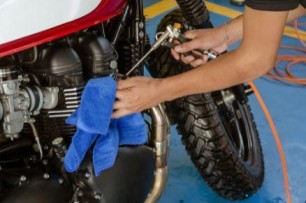
These good habits can increase the longevity of your two-wheeler
As a bike owner, you enjoy all the perks that come with it. Whether going to the nearest grocery store to get your monthly supplies or taking an impromptu long trip, one can not deny the many benefits of owning a two-wheeler. But as with great power comes great responsibility. Having a bike also means dedicated time to take care of it. So, it is your responsibility to keep your bike moving and functioning.
Irrespective of how often you drive your two-wheelers, it is susceptible to daily wear and tear. It is, however, possible to increase the longevity of bikes to some extent.
In this article, we will take a look at a few ways in which you can increase the longevity of your two-wheeler. Extending a bike’s life is not a very challenging task. You need to be slightly attentive to the signs indicating any faults and provide regular upkeep without constantly worrying about maintaining it.
1. Regular servicing:
Regular servicing ensures that the bike performs optimally. Your service cycle depends on how old your bike is. Speak to an expert and understand the servicing cycle for your two-wheelers. Things such as changing engine oil, ensuring proper functionality of brakes, checking for corrosion are a few things to note during the next servicing.
2. Riding habits:
The lack of coordination between the clutch and gear affects the bike’s performance in the long run. This puts an unnecessary load on the engine if done constantly. Giving ample time to yourself to understand gear shift and the bike's speed will help you perform better on the road.
3. Manage the load:
Overburdening the bike during long road trips can have dire effects on the vehicle. You must balance out excessive workload with regular maintenance. However, if you overload the bike with minimal aftercare, the bike is bound to break down eventually.
4. Keep it clean:
Maintaining your bike through regular cleaning can help you increase the functionality of your two-wheeler. Use soaps specifically meant for your bikes to wash with water and a cloth. Always wipe the bike thoroughly after every wash. After driving through rains or dirty tracks, wipe down your bike to avoid dust and dirt accumulation to avoid corrosion.
Dust and dirt can affect the engine’s functionality and spoil the paint job on the vehicle. A dirty bike is more susceptible to various problems such as rusting that can impact its overall performance.
5. Take note of minor changes and problems:
Usually, vehicles produce different sounds or low-performance levels as an indicator for various problems that are likely to arise. Do not neglect the problems, immediately take your two-wheeler to the service centre and get it checked thoroughly.
These were a few things to keep in mind if you want to ensure a long life for your two-wheelers. Sometimes no matter what you do, your bikes can still cause troubles and might need extensive servicing and change in parts. All changes said and done can come out to be pretty expensive.
It is a wise option to invest in 2 wheeler insurance to cover the damages, cost involved in repairs, and replacement of parts. Buying an ideal 2 wheeler insurance is also a good habit of increasing the longevity of your two-wheeler and can be beneficial for it to cover more distances.
Click HERE to know more about 2 wheeler insurance.
Disclaimer: The information provided above is for illustrative purposes only. To get more details, please refer to policy wordings and prospectus before purchasing a policy.

These can be the probable reasons for your bike failing to start
It can be highly frustrating for any rider to turn the key in the ignition, and the vehicle fails to start. There are several reasons for your bike giving way and facing trouble starting smoothly. While a motorcycle's design is simple to understand, it can be challenging to point out the reasons for these ignition issues. However, knowing about the possible reasons causing these issues is essential in maintaining your vehicle and fixing these problems.
You may consider the extreme winter season to be the main reason your bike fails to start, but there are several more. While you can always rely on bike insurance for critical problems, you can read the points below to learn the probable reasons for the two-wheeler failing to start.
1. The battery is weak or dead:
Some two-wheelers are designed to start using an electric self-start. Their motor is dependent on the battery. If this motorcycle does not start when you press the self-start button, it could be because the battery did not transfer a sufficient charge to kickstart the motor.
A weak or dead battery cannot provide this high voltage to the engine, and therefore, the electric self-start won't be operational. In this case, you may have to call a mechanic to either recharge or replace your bike's battery.
2. Too cold:
This frozen state of the bike is caused mainly due to extreme cold weather conditions. Combustion doesn't occur correctly as the gasoline in the vehicle doesn't evaporate when mixed with air. There might be ice build-up that is causing the malfunction. You can use a space heater directly on the engine for 15-20 mins to get your motor running.
3. The fuel tank vent is clogged:
Since the fuel tank vent in most motorcycles is too narrow, it becomes inconvenient to supply fuel to the intake system consistently. The vent can get clogged due to no regular maintenance and cleaning, and the fuel supply gets restricted. If you find yourself stuck in this mess, try to unclog the duct with a thin pin or get it cleaned.
4. Blocking intake or exhaust:
A blocked airbox or a blocked muffler exit may be another significant reason your bike won’t start easily. The motorcycle’s mechanism is dependent on the intake and exhaust system, and your bike will give away if it is restricted or clogged for some reason. Get it checked by a professional as soon as possible to avoid further damage.
5. The clutch does not engage properly:
The clutch lever needs to be correctly pulled to start your bike successfully. Often, problems can occur in the ignition when the clutch does not engage correctly. Try again by bringing your transmission into neutral and then starting the bike. Sometimes, riders turn off their bike while in gear and forget to put it back into neutral. You must set your bike into neutral and start again.
6. Problems with the spark plug wire:
A loose or cracked spark plug wire can also cause your bike to fail to start. Constant heating of the engine will eventually deteriorate the material of the wires in the motorcycle over time. Places with extreme weather conditions can be a catalyst in the cracking of the spark plug wire. If you find any cracks or slits in your bike's wires, replace them to avoid any issues.
These are a few likely reasons why your bike may fail to start. While investing in a reliable bike insurance plan can secure your vehicle by covering the expenses involved in the garage repairs, it is essential to know about the issues that could arise with your two-wheeler. Being aware and getting to the root of every problem can avoid future losses.
Click HERE to buy a comprehensive bike insurance plan for your new bike.
Disclaimer: The information provided above is for illustrative purposes only. To get more details, please refer to policy wordings and prospectus before purchasing a policy.
Hi there! 👋 Need help with a policy, claim, or renewal? Chat with us instantly on WhatsApp.
Start chat →