


General Insurance Blogs, Articles & Updates by - Magma Insurance
Have us call you
- RENEW YOUR POLICY
- BUY NEW POLICY

GENERAL INSURANCE BLOG

Here are the ways you can identify a broken nose and perform aftercare
With a significant emphasis on laborious work that yields marginal returns, there is no alternative to physical effort. As the intense nature of work causes accidents routinely, and the risk of mishaps continues, making personal accident insurance India is a necessary investment.
One of our body’s most overlooked and fragile parts is the nose. It directly impacts the facial structure and looks of a person. It is a very delicate structure made of two bones that can snap for multiple reasons, resulting in a broken nose. Identifying a broken nose is crucial at the earliest to providing proper medical attention and effectively performing aftercare.
Read on to learn about identifying a fractured nose, precautions, and best aftercare tips!
Causes for a broken nose:
It is essential to know its formation to understand the causes of a fractured nose. The two bones in your nose are located at the bridge where your sunglasses rest. They make the base of the structure and space for cartilage. Technically, the cartilage cannot break since it is flexible, which implies that a broken nose refers to a fractured nose bridge.
A broken nose bridge can be a result of various factors, including but not limited to the following:
● Sport injuries
● Automobile accidents
● Physical violence
● Slamming the face into inflexible objects
● Falling face first
Signs of a nasal fracture:
The nose has a significant impact on the look of your face. Therefore, a broken nose is quite easily identifiable. However, here are some signs that determine if your nose is broken:
● Shooting pain from the nose
● Bruising at the nose and under the eyes
● Slight crookedness of the nose when compared to its regular structure
● Sudden nosebleeds and mucus discharge
● Difficulty in breathing from either or both nostrils
It is best to get your nose checked, even if you do not notice any visible signs.
Can it be treated at home?
It is recommended to rush to the hospital to address the injury immediately. Waiting for the bleeding or discomfort to stop further complicates the issue. Do not consider solving the problem at home. Seek a medical professional’s attention immediately. Usually, personal accident insurance India covers the medical costs of the injury.
Medical procedure:
Depending on the severity of the issue, you may have to undergo a CT scan or an X-ray. A hairline fracture can be treated using some ice and painkillers. You may require surgery to realign the bones and antibiotics for severe issues. At the most, it should take two to three weeks for your nose to heal.
Aftercare:
Once the medical professionals have assessed the situation and taken appropriate steps to stop the pain, bleeding, or discomfort, it is vital to follow proper steps to make the treatment effective and heal your nose.
● Icing is recommended to soothe the pain, especially immediately after the injury. A cold compress using ice wrapped up in cloth is the easiest way to tend to the pain.
● If prescribed, make use of painkillers. However, do not act without the doctor’s approval and ask for medicines instead of self-diagnosing painkillers.
● Keep your head tilted up as much as possible. Avoid pressure on the nose caused by sleeping sideways or on your stomach.
● Avoid strenuous activities that can break your nose again until your nose heals.
A broken nose can be a painful accident to deal with. While there are no ways to prevent accidents, buying personal accident insurance India can help reduce the burden on you. Avoid distractions while doing a task that requires more focus. Be cautious always and prioritise your safety.
Click HERE to purchase reliable personal accident insurance India.
Disclaimer: The information provided above is for illustrative purposes only. To get more details, please refer to policy wordings and prospectus before purchasing a policy.

Here are the side effects of taking excessive painkillers
Sometimes you suffer a severe headache and feel like someone is whacking you in the head with a hammer. You, therefore, take a few painkiller medicines, and the pain quickly passes! That is the magic of pain relievers. They alleviate the discomfort so you can get on with your day.
Painkillers do come with a fair share of hazards and can have detrimental consequences on your body, especially when taken frequently. This post will review how painkillers go through the potential long-term impacts they may have on the body.
Effects of chronic painkiller abuse on the body:
You inhibit your body from naturally reducing pain when you use a painkiller medicine longer or more frequently than is recommended. By tricking your brain into believing it needs the painkiller to feel good, these medications cause your body to produce fewer "feel good" chemicals and endorphins.
The central nervous system suffers significantly from this frequent use of analgesics. As we've already said, some painkillers slow down the central nervous system to help block pain. However, too much of them can make it hard to breathe, slow down your body's reactions, and make you slur your words.
Painkillers have effects beyond how they affect your body's natural pain-relieving systems and central nervous system. Abuse and dependence on painkillers can have repercussions throughout your entire body, such as
1. Your liver:
Your liver processes and breaks down the medications you consume. When you misuse painkillers, your liver retains the poisons from these drugs, which can cause severe and fatal liver damage.
2. Your heart:
To experience painkiller effects right away, some people crush or inject the drugs directly into their bodies. But doing so results in the medicine going straight into the bloodstream, which impacts the heart. Abusing painkillers over a long period can result in major cardiovascular problems and risks of heart attacks.
3. Your stomach:
Even after taking painkillers for a day or two, stomach and intestinal problems can still develop. Abuse of painkillers can cause haemorrhoids, intestinal blockages, bloating, abdominal distention, and constipation.
4. Your veins:
Injecting painkillers for an extended period is fatal, especially if the needles are shared or not sanitised. Blood-borne infections, illnesses, and blocked veins can result from injecting painkillers drugs.
Once a person becomes dependent on a painkiller, there is no way to stop without going through withdrawal. Even though withdrawal symptoms don't last forever, they can include nausea, vomiting, trouble sleeping, aches and pains, irritability, and anxiety. If you or a loved one is suffering from a painkiller addiction, seeking immediate treatment is crucial because it's typical for people to overdose when attempting to relieve withdrawal symptoms.
How can you take painkillers more effectively?
• Before taking any painkillers, if possible, speak with a doctor
• Avoid taking painkillers for more than a few days straight
• To limit the risk of problems and side effects, start a new drug at the lowest dose possible
• Take the drug only as prescribed, never more. You can visit a doctor for the maximum dose or look it up in the drug information booklet
• Avoid giving others access to your painkillers
• Consult your doctor rather than taking more painkillers if the pain persists or gets worse after taking them
Most over-the-counter medicines are safe for treating mild to moderate pain. But these can also have negative side effects, some of which could be fatal, just like any medication. People who often use painkillers should speak with their doctor to ensure proper treatment and avoid any negative consequences.
With rising healthcare costs, access to high-quality medical care may become prohibitively expensive. Every citizen must sign up for a good health insurance plan in case they or someone they love gets a disease that could be financially devastating. Each insurance plan has a policy duration, and you can buy health insurance online. So, depending on the insurance company, your plan is valid for a particular period.
Click HERE to buy health insurance online.
Disclaimer: The information provided above is for illustrative purposes only. To get more details, please refer to policy wordings and prospectus before purchasing a policy.

Here are the benefits of drinking water in a copper vessel
The emphasis on health and preventive care has skyrocketed post-pandemic. People of different ages leading varied lifestyles have stepped up and are paying attention to their exercise, sleep, and diet to stay healthy. However, these measures are difficult to continue for undisciplined people or those with extremely hectic schedules.
For such people, it is best to adopt small measures that aid in the long run and only require spending less time on fulfilment. Such measures, supplemented with purchasing the best health insurance in India, are plenty to keep oneself stress-free about their health without stressing too much.
With India being the land of Ayurveda, what better way to enhance your health than following small health tips daily? One of the most strongly recommended activities is drinking water stored in copper vessels. Why? What are its potential benefits?
Read on to find a comprehensive list of benefits of drinking water in a copper vessel.
1. Promotes hydration:
Hydration is an essential part of a healthy lifestyle. Negligence can lead to severe complications in the long run. To drink water from a copper vessel, one must consciously store water overnight to gain its most benefits. This way, you can ensure that you are keeping track of your water intake and preventing future medical complications.
2. Prevents copper deficiency:
Copper is a mineral required by our body to function at its optimum capacity. Naturally, humans can only produce up to 1.4 to 2.1 mg of copper per kilogram of body weight. It is essential in red blood cell production, maintaining nerve cell health, and boosting the immune system.
Water stored in copper vessels carries the properties of the mineral, thereby preventing its deficiency. However, excess copper exposure may lead to poisoning and other illnesses. So be mindful of the intake.
3. Aids in battling cancer:
While it alone cannot ward off or eliminate cancer, it aids in eradicating cancer by acting as an antioxidant. It fights cancer-causing free radicals and even helps produce melanin, which protects the skin from harmful UV rays.
4. Improves thyroid functioning:
Water from copper vessels possesses the quality of balancing the improper functioning of the thyroid gland. If you suffer from copper deficiency, you may be suggested this as a measure to improve your thyroid gland's functioning. This can directly impact your metabolism and growth.
5. Helps with inflamed joints:
The copper produced in the body is stored mainly in the skeletal structure. If you suffer from weak or inflamed joints or arthritis, consider drinking copper-infused water to strengthen your skeletal system.
6. Antimicrobial properties:
Copper has significant antimicrobial properties, which can help prevent diseases by eliminating bacteria, viruses, or fungi that may have entered your body and compromised your immunity.
Since it has natural preventive benefits, it is highly recommended for seniors with weaker immune systems and joint pains. You must also look for the best health insurance in India for your aged parents and immediate family to protect them with a reliable safety net.
With many more benefits, it is highly recommended that people with copper deficiencies drink water from copper vessels. They make for better, cold, and sweet-tasting water, which is much better than water from packed bottles. Try such non-invasive, easy-to-follow tips that Ayurveda suggests, along with the best health insurance in India. Your honest efforts will help you reap the desired results in achieving a healthy lifestyle.
Click HERE to buy health insurance in India.
Disclaimer: The information provided above is for illustrative purposes only. To get more details, please refer to policy wordings and prospectus before purchasing a policy.
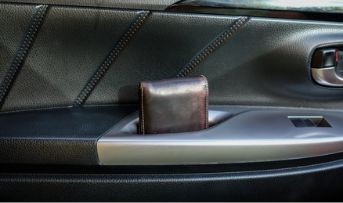
Here are a few items that you must never leave in your car
Buying a car was seen as a status symbol in the past. However, it has become a necessity over time. Considering the growing population, increasing traffic, and demand for luxury and convenience, cars have improved commutation in urban landscapes.
Most people spend long hours in their cars due to long-distance commutes. After completing the ride, remember a few items you should never leave in your vehicle.
1. Edibles:
It is natural to feel snacky during the day. Keeping snacks in your car for emergencies is a good idea, as long as you take them out when you exit the vehicle. When left for long hours, the food or drinks are subjected to the changing temperature inside the car, which may result in the growth of bacteria. The same applies to soda cans that have pressure within and may explode due to the external pressure from the car's cabin.
2. Aerosols:
Aerosols like hairsprays, deodorants, air fresheners, etc., are essentials. Keeping one in the car for short periods is acceptable. However, since the cabin's temperature keeps changing without artificial air conditioning when the car is not in use, you may find that your aerosol can has exploded all over your seats.
3. Plastic bottles:
Plastic bottles are a fire hazard to your car. It magnifies the sun rays pouring in through the windows or windshield and may result in setting your seats on fire. Such incidents are considered the owner's negligence and not covered by car insurance as admissible claims.
Even if the sun rays are not strong enough to ignite a fire, they will alter the composition of the plastic bonds in the bottle, which may result in harmful BPA exposure.
4. Flammable items:
Items like lighters must never be stored in cars. The fuel within such containers can expand due to the heat and result in a fire. Again, such fires are not within the scope of admissible car insurance claims. Therefore, it is essential to remember to remove flammable items from your car cabin.
5. Valuable goods:
While the other items on this list risk the car, valuable goods are what carjackers look for while determining which car to steal from. Ensure you take out any valuable goods like phones, headphones, portable chargers, laptops, and purses from your vehicle. Leaving an expensive item in the car makes it vulnerable to drawing the attention of burglars.
6. Items with specific chemical formulations:
Items like sunscreen and medication are scientifically manufactured with a specific composition of ingredients involving chemicals to ensure efficiency. Leaving such things in the heat will alter their formulation, making the goods toxic or causing a loss of efficacy.
7. Alcoholic drinks:
Heat leads to increased fermentation which ruins the flavour of alcohol. Additionally, alcoholic drinks are packaged with internal pressure to keep the liquor from altering while in transit before consumption. Excess heat is bound to make them explode.
While this list is not comprehensive, it is a general guideline for what you must not leave in the car. Generally, anything that may be affected due to high heat must not be kept inside the vehicle. Ensure that any important documents like your car insurance and registration are not left in the car. Take care of your valuables and avoid any considerable risks to your car.
Click HERE to buy the best car insurance in India.
Disclaimer: The information provided above is for illustrative purposes only. To get more details, please refer to policy wordings and prospectus before purchasing a policy.

Here are a few hacks to beat late-night snack cravings
How often have you heard someone advise you to brush your teeth to stop late-night cravings? Brushing your teeth will magically make you feel full and prevent you from wanting to eat something that will stain your sparkling whites. Although some people find this hypothesis true, it isn't true for everyone, especially if someone has bizarre cravings in the middle of the night.
Here are some tips for overcoming late-night cravings that can help you avoid having extreme cravings in the future.
1. Have good sleeping habits:
Although you may not be familiar with the term "sleep hygiene," it is crucial for getting a decent night's rest. Because of the numerous studies linking sleep deprivation to lowered metabolic function, hormonal abnormalities, and increased appetite, sleep plays a crucial role in increasing late-night cravings.
You'll have a better chance of getting a good night's sleep if you make your bedroom a calm, cosy place to sleep rather than staying up late yearning for junk food.
2. Eat a healthy breakfast:
A whole grain bagel or oatmeal are excellent first-step carbohydrates since they contain a lot of fibre. You'll feel full and satisfied for longer periods if you eat a breakfast rich in these nutrients. Preparing a few items in advance can be useful if you have a habit of rushing out the door in the morning to ensure you have a satisfying meal to start the day.
For meals to be enjoyed throughout the week, you may try eating hard-boiled eggs, baked oatmeal, overnight oats, or even a few veggies and nuts. These beneficial breakfast routines can help you stay full throughout the day and avoid late-night cravings.
3. Try something else:
According to research, cravings are nearly psychological and not physical needs. Although you don't need to eat, this does not mean that you should disregard it. The research also states that willpower is like a muscle that weakens throughout the day and becomes almost non-existent at night. Create a distraction to take your thoughts away from food. You can try chewing peppermint gum, as the studies suggest that menthol odours reduce hunger.
4. Enjoy a delicious supper:
Your body will feel satisfied and full for several hours after dinner with protein, healthy fats, and complex carbohydrates. This will likely stop any late-night cravings you have.
5. Take warm liquids:
When you're rushing around making supper and getting the kids ready for bed, it's easy to confuse thirst for hunger and to forget to drink enough water. Try a cup of herbal tea without caffeine or warm water with lemon if you're still hungry after supper. These naturally calorie-free fluids are hydrating while also making you feel full.
6. Exercise your brain:
Put a mental barrier between yourself and the craving. Stop and give yourself a pep talk to control your emotions. As you picture "moving away" from your hunger, tell yourself that it is "only an idea."
7. Portion out your snack if you're hungry:
You've done everything you can to avoid feeling ravenously hungry at the end of the day, including eating filling meals, getting enough sleep, and paying attention to your body. This can occur occasionally! If it is late and you are still hungry, don't be too hard on yourself. Do yourself a favour and divide whatever you intend to eat. You may even try healthy snack suggestions if you want to feel satiated rather than hungry after eating.
These tips guide you to avoid disturbing your sound sleep due to the constant urge to eat something at night. Bring these tips into practice and adopt a healthy routine with lower bloating risks.
Also, consider investing in health insurance to keep yourself mentally and financially strong during medical emergencies. An all-inclusive health insurance plan will pay for hospitalisation, childcare operations, medical care received at home (domiciliary hospitalisation), and ambulance fees, among other things. Buy yours today without any delay!
Click HERE to buy health insurance for you and your family.
Disclaimer: The information provided above is for illustrative purposes only. To get more details, please refer to policy wordings and prospectus before purchasing a policy.

Here are a few clever ways you can avoid overspending on food when travelling
Travel is a favourite bucket list item for most people who aspire to discover new opportunities, savour offbeat experiences, introspect and grow holistically. With general insurance covering the financial burden of accidents that may happen while travelling, it has become easier and safer to travel than ever before.
Despite the ease of travel, most people end up postponing plans indefinitely or even cancelling due to budgeting issues. Overspending while travelling can have a significant impact on your finances. However, pinching every penny ruins the joy of the experience. Therefore, it is essential to find a balance, make careful estimates, and use tricks that save money on regular activities.
Food is one such expense that adds to the joy of travel. However, it is easy to overspend on food while travelling. Here are some smart ways that can help you save on food.
1. Complimentary breakfasts:
Usually, breakfast is included in the cost of the room. It is an overlooked service that can save you a sizable sum throughout your stay. Most hotels provide good-quality breakfast spreads that give you a taste of the local cuisine and international foods.
2. All-you-can-eat buffets:
These buffets can save you a lot of money if you travel with large groups or have a voracious appetite. Instead of purchasing individual menu items in fancy restaurants, it is significantly cheaper to head to a buffet restaurant that specialises in a specific food type- meat, pasta, or pizza, for example. These restaurants can be easily found by a quick internet search.
3. Avoid tourist-catered restaurants:
Tourists often travel without prior research and pay exorbitant rates for items sold at prime locations. An example is the restaurants in tourist-centric areas like the city centre or nearby tourist attractions. These restaurants charge high prices and exploit tourists who don't know the actual cost. It is best to avoid such centrally located restaurants and instead research and find local restaurants to get a taste of authentic cuisine at reasonable prices.
4. Stash your snacks:
Have you ever experienced hunger outdoors without having a snack prepared, and the only available options are overpriced foods you would not otherwise purchase? Imagine that in a foreign place where you end up paying heavily.
In desperate times, we purchase unnecessary things at unreasonable prices that do not truly satisfy our needs. To avoid this, carry a few snacks with you. This helps tide over time between two activities and prevents you from wasting money on overpriced snacks.
5. Allocate one meal a day for dine-out:
It is tempting to dine out for all meals while on vacation. However, this leaves a massive dent in your wallet. The easiest way to overcome this obstacle is to define a meal to eat at a local restaurant each day. Preferably, this should be lunch to get the most value for your money. Complimentary breakfasts and grocery stores or cooking for dinner make it easy to follow this rule.
6. Opt to cook:
If you're booked into a hostel, or your hotel room provides the equipment you can use to cook, ensure that you make full use of them. This can help in cutting down food expenses substantially. In case neither of these options is available to you, choose to purchase freshly prepared sandwiches or similar quick fixes from grocery stores or local bakeries.
Ensure that the food is safe to eat by thoroughly checking the expiry dates to prevent any issues that may lead to illnesses, irrespective of whether or not your travel is covered under your general insurance.
With some planning and research, you can limit your food expenses without adversely affecting your travel experience and preventing you from travelling. Think like a local, and you can significantly reduce expenses. However, you must pay attention to purchasing comprehensive general insurance covering accidents while travelling.
Click HERE to buy the best general insurance policy before your next trip.
Disclaimer: The information provided above is for illustrative purposes only. To get more details, please refer to policy wordings and prospectus before purchasing a policy.

How to spot the clear signs of a good insurance agency
When purchasing insurance, people check the plan's conditions, coverage, and exclusions. A good insurance agency offers the best plans and benefits to its customers. But do you know how to identify an excellent general insurance company? If you want insurance for your home, business, or automobile, you must determine the best insurance agency for your requirements.
Here are some clear signs that help you choose a good insurance company.
1. Problem-solving:
A good insurance company can come up with creative solutions to your problems. You should ensure that the agency helps its clients with the right insurance plan according to their needs. If you get the right solutions, the insurance company is rated outstanding.
2. Genuine:
You should know that unethical insurance agents only stay in business for a short time. You can check the experience and reviews of old customers of an insurance company to determine whether they are transparent & genuine.
3. Ease of doing business:
If you can easily access an insurance company's product, you can put them in the category of a good insurance company. Some other factors that make the interaction between clients and insurance agents more seamless include online claim reporting, online bill pay, billing questions, policy changes, 24x7 customer service, and social media platforms.
4. Vast technical knowledge:
An excellent general insurance company knows how to sell its policy and win its customers' trust. You should expect that your insurance agency can instantly answer all your insurance, law, and tax queries. They must know income tax preparation, financial planning, and some other avenues of financial service to help their clients with their financial situations.
5. Customers delight:
You will feel encouraged to buy their product when you meet an agent or a team from a good general agency. Most good insurance agents are eager and excited, which makes it interesting and easier for clients to understand the details of their products.
6. Emotional intelligence:
If your insurance agency listens and empathises with clients, they can help you clear up your financial situation when you encounter a loss due to an accident. A good insurance agent is sensitive and able to understand the needs of their clients.
7. Good customer service:
Customer service doesn't mean being available at all times, but it should also solve your problems and satisfactorily answer your questions. Check whether the customer care team timely responds to their client's inquiries via phone, chat, or video calls. You may also go through the company's online reviews to get a clearer picture of their customer service.
8. A wide array of products:
If your agency offers comprehensive products and services that meet your specific needs, you can call them a good insurance company. You should check that they offer a wide assortment of general insurance, including motor, health, home, travel, commercial, and more. You should also look for optional features in the general insurance plan and decide on its requirements to get comprehensive coverage.
9. Sense of urgency:
A good agency has robust SOPs and processes for quick insurance approval. Consider the agency's time to explain its products and services, the application process, and other factors. You should check how fast your insurance agency can provide the claim money when needed.
Look for these signs in your general insurance company and decide whether they are the best agency for you. Choose the right insurance company that offers a wide array of general insurance products. You can benefit from the insurance plan if you encounter a loss or damage to your life, vehicle, home, or business.
Click HERE to know more about the best general insurance company in India.
Disclaimer: The information provided above is for illustrative purposes only. To get more details, please refer to policy wordings and prospectus before purchasing a policy.

Here are some frequently asked bike insurance questions
If you're looking for answers to some frequently asked questions about two wheeler insurance, look no further. According to the Indian Motor Vehicles Act, every two-wheeler and four-wheeler owner must have third-party coverage. As a result, you must get either standalone bike insurance or a comprehensive bike insurance plan if you wish to cover the damages your bike sustains in accidents.
Many individuals need clarification on the numerous facets of a bike insurance policy. Therefore, we are addressing many concerns about a two wheeler insurance plan in this post in the form of some frequently asked questions.
1. What paperwork is necessary to submit an insurance claim for a two-wheeler?
Depending on your coverage and the damage experienced, you may need specific papers to submit a two-wheeler insurance claim. However, the necessary documents required to submit a two-wheeler insurance claim are summarised below:
● A current insurance policy agreement
● R.C. papers
● Driving licence copy
● As reported to the local police, a First Information Report (FIR)
● Pictures that were taken at the scene of the accident
● Other supporting records, if any
2. How much is my two-wheeler worth, and how is that determined?
Insured Declared Value (IDV), to which you are referring in this sentence, is the maximum sum for which you will be compensated if your two-wheeler is stolen or lost in its entirety. The manufacturer's suggested retail price determines the IDV of two wheeler, which is then depreciation-adjusted. Similarly, the IDV for non-factory-installed items is determined separately if they need to be added to the coverage at an additional expense.
3. What steps are involved in renewing my bike insurance?
Nowadays, it's effortless to renew your bike insurance thanks to the online renewal process of two-wheeler insurance. Most insurers notify the policyholder of the policy's expiration date in advance. Therefore, to renew your bike insurance online, go to the insurance company's website and complete a few easy steps. In addition, you can renew the insurance offline by going to your insurer's office or getting in touch with customer service.
4. Which situations fall under a bike insurance policy's exclusions?
The policy wordings for bike insurance coverage include specific information about the exclusions. Before purchasing your bike insurance policy, reading and comprehending the exclusions is crucial. It is advised to get clarification if there are any questions about the exclusions in your bike insurance policy.
Here is a list of typical exclusions that can be encountered while filing a two-wheeler insurance claim:
● Getting behind the handlebar when intoxicated
● Riding a motorcycle without having insurance
● Driving without a valid licence
● Nuclear risks-related harm
● War-related damage
5. What kind of additional coverage is offered for my two-wheeler?
You must purchase comprehensive coverage that includes any injury or damage to a third party and any harm to your two-wheeler if you want to protect it adequately. Similar to the above, an add-on policy like Zero Depreciation would guarantee the total amount of your valid claim is paid without considering the depreciation factor.
Repairs and replacements of certain parts made of plastic, fibre, glass, etc., are priced on a depreciation basis under IRDA regulations.
6. Where can I find the policy number for my bike insurance?
When you purchase a two-wheeler insurance policy, you will receive policy documents having the policy number for your bike insurance. The correspondence letters, emails, etc., that your insurer sends you regularly include your bike insurance policy number as a reference.
7. Why should I purchase online two-wheeler insurance?
The advantages of purchasing insurance online include the following:
● Comparing prices and assessing coverage alternatives on a free and user-friendly platform.
● A quick and helpful customer service team can address any issues.
● Post-sale services that are prompt and trustworthy.
● Assistance with the claims and related issues as soon as possible.
These are the most commonly asked questions when purchasing bike insurance which offer you good clarity about the application process, claim settlement, premium, inclusions and exclusions, types of bike insurance, renewal details, and much more. Let's get ready to buy your bike insurance today!
Click HERE to buy bike insurance and stay stress-free.
Disclaimer: The information provided above is for illustrative purposes only. To get more details, please refer to policy wordings and prospectus before purchasing a policy.

A few surprising benefits of having Tulsi plant at home
Tulsi is a popular houseplant in India and is worshipped by people as a religious practice in different parts of the country. You can find a dedicated area for the tulsi plant if you visit the traditional Indian houses. But things have changed a lot nowadays, and people have also started keeping a tulsi plant in their apartments for its many benefits.
Having a tulsi plant at home can have many benefits, including calmness and happiness to the house. According to the ancient Vastu Shastra and Ayurveda, tulsi can benefit you in the following ways:
1. Tulsi leaves have medicinal values:
According to Ayurveda, tulsi leaves contain various medicinal properties. Taking tulsi leaves with honey can heal common coughs and colds. Moreover, tulsi leaves possess various natural antioxidants that kill free radicals in the body and improve the immune system. Regular consumption of tulsi leaves can help manage stress and high blood pressure. Notably, tulsi leaves feature multiple benefits without any side effects on your body.
2. Bring happiness to marital life:
It is believed that maintaining a tulsi plant in the east or northeast corner of your home can bring positive energy. As per the Vastu, a tulsi plant eliminates stress and brings happiness to your conjugal life. Gradually, your life will become happier and more peaceful.
3. Tea with tulsi leaves:
Tulsi can make your tea more refreshing and nourishing. Restaurants usually use dried basil to prepare such tea. But you can use fresh leaves if you have a tulsi plant. Tea is a source of various antioxidants, which improve your immunity, and when you add tulsi to it, the level of such minerals and antioxidants increases. The combination of tulsi and tea creates a warm beverage with many health benefits.
4. Insect repellent:
Many homeowners find themselves subjected to frequent insect attacks, and it often becomes annoying to tackle them. People use different kinds of toxic chemicals to remove insects, though these chemicals may harm pets and children in the house. Tulsi is a natural insect repellent, and your house can stay protected from mosquitoes, flies, and many other insects if you have this plant in your balcony garden.
5. Tulsi brings prosperity:
In Hindu mythology, the Tulsi plant has been represented as the form of the goddess Lakhsmi. So, it is believed that having a tulsi plant in the east or northeast part of the home brings good luck and prosperity. Having a tulsi plant in the house can protect you from unnecessary financial expenses. Also known as the queen of herbs, the tulsi eliminates negativity and spreads positive energy to the home.
How can you have a tulsi plant in your apartment? The tulsi plant needs direct sunlight for 4-5 hours a day. You can keep it on the window sill or balcony, where it can receive a good amount of sunlight.
So, these are some benefits of having a tulsi plant at home. Overall, people believe that tulsi brings peace, happiness, wellness, and good luck to a house. Your house will become a more beautiful place to live, though you must remember to invest in the best home insurance policy in India for financial peace during unexpected circumstances.
Click HERE to buy the best home insurance policy in India.
Disclaimer: The information provided above is for illustrative purposes only. To get more details, please refer to policy wordings and prospectus before purchasing a policy.

Learn more about engine protection add-ons in two wheeler insurance
Bike engine damage can be severe and adversely impact you financially. Even though it doesn't break down often, fixing the engine can be expensive. An engine protection in your two wheeler insurance helps you in case of damage caused by water getting into the engine or oil leaking and making the engine non-functional.
You always have to select it as add-on insurance, as the comprehensive coverage does not cover the engine. For a little higher premium, you may rest easy knowing that you are protected financially if the insured bike's engine suffers damage.
The bike engine protection add-on covers the cost of repairing or replacing engine and gearbox components damaged by water intrusion, lubricating oil or coolant leaks, or a hydrostatic lock of the covered bike. The engine protection add-on is essential that you should consider when buying bike insurance.
The two-wheeler engine protection cover's advantages are as follows:
• It covers the cost of the bike's most expensive component - the engine
• Protection against physical harm caused by hydraulic lock to the engine and gearbox
• Financial protection against engine oil or lubricant leaks caused by water intrusion
• Provides monetary security
• Ideal for residents of flood-prone areas
The engine protection add-on does not cover the following items:
• Any maintenance or replacement due to normal wear and tear
• Repair or replacement of an internal part of the engine or gearbox because the driver was drunk, illegally racing, or the bike was driven while the driver's licence was invalid
• Damage or losses caused by engine corrosion
• The price of lubricants or engine oil
• Any claim made following the deadline for notifying the insurer of the incident
• Any claim in which engine parts were repaired or replaced without first notifying the insurance provider
• Any claims that are beyond the manufacturer's warranty
Do you need an engine protection add-on?
When you buy insurance from 2 wheeler insurance India, the "Engine Protection" is generally not covered. It is an advantage that is provided as an add-on. You should opt for this feature if you live in a region prone to flooding. For a small additional premium, you can relax knowing that the most expensive component of your motorcycle is covered and stop worrying about unexpected repair costs resulting from engine damage.
Who should purchase the engine protection option?
With a small cost on your annual premium, the engine protection add-on cover provides additional protection. For the following reasons, it would be best if you gave some thinking to get the bike engine protection add-on:
• If you have just purchased a new bike
• If you live in a flood-prone location
• If you want financial protection against significant damage to the engine parts
Understand that any damage to the engine's internal components can be expensive. To prevent unintended damage to the engine or gearbox components, check the engine oil level frequently. The bike should be serviced regularly as per the schedule, and you should change parts like the air filter and oil periodically to keep the engine running smoothly.
Avoid over-accelerating the engine because this could cause it to overheat and harm its internal components. Also, avoid buying duplicate parts during any post-damage repair. Lastly, buy a reliable 2 wheeler insurance India with an efficient engine protection add-on to enjoy an exceptional benefit.
Click HERE to buy the best 2 wheeler insurance India.
Disclaimer: The information provided above is for illustrative purposes only. To get more details, please refer to policy wordings and prospectus before purchasing a policy.

Let's understand consumables in car insurance
The MV Act, or the Motor Vehicles Act of 1988, regulates the legal environment surrounding motor vehicles. It states that every car owner must buy new car insurance after acquiring a new car or renew it immediately after its expiry. It is one of the three must-carry-along documents for drivers, including a PUC certificate and driver's licence. With increased regulations and growing awareness regarding the financial burden of shouldering expenses in case of an accident, the policyholder base of motor insurance has risen steadily.
Despite the importance of car insurance, it cannot be said to be a comprehensive policy. Some aspects are left out in the document's fine print and are available as add-on facilities. Therefore, while most people know the need to buy new car insurance, only some are aware of general exclusions.
A typical example is the consumables in car insurance, which is discussed in detail in this blog.
General inclusions under car insurance:
While each insurance company may offer a slightly varied version of car insurance, generally, third-party car insurance covers accidents that cause damages to other parties or their properties. Without such a policy, you will have to bear the losses and compensate the affected party.
A comprehensive policy has two aspects, a third-party car insurance policy and own damages cover. Thus, it provides enhanced protection against personal injuries and manmade and natural disasters. Since consumables are nowhere mentioned as included, it is implied that they are an exclusion from the policy.
Understanding consumables:
Consumables in accounting refer to assets used within the process and are sometimes held on standby for future use. The former part of the explanation applies to consumables in cars. These items are used in the general running of a vehicle and are subjected to continuous wear and tear.
Consumables in a car can be identified as brake oils, engine oil, lubricants, refrigerant for AC, ball bearings, nuts, screws, bolts, washers, etc. In simpler words, they aid in the efficient running of the vehicle without forming a large chunk of the cost and are put to use regularly, which is why they deteriorate faster than other car parts.
Consumables insurance:
While consumables may not appear to be a prominent aspect of the relevant cost incurred in purchasing a car, they play a crucial role in the proper functioning of the vehicle and must be noticed. It is prudent to insure your car's consumables to prevent any financial losses you may have to bear due to improper condition of consumables.
Although not included in comprehensive insurance, insurance companies provide the facility to select add-on consumables insurance by paying an additional premium for the service.
Add-on consumables insurance covers expenses incurred for replacing items like engine oil, brake oil, steering oil, coolant, AC gas, refrigerant, dust filters, air filters, engine filters, bolts, nuts, washers, screws, grease, etc. It is important to note that consumable insurance is usually provided for cars not used for more than five years.
Exclusions of consumables insurance:
It is a specific add-on insurance type that only covers relevant costs relating to consumables. The general conditions to claims are similar to any other car insurance or allied add-on facility. In the following conditions, the claim is not admissible:
● Driving without having a valid driver's licence
● Driving under the confluence of substances or liquor
● Misuse of personal vehicle for commercial use
● Prolonged delay in informing the insurer regarding the replacement of consumables
● Misuse or overuse of policy to claim the maximum benefit, as against a rational person's actions
Consumables play an essential role in a car and must be considered when you buy new car insurance. The policy is purchased by fulfilling common conditions similar to car insurance. It helps file a claim for replacement costs of consumables by informing the insurer.
Click HERE to buy new car insurance policy.
Disclaimer: The information provided above is for illustrative purposes only. To get more details, please refer to policy wordings and prospectus before purchasing a policy.

The best destinations in India to enjoy the new year vacation with family
Spending time with your family is an underrated form of therapy. It is the need of the hour with busy schedules, building work pressure, and the growing need to perform better and be indispensable at your workspace. However, with such heightened expectations, burnout is inevitable. In such times, a getaway with your loved ones works like a charm to rejuvenate yourself and develop stronger bonds.
The New Year is the perfect time to plan a vacation with your family. With schools, offices, and other institutes allowing winter break, it is the ideal time to explore a new destination or revisit old memories at a place you've been to. However, deciding the place is always the most challenging part.
Are you looking for adventure, tranquillity, or immersive activities? No matter your requirement, we've got it all covered in our list of the best places to enjoy your new year vacation in India. Always purchase general insurance to cover any accidental losses during your travel.
1. Ooty, Karnataka:
If you want to celebrate quality time with family amidst nature and live in the present rather than party, Ooty is the best destination for your vacation. Its lush greenery, plantations, multiple lakes to experience boating, quaint architecture, and pleasant weather make it a great place to picnic and relax.
2. Auli, Uttarakhand:
A must-visit for adventure enthusiasts and nature lovers alike, Auli has gained popularity over the years. The hill station hosts various skiing competitions during the winter months, making it the best time to try your luck at the sport.
3. Sikkim:
While the Northeast ravishes over the snow in the mountains, the region is also home to vast greenery and some exhilarating activities for the entire family. Boasting lush valleys, deep-rooted heritage, and the awe-inspiring beauty of nature, Sikkim also has Tibetan influence, making for an extraordinary cross-cultural experience.
4. Goa:
It is not a stretch to call Goa as the country's party capital. Gifted with long beaches, Portuguese-influenced cuisine, and party spots like no other, Goa has something to offer for people of all age groups with varied interests. Plan the most thrilling New Year bash with family and friends on the vibrant coastline of Goa and immerse yourself in an unmissable travel experience.
5. Udaipur, Rajasthan:
While Rajasthan is a popular place to visit in the winter, the footfall during the New Year celebrations is exceptionally high. Home to beautiful handicrafts, expanses of desert, well-preserved ancient forts, and rich culture, Udaipur gives off a royal feel and provides the best Rajasthani cuisine that caters to the diverse tastes of travellers from all parts of the nation.
6. Pondicherry:
Also known as Puducherry, a stay in the city provides the best of all things you may wish to experience. You can find adventure sports, quaint streets, beautiful French-influenced architecture, and the Auroville, all in the same place.
7. Malvan, Maharashtra:
Malvan is the best place to visit if you love beaches but wish to avoid crowds and enjoy a more private celebration with your family. The town boasts of providing similar experiences as Goa during the New year celebrations, but at a smaller scale. You can enjoy a happening time savouring lip-smacking Malvani cuisine and enthralling water-sports activities.
A new year vacation is the best way to bid farewell to the year that went past and reminisce memories while preparing for the upcoming year. Our recommendations include various options for people of different interests that allow you to spend cheerful time with your family, engage in authentic experiences, and enter the new year with a blast. Before choosing the location, always ensure that your general insurance provides robust travel coverage against the contingent expenses you may incur in case of any mishaps.
Click HERE to buy a reliable general insurance policy.
Disclaimer: The information provided above is for illustrative purposes only. To get more details, please refer to policy wordings and prospectus before purchasing a policy.

These international airports are more exciting and fun than you think
You don't always have to hate travelling if you have to go through airports. With art galleries, rooftop pools, movie theatres, and live music all airside, some airports can even get you in the festive spirit before you get there.
Sometimes long waiting hours due to a delayed flight or extensive layovers can make you physically and mentally exhausted, especially if you travel with kids. These mini frustrations can be a spoilsport and ruin the excitement of your international trip or business tour.
But you need not have to worry much. Several airports worldwide have numerous exciting amenities and entertainment options that can entice you as a curious traveller and pass your time enjoying their mystic charm. Let's look at the coolest airports you want to visit once.
1. Airport Changi, Singapore:
The world's tallest indoor waterfall and a forest can be found in Jewel, a new complex open for tourists and air passengers inside the Changi airport. It features sky nets for climbing through treetops, canopy mazes, and misty clouds that enchant individuals of all ages. Because the airport is a destination in and of itself, the kids are sure to enjoy a cheerful time.
2. Gisborne Airport, New Zealand:
In India, level crossings are typical at rail-road crossroads, but this one in New Zealand's North Island goes a little too far. The main runway directly crosses the Palmerston North–Gisborne Line rail-road route. And keep in mind that it is an official public airport. Visiting this airport is a wondrous opportunity to witness this unbelievable marvel.
3. Kansai International Airport, Osaka, Japan:
The thrill of this airport is that it is constructed on an artificial island and is visible from space! Despite the significant risk of earthquakes and hurricanes, Renzo Piano, an Italian designer, built this man-made island to house the airport. It is a distinguishable feature on the oceanfront as you approach from above and is connected to the mainland by just one Sky Road. Sounds interesting, isn't it?
4. Vancouver International Airport, Canada:
In addition to two enormous marine displays run by the city's aquarium, Vancouver's massive airport has plenty to keep waiting passengers occupied. Various marine life native to British Columbia, including wolf eels, sea urchins, and orange cup corals, call the largest tank, measuring 114,000 litres, their home.
5. Agatti Aerodrome, Lakshadweep, India:
It appears to be a narrow sliver of land sticking out of the azure oceans, but it is the Agatti Airport in Lakshadweep. The sole one serving the Lakshadweep islands was made for the Dornier 228 class aircraft. To accommodate an Airbus 320 or Boeing aircraft, the Airports Authority of India plan to extend the runway to the nearby island of Kalpati.
6. Ibrahim Nasir International Airport, Maldives:
The airport's runway serving Male, the capital of the Maldives, is encircled by water on all sides, making it one of the few airports in the world to occupy a full island. The entire airport scene is more like a breathtaking experience, with turquoise and emerald water bodies encompassing the airport.
7. Kuala Lumpur International Airport, Malaysia:
This airport is among the few who claim they are home to a jungle. A wooden boardwalk leads into a lush rainforest in the centre of the terminal, and there is even a waterfall along the way. The Malaysian flora is sure to spellbound travellers with its distinct charm.
As you read, these international airports are much more than just airports! These are fantastic ways for travellers to deepen their knowledge, boost excitement, and open wide exploration opportunities that assure a profound travel experience. Just as fun is an important element of a travel plan, similarly safety is an aspect that cannot be overlooked. Especially when travelling with family, it becomes more crucial to have comprehensive coverage of general insurance India to protect against any damage or loss incurred during travelling.
Click HERE to buy general insurance India.
Disclaimer: The information provided above is for illustrative purposes only. To get more details, please refer to policy wordings and prospectus before purchasing a policy.

Understand the difference between multi-year and single-year bike insurance
Indian insurance companies offer two types of bike insurance validity- single-year and multi-year bike insurance. As the name suggests, you have to renew single-year bike insurance annually. Multi-year bike insurance is valid for more than a year, usually for two, three or five years.
Both types of bike insurance have their advantages and disadvantages. Let us understand the difference between multi-year and single-year bike insurance.
1. Renewal and convenience:
A single-year bike insurance policy has to be renewed every year. You have to keep track of the policy's expiry date and get it renewed either online, through an agent, or paying at the insurance company's office directly.
A multi-year bike insurance policy has to be renewed after a much longer period, usually two or three years, and even up to five years. Hence, it provides a lot of ease and convenience as far as the hassles with renewal are concerned. You do not have to worry about the policy renewal date for long once you have renewed it for multiple years in one go. Such policies provide enhanced lapse protection cover because they do not lapse every year but after a couple of years or more.
2. Pricing:
Technically, the pricing between a single-year and multi-year bike insurance is proportionately similar. However, differences in pricing may arise because of the impact of inflation and the government's taxation policy.
Suppose the impact of inflation is high, and the economy is seeing an upward trend in the prices of commodities over a long period. In that case, the single-year bike insurance premium, too, is bound to go up at the time of renewal. Moreover, if the government increases the tax rate on the renewal premium, you will also have to pay more on account of taxes.
This is not the case with your multi-year bike insurance premium. You pay it in one go for several years at the current price rates. Hence, you are saved from experiencing any upward movement in insurance premiums because of inflation. Also, any increase in tax rates on insurance premiums will not affect you in the case of multi-year bike insurance.
3. No-claim bonus:
Your multi-year bike insurance policy provides you with a higher NCB discount rate than a Single-year insurance policy. This brings down your insurance premium significantly. However, please remember that every insurance company has its distinctive NCB calculation, and the NCB amount can vary from one insurer to another.
4. Insured Declared Value:
In the case of a single-year bike insurance policy, you can check and regulate the IDV of your vehicle every year at the time of renewal of the policy. Hence, you can pay a little more premium and enjoy a higher valuation of your bike.
But the IDV is fixed for the entire policy duration in the case of multi-year bike insurance. You cannot change it in the middle of the policy and may not be able to achieve the highest possible valuation of your bike in this case.
5. Financial burden:
The financial burden on any person is more in the case of multi-year bike insurance than single-year bike insurance. You have to pay the premium for several years in one go in the case of multi-year bike insurance. This may prove a bit harsh on your pocket, especially if you are already facing financial distress.
Single-year and multi-year bike insurance have their unique advantages and disadvantages. An easy going person who wants to stay free of the stress of renewal of the policy every year should opt for multi-year bike insurance. A person who wants to keep a check on add-ons and offers provided by their insurance company every year should opt for single-year bike insurance.
No matter which type of insurance you choose, opt for buying your bike insurance online and enjoy service, variety, and great discounts at your doorstep with simple clicks.
Click HERE to buy bike insurance online.
Disclaimer: The information provided above is for illustrative purposes only. To get more details, please refer to policy wordings and prospectus before purchasing a policy.
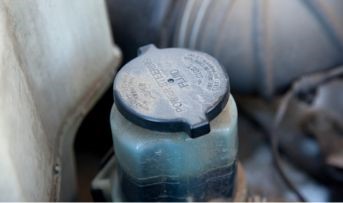
What does the power steering alert on the car dashboard indicate
If you've driven a car with manual steering, you must know how difficult it can be. Power steering is an advanced mechanical device fitted in your vehicle that helps you turn the steering wheels effortlessly.
But very few car drivers know the significance of warning lights appearing on the dashboard. When the warning light for the power steering system in your automobile comes on, you should be concerned since that usually means the power steering system is broken, making it extremely difficult to drive the vehicle.
What turns on the power steering light?
Low fluid level is the most frequent cause of the power steering warning light for vehicles with hydraulic power steering. A leak in one of the tubes can be a primary reason. When your power steering light turns on while driving, it'll be wise to slow down and park your car safely. Just be extremely careful because your steering will be considerably heavier at this point.
Open the bonnet to find the reservoir for the steering wheel fluid. There might be a picture of a steering wheel on the reservoir cap. If not, refer to your owner's manual to locate it.
Examine the liquid level. Before continuing your journey, you should top off the reservoir if it appears to be getting low. If you likely don't have any, visit your neighbourhood car service centre to buy some.
Start your engine after topping off the power steering fluid. You may continue travelling if the warning light doesn't turn on again. If the power steering light is still on, there may be a more significant issue. You should get your vehicle checked at a nearby garage or service centre to inspect the actual problem.
What if an EPS light appears?
Cars without hydraulic power steering will activate the EPS system, which stands for electronic power steering. If your car's EPS warning light glows, diagnosing the problem could be more difficult because there won't be any fluid levels to examine. You should carefully check all the connections to the battery for signs of wear or damage because a problem with the battery or alternator could sometimes cause it.
You may also have a problem with the EPS light if you recently had to jumpstart your car or take the battery out. Sometimes you might resolve the issue by turning your car on and off again. Even if this works, you should still have your car checked at a service centre because there might be a deeper problem.
Driving while the power steering light is on, is it safe?
It won't be simple because turning will be more challenging, and steering will be heavier. Accidents will also be far more likely because it will be nearly impossible to react to situations at higher speeds. If the light turns on while you're driving, it'll be better to inspect your car in a secure location before heading further.
Either way, the steering wheel warning light could mean something is wrong with your power steering system. It would help if you had a trained mechanic checking your car to address the issue.
Car insurance can financially aid you if the damage is severe and requires high repair costs. Every car insurance policy has an annual renewal period. Policyholders must do their renewal promptly to continue using the vehicle insurance services. If they fail, their policy coverage may lapse, and they may lose all the benefits and policy coverage. Always look out for updates in the car insurance price in India and plan your policy renewal accordingly.
Click HERE to buy a comprehensive car insurance policy.
Disclaimer: The information provided above is for illustrative purposes only. To get more details, please refer to policy wordings and prospectus before purchasing a policy.

What is hypothecation in car insurance, and how to terminate it
Cars are becoming trendier and feature-rich day by day, and the young generation is not satisfied by owning just one car. The craze for cars is ever-increasing, with multiple cars in every household becoming a common sight. The demand for car loans has seen a robust increase in the last few years, thanks to easy EMIs or monthly installments.
Generally, a car loan is available for a flexible tenure, and technically, the bank or financer remains the vehicle owner until the entire loan is paid back.
What is Hypothecation of a car?
Hypothecation is pledging any asset, such as a car, as collateral with a bank or a financial institution in exchange for a loan. When you take a loan from a financial institution to buy a car, you hypothecate your vehicle as collateral or security with that financial institution in exchange for the loan it provides. There is no transfer of title to the bank, and you continue to be the actual owner of the car.
However, the bank will have the right to take your car from you if you miss the EMI payment schedule and fail to pay the loan amount back to the bank. When we hypothecate our car with the bank, it gets mentioned in our vehicle RC (Registration Certificate) and car insurance policy.
How to eliminate hypothecation?
1. Pay off the car loan:
The first step in removing the hypothecation is to pay off the entire loan amount and not just a part of it.
2. Approach your bank:
Once you have paid the car loan amount in full, approach your lending bank and inform it about the same. It will check and issue you a NOC (No-Objection certificate) certifying that you have paid off the loan amount.
3. Go to the RTO:
You must submit the NOC to your concerned RTO (Regional Transport Office). You will also have to submit your car's original RC (Registration Certificate) along with a few other documents, such as your current insurance policy papers and No-pollution certificate.
4. Removal of hypothecation from the RC:
The RTO will then remove the hypothecation clause of your car from the original RC and issue you a new RC. This process usually takes around 5-7 working days.
5. Removal of hypothecation from the insurance policy:
You have to submit the NOC from your bank to the insurance company and terminate the hypothecation clause from your motor insurance India policy.
Why do we need to terminate the hypothecation of our car?
It is very important to terminate the hypothecation of your car once you have repaid your car loan in full. Till the time it is mentioned in your car RC that it is hypothecated to a so-and-so bank, you are not the true owner of the car in the real sense. Your car is still acting as collateral with that bank.
This implies that you cannot sell your car until and unless you remove the hypothecation clause from your RC and insurance policy. Taking a car loan to buy your dream car is a good option as it removes the burden of paying the full amount of the car in one go. You can easily pay some down payment and the rest of the amount in EMIs.
But just buying a car is not enough. You must also have a valid motor insurance India policy as long as you own the car. The motor insurance law in India makes it compulsory. Also, you have to renew it every year. This will ensure your car is protected and secure under your insurance service provider, and you can relax and stay tension-free.
Click HERE to buy motor insurance India.
Disclaimer: The information provided above is for illustrative purposes only. To get more details, please refer to policy wordings and prospectus before purchasing a policy.

What is the no-objection certificate for bikes, and how to apply for it
Suppose a bike owner plans to sell his bike or move with the bike to a new city. In this case, a NOC, or no objection certificate, is required to avoid legal issues.
A letter known as a NOC, or No Objection Certificate, must be issued to sell your bike. Even if you are relocating to a new city, a NOC must be given to register your bike in the new location. The NOC is also required if a sold bike is to be registered in the name of the new owner.
How is NOC applied for a bike?
You must, under government regulation, receive a NOC from the RTO to validate your deregistration from that RTO. Without further ado, let's discuss the process for requesting a NOC certificate for a bike.
Here is a step-by-step instruction sheet for requesting a NOC for a bike when crossing state boundaries and intending to stay there for more than a year:
● To obtain a NOC, prepare an application and send it to the transport bureau in your area
● Fill up Forms 27 and 28 correctly, then submit them to the RTO
● If your vehicle was purchased using a loan or EMIs, get a NOC from the lender
You can expedite the procedure by obtaining NOC from the traffic department and your local police station in addition to following these steps.
You must submit an application letter explaining your relocation plans and supporting documentation to your financier or bank to get their no-objection certificate (NOC). These could be an appointment letter, a job transfer letter, housing documentation for the new location, etc.
What factors are to be considered while applying NOC for a bike?
For a hassle-free process, consider the following aspects before you apply for the NOC for your bike:
● Authenticate the copies of the insurance policy and registration document for the bike
● Verify that the road tax is fully paid
● Ensure all of your information is accurate, especially the information in the application, along with the updated address
● Submit all corroborating documentation
● Make sure you have the confirmation of payment for the NOC application cost received through the Vahan Citizen Services website
Documents required to get NOC for a bike.
The following list of documents must be sent to the RTO to obtain bike re-registration or transfer bike ownership:
● Motorcycle registration certificate
● Form 28
● Bike insurance copy
● Road tax receipt
● Certification for pollution control (PUC)
● Numbers for your bike's engine and chassis
● Signature recognition
The following documents are required if you want to obtain a NOC from the bank:
● The loan documents
● Bike registration document
● Other documents that the bank may request
The NOC is, therefore, a legally required document that must be obtained for various reasons when dealing with bikes. Along with the NOC, don't forget to buy bike insurance online to safeguard your valuable asset when you move to another state. Buying a robust insurance policy online will help you enjoy several features and financial benefits that can aid you in recovering from loss due to damages.
Click HERE to buy bike insurance online and get exciting benefits.
Disclaimer: The information provided above is for illustrative purposes only. To get more details, please refer to policy wordings and prospectus before purchasing a policy.

Can you claim your two-wheeler insurance twice a year
Insurance is an umbrella that protects you from the financial burden resulting in the aftermath of the event you are insured against. In recent times, the insurance penetration rate in India has significantly grown with the increasing base of new policyholders. This may be attributed to raising awareness, the increased purchasing power which has resulted in the improved ability to purchase policies, and the steadily growing inflation rates that increase the burden of such financial stress.
Over the years, motor insurance has become a popularised offering by insurance companies. If you are looking for the best two wheeler insurance in India, there are multiple options with various features and price ranges. However, it all boils down to the insurance claim settlement procedure. If the claim settlement is fair and speedy, it is the natural choice for consumers. It is also the most confusing part of insurance that you must consider before purchasing two-wheeler insurance.
How many times can you file a claim annually? What are the required documents? Read on to find the answers to questions similar to these related to two-wheeler insurance claims.
Can you file for a biannual two-wheeler insurance claim?
Yes! The paperwork does not restrict policyholders to specific maximum claims you can file annually. Therefore, you may apply for two or more claims in the same year.
Effect of raising multiple claims within the year.
While there are no restrictions on claim filing, it may not be a good idea to do so frequently for the reasons mentioned below:
1. No claim bonus:
This is an incentive provided by the insurer to the policyholder at the time of renewal in case no claim has been filed within the insured period. In case of multiple claims in the year, the discount rate, usually between 20-50%, is lost with each claim. Therefore, by making a claim, or multiple ones, the insured loses the benefit of a discount at the time of renewal.
2. Increased premiums:
Since the insured person files multiple claims, they are seen as a greater liability than an asset to the insurance company. Therefore, they charge a greater premium from the person when compared to other insured parties that file fewer or no claims at all.
3. Inadequate compensations:
In case of minor damages and losses, it may be best to avoid filing a claim. Deductible items are removed from the repairs bill to compute the allowed damages. If such an amount is minor, we recommend not filing a claim since the compensation will be inadequate and only result in the loss of the no-claim benefit.
4. Limitations on zero depreciation insurance add-on:
This is an add-on facility to a comprehensive two wheeler insurance policy that restricts the number of claims you may file.
Necessary documents to file a claim.
Irrespective of the result of your search for the best two wheeler insurance in India, most insurance companies ask for the following documents for filing a claim:
● Claim form
● Two-wheeler registration
● Tax receipt
● Owner’s driver’s licence
● Insurance proof
● Copy of FIR
With insurance companies striving to make claim filing simpler than before, it may seem logical to claim compensation for even the most minor damages. However, even with the best two wheeler insurance in India and requisite add-ons, that is not the case. You must purchase bike insurance and file claims only after careful consideration.
Click HERE to buy the best two wheeler insurance in India.
Disclaimer: The information provided above is for illustrative purposes only. To get more details, please refer to policy wordings and prospectus before purchasing a policy.
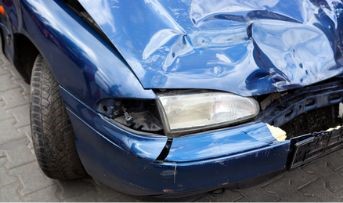
Complete guide on standalone damage car insurance
Standalone own-damage car insurance is optional, unlike third-party car insurance. However, you must buy your standalone damage car insurance since it will help you get coverage for damages to your car during an accident or a natural or man-made disaster like a fire outbreak, theft, flood, etc.
What is covered under standalone damage insurance?
By looking at what this policy covers, let's better understand how standalone car insurance functions. A typical own-damage policy will protect from the following:
● Accident-related damages or total loss
● Vehicle theft
● Damage that is beyond repair as a result of fire, lightning, explosion, or self-ignition
● Natural calamities such as landslides, earthquakes, or floods can cause damage
You can file a standalone damage car insurance claim with your car insurance provider if your vehicle is damaged as a result of one of these events. Nowadays, raising a standalone damage car insurance claim is simpler than ever before. You can visit the insurer's website, log in, complete a form, evaluate the damage to your automobile, and then make repairs after the claim is approved.
Factors that affect standalone car insurance premiums.
Your standalone car insurance premium can easily be impacted by a change in any of these variables.
1. Insured Declared Value:
Your car's IDV, or insured declared value, is its current market value and a key component in calculating its own-damage premium. If you decide to give your car a greater IDV, your standalone car insurance will be expensive.
2. Age of the vehicle:
Your vehicle depreciates with time and loses value. As a result, if your car is older, your car insurance premium will decrease.
3. Your location:
If you drive in an urban, congested area, such as a big city, your own-damage auto insurance rate will go up. This is because there is always a chance that the car will be stolen or damaged. The danger is also lower, and the premiums are lower in smaller towns and villages.
4. Car safety:
Installing safety features on your car reduces the possibility of damage. For instance, airbags reduce the likelihood of your vehicle sustaining damage, minimising car insurance premiums.
5. Model of the vehicle:
Any damage caused by an accident to a pricey or luxurious vehicle could be very costly. Due to the high risk associated with such a vehicle, the standalone insurance policy premium for own damage will also be expensive.
6. Engine cubic capacity:
Your car's engine cubic capacity significantly impacts your premiums. Compared to vehicles with engines under 1500cc, the damage premium for vehicles with an engine capacity beyond 1500cc will be higher.
7. No Claim Bonus:
When you renew the policy, your rates will be reduced if you haven't made any claims for auto-related damages during the policy year. As a result, avoiding these claims allows you to pay lesser premiums for your standalone own damage insurance.
Who should buy standalone damage insurance?
If you just have third-party auto insurance at the moment, it is advised that you purchase your standalone damage coverage. It increases the range of protection for your vehicle during emergencies like a car accident, a man-made disaster, or a natural disaster.
Here is the formula to calculate standalone damage car insurance premium:
You must know your car's Insured Declared Value (IDV). Using the formula below, you can easily determine your four-wheeler's IDV:
IDV= (showroom price - depreciation cost) + (cost of any car accessories - depreciation cost)
Once you know your car's IDV, you may use the following method to determine the cost of standalone own damage insurance:
Standalone Damage premium = IDV X (Premium Rate) + Add-on Covers - Policy Discounts and Benefits
Check for new car insurance rates before investing in standalone damage insurance. Contact your insurance provider to get the desired answers if you have any queries.
Click HERE to buy a car insurance policy.
Disclaimer: The information provided above is for illustrative purposes only. To get more details, please refer to policy wordings and prospectus before purchasing a policy.

Complete guide on passenger assistance cover in two-wheeler insurance
If you have ever randomly searched for road safety statistics relating to India, you would be concerned. According to data provided by many research firms, the road crash severity, i.e., the number of deaths per 100 road crashes, was 38.6. This implies that over a third of road accidents lead to fatalities. Our numbers are also the highest amongst all countries, making this an issue that requires immediate attention.
While infrastructure and planning of roads are partly to blame, so is driver negligence. Considering that over half the vehicles on roads are 2-wheelers, it becomes necessary to practise safe driving since 2-wheelers do not have the bare minimum safety that cars provide and lead to more significant damages if in an accident. With increased regulations, the demand for 2 wheeler insurance has risen steadily.
Still, riders continue to take unnecessary risks in the form of 3 or more riders, underage driving, and helmet-less pillion riders. While your 2 wheeler insurance covers the driver and vehicle, does it also cover pillion passengers? Read on to find out all about it.
Inclusion of a passenger in 2-wheeler insurance:
2 wheeler insurance is considered a comprehensive cover but is not in reality. By carefully reading the fine print, one can find multiple exclusions which can be added to the cover as an add-on facility. One such cover is to protect your passenger.
If you are considering whether or not to purchase the add-on, we strongly urge you to do so. Since two-wheelers are more vulnerable to accidents, minimal damage to the riders is inevitable. While your comprehensive plan covers you and your vehicle, buying an add-on will insure your pillion rider's life.
Inclusions of the add-on:
The add-on primarily lightens your moral responsibility towards your pillion passenger to keep them protected as long as you're responsible for their safety. In the following events, the insurance company approves the claims filed:
● Compensation for the death of the passenger to their legal heirs
● Payment in case of partial or permanent disability to the passenger
● Reimbursement of hospitalisation expenses incurred to treat the passenger
Who should consider buying the add-on:
While 2 wheeler insurance is mandatory for all, we recommend considering a pillion-passenger add-on as the same. However, suppose any of the following cases apply to you, then consider purchasing it at the earliest to minimise the extent of the financial burden you may have to face.
● If you regularly have a pillion passenger travelling along
● If your regular passenger happens to be a child or a senior citizen, it is best to cover for contingent mishaps
Exclusions to consider before filing claims:
This add-on is undoubtedly helpful in insuring your fellow rider’s life. However, before filing a claim, you must ensure that the following:
● The driver has a valid licence
● The driver was not under the influence of any substance
● The driver must be the owner of the vehicle and must purchase the policy and add-on in his name
● The accident must not be intended to be an act of self-injury by the driver
These are generally excluded conditions that reject a claim. Since making 2 wheeler insurance mandatory, its penetration has significantly increased. Authorities should also consider making policy equipped with comprehensive benefits to cover all related parties and ensure maximum protection of the riders and vehicle.
Click HERE to buy a reliable 2 wheeler insurance.
Disclaimer: The information provided above is for illustrative purposes only. To get more details, please refer to policy wordings and prospectus before purchasing a policy.
Hi there! 👋 Need help with a policy, claim, or renewal? Chat with us instantly on WhatsApp.
Start chat →