


General Insurance Blogs, Articles & Updates by - Magma Insurance
Have us call you
- RENEW YOUR POLICY
- BUY NEW POLICY

GENERAL INSURANCE BLOG

World Cancer Day: Ten self-help tips to quit smoking
Tobacco use is both a physical and mental addiction. This deadly habit has affected a vast population worldwide. Nowadays, smoking and chewing tobacco observe no age as the majority of the youth are trapped under the negative influence of excessive tobacco use, which becomes irresistible and difficult to quit.
Nicotine delivers a transient high. To quit smoking, you must prohibit both the addiction and the associated behaviours and routines. With the correct assistance and quitting strategy, smokers can overcome their habit even if they've tried and failed previously.
We're all aware of the harm caused by smoking and how it isn't easy to quit. When you stop getting your tobacco dose regularly, your body goes through physical withdrawal symptoms.
Following are ten tips that will guide you to quit smoking in no time.
1. Make a quitting strategy:
Following the "no puff" criterion is always beneficial. Consider challenging situations and prepare your moves. Promise yourself not to smoke and stick to this until the cravings pass.
2. Observe when you require a smoke:
Identify the times when your cravings are at peak and avoid those situations. Instead, engage yourself during this time to keep you from giving in.
3. Get going:
Exercising is a known way to reduce addiction. For example, a simple 5-minute walk or stretch helps your brain to release anti-craving hormones that further reduces cravings.
4. Maintaining proper hydration:
It's an excellent idea to keep track of what you drink, just as you do with what you eat. While it is necessary to drink enough water, certain beverages are not suggested since they encourage smoking.
5. Apply relaxing methods:
Relaxation methods, such as deep breathing exercises, muscular relaxation, yoga, massage, listening to calming music, or visualisation, may help take the edge off.
6. Keep your mouth engaged:
Whenever you feel the urge to smoke a cigarette, munch on some snacks. And remember, you don't always have to snack on junk food; snacks can be healthy too. You can even eat chewing gum to keep your mouth engaged and avoid cravings.
7. Think about your diet:
Some meals, especially meat, make cigarettes more enjoyable. Others, such as cheese, fruit, and vegetables, make the smoke less desirable. So rather than your typical steak or burger, try having veggies instead.
8. Get some help in quitting:
If you have people around you who wish to quit smoking, offer them to stop together. Your local ‘quit smoking club’ may also assist you. With professional guidance and advice, you're four times more likely to succeed in quitting.
9. Keep a positive attitude:
You may have tried and failed to stop smoking in the past, but don't let that discourage you. Instead, consider what your history has taught you and how you want to do things differently this time.
10. Reassure yourself of the advantages:
Remember the benefits of quitting, such as better health and relations, healthy resistance mechanisms, etc. Also, keep in mind that every time you fight a cigarette urge, you're one step closer to becoming smoke-free.
It's never too late to undo something. So, let this World Cancer Day motivate you to quit smoking and walk towards healthy living. Smoking might give you pleasure for a couple of minutes, but it takes away more than you realise. Not to mention the severe illness and ailments that come with it. So, make the wise decision to just give it up.
Besides quitting smoking, buying health insurance can be crucial to living a healthy and long life. Take account and responsibility for your health, and don't hide any information from your insurance company regarding your smoking or drinking habits. Be true to yourself and give all accurate details to get the best benefits of your health insurance at the time of need.
To buy health insurance, click HERE.
Disclaimer: The information provided above is for illustrative purposes only. To get more details, please refer to policy wordings and prospectus before purchasing a policy.
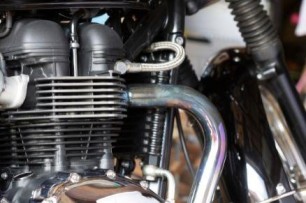
Let's understand why bikes do not have diesel engines
Diesel engines are commonly used in the automobile sector. Cars, trucks and other vehicles rely heavily on them. On the other hand, diesel-powered bikes are rarely seen. Have you ever wondered why? It's not like the industry hasn't seen diesel-powered motorcycles before. In India, only one diesel-powered bike has been introduced. But that is all.
If bikes can run on gas and petrol, why not diesel? With the petrol prices touching new highs every month, it only makes sense to have bikes with a diesel engine, right?
Although the idea is not bizarre, it isn't easy to execute. Keep reading to know why manufacturers do not use diesel engines in bikes. We have mentioned five reasons that will help you understand better.
1. Compression ratio:
The compression ratio of a diesel engine is 24:1, which is higher than a petrol engine's compression ratio of 11:1. The diesel engine must be bigger and heavier to accommodate such a high compression ratio. As a result, it is heavier than a gasoline engine, making it unsuitable for a small vehicle such as a motorbike.
The diesel-powered engine creates greater vibration and noise than the petrol-powered engine due to the higher compression ratio. A bike will not be able to sustain such high vibrations and noise levels.
2. Heating issues:
As compared to petrol engines, diesel-powered engines generate more heat. When diesel burns, it creates a lot of heat, harming the cylinder walls and other engine components like pistons and valves.
To lower the heat, manufacturers will need a larger surface area and a more effective cooling system which is inconvenient. On the other hand, petrol engines produce less energy per gallon. As a result, they stay significantly cooler and are less prone to harm the engine.
3. Price and Size:
The addition of a turbo compressor to push extra air into the cylinder increases the expense and size of a diesel engine. Moreover, injector technology is utilised to pump fuel into the combustion chamber, which is more costly than petrol engine spark plug technology.
A diesel engine is much larger than a petrol engine, and it requires a lot of force to start, making it unsuitable for motorcycles.
4. Greater torque but low speed:
Diesel engines generate greater torque. However, they have lower revolutions per minute (RPM) when compared to a petrol engine. Diesel isn't regarded as an ideal fuel since bikers' high-performance bikes demand greater RPMs.
5. Not so eco-friendly:
The amount of carbon dioxide produced by a diesel engine is around 13% more per gallon than a petrol-powered engine. Its usage is harmful to the environment, observing the average number of motorcycles used nationwide. This figure can be a significant threat to India's climate.
There you have it, all the key reasons why manufacturers won't produce diesel-powered bikes. Even if we look from a biker's perspective, no biker would want a bulky bike with more cons than pros. Although if the technology evolves in the future, we might have a diesel engine revolution. Until then, stick to your petrol-powered bike and insure it with the best two wheeler insurance in India. You can browse multiple options and choose one with the best premium and benefits.
Click HERE to buy the best two wheeler insurance in India.
Disclaimer: The information provided above is for illustrative purposes only. To get more details, please refer to policy wordings and prospectus before purchasing a policy.
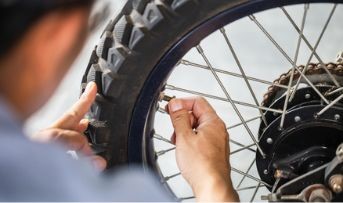
Here are some bike puncture probabilities every rider must be aware of
While bikes are the most commonly preferred mode of personal transport used in all-terrain conditions, easy to manoeuvre, and convenient, their safety is often ignored. The government's strict move to mandate bike insurance makes it evident that the safety and protection of the rider are essential and can’t be compromised.
Besides bike insurance, you can also ensure safety through regular maintenance and preventive measures to avoid mishaps. Punctures are one such risk that you may encounter at any time. They can be frustrating but are unavoidable. Here are some factors riders should be aware of that could lead to a tyre puncture.
1. Old tyres:
As consumables, tyres must be replaced every 5 years or 30,000 to 40,000 kms, based on the riding style and road terrain. If you notice little surface rips, a large tear that may expose the tube, cracks, or other symptoms of wear down, the tyre has to be changed. Since they are your primary point of contact with the road, having new tyres will reduce the probability of having a puncture and improve the overall feel of your vehicle.
2. Sidewall cracks:
The lack of use of the vehicle, the environment, or parking the two-wheeler in direct sunlight can all cause tyre sidewall cracks. They might seem insignificant, but they can cause catastrophic air leaks over time.
3. Pinch flats:
Pinch flats can occur because the tube is forced against the wheel rim and either tear or explode on pumping. The incident occurs due to the hasty insertion of the tube and carelessness. Always partially inflate the tube before fitting it to prevent this from happening.
4. Increased tread wear:
Tyres include grooves known as treads for better traction and grip on the ground. The impression deteriorates due to use, making it difficult to manoeuvre the bike by decreasing traction and lengthening the time taken to brake. A tyre wear indicator is typically an arrow sign that shows the extent of wear and the point at which you should change your bike's tyres.
5. Ignoring tyre inspection:
Small, sharp objects pierce the rubber of the inner tube to cause a puncture. If the item remains lodged in the tyre unnoticed for a long period, it can cause the new inner tube to be punctured. Have a proper tyre inspection before replacing your tube to avoid such issues.
6. Wheel damage or bending:
The alloy wheel or steel wheel may break or bend from the area around the tyre bead if you ride over a large, deep pothole, collide with another vehicle, or have an accident. This may result in an air leak due to a puncture.
7. Improper tyre pressure:
Under-inflated tyres will bend in response to the slightest bump or obstruction, making them vulnerable to pinch flats when the tube can become wedged between the rim and the tyre. You risk hitting a pothole or other impediments with more force if you have too much pressure in your tyre, making it challenging to bend against any object and keep it rigid. Your weight, the breadth of your tyres, and the weather will all affect the proper tyre pressure.
8. Unusual deterioration pattern:
The tyre may show signs of wear and tear. It can be on the shoulder or in the middle of the tyre. Mechanical problems, such as worn-out shock absorbers or a problem with wheel alignment, are to blame. It's essential to replace the tyre if it shows evidence of abnormal wear and tear.
9. Valve stem damage:
The valve stem, located on the inner circle of both tube-type and tubeless tyres, is where you fill the tyres with air. The ability of the tyre to retain air decreases if that valve stem is damaged, whether by corrosion, blockage, or breaking.
Punctures are a constant worry, especially considering bikes' lack of sophisticated safety features. While you cannot prevent punctures, you can keep a look for signs of a possible puncture. We also recommend riders consider purchasing comprehensive bike insurance. This will shield you, your bike, and others from finances worries if your bike suffers severe damage.
Click HERE to purchase the best bike insurance to secure your assets and finances.
Disclaimer: The information provided above is for illustrative purposes only. To get more details, please refer to policy wordings and prospectus before purchasing a policy.
How to improve the fuel efficiency of your car
No matter how much we stress about the rising fuel prices, there isn't much we can do about them. Then how do we ensure we use our vehicle efficiently and stay stress-free about the condition of our car? Moreover, how do we compensate for the fuel prices we pay?
Do you know regular maintenance of your vehicle can save you up to thirty per cent of fuel consumption? And yet, a lot of car owners slack off on taking care of their vehicles. Some don't go for regular servicing, and others use cheap spare parts and end up damaging their car.
This blog is your guide on improving the fuel efficiency of your car. We will discuss various ways to attain maximum efficiency without widening the hole in your pocket created by the increasing petrol and diesel prices.
1. Avoid leaving the vehicle idle:
Leaving your vehicle in an idle state at traffic signals consumes almost a gallon of fuel and increases your carbon footprint by releasing unnecessary carbon dioxide into the air. Instead of leaving your car in an idle state, restart as per your necessity. This saves a lot of fuel and minimises carbon dioxide emissions into the atmosphere.
2. Warm-up:
Slowly and effectively heating your car's engine is a better choice than revving it. Unnecessary pressure will decrease the efficiency of your engine, and it will consume more fuel for power generation. After starting your vehicle, wait for thirty seconds to allow the engine to warm up properly at its own pace.
3. Say no to heavy braking:
Reduce the use of throttle and avoid applying unnecessary heavy brakes. This saves your vehicle from the possibility of wear and tear and decreases fuel wastage by almost thirty per cent, thus improving your car's fuel efficiency.
4. Don't rev your car:
Revving your engine causes wastage of fuel. It flushes down all the oil from the cylinder walls. The absence of oil could worsen the next time you start up your car. This will put pressure on the engine and result in excessive fuel consumption.
5. Multiple errands:
Planning your trip according to your errands can efficiently help you utilise the fuel. You can combine and run multiple errands and reduce the number of trips.
6. Alignment:
Check the alignment of the chassis parts and suspension. If the wheels are bent, or if there are broken springs, the drivetrain drag of your car will increase, resulting in increased fuel consumption. Defective parts and misalignment can also put your safety in danger and amplify the risks of accidents.
That's a wrap on how to improve your car's fuel efficiency. Using these tips, you can ensure maximum and optimum utilisation of the petrol and diesel you put in your vehicle. While fuel efficiency is an essential aspect of owning a car, ensuring your car's security is equally important. Invest in car insurance and protect your vehicle from any unfortunate incidents. To purchase insurance, explore the market, and browse through multiple deals to ensure that you get the best car insurance price in India.
Click HERE to know more about how you can get the best car insurance price in India.
Disclaimer: The information provided above is for illustrative purposes only. To get more details, please refer to policy wordings and prospectus before purchasing a policy.

Experience the thrill of powerbocking
In the hustle and bustle of today’s modern world, youngsters are always looking for an adrenaline rush. This rush has made extreme sports increasingly popular in this day and age. Due to India’s wide geographical variety, many of these sports are offered in different corners. From exploring the mesmerising aquatic life and corals in Andaman to parasailing in Goa, these sports can push you physically and psychologically out of your comfort zone.
However, checking the coverage offered by your personal accident insurance policy before engaging in such sports is always recommended. This ensures that your insurer provides compensation in case of accidents while participating in adventure sports.
One such extreme sport that is getting increasingly popular among young Indians is powerbocking. This blog will introduce you to powerbocking and the thrill you’ll crave once you indulge in it!
What is powerbocking?
Powerbocking is an extreme sport where players wear jumping stilts and jump to great heights. Jumping stilts are specialised leg attachments containing springs to hoist the person into the air. Jump stilts are very exciting! They enhance your ability to do tricks and flips and help you take greater strides, which makes you run faster. These stilts are called powerbocks after the creator, Alexander Bock, a German inventor who first named them powerskip.
It is a popular sport in urban cities, and finding a surface on which you can go powerbocking is essential. Balance being one of the critical factors affecting this sport, it should not be done on grass or dirt, as the boots have a small surface area on the ground, which may lead to injury. Thus, jumping stilts should ideally be used on asphalt or cement. Since this can result in injury due to the hard nature of the surface, you should be equipped with a personal accident insurance policy that covers such accidents and injuries for your physical and financial safety.
While they may seem unfamiliar in Indian settings, they were recently used in an Indian sporting event. Different interesting videos on social media have always been creating a buzz regarding this sporting activity. With time, this event is expected to observe growth in India too.
● Benefits of powerbocking:
Powerbocking makes you feel superhuman without the same risks as other extreme sports. They are most suitable for people who want to feel like bionic humans from the future without any of the associated perils. It is an exciting offbeat adventure sport that one should surely try.
● Risks associated:
Despite being a reasonably harmless sport where the most significant injury is usually a knee scrape, some people have suffered severe injuries while seeking the thrill of jumping in these devices. For such misadventures, it is always advisable to take an extreme sports insurance policy or a personal accident insurance policy covering medical costs for such injuries.
● Powerbocking competitions:
When it comes to any sport, the main thrill of it is the competition. They bring out the competitiveness of the best players in the world and are incredibly engaging to see. As this is a niche adventure sport, there are fewer worldwide competitions, and the most famous ones are in France. The Riser Winter Cup, held each year in Lille, France is one of the most sought-after competitions for powerbockers.
Have you ever watched videos of Kangaroos jumping and wished you could jump that high or take such great strides? Then powerbocking is the perfect sport for you. Just make sure to take the proper precautions before undertaking this sport. And the first step to your security begins with purchasing personal accident insurance policy.
Click HERE to know more about personal accident insurance policy.
Disclaimer: The information provided above is for illustrative purposes only. To get more details, please refer to policy wordings and prospectus before purchasing a policy.
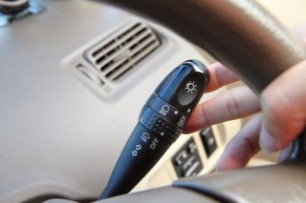
Car Indicators: A comprehensive guide to know more about them
Cars have multiple indicators, all with specific functionalities. These indicators play a significant role in keeping you and your car safe, especially while driving. They exhibit deceleration, assist in showing the vehicle's change in direction and make the car's functionalities accessible. They help avoid collisions with other vehicles, thus protecting you from accidents and damages.
We need to understand car indicators in a better way. Let us discuss car indicators structurally, functionally, and common mistakes that can endanger you.
1. The structure of indicators:
Whether attached at the side, front, or rear of your vehicle, the car indicators on the exterior provide information to other people on the road via signals, thus maintaining a safe distance with other cars and pedestrians. These indicators are responsible for ensuring safety on the road.
Usually, a car's signal light consists of three parts assembled together-bulb holder, housing, and cover lens.
• The housing consists of moulded reflectors.
• The bulb holder places one or more light sources relative to the optical system of the light.
• The cover lens is in charge of the light distribution through patterned structures.
2. The functioning of indicators:
The rear light consists of several functions which work on the same brightness level during the day, fog, or night. But thanks to the Adaptive Signal System, the signal lights in the rear combination lamp can adapt to the weather conditions individually. The light intensity can be varied according to the weather and the visibility conditions.
More LEDs light up with more significant displays. Different braking signals meet their requirements in other ways, such as increased brightness or flash frequency, ensuring convenience.
3. Handling the indicators:
Pulse Width Modulation (PWM) controls the light sources in many vehicles. It has many advantages, one of which is using the same bulbs for different functions. This also increases the service life of the bulbs.
Note: The manufacturer's information and specifications should be strictly complied with while replacing the bulbs in the signal lights. An incorrect bulb replacement can create an issue regarding the light intensity.
4. The faults:
A faulty indicator signal light can be snuffed out before it becomes dangerous. Without a signal, or failing to use your turn signal while turning or changing lanes can cause confusion between you and the other vehicles. It can further lead to severe accidental circumstances.
Improper use of high beams or glare can cause poor visibility of the vehicles coming in your direction, resulting in collisions leading to severe damages. Avoid driving without headlights at night and use high beams only when there is light traffic or absolutely no cars on the road.
Now that we have discussed car indicators in detail, a wise option would be to understand how unprecedented circumstances can endanger your car's safety and efficiency. To further protect your vehicle, you can research multiple insurance options that provide all possible features required by you. And once you finalise, buy motor insurance online to avoid all the outdoors hassle and add value to your valuable possession.
Click HERE to know more about how you can buy motor insurance online
Disclaimer: The information provided above is for illustrative purposes only. To get more details, please refer to policy wordings and prospectus before purchasing a policy.

Know more about the total loss car insurance claim process
Car insurance might include many technical languages that can be difficult to grasp or make sense of. One such concept that might perplex people is "total loss." If you are involved in an unfortunate event where your vehicle sustains significant damage, this is referred to as ‘Total Loss’ in insurance jargon.
This is a tragic situation, and you must follow particular procedures to submit an insurance claim. In case of a total loss, the cost of restoring and repairing your car exceeds 75% of the insured declared value (IDV). Let us learn more about this term, what it means, and some other areas of motor insurance linked to it.
Total loss in car insurance:
When the calculated cost of repairing a damaged vehicle exceeds the car's actual cash worth, the automobile is considered a "total loss." Such a claim differs from other small claims since it requires more work. When an automobile is deemed a total loss by its insurance company, it is referred to as a totalled car.
Total loss can be caused by two means:
• Car getting stolen
• Car getting wrecked beyond repair in an accident
Furthermore, a constructive total loss occurs when the anticipated cost to repair or replace the insured vehicle exceeds its real market worth. Constructive total loss is so severe that it is cheaper and wiser to purchase a new car instead. This is mainly because there is little likelihood of returning the vehicle to its previous condition.
What to do if you suffer a total loss?
You have the option of selling the remaining pieces of your wrecked vehicle to a scrap dealer. Some components are recyclable, while others are not. The scrap trader will separate these pieces and recycle them for other purposes.
The next important step is to cancel your RC certificate at your closest RTO office. It is your responsibility to comply within a 14-day grace time to submit a notification to the RTO office. When you cancel your registration, you provide a guarantee that the same registration will not go to anyone else.
The next move would be to submit a Total Loss claim. When you submit a claim, the insurance provider is only obligated to pay the IDV. If you already have the ‘Return to Invoice add-on’ on your coverage, the motor insurance provider is obligated to pay the entire amount of the car invoice. This add-on allows you to acquire the total value of the vehicle rather than just the insured declared value.
For those who are newly purchasing car insurance, do not sleep on the Return to Invoice add-on. This is something that will ultimately work in your favour. Things are always uncertain when you're on the road, so be responsible and do not travel without car insurance. Take serious responsibility for protecting your possessions and make wise investments in security that will reap you good benefits at the hour of need. Watch out for your car insurance renewal dates and always renew them beforehand.
To get a car insurance renewal, click HERE .
Disclaimer: The information provided above is for illustrative purposes only. To get more details, please refer to policy wordings and prospectus before purchasing a policy.

The best tips to ride a two-wheeler with an attached sidecar
Riding a two-wheeler with an attached sidecar is a rarity these days. However, this combination is a classic. Besides giving your two-wheeler a quirky look, attaching a sidecar increases efficiency and enhances the functionalities of your vehicle. But a two-wheeler with an attached sidecar comes with its own challenges.
Adding a sidecar makes your vehicle transition from a two-wheeler to a three-wheeler. So, it would be best to adapt to the dynamics and difficulties of riding a three-wheeler to prevent road accidents and ensure safety.
Let’s discuss the best tips to ride a two-wheeler with an attached sidecar to help you overcome the obstacles you might face:
1. Although it is challenging to drive in a straight path as the wheels are fitted in three odd planes, keep a firm grip on the handlebars and put the required effort to ride in a straight line. You will need to constantly pull the handlebars and manoeuvre them accordingly to avoid any collisions on the road.
2. A bike with an attached sidecar moves differently when turned. In case of a left turn, permit the wheel on the rear end to spin slower than the sidecar wheel as you release the throttle. This will help you control the vehicle better.
In case of a right turn, allow the wheel on the rear end to spin faster than the sidecar’s wheel as you open the throttle. All in all, modulating the throttle will help you achieve better control of your two-wheeler.
3. Your sidecar has brakes. To use the front brake, you need to use the right-hand lever on your bike. If the sidecar has brakes on the rear end, you can use the right foot lever. To stop your motorcycle, you need to apply both brakes. In case of an emergency, apply the front brake.
4. Many sidecars have the provision of a steering wheel and an option to switch to the two-wheel-drive model. But make sure that you only use the two-wheel-drive function in emergencies (for example, if your motorcycle is stuck on a loose or slippery surface). Engaging the two-wheel-drive on a firm surface causes both sidecar’s and bike’s wheels to spin at the same speed, thus creating a risk of disbalancing the vehicle while making a turn.
5. Practice makes you perfect. The same applies when you learn the dynamics of riding a two-wheeler with an attached sidecar. Practising regularly in a safe environment with and without a pillion rider will help you learn efficiently. Take things at your own pace, don’t rush, and see the positive outcomes.
Sidecars ensure convenience and even allow families to spend quality time together. Now that we’ve shared the best tips to ride a two-wheeler with an attached sidecar, it is a wise thought to think about how to keep your two-wheeler safe on the roads. Along with taking good care of your bike, purchasing a bike insurance is your solution to safeguard your bike from unprecedented damages.
Click HERE to know more about bike insurance.
Disclaimer: The information provided above is for illustrative purposes only. To get more details, please refer to policy wordings and prospectus before purchasing a policy.

Six practical gifts for any parent they would love
Parenting is tough, but buying an ideal gift for your parents might be even more challenging. What would you gift the people who gave you everything? Is there even a perfect gift for parents? The finest presents are ones that celebrate their hard work and provide them with a much-needed break from daily life. These gift choices are guaranteed to be a success.
Even a tiny present may be a polite way to express your love and gratitude towards them. Owing to internet purchasing, your options are almost limitless. However, this may lead to some significant stress while decision-making.
We are here for your help as we have curated a list of the most fantastic presents for parents.
1. Packing cube set of 6:
This is a packaging set that contains six pieces. Cubes of four different sized bags, one for footwear, and one zippered bag to separate dirty clothes. This could be the perfect gift for people who like to travel and explore around. It is incredibly organised and easy to carry along.
2. The latest Fitbit:
A fitness watch is an intelligent fitness tracking device that also serves as a watch. It keeps track of your daily routine, steps, burned calories, hourly activity, heart rate, and more. This gift could inspire your parents to start working out and look after their health.
3. A vacation:
One of the best gifts for anyone is a little vacation to cherish priceless moments. A trip that takes away all their stress and worries. Some alone time with nature is what a parent needs after looking after everybody in the family. So, go ahead and book a lovely trip to a beautiful destination.
4. Neck and Back massager:
Growing up, you may have been a pain in the neck (literally!). This is your chance to make up for it by giving your parents an electric neck and back massager. Despite the age, one could always have the benefits of massages whenever they want.
5. Gardening kit for organic kitchen herbs:
A one-of-a-kind gift for people who love to cook with fresh home-grown ingredients. Gardening takes up a lot of your time, but the outcome is worth every second you invest. This is also an excellent hobby for retired parents.
6. Health insurance:
Health insurance is the most valuable gift you can give your parents. They never prioritise themselves, so you have to do it for them. All you have to do is look for the best health insurance in India for parents and purchase it to secure their health and ensure their happiness.
There's no doubt that the most important people in your life deserve nothing but the finest, no matter what the occasion. Nonetheless, when it's time to find the right present for them, it may be tough to think of something as unique as them.
That's where our list comes in. Picking gifts for parents will always leave us perplexed for a while. However, something practical and functional is an excellent choice. We hope this list guides you in choosing the perfect gift for your parents.
Click HERE To get the best health insurance in India for parents, click
Disclaimer: The information provided above is for illustrative purposes only. To get more details, please refer to policy wordings and prospectus before purchasing a policy.

Learn how to slow down your bike after an unexpected brake failure
We can rave about the look and mileage of our bike's engine, but, at the end of the day, it all comes down to how efficient it is on the road. Driving in a country like India, where the roads and the path walks have no clear distinction, we might encounter various instances where we have to dodge a huge pothole or the kids playing on the street. So, having an efficient brake system is vital to ensure the safety of yourself and others.
The properties, characteristics, and behaviour of brakes do not always remain the same. These can be influenced by temperature, operating habits, operating durations, and effects of interconnected parts, sometimes leading to brake failure.
In situations where you come across a brake failure, being prompt on your toes will help you avoid any accidents.
1. Maintain your calm:
It's common knowledge that maintaining your composure under pressure helps you navigate any problem. The same is applicable for the time that you are on the road. If possible, taking your bike to a less busy road should be the first step to avoid crashing into people or vehicles.
2. Do not turn off the engine:
Your first instinct could be to turn off the engine and let the bike stop, but this can be extremely dangerous. You need to control the situation to avoid traffic crashing into you. So having a constant acceleration in this situation can prevent a crash.
3. Stick to the road and not the sides:
Without the brakes, your bike will be difficult to manoeuvre. Sticking to the sides might present you with uneven roads. Instead, wait for the bike to slow down before pulling over to the side of the road. Only under hefty traffic conditions should you consider going to the side of the road while your bike is still retaining speed.
4. Use your gears:
Surprisingly, gears can assist you in slowing down your bike in a situation where brakes aren't responding. You need to be alert and immediately start lowering your bike's gears. This will create a mechanical resistance from the engine opposing the motion, causing the bike to slow down. Using this method can help you control the bike and prevent the situation from escalating. Once your bike slows down, you can pull it over to a safe place and then shut the engine.
5. Use your horn:
Many times, we come across people relentlessly honking their horns in traffic jams. While that might sound annoying in most cases, do not shy away from alerting people on the road. Since they are not aware of your situation, it is best to attract attention and to be careful.
These are some things that you can focus on if your brakes fail. Road safety is paramount whether you are driving or a pedestrian. Be alert while handling the bars, focus on the road, and resist overspeeding.
Regular check-ups and servicing ensure both you and your bike are covered. Having bike insurance can add value to your experiences. So, consider getting bike insurance online to protect you against damages, third-party legal liability cover, and 24/7 assistance for emergencies.
Click HERE to buy bike insurance online.
Disclaimer: The information provided above is for illustrative purposes only. To get more details, please refer to policy wordings and prospectus before purchasing a policy.

Six best ways to avoid backaches during car journeys
Planning impromptu road trips is always a great way to take some time off and have fun. These days, people like to travel with ease and comfort, so road journeys have become the ideal mode of travel during vacations. However, continuous driving can become uncomfortable and cause various back troubles like backaches, stiffness, numbness, discomfort, nausea, etc.
In this blog, we will discuss the six best ways to avoid backaches during car journeys so you can enjoy your trip to the full extent.
1. Comfort:
Make sure that you are comfortable from the beginning of your trip. Do not keep purses, watches, etc., in your back pocket as it might disturb the alignment of your spine, resulting in discomfort or backache. If you are driving, sit closer to the steering wheel instead of bending or messing up your posture to reach it.
2. Alignment:
Keeping your back aligned to the seat provides comfort while driving. You can add comfortable gear and equipment to help you maintain your back alignment. Roll up a towel and keep it between your back and the seat to maintain the curve of your posture.
3. Smooth rides:
Replace any worn tyres or parts that can cause jerks on the road. Make sure that your ride is as smooth and comfortable as possible. You can use a car seat cushion to help with your sciatica pain.
4. Breaks:
Road journeys require you to sit in the same positions for a longer duration of time which can cause numbness in your legs and back. To avoid the risk of backaches, make sure that you take breaks in the regular intervals of your trip and get out of your car to stretch your whole body. Move around a bit to ensure there is no stiffness.
5. Cold pack:
If you have pre-existing backache issues, it would be good to bring a cold pack for the journey. Backaches can trigger inflammation. Applying cold packs helps reduce inflammation and calm sore and numb tissues. To sustain the temperature of your cold pack, you can carry a cooler in your car and keep reusable ice packs in it.
6. Warmers:
Some people have found that seat warmers help relax the muscles by warming up the lower back. You can use reusable heating pads in place of a pillow that provides lumbar support, heat wraps that last for longer durations, etc., for a comfortable road trip experience without the risk of severe backache.
To avoid backaches, you must take good care of your posture during road journeys. Excessive strain on your body, especially the back, due to continuous driving for hours can affect your physical wellbeing. Follow the above tips to make driving comfortable and less exhausting.
Consider buying car insurance to avoid hefty expenses in case of any mishaps. Reliable car insurance with an additional feature of Personal injury protection (PIP) will cover all the expenses, including garage costs, medical bills and provides financial security under all circumstances.
Click HERE to know more about car insurance.
Disclaimer: The information provided above is for illustrative purposes only. To get more details, please refer to policy wordings and prospectus before purchasing a policy.

Learn how to control your bike on slippery roads or slopes
While riding a bike, it is necessary to know when to apply the rear or the front brakes. Randomly using both or either of them could lead to an accident.
Factors like maintaining your balance while driving or taking turns hold significant importance. Many people know how to ride a bike, but not everyone may be sure about controlling the bike in severe circumstances on the road. All you need is a little practice with a set of instructions to follow, and you're safe to go.
For now, we'll focus on how you can control your bike on slippery roads. This is because not everyone knows how to manage their balance, maintain a stable speed, and apply brakes on wet or slippery roads.
1. Brake force:
While you're driving on any conditional road, it is necessary to know all the braking techniques beforehand. For example, if you're driving at 20-30 miles per hour, you can use the rear brake and apply the same. But, it would help if you pressed it gently without much pressure. Applying too much pressure may cause you to end up slipping on the road.
Slippery roads are unsafe for driving. No matter what speed you're driving at, you can apply both brakes at the same time but with the same amount of pressure. However, pressing either one with higher intensity than the other could be risky.
2. Tyre gripping:
This is not well-known among most bike riders, but it is as important as knowing the braking system. A tyre should have a good number of treads to provide you control over slippery roads. So always make sure to check the grip of the tyres.
If the tyre does not have enough grip and treads, there won't be a layer of protection from the water on the road. A smooth surface can make your tyre straight flat and drastically increase the chances of slipping. Do not forget to check for any punctures or cuts on the tyre before heading for your trip.
3. Speed limit:
Many accidents occur because of the driver's negligence towards the speed limits. Managing the overall balance and speed in a car is different from bikes. If you want to stop or slow down, apply either or both brakes with equal pressure. Never slow down instantly. Leave the throttle and apply the brakes only after that.
4. Chain of the bike:
When you're driving on a wet or slippery road, the life of the chain could easily get affected by junk or jamming. In addition, if the chain is not oiled regularly, it could get loose and come off the socket. Hence, ensure to oil the chain regularly.
Driving on slippery or uneven roads can be tricky, so having bike insurance to protect you in any situation is essential. In addition, bike insurance will guarantee financial assistance in case of any damage to your vehicle and help you rest assured. With the tips mentioned above, enjoy your ride in the rain! Drive safe!
Click HERE to buy ideal bike insurance.
Disclaimer: The information provided above is for illustrative purposes only. To get more details, please refer to policy wordings and prospectus before purchasing a policy.
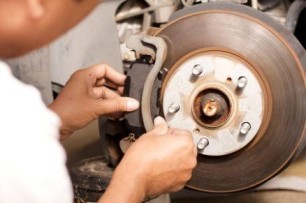
Here are a few ways to identify worn-out brake pads and fix them
If you own a car, you have to check on different parts that might require maintenance and replacement from time to time. You cannot be careless; otherwise, it might risk your and your family's safety and cause damage to your vehicle. In addition, it might restrict your dependency on it until the issues get fixed. Therefore, you need to stay ahead of these problems and watch for future repair and upkeep indications.
This article will discuss a few ways to identify worn-out brake pads and how to fix them. Now, worn-out brake pads are a thing you can miss out on while driving your car. But, first, you need to understand why you need to change your brake pads and how often you should change them.
Brake pads are made from various materials, ranging from metallic to composite to ceramic. However, irrespective of the material they're made of, you are supposed to replace them occasionally. Therefore, making sure that your car stays operational is very important, and changing worn-out brake pads is a part of accomplishing that. In addition, replacing your brake pads helps you in minimising your vehicle maintenance costs.
Now let's discuss WHY you need to change your car's brake pads:
1. Brake pads don't last the lifetime of your car and need to be changed at regular intervals.
2. They lose their efficiency every time you drive your car. So, the more you drive your vehicle, the more worn out the brake pads will be.
3. If you use your vehicle occasionally, the brake pads will still need replacement later than those who use their car frequently.
4. The car's ability to stop effectively reduces with worn-out brake pads. As a result, the overall effectiveness of the braking system also decreases.
5. The diminishing ability of your car to stop due to worn-out brake pads might lead to severe accidents, endanger the lives of the passengers, and cause severe damage to the vehicle.
HOW to identify if it's time to replace your car's brake pads:
1. It is helpful to have a brake pad sensor and "alert" light in your car. The light turns on, giving a notification that your brake pads need replacement.
2. Screeching or squealing noises while driving or applying the brakes indicate worn-out brakes.
3. Replace the brake pads if you notice that the car brakes are shaking. You will also realise that more effort is required to stop the car, and the braking is no longer smooth.
4. There is a grinding noise upon hitting the pedal.
5. During an oil change, when your car mechanic informs you about wearing and tearing of brake pads.
6. If they have reached their limit of service. Brake pads come with a stipulated period to work to their best performance. Eventually, they deteriorate in quality due to constant friction and wear and tear.
Now that we have discussed a few ways to identify worn-out brake pads, it would be wise to invest in car insurance to claim proper maintenance and various expenditures in unprecedented circumstances. You can explore all available insurance options and buy online car insurance that suits you best for your car.
Click HERE to know more about online car insurance.
Disclaimer: The information provided above is for illustrative purposes only. To get more details, please refer to policy wordings and prospectus before purchasing a policy.

Plan your perfect workcation at these top five serene destinations of India
Two years ago, the pandemic took over our lives like a storm. People were locked inside their homes for months on end. And as soon as the restrictions were lifted, we saw an increased number of people looking for ways to unwind. Having been cooped up inside their rooms for a long time, people started looking for alternate work locations. This became a growing trend amongst the working group. Studies suggested that taking workcations positively reflected the employees' morale and increased productivity.
The term workcation is a combination of two concepts; work and vacation. We saw people flooding their social media with pictures of them working from beautiful mountains or beaches in the background. If you have been wondering where to go for your next workcation, this article is just for you. We have brought a list of a few places you can go to enjoy your work.
1. Pondicherry:
If you are looking for an ideal beach location, Pondicherry is the place for you. It hosts various big and small cafes with a soothing ambience. Make use of the free Wi-Fi in the cafes for your work as you indulge in the delicious treats offered. Spend time in various eateries in the mornings and unwind by the beach for spectacular sunsets in the evenings.
2. Kasauli:
Any Ruskin Bond fan will know why Kasauli is on this list. This beautiful hill station in Himachal Pradesh boasts picturesque views of snow-clad mountains and lush forests. Kasauli, to date, holds memories of British history in its architecture. The churches offer a peaceful environment, much like the rest of the city, where you can sit with a warm cup of coffee and work your way through a stress-free day.
3. Munnar:
For a tea lover, there's no better way to work than with the aroma of tea in the air. Munnar hosts a variety of tea museums and stalls where you can enjoy the different kinds of tea that the town has to offer. The misty hills, the fast-flowing streams and tiny little cottages are equivalent to paintings. Enjoy your tea with some traditional Kerala banana fritters as you clock off for the day.
4. Udaipur:
The Venice of the east has an array of lakes with the beautiful Aravali hills skirting it. Work in the midst of royalty as you explore the various breathtaking palaces that Udaipur hosts. Characterised by a rich history, Udaipur is a must on your list if you are a history enthusiast. It has something for everyone, varying from grand palaces to tiny cafes, monotony is out of the question for any traveller.
5. Goa:
This is a no brainer for anyone wanting to take a vacation. If you are a party animal, there are many options in North Goa. Work in the mornings while enjoying the sounds of the beach and join the crowd for the party in the evening. However, if you prefer peace and calm, South Goa is the place for you.
These are a few places you can choose from for your next workcation. Keep in mind that the pandemic is not entirely over. So wear masks and carry sanitisers at all times. With such unpredictable times, it is a wise choice to buy insurance policy online. Invest in an insurance policy to ensure your travel plans are intact, and in case of an unforeseen expense, you stay is covered.
Click HERE to buy insurance policy online.
Disclaimer: The information provided above is for illustrative purposes only. To get more details, please refer to policy wordings and prospectus before purchasing a policy.
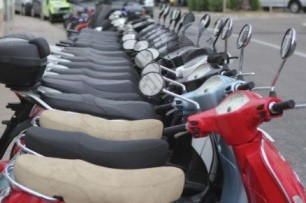
Five best tips for picking the right two-wheeler to satisfy your needs
Imagine you are already running late for an important meeting and get stuck in traffic. It sounds dreadful. With increasing traffic situations, two-wheelers are the most convenient way to reach your destination. In addition, they are easier to maintain and much more affordable.
Two-wheelers are your asset, and investing in one means choosing the best for your needs without ripping your pockets. So, here's a checklist that will make the decision easier when you buy a two-wheeler.
1. Understand the purpose of your two-wheeler:
Understanding the purpose of your two-wheeler is very important. How much will you use it? What will your daily travel be like? Are you going to use it for office work, personal travel, long rides, etc.?
Based on your purpose, you can select the right two-wheeler. For example, if you are taking it for family use, you might consider taking a vehicle that's convenient for every member of the house. Similarly, if you are going to use it for office or personal use, a bike can come in handy.
2. Mileage:
This is no surprise that petrol prices are becoming sky-high. Every two-wheeler comes with extra mileage, and you don't want to invest in one that shakes up your finances with the increasing expense of petrol every month.
Depending on how much you can spend on fuel every month, look for a vehicle that gives good mileage. When you search online, you can get details about the vehicle's mileage and decide accordingly. For example, a sports bike will have less mileage than a scooter.
3. What is your budget:
Budget is one of the top factors to consider when buying a two-wheeler. First, understand your monthly income, consider your expenses, then look at how much you're willing to spend on the two-wheeler.
If you are looking forward to paying for your two-wheeler in monthly installments, consider determining the EMIs you will have to pay. If they are too much, you need to develop an effective saving plan.
4. Service and maintenance:
No two-wheeler works properly without good maintenance. However, when you visit the store, ask about the after-service that you will get. Mainly, most companies offer first three services. Understand how much you have to spend monthly on the vehicle's maintenance. It will always help if you go with popular two-wheeler brands whose spare parts are affordable and readily available.
5. Features:
Every person has different expectations from their two-wheeler. Some may look for a good design, while others lean more towards comfort. Additionally, if you have back issues, you may want to consider that driving the two-wheeler does not hurt your back. List all the features you are expecting and consider the above points before selecting the best two-wheeler for you.
The tips mentioned above will help you determine if the two-wheeler is perfect for you or not. After deciding, ensure that you buy bike insurance online to protect your vehicle if things take a wrong turn and put a less financial strain on you. Your dream two-wheeler is just a few steps away. Go ahead and confidently pick the one that suits your needs!
Click HERE to buy bike insurance online.
Disclaimer: The information provided above is for illustrative purposes only. To get more details, please refer to policy wordings and prospectus before purchasing a policy.

Plan a perfect summer vacation to these top island tourist places of India
From ice-capped mountains in the north to beautiful peninsulas in the south, India promises several travel experiences for everyone. What astonishes the travellers is the diverse local culture, cuisine, and lifestyle that you can enjoy in every part of India. The country comprises various big and small islands with rich cultural backing, and today we will look into a few of these to help you plan your next summer vacation. We bring the top 05 best islands to visit in India, which you can add to your travel bucket list.
1. Diu island:
Possibly one of the most beautiful islands on the list, Diu Island consists of beaches and heritage that are sure to enchant anyone who visits here. From forts to caves to museums, Diu offers so much to explore.
The Diu fort reveals some of the forgotten Portuguese histories with eye-catching stonework structures. After exploring the city throughout the day, a visit to Chakratirth beach is a must. With a stunning sunset and a backdrop of local food stalls, this is the perfect place for you to unwind.
2. Havelock islands:
One of the most talked-about islands, Havelock hosts tourists throughout the year. The largest island in Andaman, it's famous for its blue water, picturesque views, and adventurous water sports. It is an easy competition to foreign beaches and will give you a lifetime of memories.
3. Lakshadweep islands:
The smallest group of islands with a population of as few as 60,000 residents, Lakshadweep is where you would want to go to stay away from the tourist crowd. Spending time on the island will help you closely see the local life in an island town. Since the beautiful beaches are the island's main attraction, this is your go-to destination if all you want is to hear the waves crashing and seagulls hooting.
4. Munroe islands:
Munroe island in Kerala is a cluster of eight islands that promises an impeccable view of narrow canals connecting a network of backwaters. Munroe islands was once an unexplored territory, and only now has it started opening to tourist exploration. Munroe has beautiful rustic architectural relics that have stood the test of time. It still holds the old culture and lifestyle of the place intact. You can enjoy a wide variety of home-cooked meals while enjoying homestay and interacting closely with the locals.
5. St. Mary's islands:
A collection of 4 small islands, this place is famous for its unique rock formation similar to Ireland's. A serene island, close to the coast of Udupi, it has significance in science as well. It is believed that these unique rock formations were caused due to subvolcanic activities in Africa.
These are a few of India's many beautiful island tourist destinations, which magnetically attract people from all over India. Remember that these places are set away from the mainland; hence ensure to look into safe and comfortable travel options. Carry first aid, emergency medicines, and snacks for the commute. Insure your travel plans with general insurance for greater financial safety. You can buy general insurance online and safeguard yourself against any unprecedented expense you might incur during your trip.
Click HERE to know more about how to buy general insurance online.
Disclaimer: The information provided above is for illustrative purposes only. To get more details, please refer to policy wordings and prospectus before purchasing a policy.

Effective ways to jump-start your two-wheeler
Imagine you have an urgent meeting in five minutes, and your two-wheeler refuses to start! In such times our mind completely freezes and fails to think of any solution.
Your previous knowledge of jump-starting your bike can come in handy in a situation like this. In this blog, we will list down some of the effective ways to jump-start your two-wheeler in any case.
1. Check battery charge:
The first and foremost thing you need to do is check the charge of your two-wheeler's battery. If the backlight and the headlight are glowing brightly, the battery is okay. If not, you need to take care of it immediately because it prevents you from starting the bike or scooter. If your two-wheeler is not starting at all, it's time to resort to one of the following methods.
2. Use another bike:
Ask someone to lend their bike to jump-start your two-wheeler. First, make sure that both the vehicles are on neutral and off. Next, connect the battery terminals of both the bikes with the help of jumper cables. After connecting them, start the other motorcycle and start yours. With no extra effort whatsoever, your two-wheeler will start. After that, take off the jumper cables and keep them somewhere safe and easily accessible.
3. With the help of a portable jump starter:
Keeping a portable jump starter at home is usually advisable, especially when your bike is a few years old. This method is easy and also the quickest one:
• Check that your bike, as well as the jump starter, are in off position.
• Connect the attached cables of the jump starter to your bike and switch it on.
• Try to start your bike.
Generally, it doesn't take more than a second or two for the bike to start, but still, if it fails to start, give it a minute or two. In addition, always keep your jump starter charged.
4. Using outside stimulus:
One of the traditional ways to jump-start your bike is to apply an outside stimulus. The most used way is giving it a push from behind. All you need to do is ask your friend, neighbour, or passer-by to push your bike while sitting on it. Remember to keep your bike in second gear to ensure safety.
The other way is to find an empty stretch of road (it's always better if the road is downhill) and try to push your bike down it. Once your bike gains a needed amount of momentum, it should start. However, always remember that the downhill is not very steep and doesn't have sharp turns or traffic. These are precautions to take to avoid an accident.
It is difficult to ignore the fact that all these options can cause harm to your bike too. Incidents are unpredictable. Therefore, to avoid unexpected and unfortunate events, it is better to have bike insurance to save you from the fear of extra expenses. Ideal bike insurance can protect your pockets from the extensive costs involved in servicing and repairing your bike.
Click HERE to know more about different deals on bike insurance plans.
Disclaimer: The information provided above is for illustrative purposes only. To get more details, please refer to policy wordings and prospectus before purchasing a policy.
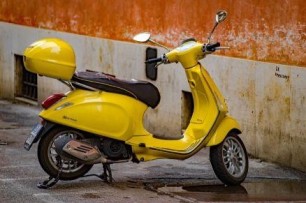
The merits and demerits of combi brake system in two-wheelers
The braking system in any bike is the most important mechanism. A Japanese auto giant has been granted a patent for their combination braking system (CBS) for motorbikes. The combi brake system (CBS) simultaneously applies the front and rear wheel brakes with a single lever.
According to the Ministry of Road Transport and Highways’ new requirements, all two-wheelers sold post-April 2019 with an engine capacity exceeding 125cc must be fitted with Anti-lock Braking System, while models with an engine capacity of 125cc or less must be equipped with a combi-braking system (CBS).
In this post, we're discussing CBS, including its merits and demerits. Read ahead if you wish to know about this remarkable technology.
CBS vs Traditional Braking System:
The most effective braking approach is to use both the rear and front brakes simultaneously. However, most bikers either don't possess the skills for it or simply lack patience. Even if a rider manages to apply both brakes simultaneously with less competence, the chances are that they won't be applying proportional force to both brakes.
In most circumstances, this results in unstable and dangerous braking. The Combi Brake System with equaliser minimises stopping distance. It also enhances braking stability compared to traditional braking so that you may ride with the assurance of effective brakes.
Merits of CBS:
1. Braking distance minimisation: It helps to minimise accidents caused due to unexpected braking by reducing braking distance compared to standard brakes.
2. Safer option: It is better and safer than the standard brake system. CBS aids in maintaining the bike's balance during braking and avoiding the risks of accidents.
3. Suitable for wet surfaces: CBS delivers greater performance and secure braking in slippery and bumpy road conditions.
4. Availability: Combi Brake System's price is relatively modest, and it's simple to use on standard motorcycles. In contrast to the Anti-lock braking system, which only works with disc brakes, the CBS system works with both disc/drum and drum/drum braking combinations.
Demerits of CBS:
The Combi Brake system is not ideal for high-performance two-wheelers. It also impairs the handling of motorcycle riders who perform stunts on the bike, putting them in dangerous positions when confronted with abrupt and intense events. That is why Indian law has only made it mandatory for bikes whose engine capacity is lower than 125cc.
So far, more than 10 million people ride bikes with CBS. While CBS may have some disadvantages, they are mainly concerned with high-performance two-wheelers. In moderate engine capacity bikes, the pros outweigh the cons. While the Indian government makes it mandatory to have CBS in bikes below 125cc engine capacity, it is also required to have two-wheeler insurance according to the Indian Vehicle Act.
Renew or buy the best 2 wheeler insurance online available in India. Several insurance companies are offering exciting offers for online transactions. So, purchasing 2 wheeler insurance online has become more popular, especially post-pandemic. You need to be wise and choose a policy that will be the best for your bike.
Click HERE to purchase 2 wheeler insurance online.
Disclaimer: The information provided above is for illustrative purposes only. To get more details, please refer to policy wordings and prospectus before purchasing a policy.
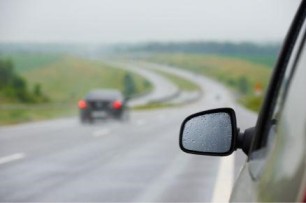
The best summer driving tips for long-distance drivers
With the summer approaching, we are all excited to get out and soak up the sunlight. Road trips during the summertime are at the top of everyone's bucket list. You can enjoy a long drive to sandy beaches and resorts or a journey to cooler, remote hill stations.
While we all love long road trips, they can quickly get exhausting when you're stuck in the same spot for hours on end. The landscape might be worth every bit of your patience, but driving for several kilometres at a stretch can be mentally and physically bothersome.
You may invest in motor insurance India to secure your vehicle's health but caring for your health while on a lengthy midsummer journey is equally needed. Following these tips while driving long distances can make your journey more comfortable, safe, and fruitful!
1. Plan ahead:
Planning your road trip is essential so that you manage to follow the itinerary and reach your destination on time. As you know, you're going to be driving for long hours at a stretch, so you must make sure to pack all the necessary items to carry.
Keep track of your routes and highways, petrol pumps or gas stations on your way, restaurants or motels for refreshments, and the amount of food and water you require during the drive.
2. Prepare your vehicle:
Whether you are taking a car or a van, ensure the vehicle's condition and fitness are thoroughly checked before setting off on your journey. Check if your car fits for the long drive and the fuel tank is full to its capacity before leaving. Also, check the air pressure in the tyres and examine all other technical requirements.
Ensure that you carry all necessary car documents like your car's registration certificate, motor insurance India documents, driver's license, and PUC certificate.
3. Stay hydrated and eat well:
Dehydration and an empty stomach can disturb you immensely while on the road. Dehydration for long hours can cause blurry vision and muscle cramps that are incredibly dangerous while driving. The sweltering heat can get to you and cause dizziness if you haven't eaten.
Make sure to drink enough water and consume plenty of liquids during your journey. Eat a healthy meal before taking off and eat energy-giving, light foods whenever you make stops during the trip.
4. Take enough breaks:
Driving may be stress-relieving for some individuals but sitting behind the wheel for long hours can physically strain the body. You must make regular stops along the journey and get out of the driver's seat. Stretch your arms and legs and relieve any tension in your neck and back. Inculcating this habit can make the long journey much more comfortable.
5. Keep essentials handy:
While food, water, and car documents are the most vital essentials to carry, remember to pack other travel essentials like sunglasses, caps, sunblock, a torch, and a scarf or sweater. Carry emergency hardware to fix your car if any damage is caused on the road. Keeping a first aid kit is essential as you never know when you might need it.
Long road trips under the sun are what summer dreams are made of, but they can quickly become challenging. You must not forget to secure your health and safety in all the fun. Following these tips can relieve long-distance drivers from the issues they may face on the road. Prioritising the security of your vehicle is equally important. So invest in an ideal motor insurance India policy to protect you from unexpected losses and put less pressure on your pockets in case of physical damages to your car.
Click HERE to know more about motor insurance India.
Disclaimer: The information provided above is for illustrative purposes only. To get more details, please refer to policy wordings and prospectus before purchasing a policy.

Complete guide to buy a short-term car insurance policy
Did you know that you can insure your car for a short period? Such as a few days or weeks. You must purchase short-term car insurance, often known as 'temporary car insurance.' Although it may seem strange, temporary car insurance is available, and people are already buying it.
Furthermore, short-term car insurance begins as soon as you pay for it. Some people may find that a short-term insurance policy is not ideal if they are unsure about their driving requirements. Let's take a closer look at a short-term car insurance policy in greater detail.
What exactly is short-term car insurance?
Short-term auto insurance can be valid for as little as a few hours or as long as some months, depending on the type of coverage you choose. It is possible to obtain short-term or temporary vehicle insurance coverage in some circumstances, such as when a person is not looking to purchase car insurance for more than a year.
How does short-term car insurance work?
Most Indian insurance policies fall into one of two categories: third-party liability and comprehensive insurance, with the latter being more commonly offered. In most cases, a standard automobile insurance term lasts one year. If one chooses to purchase comprehensive insurance, they will buy additional coverage through add-ons and benefit from other features. On the other hand, purchasing at least third-party insurance is mandated by law and gives the bare minimum of protection to the owner of the covered car in the event of an accident.
In situations where a person's need to drive a car is constrained by a specific time frame or a clear exit criterion, temporary car insurance may be necessary. Here, a person doesn't need to buy car insurance for a year because they don't drive a vehicle much. The time commitment could be anything from a few hours to a month or two at the most. Temporary auto insurance is uncommon in India, yet it is widespread.
Different types of short-term car insurance.
The coverage provided by short-term car insurance is minimal. It might be available in the following categories.
1. Rental car insurance:
Rental car insurance is the name given to the policy that protects a vehicle while it is being rented. Insurance policies for rentals typically include coverage for things like accidental damage and injury.
2. Gap insurance:
This insurance covers vehicles previously leased or financed through third-party financing. It provides gap insurance coverage in the event of a total loss, which is defined as damage that cannot be repaired. If the insurance provider compensates you for the fair market price of the vehicle, this policy will cover the difference.
3. Non-owners insurance:
Non-owners insurance is comparable to rental car insurance, although primarily available for private automobiles. People who borrow cars from family or friends are likely to buy non-owners insurance to protect themselves in the event of an accident.
Now that you've learned about short-term car insurance policies, you can make the most of a monthly car insurance plan to protect your vehicle. When you are only using a car for a limited time under the above three conditions, this is the most effective way of avoiding financial obligations. However, you should be prudent that not all car insurance companies offer this type of protection.
Click HERE to get more information about car insurance.
Disclaimer: The information provided above is for illustrative purposes only. To get more details, please refer to policy wordings and prospectus before purchasing a policy.

Let's understand the advantages of lightweight wheels
When you consider a bike's performance, many factors such as top speed, acceleration, engine capacity and power, mileage, accessibility of spare parts, servicing and maintenance, braking system, etc., contribute to a good outcome. Adding to this list are the wheels of your bike.
The wheels hold the tyres tightly to create a good balance and help steer the bike according to your driving directions and intensity. If you have a bike or are a bike lover, you would know that wheels come in different types, mainly lightweight and heavyweight. While each of these wheels has its pros and cons, how would we know which one is suitable for your bike?
This blog will discuss the benefits of lightweight wheels and how they add the "zing" to your motorcycle, giving it the winning edge.
So, let's understand the advantages of lightweight wheels to help you conclude which one you should choose and why.
1. We need to understand why weight matters:
To begin with, it is crucial to understand why the weight of the wheels matter. We can apply the fundamental theory of physics here. If anything is light and has lesser rotational mass (the level of resistance required to change its position or state), moving it forward is much easier. This is why it is convenient and requires less power from your bike's engine to move the lightweight wheels than the heavy ones.
2. Fuel consumption:
We all must opt for techniques to conserve fuel and make our vehicles more fuel-efficient. Lightweight wheels provide a way for your vehicle to use less power. So lesser the amount of power required to move the wheels, the less fuel consumed by the engine. There will be a minimal strain on the engine leading to minimising fuel usage.
3. Smooth movement:
Lightweight wheels, as already proved, are comparatively easier to move. In addition to the easy movement, lightweight wheels aid smooth turning and respond quickly, specifically in the corners. The smooth steering is a huge plus and excitement factor for bike enthusiasts. Besides improving gas mileage, lightweight wheels provide comfortable driving and a quality ride.
4. Need for speed:
Lightweight wheels are your best bet if you wish to achieve high speed while riding. They provide the comfort, quality and top performance of your bike. They show the immediate effect on the speed as you accelerate, thus achieving top speeds in a matter of seconds.
Get that adventure you seek by choosing the lighter wheels. But make sure you handle your motorcycle well, as lighter vehicles tend to be a little less stable. Safety is a huge concern, and you must adhere to all safety regulations. Gear up properly before you take your bike out for a ride.
We have already looked into how you need to be careful no matter the wheels you choose, and it is not always possible to anticipate any accidents or injuries you might end up in. Therefore, you must invest in bike insurance to safeguard it against the damages. You can browse all your options and deals before buying bike insurance. Select a comprehensive plan that offers the best coverage to your bike and comes with a reasonable premium.
Click HERE to know more about the benefits of bike insurance.
Disclaimer: The information provided above is for illustrative purposes only. To get more details, please refer to policy wordings and prospectus before purchasing a policy.

Try these effective ways to have a pimple-free and glowing face
Our skin and face bear a lot due to oil production, sweat, dust, and weather effects. Maintaining a clear and glowing complexion in these harsh conditions is a difficult thing. With social media taking centre stage in our lives, unreasonable beauty standards have been a constant.
However, one thing to keep in mind is that using multiple products might not be the path to glowing skin. Thousands of brands in the market promote expensive products to tempt you into buying them. Today we will look at a few inexpensive yet effective ways to have pimple-free and glowing skin.
1. Wash your face:
Pollution is a leading cause of breakouts and uneven skin. Research says that people who washed their skin twice a day saw a significant reduction in acne. Washing your face with a mild cleanser and cold water is the best way to clean your face and remove impurities.
2. Moisturise:
People often neglect moisturising when talking about acne-prone skin. However, moisturising can be significantly beneficial in the long run, no matter your skin type. Choosing non-greasy, light products that suit your skin type will help you in achieving glowing skin
3. Exfoliate:
Exfoliation helps get rid of dead skin cells that may clog pores and lead to acne. However, exfoliating daily can be harmful to your skin, hence stick to only once a week.
4. Consume water:
It’s no secret that water is the best medicine that solves a lot of your skin and health-related problems. Drinking at least 7-8 glasses of water is highly recommended as it helps wash out toxins from your body and reduces acne and scarring.
5. Avoid sugar:
If you have an excess acne problem, it is advisable to reduce your sugar intake as much as possible. A high glycemic index is a leading cause of acne.
6. Eat healthy:
Your skincare is only as effective as your diet. Having a well-balanced diet is crucial for clear and glowing skin. Consuming food items rich in vitamins and minerals is not only good for your gut health but also the health of your skin and hair. Eating clean food can show drastic changes in your skin.
7. Healthy Lifestyle:
There are countless articles on how leading a healthy lifestyle can positively affect your overall health. Regular exercise, sleeping on time and staying away from alcohol and smoking should be considered if you are aiming for a healthy life and glowing skin.
These are a few ways to give primary care to your skin and avoid pimples and dull skin. However, if the problem persists, consider going to a dermatologist. Your dermatologist will inform you about the products best suited for your skin type and any dietary changes that you may need to make.
Sometimes, the dermatologist might suggest getting blood work done to recognise any deficiency or allergies causing persistent acne and dullness. These tests and checkups can be expensive. Therefore, consider looking at online health insurance companies and choosing the best that equips you with the best healthcare treatment without stressing the huge costs payable for medical bills.
Click HERE to learn about online health insurance companies.
Disclaimer: The information provided above is for illustrative purposes only. To get more details, please refer to policy wordings and prospectus before purchasing a policy.

Understand these tips to secure your vintage two-wheeler with bike insurance
When you hear vintage, you instantly associate that with an old yet cherished classic piece. We have seen vintage lovers obsessing over them, from paintings to vases to vehicles. While vintage bikes are a preferred term, we cannot set aside that these items are old and dilapidated.
The vintage bikes are mainly out of production, and finding parts for them can be a tedious task. So how to take care of them? Should you get insurance for them? Here are a few ways to ensure your vintage bike with bike insurance.
Let's look at a few advantages of getting bike insurance for your old two-wheeler:
1. Since it's an old bike, you might face extra costs. Having insurance ensures that you don't bear expenses for the repair and maintenance of your bike.
2. With traffic and motor rules changing regularly, it is good to have insurance to avoid penalties
3. You can hassle-free renew bike insurance online and avail bonuses.
Many factors are considered before providing insurance for your bike. For example, the model, build, design, the conditions in which it is kept, how frequently it is ridden, etc. Ideally, getting a comprehensive cover would be an excellent idea for a vintage vehicle with many additional costs compared to a new bike.
Comprehensive insurance is a shield in case of accident, theft, or damage due to a third party. Moreover, comprehensive cover and add-ons can support you rest assured in the circumstances of natural calamities, riots, etc. Things that you should look out for before buying insurance for your bike are as follows:
1. Coverage:
Since everything is online off late, consider looking for a bike insurance renewal online. Look into various insurance factors and decide what is best suited for your two-wheelers.
2. IDV:
Being aware of the declared value for the current policy year is vital to know the current market value of your vehicle. This is the sum that the insurance will provide in case of theft or loss of the vehicle.
3. Utility of bike:
Since the market value of your bike depreciates every year, understanding how much you can use it will allow you to have an overall idea about the kind of coverage you would want.
4. Understanding your need:
Since you are the best person to determine what your bike needs, it is essential that you know what you expect from it. Do you want to keep it as a souvenir, or will you take it on the road? Insurance companies cater to various needs of the customer, so having a clear idea about what you need will help you understand what kind of cover your vintage two-wheeler needs.
So these are a few ways to ensure the longevity of your bike. With a plethora of options available in the market, having ample knowledge about different kinds of insurance can aid you in choosing the best for you and your bike.
The process of selecting the right insurance can be overwhelming. But with some patience and research, you will find the best options to renew bike insurance online.
Click HERE to renew bike insurance online.
Disclaimer: The information provided above is for illustrative purposes only. To get more details, please refer to policy wordings and prospectus before purchasing a policy.
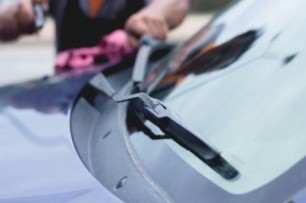
Here's how to stop your car's wipers from squeaking
The rains might not dampen your spirits on a long road trip, but the high-pitched jarring sound from the wiper blades will definitely. The peaceful sound of the rain, the music coming from the sound system, or the lovely conversations are drowned out by the annoying and shrill sound of the wiper blades, enough to ruin the mood. Not only does it affect the driver’s everyone's spirits, but it also affects the driver's concentration while driving.
Wiper blades can become noisy under several conditions, but the most common is dirt between the windscreen and the blade. A dirty windscreen will hinder the ease with which the blade glides over the screen, thus producing squeaking sounds. Another reason can be a mismatch in the blade's speed and the rain's intensity. If it's not raining heavily, and your wiper blade is set to high speed, it prompts the wiper to repeatedly go over the dry screen, resulting in unpleasant sounds. Squeaking wipers can also indicate worn-out and old wipers, and you must consider investing in a new one.
In this article, we will address some of these problems and a few ways in which you can stop your car's wipers from squeaking.
1. Dirty windscreen:
A dirty windscreen can be a driving hazard. Light refraction, obscured vision, and distracting squeaky wipers can hinder the driving experience. Maintaining your windscreen is imperative for a comfortable and safe ride.
You can avoid dirt and dust from accumulating on your windscreen by washing it with a good quality windscreen cleaner and a sponge. Before taking out your car to drive, ensure that your vision is not compromised.
2. Improper installation:
If your windscreen was recently adjusted or installed and you hear squeaky noises, then most likely, the setup wasn't correctly installed. You might need to remove and reinstall the wiper to rectify the issue. If you are unsure how to set the wiper properly, it is best to consult a mechanic at a trusted service centre.
3. Improper use:
It can become fragile if the wiper is not used correctly or overused. A broken wiper is of no use. Hence it is better to change and optimally use the wiper in the future.
4. Unclean wiper:
Wipers are often neglected when it comes to cleaning and care. It is a relatively straightforward process to clean the wiper blades. Some water, sponge, and soap are all you need to clean the wipers. Remember not to overdo it as fibres or cloth particles may be left behind, which can cause friction, further worsening the situation.
5. Wiper rubber blades:
Wiper rubber blades can go through wear and tear over time, and you should regularly inspect them for any damage. You can change the rubber blades once a year or whenever necessary.
These were a list of things you need to take care of if you hear squeaking or shrill sounds from your wiper blades. Remember that the tiniest discrepancies in seemingly small parts of your vehicle can cause serious driving hazards and even result in fatal accidents if not given timely care.
Regular maintenance and timely change of parts are essential to keep your vehicle working efficiently. Take that extra step towards the safety of your car and invest in car insurance. Buy car insurance online and get a value-added advantage to prevent additional expenses you might incur in damages and repairs.
Click HERE to buy car insurance online.
Disclaimer: The information provided above is for illustrative purposes only. To get more details, please refer to policy wordings and prospectus before purchasing a policy.

All you need to know about road tax in India
Several state and national highways link India's vast geography. The country's roadways network stretches over 5 million kilometres while consistently increasing and is one of the largest roadway networks globally.
This vastly interconnected system is financed by the Indian Government that collects a sum of taxes from the citizens for the regular maintenance of the roads. Therefore, it is integral for every citizen to pay their taxes on time for the smooth functioning of the roadway system.
What is Road Tax?
When purchasing a vehicle, an individual must pay the base manufacturing price and a few extra charges. These additional charges typically include registration fees, relevant motor insurance, and a motor or Road Tax. The road tax is a sum of money paid while purchasing a vehicle in the state or country. The tax differs in all states as it is subjected to different tax structures and clauses.
A certain amount of road or toll tax is levied on vehicles using the state or national highways. These taxes differ according to state regulations, highway distance, and other relevant factors.
Who determines the Road Tax?
These Government bodies typically determine the road tax:
1. The state government levies the state vat tax, toll tax, annual or lifetime motor vehicles tax, and passenger and goods tax.
2. The Central Government levies the GST, customs duty, central excise, central sales tax, and other additional charges depending on the vehicle category.
Who has to pay the Road Tax?
While purchasing a vehicle, motor insurance is not the only cost that the individual must incur. The road tax is a compulsory tax that the individual must pay while purchasing a new vehicle. In India, this tax is charged on both private and commercial vehicles. Every individual who purchases motorised vehicles such as bikes or scooters, cars, auto-rickshaws, or even buses and trucks, needs to pay the tax irrespective of the vehicle's size.
Although the vehicle's manufacturing cost price primarily determines this tax, it is typically calculated considering other factors such as the motor or engine capacity, seating capacity, weight, and cost price. Thus, the road tax paid by every individual differs based on the vehicle as well as the state of purchase.
When and Where to pay the Road Tax?
An individual must pay the road tax for a vehicle during its registration. Depending on the state's mandate, the tax can be paid with flexibility, either one-shot payment or in yearly instalments. The vehicle owners may choose to pay the tax offline or online as per their convenience. If one is shifting their residence to another state, they need to re-register their car in the RTO of the new state and then repay the road tax.
To sum up, paying the road tax is an essential duty of every vehicle owner as a responsible citizen to help contribute and maintain the country's roadway network. However, being responsible for your vehicle's safety is equally important, and you can achieve this by purchasing a motor insurance plan that offers complete protection to your valuable asset.
Click HERE to know more about motor insurance.
Disclaimer: The information provided above is for illustrative purposes only. To get more details, please refer to policy wordings and prospectus before purchasing a policy.

Did you know about these side effects of excessive water consumption
Water is the solution to all problems, according to most people. And no doubt, it is indeed one of the most potent ingredients for a healthy life. Good skin, weight loss, better hair, or even mild headache, water is a cure for all. It is an essential resource for life to exist and flourish. However, excess of anything is poison. Similarly, excessive consumption of water can have several complications and side effects.
Surprising, isn’t it? This article is just for you if you want to know how overhydration can harm you. We will look at all the side effects that excessive water consumption can cause. Let’s take a look at different kinds of overhydration and their causes.
1. Overdrinking:
Overdrinking is a condition that happens when you drink too much water and your kidneys fail to flush out as much urine. This leads to water accumulating in your bloodstream, causing the dilution of essential substances.
2. Water retention:
This situation arises when the body cannot flush the water correctly due to various medical conditions. Several heart diseases and liver and kidney problems may cause water retention in your body.
The colour of the urine is a good indicator of water levels in your body. Pale yellow colour urine indicates the optimal amount of water in your body, while darker colour urine indicates dehydration. If, however, your urine is transparent, that is a clear indication of overhydration.
Now let’s take a look at the effects of overhydration:
1. Water intoxication:
When you consume more than five to six litres of water daily, you may start seeing symptoms of water intoxication. Some minor symptoms include headaches, cramps, spasms, vomiting, and fatigue. The more severe consequences of water intoxication can be seizures or blackouts.
If you start noticing symptoms like those mentioned above, rush to the nearest hospital. The excess amount of water in your body can lead to fluid build-ups in the cells leading to swelling. Swelling can lead to coma and seizures and can even be fatal if not given immediate medical attention.
2. Nausea or vomiting:
The symptoms of dehydration and overhydration are almost interchangeable. Since too much water is accumulated in the system, the body rejects the excess. This leads to diarrhoea or vomiting.
3. Headaches:
As the body’s salt levels deteriorate significantly, the cells swell. The swelling causes pressure inside the brain cells, causing severe headaches. Sometimes it can lead to clotting and troubled breathing as well.
4. Weakness and lethargy:
Like salt, the electrolytes dilute due to excess water in the body. Electrolytes are crucial when it comes to maintaining energy levels in your body. An imbalance in the electrolyte levels can lead to fatigue and weakness.
It can also cause muscle cramps and spasms. Your kidneys are working extra to flush out the unwanted water. This creates a hormonal reaction leading to drowsiness and feeling less energetic.
5. Swollen body parts:
Due to an increase in the water retention in your body, and the electrolyte imbalance, you may notice swelling in different parts of your body, such as the legs, lips and fingers. You may also notice a discolouration resulting due to hormonal changes caused by excessive water.
These are a few side effects of excessive water consumption. Excess water in your body can bring about various hormonal and other significant changes. Treatment for these should be taken under the guidance of a medical practitioner to avoid further complications. However, an immediate remedy to overhydration is the consumption of salts or electrolytes. Regaining the concentration of salt and electrolytes in your body can be a temporary cure.
Just like overhydration, there might be other issues in your body that you might not be aware of. Get an expert opinion to recognise any underlying issues and address them with proper and timely medication. Many online health insurance companies provide comprehensive coverage on all such check-ups and treatments that you might want to look into. Take advantage of this feature and benefit yourself and your loved ones.
Click HERE to know more about online health insurance companies.
Disclaimer: The information provided above is for illustrative purposes only. To get more details, please refer to policy wordings and prospectus before purchasing a policy.
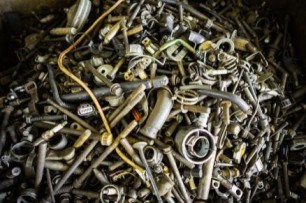
Disadvantages of using duplicate spare parts for your car
Spare parts can either extend the life of a vehicle or cause it to fail instantly. Often fake replacement parts are created without the consent of the manufacturer. As a result, it is difficult to distinguish between genuine spare parts and counterfeit replacements. Furthermore, because fake parts are less expensive, consumers are more likely to purchase them to save money and fail to verify their validity.
The performance of fake spare parts is inferior to that of original replacements. You never know when they'll give out and do harm to the car's workings or its passengers. Purchasing car insurance can protect you from any damage caused to your vehicle. Always compare various new car insurance rates to find the best deal for you.
Here are some of the reasons why fake spare parts are dangerous.
1. Safety is at risk:
Fake spare parts may endanger not only the safety of the vehicle but also its passengers. To give an example, if you were to buy fake brakes, you might have trouble applying brakes on time. Fake engine spare parts can also result in a short circuit, potentially dangerous to the engine's functionality. As a result of these factors, counterfeit replacement parts are considered a safety hazard.
2. Additional expenses:
The majority of individuals believe that acquiring cheap spare parts will save them a significant amount of money. However, it results in increased expenditure because the fake spare component will often fail to function. Instead, authentic spare parts will save money because they will last longer and come with a warranty.
3. Has an impact on the vehicle's warranty:
Warranties are valid guarantees for a specific period. The carmaker agrees to repair any defective spare parts or repair the vehicle. Using fake spare parts may void the warranty completely. Another critical reason to avoid using counterfeit spare parts is to protect yourself from identity theft.
4. Safety concerns for other vehicles:
If you use forged spare parts, your vehicle's systems will not perform to their maximum capacity. This means you will be putting other people in danger when you drive.
5. Poor quality:
Given the heavily low price of fake spare parts, the companies are frequently forced to compromise quality and appearance. Moreover, the materials utilised are of poor quality. As a result, these parts are not constructed to survive for an extended period. Therefore, spending a little more money on authentic parts is preferable rather than settling for low-quality counterfeit replacement parts that pose a higher risk.
6. Other potential risks:
For various reasons, it's best to avoid using counterfeit replacement parts. Like, at higher speeds, fake tyres might deflate and fall apart. Fake oil filters may be ineffective in filtering, making the counterparts go dry. This will have an impact on the engine's operation. Installing cheap seatbelts and airbags is a terrible idea that can be life-threatening during mishaps.
In addition to reducing the vehicle's depreciation value, buying fake parts is a poor decision for various reasons. These faulty spare parts can betray at any point, making them more dangerous. So, as a sensible customer and a responsible citizen, and refuse to buy fake spare parts. Also, check out the most affordable new car insurance rates that can protect you in the event of an accident.
Click HERE to know more about the new car insurance rates.
Disclaimer: The information provided above is for illustrative purposes only. To get more details, please refer to policy wordings and prospectus before purchasing a policy.
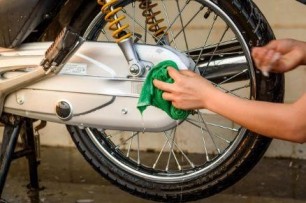
Here are a few important tips to undertake while taking your bike for a wash
If you have just come back from a long trip and your bike is covered in dust and looked nothing like you would want it to, then this article is for you. We will look into some of the essential things that need to be kept in mind when you plan on washing your bike to avoid making mistakes that might prove to be expensive later on.
Cleaning and regular maintenance ensure the long life of your two-wheeler. It helps you monitor any minute structural changes and avoid the accumulation of corrosive substances like road salt, grime, etc. Besides, needless to mention here, having bike insurance is non-negotiable, and you might want to look into some bike insurance online before reading on. A good bike insurance protects your bike with financial cover against any damages to it.
1. Cleaning kit:
Having your cleaning supplies in order before washing is essential to avoid latency and prevent the water from getting into places it shouldn’t. So, get your sponges, washcloths, spray bottles, microfiber cloths, and other items ready for ease of access and prompt use of them. Since each of these tools serve a unique purpose, it is advised to understand the purpose of each. E.g., Sponges are used to gently remove any dust particles while brushes are used to get into crevices.
2. Working condition:
It is crucial to have a good work area set up before washing the bike. Avoid washing it immediately after riding it. Let the engine cool down so that it does not go into a thermal shock when you wash it with cold water. Avoiding direct sunlight is also advised as it can dry up the soap faster, and any undue pressure can lead to scratches and watermarks on the surface.
3. Plug exhaust:
Ideally, the exhausts are structured to avoid water pooling, but having a rubber plug for your exhaust is a good idea. Make sure to plug the exhaust before washing the bike to prevent water from getting into the pipe and clogging the exhaust unnecessarily.
4. Choose your cleaning product wisely:
While many people believe that laundry detergent is a good choice for your motor vehicles, it is not the case. Products that are not explicitly suited for them can damage the paint and the structural integrity of the metal owing to the harsh chemicals present in generic detergents. Using foams can be a good alternative for washing brushes.
5. Do not use hosepipes:
Hose pipes can be the easiest way to water your plants, but it is not the best one when it comes to washing your bike. Directly streaming powerful jets of water can harm the paint job on your vehicle and can also lead to dirty patches.
Buying nozzle heads that can be attached to the tip of the pipe so that water can be sprayed harmlessly is a good choice. These are some things that you need to keep in mind before taking your bike to wash. Washing your bike for the first time can come with many questions. The tips above will help you in answering a few of those.
Owning a motorcycle is an excellent feeling, but it also comes with some responsibilities. Regular maintenance and proper servicing, albeit expensive, can ensure the longevity of your bike. However, having bike insurance promises that these services do not burn a hole in your purse. Therefore, without any delay, invest in bike insurance online, and provide the best care to your two-wheeler to cover more distances together.
Click HERE to know more about bike insurance online.
Disclaimer: The information provided above is for illustrative purposes only. To get more details, please refer to policy wordings and prospectus before purchasing a policy.
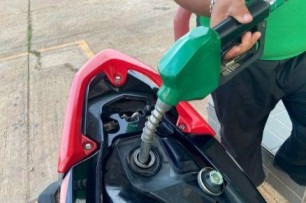
Here are the top three parts that can make your bike more fuel-efficient
With fuel prices skyrocketing now more than ever, it has become a rule of thumb to ensure that the vehicles you purchase or use, are fuel-efficient. Consumption of a limited amount of fuel can be an escape from burning a hole in your pocket. Plus, fuel-efficient vehicles help to reduce pollution and smog. So, making your vehicle fuel efficient can cause significant changes in your lifestyle, and you can contribute your part towards the biggest concerns of climate change.
Are you looking for suggestions for reducing your carbon footprint through less fuel consumption? Or do you wish to make your vehicle more fuel-efficient so you don’t burn through your savings?
This blog will discuss how you can achieve a more fuel-efficient vehicle using various techniques. Here are the top three parts that can make your bike more fuel-efficient. Let’s get started.
1. Give a rest to those breaks:
Your bike will consume less fuel and give you a better mileage if you unnecessarily avoid using brakes. Also, by preventing rash and aggressive driving, you save substantial fuel. Accelerating out of bounds and then hastily using the brakes will cause your vehicle to consume more fuel and power, thus diminishing the whole purpose of making your vehicle more fuel-efficient.
Always ensure you drive within the specified speed limit and abide by the traffic rules. This will not only help your bike stay in good condition but also prevent any accidents.
2. Be careful about the frequent gear change:
Along with the brakes, you must also ensure that you avoid changing the gears frequently and hastily. Driving at a constant speed will not only help you be safe on the road but will also consume less fuel, thus raising the fuel efficiency of your bike.
If you continuously operate your bike in the highest gears even when you don’t need it, it will lead to unnecessary fuel usage. Instead, always ensure that the operating gears are suitable for the road conditions you are driving in.
3. Take care of the tyres:
You must take care of the tyres to ensure that your two-wheeler consumes less fuel and maintains a good grip on the road. To take care of it, check if they are not underinflated. In the case of underinflated tyres, drag is created, increasing the friction, thus requiring more power and fuel to move the bike forward.
This unwanted drag can make it difficult for you to drive your vehicle. Properly inflated tyres reduce the drag, thus requiring a low power supply from the engine. This results in lesser fuel consumption.
Now, you need to keep an eye on the pressure and the amount of air-filled in the tyres. They must be inflated according to the default prescribed levels set by the bike manufacturer. Anything more or less than the mentioned limits can cause damage to the tyres and, in turn, the bikes.
Some other ways to make your bike more fuel-efficient include:
● proper maintenance of the bike and all its parts, using authentic and manufacturer-recommended spare parts in case of any damage
● driving safely and calmly
● purchasing the best fuel for your motorcycle
● check the air filters, and in case of any clogging, clean them
● regularly cleaning up your engine
We hope this blog provided valuable insights on making your bike fuel-efficient. Saving on fuel and spending extra during damages is not a wise thing to do. The best solution can be to purchase bike insurance to protect your bike against any damages, some of which might be sudden. Therefore, you must explore different options and buy the best bike insurance online to cater to your needs.
Click HERE to know more about purchasing bike insurance online.
Disclaimer: The information provided above is for illustrative purposes only. To get more details, please refer to policy wordings and prospectus before purchasing a policy.

Benefits of wearing orthopaedic shoes and quick tips for choosing the right ones
Just like any other part of your body, you must take care of your feet. Any ignorance can land you into severe issues such as extreme pain and discomfort while walking, hip problems, back problems, posture issues, hammertoe (pain issues in the joint of the middle toe), etc. The other common problem among women is metatarsalgia, a condition when the ball of your foot starts having pain and gets inflamed. This happens due to the constant use of high and tight heels.
Did you know there is a magical solution for all your feet problems? Orthopaedic shoes are one of the best options out there in terms of footwear. Orthopaedic shoes are made according to the doctor's advice and are accurate against foot problems. Foot troubles and conditions take quite a long time to heal; some might become critical if not taken care of initially. And orthotics are the best treatment that lasts longer and helps to heal. They act as a catalyst in your daily movement without any side effects.
Are you someone looking for more information on orthopaedic shoes? This blog will discuss the benefits of wearing orthopaedic shoes and quick tips for choosing the right ones. So, let's get started!
1. Boosts circulation:
Orthopaedic shoes are designed to improve circulation in the foot area instead of restricting the blood flow. The shoes help you adjust your feet, provide comfort, allow flexible movement, and improve the restricted blood flow. These shoes also provide immense relief from the pain in the nerves.
2. Improved support:
Suppose your shoes create discomfort while wearing or moving around. In that case, there is a considerable risk of severe foot problems like flat feet, metatarsalgia, and plantar fasciitis (pain in the heels due to flattening up of tissues that link the heel to the toes), etc.
These problems, if ignored, can go on to intensely affect your mobility and cause unbearable pain and discomfort. To avoid such grave health issues, wearing orthopaedic shoes provides an arch of support, proper padding, and cushioning for your heels.
3. Pain relaxers:
People who walk around ten thousand steps daily feel numbness and pain after a tiring day. Wearing orthopaedic shoes can help them ease into their routine and carry out their daily tasks effectively. It also prevents any redness and skin issues in the feet.
4. Say goodbye to the foot problems:
Orthopaedic shoes are your go-to solution against all kinds of foot problems like foot alignment, pain in the foot's arch, arch-related damages, etc. These problems can, over time, be corrected by the constant use of the right orthopaedic shoes. These shoes provide the best comfort, support, and cushioning to help your feet regain shape, alignment, and health.
While choosing the right orthopaedic shoes for your feet, do consult your doctors for the prioritising factors and dimensions required. Make sure to walk around in the shoes to analyse how the dynamics feel and be careful about the size. Buying the right size is very important. From formal to casual and stylish, there are multiple options of orthopaedic shoes.
That's a wrap on the benefits of wearing orthopaedic shoes and quick tips for choosing the right ones. As we talk about orthopaedic shoes and how they help keep your legs and feet in good health, it is wise to discuss health insurance for yourself and your parents. Specific problems come with age, and you must purchase the best health insurance in India for parents to ensure that they suffer no financial trouble as they grow older.
Click HERE to know more about purchasing the best health insurance in India for parents.
Disclaimer: The information provided above is for illustrative purposes only. To get more details, please refer to policy wordings and prospectus before purchasing a policy.

Follow these simple steps to detox your kidneys at home naturally
Kidneys are vital organs of our body. These two small, bean-shaped organs are located on each side of your spine and help remove toxins from the blood, balance mineral levels, and regulate blood pressure. The only way to keep your kidneys healthy is by staying hydrated and eating a balanced and healthy diet.
Your kidneys can detoxify independently, but sometimes they may not function optimally. Less-functioning of kidneys causes symptoms like fatigue, bloating, and trouble sleeping. Making changes to your lifestyle and creating a diet strictly based on kidney-friendly foods can assist the body's natural detoxification process. If you're experiencing a retain of water, a little more tiredness than usual, or elevated blood pressure, it might be time to give your kidneys and the rest of your body a little extra attention.
The following are the simple steps to detox your kidneys at home naturally.
1. Increasing water intake:
Drinking less water can cause dehydration, a build-up of wastes and acids in our body that clogs the kidneys. The only way to remove these toxic wastes from your body is to drink lots of water. The amount you need to drink depends on your age, body weight, climate, and physical activity. Medical researchers recommend drinking about 4 litres of water for men and 3 litres for women.
2. Including healthy foods in your diet:
It is one of the first steps to get your kidneys back healthy and in optimal shape. A healthy balanced diet is essential for the proper functioning of kidneys.
Consider including the following foods in your diet:
• Lemon juice – Lemon juice is acidic, increases the citrus level in your urine, and suppresses the growth of kidney stones. It also filters blood and other toxins. Include daily intake of diluted lemon juice to reduce the formation of kidney stones.
• Apple cider vinegar – Apple cider vinegar helps prevent oxidative stress of the kidneys. The citric acid in apple cider dissolves kidney stones. It also helps lower blood pressure, balance blood sugar, and increase levels of antioxidants, which creates optimum conditions for kidney health.
• Watermelons and pomegranates – Watermelon hydrates and cleanses the kidney. It is also rich in the organic compound lycopene, which improves cardiovascular health and ensures the well-functioning of kidneys. The juice of pomegranate contains potassium salts which are also effective in removing kidney stones. In addition, the astringent properties of a pomegranate prevent stone formation and flush out toxins.
3. Boost immunity by drinking kidney-friendly juices and teas:
You can supplement your fluid intake with dandelion, alfalfa, or green juices. They are effective in reducing the chances of kidney stone formation. Beet juices contain betaine, which increases urine acidity and prevents calcium oxalate crystals (a common constituent of kidney stones). Other effective cleansing agents include coconut water, cranberry juices, and cherries.
4. Avoid kidney-threatening foods and habits:
Avoid bad habits, including smoking, drinking, and excessive coffee intake. Limiting processed foods, added sugars, artificial sweeteners, etc., will help maintain the kidneys' overall health.
Taking good care of the kidneys is crucial to feeling fresh and active. Before trying out a detox process, consult a doctor or dietician to ensure that you'll be consuming enough electrolytes and calories to support your everyday metabolism. In addition, conduct regular checkups and screenings to ensure the health of your kidneys.
We would also recommend you insure yourself with a health insurance plan to safeguard your health against any possible health issues. There are a plethora of policies available online, each with its distinct perks. Browse through online health insurance companies, compare their plans, and choose the best to stay fit.
Click HERE to browse through the best health insurance plans.
Disclaimer: The information provided above is for illustrative purposes only. To get more details, please refer to policy wordings and prospectus before purchasing a policy.
Best tips to check and maintain your car's suspension
The comfort and the ease of driving your new car are something that you always remember. However, with time, you start noticing small changes and don't feel the same comfort anymore. There could be many reasons for that. Wear and tear in the car seats, engine load, worn-out tyres, etc.
A car’s poor suspension could also be the reason for the growing discomfort. A fully functional suspension system ensures a smooth driving experience and keeps the vehicle under control. Over time the suspension system in the car experiences wear and tear and can take away from you a wholesome driving experience.
A suspension system comprises components such as wheels, tyres, springs, steering, etc. Different driving conditions govern these parts' longevity and wear off over time. To ensure that your car is working in proper condition, it is crucial to recognise any faults in the system and address them immediately to ensure safety while driving.
In this article, we discuss a few ways to check and maintain your car’s suspension.
1. Check air pressure:
Properly inflated tyres ensure that the chassis is protected from any damage. If they are not fully inflated, they can affect the vehicle's handling and performance. This can also be extremely dangerous when driving. To ensure that your tyre pressure is optimum, check it after driving every two thousand kilometres.
2. Wheel alignment:
Wheel alignment is another vital activity that ensures proper and risk-free driving conditions. The more challenging roads you take, the more likely your tyres are misaligned. Wheel alignment should be checked every two years or less, depending upon the kind of tracks you drive on. If you face difficulty while handling the steering or manoeuvring your vehicle, this indicates misaligned wheels.
3. Check power steering fluid:
If you enjoy the comfort of power steering or the hydraulic steering system, then maintaining and changing the fluids is part of your car’s regular maintenance. Check the level at least once a couple of months and replace it every three years. It is best to talk to a mechanic or refer to an owner’s guide to understand your car’s needs better.
4. Inspect shock absorbers:
If your car shudders or bounces abnormally when you drive, then these are indications of flawed shock absorbers. Make a visit to your nearest service centre to have the inspection of the shock absorbers. Ensure to get the shock absorbers checked after the first ten thousand kilometres and then annually. More challenging tracks and changing climates can cause wear and tear faster in the shock absorbers and might need to be changed sooner than mentioned above.
5. Accidents:
Slight irregularities can also affect the working of the chassis. If you have met an accident, hit a huge bump, or ran across a pothole, the chances are that some nuts and bolts could have disoriented from their original position. An inspection by a mechanic will help you rest assured and will not give you any trouble in the middle of the highway.
These are some ways to ensure that your car’s suspension works correctly. To avoid extra expenses or a complete breakdown, it is best to undergo regular servicing and check-ups for your vehicle. These services are a way of ensuring that every part of your vehicle is functioning effortlessly and efficiently.
Ignoring problems can lead to several damaged parts, which can be extremely dangerous when driving. Buy private car insurance India to ensure maximum safety and an amazing driving experience for your car. The right insurance boosts the longevity of your vehicle and undertakes expenses that might cost you a huge amount.
Click HERE to know more about private car insurance India.
Disclaimer: The information provided above is for illustrative purposes only. To get more details, please refer to policy wordings and prospectus before purchasing a policy.

Five reasons your car undergoes acceleration problem
Car acceleration issues, apart from being bothersome, can also be dangerous. There are several reasons why your car might have a problem while accelerating. Technically, when you push the gas pedal, several components and sensors work seamlessly to move the vehicle forward and achieve that speed. Even a minor failure in this whole system can hamper your car's acceleration.
The car's internal combustion engine needs to breathe to accelerate quickly and develop the desired thrust and power. It compresses a specific amount of air and fuel ignited in the combustion chamber. The exhaust gases from the process are released through the tailpipe. If there is any disruption in the process, a loss in power will occur.
Engine performance has been controlled by the Engine Control Module (ECM) since the 1980s. The ECM uses the data from several different sensors to administer the combustion process. Issues in air and fuel delivery sensory problems are the leading cause of acceleration malfunctions.
Let's discuss the reasons your car may undergo acceleration issues in detail.
1. Check the air filter:
If you're facing trouble accelerating your car, you might need to check the air filter. The function of the air filter is to trap dirt and other impurities and prevent them from entering the combustion chamber. A clogged air filter prohibits the air from entering the combustion chamber, further affecting the process.
2. Keep the fuel system clean:
A clogged or dirty fuel system also disrupts power generation, thus affecting the vehicle's acceleration. The fuel does not reach the combustion chamber and therefore starves the engine and causes low power.
3. Fix the ignition:
Ignition issues can be one of the leading causes of acceleration problems. These systems are designed to ignite the air/fuel mixture by creating a powerful spark. However, poor-quality ignition wires or dirty power plugs can cause trouble in the complete burning of fuel in the combustion chamber. This results in the loss of power necessary for achieving quick acceleration.
4. No way out for the exhaust gases:
Exhaust gases from the collapsed catalytic converter get trapped at times which hinders the breathing capability of your engine. This inhibition builds up excessive back pressure and causes a significant loss of engine power.
5. Have a functional O2 sensor:
The oxygen (O2) sensor measures post-combustion oxygen levels in the exhaust chamber. A slow-reacting, damaged, or dirty O2 sensor is responsible for the quality of the air/fuel mixture, which impacts the engine, thus affecting the acceleration.
Some other reasons due to which your car undergoes acceleration problems are:
• A slipping clutch disk that doesn't wholly engage with the transmission to the engine.
• A dirty or defective mass airflow sensor (MAF) affects the engine's airflow, causing a strain in acceleration.
• The throttle plate position and movement are measured by the Throttle Position Switch (TPS). A problematic TPS data affects the air/fuel mixture engine speed and ultimately strains the acceleration process.
Now that we have discussed several reasons for an acceleration problem, it would be a wise choice to purchase car insurance to protect your vehicle and you against unanticipated troubles. Mishaps come uninvited, so you need to be prepared during the good to be safe during the worst.
Address the above problems related to acceleration and fix them at the earliest to ensure safe travel. If your car demands extensive repairing, don't refrain from visiting a mechanic. Instead, guarantee your repairing expenses with car insurance benefits and make your vehicle functional again.
Click HERE to know more about car insurance.
Disclaimer: The information provided above is for illustrative purposes only. To get more details, please refer to policy wordings and prospectus before purchasing a policy.

Five reasons why eating in your car is a bad idea
Distracted driving is one of the most common reasons for fatal car accidents. However, calling and texting are not the only forms of distractions for driving. When it comes to the most distracting factors while driving, many individuals overlook eating. If there's one thing we can all agree on, it's that we've all had to eat our meals on the go, or at least the majority of us have.
When behind the wheel, drivers must keep their attention on the road and adhere to all safety rules to be safe. People who eat while driving are multitasking and diverting their focus away from the road, putting multiple lives at risk.
Learn more about the unpleasant reality of eating in your car.
1. Reaction set back:
Your response time will be slower and delayed if your eyes and focus aren't on the road. Accidents might occur as a result of delayed reactions. Your brain and senses need to respond swiftly to sudden changes on the road. Therefore, you cannot afford to preoccupy your attention with other activities like sipping coffee or having a burger while driving.
2. Bug alert:
You're creating a biohazard food trap by treating your car as a makeshift dining room. Engineers compress a lot of components into a tight area, a plethora of even narrower spaces that only French fries and breadcrumbs seem to fit. It has the potential to become a gold mine for insects and other small creatures.
3. Health faux pas:
While eating in the car can be handy, it rarely equates to healthy eating. The common fast-food alternatives at drive-through restaurants are easy to devour mindlessly. However, mindless eating is incompatible with regular, more natural eating habits, so you're more likely to ignore your health and instead grab something else at your next stop.
4. Creates distraction:
When you eat while driving, you aren't paying attention to what's happening around you. You might be concerned about staining your clothes or spilling your drink. If your eyes are off the road, you may miss changes in traffic patterns or fail to see a car in your blind zone.
5. Hands off the wheel:
You'll have to take your hands off the wheel at some point if you're eating while driving. Whether opening a packaged sandwich or a lunch box, people who eat while driving will let go of the wheel, generating a disturbance.
Being the person behind the wheel, you cannot take even a slight risk of taking your hands off the wheel. You don't just steer the vehicle, but even the safety of you and your co-passengers.
Negligent driving is a rising issue nationwide, and it needs to be addressed with immediate actions by spreading awareness and implementing the rules strictly. It will also be challenging to claim unintentional damage if proven at fault while driving.
So, say no to eating in the car and maintain good car hygiene. Good upkeeping of the car interiors, regular dry cleaning, and car insurance are considered healthy car habits. So, follow the above tips and check for the best car insurance in India to be financially safe and secure your possession. If you want to live a better lifestyle, it's time to give up eating in your car.
To look for the best car insurance in India, click HERE!
Disclaimer: The information provided above is for illustrative purposes only. To get more details, please refer to policy wordings and prospectus before purchasing a policy.
Complete guide on when to change car filters
The most commonly overlooked part of car servicing is changing the filters regularly. This task is a big mystery for many as to when is the right time to change a car filter and how to do it.
Timely change and maintenance of your car filters help optimise the motor parts' functionality and allow them to function efficiently. However, you need not be a mechanical whiz to notice the signs of when to change your car filters. This blog aims to help you understand the signs or hints your car gives indicating an immediate filter change.
1. Cabin filter:
A cabin filter is used to clean the inside of your car. This is done using air conditioning or heating vents. Clean air inside the vehicle is imperative for personal health and for preventing allergies and other respiratory problems. Unclean or damaged filters can block the airflow and cause visibility issues when defogging the windows.
Cabin filters must be changed every fifty thousand kilometres. Still, it is best to talk to an expert mechanic or consult the manual for recommended vehicle maintenance. If the air from the vents blows with less force or contains an unpleasant odour, your filters likely need to be changed.
2. Fuel filter:
The fuel filter helps keep dust, rust, and other impurities at bay. By removing the contaminants, this filter ensures the efficiency and performance of the engine. A clogged fuel filter can experience difficulty in the free flow of fuel, so the engine pumps harder than it needs to. It can lead to poor acceleration or a troubled start every time.
It is suggested that the fuel filters must be changed after fifty thousand kilometres. But these criteria often keep changing according to your vehicle's build and brand. If you start noticing decreased power, stalling, difficulty accelerating while going uphill, shuddering movements, and difficulty starting the engine, these are signs of a clogged fuel filter.
3. Air filter:
An air filter in the car is used to prevent insects, sand, debris, and other minute particles from entering the engine. Air filters ensure a good mixture of air and fuel to enhance the engine's performance. The cleaner the air in the engine, the more power the engine has. Good air filters also ensure better combustion, thus reducing fuel consumption. A clogged air filter leads to incomplete combustion and releases impure black smoke from the exhaust.
Air filters can be changed every twenty thousand kilometres. The interval can vary depending on the tracks you choose daily. You should reduce this interval if you drive on dirty or dusty tracks. Decreased mileage, strange noises, less power, black smoke, or strong fuel smell are symptoms of clogged air filters. You should rectify these issues immediately upon notice.
4. Oil filter:
The oil filter ensures continuous oil flow and removes dirt, impure oils, and metal particles in motor oil without hindering lubrication. All moving parts, such as the rods, shaft, etc., are protected from damage if the oil filter functions well. Change the oil filters between ten thousand kilometres to fifteen thousand kilometres.
Poor performance, metallic noises, and low oil pressure are some signs indicating a damaged oil filter.
We have discussed everything you need to know about the various car filters and their purpose. Proper maintenance and servicing are essential to keep your car in good condition. To ensure the financial coverage for your vehicle's care, always look for insurance options provided by the best car insurance company in India.
Click HERE to know more about the best car insurance company in India.
Disclaimer: The information provided above is for illustrative purposes only. To get more details, please refer to policy wordings and prospectus before purchasing a policy.
Driving through the snow? Here's what you need to know
Choosing to go for a drive while it's snowing outside may sound like an unusual option. So, ask yourself, "Have you prepared your car ahead of time?" A winter-ready vehicle should have enough tyre tread and air pressure, a vast tank of petrol, and a clean windshield.
Give yourself extra time to arrive at your location to avoid collisions. Do not take your hands off the wheel. Also, remember to get insurance from your choice of a motor insurance company and add a layer of protection to your car.
Keep in mind the following to lead a safer journey while driving through the snow.
1. Pay attention to the lights flashing:
If you turn and notice a flashing orange light, this is the stability-control system warning you that the vehicle is about to slip off the road. Ease off the accelerator until no more power is applied; this helps the automobile recover grip. Also, while making tight bends in town on icy or slushy roadways, do not accelerate rapidly. Always increase the throttle with steady momentum, so nothing unexpected occurs.
2. Install winter tyres:
This isn't a piece of driving advice; it's a survival suggestion. Winter tyres provide significantly greater grip in snow, sleet, and ice than even the most extraordinary all-season tyres. Installing a set of four winter tyres is the most intelligent thing you can do to boost your safety.
3. Handle the skids:
Skids, even large ones, are manageable, and you may quickly regain control of the vehicle. Firstly, don't panic—and don't slam the brakes. Instead, reduce your speed to avoid a front-wheel skid, which occurs when the front tyres lose traction, and the vehicle rotates in a broader arc than expected. In the event of a rear-wheel skid, swiftly move the steering in the same direction as the rear tyres are sliding. Keep your foot off the pedals. Steer back in the original direction when the rear wheels get a grip.
4. Drive extremely smooth:
The key component of driving safely in the snow is to be smooth with steering, acceleration, and braking. Why? Rapid control motions quickly unstick tyres with a fragile grip on the slick road. So every rotation of the wheel, a press of the brake, and movement of the accelerator must be careful, calm, and progressive.
5. Carry the necessary supplies:
Pack a snow shovel in your vehicle before you go, along with a bag of salt and a tow rope. The tow hook is located beneath the rear cargo floor, next to the spare tyre. Due to heavy snowfall, roads get severely affected, and tyres tend to get jammed, making the car halt.
Remember that your best chance for driving this winter is to ensure that your tyres sustain winter conditions. Snow can hamper the health of your car and make your journey troublesome. Stay adaptable, as it's best to pull over someplace to wait out the weather. Also, prioritise purchasing the ideal insurance plan from the best motor insurance company by considering your requirements and the benefits you can get from it.
Click HERE to head to the best motor insurance company.
Disclaimer: The information provided above is for illustrative purposes only. To get more details, please refer to policy wordings and prospectus before purchasing a policy.

Here is a list of five things that elders must take care of before planning a road trip
The passion for exploring does not fade with age. Many seniors start planning their post-retirement plans from an early stage. And, travel is one of the most exciting adventures they wish to do in their old age. After years of providing for their families, they deserve a break to live for themselves. The elderlies should experience the world’s magnificence at their own pace and spend some time enjoying the serenity of nature to rejuvenate their soul.
However, elderly adults should take particular measures before travelling. If you intend to travel with more aged folks or hook them up with a senior road trip group, here are some factors to consider for their security and wellbeing.
1. Health restrictions and physical evaluation:
You can never take too much precaution when it comes to health. It is critical to keep medications available, therefore, ensure they are conveniently accessible. Carry all prescribed medications with you. It is also a brilliant idea to supply over-the-counter medications on hand for various potential requirements.
2. Keep the trips short:
While creating an itinerary, plan the travelling and sightseeing accordingly. Avoid ending up bone-tired journeys. Instead, take frequent breaks while driving so they don’t feel tired. Choose destinations that don’t involve much walking and are ideal for aged people to explore. It is advisable to take frequent halts for the seniors to stretch their bodies and feel refreshed and energetic again.
3. Road conditions:
It is prudent to be aware of road conditions. Damaged roads can be a problem for people who are not used to travelling regularly. Also, keep in mind that older people’s bodies are vulnerable due to low bone density and cannot handle jerks like youngsters. Therefore, maintain a steady speed and avoid rushing.
4. Do not forget to pack the necessities:
You must bring a few basics with you: Warm clothes and any medical equipment such as asthma inhalers, wheelchairs, shawls, and so on. A cushion or blanket will also come in handy. Eating locally accessible food may not be the smartest choice in certain situations. As a result, bringing some of their favourite foods is preferable. But ensure that the food must be less spicy, less oily, easily chewable, and easy to digest.
5. Bring fewer belongings:
When going on a road trip, you want to concentrate on the journey, the magnificence of nature, and the locations you see. Taking valuables will add to your anxiety and reduce the pleasure of the vacation. It also presents unsafe conditions. And anyway, seniors who travel by car should be stress-free!
Follow the above tips carefully to ensure a comfortable trip for the elders. Checking on health and safety is paramount when travelling with aged people. To lean a little more towards the safer side, you must have insurance before planning the road trip. You are also required to invest in motor insurance as it is mandatory for anyone travelling via cars. So, before you start your trip, look for a motor insurance company in India and get your insurance covered. Remember to carry all the required documents with you throughout the journey.
To visit the best motor insurance company in India, click HERE .
Disclaimer: The information provided above is for illustrative purposes only. To get more details, please refer to policy wordings and prospectus before purchasing a policy.

Here is the special diet to keep you fit this monsoon
India is a country of diversity. Be its languages, cultures, traditions, customs, food, beverages, clothes, etc., the country provides you with a wide range of flavours linking back to the history and development of the region over time. The food palette in our country changes every hundred kilometres. And adding to the list are seasons. For every season, there are particular dos and don’ts regarding food.
The onset of the monsoon season creates a soothing vibe. The luring downpour, clouds, gentle winds, and food make the monsoon a season of endless cheerful moments. Cravings for fritters and tea are synonymous with monsoons. While oily and fried food gets our taste buds, it is also essential to be mindful about what you eat, especially during the monsoons.
This blog will discuss the dietary restrictions you must maintain to ensure you don’t fall sick. Here is the special diet to keep you fit this monsoon.
1. Oily food is a strict no:
While we all enjoy pakoras with tea in the lovely monsoon drizzles, it is not suitable for your heart and digestive system. Consuming too much oil can make it difficult for your digestive system to break down into energy-providing carbohydrates.
The excess fat can eventually be deposited in your body and, over time, cause pressure on your nerves which helps in circulating the blood. This makes it difficult for your heart to supply blood to the whole body. It can lead to severe health and heart risks.
2. Say no to spicy food:
Just like oily food, spicy food is not very gut-friendly either. It can cause indigestion due to excessive spice consumption and lead to problems like acidity, stomach ache, burns, diarrhoea, etc. Spicy food can severely impact your metabolism, slowing down the stomach’s ability to absorb all the nutrients from the food you eat.
3. Confused about leafy vegetables:
Doctors, nutritionists, and dieticians spend their entire lifetime advising their patients and clients to consume leafy greens. But you should avoid them during the monsoons. Why? The leaf moisture can cause it to go wrong, and the humidity makes germ infestation much more convenient and accessible.
If consumed in such a state, it can have severe health consequences. Apart from this, all the pesticides and insecticides might also cause some trouble due to the rain. So, to sum up, avoid eating leafy greens in the rainy season. If you still wish to consume them, ensure to wash and boil them thoroughly before cooking.
4. Be watchful about water:
If you or someone in your family consume water directly from the tap or the borewell, STOP. It would be best if you were careful about the water you drink. And stay even more watchful during the rainy season as the water might get contaminated and become unfit for consumption.
Drinking contaminated water poses high chances of diarrhoea, stomach aches, typhoid, cholera, stomach infections, and much more. Install a proper and home-friendly water treatment plant to ensure that the water you and your loved ones consume is safe to drink.
Other dietary tips include consuming tons of fluids and tea with special spices and herbs to help with sweating and the enormous humidity levels, which can cause dehydration and loss of nutrients. Consume spices like cardamom, ginger, turmeric, and cinnamon to help boost your immunity levels and combat any health issues (for example, cold and flu). Eating freshly cooked foods is another way to ensure that your diet contains all the nutrition you need during the monsoons.
Follow these tips and keep a check on your health without falling sick or suffering from any health conditions. Younger individuals tend to recover quickly due to a high metabolism rate compared to the elderly. So, it would be wise for you to purchase the best health insurance in India for parents after browsing through all the available options in the market. Find the one which caters to your needs in the best ways. Keep your parents’ health a priority.
Click HERE to know more about the best health insurance in India for parents.
Disclaimer: The information provided above is for illustrative purposes only. To get more details, please refer to policy wordings and prospectus before purchasing a policy.
Here are a few useful ways you can adjust your bike's idling by yourself
If you’re seeing this, you probably are wondering about a phrase that both seasoned motorcyclists and motorcycle marketers have mentioned several times: idling. What precisely is idling, and how can you adjust it by yourself? Let’s understand this.
What is idling?
Idling occurs when your motorbike engine is on and working, but you are not moving forward. Idling may also be defined as pausing at a stoplight with the motorcycle still functioning but not going forward. When your motorbike is idling, it is the period between igniting it and riding it.
Let’s dig deep into all you should know about idling.
How can we change the idle speed of an engine?
We try turning an alteration to raise or reduce the engine idle speed on turbocharged automobiles. Bikes manufactured now do not have such a feature. The idle speed of an engine is a pre-programmed function. We cannot directly modify the motor idle speed on the latest bikes. If the motor idle speed has to be adjusted, please refer to your bike’s manual to understand the recommended RPM first. The recommended idle speed of a bike depends on the type of engine and air to fuel ratio.
Does your bike need idling?
The most common purpose for idling a motorcycle is to “heat up” the engine. It helps in maintaining the engine properly circulated with gasoline, resulting in smooth riding. This is particularly frequent during the winter and in generally chilly areas all year. The idle period also varies according to the age of the motorbike. Older motorcycles idle for minutes, while current bikes idle for just a few seconds.
Yet another reason you should idle your motorbikes is that it is not always practical to switch the motor on and off when they are caught in traffic or need to get off their bike for a brief time.
How to adjust your bike’s idle?
It’s relatively simple if you do it right. If you have an older carbureted motorbike or an early fuel-injected motorcycle design, just use the idle speed adjusting screw. Twist and turn the screw slowly clockwise to raise RPM and anticlockwise to reduce RPM. This should be done when the engine has reached the average operating temperature. You may stop the idling once you feel that the engine has reached the desired RPM.
To summarise, idling on a motorbike occurs when the motor is left operating; however, the bike is not in motion. Idling is helpful to generate more RPM and attain more thrust. The motorists who desire constant power, usually get idling done or improved for a better experience.
Last but not least, being a motor-savvy person doesn't qualify you with all the protection for your bike. Instead, having a robust two wheeler insurance plan can help you overcome financial risks getting to your pockets. Numerous insurance companies offer two wheeler insurance online in India. Choose a suitable one and invest in it to ensure optimum financial security at the time of emergencies.
To browse two wheeler insurance online India, click HERE .
Disclaimer: The information provided above is for illustrative purposes only. To get more details, please refer to policy wordings and prospectus before purchasing a policy.

Visit these top stargazing sites in India to spend memorable nights
Who hasn’t desired to spend a night beneath the stars? The beautiful sky appears to be a canvas painted with countless twinkling stars. Stargazing gains a special place in the bucket list of most travellers. And rightly so. Who wouldn’t want to see the starry night while enjoying a mesmerising atmosphere? If you are travelling with a group, a random jam session under the open starlit sky will melt your heart. It’s a sight to behold.
Where can you find such places with stars lined up? Don’t worry. We can help you plan your next trip to the sites that offer you this jaw-dropping experience. Let’s get started.
1. Rann of Kutch, Gujarat:
Rann of Kutch in Gujarat is one of the largest salt marshlands on Earth. It offers the best crisp and clear night sky views. It encapsulates almost six magnitudes of stars, easily visible to the naked eye. All in all, this place is heaven in India for all the astrophile and stargazers. The time from October to February is considered the best to visit these marshlands.
2. Pangong Tso Lake, Ladakh:
Ladakh is a dream destination for the majority of travellers. And now, the iconic Pangong Tso Lake is an even more compelling reason that adds a feather to the hat. It is regarded as one of the best stargazing views in the entire country.
The lake is situated at an elevation of 4,225 meters. The starry sky outlines enhance the mesmerising night view from this lake. Trekking opportunities are available where you can set up camps and experience the view of the gazillion stars. Visiting Pangong Tso Lake in Ladakh from May to September would be the wisest choice.
3. Coorg, Karnataka:
Coorg is one of the most beautiful hill stations one must visit while touring the state of Karnataka. The waterfalls, coffee gardens and the lush green views can calm your soul and give you the peace you crave in the hustle of city life.
Giving you glimpses of mountain peaks and starry sky outlines, Coorg offers the tourists and adventurers multiple opportunities to camp in the forests where the tall trees form beautiful canopies, and the stars shine through. And if you are solely visiting Coorg for stargazing, make sure you plan your trip from October to March.
4. Spiti valley, Himachal Pradesh:
Himachal Pradesh offers some of the most beautiful views and tourist locations in India. And the high altitude makes it a perfect spot for experiencing the serene night sky views and capturing the beauty of snow-capped peaks.
At an elevation of 4270 meters, Kibbar or Kyibar in Spiti valley is a well-known point in Himachal Pradesh, specifically for stargazing. The best time to visit Spiti Valley is in the winter.
Various other locations in India offer stargazing opportunities, such as Nubra Valley in Ladakh, Sonmarg in Jammu, and Kashmir, Kashid Beach in Maharashtra, Jaisalmer in Rajasthan, and Shaheed Dweep or Neil Island in Andaman and Nicobar Islands, etc.
We hope this list will help you plan your next trip-solo or with dear ones to the sites where stars bring energy into life. Spend memorable nights and gasp at the wonders space offers.
As you consider travelling, how about getting general insurance for your travel? You deserve some relaxing time where you do not have to worry about sudden, unprecedented circumstances that can ruin your trip. And now, explore your options and get the best online general insurance which would cover your travel insurance in the best ways possible.
Click HERE to know more about the benefits of online general insurance.
Disclaimer: The information provided above is for illustrative purposes only. To get more details, please refer to policy wordings and prospectus before purchasing a policy.
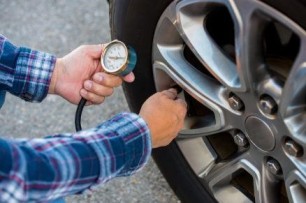
Here are a few tips for maintaining the optimum tyre pressure in two-wheelers
Tyres are the least talked about part of a bike and usually get tossed to the side. But it is crucial to check your two-wheeler’s tyres regularly because they go through a lot. Whether you are riding on a metal road or rough surfaces —they have to be able to hold their shape. But, quick-fix solutions like tyre pressure can do so much for your tyres.
Imagine riding your bike, and you realise there's a flat tyre. This can interrupt your ride due to the waste of time. Also, sudden faults in the tyres are potential risks to the rider's life and even damage the bike.
Tips for maintaining the optimum tyre pressure:
Taking care of your bike's tyres isn't a big task. If you remain a little attentive, it's possible to avoid any breakdown-related issues. However, a big problem that one needs to avoid is the accident and financial worries attached to it. To deal with these, consider buying insurance plans. Getting a 2 wheeler insurance policy is like buying a shield for your two-wheeler.
And luckily, there are four tips to help you avoid tyre-related accidents while riding your bike. Maintaining optimum tyre pressure is crucial to minimise mishaps on the road.
1. Are your tyres correctly positioned:
When checking your bike, you should always check the tyres to see if they are in the correct position. Also, check for any punctures as sharp objects such as glass can hamper the quality of tyres. Make sure to move the tyre forward and back to check the whole surface thoroughly.
2. Check the tyre pressure:
One of the best ways to protect your two-wheeler is to examine the air pressure. When inflating your tyres, you can extend their lifespan and improve handling. Make sure to check the air pressure before every ride. As the bike heats up, air pressure can change, and it is essential to keep track of the air pressure level for your bike.
3. Recommended air pressure:
Keeping your motorcycle's tyres at the recommended air pressure is essential. Ask the service centre or check your bike manual to know the recommended tyre pressure, and ensure you maintain it. Also, to avoid sliding on wet roads, make sure your tyres are in good shape. Check the treads for wear and make sure they are not bald. If there is a decrease in an inch or quarter bald track, you should consider replacing the tyres.
4. Avoid maximum inflation:
When filling your tyre with air, be mindful that the sidewall states the maximum pressure. The recommended amount is always lower than the maximum. Excessive air filling can cause considerable damage to the tyres and increase the probability of tyre burst, creating a life-threatening situation for the rider and fellow drivers around him.
With an increasing number of road accidents and fatalities in India, 2 wheeler owners must be well-protected from any unfortunate mishaps. So, make sure you get a 2 wheeler insurance plan, drive safely, and stress-free. Also, use the tips mentioned above to take the best care of your bike’s tyres and leave no scope for negligence.
Click HERE to buy the best 2 wheeler insurance.
Disclaimer: The information provided above is for illustrative purposes only. To get more details, please refer to policy wordings and prospectus before purchasing a policy.

Let's understand how a central locking system impacts a car's safety
Since its implementation, the central locking system has become one of the essential safety features in a car. It's a combination of electronic and mechanical components that only allow access to authorised individuals.
Earlier, central locking systems in automobiles used a compressed air mechanism with separate vacuum reservoirs that triggered the locks of all four doors when the key was inserted and turned in a lock. Today's systems use wireless or infrared control, which can activate the mechanism from a distance.
In today's post, we will look at the functioning of the central locking system and how it impacts a car's safety.
The four main components of a central locking system.
1. Actuator:
An actuator is an electric motor that controls the car's central locking system. This component is built into the door and consists of a combination of mechanical latches.
2. Transponder:
It is a system built into the key's bow that determines whether the correct key is being used. As the key approaches the ignition lock, the transponder code is read. When the correct code is scanned, the electronic immobiliser sends a signal to the engine to permit it.
3. Remote Controller:
Remote controllers are increasingly being used in all cars. They are designed to replace the function of the key systems completely. The remote control includes electronic circuitry that sends coded instructions via infrared rays to the receiver located inside the vehicle to permit a keyless entry.
4. Start and stop system:
Unlike traditional ways, which required a key to be inserted into the ignition lock to start the car, engines are now being started using keyless systems where a transmitter – also serving as the central locking controller – is scanned into a reader in the vehicle. Later, the engine is started by pressing a button.
Safety advantages of central locking systems:
• The driver has better control over all the doors. The central locking system allows drivers to lock or unlock all four doors by pressing a single button. This is very convenient since the driver doesn't have to worry about unlocked doors while the car is in motion.
• Since the code is digitally encrypted, it is tough to make duplicate keys.
• If your key is ever stolen, you can simply remove the access right from the software on your phone. It connects with the car's digital lock and terminates access rights. Some automobile manufacturers even allow removing the access remotely.
• In more sophisticated systems, the car's door automatically locks itself after reaching a specific speed limit. As a result, no one, especially toddlers, can open the door by mistake —this helps avoid serious accidents.
• In case of an accident, a central locking system smartly unlocks the door so that help can reach you without having to break anything.
What else assists post-car accidents? Comprehensive car insurance. You can claim all the expenses involved in repairing and servicing your car under your car insurance policy's scope
A central locking system is essential for a family vehicle in practical usage. The ease of access and security that it provides make life easier for all automobile owners. Having a central locking system in your car provides extra security and brings down your car insurance premium. All the reputed car insurance companies encourage car owners to adopt convenient and safe practices. So, go for a central locking system in your car to enjoy a wide array of benefits and deals that you shouldn't be missed out on.
Click HERE to buy car insurance in hassle-free steps.
Disclaimer: The information provided above is for illustrative purposes only. To get more details, please refer to policy wordings and prospectus before purchasing a policy.

Here are a few flu-like health conditions you must be aware of
You're familiar with that feeling when you're on the verge of becoming ill. You feel worn out, like something is wrong, and you're colder than usual. And at that point, you start to wonder just what is happening. Is it the cold, the flu, or the RSV? Or might it just be allergies?
When you first start to get sick, it can be hard to tell the difference between these illnesses. Surprisingly, they have identical symptoms. Find out in the following article what might be causing your flu-like symptoms and when you should visit a doctor.
What are the symptoms of flu?
● Nausea, vomiting, and diarrhoea
● Muscle aches and pains
● Sore throat, running nose, or cough
● Swollen lymph nodes in the neck
● Fever
What other conditions are like the flu?
1. Cold:
Most people have experienced many episodes of the common cold. A wide variety of viruses brings it on. Symptoms of a cold include a running or stuffy nose, a sore throat, coughing, sneezing, headaches or body aches, and fever. Since there is no way to tell if you have a cold, most treatments are meant to ease the symptoms.
2. COVID:
The symptoms of COVID and the flu sometimes coincide. In its early stage, COVID symptoms are more like those of a cold than of the flu. Breathing difficulties and loss of taste or smell are two symptoms that are more prevalent with COVID.
3. Pneumonia:
Both viruses and bacteria can cause pneumonia. Cough, fever, shortness of breath, and exhaustion are the primary signs of pneumonia. It's also crucial to remember that pneumonia can develop from the flu, COVID, or a simple cold. This is only sometimes the case, though. Finding out if you have pneumonia requires a chest X-ray.
4. Bronchitis:
A lower respiratory infection or inflammation is referred to as "bronchitis." It is caused by a virus that affects the lungs, but the symptoms can last even after the infection is gone. It may be caused by persistent inflammation. Your symptoms and other medical issues typically determine your course of treatment. Steroids and inhalers are helpful for some people.
5. RSV, or respiratory syncytial virus (RSV):
RSV is a widespread virus that manifests as flu-like symptoms. In grownups, it frequently resembles and feels like the common cold. But it can hurt the lungs and cause breathing problems in young children, especially those under 6 months old. Infants with RSV have fast breathing and apparent behavioural abnormalities. They could have difficulties in eating or seem more worn out than usual. A hospital stay may be necessary for oxygen and constant monitoring during treatment.
When should you go to the doctor if you're experiencing flu-like symptoms?
● People with severe lung or heart diseases
● Very young children
● Older adults over 65
● Women who are pregnant or within two weeks of birth
● People with neurologic abnormalities, such as a history of seizures
If you experience any of the following, get medical care right away:
● Dizziness
● Pressure in the chest or stomach
● Extreme muscle tenderness
● Dehydration and inability to retain food
● Difficulty breathing or fast breathing
● No improvement in symptoms after 3 to 5 days
A healthcare professional can test you for many diseases you might have and ensure you get the right treatments. Mainly due to change in seasons, flu-like symptoms are frequent. It could be hard to tell the difference between the flu and other diseases like COVID, the common cold, or strep throat. If you have the flu but aren't sure, see your doctor for a check-up.
You can speak with your physician about receiving a flu shot if you fall into one of the high-risk categories. Your medical bills, pharmaceutical charges, hospitalisation costs, and other expenses are all covered by health insurance. Health insurance in India is now more than just a choice—it's necessary to get the best medical care without worrying about how it will affect your finances.
Click HERE to buy the best health insurance in India.
Disclaimer: The information provided above is for illustrative purposes only. To get more details, please refer to policy wordings and prospectus before purchasing a policy.

Here are a few exciting ways you can organise your home for this new year
It's the new year, and one resolution that we all commonly try to make is to keep our homes organised and well-maintained. A well-organised home is the key to an organised and healthy you. Good home organising ideas with the proper implementation strategy can give you the perfect home without spending a bomb on it.
Do you also have a new year resolution of organising your home well? Here are a few interesting ways you can achieve it this new year.
1. Take one room at a time:
Organising your entire home can be an uphill and time-consuming task. You will get confused about how and where to start and what changes to incorporate. Start with organising your home by taking small steps. Start from one room at a time. You can focus better and devote time to individual rooms separately. This will make the entire home organising task less daunting and easily manageable.
2. Hanging spaces:
Create multiple hanging spaces in all your rooms, galleries, and sitting areas. You should have appropriate space to hang your jackets, blazers and other clothes so that you do not have to put them here and there on the bed, side table or the floor! This will make your rooms clutter-free and look neat and clean. You can put a peg board and hang your hats, caps, shirts, t-shirts, etc., on it. This will look nice and organised, and you will be easily able to locate all your stuff too.
Hanging spaces in the kitchen can be very useful as well. Paste iron hooks behind the main kitchen door and cabinet doors. You can hang the dusting cloth, small pans, spare packets, etc., on them and not store or litter them in the open. They will stay behind the doors and not be visible to all.
3. Learn to donate:
Each of us has the habit of stocking up multiple useless things we don't need and creating clutter in our wardrobes and even out in the open. For example, you might have stacked up dresses from the past that do not fit you anymore. Since you have limited storage space, you keep putting the new clothes you buy on those same shelves. The clothes start tumbling out of your closet every time you open them.
Learn to let go and donate! Your old clothes will not get bigger on their own, nor will they shrink. Donate the extra clothes to the needy in an orphanage or an old-age home. It will feel great to help, and your wardrobe will be lighter and more organised.
4. Go green:
You may buy indoor plants in fancy, beautiful pots and use them as decorative pieces around your house. They will provide fresh air while making your house green and beautiful. You can also hang a few pots in the stairway and outside the main entrance to give a great look.
5. Proper marking:
A key to being organised is keeping everything labelled and properly marked. You can start with the kitchen and put labels on each storage container. This will make it easy to figure out what is inside each container, and the items will not get mixed up.
You can also label items such as photo albums to instantly know when these photographs were taken, even after several years. Use labels for marking important files and documents, first aid kits, etc., so you can easily find them when needed.
Start with one thing at a time, and you will enjoy organising your house this new year. Even if you do little at first, do it with full dedication and focus. This will ensure that your efforts do not go waste and that your home looks the best.
Another important way to get organised this new year is by opting for home insurance India policy. It protects your house and all your valuable possessions from damages caused by fire, theft, earthquake, etc. Choose the best home insurance India and protect your valuable asset from mishaps.
Click HERE to buy reliable home insurance India.
Disclaimer: The information provided above is for illustrative purposes only. To get more details, please refer to policy wordings and prospectus before purchasing a policy.

These activities can promote your child's early development
Children give purpose to a family. As they carry their family's legacy, their development is always of utmost priority around the house. Parents focus on saving up for their children's education, health, marriage and fulfilling their other needs and demands. They try their best to give their children more than what was provided to them.
It is said that a child reflects the culture that is practised in the family. They imitate what they see at home. Their cognitive abilities start developing in the early stages of life. So, it is essential to engage them in various activities which stimulate their body and mind. These practices will help them utilise their time fruitfully and give them a wide range of things to explore.
Wondering how to keep your child engaged? In this blog, we will discuss a couple of activities to promote your child's early development.
1. Get your kids into musical:
Music creatively stimulates your child's brain. It helps them understand and capture different tones, rhythms and sounds. You can help them learn nursery rhymes, numbers, alphabets, etc., through music. This can shape their cognitive abilities.
The tunes will help them remember things easily. Having a fun, musical experience makes things exciting and lighthearted.
2. Lots of pictures:
You can put up many pictures in your child's room. Having visuals around will stimulate their brain. Associate the images with words, for example, a family tree. Discuss the pictures and the terms frequently. This will help them identify and relate the words to images and vice-versa. It's a fun learning technique that many experts prescribe.
3. Colours and textures:
Humans respond to colours and textures. Toddlers' brains are more receptive to sensory stimulation, including touch, vision and taste. These sensations help them understand their surroundings. You can use bold letters and dark markers to help them understand patterns, notes, etc.
Parents can use textured materials for decor and furnish their child's room with their favourite learning and playtime materials. For example- you can use cotton balls, sandpapers, beans, etc.
4. Play:
"All work and no play make Jack a dull boy" is a saying we've all heard. Physical movement holds as much importance as mental development does. Engage your children in outdoor activities to help them get familiar with the environment and observe the things around them. This further allows them to recognise certain situations and people when interacting outdoors.
5. Organization:
Arrangement and organisation help your kids understand the importance of cleanliness. At the same time, it trains their mind and builds organisational skills, which will prove to be helpful for them in the future. You can start by helping them understand how to place their toys, small clothing items, activities' kits, etc.
Spend time with your children and make labels for different drawers and bins. And then develop their habit to place their stuff in the assigned places. This is how you can smartly introduce discipline in your child's behaviour.
Other activities to promote your child's early development include planning a scavenger hunt, measuring their growth, numbering the days of the week and months, etc. These activities create an enjoyable learning experience and make your kids excited about future learning. Activities and hobbies help foster and strengthen the bond between parents and their children and make the interaction hesitation-free, exciting and full of love and care.
As parents, you will always be worried about your children's health. You take many measures to ensure they stay safe. And to make sure that they remain unharmed during unprecedented circumstances, it would be beneficial to purchase personal accident insurance online.
This will allow your children to focus only on learning, imbibe new experiences, and be playful without any worries of being hurt. Don't let any hurdle hinder the path to your child's development.
Click HERE to know more about how you can buy personal accident insurance online
Disclaimer: The information provided above is for illustrative purposes only. To get more details, please refer to policy wordings and prospectus before purchasing a policy.

Six effective home remedies for sensitive teeth problem
Sensitivity is a common existing dental issue faced by most people. Research states that one out of every eight adults experiences severe discomfort due to sensitive teeth. A person can experience severe pain during eating, drinking, brushing etc. Sensitivity can be caused by worn-out tooth enamel, cavity, chipped tooth, gum disease etc. The pain can be mild to sometimes highly severe depending on the level of advancement of the sensitivity.
This article will discuss a few home remedies to help tackle sensitive teeth problems.
1. Desensitizing toothpaste:
These kinds of toothpaste contain multiple compounds that help protect nerve endings. Sensitivity is primarily a result of open nerve endings that come directly in contact with irritants causing pain and irritation. Prominent among these compounds is potassium nitrate. It decreases the flow of fluid from tubules by clogging them. This blocks the brain from receiving pain signals from open nerve endings and protects them from extreme cold or hot sensations.
2. Salt rinse:
Salt helps reduce inflammation. To reduce the sensitivity, gargle using salt and water twice every day. Take about ½ tsp of salt in a glass of lukewarm water and mix well. Swish the solution for half a minute and spit out it. Regular use of saltwater gargle can do wonders for you.
3. Hydrogen peroxide:
Hydrogen peroxide is an antiseptic and disinfectant. Doctors usually use it to sterilise wounds and cuts to prevent infection. Using this as a mouthwash in diluted form can heal gums and avoid inflammation.
Add equal portions of water and hydrogen peroxide. Swish the solution like you would with an ordinary mouthwash. Spit it out and rinse your mouth with clean water.
4. Turmeric:
Our ancestors used turmeric for years as a natural antibacterial and antiseptic formula. The curcumin in turmeric aids in healing any kind of wound. You can mix turmeric, honey and salt and apply it to your gum and give them a proper massage. Use this twice every day for better results.
5. Green tea:
Apart from weight loss, green tea has been associated with other health benefits as well. It is rich in antioxidants and also has many anti-inflammatory properties. Using green tea without sugar as a mouthwash can strengthen your teeth and reduce inflammation. Even drinking green tea regularly can do the job for you.
These are a few things that you can do to reduce sensitivity. However, make sure to take care of your teeth before the onset of any such ailments. Avoiding sugar, brushing your teeth twice a day and regular flossing are things you can follow to ensure better oral health.
Dental problems are often latent and only show up in the form of pain, bad breath or swelling. By the time one experiences these symptoms, their oral hygiene has already been severely affected. Hence, you should not skip regular dental check-ups.
Dental treatments are mainly done over a few months and can take anywhere between 4 to 15 sittings with your dentist. This can prove to be expensive depending on your doctor and your location, which is why it is a wise choice to invest in affordable health insurance plans to safeguard yourself against such expenses. Check the options that offer the best benefits for a decent premium.
Click HERE to know more about affordable health insurance plans.
Disclaimer: The information provided above is for illustrative purposes only. To get more details, please refer to policy wordings and prospectus before purchasing a policy.

Let's understand the working of usage-based car insurance and how it can be helpful
The breakout of the Covid-19 pandemic brought the whole world to a halt. The auto industry suffered as people were majorly under lockdown across the globe. Usage-based insurance has been at the forefront of the auto-insurance market for some time now. And during the pandemic, it took the front seat as people felt that it was more economical than other insurance policies.
As the demand for personalised services increases globally, usage-based car insurance is becoming popular among car owners. People feel the need to be rewarded for driving safely, causing no accidents and following safety guidelines, unlike those who drive rashly.
While the basic concept of usage-based insurance seems accommodating, it is essential to know its benefits. Let's understand the working of usage-based car insurance and how it can be helpful. We will discuss the advantages of the insurance for you to make an informed decision.
1. Lower rates:
The usage-based car insurance caters to the human tendency of wanting to be rewarded for good performance. The associated discounts that come with this insurance include special price cuts based on the applicant's driving skills. Hence, usage-based insurance is among vehicle owners' top choices when getting insurance.
2. Driving behaviour is a substantial contributing factor:
An individual's driving habits and behaviour may change when they have co-passengers. A tech gadget called the telematics device helps you ensure that your concentration remains on the road. It alerts you about problematic and rash drivers on the road. Improper driving decisions account for consequential higher payments for the insurance as the penalty.
3. Tracking is enabled and easy:
Insurance-approved trackers make it easy to locate the vehicle and alert you when it leaves the set area. The devices also allow you to set specific regulations, for example, the speed limit. It will send you alerts when the vehicle crosses the specified speed limit. It helps parents track their children's driving habits and ensure their safety. It also proves beneficial for companies to monitor their cars and follow the routes they've been travelling.
4. Helpful in investigations:
The insurance-approved trackers and GPS devices track the vehicle's locations at different times. In case of accidents, they help make the investigations easier by providing the data from these devices. The investigation teams and authorities can gather all the data about speed, location, acceleration, etc., up to the moment of the accident and claim accordingly.
5. More features:
The platforms which provide usage-based insurance have a lot of other features apart from the ones we've discussed. Other tools and features will help you monitor your driving habits and stay safe on the road.
The usage-based car insurance includes other parameters like age, financial status, gender, profession, and the evaluation of your driving skills. There is a base price over which you may receive potential discounts according to your skills. Unsafe driving gets penalised with higher prices.
We hope that this article helped you understand the working of usage-based insurance and how it can be helpful. A more convenient option for protecting your cars against damages is purchasing a car insurance policy online. You can always compare various policies and grab attractive deals, and additional features on car insurance as per your requirements.
Click HERE to know more to buy car insurance policy online.
Disclaimer: The information provided above is for illustrative purposes only. To get more details, please refer to policy wordings and prospectus before purchasing a policy.

Here's how you can detect and cure vertigo with ease
Vertigo is a widespread illness that affects roughly 15% of the global population and is often a symptom of a more serious health problem. A deceptive impression of motion, spinning, or feeling of unbalance denotes vertigo. Vertigo comes in various forms, and subduing the sign is not the solution.
An accurate diagnosis of what induces vertigo is viable only when the doctor makes a systematic examination. Although vertigo is a typical concern affecting people of all ages, it is observed that older adults experience this more than younger ones. That is why you must purchase trustworthy health insurance in India for parents to cover them under a financial safety net.
If you or your parents are suffering from vertigo, there are certain things you may do at home to alleviate the symptoms and lessen the impact on their bodies.
These are some of the home remedies.
1. Managing stress:
Stress can trigger some vertigo-causing disorders, such as Meniere's disease. Developing coping methods to deal with stressful situations may help you have fewer vertigo attacks. An ideal situation is to start with meditation and deep breathing methods.
Long-term stress isn't something you can breathe through, and the sources of stress aren't always easy to eliminate. Simply being aware of what is causing the stress may be enough to alleviate your vertigo symptoms.
2. Hydration:
Even mild dehydration can trigger vertigo. Drink an ample amount of water to keep your body active and avoid lethargy. The body craves 8 to 12 glasses of liquids every day, so water is the most suitable choice because it has zero calories or caffeine.
3. Vitamin D boost:
You might be right if you think your vertigo is caused by something you aren't getting in your diet. BPPV is the most frequent type of vertigo, which is commonly caused due to deficiency of vitamin D. Always check your vitamin D levels with your doctor to see whether you need to increase your intake or take supplements.
4. Acupressure:
Acupressure uses the same principles as acupuncture but without the need for needles. The P6 acupressure method, for example, involves a pressure point located in the two tendons between the inner forearm and the wrist. It provides relaxation and is effective in multiple ways to lower vertigo symptoms.
5. Exercise:
Yoga and tai chi reduce stress and improve flexibility and balance. Physical therapy in an outpatient setting teaches your brain to compensate for the cause of your vertigo, and home exercise can help you achieve the same result. Try easy yoga stances when you're dizzy. Avoid anything that requires rapid bending forward because it may boost your vertigo symptoms.
Vertigo is usually an indication of a more serious health problem. While treating vertigo at home can be quick, if the symptoms persist or become more severe over time, get medical help right there. Severe health problems can strike without warning, leaving you in a financial bind.
After a certain age, parents experience this problem due to several factors. Diagnosing the problem at an early stage is the best way to treat vertigo before it develops into a severe health condition. Choose proper health insurance in India for parents to cover them for medical or hospitalisation expenditures and provide a healthy and happy life.
Click HERE to know more about health insurance in India for parents.
Disclaimer: The information provided above is for illustrative purposes only. To get more details, please refer to policy wordings and prospectus before purchasing a policy.

Let's understand why dashcams play a vital role while driving a car
We all know the challenges of driving these days, no matter where we drive. The roads are raided with potholes, many drivers do not follow traffic regulations, and the unmaintained roadways are challenging to manoeuvre. While evading stray animals, pedestrians, or even rash drivers, we often come too close to getting into serious accidents. As per a report, over 4.37 lakh accidents occurred on Indian roads in 2019. Clearly, even after years of experience in driving and having a focused mind, several people in the country still get into unfortunate crashes that ruin their lives and the lives of their loved ones.
While you can take several precautions during driving, you can also install safety devices that help enhance your degree of protection. Using a dashcam while driving can play a vital role in providing security on the road. Let's understand how.
What is a dashcam?
A dashcam or a dashboard camera is like any other compact camera designed to give the car's occupants a clear view of the road ahead. The camera is positioned on the windscreen to record the road ahead and placed on the back of some vehicles to record the rearview. This camera starts recording as soon as you start the car or push a button.
The driver can view all the movements and incidents happening not only on the road ahead but also behind on a monitor installed inside the car. You can view the proximity of the vehicles around you, giving you a better edge at driving.
As a great convenience, the recordings on the dashcam can be saved on an SD card. You can access this footage as proof material in case of accidents.
What are the benefits of using a dashcam while driving your car?
No matter how many years of driving experience you have, you will never know when a dangerous accident might occur. Drinking and other destructive behaviours behind the wheel are vastly known to take innocent lives. Besides the fatalities and injuries, several vehicle damages and monetary losses are also incurred. A dashboard camera can help in several such situations:
1. A dashcam can assist the police in punishing the offenders in accidents by providing viable evidence. They can access the footage from the dashcam to view the factual occurrences rather than basing a case on mere statements.
2. A dashcam can be highly cost-effective. It can prevent the daily wear and tear that your vehicle might suffer from on the road by giving you a well-rounded view while driving, taking turns, and parking.
3. If you want to buy new car insurance, look for plans that offer a discount for installing a dashcam. Insurance companies recognise the benefits of this device. They sometimes provide a hefty discount on your premium if your vehicle is equipped with one and if you ensure other safety measures too.
4. Dashboard cameras are highly effective in promoting safe driving. They allow you to keep an eye on the rearview and side mirrors and foresee crashes or bumps.
The dashcam is proven to play an essential role in securing your personal as well as your vehicle's safety. There is a wide variety of dashcams available in the market. Invest in a good quality one to safeguard your future and ensure a quality driving experience. Remember, dashcam provides you advantages like lower premiums when you buy new car insurance as it can assist with settling claims quickly.
Click HERE to buy new car insurance for the additional safety of your car.
Disclaimer: The information provided above is for illustrative purposes only. To get more details, please refer to policy wordings and prospectus before purchasing a policy.

Here's all you need to know about Roadside Assistance and understand its importance
It can be daunting to have your car breakdown in the middle of nowhere, even worse if it's raining or pitch-black outside. Roadside assistance is a lifesaver in such situations and something you should consider while investing in a car insurance policy.
Every car owner in India is required to have insurance. The critical piece of paper in your car's dashboard keeps you from getting a ticket and helps you arrange your finances. You can also buy car insurance online to protect yourself from financial stress in such situations.
That's not all, though. Car insurance add-ons protect you from the high costs of repairs and maintenance. One such add-on is roadside assistance.
Let's talk about this cover and why it's so important.
What is Roadside Assistance?
Roadside assistance (RSA) is an optional coverage that helps you when your car breaks down. Some motor insurance companies include this protection as a standard feature, whereas others provide it as an optional add-on that the car owner can choose to purchase. RSA coverage does not count as a claim on your primary insurance policy if you need quick assistance.
How does RSA work?
Call your car insurance company for assistance, and a crew will arrive at your location in no time. Almost all services are free, but you may have to pay a fee in some cases. For example, if your vehicle needs to be towed, you will have to pay for it. Some companies also offer taxi services to your next destination.
What benefits does RSA offer?
The roadside assistance feature covers a wide range of circumstances, including the following:
1. Suppose you face a flat tyre issue. In this case, a mechanic will trace your location and arrive at the spot. The mechanic will inspect the situation and replace the flat tyre. If needed, your car might be towed to the nearest garage for better servicing. It saves you from looking for towing vans or garages to fix your vehicle.
2. Your car's battery might drain. Here, a mechanic will arrive on a call and assist you in jump-starting your vehicle and bringing it back on the road. This is one of the best benefits offered by RSA insurance, especially when you're travelling alone.
3. Suddenly running out of fuel can bring an annoying situation to you. However, the RSA insurance policy allows you to request 5 litres of fuel to reload your tank without any hindrance.
4. RSA covers breakdowns that require minor repairs on site.
5. If you lose your keys while on vacation, the insurer will help you get a new set of keys if you're within the reach of an approved limit of Kms.
6. The insurance company will arrange for immediate and safe towing to a nearby garage or authorised automobile centre in case of an accident.
Typically, roadside assistance services come with a different premium, depending on the plans chosen, the number of services required, and the size of the geographical area covered. Having a roadside assistance add-on can save you significant money in service fees. So, buy car insurance online today to safeguard your car and yourself in emergencies and ensure the best coverage for your possession.
Click HERE to know more about car insurance online!
Disclaimer: The information provided above is for illustrative purposes only. To get more details, please refer to policy wordings and prospectus before purchasing a policy.

Here is how you can protect yourself from the extreme summer heat
With those delicious ice creams and mangoes, the warm summer months can provide a lot of joy! However, it's that time of year again, when we sweat through our pores and anxiously wait for the rains to come. Even for the most experienced of us, summer in India can be harsh, with increasing global warming and climate change contributing to it. It can be hazardous by increasing the risk of heatstroke, in addition to making us feel exhausted and sapped.
It is usually best to spend most of your time indoors if the temperatures are too high outside. However, this is not possible all the time. As a result, being well-prepared for the summer heat is the best approach to protect ourselves from it. While there are some precautions to avoid falling sick in the extreme summer heat, a health insurance plan is always noteworthy protection against any health ailment.
So, here's a list of some of the most simple and effective ways to protect yourself against the harmful effects of severe heat on your body.
1. Dress light:
Light, comfortable clothing is one of the most effective approaches to beat the summer heat when you're outside. Stick to lighter colours and breathable textiles like cotton. It will not only keep you cool and comfortable, but it will also prevent skin infections and irritations caused by skin-to-fabric friction. On the other hand, wearing dark-coloured clothing, such as black or brown, absorbs the sun’s rays, making you feel more burning than usual.
2. Rehydrate:
To compensate for the fluids lost from sweating, you need to drink plenty of water. Don't wait till you are thirsty, as it is not always a direct indication that your body requires more water. When exercising, tiny sips of liquid are preferable. The most excellent solution to restore lost fluids is water. If you sweat a lot, use water with salt added to it. You may also drink fresh fruit juices to keep yourself energetic, active, and fresh during the retiring summer days.
3. Eye gears:
Excessive exposure to the sun might harm the eyes permanently. One of the most common causes of unpleasant headaches is exposure to intense sunlight. Wear a good pair of sunglasses that give UV protection to safeguard your eyes and vision. If you use prescription glasses, you should look for lenses with an additional layer of UV protection. Also, after a long and exhausting day in the sun, applying an active cooling gel eye mask can provide significant comfort to your eyes.
4. Light diet:
Always choose a light diet over a heavy one. Fried and fatty foods impede the digestive system, negatively impacting general health. During the summer, stick to soft foods, particularly raw vegetables. Avoid alcoholic beverages, tea and coffee, which can promote dehydration. Tea and coffee inhibit the functioning of antidiuretic hormones, making you go to pee frequently.
5. Prevent skin damage:
It's impossible to overemphasise the need of wearing sunscreen, especially on hot days. Choose a sunscreen with an SPF of 15 or higher appropriate for your skin type. Apply it for at least 30 minutes before going out into the sun. Try to wear full-sleeved clothes to avoid direct contact of your skin with the sun’s rays.
With its longer days, lovely blossoms, and evening breeze, summer comes with its own set of experiences, which we cannot avoid. We must be particularly cautious about our health and ensure that the heat does not suffocate us. The steps outlined here are for prevention and should be added with extra protection by the best health insurance if things don't go as planned. Stay safe this summer.
Click HERE to know more about health insurance!
Disclaimer: The information provided above is for illustrative purposes only. To get more details, please refer to policy wordings and prospectus before purchasing a policy.

Here are a few things you need to know before considering a hair transplant
People implemented many natural techniques to strengthen and maintain luscious and smooth hair in olden times. With the advancement of technology, many new factors came into the picture regarding hair care. Pollution, improper nutrition, and a hectic lifestyle are some of the main constituents determining your hair's health. But these elements might not be the only reason you might experience hair issues.
A lot of people complain about severe hair fall, receding hairlines, thinning of hair, split ends, etc. These are painful issues faced by people of all age groups and genders. And while medicines and specific treatments might work for some, that is not a feasible solution for everyone.
A lot of people think about going for a hair transplant. But before taking that step, you need to be aware of what to expect from the procedure.
Here are a few things you need to know if you consider a hair transplant.
1. Categorize yourself:
It's crucial to check all the boxes regarding eligibility to get started with the procedure. Though this procedure is not extensively invasive, the doctor needs to inspect the type and pattern of your hair, baldness, your health parameters, donor availability and quality. Make sure that you have realistic expectations regarding the results of this process.
2. Precautions to be taken:
There are several things you'll need to consider before beginning the process. These include the cost, results, and the products you'll need to use afterwards. Your doctor will give you a complete rundown of the procedure and the precautions you'll have to take beforehand.
3. Recovery:
Your scalp might feel tender or swollen after the procedure, in which case, the doctor might prescribe specific dietary instructions and medicines. Antibiotics and anti-inflammatories medicines may help reduce your scalp issues and avoid infections. Zinc, iron and B-complex vitamins promote hair growth, so you must ensure to make them a part of your diet.
4. Research about the clinic:
It is essential to ensure that the clinic you'll be going to and the doctors performing the surgery are experienced and well-equipped. Many patients have terrible experiences after getting lured in with huge discounts and low prices and having their treatment done by less qualified doctors.
5. Types of transplants:
There are several hair transplant procedures you must know about. Follicular Unit Extraction (FUE) is a process in which the surgeon clears the donor area of your head and then extracts hair follicles individually with a microneedle.
The next type is Follicular Unit Transplantation (FUT), in which the hair dissects a long strip of scalp from the donor area into 500-2000 follicles. These follicles are then placed into tiny cuts made in the recipient area.
Direct Hair Implantation (DHI) is a smoother process in which an implanter is used to implant hair into the recipient area from the donor portion of your scalp.
These are a few things you should know before taking up a hair transplant. And while we are discussing health conditions that might lead to severe hair loss, you also need to think about your wellbeing and ensure your protection against other health ailments.
Health is unpredictable and can drain your pockets heavily under certain circumstances. We recommend you cover your health with an ideal insurance plan, and rest assured. A wise option would be to purchase online health insurance, which would cater to your needs and take care of your expenses. You can explore multiple deals online, but carefully go through all the details, terms and conditions and then purchase a policy that offers the maximum benefits.
Click HERE to know more about how you can buy online health insurance.
Disclaimer: The information provided above is for illustrative purposes only. To get more details, please refer to policy wordings and prospectus before purchasing a policy.

Here are a few tips and tricks to enhance your calligraphy skills
Clear text and handwriting create a good impression on the person reading what you have written. While improving your handwriting was mandatory during school days, many people have taken this up to a higher level and started learning calligraphy recently.
Calligraphy is a type of art where you design and execute the writing elegantly. It is an ancient art form that is now making a huge comeback and gaining massive popularity. You can use a pen, ink or other writing instruments to practice calligraphy. Many people have structured their small businesses around drafting wedding cards, greeting cards, frames, posters, etc., in beautiful calligraphic styles.
Are you interested in calligraphy and want to improve your art? Here are a few tips and tricks to enhance your skills.
1. Draw your letters:
Do not consider calligraphy as writing sentences. Think of the words individually. Visualise what your whole sentence would look like and how it would make you feel. Structure that in your head, and then draw the letters beautifully. Make them interesting.
2. Which pens to use:
Before practising your strokes and letters, you need to understand the type of pens and nibs you would have to work with to attain a specific style. It would be best to opt for tools that suit your expertise. A beginner shouldn’t use the most traditional and expert-level tools and stress themselves.
Modern calligraphy gives you the liberty of starting with a pencil or a ballpoint pen. Once you move past the initial levels, experiment with different nibs, pens, and the intricacies that would come along and the strokes that would go with them.
3. Choosing the suitable sheets is important:
Try to look for the proper practice sheets that suit your skill level. You can either go for the sheets, which would help you practice tracing the letters or practice using reference sheets where you have to independently try and copy the style of the letters on a blank sheet. Many sheets have a base, a certain height and letters you can trace and draw for practice.
4. Be careful about spacing:
You need to ensure that the words and letters have equal spaces between them. Regular practice will help ensure consistency in writing. Dedicate time to writing and give special attention to the spacing between the letters.
5. What about the writing angle:
Find patterns in the script you are using as a reference. Using the correct writing angles helps you achieve a specific lettering style and pattern. (The angle here is the angle that you are writing at)
Many practice sheets come with a reference or an information box regarding the writing angle. Read the information carefully and accordingly implement it while writing.
6. Begin with modern calligraphy:
Modern calligraphy (also known as faux calligraphy) is easier to start with. There is no usage of traditional tools, and you can start with as simple a tool as a pen.
You don’t have to deal with the daunting tasks of understanding dip pen brushes, multiple strokes created by applying different pressure levels, etc. Faux calligraphy takes a more practical approach.
That’s a wrap on a few tips and tricks to enhance your calligraphy! Did you know that the art form of calligraphy helps improve your mental health? It is considered to be therapeutic and relaxing. Daily busy schedules and hectic routine life can take a toll on your mental and physical health. Indulging yourself in activities like calligraphy can do wonders.
Health is unpredictable, making it crucial to safeguard it with insurance to smoothly deal with unfortunate health emergencies. You should never compromise with your health. Therefore, select the policy that comes with the best coverage and long-term benefits. Explore your options and then purchase the best health insurance policy in India.
Click HERE to know more about buying the best health insurance policy in India.
Disclaimer: The information provided above is for illustrative purposes only. To get more details, please refer to policy wordings and prospectus before purchasing a policy.

Find these exciting tips to get cheap domestic flight tickets for a budget-friendly trip
We usually hear that last-moment plans are the most exciting ones. But, they come with their challenges. Making these plans and executing them are two different things. Either you compromise on your destination or pay extra for airfare, hotel stay, etc.
We always end up figuring out ways in which we can reduce the overall expense during the course of our travel and finding cheap alternatives to the otherwise exorbitant pricing of the peak season chaos.
This article will discuss a few tips and tricks that you can use to book cheap tickets for your next vacation and spend those extra bucks on good food and shopping
1. Picking the right time:
This is the simplest way to save some money on flight tickets. Booking way ahead of your actual travelling date ensures that you get the cheapest option. A common trend is to book your tickets anywhere between fifty to sixty days before your trip.
The closer you are to the travelling dates, the higher are the prices. The fares are generally the highest during the last two weeks before the flight.
2. Be flexible with your timings:
Airlines generally tend to charge less for early morning or late-night flights. Although it can be a little uncomfortable, you can see a reduction of up to twenty per cent from the actual prices when you make a booking for the wee hours.
3. Clear your cookies:
Based on your internet search history, airfares increase if a particular commute route is repeated often. Clear all cookies from your browser. Another alternative is to use the incognito mode.
4. Opt for low budget airlines:
Low-cost airlines aim to attract more passengers by significantly reducing their fares. However, choosing a low-cost airline means you will need to compromise on other aspects such as legroom, food onboard, etc. But this is a foolproof way of finding cheap tickets even at the last moment.
5. Use multiple websites:
Surfing through various websites to figure out the lowest fare is another easy way of securing cheap tickets. Sometimes, websites fail to share all the flight options on a particular day. Hence, it is good to look through at least 3 to 4 websites to get the best prices and deals.
6. Use alternative routes:
Booking direct flights can be expensive but hopping flights can save thousands on the ticket. If you're flexible with your timings and routes, hopping flights are the best to offer you cheaper flight options.
7. Use debit and credit card offers:
Various special offers are always running on your cards throughout the year. You can get reduced fares and cashback by using these cards while purchasing your tickets. To look for offers associated with your card, you can directly go to the website or do a quick google search.
These are a few tricks that will help you find cheaper airline tickets. Remember that cheap tickets can also mean compromising on other aspects of your travel. There might be hidden costs, baggage restrictions, inconvenient departures, or a luggage mixup.
Before you set out on your trip, you must buy general insurance. This will act as a safety net if you face any issues during your trip. Buy general insurance online to avoid the last-minute chaos and get the financial protection and other benefits to make your trip more enjoyable!
Click HERE to buy general insurance online.
Disclaimer: The information provided above is for illustrative purposes only. To get more details, please refer to policy wordings and prospectus before purchasing a policy.

Five things to take care of before setting off on a desert safari
Do you plan your next holiday break enjoying the enthralling desert safari? If yes, then your vacation will inevitably be more remarkable than you could have imagined. Losing oneself in a unique sandy landscape is a captivating experience.
Though an ordinary day in desert safari is loaded with daring energy, there are numerous opportunities for a prosperous evening to add fascinating experiences to your vacation. However, it can also be annoying to overlook a few travel essentials.
Therefore, here are a few things to take care of before starting your desert safari journey.
1. Consume a modest diet:
We highly advise you to have a light meal at least an hour before you depart. Nothing too greasy or hot. A desert ride, particularly dune-bashing, may be rough, and you wouldn’t want to land up with stomach problems arising midway.
2. Get in the perfect state of mind:
Although a journey to the desert is often exciting and adrenaline-pumping, it may also be tricky at times. Make sure that you are both emotionally and physically fit for the event. Bring a positive attitude, a spirit of adventure, and maybe a little bit of determination, and you are good to go!
3. Do not carry extra clothing:
Bringing a lot of clothing on a desert safari may seem to be okay, but it is not. Your desert safari excursion includes a lot of walking and moving. Walking with too much or heavy luggage is intricate and can be tiring. So, it’s best to pack a few light clothes and a pair of easy-to-wear shoes.
4. Pack nothing unnecessary:
Many individuals carry unnecessary items with them that they will never use. Consequently, the additional weight and space make it difficult to enjoy the safari thoroughly. Just pack the things that can be useful during emergencies, like your medications, water bottles, etc. Stocking water bottles is essential while on a desert safari due to the excessive sweating that may make you dehydrated. Consume liquid intake at regular intervals and carry food packets to keep you energetic throughout the safari.
It would be better if you also kept bandages and aspirin in your hand luggage. Don’t forget sunscreen and other desert essentials like a hat, sunglasses, etc.
5. Consider your instructor’s suggestions:
You must never disregard the directions provided to you because there is nothing more important than your safety. Sand bashing can be dangerous if the golden rules of dunes are not followed. So, unless you are physically prepared to participate in it and other outdoor adventures, we recommend that you play it as cautiously as possible.
While you are entirely ready for your desert safari tour, spending time in the desert is not that simple but not too challenging either. With the proper guidelines and advice, you will be just fine to capture the best moments traversing through the desert and experiencing some sun, sand, and fun.
Desert safari is an enticing activity that everyone should take at least once in their lifetime. Research the best places to do it and put this on your bucket list. Similarly, do your research on insurance and get the best general insurance for yourself before leaving for the trip. General insurance can add a layer of safety to your travel plans and ensure compensation even if you face any damage or loss during your trip.
Click HERE to buy general insurance.
Disclaimer: The information provided above is for illustrative purposes only. To get more details, please refer to policy wordings and prospectus before purchasing a policy.

Fire insurance inclusions and types that you must know
Buying a high-value fixed asset like land or property is always expensive and risky, whether commercial or residential. Several external factors are outside the control of property owners, including fire, burglary, etc., which may result in extreme losses.
Purchasing insurance against such uncertainties is a prudent mechanism. It ensures that the amount of damages or loss is covered by the insurer, which is why buying fire insurance for any property you own is essential. Irrespective of whether you buy an insurance policy online or through an offline agent, you must be aware of what fire insurance covers, its inclusions, and various types to help you make the right choice.
Read on to learn all about fire insurance inclusions and types.
What is fire insurance?
Fire insurance is a contract that protects the insured against financial losses arising from damages or loss to his property or assets. Usually, it is purchased as a supplementary cover having several inclusions apart from just fires.
Essential features of fire insurance.
● It is purchased for one year
● It covers property, heavy machinery, stock of goods, furniture and fittings, etc
● The insurer can settle a claim on actual cash value or replacement cost basis
● It only covers direct loss to the insured property, making consequential loss claims non-admissible. However, add-on covers for the same are available at an additional cost
Inclusions of fire insurance.
As stated above, fire insurance covers unintentional risks beyond the scope of just fires. These include:
1. Fire:
The most apparent risk insured against is the fire itself. It has a broad range of inclusions and covers all fire-allied accidents, making the policy highly beneficial to business premises that regularly deal with fire.
2. Lightning:
Damages or losses caused by fire or lightning are within the scope of the policy. This may include cracks that run down the buildings or roof coverings, etc.
3. Explosion:
Blasts caused by high temperatures or high-pressure gases are included under the policy. However, read the fine print before you buy an insurance policy online. Many insurers make slight changes in their offerings and may not cover damages due to centrifugal force-based machines.
4. Aircraft damages:
Any fires caused due to an aircraft or an airborne device, including the dripping of explosive cargo, crashing, etc., are policy inclusions.
5. Violent activities:
These include a broad spectrum of terrorist activities, strikes, riots, or any public violence actions that may damage or set fire to the insured property.
6. Natural calamities:
Natural calamities are beyond the scope of the control of humans and include storms, typhoons, landslides, rockslides, floods, etc.
Types of policies.
The maximum claim amount that you can raise is based on the type of policy purchased.
1. Valued policy:
In this case, the contract states a pre-decided amount to be paid by the insurer in case of damage or destruction. This amount is non-alterable post-fire, and such a policy ensures high-value personal effects.
2. Specific policy:
This type of insurance is purchased where the insurer is liable to pay either the specified amount or the actual loss incurred, whichever is lower after a surveyor's inspection.
3. Average clause policy:
If the insured intentionally purchases a policy for a value lower than the actual property value, their claim is proportionately reduced to the extent of the loss incurred. This discourages the practice of underinsurance and minimises fraud.
4. Consequential loss policy:
This covers not just the direct loss but also the loss of profit due to a halt in operations due to damages or fire. However, the insured must pay an additional premium for such insurance.
5. Replacement policy:
The asset's market value is identified and then compensated for cost post depreciation. This ensures minimal losses for both- the insured and the insurer.
Considering the plethora of options available, you must read the inclusions, exclusions, and maximum permissible claims before you buy insurance policy online or offline to protect your assets from losses due to fire.
Click HERE to buy insurance policy online and protect your property from fire damages.
Disclaimer: The information provided above is for illustrative purposes only. To get more details, please refer to policy wordings and prospectus before purchasing a policy.
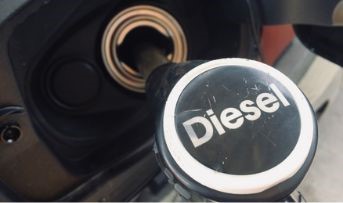
Do you own a diesel car? Here's how you can improve its mileage
Even though diesel engines produce more mileage, car owners are always looking to save more money by making their vehicles perform better. Most customers, including those who drive diesel-powered cars, are interested in learning how to get the best mileage from their diesel vehicles.
Here are some tips to get the most out of your diesel engines' fuel efficiency and cut operating costs.
Tips for increasing the fuel efficiency of car diesel engines:
The best place to start when trying to improve the fuel economy of your car's diesel engine is by examining your driving patterns or drivers' driving habits. Your fuel efficiency will increase if you train yourself to adopt good driving habits.
1. Eliminate idling:
Drivers should limit the time they spend stationary, especially when warming up their vehicle or stopping at a rest stop.
2. Utilise synthetic oil:
If you switch from standard oil to synthetic oil in a diesel engine, you can save up to 10% more fuel. Most of the time, using high-quality fluids will increase overall fuel efficiency.
3. Even as you accelerate:
To avoid excessive fuel burning, use smooth, continuous acceleration. Your diesel engine's fuel economy will improve with lower engine RPMs.
4. Take the cruise:
Use the cruise control instead of the gas pedal to keep your speed steady while driving on a flat road. You will consume less fuel overall if you use this strategy.
5. Scale back your highway speed:
According to studies, cars may travel at lower speeds without burning as much fuel. Given this, an 80 kmph speed limit for cars on the highway is typical. You will burn extra fuel and spend more money for every km per hour over 80 speed.
6. Look into your tyres:
Your fuel economy may also suffer if you have under or over-inflated tyres. Even though tyre condition should always be part of a pre-check, air pressure in tyres can change with temperature, going up in the heat and down in the cold. Try to maintain your car's pressure at the level advised by the car manufacturer.
7. Adjuvants for diesel engines:
It can be difficult to assess fuel additives impartially. Even though they promise that your intake valves, injectors, and carburettors will stay clean, the fuel savings may be so small that you won't even notice them. Most modern car engines don't require any additives, either. Before you spend your hard-earned money on engine additives, you should talk to licensed diesel mechanics and ask for their advice.
8. Air filters and intake devices:
A combustion engine's ability to operate effectively depends on air. If your engine doesn't get enough air, the engine will lose power. If you buy a better air intake product, you can stop this.
No matter what time of year, cold air intakes will increase diesel engines' long-term longevity and performance. Air filters also play a significant role in the air intake. Premium air filters may cost a little more, but they quickly pay for themselves by making your car use less gas.
9. Automobile monitoring:
We spent a lot of time discussing habits that can reduce fuel economy and how to change them to improve mileage. If you need a reliable piece of equipment to help you drive less aggressively, installing a monitor that shows your miles per gallon in real time can be a good choice. By keeping an eye on your most critical systems, you'll know immediately if you're idling too much or driving at an odd speed.
Speak to a qualified diesel technician if you need more advice about saving gas or installing aftermarket parts. Similarly, your car insurance will protect you from the financial obligations you might face if you hurt or accidentally damage your car or third-party vehicle. Car insurance online India improves the security coverage for your car and protects you against unforeseen events.
Click HERE to buy robust car insurance online India policy.
Disclaimer: The information provided above is for illustrative purposes only. To get more details, please refer to policy wordings and prospectus before purchasing a policy.

Did you know that going minimalistic may improve your mental health
Development and progress are always seen as indicators of positive changes. However, in pursuing material success, we often forget to prioritise what matters the most. While the next career milestone, pay raise, or luxury purchase can offer momentary happiness, it cannot undo the adverse impact of stress on your health.
Recognising the trend of declining productivity and fulfilment, young professionals emphasise their physical and mental well-being in their endeavours to achieve their vision. While online health insurance can protect you against physical illnesses and their costs, your mental well-being depends entirely on your environment, perspective, and personal space.
Recent studies have shown that going minimalistic may improve your mental health. But what is minimalism, and what is its impact on your health? Read on to learn all about the self-care method.
What is minimalism?
Considered a holistic lifestyle, minimalism finds its core belief in decluttering. While you may take this literally to get rid of excess tangible goods around you to achieve a sense of freedom and realise what is truly important, you can also apply it to your mind space. The human mind is a powerful asset capable of achieving what is impossible. To discover its true potential, you must give it nourishment, time, and the motivation to do what it does best- ponder and realise.
However, present lifestyles are characterised by hectic schedules and mundane tasks that take away the freedom to use one's time in their preferred manner, limiting creativity and making daily chores stressful. Applying principles of minimalism to your mental health can help reduce stress, minimise the risk of developing mental illnesses and focus on what is important.
Impact of minimalism on mental health:
Minimalism is a simplistic thought that is challenging to put into action. Getting rid of possessions is the most difficult task in this materialistically-powered world- be it with tangible possessions or intangible ideas. The benefits of the practice are unparalleled and can help you unlock the hidden potential within you that was unnoticed before such drastic changes.
1. Independent perspective:
Decluttering your thoughts allows you to sort them based on importance and identify what matters most. Once you realise that, it becomes easy to discover your passions, interests, and ideas, towards which you can strive to work and envision your thoughts coming to reality. This mindset allows you to be independent, free of any external influence and confident in your abilities.
2. Simplified prioritisation:
It is proven that multitasking deteriorates your productivity rather than enhances it. Once you have gotten rid of physical and mental distractions, only essential matters are left to attend to. This way, you can focus on people, work, and passions that rank higher in importance and devote your complete attention.
3. Reduced stress:
Stress is caused by the worry of underperformance in multiple aspects, including work, academics, sports, personal life, etc., and the fear of losing out on what you have. Minimalism emphasises letting go of possessiveness over immaterial things that only pose as distractions, helping one to detach from baggage that weighs one down and optimistically work towards meaningful goals.
4. Improved overall health:
Apart from relieving stress, minimalism has several positive effects on your overall health that can supplement your online health insurance coverage. Positive thinking and a straightforward approach are all it takes to view all situations positively, resulting in improved mood, reduced tiredness, and better overall health.
Practising a minimalistic lifestyle is a long-term endeavour, similar to buying online health insurance that supplements the benefits of the former. They are sure to maintain your overall health in top-notch condition when put together!
Click HERE to buy online health insurance.
Disclaimer: The information provided above is for illustrative purposes only. To get more details, please refer to policy wordings and prospectus before purchasing a policy.

Did you know about the best gifts you can give your biker friend
Whether it's a weekly Sunday ride with the crew, a quick trip when the weather's nice, or a much longer outing whenever you need to get away from it all and experience the freedom of two wheels, biking is always a good idea.
You can get all the grips, wallets, tool pouches, and other gift accessories to give your biker friend a safe, enjoyable, and memorable bike trip. These cool things can be good gifting options if you have a biker friend.
1. Bike backpack:
No ordinary bag should be used on a bike. Aerodynamics is an important factor when selecting the perfect backpack. Also, it should produce less drag. Many fantastic bike backpacks are available, which are slim, sporty, and classic designs with extra-space variants.
When choosing a bike backpack as a gift, think about how tall and heavy the person is. It would be best to consider whether the person getting the bag needs extra pockets for laptops, clothes, and other essentials. To keep the backpack securely fastened to the rider's body, adjustable shoulder straps and a hip belt are essential. Look out for waterproof backpacks to prevent the items from getting wet when it rains.
2. Bike toolbox:
A portable bike tool kit might make a fantastic present for your biker friend. Bike tool packs have everything a rider would need to fix something quickly on the side of the road. These practical kits, which can be folded or rolled up to easily fit into a backpack, are packed with screwdrivers, torque wrenches, and other tools.
Make sure you get any bike tools to ensure the gift will fit the friend's bike. A bike-specific kit can make sense to purchase if you are aware of the model of bike they ride. But if you want to be sure, you are usually better off buying one of the several universal-fit bike tool packages compatible with most bike models.
3. Communications system inside the helmet:
One of the most enjoyable and rewarding aspects of riding a bike can be going on group rides with friends and family but staying in touch is important when you're out. The ideal way to stay in touch when riding a bike is with a communications system built into the helmet. It improves safety, fun, and connection while riding. These communication devices use Bluetooth or Dynamic Mesh Communication (DMC) to set up a common communication channel between riders in a group or between riders and passengers.
4. Action cam:
These tiny but powerful cameras can be placed on a rider's helmet or bike's handlebar. They can assist riders in identifying their riding patterns and enhancing their technique. They are an excellent way to reflect on priceless memories of previous rides, including those with terrifying corners and stunning landscapes. These cams can offer useful information to help police identify negligent drivers after an accident.
5. Saddlebags:
Saddlebags might be a wonderful present for bike enthusiasts who enjoy long road trips. For serious off-road adventurers, you can fill these multipurpose backpacks with camping goods and clothing, footwear, riding equipment, road food, and other necessities.
These are a few top items you can gift your biker friend and make their ride comfortable and memorable. Just like you're planning to surprise your biker friend with a valuable gift, you also need to get them protected with reliable insurance. With a focus on bike protection and coverage, the best two wheeler insurance in India is the need. When their bike is damaged accidentally, it will pay for the repairs. It protects them financially from theft, natural disasters, vandalism, and accidents.
Click HERE to buy the best two wheeler insurance in India.
Disclaimer: The information provided above is for illustrative purposes only. To get more details, please refer to policy wordings and prospectus before purchasing a policy.

Complete guide on e-insurance account
Insurance is undoubtedly a saviour in unfortunate times. It is a guarded mechanism that allows you to prepare for financial losses arising from accidents, damages, or death against which you are insured. Insurance penetration, a ratio of insurance premium payments to the country's GDP, rose to 4.2% in FY21, still lagging behind the global average of 7.2%.
The slow but steady rise of awareness regarding insurance products amid the pandemic is the reason behind such progress. Picking up on increasing demand, insurance companies have refined processes to make their services more reliable and accessible. One such move is the launch of an e-insurance account which makes it easier for policyholders to keep track of and renew online general insurance and other crucial policies.
Read on to learn about e-insurance accounts and how to set one up.
E-insurance account.
An e-insurance account, also known as e-IA, is a step towards the digitalisation of the insurance industry. It serves as a repository that stores all your insurance policies- including life, health, motor, insurance, etc. In 2013, the IRDAI introduced the digitised policy to allow insurance to go paperless and give policyholders access to their insurance portfolio in a few clicks.
Fundamental features of an e-IA.
Hereafter referred to as e-IA, an e-insurance account provides the following features:
● Every individual can only open one e-IA in their name.
● Once linked, each insurance policy under the e-IA is known as an e-insurance policy.
● Data safety is ensured with each account holder being provided unique login credentials and account numbers for their e-IA.
Benefits of an e-IA.
1. Digitally secure insurance:
Preserving records online eliminates the possibility of theft or misplacement of policies. Additionally, the documents stay secure perpetually, making them easy to access for the nominee in case of the policyholder's death to initiate a claim at the earliest.
2. Simplified payment platform:
Visiting various websites to renew policies with multiple insurers is a hassle. E-IA simplifies the process by making it possible to pay your online general insurance premiums to various insurance companies from the insurance repository's online portal.
3. One time KYC:
KYC compliance has been a lax part of the process until recently. With constant changes to the insurance purchasing process to reduce fraud claims and loopholes, KYC compliance has become compulsory for buying any insurance policy. Instead of submitting the details multiple times while purchasing a policy, by stating your e-IA number, your policy will automatically be linked to your account, eliminating the need for providing KYC details.
4. Zero charges set-up:
You can open e-insurance accounts with your preferred insurance repository authorised by the IRDAI. This includes the Central Insurance Repository Limited, NSDL Database Management Limited, CAMS Repository Services Limited, and Karvy Insurance Repository Limited. These accounts are set up free of cost to incentivise customers to shift to digitalised platforms.
5. Convenient management:
There is no greater benefit of e-IAs than the ease of compilation. It makes it easy to view all your policies- general and non-general together and, keep track of the policy period, renewal date, and process premium payments. This overview is an excellent way to minimise the chances of a lapse in online general insurance and life insurance policies.
Opening an e-IA account.
Now that you're aware of the benefits of an e-IA, here are four simple steps to open your account:
1. Pick your preferred insurance repository from the four eligible repositories mentioned above.
2. Download the e-IA opening form available on their website.
3. Carefully fill out the form and attach self-attested KYC documents along with personal, bank, and contact details. You may not require KYC documents if opening your account through an insurance company, in which case, the company sends the details collected before.
4. Submit the documents and filled form to the insurance repository.
E-insurance accounts are set to transform the perception of the insurance sector and its products. With introductions like online general insurance, automated premium payments, and one-stop repositories, we anticipate Indian insurance penetration to catch up with global figures soon!
Click HERE to buy online general insurance.
Disclaimer: The information provided above is for illustrative purposes only. To get more details, please refer to policy wordings and prospectus before purchasing a policy.
Hi there! 👋 Need help with a policy, claim, or renewal? Chat with us instantly on WhatsApp.
Start chat →