


General Insurance Blogs, Articles & Updates by - Magma Insurance
Have us call you
- RENEW YOUR POLICY
- BUY NEW POLICY

GENERAL INSURANCE BLOG
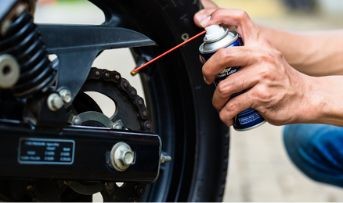
Here are some tips for maintaining your bike’s drive chain to ensure its longevity
A bike drive chain consists of interconnected oval loops made of metal, forming a roller chain. The teeth of a sprocket gear mesh with the holes in the links of the chain. The mechanical force from the engine puts the bike chain in motion, which causes the bike's wheels to rotate. Hence, a bike's drive chain is an important part and must be handled properly.
A drive chain is usually the dirtiest part of our bike. It is oiled and greased, catching loads of dust and mud from the roads. Here are some tips for maintaining your bike's drive chain to ensure longevity.
1. Periodic cleaning:
Regular cleaning keeps it free from dirt build-up, rust, and breakage. You should regularly check your drive chain by lifting the rear wheel of your bike off the ground and manually rotating the drive chain. You should check every chain link and use a firm brush to clean them.
If you hear squeaking sounds from the chain while riding your bike, it is time for relubrication. Also, you should check for tight links that are not bending easily. Clean them properly and lubricate them to ensure their free movement. It will also prevent rust build-up.
2. Lubricant quality:
Always use a good quality lubricant to ensure its longevity. It should be specifically made for a bike's drive chain and should not be just any lubricant.
Dirt and mud damage the drive chain. The lubricant should be such that it should minimise the accumulation of dust and grime on the drive chain. Also, it should be long-lasting as the drive chain will wear down and get damaged if the lubricant is less or missing.
3. Do not over-lubricate:
Over-lubrication is harmful to the drive chain. It will attract more dust, mud, and concrete from the roads and damage the drive chain. To ensure smooth operation, you should always wipe off excess lubricants with a rag.
4. Thorough cleaning of the drive chain:
In case you ride your bike through muddy roads frequently or use it on rough terrains such as a mountain, you should remove the chain completely when it becomes excessively dirty. You can remove it yourself or seek the help of a mechanic.
Use a good quality chain solvent available in the market and soak your chain in it for the prescribed time. Then scrub hard to remove the dirty grime from the chain links. The solvent will do its job, and your chain will become clean and grime-free. Relubricate your drive chain once completely dry, and put it back in the bike.
5. Stretched chains:
Sometimes your bike's drive chain seems to stretch and become loose. This is because of normal wear and tear of the chain with usage. A loose drive chain cannot provide a good grip for the movement of the wheels and may even slip from its cog.
Check for a loose drive chain regularly, and get it fixed as soon as you find one. Ignoring it may cause further damage to the drive chain, and you will have to replace it.
The drive chain of your bike is a very important part of its smooth running. You must take good care of the chain to keep it in its best shape. Clean it regularly and keep it sufficiently lubricated to ensure its longevity.
Buying a good bike insurance policy for your bike is another important thing that you need to do to ensure a glitch-free ride. Buy bike insurance online after comparing it with the policies of several companies. You can do this from the comfort of your home or office without physically visiting any insurance company. Go for the best bike insurance policy as per your specific needs and enjoy complete protection, security, and peace of mind.
Click HERE to buy bike insurance online.
Disclaimer: The information provided above is for illustrative purposes only. To get more details, please refer to policy wordings and prospectus before purchasing a policy.

Tips for finding a short circuit in your car's system
An automobile comprises interconnected mechanical elements and complicated electrical wiring technologies. While we may enjoy contemporary comforts such as stereos, interior lighting, and even hologram speedometer readings as long as the electrical systems function correctly, all systems and components come to a standstill on account of short circuits.
A short circuit is a wiring fault because of a loose or defective wire that shunts electricity between courses before it hits its target. Although the signs of a short circuit are similar to those of an open circuit, the diagnosis is somewhat different. A short circuit may happen in various ways, and it's not always straightforward to locate and fix.
However, to understand how to discover a short circuit, we must first grasp how a perfectly working circuit operates. So here are a few tips for locating a short circuit in your car.
1. Make a map of your vehicle's circuit:
Remove the wire harness from your vehicle and turn to your Early Warning Device (EWD) to start diagnosing the circuit. Identify the various cables and circuits you're inspecting so you know where to go next. Wire colours should match the colours specified in the EWD. However, this may differ based on where you obtained your EWD.
2. Examine any exposed wiring:
One may also save time and effort by inspecting any exposed wires first. You may find a damaged or chafed wire that you can immediately begin mending. However, since most automobiles' wiring is tightly wrapped, you'll almost certainly need to try a few boards to figure out where the issue is.
3. Inspect all wires for faults:
If you feel a specific wire causes the problem, you may detach its connection at either the sensing or loading ends. Check your test indicator to see if it fades out or your multimeter to check if it stops buzzing. Next, you may remove your car's panelling and inspect the wires to see if you can pinpoint the problem.
4. Testing the 5V circuit:
In case the short is a 5-volt circuit, the Engine Control Module utilises it to regulate the gearbox and engine. You may unplug the battery first, then the ECM. It'll also enable you to identify electrical oscillations and approximately pinpoint the location of the short circuit.
5. One-by-one assess all the fuses:
Check the fuses and look for any easy, quick short circuits. Take a fuse at random and attach your testing indicator to its socket terminals. If a current is detected, the test LED will light up. If the test light does not ignite, it may suggest that electricity is not flowing to that fuse. This indicates that the damaged wire is along that route.
Knowing how to detect a short circuit may save you a lot of time and money while ensuring that your car is safe and perfectly operational. While it might be time-consuming, utilising the approach mentioned above should provide you with the knowledge you need to detect and fix any short circuit in your vehicle.
However, if you still face difficulty identifying the origin of the short circuit, visit the nearest garage. It is ideal to have your vehicle backed by insurance for even minor expenses like these. Search for the best car insurance in India and get yours right away to cover your vehicle against damages caused due to unexpected short circuits.
Find the best car insurance India for your vehicle HERE .
Disclaimer: The information provided above is for illustrative purposes only. To get more details, please refer to policy wordings and prospectus before purchasing a policy.
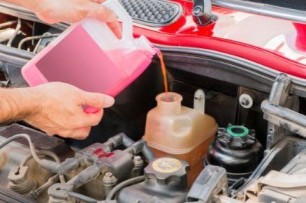
Top car care tips during the summer season
Be it the summer season, winters, or heavy monsoon, you need to take care of a few things to ensure your car's proper functioning and longevity. While external servicing and maintenance of your car are crucial, some particular factors ensure that your vehicle is up and running.
The summer season brings in good weather. But the drastic temperature rise can harm your car. In this space, we will discuss tips for caring for your vehicle during the summer season to keep it in good condition.
1. Cooling your engine:
Engines getting heated due to high temperatures are one of the significant causes of car breakdowns in summers. You can cool off the engine by using cooling systems in your car as recommended by the manufacturer.
2. Coolant refill:
To keep your cooling system in excellent working condition, make sure to refill the coolant according to the overflow status. According to most manufacturers, the cooling liquid mixture usually contains a fifty-fifty water to coolant ratio.
3. Inspect your car:
Some parts of your car are susceptible to heat damage and may deteriorate in high temperatures. Examine your vehicle, and replace any wear and tear or other damages as soon as possible. Also, keep an eye on the coolant leakages due to fuel expansion in summers.
4. Tyres:
Take a close look at your tyres. If they appear to be more inflated than required, get them checked. It's necessary to regularly monitor the air pressure levels in your tyres during the summers.
Failing to do so might risk a tyre blowout which can be a considerable safety risk, especially if you're on the road, examine your car tyres for signs of wear and tear and replace them if you find any damages.
5. Corrosion:
Once your vehicle reaches a specific limit, it is recommended to check your ignition system. The electrodes might corrode or wear out, so replacing the spark plugs is the solution to combat any ignition issues.
6. Air conditioning:
Examine the air conditioning of your car, especially in the summer season. Any defects leading to the disruption of the air conditioner can cause massive discomfort during your travels in such rising temperatures. Also, ensure that you inspect the compressor clutch while checking the air conditioning system.
7. Wipers:
The wipers of your car play an integral role while you're driving. They clear the windshield, making it easier to see while you drive. Replacing the wipers for the summer season with new ones would prepare you for the storms or rainy downpours midseason.
These were a few expert car care tips you will need to take care of your vehicle during the summer season. Apart from these tips, consider protecting your car against unprecedented circumstances. Emergencies like road accidents or damages to different parts of your vehicle can lead to heavy monetary expenses. To avoid paying a massive sum of money in such unforeseeable situations, you can explore various options and purchase car insurance online in India.
Click HERE to know more about how you can get car insurance online in India.
Disclaimer: The information provided above is for illustrative purposes only. To get more details, please refer to policy wordings and prospectus before purchasing a policy.

Here are the best tips for administering first aid for burns
First-aid tips and techniques have been a part of our educational curriculum since junior school. We all have learned the first-hand treatments one must do when there is a manageable injury or burn on our or someone else’s body. However, with time and as the level of injuries and diseases evolved, our knowledge about first aid falls short in terms of adequacy in the healing process.
Moreover, burns can happen anytime, primarily if operating around heavy machinery, fire, or in the kitchen. And it requires a lot of time to heal with proper care, ointments and medications, and extra precautions.
But what are some of the best ways to take care of these burns? What items should you include in your first aid kit to help you or someone else? Are there different degrees of burns, and which type of burns can first aid easily?
In this space, we’ll clarify all your doubts regarding first aid for burns. Let’s get started.
1. Minor or major:
A burn usually indicates tissue damage when the skin comes in contact with high flames, boiling water, sunburn/radiation, chemicals with corrosive properties, etc. Before starting the burn treatment, it is advised that you determine the degree of the burn to alter your treatment accordingly and determine whether immediate medical attention is needed.
A major burn occurs when the diameter of the burnt area is more than three inches, resulting in brown, black, and white patches with a dry and leather-like texture of the skin. In case of a minor burn, blisters appear on the burnt area, usually less than three inches in diameter. You will experience pain and inflammation, which might cause redness and soreness on the burnt site.
2. What you should NOT do:
Before we tell you the first aid tips you should follow, you need to be aware of the contamination of the sensitive and burnt part of the skin. Avoid using home remedies like butter, ice, water, etc., and immediately do not take any medications or remedies without consultation.
3. Must know first aid tips:
Remove jewellery items like rings, bangles, etc., from the burnt area. Cooling off the burn is essential. You can gently use cold water on the burnt portion and wet compresses to help with the inflammation and lower the pain. If you see any blisters, do not remove or poke them, as they protect the area from infection. If you see a blister pop, gently clean it with a disinfectant solution and cover it with an antibiotic cream. To ensure that the affected area does not dry out, use skin-friendly and chemical-free moisturisers. Aloe vera is a good option in such cases. Use sterile gauze and tapes to bandage the burn, but ensure that you do not tighten the grip of the bandage. Keeping it loose will prevent excessive pressure and alleviate pain.
You can take any doctor-recommended painkillers if the pain gets unbearable and causes too much discomfort. Avoid heavy tasks involving the burnt area, and avoid using fluffy cotton as tiny threads of cotton might stick to the burn risking the chance of an infection.
We hope you found the blog helpful. You must take care of your body and be extra cautious about your health to lead an extraordinary life. But sometimes, your efforts might fall short in unfortunate circumstances. To alleviate the monetary stress of such times, you must purchase the best personal accident insurance India which will provide you and your family with a reliable layer of financial protection.
Click HERE to learn more about the benefits of buying the best personal accident insurance India.
Disclaimer: The information provided above is for illustrative purposes only. To get more details, please refer to policy wordings and prospectus before purchasing a policy.

Group personal accident insurance is all you need to protect yourself against the financial distress of disabilities
Human resources are the greatest asset for any company. A good workforce can make or break a company. Companies often offer group personal accident insurance to protect their workforce from the loss of income from any kind of accident and related disability or death. The employees feel protected against financial uncertainties of work-related hazards with such insurance. It benefits employees working in heavy industries with dangerous machinery and surroundings.
Group personal accident insurance India is an effective way for employers to attract and retain talent. As an employee, it offers protection against the financial distress of disabilities and supplements your existing insurance covers. Let us know more about it.
1. Coverage:
Group personal accident insurance provides comprehensive coverage to an entire group against accidental disability and even death. Policies are customisable according to the number of people in the group and their specific needs. Hence, you can be reassured if your group is too large or small. Such policies provide discounts on a higher number of members in the group.
● Permanent total disability – Insurance companies will pay you the total sum insured in case of permanent total disability such as loss of leg, limb, eyesight, etc.
● Permanent partial disability –You are eligible to get up to 50% of the total sum insured in case of permanent partial disability, such as loss of one foot, loss of hearing, damage to eyesight, etc.
● Temporary total disability – You will get a certain percentage of the total sum insured in case of temporary total disability from an accident, depending upon your policy terms and conditions.
● Medical care – The policy will also cover your medical expenses, even if you are admitted for one day in a daycare treatment. Moreover, it will also cover your cost of OPD treatment, physiotherapy sessions, and ambulance transportation.
● Education – Some policies also come with an education add-on cover. The insurance company will take care of the education expenses of up to two dependent children in case of the insured person's death.
2. Need and importance:
Several industries require their employees to work on heavy machinery and risky surroundings, including the iron and steel industry, automobiles, pharmaceuticals, etc. A work-related accident can cause temporary or permanent disability, causing a financial crisis and a lot of trouble for the employees and their families.
So, if you are an industry employee, group personal accident insurance India covers you against such unfortunate accidents. It takes care of the hefty hospital bills for your treatment up to the limit of the policy amount. It also provides financial assistance to the nominee in case of the policy holder's demise.
Therefore, such a policy will give you peace of mind and protect you against the monetary distress of disability or death, allowing you to work stress-free with greater efficiency. It also helps build trust with your employer and strengthens professional ties for a long time.
3. Exclusions:
Group personal accident insurance India does not cover pre-existing diseases when purchasing the policy, self-inflicted injuries such as a suicide attempt, mental disorders, non-accidental medical treatments, hospitalisation due to substance abuse, criminal activities, or war. Ensure to read the terms and conditions of the policy to know more about the details. You may contact your employer or the insurance company if you've any queries regarding your coverage.
Group personal accident insurance India offers coverage that regular health insurance policy does not provide and also compensates the nominee with a lump sum payment in the unfortunate event of disability or death due to an accident. This can be a great financial support to your dependent family members.
Choose the best personal accident insurance India to provide complete coverage, support, and protection during the time of need.
Click HERE to buy personal accident insurance India policy.
Disclaimer: The information provided above is for illustrative purposes only. To get more details, please refer to policy wordings and prospectus before purchasing a policy.
Here are a few tips for skincare in older adults
Even if you've taken exceptional care of your skin throughout the years, it still ages. The youthful flush eventually disappears and the indications of ageing, such as brown spots, wrinkles, more frequent bruises, and dryness, start to be evident.
Your skin can convey your mood and show how healthy or unhealthy you are. As you age, taking care of your crucial outer self is important. For elders, here are some skincare suggestions.
Why does your skin alter as you age?
Skin changes brought on by ageing are typical and include a combination of the following:
● Allergies
● Weather
● Genetics
● Nutrition
● UV exposure
● Smoking is, among other things
The most harmful of these to the skin is continuous and direct exposure to the sun. According to research, among the people having skin illnesses, nearly 80% had one or more skin conditions requiring treatment or medical attention.
If you're an older adult, here are a few best skin care tips for you to enjoy a youthful and glowing skin.
1. Frequently moisturise your skin:
Emollients and fatty acids are combined in the best moisturisers to resemble the skin's natural lipids. Choosing an occlusive moisturiser can help you to build a barrier that will trap moisture in your skin and reduce water loss.
TIP: Always rub face moisturiser in upward strokes, never down. Apply a high-quality moisturiser to the skin after a bath to lock in moisture.
2. Wash gently:
With limited natural oil production, mature skin is extremely dry. Cleanse gently to prevent further drying out. It's okay to wash once per day. Use gentle cleaners as opposed to harsh soaps and alcohol-based products.
TIP: When washing, use warm water rather than hot and limit the number of baths or showers you take. If you enjoy unwinding in the tub, stay away from bath oils because they make the tub slippery and increase the chance of falling.
3. Eat right for gorgeous skin:
The saying "you are what you eat" has never been more accurate if you want skin that glows. Our skin's health is significantly influenced by our diet, which should be balanced and high in nutrients, vitamins, antioxidants, and necessary minerals. Include berries, melons, avocados, walnuts, oily seafood like salmon, and green vegetables. These items are a part of a healthy diet that can support maintaining healthy skin as you age.
4. Do maintain a simple, consistent routine:
Dermatologists advise simplifying skincare regimens. Irritation can result from excessive scrubbing, exfoliating, and product use.
TIP: As a general rule, use sunscreen, a cleanser, and a moisturiser, as these are the only three items that will make a consistent visible difference.
5. Avoid the sun:
This is the most crucial thing you can do for your skin! Dermatologists advise you to shield yourself from the sun's damaging rays.
● To protect your face and any other exposed skin, use a broad-spectrum, water-resistant sunscreen with an SPF of 30 or higher.
● When spending time outdoors, look for cover because the sun's rays are most intense between 10 a.m. and 3 p.m.
6. Drink water to rehydrate:
Never undervalue the importance of water or the benefits that staying hydrated may have on your skin and general well-being. Drinking water can give you radiant and clear skin.
Inner beauty begins with the skin. No matter how much money you spend on anti-aging therapies, poor health can manifest in your skin's appearance. Keep up a healthy lifestyle, and pursue your passions. After all, ageing is a natural process that includes wrinkles, fine lines, and age spots. Be proud to wear them!
Enjoy your retirement life with wholesome meals, daily and different exercise groups, and regular health and wellness events. Also, invest in the best health insurance in India for parents to secure your finances from uncapped medical expenses due to ageing.
Click HERE to buy the best health insurance in India for parents.
Disclaimer: The information provided above is for illustrative purposes only. To get more details, please refer to policy wordings and prospectus before purchasing a policy.
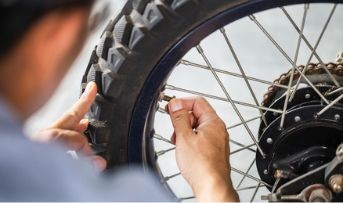
Get your tyres checked if you hear screeches regularly
The engine is often considered a two-wheeler's most crucial component. However, an experienced motorcyclist would tell you that well-maintained tyres are equally essential for a safe and enjoyable bike ride.
The various squeaks, screeches, and rumbles can tell you about a tyre's health. Since your contact with the road is made via tyres, they have a crucial role in defining your riding experience. Taking optimum care of your bike's tyres ensures longevity and a smooth ride. Buy 2 wheeler insurance online and get your bike serviced regularly to maintain your bike's safety.
Do tyres always make noise?
You cannot completely eliminate noise from your tyres. The rubber will make noise as it rolls against any surface. Natural rubber friction against the road will be the source of most of the noise your tyres make. Also, air flow through the moving tyre treads further increases the noise.
On the road, the sounds made by various tyre brands and products vary slightly. The sounds your tyres generate have a language, but translating them takes practice.
Let's now understand different screeches and how to care for them.
1. Squealing tyres:
The possibility of tyre squealing exists, especially while making sharp turns. You can hear this frequently in parking lots. Your front tyres may be underinflated if they appear to be making this squealing noise. You should check their pressure even if the tyres don't appear underinflated.
2. Squeaking tyres:
You need to pay immediate attention if your tyre makes a squeaking noise. Compared to a screech, it's riskier. The front tyres typically exhibit uneven tread wear, which a screech can indicate. You may feel some pulling to the left or right. Go to the tyre shop right away to have your wheels balanced, aligned, and tyres checked.
3. Grinding tyres:
The time to be afraid has come if you hear your wheels grinding. The most likely reason is your brakes' failure due to worn drums or pads. Get your two-wheeler inspected right away, wherever you are.
4. Rumbling and vibrating tyres:
Your tyres may rattle and tremble on some road surfaces, particularly ribbed ones. A worn wheel bearing may be indicated by rumbling and vibration from your tyres, especially if the noise gets louder as you go faster. It is a significant cause for worry since the wheel bearing holds the wheel in place.
Whether you are turning swiftly or braking hard to halt quickly, screeching tyres are to be expected. Low tread depth may be the issue, which you can resolve by taking your 2-wheeler to a tyre shop.
Dealing with unidentifiable sounds:
Sometimes you instinctively know something isn't right after riding on a pair of tyres for a while. When you hear a noise, you might not be able to place it in a certain category or even identify it, but you get the impression that it doesn't sound right. This might even happen if you stumble over a pothole. Other reasons might be the low tyre pressure, the tread may have worn down, or your bike's wheel may have fallen out of alignment.
Remember to pay attention to tyre sounds. Take a conservative approach if you are unsure of what it signifies. Check the two-wheeler and the tyres. Safety is the utmost priority for any rider on the road. The easiest way to prevent mishaps is to pay attention to your bike, regularly get it serviced, and purchase 2 wheeler insurance online as a prudent safety cover.
Click HERE to buy 2 wheeler insurance online.
Disclaimer: The information provided above is for illustrative purposes only. To get more details, please refer to policy wordings and prospectus before purchasing a policy.

Here are a few home remedies to treat psoriasis
Your body is a temple, and you must take care of it to ensure your physical, mental, and emotional well-being. However, certain conditions can take longer to cure, and their development or progression varies from person to person. One such condition is psoriasis.
If you are new to this term, let us explain psoriasis. It is a disease of the skin, which manifests itself by creating a rash with itchy and scaly spots and patches, usually on the elbows, knees, scalp, and trunk of your body. This inflammation in the skin caused by psoriasis is an autoimmune condition, and there is no single method to treat it. As every instance of psoriasis differs from the next, the treatment prescribed by dermatologists also differs.
This blog will shed more light on these treatments and the few home remedies to treat psoriasis.
1. Aloe vera to the rescue:
Aloe vera is believed to be very beneficial for managing your psoriasis and calming the inflammation of your skin. And the best part? It is readily available and hassle-free if you want to grow aloe vera in your home premises organically. If you are using aloe-vera infused creams, it is medically recommended that you use the ones with 0.5% aloe vera and apply it three times a day to treat the discolouration, rash, itching, and scales on your skin.
2. Warm water to cleanse:
Who doesn't like warm water baths? The soothing water at the right temperature falls on your skin, relaxing your body. But there is a disclaimer! You must strictly avoid "hot" water. It might not be helpful with the inflammation of the skin due to your psoriasis condition. Warm water is advised. You can add mineral oil, Epsom salt, or olive oil to help with the rashes and itchiness.
But you must be careful about specific things to avoid triggering or worsening your symptoms. Some instructions include: showering once a day, a maximum of fifteen-minute bath, using a soft, moisturising soap bar, patting dry, and applying a skin-friendly moisturiser post-shower.
3. The household's favourite – turmeric:
Every Indian household's favourite ingredient for cooking or home remedies is turmeric. There have been many studies on the usage of turmeric and its benefits which have suggested fruitful results in using this age-old home remedy in Indian culture. Turmeric has anti-inflammatory abilities, which help rid psoriasis.
4. Omega-3 is essential:
Omega-3 is an essential component that helps to strengthen your body's immunity, prevents heart diseases, reduces the chances of stroke, acts as protection against cancer, and much more. The omega-3 fatty acids are believed to lower the inflammation levels of the skin in your body.
Other ways to help you manage your psoriasis include keeping your stress levels in check by meditating, journaling, aromatherapy, anxiety management (therapy), etc. It is also advised to monitor your body weight and control it if necessary. Living with psoriasis compromises your immune system, which makes you prone to other health issues. Therefore, maintaining a moderate body weight is essential.
It's high time that we all understand the significance of our health, especially after the pandemic. While you try your best to stay in optimal health, you must be ready for any health crisis that might come without warning. Therefore, you must get online health insurance to avoid such unforeseeable situations. Explore your options and purchase the best online health insurance that caters to your needs.
Click HERE to learn more about online health insurance.
Disclaimer: The information provided above is for illustrative purposes only. To get more details, please refer to policy wordings and prospectus before purchasing a policy.
Hi there! 👋 Need help with a policy, claim, or renewal? Chat with us instantly on WhatsApp.
Start chat →