


General Insurance Blogs, Articles & Updates by - Magma Insurance
Have us call you
- RENEW YOUR POLICY
- BUY NEW POLICY

GENERAL INSURANCE BLOG
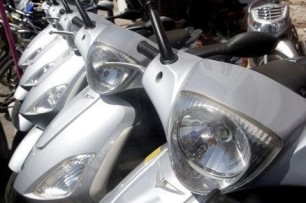
Five best two-wheeler renting tips to enhance your riding experience
Various fitness trends have come and gone since the 2000s, but people are still looking for new ways to get fit. With the global pandemic hitting us, people now prefer to work out in their homes because of the government’s orders to close gyms. As a result, online gym classes are also on the rise. Let us look at the upcoming fitness trends in 2022.
Riding a two-wheeler is the perfect way to beat traffic on busy roads. Every bike enthusiast who desires to ride their choice of a two-wheeler can rent a bike to explore unexplored destinations. You can rent them as long as you want without worrying about maintenance or other concerning factors.
Additionally, travelling on a two-wheeler is best to explore a new city or destination. It’s fascinating to see new sights and meet locals to spend quality time. This blog has highlighted some of the most practical tips to ensure a safe and memorable riding experience when you rent a bike. So, let’s dive into the details!
1. Take your time and inspect your vehicle:
Don’t get carried away and end up choosing a bike based on its appearance rather than its performance. Ensure that the brakes, engine, lights, side mirrors, and other essential features are working properly. Take a test ride of the bike you’ve chosen so that you can identify the minor to major problems. If you happen to find any damage or visible dents, take a picture of them so that you’re not accused of harming the bike.
2. Choose a bike based on your ability:
Do not go for a bike that is not suited for you. It will help if you do not opt for expensive bikes unless you have the money to pay (in case of damages) or put a dent in them. Similarly, stay away from bikes providing you with cheap rental rates. There are chances that the “cheap” rented bikes are either damaged or have issues that may land you in a problematic situation. Instead, choose according to the vehicle’s weight, acceleration, and the purpose of your renting. Ensure that the selected vehicle is well suited for the roads you intend to ride, providing you with a safe, less risky, and smoother experience.
3. Go through the reviews of the rental company:
Most bike rental companies tend to attract customers with low rental rates. Do not fall for the trap and choose bikes that have travelled many kilometers. Always check that the bike rental service has a good reputation and customer reviews.
4. Keep your license and bike papers handy:
Always check the validity of your licence before renting a vehicle. Carry your licence and the bike papers wherever you go. Ensure that your bike rental service company provides you with insurance, bike registration number, and pollution under control certificate.
5. Carry essentials:
Keep essential spares like a spare tube, spark plugs, brake, and accelerator cables. Prioritise your safety by always wearing protective gear while riding. Ensure the safety gears and helmet are in good condition and of the best quality. There’s a brilliant range of motorcycle luggage saddlebags available in the market. You can keep the saddlebags on the back or side of your bike or tanks that can carry light stuff. Furthermore, put your health and safety first and carry first aid kits with all the needed tools and medicines.
Two-wheeler renting can be made hassle-free by following these handy tips. Self-riding bike rentals offer you the freedom to choose and travel at your convenience and pace at reasonable rates. Make your daily commute comfortable by using a rented bike. But, you shouldn't neglect safety at any point. Ride with proper safety gear and ensure that you collect all the required documents like the PUC and even the insurance papers to verify that the vehicle is insured by the best two wheeler insurance in India. Thoroughly conduct these practices before renting the two-wheeler to have a flawless experience.
Click HERE to browse through the best two wheeler insurance in India.
Disclaimer: The information provided above is for illustrative purposes only. To get more details, please refer to policy wordings and prospectus before purchasing a policy.

Is your car making unusual noises? Know what they could mean
People are emotionally attached to their car so much that even a small scratch or dent woes their heart. What bothers them more is when the car makes strange noises. This situation sometimes leads to trouble. So instead of panicking, you need to understand the underlying cause and take your vehicle to a mechanic if required.
We've created a list of seven common car noises to listen out so that you identify and then fix them at the early stage itself.
1. Squealing sound:
One of the most frequent noises is a screeching sound from under the hood. It hints that the rubber belts that drive accessories such as AC compressor or power steering pump have either slipped off or worn out. If the screeching originates from the wheels when you use the brakes, it might indicate that your brake pads are weary or have faults with the braking system. On the other hand, if the squealing comes from your tyres, it may be due to a loose wheel cap or rims.
2. Hissing sound:
This sound underneath the hood indicates a fluid leak onto a hot engine component—for instance, radiator coolant seeping onto the engine block or exhaust manifold. If the hissing occurs while you accelerate, it might result from a vacuum leak from one of the small hoses around the engine's air intake.
3. Rattling sound:
Rattles suggest that something is loose or has stuck itself in an inappropriate place. For example, a component of the exhaust or suspension might have been broken loose. Mind it; this one needs attention as soon as possible. Remember, if you need an expert mechanic to ensure preventative maintenance, suitable car insurance helps you with your costly repair bills.
4. Whistling sound:
Whistling sounds are disturbing and might indicate a vacuum leak in one of the hoses around the air filter, which can be challenging to locate but is typically straightforward to fix.
5. Clunking sound:
If you hear a clunking sound when you apply the brakes, it might reflect that the braking discs or pads have severe wear or damage. If the clunk occurs when driving over bumps, your car's suspension may be faulty, or an exhaust section may be loose. If your automobile clunks when turning corners, it might be due to a problem with the steering or a worn-out wheel bearing.
6. Roaring sound:
When you accelerate, a roaring or noisy exhaust indicates that the existing exhaust system has eroded to the point that the silencer is no longer keeping the car quiet. Although an exhaust problem is unlikely to cause your automobile to stop or cause more damage, it may be allowing carbon monoxide fumes into the cabin, which is hazardous. Get it fixed ASAP!
Next time when you're out for a drive, apart from listening to the music, make it a point that you hear your vehicle first. You won't want to experience an awful drive with crazy noises that result in the breakdown of your car midway.
Few noises may indicate possibilities of damages. It is, therefore, important to get your car inspected at a service station to address the issue. Additionally, with time, the repair cost will also keep on increasing. So, reduce dependencies on the additional expenses, and consider purchasing car insurance to add value to the life of your car. With the best car insurance protection, give your four-wheeled companion the strength to drive more miles together.
Click HERE to know about the best car insurance plans in the market in 2021.
Disclaimer: The information provided above is for illustrative purposes only. To get more details, please refer to policy wordings and prospectus before purchasing a policy.

Keep these essentials in your two-wheeler riding kit at all times
In a busy and constantly moving country like India, most of the population uses two-wheelers as the daily mode of transportation. Regardless of whether you ride your two-wheeler every day or just a short trip to a grocery store, it is a good idea to carry some essential items in your two-wheeler riding kit. This includes everything from motorcycle replacement parts, first aid kit to important documents and 2 wheeler insurance.
In this article, we'll tell you exactly how to put together a riding kit that will be an excellent aid in chaotic situations.
1. Keep the basic spare parts:
You should always have some vehicle spare parts and equipment handy so that you can be the mechanic of your two-wheeler during an emergency. A few extras to have in your tool kit are a screwdriver, a headlight bulb, and battery fuses.
2. First-aid kit:
First-aid kits have always been prioritized when driving vehicles, but how many of us religiously carry them? If NO, then pack one today and take it the next time you leave your home on your two-wheeler. Some fundamental essentials must be an antiseptic solution, bandages, pain relief sprays, and painkillers. However, this kit is to be used only on minor injuries like cuts and scratches. In case of significant damages from accidents, approach for assistance and go to the hospital right away.
3. Accessories for personal protection:
Riding on a bike is not a fun game each time. It can get tougher with distance and situations. It is dangerous to ride a two-wheeler without wearing a proper helmet. A full-face helmet should always be part of your riding kit. Also, ensure to kit up appropriately with something that is breathable and will keep you at ease. Hence, have a decent quality sunscreen or scarf to protect your skin from exposure to the sun, dirt, and pollution.
Besides, staying hydrated throughout the day is important and neglecting it while riding isn't an option. So, having a water bottle on your bike is always a good idea.
4. Necessary documents and paperwork:
Traffic police regularly drive campaigns of checking the legal papers. If found riding without legitimate documents, you can face the consequences by the authorities. Therefore, when travelling on your bike, it is mandatory to have a Rider's Driving Licence, Registration Certificate, PUC Certificate, Fitness Certificate and a valid 2 wheeler insurance policy.
It is believed that 'life is always better on two wheels'. However, in a country full of turns, traffic congestion, narrow lanes and potholes, the possibility of vehicle breakdown is a prime concern among two-wheeler riders. So, if you think that you're a pro rider, you're also not completely safe on the roads. The above essential items are for your convenience on the road and quick-fix minor issues when they arise. Keeping these points in mind, put together your necessary bike riding equipment, ensure your bike papers, including valid 2 wheeler insurance before you kick-start the bike next time.
Want to know more about our best two-wheeler insurance policy? Click HERE .
Disclaimer: The information provided above is for illustrative purposes only. To get more details, please refer to policy wordings and prospectus before purchasing a policy.

Here's why you should prioritise early diagnosis and treatment of minor illnesses
Diagnosis is the point around which judgement and logical reasoning move, bringing the light of scientific clarity. Therefore, the detection of a sickness or health condition should be an essential component in the practice of medicine or surgery. It serves as the cornerstone or foundation for the doctor to develop a treatment strategy and determine the prognosis.
Early diagnosis is better as it gives us ample time to decide the treatment. Also, it saves us from worrying about the severity of the illness.
The significance of early diagnosis:
According to a significant analysis of the benefits of early detection, a diagnosis frequently meets with skepticism, anger, loss, and sadness. Critically, how patients are notified about their results and the degree of care available to them and their families determines their response.
Advantages of early diagnosis:
An early diagnosis and access to the appropriate resources and support may assist people in taking control of their illness, planning for the future, and living a healthy life. In addition, it will help in ruling out the chance of other potentially curable diseases and other alarming health concerns.
It can help a person acquire access to critical information and resources, make the most of their skills, and perhaps benefit from available drug and non-drug therapies. A quick diagnosis allows a person to be vocal and explain the changes in their life to family and friends. On a practical level, a person may assess their financial status and consult with family or legal specialists about establishing a lasting power of attorney or an advance decision.
There is significant evidence that a sooner diagnosis improves the quality of life. It avoids premature or needless admission to a care home or hospital, improving the way of life for patients and their caretakers while saving money on long-term care expenditures. The earlier a person gets diagnosed, the more successful the treatment can be.
Why some individuals may object to an early diagnosis:
According to a study, common illnesses are people's most significant concern in old age, surpassing cancer and any other ailments. Yet, some with early indications of these diseases opt not to seek a diagnosis due to concerns about the impact on their everyday life, employment, social lives. The anxiety overpowers the thought of obtaining proper medical treatment in the initial stage itself. Moreover, if early detection is ignored, it may worsen the situation for the patient to sustain treatment and recovery.
However, the benefits of an early diagnosis far outweigh these concerns, and a person suffering from a curable disease can receive the appropriate care and support to be fit again.
Indeed, the sooner the diagnosis, the better. The reason to attribute this comprises the excellent therapies that effectively cure the early stages of the sickness. Diagnosis allows us to treat a problem before it progresses to an ultimately lethal stage. Never fear your health. Take charge of it and keep yourself mentally strong to tackle the situation with vigour.
Additionally, make it a habit to invest in health insurance for you and your family to ensure your well-being and lead a less stressful life. Insurance firms provide exclusive incentives and benefits to those investing in online health insurance plans.
To get your online health insurance, click HERE .
Disclaimer: The information provided above is for illustrative purposes only. To get more details, please refer to policy wordings and prospectus before purchasing a policy.

Proven ways to stop worrying and overthinking
Overthinking is a thief of your energy. It takes away your peace and composure of mind. It is an art of creating problems that don’t even exist. Unfortunately, some individuals can’t seem to stop their minds from wandering with many thoughts. It’s like running a marathon each day mentally.
You invest your time, attention, and energy in thinking about situations and issues that are irrelevant, hypothetical, or baseless. Breaking this toxic habit will help you with extra mental energy to get the express ticket to happiness. Follow our brief guide about reducing and eventually stop worrying and overthinking.
1. Don't be mind-full; instead, be mindful:
Whenever you catch yourself overthinking, take a moment to reflect on your thoughts. Breathe and acknowledge the present moment. Then, challenge your thoughts and try to be aware of what's happening around you as much as possible.
2. Focus on solving problems and not amplifying them:
Overthinking about a problem will only lead to more problems. When you're actively investing your mind into problem-solving, you're using your best asset (the brain) positively.
3. Change your perspectives on things:
Stanley Gordon West once said, "Smile, and the world smiles with you". Changing your point of view can provide you with a completely different way of thinking and feeling about yourself. Moreover, changing your point of view might lead to a whole new universe of possibilities and ideas.
4. Diet plays a vital role than you think:
As Ayurveda rightly says that Medicine is not needed if the diet is correct; healthy food improves brain function, regulates blood circulation, reduces blood pressure, and eliminates toxins from the body. These aspects can directly impact your pattern of thinking and help positive outputs throughout the day.
5. Stop being a perfectionist. Even the almighty isn't:
It is a double-edged sword. Sometimes being a perfectionist is like being your enemy. Rather than assisting you in achieving success, it works against you. So next time you're worrying and overthinking about making a presentation perfect, consult your colleague. It can turn out that your existing one is already good.
6. Take out time to reflect at regular intervals:
Whether daily, weekly, or once a month, take out some time for reflective thinking. This task will assist you in examining your assumptions and making connections between different bits of information systematically.
7. Techniques to cope:
Try these techniques mentioned below to bring your attention back to the present whenever you feel overwhelmed.
You can follow these tips anytime and anywhere:
• Meditation: The best escape to calmness is meditation. Getting answers to unsolved questions becomes easy when your mind is free from junk thoughts. So invest 10 to 15 mins of your day into a peaceful meditation session and see the magic start happening.
• 5-4-3-2-1 Rule:
- Look for 5 things around you.
- Feel any 4 things you can touch.
- Recognize 3 things you can hear.
- Acknowledge 2 things you can smell.
- Become aware of 1 particular taste in your mouth.
Overthinking is not an illness, but research reveals that it can pose severe consequences to your health if continued for a long time. It can hinder your social, personal and professional life due to mental discomfort. To overcome this, you will need to shift your perspective and make a concerted effort to dismiss any thoughts that lead you towards wrong assumptions. Along with all the above practices, get yourself health insurance covering all your needs for perfect well-being. It's also one less task to think about!
Click HERE to know more about health insurance to keep you financially fit.
Disclaimer: The information provided above is for illustrative purposes only. To get more details, please refer to policy wordings and prospectus before purchasing a policy.

Keep these seven tips in mind to retain your car's value
Do you want to have your car looking new and flawless for an extended period? Regular servicing and proper maintenance can help your vehicle survive as long as feasible. Maintaining your vehicle will also yield profit in sales and savings if you want to trade or resell it at some point.
Depreciation is an essential component in evaluating your car's commercial value when you start planning to sell it. But there are some things you can conduct to safeguard your vehicle's market value and reduce depreciation to a minimum.
Continue reading this article to uncover the best tips to retain your car's value.
1. Organize the papers:
Prospective buyers will want to know the vehicle's ownership history and if it has been maintained properly. Therefore, keep all your car documents in order inside a file to prevent unpleasant queries regarding its most recent service or filter change. Your car will be worth more since you can show proof of service, MOTs, and oil changes.
2. Keep the interior dazzling:
Interior maintenance is just as vital as exterior upkeep, so try to include it in your routine cleaning. The car's interiors undergo a lot of wear and tear, scratches, cuts, spills, and foul odours over time. As a result, it may significantly influence the value of your vehicle.
3. Do not forget to clean, polish and wax semi-regularly:
Maintaining the paintwork on your vehicle will boost its value. Only a few owners can confidently state that they keep up with car washing and waxing. When paintwork is not adequately maintained and managed, it will degrade and deteriorate with time. Faded exterior colour contributes the most to your car looking worn out, eventually decreasing its market price.
4. Repair minor issues immediately:
Neglecting minor technical faults may not seem like a massive deal to you, but it leaves a poor impression on potential buyers. Remember that the cost of repairing minor defects is frequently less than the influence that mechanical flaws will have on the car's value.
5. Fix slight dents and scuffs right away:
You may believe that bumps and scrapes on the outside aren't worth fixing, especially if your vehicle is outdated. But, impairments like these can cause a significant decline in the overall value. They may also invite rust and corrosion, which garages and astute purchasers can detect, resulting in lesser prices.
6. Maintain the sheen of your wheels:
Wheels are subjected to daily damage and can get coated in a layer of dangerous road deposits and brake dust. So when the wheels appear well-cared for, it not only makes the car seem remarkable, but it also says a lot about how it's been driven.
7. Ensure the car's insurance:
Get your car insured from day one for financial security. There are numerous private car insurance India policies that you can choose from. Having an insurance cover for your vehicle flourishes its market value by thousands.
A car is one of the most financially significant purchases individuals make throughout their lives. Unfortunately, value of the car begins to depreciate immediately after driving them off the showroom. However, this does not suggest that your car will completely lose its value. Even an old, well-used automobile has some monetary worth and may be sold or traded in for cash. The ultimate goal is to get as much of the vehicle's worth as possible while owning it, and by following these tips, you can attain this easily.
To browse private car insurance India policies, click HERE.
Disclaimer: The information provided above is for illustrative purposes only. To get more details, please refer to policy wordings and prospectus before purchasing a policy.

Know about the loan process if you are buying a two-wheeler as a college student
If you are a college student, the chances are that you have tried to convince your parents to buy you a two-wheeler. A vehicle becomes a necessity given the number of places you have to travel to, coaching classes, purchasing project materials, helping your mother get daily groceries, etc. A two-wheeler would be a wise investment to help save commuting expenses.
As a college student, you start understanding the importance of financial independence. You may lack enough funds to purchase it by making a one-time payment in full. However, Many NBFCs have made it relatively affordable for the students to choose a loan scheme with a structure that suits their needs. Some lending institutions also offer competitive interest rates on these two-wheeler loans.
Are you looking to purchase a vehicle for your day-to-day college activities? Here’s all you should know about the loan process if you’re buying a two-wheeler as a college student.
Key features of bike Loans:
1. Document verification takes approximately three days.
2. On average, the loan period will extend up to 3 years for applicants (students).
3. The loan doesn’t mention any restrictions on the type of two-wheeler the student wants to purchase. It can be either a superbike, moped or anything in between.
4. Most two-wheeler loans for students are considered a type of unsecured credit. So, there is no requirement for collateral or security.
5. If you’re applying for this loan, you must mention a co-applicant or guarantor with employment stability and healthy credits to avail of this loan with convenience.
Eligibility (For students):
1. You should be a student to apply for this loan.
2. The loan applicant’s minimum age requirement is 18 years.
3. Student’s permanent residence is required at the time of application.
Eligibility (For Guarantors):
1. The co-borrowers should have credits > 700 or above (ideally). This favors the applicant to secure a low-interest rate for the two-wheeler loan.
2. Appropriate documents should be presented from the guarantor’s end to showcase financial and income stability.
Required documents (applicant):
1. KYC documents (AADHAR, Passport, Voter ID, Driver’s license, etc.)
2. Address proof (Passport, Bank Passbook, Utility Bills, etc.)
The following documents are to be presented if the guarantor is self-employed:
1. ITR-Income Tax Returns of the past two years
2. Bank statements of the past year
3. Business proof
The following documents are to be presented if the guarantor is salaried:
1. Pay slips of the last six months
2. Bank statements of the last six months
Application process:
To apply for a two-wheeler loan, here are three simple steps you need to follow. But before going ahead with the loan process, make sure that you’ve finalised your vehicle, its model, and a dealer.
1. The lender you’ve chosen will check your eligibility for the loan at the dealership.
2. Once your eligibility for the loan is verified, you need to fill up an application form and submit it along with the necessary documents required by the lender.
3. Once all the documents are verified, and your loan is approved, the required amount will be sanctioned and transferred into your dealer’s account. You can get your vehicle now!
This was the complete guide to the loan process to buy a two-wheeler as a college student. Another wise idea is to get insurance to ensure the safety of your vehicle in case of extreme unexpected circumstances. You can purchase 2 wheeler insurance online with the convenience and hassle-free process associated even while settling a claim.
Click HERE to know more about how you can get 2 wheeler insurance online.
Disclaimer: The information provided above is for illustrative purposes only. To get more details, please refer to policy wordings and prospectus before purchasing a policy.

Are you feeling depressed? Ten proven ways to combat depression
According to the World Health Organization, around 57 million Indians suffer from some sort of depression. Depression takes a considerable toll on your health. It can make you feel physically weak and mentally drained, challenging your desire to seek treatment and get rid of it.
We've curated a list of ten beneficial tips to manage depression without the need for medicines and improve the quality of your life.
1. Follow a routine:
When circumstances become unpredictable, a routine can help you feel organized, minimize stress, and cope with change. When you stick to a schedule, you prioritize self-care activities which you often overlook when life gets complicated.
2. Value yourself:
Take out time for your interests or extend your skillset. Cook your favourite dish, go dancing with your earphones on, learn a new language. Do what pleases your mind and soul, and treat yourself with compassion and respect.
3. Consume healthy food:
Diet can affect your mental state in ways that you can't imagine. Make sure you consume a well-balanced diet that's low in saturated fat and rich in nutrients. A nutritionist or dietitian can assist you in analyzing your eating habits and identifying any dietary deficiencies that may be contributing to your mental health.
4. Exercise:
Exercise stimulates those chemicals in your brain which are in short supply due to the depressive phase. Studies show workouts help you boost your endorphins and truly make you happier.
5. Meditate:
Mindfulness can help you change how you react to negative sensations. Meditation teaches the brain to maintain continuous attention and focus when unpleasant thoughts, emotions, or physical sensations enter.
6. Change drinking habits:
Alcohol is a depressant, so that's already a big NO while combating depression. Coffee has proven to have adverse effects when combined with sugar. Try to lower down your consumption of coffee as a whole, and if you decide to have it, have it unsweetened. Strongly linked with depression are sweetened drinks, so it's a better option to distance yourself from them.
7. Socialize with people with a positive mindset:
Interact with people who lift your spirits. While it's OK to spend some time alone, strike a balance and avoid isolating yourself; otherwise, the sadness will persist.
8. Music therapy:
Music improves the mood and general well-being of a person. Music therapy involves playing music using various instruments, singing, dancing to music, or simply listening to it.
9. Get inspired by motivational content:
It can change negative thoughts and make a depressed person feel better. Depression-fighting literature, quotes, movies, and posters differ from person to person. Go online and read reviews to get a sense of what could work best for you. You can listen to podcasts or watch videos of motivational speakers.
10. Volunteer:
Volunteer for acts of kindness, donate for a good cause or commit a random act of kindness. Presenting or performing acts of charity can have comparable mood-lifting and well-being benefits.
Sadness is a complex emotion to deal with; these ways are only supposed to act as your support in the tough times. If you have chronic depression symptoms, always seek professional help. Understand that depression is just a bad phase in life that will eventually go away if you stay positive and strong.
By taking too much stress, you will affect today's strengths by worrying about future. One way you can avoid the additional worries of tomorrow and make your future secure is health insurance. Health problems due to depression involve medical expenses that may drain your pockets. So, consider buying health insurance to cover the losses. To simplify this, online Health Insurance provides you with a suitable plan to protect you from any impact on your financial plan.
Click HERE to know about the best health insurance plan for you.
Disclaimer: The information provided above is for illustrative purposes only. To get more details, please refer to policy wordings and prospectus before purchasing a policy.
Hi there! 👋 Need help with a policy, claim, or renewal? Chat with us instantly on WhatsApp.
Start chat →