


General Insurance Blogs, Articles & Updates by - Magma Insurance
Have us call you
- RENEW YOUR POLICY
- BUY NEW POLICY

GENERAL INSURANCE BLOG

Why should businesses start thinking about cyber security?
In this digital age, our professional and personal lives have all begun to gravitate toward the internet. Unfortunately, due to this widespread phenomenon, we are now more exposed than ever before to invasions of privacy and fraud. Businesses are at a higher risk of cyber attacks than individuals.
Hackers are making the best use of their mischievous minds to discover and exploit vulnerabilities in the working infrastructure of several small and large businesses. As a result, tons of sensitive digital data of users, customers and organizations, including government agencies, are subjected to threat from cybercriminals.
It's more urgent to get a solid cyber security policy in place to safeguard your business from cyber-attacks. In this article, we'll go through some pointers that will help you understand the criticality of this issue and help you take the necessary actions to get it secured right away.
Let's take a look at some common cyber-attacks first.
1. Phishing:
Phishing is when a fraudster appears as somebody else to trick individuals into supplying personal information such as credit card details. Financial institutions, Banking, E-commerce sectors are at high risk from phishing.
2. Ransomware:
This type of malware attack affects a computer or server; it encrypts files and locks them down. The attacker then demands payment to restore the files to their original state. Both private and government sectors can be affected severely by ransomware.
3. Spyware:
This is when a cybercriminal installs malware on a victim's computer; it collects their internet history, credentials, bank account information, and other sensitive data.
4. Denial of Service Attack:
Also known as a DoS attack, a hacker attempts to take down a network by flooding it with traffic to avoid other people from utilizing the service.
Why should you think about getting cyber security?
• Ample resources are required to recover from a cyberattack, with the typical breach taking 55 days to resolve. This will hinder and divert time, money, and personnel resources away from the other operations of your company.
• If your company stores a lot of personal information about your consumers, you must maintain its security so that no data of even a single user gets compromised. Customers can lose trust in your company when their valuable information is at risk in a data breach, and you can face unfavourable lawsuits as a result. 41% of customers believe they will stop doing business with a firm if their data is compromised.
Statistical overview:
• Every 39 seconds, a cyber-attack occurs around the globe.
• Cybercrime will cost the globe $6 trillion by the end of 2021.
• 24,000 malicious applications are eliminated across the web every day.
• By the end of 2021, the average ransomware request will be more than $1000.
• Only 25% of businesses worldwide have their cyber security department.
The threat of cybercrime is gradually rising. Millions of records are affected each year by data breaches, and reports of violations are increasing at an alarming rate.
It's not only about data privacy or net neutrality that needs attention; a complete change in emphasis to internet security is concerning. In the long term, taking an extra step in cyber and email protection can help businesses increase their overall productivity. You can take an extra step today by getting public liability insurance in India. This will help you cover both first and third-party liabilities caused due to online attacks.
See the best public liability insurance in India HERE .
Disclaimer: The information provided above is for illustrative purposes only. To get more details, please refer to policy wordings and prospectus before purchasing a policy.

What are happy hormones? Best ways to activate them and your lifestyle
The current pandemic situation has undoubtedly left us feeling depressed and lethargic. Unlike before, being stuck at home, we do not have much to look forward to, which has affected our hormonal balance. Everyone is dealing with this situation in their own way, and some of us have a hard time adapting to this change. Especially people with an active lifestyle find this switch extremely challenging.
Before it starts to take a toll on your mental state, we must find ways to cope with it. One of the ways is to boost your happy hormones to keep yourself healthy.
What are happy hormones?
These neurotransmitters have a role in mood control, pleasure, bonding, and even pain reduction. These enzymes are essential for your health in areas such as growth and development, metabolism, and reproduction. Happy hormones mainly include Dopamine, Serotonin, Oxytocin, and Endorphin.
How to boost these hormones?
1. Dopamine – the “Reward Chemical”
Linked with pleasurable experiences and a motor system function, Dopamine is an essential element of your brain’s reward system. It is nicknamed the “feel-good” hormone.
To boost it: Get plenty of rest, eat nuts, try to achieve realistic goals and spend time practicing healthy hobbies or getting soaked in the sun. Musical therapy and meditation can also increase dopamine levels surprisingly.
2. Serotonin – the “Mood Stabilizer”
This hormone assists in the regulation of your mood, appetite, digestion, learning capacity, and memory. Low levels of serotonin can land you into depression.
To boost it: Work out, or participate in a sport, consume carbs, drink milk at night, and focus on incorporating omega-3-rich foods into your diet. Mood enhancement can also boost serotonin levels. Cheer yourself up by recalling all the beautiful memories of the past. You may open an old photo album or do an activity that excites you the most.
3. Oxytocin – the “Love Hormone”
The feeling of love, affection, and being valued boost the oxytocin level; hence it is nick-named as the “love hormone.” It also helps develop trust, empathy, and bonding in relationships through deeper connections and physical intimacy.
To boost it: Get a massage once a week, take up a new hobby, spend quality time with loved ones, help someone, have a pet, or practice yoga.
4. Endorphins – the “Pain Killer”
Your endorphin levels tend to rise when you engage in reward-producing activities like eating, working out, or having a fun time celebrating even small moments. It is also a natural pain reliever produced by your body in reaction to stress or suffering. Endorphins redefine our social attachments by promoting pleasure.
To boost it: Go out for a run, eat a protein-rich meal, plan out a romantic evening, take a hot shower.
Your body remains active and energetic if your mind is refreshed and active. Therefore, boosting your happy hormones is crucial for a healthy lifestyle. Besides the suggested ways to improve productivity, you can figure out your methods to develop and boost these hormones. Find what makes you genuinely happy and pursue it often to lead a healthy lifestyle. While you are at it, do not forget to back up your physical health with insurance. Browse through our online health insurance plans to seek the best one that makes your dopamine level go high, to feel good and safe!
To find online health insurance plans, click HERE .
Disclaimer: The information provided above is for illustrative purposes only. To get more details, please refer to policy wordings and prospectus before purchasing a policy.
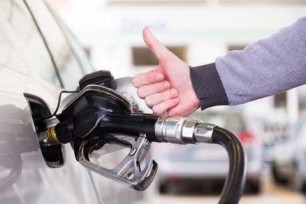
Unable to decide between petrol and diesel car? We got the answer
Unlike old times, almost all car manufacturing companies are now producing new vehicles with both petrol and diesel variants. With it, the common misbelief of a petrol car being superior is also burning to the ground. The way diesel engines have advanced significantly poses a severe threat to their petrol rivals by being more efficient and economical.
But the debate remains as to whether to go for a petrol or diesel model. Allow us to clear it out for you quickly. Here are the 5 major aspects to compare both the options, and let’s view the results.
1. Performance:
If you are a power enthusiast looking deeply into car performance other than anything, remember that a car’s performance is mainly affected by the amount of weight it carries. However, both petrol and diesel cars offer specific power. For example, if you like instant pick up, a petrol car will impress you better. On the other hand, a diesel car will amaze you with the sudden thrust despite the slow start. So, out of the two variants, decide what suits you better.
2. Prices:
Diesel models are generally more expensive than their petrol rivals, and so is their maintenance cost. Do not let the fuel prices confuse you with the car prices. Although diesel as a fuel is cheaper than petrol in our country, the cars sell at a higher price. It's on you to decide whether to pay more for your car one time or more for your fuel every time.
3. Maintenance expenses:
Do diesel models require a higher maintenance cost? That no longer stands true for every case. Although maintaining a diesel vehicle is still more expensive than a petrol vehicle, it has become comparatively affordable than earlier. It even varies between the different classes of the car and the brand.
4. Fuel-efficiency:
This is something to consider later in all the aspects mentioned earlier. Mileage for diesel vehicles is one of the sole reasons for people to choose them over petrol vehicles. A diesel car will run more kilometres in the same litres of fuel than a petrol car. So, in terms of fuel efficiency, diesel cars are clearly the prize winner.
5. Fuel costs:
India has always had diesel at a reduced price than petrol owing to the subsidies. Although the price gap has reduced continuously in almost all states, this is still a fact. Hence, diesel is cheaper than petrol, with diesel vehicles having a better mileage than the latter. Therefore, despite the initial higher charges, it is proved that a diesel car is affordable after all.
Owning a car is a luxury in itself; hence ensure to get the one most suited to your expectations. Regardless of what type of car you buy, decide it after assessing the running cost, the duration you want to retain it and resell value it brings to you. And when you finally make a purchase, do not forget to buy new car insurance as made mandatory by the laws. Apart from choosing the best vehicle variant, you also need to buy new car insurance for a financial safety net if the unexpected occurs.
To buy new car insurance for your car, click HERE .
Disclaimer: The information provided above is for illustrative purposes only. To get more details, please refer to policy wordings and prospectus before purchasing a policy.

Things to do after your car gets totaled post an accident
No one likes to think about the possibility of their vehicle being in an accident, but knowing what to do when it happens, helps you a lot. According to a survey, almost 77% of drivers have been in at least one accident during their lifetime. Thus, as per the facts, your chances of getting into a car accident during a 1,000-mile trip are 1 in 366.
After a car crash, your immediate response is to ensure everyone's safety and get medical attention even if the injuries seem minor to you. The immediate aftermath of an accident is quite stressful, and not knowing what should be your next step only adds to the stress.
Therefore, it is time you learn what to do when your car gets totaled post an accident.
After the accident, when you inform your insurance company about the incident to claim your insurance, the company may deem your car to be 'totaled'.
But, first, what exactly does 'a totaled car' mean?
• If the value of repairing the vehicle is more than the value of the car, pre-accident.
• If it can be dangerous to use the car again after the repair work.
Some companies cover the cost of towing the car. Few look after your rental car bills only for three days, whereas some might cover for an extended period. Different companies have different policies for the drivers. Therefore, it is better to be familiar with your private car insurance policy.
Now follow the given steps to claim your insurance settlement.
Step 1
Give your insurance company a call. Many companies have mobile applications where you can click images of the damage and post them, and an inspector will survey the specifics. But, when you think your car is totaled, it will take much more than a basic inspection to verify the damage.
Sometimes, there is not much visible damage, but some damaged parts of the car can cost much more than you anticipate. For this, you will have to trust your inspector to do a thorough inspection of your vehicle.
Step 2
Submit your application, policy details, and police report. Now, all companies have different documentation processes, and you must be sure to understand what papers you will need to submit precisely. Your settlement request would not proceed further unless the company has received all that it needs.
Step 3
Whether you own the vehicle or are leasing it, the insurance company will write a check to you, your lender, or the lease company. The amount of your total loss settlement will be the AVC, average cash value of your car, which depends on the following
• the current market value of your vehicle
• the condition of your car pre-accident as well as its mileage
• other features of the car such as leather seats, power windows etc.
Sometimes fortune turns harsh on us, and it becomes tough to accept the reality. Accidents can happen anytime, and it is rightly quoted that 'Accidents hurt, but not safety.' The recovery post a severe accident is never a peaceful process. Seeing your beloved car turn into crushed pieces of metal is an awful feeling. Don't wait for the worst to happen. Be prepared by buying private car insurance that assures you the complete assistance and compensation you expect during the tough times.
Need private car insurance? Click HERE to get the best insurance quotes.
Disclaimer: The information provided above is for illustrative purposes only. To get more details, please refer to policy wordings and prospectus before purchasing a policy.
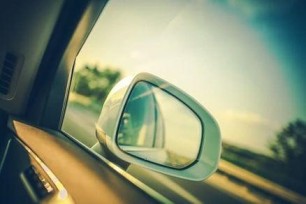
Ten features that your car might have but you've overlooked them
You may be spending every day driving around in your car but not well aware of its every feature. We can guarantee you that you have missed out on more than one feature of your car. But you have got nothing to worry about as we have you covered.
Failing to notice each of your car’s features is quite common and happens to all of us. The reason could be because it is not in your direct vision or sometimes, we are just too caught up to notice it. People are not familiar with these high-tech vehicles yet, and it is understandable.
Allow us to introduce you to these amusing features that you probably overlooked.
1. A trunk that doesn’t require you to use your hands: Some new cars have these sensors that automatically unlock and open the trunk when you wave your palm in front of a sensor or detect your smart key in your pocket.
2. Extra storage space: Few cars come with hidden storage under the passenger seats or beneath the foot space.
3. Rearview mirror that dips: The rearview mirror has adjustable settings to keep you from blinding by headlight glare? To switch between “day” and “night” settings, you only have to utilize the tab below the mirror.
4. Sensors for lane centering: Another feature of self-driving technology works based on a camera installed behind the windshield to scan lane lines and alarm you if you go out of the lane.
5. Hooks for hanging things: Also called the takeaway hooks, these are commonly located near the headrests and above the rear doors. You will also find spaces to hang your shopping bags if you look closely.
6. Fuel-efficient body frames: Some cars feature aluminium frames instead of steel bodies to reduce their weight. It makes the car more fuel-efficient as it increases the speed and eventually improves the mileage.
7. Magic seats: This seat system allows you to fold the passenger seat entirely to increase your boot space.
8. Colour-coded cables: Many modern-day cars come with different colour cables in the hood so the driver can quickly know what to look for between maintenance. The oil cap, coolant, brake fluid, and washer fluid cables are all colour-coded for convenience.
9. Amplified soundproofing: Accelerometers fitted on the vehicle detect the motions and vibrations that generate noise. Then the Bose RNC technology sends a cancellation signal directly to the car’s sound system.
10. ESD: It stands for Electronic Stability Control. This feature automatically applies the car’s brakes to regulate a turn in tight corners or bad weather.
These are the top ten overlooked yet valuable features of newly produced cars that we accumulated for you. So, acquaint yourself with all the fantastic features of your vehicle and make your driving more comfortable and hassle-free than ever.
As much as it is fun to discover your car’s crazy features, it is crucial to look after its protection. Overlooking your car’s functions may not be a big deal, but ignoring your car insurance renewal is. Do not forget to keep your car insurance renewal on time to avoid interruption in receiving the policy’s benefits in terms of safety during the time of mishaps.
To buy or renew car insurance online, click HERE .
Disclaimer: The information provided above is for illustrative purposes only. To get more details, please refer to policy wordings and prospectus before purchasing a policy.
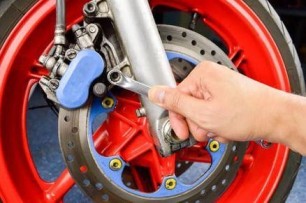
Planning to make modifications to your bike? Understand how it may impact your insurance
The craze of upgrading the look and feel of bikes has been a massive attraction, especially for the youth. These modifications are mainly made on the aesthetics or performance of the bike. However, people spend hefty amounts to get these modifications without considering their influence on the vehicle's insurance premium.
Also, know that not every modification is for looks and performance; some are for ensuring security. So, the question remains, how do all these modifications affect the insurance premium?
Below, we've explained all the types of modifications and their effect on your vehicle insurance premiums.
1. Modifications aimed at performance enhancement:
All bikers seek greater performance from their motorcycles. Whether it's a small or large modification, most of them enjoy altering things that they feel would considerably improve the performance of their bikes. Changes are done for faster acceleration, better handling, and effective braking.
Typically, insurance companies view such bike modifications as 'risky,' as more incredible speed increases the likelihood of an accident. As a result, they charge a higher premium for bike insurance.
2. Modifications aimed at aesthetics improvement:
Aesthetic changes improve your bike's visual appeal and give it a distinct appearance. For example, you may customize your bike by changing its colour, altering the seat cover, adding fibre components to bulk up the bike, or adjusting the headlights to make it look sporty. These upgrades come with an increased danger of your bike being stolen. As a result, the cost of your insurance premium may shoot up.
3. Modifications aimed at security:
Not all bike upgrades raise the value of the bike. Security upgrades might help you save money on your bike insurance premiums. Such changes are to reduce the likelihood of bike theft. Increasing the security of your bike with sensors, locks, and other such equipment can help you save money on your bike insurance.
Insurance companies provide discounts for installing anti-theft systems because they perceive it as a deterrent to theft. As a result, it is a win-win situation for both the insurer and the insured. To get benefits on your bike insurance rate, make sure you only install gadgets that have been certified by the Automotive Research Association of India.
4. Modifications aimed for specially abled persons:
If a rider is differently abled, his bike will be modified to accommodate his impairment, thereby allowing him to ride more comfortably and conveniently. There are no additional fees for such modifications. Instead, the insurance provider offers a discount to make these modifications.
Several factors influence the premium amount whenever you modify your bike. As a result, you must notify your insurer of any changes while purchasing bike insurance online or physically.
We all want to make our bike unique by personalizing it. However, before you make major changes to increase its appearance and worth, you may seek clearance from the ARAI and RTO about all the modifications. As previously indicated, modifications made for safety purposes will not raise insurance premiums, but those made for aesthetic reasons can be pricey. When purchasing or renewing bike insurance online, make sure to inform the insurer of any changes to avoid any hassles at the time of claim settlements.
Click HERE to get the best two-wheeler insurance for your modified bikes.
Disclaimer: The information provided above is for illustrative purposes only. To get more details, please refer to policy wordings and prospectus before purchasing a policy.
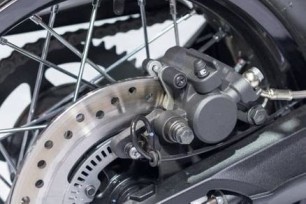
Know about these cool technologies for safe two-wheeler rides
With increased riders' registrations and two-wheelers plying on the road, motorcycling is becoming more popular in India, thanks to new technologies mainly observed in cars. This digitalization in the automotive industry helps improve fuel efficiency, reduces emissions, and eliminates the possible risk for the two-wheeler and rider.
Manufacturers are steadily researching new technologies to make the bike experience safe. This article will look at a few inventions that have revolutionized how we think about motorcycle safety.
1. Anti-lock Braking System (ABS):
Anti-lock Braking System prevents the wheel(s) of a motorbike from locking up during hard braking. This technology employs speed sensors on both wheels to correctly estimate wheel speed and recognize when a wheel will lock.
This mechanism adjusts the braking pressure to prevent the tyres from locking up and maintain the motorcycle's balance. It also helps to minimize braking distance in several situations. Motorcycles equipped with anti-lock brakes are less likely to meet an accident on the road.
2. Traction Control System (TCS):
Traction control avoids drifting while accelerating on a slippery surface. It limits engine power until the bike can travel without the wheels slipping and provides maximum turning stability.
The sensors and the Electronic Control Unit are the two primary components of a traction control system. The ECU captures data on gravitational forces, lean angles, and other factors. The sensors are constantly updating raw data about the motorcycle's present location. This information helps to adjust the amount of power sent to the back wheels and prevent skidding.
3. Slipper clutch mechanism:
A slipper clutch aims at reducing the effect of engine braking when the rider decelerates. It works by transmitting braking force through the chain drive, making the rear wheel shake and lose traction when the back wheel tries to move the engine quicker than it would under deceleration. The slipper clutch partly disengages the engine until the conditions are suitable for reengaging.
4. Tyre Pressure Monitoring System (TPMS):
This technology works by installing pressure monitoring sensors inside each tyre's valve. These sensors collect data from each tyre, send it to a module that compares it from both tyres and notify the rider if any tyre has low, high, or uneven pressure.
Low tyre pressure can cause slow handling, increasing your chance of meeting an accident. The TPMS technology assists you in avoiding such instances.
5. Ride By Wire technology (RBW):
Ride-by-wire is a new-age acceleration system; it eliminates the need for cables. It's an electronic throttle system that removes the mechanical throttle wire's coupling to the acceleration handlebar. This unique system results in faster and more accurate throttle response.
These cutting-edge technologies are helping bikers with safer riding experiences. As a rider, make sure your bike has these advanced safety features to provide you with a comfortable riding experience and the best possible protection. While you get prepared to upgrade for a bike loaded with these new safety-enhancing features for your bike, also remember to have valid two-wheeler insurance; not only is it necessary, but it is mandatory by the law. Always remember to get ideal 2 wheeler insurance online to improve your safety!
To know about the best 2 wheeler insurance online, click HERE .
Disclaimer: The information provided above is for illustrative purposes only. To get more details, please refer to policy wordings and prospectus before purchasing a policy.

How to ensure the safety of pillion riders during bike journeys
If you travel daily to work together or plan long rides during holidays, riding with a co-passenger always makes a journey lively and enjoyable.
Riding a two-wheeler demands alertness at all times. But, being accompanied by a pillion rider requires more vigilance. Most riders have a basic understanding of riding a bike safely, however, things change a lot when riding with a pillion rider.
Being a responsible rider, you must ensure the safety of your riding partner too. Any injury to the pillion rider might detract from the enjoyment of your travel. In this space, we’ve emphasized how to safeguard your co-rider during your bike trip.
1. Basic dos and don’ts for the pillion:
Dos:
• Always maintain a constant posture and balance your body weight
• Assist with the navigation
Don’ts:
• Never engage the rider in too many conversations and unnecessary distractions
• Don't shift your body weight to the rider
• Avoid sudden reactions or jerky movements
2. Best use of a seat and a backrest:
An uneasy pillion passenger may shuffle in their seat, resulting in a persistent state of unbalance. Hence, investing in a decent quality backrest can be of great help. It not only guarantees the pillion rider’s comfort but also keeps the bike from losing balance.
3. Check your two-wheeler’s suspension adjustment:
A pillion rider results in a greater centre of gravity, which can affect the bike's handling. As a result, make sure your bike’s suspension is adjusted correctly. For example, installing an adjustable rear shock might assist you in achieving the proper setup for riding with a pillion rider.
4. Pay attention to your braking and turning:
These are the two factors that have a significant influence on a two-wheeler’s balance. Keep your speed under control, specifically on the turns. Also, practice a progressive braking technique rather than grabbing a fistful. These are the two moments in which you should be aware of the presence of a pillion rider and alter your movement accordingly.
5. Communication is the key:
Some co-passengers feel uncomfortable while riding. They are scared of speed or sharp turns and find it difficult to adjust with maneuvering. Your pillion rider must know your motorcycle riding skills and is comfortable while on the road. You should have the transparency to tell the other person to speak out the fear, and you can accordingly adjust the speed to make the co-passenger comfortable. If you are riding with someone, always make sure you both can talk things out comfortably and enjoy the ride without hesitation.
6. Safety should always be a priority:
One cannot compromise safety, especially when riding with a pillion rider. As two-wheelers are more prone to road accidents, it’s your responsibility to take safety measures seriously. Invest in good quality riding gear, purchase ISI-certified helmets for you and your co-rider. Don’t let unfortunate incidents affect the excitement of your ride. Check for bike insurance online, browse through different options, and buy one to avoid financial setbacks in case of damages.
Making your pillion rider feel safe about riding with you is important for a pleasant ride. There has to be trust and understanding between both riders. Take extra care when riding with kids or older people. Cover distances together but keep safety and comfort as the priority.
Looking for bike insurance online, click HERE .
Disclaimer: The information provided above is for illustrative purposes only. To get more details, please refer to policy wordings and prospectus before purchasing a policy.